Why Does Meat Increase Diabetes Risk?
Author: Dr. Stephen Chaney
 The statistics for type 2 diabetes are alarming. In the United States:
- 38.1 million adults (15% of the adult population) had diabetes in 2021, with 95% of them having type 2 diabetes.
-
- 8.7 million of those adults were unaware they had diabetes.
-
- If current trends continue, by 2030 the number of adults with diabetes is projected to increase by 54% to around 55 million.
- Another 96 million Americans (33% of the population) have pre-diabetes. Unless they change their diet and lifestyle, most of them are destined to progress to type 2 diabetes in the next few years.
- Diabetes is the eight leading cause of death in this country.
- The costs associated with diabetes in the United States are currently around $410 billion and are projected to increase to around $622 billion by 2030.
The statistics are not much different worldwide:
- Type 2 diabetes currently affects more than 500 million people worldwide and is expected to double by 2050.
- Diabetes is also the 8th leading cause of death worldwide.
This is a major concern because diabetes dramatically increases the risk of:
- Heart disease and stroke.
- Certain types of cancer.
- Painful neuropathies.
- Vision loss and blindness.
- Cognitive decline and Alzheimer’s disease.
Just to name a few. Diabetes affects your quality of life, and it can shorten your lifespan by several years.
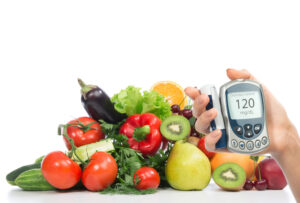 So, you are probably wondering what you can do to decrease your risk of developing type 2 diabetes. There are lots of fad diets (low carb, low fat, low glycemic, high fiber, Paleo, Keto, etc.), but the weight of evidence is that your best bet for decreasing the risk of developing diabetes is a healthy diet that:
- Is primarily plant-based.
- Consists mostly of unprocessed or minimally processed foods.
- Emphasizes healthy fats such as monounsaturated and omega-3 fats.
- Includes lots of fruits and vegetables.
- Emphasizes whole rather than refined grains.
- Includes plant protein sources like beans, nuts, and seeds.
- Has a low caloric density (which it will if you follow the guidelines above), so you can lose weight slowly and naturally.
But what about meat? Here the data are less clear. Several studies have suggested that eating red and processed meat increases your risk of type-2 diabetes. Studies on poultry are mixed with some studies suggesting they increase the risk of developing type 2 diabetes, and other studies suggesting they have no effect.
Unfortunately, the data from the previous studies were inconsistent, in part because the methods used to collect and analyze the data varied widely from study to study. In addition, the studies were primarily performed in the United States and Europe, so it was unclear whether the correlation between meat consumption and type 2 diabetes was universal, or whether it was restricted to western countries.
With this in mind, the authors of the current study (C Li et al, The Lancet Diabetes and Endocrinology, 12: 619-630, 2024) decided to perform a much more comprehensive study by combining studies from all across the world that used similar methodologies.
How Was This Study Done?
 This study was a meta-analysis of data obtained from the InterConnect project. The InterConnect project is registry of more than 200 studies from around the world. The investigators chose 31 studies with a total of 1,966,444 individuals from 20 countries for this meta-analysis based on the following criteria:
- Participants in the studies were adults between 40 and 60 years old.
- Participants were excluded from the study if they already had type 2 diabetes.
- The diets of participants in the studies were assessed by having the participants fill out standardized dietary assessment forms at the beginning of the study.
- Participants were followed for an average of 10 years (7-15 years) to see how many developed a newly diagnosed case of type 2 diabetes. During this time 10,271 participants in these studies developed type 2 diabetes.
- The correlation between 3 types of meat (processed meat, red meat, and poultry) and type 2 diabetes was adjusted for other factors that affect the risk of diabetes (e.g., age, sex, ethnicity, smoking, drinking, physical activity, obesity, and family history of type 2 diabetes)
Does Meat Increase Diabetes Risk?
 The results of this meta-analysis were:
- There was a log-linear (greater than linear) dose-response correlation without any obvious threshold or ceiling effect with the risk of developing type-2 diabetes for all three meats tested in this study.
- For processed meat each 50-gram increase (equivalent to 4 slices of smoked ham) increases the risk of developing type 2 diabetes by 15%.
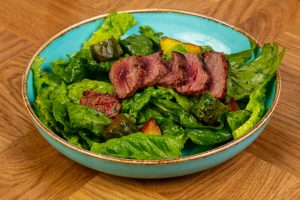
- For unprocessed red meat each 100-gram increase (equivalent to 3.5 ounces of steak) increases the risk of developing type 2 diabetes by 10%.
- For poultry each 100-gram increase (equivalent to 3.5 ounces of chicken) increases the risk of developing type 2 diabetes by 8%. However, after correcting for other diet and lifestyle factors that increase the risk of type 2 diabetes, the effect of poultry on diabetes risk was non-significant.
When they looked at the effect of replacing one type of meat with another:
- Replacing 50 grams of processed meat with 100 grams of unprocessed red meat decreased the risk of diabetes by 7%.
- Replacing 50 grams of processed meat with 100 grams of poultry decreased the risk of diabetes by 10%.
- I should note that previous studies have shown that replacing either processed meat or unprocessed red meat with vegetable protein foods (beans, nuts, and seeds) significantly decreases the risk of developing diabetes.
When they looked at different regions of the world:
- The effect of both processed and unprocessed red meat on type 2 diabetes risk was seen in America, Europe, Western Pacific regions, and east Asia.
- However, no effect of either unprocessed or processed red meat on type 2 diabetes risk was seen in the Eastern Mediterranean and South Asia.
The authors concluded, “The consumption of meat, particularly processed and unprocessed red meat, is a risk factor for developing type 2 diabetes across populations. These findings highlight the importance of reducing meat consumption for public health and should inform dietary guidelines.”
Why Does Meat Increase Diabetes Risk?
 This study supports and strengthens previous studies suggesting that we should add red and processed meats to the list of risk factors for developing type 2 diabetes. However, unless you are a vegan, the idea of giving up all red and processed meat is probably a non-starter.
Instead, let’s ask why red and processed meats increase diabetes risk. Is it the meat itself, or something else that triggers the increase in the risk of developing type 2 diabetes. Is it:
#1: Guilt By Association: Diets high in meats are also high in saturated fats, which increase the risk of diabetes.
#2: Guilt By Omission: Diets high in meats are often low in fruits, vegetables, nuts, and seeds – all healthy foods that lower diabetes risk.
#3: Guilt By Addition: Processed meats contain additives that can increase the risk of developing diabetes. For example, nitrates or nitrites are often added as preservatives. But they can be converted in the gut to N-nitroso compounds which increase inflammation, which in turn increases the risk of developing diabetes.
#4: Guilt By Cooking: High temperature grilling and frying creates compounds that create oxidative stress, which can increase the risk of developing diabetes.
#5: Guilt By Microbiome: The microbiome (gut bacteria) of heavy meat eaters is very different from the microbiome of people who eat a more plant-based diet. If a meat eater consumes a steak, their gut bacteria convert L-carnitine in the meat to a toxic compound called trimethylamine N-oxide (TMAO). However, if you were able to convince a vegan to eat the same steak, that wouldn’t happen.
#6: Guilt By Diet Context: The fact that there was no association between red and processed meat and diabetes in Mediterranean and South Asian regions gives us an important clue. The bad effects of red and processed meats are influenced by the context of the overall diet. What do the cuisines of the Mediterranean and South Asian regions have in common? They are both primarily whole food, plant-based cuisines.
I have discussed each of these mechanisms in more detail in an article in a recent edition of “Health Tips From the Professor”.
I also discussed ways to reduce the risk of each of these mechanisms, but if you don’t want to read the article,here is a spoiler alert:
- Plant foods are the antidotes for the bad things associated with red and processed meats.
- We should think of meat as a garnish for a primarily plant-based meal rather than a main course with a baked potato or fries as a garnish.
The Bottom Line
A recent study looked at the effects various meats on the risk of developing type 2 diabetes worldwide. The study found:
- For processed meat each 50-gram increase (equivalent to 4 slices of smoked ham) increases the risk of developing type 2 diabetes by 15%.
- For unprocessed red meat each 100-gram increase (equivalent to 3.5 ounces of steak) increases the risk of developing type 2 diabetes by 10%.
- The effect of poultry on diabetes risk was non-significant.
When they looked at the effect of replacing one type of meat with another:
- Replacing 50 grams of processed meat with 100 grams of unprocessed red meat decreased the risk of diabetes by 7%.
- Replacing 50 grams of processed meat with 100 grams of poultry decreased the risk of diabetes by 10%.
- I should note that previous studies have shown that replacing either processed meat or unprocessed red meat with vegetable protein foods (beans, nuts, and seeds) significantly decreases the risk of developing diabetes.
The authors concluded, “The consumption of meat, particularly processed and unprocessed red meat, is a risk factor for developing type 2 diabetes across populations. These findings highlight the importance of reducing meat consumption for public health and should inform dietary guidelines.”
For more details on this study, why meats increase diabetes risk, and what this study means for you, read the article above.
These statements have not been evaluated by the Food and Drug Administration. This information is not intended to diagnose, treat, cure or prevent any disease.
_____________________________________________________________________________
My posts and “Health Tips From the Professor” articles carefully avoid claims about any brand of supplement or manufacturer of supplements. However, I am often asked by representatives of supplement companies if they can share them with their customers.
My answer is, “Yes, as long as you share only the article without any additions or alterations. In particular, you should avoid adding any mention of your company or your company’s products. If you were to do that, you could be making what the FTC and FDA consider a “misleading health claim” that could result in legal action against you and the company you represent.
For more detail about FTC regulations for health claims, see this link.
https://www.ftc.gov/business-guidance/resources/health-products-compliance-guidance
________________________________________________________________________
About The Author
 Dr. Chaney has a BS in Chemistry from Duke University and a PhD in Biochemistry from UCLA. He is Professor Emeritus from the University of North Carolina where he taught biochemistry and nutrition to medical and dental students for 40 years.
Dr. Chaney won numerous teaching awards at UNC, including the Academy of Educators “Excellence in Teaching Lifetime Achievement Award”.
Dr Chaney also ran an active cancer research program at UNC and published over 100 scientific articles and reviews in peer-reviewed scientific journals. In addition, he authored two chapters on nutrition in one of the leading biochemistry text books for medical students.
Since retiring from the University of North Carolina, he has been writing a weekly health blog called “Health Tips From the Professor”. He has also written two best-selling books, “Slaying the Food Myths” and “Slaying the Supplement Myths”. And most recently he has created an online lifestyle change course, “Create Your Personal Health Zone”. For more information visit https://chaneyhealth.com.
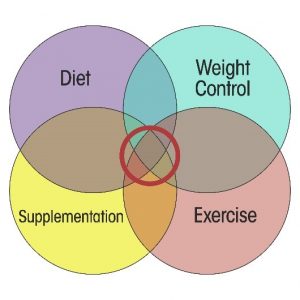
For the past 53 years Dr. Chaney and his wife Suzanne have been helping people improve their health holistically through a combination of good diet, exercise, weight control and appropriate supplementation.