Can You Cut Your Risk Of Heart Disease By 90%?

The Effect Of Ultra-Processed Foods On Heart Disease Risk
 

Author: Dr. Stephen Chaney

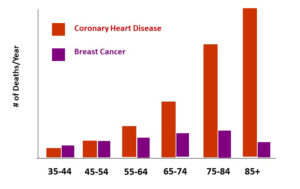
strong heartHeart disease is a killer. It continues to be the leading cause of death – both worldwide and in industrialized countries like the United States and the European Union. When we look at heart disease trends, it is a good news – bad news situation.

  • The good news is that heart disease deaths are continuing to decline in adults over 70.
    • The decline among senior citizens is attributed to improved treatment of heart disease and more seniors following heart-healthy diets.
  • The bad news is that heart disease deaths are starting to increase in younger adults, something I reported in an earlier issue of “Health Tips From the Professor.”
    • The reason for the rise in heart disease deaths in young people is less clear. However, the obesity epidemic, junk and convenience foods, and the popularity of fad diets all likely play a role.

Everyone has a magic diet to reduce the risk of heart disease. The American Heart Association tells us to avoid fats, especially saturated fats. Vegans tell us to avoid animal protein. Paleo and Keto enthusiasts tell us carbs are the problem.

But what if we eliminated junk and convenience food AND switched to a really healthy diet? How much would that reduce heart disease risk? A recent study (Y Willett et al, The American Journal of Medicine, in press, 2026) looked at the first part of that question. It looked at the effect of ultra-processed food (what we call junk and convenience foods) consumption on the risk of developing heart disease.

How Was This Study Done?

Clinical StudyThe scientists analyzed data from 4787 participants in the most recently published (2021 to 2023) National Health and Nutrition Examination Survey (NHANES). The average age of participants in the survey was 55 years, with 56% of them being women.

All the participants in this study had completed a dietary survey of everything they ate over the last two days. They also reported whether they had ever experienced a heart attack or stroke.

Ultra-processed foods were defined as foods that are industrially modified and loaded with added fats, sugars, starches, salts, and chemical additives.

The percentage of ultra-processed foods in their diet was calculated, and the participants were divided into quartiles based on the percentage of ultra-processed foods they consumed.

Participants with the highest quartile of ultra-processed food consumption were compared to those in the lowest quartile with respect to the risk of cardiovascular disease (self-reported heart attack or stroke). The data were corrected for age, sex, race, ethnicity, smoking status, and income.

The Effect Of Ultra-Processed Foods On Heart Disease Risk

Fast Food DangersThe results were striking:

  • The participants in the highest quartile for ultra-processed food consumption had a 47% higher risk of heart disease compared to those in the lowest quartile for ultra-processed food consumption.

The authors concluded, “Adults who consumed the highest amount of ultra-processed foods had a statistically significant 47% increased risk of heart disease. Large scale randomized trials are needed, but in the meantime, health care providers should advise patients to decrease consumption of ultra-processed foods in addition to adopting other therapeutic lifestyle changes and adjunctive drug therapies of proven benefit.”

The authors recognized the difficulty of making those changes in a world where ultra-processed foods are ubiquitous and cheap.

However, they drew parallels to tobacco use in this country. They said, “Just as it took decades for the dangers of smoking to become widely accepted, reducing reliance on ultra-processed foods may take time. This is partly due to the influence of large multinational companies that dominate the food market. In addition, many people face limited access to healthier food options.”

They went on to say, “Addressing ultra-processed foods isn’t just about individual choices – it’s about creating environments where the healthy option is the easy option.”

Can You Cut Your Risk Of Heart Disease By 90%?

The short answer is, “probably not”. But you can reduce the risk of heart disease by a lot – and probably by a lot more than 47%.

That’s because this study did not look at what the participants were replacing the ultra-processed foods with. Some participants may have replaced them with whole food, primarily plant-based diets. Others may have replaced ultra-processed foods with whole food, meat-based diets high in saturated fats.

So, let’s look at the other side of the equation – how much you can reduce your risk of heart disease by eating a healthier diet. In a recent issue of “Health Tips From The Professor”, I reviewed a meta-analysis published in 2022 that looked at 99 clinical studies with tens of thousands of participants that measured the associations between foods or food groups and heart disease risk.

That study reported that:

  • Processed Meat: A single serving of processed meat increased heart disease risk by 27% to 44%.
  • Red Meat: Unprocessed red meat increased heart disease risk by as much as 27% – but only at ≥3 servings per day. The results with lower intakes were inconsistent – some studies showed increased risk, but others did not.
  • Poultry, Eggs, and Dairy Foods: They did not appear to affect heart disease risk.
  • Fish: Two to four servings per week of fatty fish decreased heart disease risk by around 12%.
  • Fruit: Two servings per day of fruit reduced heart disease risk by 21-32%.Vegan Foods
  • Vegetables: Two servings of vegetables per day reduced heart disease risk by 18-21%.
  • Legumes (beans and peas): Four servings per week reduced the risk of heart disease by around 14%.
  • Nuts: One serving (a handful) per day reduced the risk of heart disease by around 25%. 
  • Whole Grains: Two servings of whole grains per day reduced the risk of heart disease by 25%-34%.
  • Overall: When heart-healthy foods were consumed as part of the Mediterranean diet heart disease risk was reduced by 47%. Similar overall reductions in heart disease risk are likely with other heart-healthy diets like DASH, MIND, Flexitarian (flexible semi-vegetarian), and vegan diets.

In summary:

  • The first study shows that eliminating ultra-processed foods (junk and convenience foods) from your diet can decrease heart disease risk by 47% – but doesn’t tell us what the ultra-processed foods were replaced with. And it would take a much larger study to determine which food swaps were most effective at reducing heart disease risk.
  • The second study was a meta-analysis that told us that eating more fish and plant foods in the context of a heart-healthy diet can decrease your risk of heart disease by 47% – but doesn’t tell us what those healthy foods were replacing. And many of the individual studies included in the meta-analysis were conducted when ultra-processed food consumption was much less than it is today.

It would be tempting to add 47% plus 47% and conclude that eliminating ultra-processed food consumption and replacing ultra-processed foods with heart-healthy foods could decrease your risk of heart disease by 94%. But it’s not that simple. There are too many unanswered questions from these studies.

But it is safe to say that if we eliminated ultra-processed foods AND replaced them with heart-healthy foods in the context of a heart-healthy diet, we should be able to reduce our heart disease risk by more than 47% – perhaps much more.

What Do These Studies Mean For You?

There are two important lessons from these studies:

#1: Eliminating ultra-processed foods from your diet will significantly decrease your risk of heart disease.

And it isn’t just heart disease. Other recent studies have shown that eliminating ultra-processed foods from your diet helps you:

  • Control your weight (It is perhaps the most important lifestyle change to make if you want to maintain GLP-1-aided weight loss).
  • Reduce your risk of cancer.
  • Reduce your risk of diabetes.
  • Reduce your risk of inflammatory diseases.
  • Reduce anxiety and depression.
  • Increase your healthspan (your healthy years).

In short, ultra-processed foods are killers.

#2: Replacing ultra-processed foods with heart-healthy foods (fruits, vegetables, legumes, nuts, whole grains, and fish) in the context of a healthy diet (Mediterranean, DASH, MIND, Flexitarian, and vegan, for example) is likely to decrease your risk of heart disease even more.

  • And if your diet consists of mostly heart-healthy foods, you can add moderate amounts of heart-neutral foods (poultry, eggs, and dairy).
  • And the latest evidence suggests that you can even add small amounts of red meat in the context of a heart-healthy diet (As I have said in previous issues of “Health Tips From the Professor”, plant foods contain the antidotes to all the bad things about red meat.)

Finally, you might ask why I emphasize both heart-healthy foods and heart-healthy diets. There are two reasons:

  • Most of us think in terms of foods rather than diets.
  • The food industry is only too happy to provide us with ultra-processed foods for “heart-healthy” diets like the vegan and Mediterranean diet.

The Bottom Line

Two recent studies have shown how each of us can dramatically reduce our risk of heart disease.

  • The first study showed that eliminating ultra-processed foods from our diet can significantly decrease our heart disease risk – but didn’t tell us what the ultra-processed foods were replaced with.
  • The second study showed that eating more heart-healthy foods in the context of a heart-healthy diet can significantly decrease our risk of heart disease – but didn’t tell us what those healthy foods were replacing.

Taken together, those studies show us a clear path for dramatically decreasing our heart disease risk.

For more details about these studies and what they mean for you, read the article above.

These statements have not been evaluated by the Food and Drug Administration. This information is not intended to diagnose, treat, cure or prevent any disease.

 _____________________________________________________________________________

My posts and “Health Tips From the Professor” articles carefully avoid claims about any brand of supplement or manufacturer of supplements. However, I am often asked by representatives of supplement companies if they can share them with their customers.

My answer is, “Yes, as long as you share only the article without any additions or alterations. In particular, you should avoid adding any mention of your company or your company’s products. If you were to do that, you could be making what the FTC and FDA consider a “misleading health claim” that could result in legal action against you and the company you represent.

For more detail about FTC regulations for health claims, see this link.

https://www.ftc.gov/business-guidance/resources/health-products-compliance-guidance

_______________________________________________________________________

About The Author 

Dr. Chaney has a BS in Chemistry from Duke University and a PhD in Biochemistry from UCLA. He is Professor Emeritus from the University of North Carolina where he taught biochemistry and nutrition to medical and dental students for 40 years.  Dr. Chaney won numerous teaching awards at UNC, including the Academy of Educators “Excellence in Teaching Lifetime Achievement Award”.

Dr Chaney also ran an active cancer research program at UNC and published over 100 scientific articles and reviews in peer-reviewed scientific journals. In addition, he authored two chapters on nutrition in one of the leading biochemistry text books for medical students.

Since retiring from the University of North Carolina, he has been writing a weekly health blog called “Health Tips From the Professor”. He has also written two best-selling books, “Slaying the Food Myths” and “Slaying the Supplement Myths”. And most recently he has created an online lifestyle change course, “Create Your Personal Health Zone”. For more information visit https://chaneyhealth.com.

For the past 45 years Dr. Chaney and his wife Suzanne have been helping people improve their health holistically through a combination of good diet, exercise, weight control and appropriate supplementation.

 

Is Margarine More Heart-Healthy Than Butter?

What Should You Put On Your Toast?

Author: Dr. Stephen Chaney

The Checkered History Of Margarine

MargarineMany of you may have seen the recent headlines proclaiming that a recent study has shown that margarine is healthier than butter.

  • Some of you may be saying, “I don’t believe it.”
  • Others may be saying, “Of course. Hasn’t that always been true.”

So, to clear up the confusion, let me share a brief history of margarine.

  • Margarine was invented in 1869 by a French chemist in response to a request from Napoleon III to create a poor man’s butter substitute. Napoleon’s intentions weren’t entirely altruistic. He also wanted a cheaper butter substitute for his armies.
  • Margarine initially encountered a strong headwind in this country. The dairy lobby influenced congress and state legislatures to pass numerous laws designed to increase the cost and reduce the desirability of margarine.
  • In the 1950s the ground started to shift. Scientists and the medical community started to recognize that saturated fats were a major contributor to heart disease. Suddenly, butter became a villain, something to avoid.
    • But that was a problem. Butter was preferred spread for bread and toast. It was used for cooking. It was ubiquitous. You may even remember the popular “I like bread and butter” song. What was a person to do?
  • At that time margarine was made by partially hydrogenating vegetable oils (usually corn oil because it was the cheapest). The hydrogenation converted some of the unsaturated fats in vegetable oils to saturated fats so that margarine would not be in liquid form at room temperature. However, the total amount of saturated fat in margarine was less than in butter, and the ratio of polyunsaturated fat to saturated fats was more heart-healthy. Margarine took on a new luster. It was now the healthier alternative to butter.
    • Once margarine attained the “healthier” status, most of the anti-margarine laws were quickly abolished, and margarine quickly outpaced butter as the spread of choice.
  • In the 1980s the ground shifted again. A French study found the margarine increased the risk of heart disease more than butter. Further studies showed that the hydrogenation process created a novel type of fat called trans fats. By the 1990s it was widely accepted that trans fats increased the risk of heart disease even more than saturated fats.
    • Margarine became the villain, and butter was considered the more natural, healthier spread. By 2000 sales of butter once more surpassed those of margarine.
  • In 2018 the ground shifted once again. After almost 20 years of deliberation, the FDA banned trans fats from the American food supply as of 2018. Margarine no longer contained trans fats.

Today’s study (C Weber et al, Public Health Nutrition, doi:10.1017/S1368980021004511) asks whether the reformulated, trans-fat-free margarines are once again a more heart-healthy alternative to butter.

Is Margarine More Heart-Healthy Than Butter? 

Margarine-Versus-ButterThe study analyzed the fat composition of 53 margarine tub or squeeze products, 18 margarine stick products, 12 margarine-butter blend products and compared them with the fat composition of butter. The results are shown below:


There was no detectable trans fat in any of the margarine products. So, based on saturated fat content and the ratio of unsaturated fats to saturated fats, the margarine products were all more heart-healthy than butter. This is what the paper concluded.

Mean % of Total Fat In:
Margarine

Tub or Tube

Margarine

Sticks

Margarine-

Butter Blends

Butter
SFA* 29% 38% 38% 60%
MUFA* 36% 34% 43% 26%
PUFA* 33% 29% 13% 4%
*SFA = Saturated fats, MUFA = Monounsaturated fats,

PUFA = Polyunsaturated fats

But let’s look a bit deeper. First, we should look at the fat sources.

  • The saturated fat in the margarine products comes from either palm or coconut oil. There are claims that these plant saturated fats may be healthier than saturated fats from animal sources. But there are no long-term studies to back up those claims, So, I will simply consider them equivalent to any other saturated fat for this review.

Next, we should look at the labels.

  • The labels of most butter products are simple. Butter is sweet cream and salt. Unsalted butter is sweet cream and natural flavoring (usually lactic acid). This is the way that butter has been made for hundreds of years.
  • Margarine products are manufactured foods. They didn’t come from a cow. Their labels are significantly longer. And you should read the labels carefully.
  • Some margarine products are made with natural ingredients.
  • However, many margarine products contain preservatives and artificial flavors.

So, choosing between margarine products and butter is not as simple as looking at saturated fat content alone.

But what if you didn’t have to choose between margarine and butter? What if there were other options to consider?

What Should You Put On Your Toast?

Peanut Butter and Jelly Sandwich on Whole WheatOnce you decide to look beyond margarine and butter you will find lots of healthy options. For example:

  • If you have ever eaten at a fine Italian or Greek restaurant, you may have had your bread served with olive oil to dip it in. Of course, this may be a better option for lunch and dinner than for breakfast. (I don’t think jam would pair well with olive oil.)
  • Nut butters are an excellent choice any time of day. Peanut and almond butters are the most popular, but there are many other nut butters to choose from.
  • Avocado is another excellent choice.
  • This just scratches the surface. There are healthier options for almost every palate.

If you look at the fat composition of my top four suggestions, you can readily see why they are healthier choices than either margarine or butter. They are much lower in saturated fat and high in heart healthy monounsaturated and polyunsaturated fats.

Mean % of Total Fat In:
Olive

Oil

Almond

Butter

Peanut

Butter

Avocado
SFA* 14% 9% 22% 16%
MUFA* 74% 64% 53% 71%
PUFA* 12% 27% 25% 13%
*SFA = Saturated fats, MUFA = Monounsaturated fats,

PUFA = Polyunsaturated fats

But that is just part of the story:

  • Nut butters are also a good source of protein. And both nut butters and avocados provide nutrients, phytonutrients, and fiber you don’t find in margarine or butter.

There are also labels to consider:

  • Avocados are whole foods and don’t require labels. There are no other ingredients. What you see is what you get.
  • Olive oil is a bit more complicated. It is often blended with cheaper oils to reduce the cost, and that doesn’t always show up on the label. My best advice is to get extra virgin olive oil from a brand you trust.
  • With nut butters, you should read the label. For example, the ingredient label for almond butter should list almonds as the sole ingredient. Peanut butter should just list peanuts. However, some brands add other oils, sugar, emulsifying agents, etc. These are the brands you should leave on the shelf.

Our “go-to” spread is almond butter. I like it with cinnamon sprinkled on top, although sliced bananas and cinnamon is another excellent choice.

As for butter, we still like it on baked sweet potatoes and corn on the cob. We freeze our butter and cut off a slice whenever we need it. A stick of butter lasts us many months.

The Bottom Line

Now that trans fats have been removed from margarine products a recent study revisited the question as to whether margarine or butter was the healthier choice. On the basis of their saturated fat content, the study concluded that margarine products were healthier than butter.

However, that is just part of the story. When you look at the labels:

  • The labels of most butter products are simple. Butter is sweet cream and salt. Unsalted butter is sweet cream and natural flavoring (usually lactic acid). This is the way that butter has been made for hundreds of years.
  • Margarine products are manufactured foods. They didn’t come from a cow. Their labels are significantly longer. And you should read the labels carefully.

So, choosing between margarine products and butter is not as simple as looking at saturated fat content alone. But what if you didn’t have to choose between margarine and butter? What if there were other options to consider?

Once you decide to look beyond margarine and butter you will find lots of healthy options. I discuss my top 4 choices above.

For more details, read the article above.

These statements have not been evaluated by the Food and Drug Administration. This information is not intended to diagnose, treat, cure or prevent any disease.

_____________________________________________________________________________

My posts and “Health Tips From the Professor” articles carefully avoid claims about any brand of supplement or manufacturer of supplements. However, I am often asked by representatives of supplement companies if they can share them with their customers.

My answer is, “Yes, as long as you share only the article without any additions or alterations. In particular, you should avoid adding any mention of your company or your company’s products. If you were to do that, you could be making what the FTC and FDA consider a “misleading health claim” that could result in legal action against you and the company you represent.

For more detail about FTC regulations for health claims, see this link.

https://www.ftc.gov/business-guidance/resources/health-products-compliance-guidance

___________________________________________________________________

About The Author 

Dr. Chaney has a BS in Chemistry from Duke University and a PhD in Biochemistry from UCLA. He is Professor Emeritus from the University of North Carolina where he taught biochemistry and nutrition to medical and dental students for 40 years.  Dr. Chaney won numerous teaching awards at UNC, including the Academy of Educators “Excellence in Teaching Lifetime Achievement Award”. Dr Chaney also ran an active cancer research program at UNC and published over 100 scientific articles and reviews in peer-reviewed scientific journals. In addition, he authored two chapters on nutrition in one of the leading Biochemistry textbooks for medical students.

Since retiring from the University of North Carolina, he has been writing a weekly health blog called “Health Tips From the Professor”. He has also written two best-selling books, “Slaying the Food Myths” and “Slaying the Supplement Myths”. And most recently he has created an online lifestyle change course, “Create Your Personal Health Zone”. For more information visit https://chaneyhealth.com.

For the past 54 years Dr. Chaney and his wife Suzanne have been helping people improve their health holistically through a combination of good diet, exercise, weight control and appropriate supplementation.
 

Are Polyphenols Good For Your Heart?

What Are Polyphenols And Why Do We Care?

Author: Dr. Stephen Chaney

Polyphenol-rich foods have taken on a hero status. If we believe the headlines, they:

  • Reduce the risk of cancer, diabetes, and heart disease.
  • Enhance gut health.
  • Reduce inflammation and blood sugar levels.
  • Fight oxidative stress, which may slow the aging process.

One could write a book on the accuracy of these claims. However, in this article I am just going to focus on the correlation between polyphenol intake and heart disease.

Several recent reviews have suggested that consumption of polyphenol-rich foods is associated with a reduced risk of heart disease.

However, each of those studies has limitations because:

  • Most of the diet recalls used in these studies relied on food databases that included only a few polyphenols in their database.
  • Most of the studies did not measure polyphenol levels in blood or urine. That’s important because absorption of polyphenols from the digestive track is often poor.

The study (Y Li et al, BMC Medicine, 23:645, 2025) I will review in today’s issue of “Health Tips From the Professor” is a significant improvement over previous studies because it relies on a database with over 500 polyphenols for its diet analysis and it measures polyphenol metabolites in the urine to confirm the data obtained from the dietary recalls.

But first let’s discuss what polyphenols are and why they are important.

What Are Polyphenols And Why Do We Care?

Simply put, a phenol is a ring of carbon atoms with at least one OH group attached. Polyphenols consist of multiple ring structures. Resveratrol, shown on the left, is an example of a polyphenol structure.

However, that downplays the complexity of polyphenols. There are over 8,000 polyphenols structures found in plants and over 500 in common foods. And each of these structures has unique chemical and biological properties.

However, there are also some commonalities.

In fruits and vegetables, polyphenols are most commonly found in the skins or peels and protect them from UV light, pests, and disease pathogens.

In our bodies polyphenols:

  • Improve blood flow and reduce blood pressure.
  • Lower LDL (bad) cholesterol.
  • Improve insulin sensitivity.
  • Are antioxidants that neutralize free radicals and reduce inflammation.

Finally, most polyphenols are colored, which is why we are told to eat a variety of colorful fruits and vegetables.

How Was This Study Done?

clinical studyThe study included 3110 participants from the TwinsUK registry who completed the EPIC-Norfolk Food Frequency Questionnaire.  The participants were predominantly female (96.7%) and white (99%), with an average age of 52 years and an average BMI of 25.4%.

  • The TwinsUK registry aspect of the study was not important. Twin information was not utilized in the data analysis.
  • However, the EPIC-Norfolk Food Frequency Question was important. The EPIC Food Frequency database is particularly robust, and it is designed to be country specific. The EPIC-Norfolk version was designed to include 130 commonly eaten foods in the Norfolk area of England where the study was centered.

The polyphenol content of the foods in the EPIC-Norfolk Food Frequency Questionnaire was calculated using the most recent version of the Phenol-Explorer database which measures the amounts of 500 different polyphenols in 400 foods.

The investigators then developed a polyphenol-rich dietary score, PPS, based on the relative intake of the top 20 polyphenol-rich foods in the English diet.

  • To be clear, in the dietary portion of the study, the investigators measured:
    • The amount of 500 individual polyphenols in each participant’s diet.
    • And the overall polyphenol dietary score (PPS) of each participant.

The investigators also measured cardiovascular risk factors (blood pressure, total cholesterol, HDL cholesterol, and LDL cholesterol) for each participant.

  • These data were used to calculate an ASCVD risk score and a HeartScore for each participant. These are two of the leading risk estimators for heart disease.

Finally, the investigators measured the content of polyphenol metabolites in the urine of a subset of 200 participants chosen at random.

  • These data were meant to correct for absorption of polyphenols from the intestine and confirm associations seen from the dietary data.

Are Polyphenols Good For The Heart?

Prescription for good health overhead with stethoscope, healthy fresh food and exercise equipment, with copy space.

Here is what the study showed:

  • Participants with higher PPS scores (a diet rich in polyphenol-containing foods) had significantly lower risk of heart disease by both the ASCVD risk score and the HeartScore.
  • When the investigators looked at individual classes of polyphenols, high intake of flavonoids and phenolic acids appeared to be particularly beneficial, as did a high intake of the stilbenoid, resveratrol.
  • Measurement of polyphenol metabolites in the urine confirmed this association.
  • Consuming a diverse array of polyphenol-rich foods (a high PPS score) was a better predictor of heart health than eating any individual food or class of polyphenols alone.

The authors concluded, “Longitudinal data indicate that higher adherence to polyphenol-rich diets is associated with lower long-term cardiovascular risk in predominately middle-aged women.

The PPS dietary score, reflecting adherence to polyphenol-rich diets, showed the strongest association with CVD risk compared to individual polyphenol intakes or specific polyphenol-rich food sources.

The cardioprotective effects of flavonoids and phenolic acids, estimated from the EPIC-Norfolk FFQ, were further confirmed through urinary metabolite analysis within the same polyphenol classes.”

What Does This Study Mean For You?

Questioning WomanThis study is consistent with several previous studies showing that high intact of polyphenol-rich foods correlates with a reduced risk of heart disease. However, this study is important because it is the strongest study to date because:

  • It uses a very robust database for estimating both the total polyphenol content of foods and the amount of 500 different polyphenols in each food.
  • It includes an analysis of polyphenol metabolites in the urine to account for differences in absorption of polyphenols from the gut and to confirm the asssociations between polyphenol intake and heart disease risk based on dietary data.

But you are probably wondering, “How do I use this information I don’t know the polyphenol content of the foods I eat.”

There are two ways you could think about the data.

grape polyphenols#1: You could ask, “What should I eat to get plenty of flavonoids, phenolic acids, and resveratrol in my diet?” That’s a fairly easy question to answer.

  • The top food sources of favonoids are berries (blueberries, strawberries), tea (green and black), dark chocolate/cocoa, red wine, citrus fruits (oranges, lemons), leafy greens, onions, and soybeans.
  • The top food sources of phenolic acids are coffee, berries (especially chokeberries and blueberries), herbs/spices (cloves, peppermint), cocoa, and whole grains.
  • The top food sources of resveratrol are red grapes (especially the skin), blueberries, raspberries, mulberries, peanuts, dark chocolate, and red wine.

#2: You could ask, “What would a polyphenol-rich diet look like for me?”

  • You should start with the oft-repeated recommendation to eat a variety of highly colored fruits and vegetables.
  • Then add foods like tea, coffee, dark chocolate, and others from the list above.

My final two recommendations are:

  • Don’t focus on just one or two polyphenol-rich foods. Remember that the study showed that eating a wide variety of polyphenol-rich foods was more beneficial than individual foods or polyphenols.
  • This applies to whole foods only. The dyes used to add color to processed foods don’t count.

The Bottom Line 

Several previous studies have shown that high intact of polyphenol-rich foods correlates with a reduced risk of heart disease. However, those studies all had limitations. In this issue of Health Tips From the Professor I discuss the strongest study on this subject to date. The study showed:

  • Participants with higher PPS scores (a diet rich in polyphenol-containing foods) had significantly lower risk of heart disease by both the ASCVD risk score and the HeartScore.
  • When the investigators looked at individual classes of polyphenols, high intake of flavonoids and phenolic acids appeared to be particularly beneficial, as did a high intake of the stilbenoid, resveratrol.
  • Measurement of polyphenol metabolites in the urine confirmed this association.
  • Consuming a diverse array of polyphenol-rich foods (a high PPS score) was a better predictor of heart health than eating any individual food or class of polyphenols alone.

For more information on this study and what it means for you, read the article above.

These statements have not been evaluated by the Food and Drug Administration. This information is not intended to diagnose, treat, cure, or prevent any disease.

 ___________________________________________________________________________

My posts and “Health Tips From the Professor” articles carefully avoid claims about any brand of supplement or manufacturer of supplements. However, I am often asked by representatives of supplement companies if they can share them with their customers.

My answer is, “Yes, as long as you share only the article without any additions or alterations. In particular, you should avoid adding any mention of your company or your company’s products. If you were to do that, you could be making what the FTC and FDA consider a “misleading health claim” that could result in legal action against you and the company you represent.

For more detail about FTC regulations for health claims, see this link.

https://www.ftc.gov/business-guidance/resources/health-products-compliance-guidance

______________________________________________________________________

About The Author 

Dr. Chaney has a BS in Chemistry from Duke University and a PhD in Biochemistry from UCLA. He is Professor Emeritus from the University of North Carolina where he taught biochemistry and nutrition to medical and dental students for 40 years.  Dr. Chaney won numerous teaching awards at UNC, including the Academy of Educators “Excellence in Teaching Lifetime Achievement Award”. Dr Chaney also ran an active cancer research program at UNC and published over 100 scientific articles and reviews in peer-reviewed scientific journals. In addition, he authored two chapters on nutrition in one of the leading Biochemistry textbooks for medical students.

Since retiring from the University of North Carolina, he has been writing a weekly health blog called “Health Tips From the Professor”. He has also written two best-selling books, “Slaying the Food Myths” and “Slaying the Supplement Myths”. And most recently he has created an online lifestyle change course, “Create Your Personal Health Zone”. For more information visit https://chaneyhealth.com.

For the past 53 years Dr. Chaney and his wife Suzanne have been helping people improve their health holistically through a combination of good diet, exercise, weight control and appropriate supplementation.
Eating Of The Green

Why Nitrates Are Good For You

Author: Dr. Stephen Chaney

You may be one of the millions of Americans who are celebrated St. Patrick’s Day today. If so, you may have sung the famous Irish folk song “The Wearing of the Green”. If you are Irish, that song has special meaning for you. However, when I hear that song, I think of “Eating of the Green.”

And when I think of eating green, I don’t mean that everything we eat should be green. I am thinking of whole fruits and vegetables in a variety of colors. We have known for years that fruits and vegetables are good for our health. Consumption of fruits and vegetables is associated with a lower risk of high blood pressure, heart disease, cancer, inflammatory diseases, and much more.

For today’s health tip, I am going to focus on heart health and an unexpected explanation for how fruits and vegetables reduce our risk of heart disease.

Why Nitrates Are Good For You

spinachWe have assumed that whole fruits and vegetables lower our risk of heart disease because they are low in saturated fats and provide heart-healthy nutrients, phytonutrients, and fiber. All of that is true. But could there be more?

Recent research has suggested that the nitrates found naturally in fruits and vegetables may also play a role in protecting our hearts. Here is what recent research shows:

  • The nitrates from fruits and vegetables are converted to nitrite by bacteria in our mouth and intestines.
    • Fruits and vegetables account for 80% of the nitrate in our diet. The rest comes from a variety of sources including the nitrate added as a preservative to processed meats.
    • Although all fruits and vegetables contain nitrates, the best sources are green leafy vegetables and beetroot. [Beet greens are delicious and also a good source of nitrate, but beetroot is the part of the beet we usually consume.]
  • Nitrite is absorbed from our intestine and converted to nitric oxide by a variety of enzymes in our tissues.
  • Both reactions require antioxidants like vitamin C, which are also found in fruits and vegetables.

Nitric oxide has several heart healthy benefits. For example:

  • It helps reduce inflammation in the lining of blood vessels. Inflammation stimulates atherosclerosis, blood clot formation, and is associated with an increased risk of heart disease.
  • It relaxes the smooth muscle cells that surround our blood vessels. This makes the blood vessels more flexible and helps reduce blood pressure.
  • It prevents smooth muscle cells from proliferating, which prevents them from invading and constricting our arteries. This, in turn, has the potential to reduce the risk of atherosclerosis.
  • It prevents platelet aggregation. This, in turn, has the potential to reduce the risk of heart attack and stroke due to blood clots that block the flow of blood to our heart or brain.

It is well established that nitrates from fruits and vegetables reduce blood pressure. More importantly, they can help slow the gradual increase in blood pressure as we age.

However, few studies have asked whether this reduction in blood pressure translates into improved cardiovascular outcomes. This study (CP Bondonno et al, European Journal of Epidemiology, 36: 813-825, 2021) was designed to answer that question.

How Was This Study Done?

clinical studyThis study made use of data from the Danish Diet, Cancer, and Health Program. That program enrolled 53,150 participants from Copenhagen and Aarhus between 1993 and 1997 and followed them for an average of 21 years. None of the participants had a diagnosis of cancer or heart disease at the beginning of the study.

Other characteristics of the participants at the time they were enrolled in the study were:

  • 46% male
  • Average age = 56
  • BMI = 26 (20% overweight)
  • Average systolic blood pressure = 140 mg Hg
  • Average diastolic blood pressure = 84 mg Hg

At the beginning of the study, participants filled out a 192-item food frequency questionnaire that assessed their average intake of various food and beverage items over the previous 12 months. The vegetable nitrate content of their diets was analyzed using a comprehensive database of the nitrate content of 178 vegetables. For those vegetables not consumed raw, the nitrate content was reduced by 50% to account for the nitrate loss during cooking.

Blood pressure was measured at the beginning of the study. Data on the incidence (first diagnosis) of heart disease during the study was obtained from the Danish National Patient Registry. Data were collected on diagnosis of the following heart health parameters:

  • Cardiovascular disease (all diseases of the circulatory system).
  • Ischemic heart disease (lack of sufficient blood flow to the heart). The symptoms of ischemic heart disease range from angina to myocardial infarction (heart attack).
  • Ischemic stroke (lack of sufficient blood flow to the brain).
  • Hemorrhagic stroke (bleeding in brain).
  • Heart failure.
  • Peripheral artery disease (lack of sufficient blood flow to the extremities).

Is Nitrate From Vegetables Good For Your Heart?

strong heartIntake of nitrate from vegetables ranged from 18 mg/day (<1/3 serving of nitrate-rich vegetables per day) to 168 mg (almost 3 servings of nitrate-rich vegetables per day). The participants were grouped into quintiles based on their vegetable nitrate intake. When the group with the highest vegetable nitrate intake was compared to the group with the lowest vegetable nitrate intake:

  • Systolic blood pressure was reduced by 2.58 mg Hg (1.8%).
  • Diastolic blood pressure was reduced by 1.38 mg Hg (1.6%).
  • Risk of cardiovascular disease was reduced by 14%.
  • Risk of ischemic heart disease (angina and heart attack) was reduced by 13%.
  • Risk of ischemic stroke (stroke caused by lack of blood flow to the brain) was reduced by 14%.
  • Risk of heart failure was reduced by 17%.
  • Risk of peripheral artery disease was reduced by 31%.
  • Risk of hemorrhagic stroke (bleeding in the brain) was not significantly reduced.

Two other observations were of interest:

  • Blood pressure and risk of peripheral artery disease decreased with increasing vegetable nitrate intake in a relatively linear fashion. However, the other parameters of heart disease plateaued at a modest intake of vegetable nitrate intake (around one cup of nitrate-rich vegetables per day). This suggests that as little as one serving of nitrate-rich vegetables a day is enough to provide some heart health benefits.
  • Only about 21.9% of the improvement in heart health could be explained by the decrease in blood pressure. This is not surprising when you consider the other beneficial effects of nitric oxide described above.

The authors concluded, “Consumption of at least ~60 mg/day of vegetable nitrate (~ one serving of green leafy vegetables or beets) may mitigate risk of cardiovascular disease.”

Are Nitrates Good For You Or Bad For You?

questionsYou are probably thinking, “Wait a minute. I thought nitrates and nitrites were supposed to be bad for me. Which is it? Are nitrates good for me or bad for me?”

It turns out that nitrates and nitrites are kind of like Dr. Jekyll and Mr. Hyde. They can be either good or bad. It depends on the food they are in and your overall diet.

Remember the beginning of this article when I said that the conversion of nitrates to nitric oxide depended on the presence of antioxidants? Vegetables are great sources of antioxidants. So, when we get our nitrate from vegetables, most of it is converted to nitric oxide. And, as I discussed above, nitric oxide is good for us.

However, when nitrates and nitrites are added to processed meats as a preservative, the story is much different. Processed meats have zero antioxidants. And the protein in the meats is broken down to amino acids in our intestine. The amino acids combine with nitrate to form nitrosamines, which are cancer-causing chemicals. Nitrosamines are bad for us.

Of course, we don’t eat individual foods by themselves. We eat them in the context of a meal. If you eat small amounts of nitrate-preserved processed meats in the context of a meal with antioxidant-rich fruits and vegetables, some of the nitrate will be converted to nitric oxide rather than nitrosamines. The processed meat won’t be as bad for you.

Eating Of The Green

Vegan FoodsYour mother was right. You should eat your fruits and vegetables!

  • The USDA recommends at least 3 servings of vegetables and 2 servings of fruit a day.
  • Based on this study, at least one of those servings should be nitrate-rich vegetables like green leafy vegetables and beets.
  • If you don’t like any of those, radishes, turnips, watercress, Bok choy, Chinese cabbage, kohlrabi, chicory leaf, onion, and fresh garlic are also excellent sources of nitrate.
  • The good news is that you may not need to eat green leafy vegetables and beets with every meal. If this study is correct, one serving per day may have heart health benefits. That means you can enjoy a wide variety of fresh fruits and vegetables as you try to meet the USDA recommendations.

Finally, if you don’t like any of those foods, you may be asking, “Can’t I just take a nitrate supplement?”

  • For blood pressure, there are dozens of clinical trials, and the answer seems to be yes – especially when the nitrate comes from vegetable sources and the supplement also contains an antioxidant like vitamin C.
  • For heart health benefits, the answer is likely to be yes, but clinical trials to confirm that would take decades. Double blind, placebo-controlled trials of that duration are not feasible, so we will never know for sure.
  • Moreover, you would not be getting all the other health benefits of a diet full of fresh fruits and vegetables. Supplementation has its benefits, but it is not meant to replace a healthy diet.

The Bottom Line 

We have known for years that fruits and vegetables are good for our hearts. We have assumed that it was because whole fruits and vegetables are low in saturated fats and provide heart-healthy nutrients, phytonutrients, and fiber. But could there be more?

It is well established that nitrates from fruits and vegetables reduce blood pressure. More importantly, they can help slow the gradual increase in blood pressure as we age.

However, few studies have asked whether this reduction in blood pressure translates into improved cardiovascular outcomes. A recent study was designed to answer that question.

When the study compared people with the highest vegetable nitrate intake to people with the lowest vegetable nitrate intake:

  • Blood pressure was significantly reduced.
  • The risk of cardiovascular disease was reduced by 14%.
  • Risk of ischemic heart disease (angina and heart attack) was reduced by 13%.
  • Risk of ischemic stroke (stroke caused by lack of blood flow to the brain) was reduced by 14%.
  • Risk of heart failure was reduced by 17%.
  • Risk of peripheral artery disease was reduced by 31%.
  • Blood pressure and risk of peripheral artery disease decreased with increasing vegetable nitrate intake in a relatively linear fashion.
  • However, the other parameters of heart disease plateaued at a modest intake of vegetable nitrate intake (around one cup of nitrate-rich vegetables per day). This suggests that as little as one serving of nitrate-rich vegetables a day is enough to provide some heart health benefits.

The authors concluded, “Consumption of at least ~60 mg/day of vegetable nitrate (~ one serving of green leafy vegetables or beets) may mitigate risk of cardiovascular disease.”

Of course, you may have heard that nitrates and nitrites are bad for you. I discuss that in the article above.

For more details about this study and what it means for you, read the article above.

These statements have not been evaluated by the Food and Drug Administration. This information is not intended to diagnose, treat, cure, or prevent any disease.

 _____________________________________________________________________________

My posts and “Health Tips From the Professor” articles carefully avoid claims about any brand of supplement or manufacturer of supplements. However, I am often asked by representatives of supplement companies if they can share them with their customers.

My answer is, “Yes, as long as you share only the article without any additions or alterations. In particular, you should avoid adding any mention of your company or your company’s products. If you were to do that, you could be making what the FTC and FDA consider a “misleading health claim” that could result in legal action against you and the company you represent.

For more detail about FTC regulations for health claims, see this link.

https://www.ftc.gov/business-guidance/resources/health-products-compliance-guidance

_____________________________________________________________________

About The Author 

Dr. Chaney has a BS in Chemistry from Duke University and a PhD in Biochemistry from UCLA. He is Professor Emeritus from the University of North Carolina where he taught biochemistry and nutrition to medical and dental students for 40 years.  Dr. Chaney won numerous teaching awards at UNC, including the Academy of Educators “Excellence in Teaching Lifetime Achievement Award”. Dr Chaney also ran an active cancer research program at UNC and published over 100 scientific articles and reviews in peer-reviewed scientific journals. In addition, he authored two chapters on nutrition in one of the leading Biochemistry textbooks for medical students.

Since retiring from the University of North Carolina, he has been writing a weekly health blog called “Health Tips From the Professor”. He has also written two best-selling books, “Slaying the Food Myths” and “Slaying the Supplement Myths”. And most recently he has created an online lifestyle change course, “Create Your Personal Health Zone”. For more information visit https://chaneyhealth.com.

For the past 54 years Dr. Chaney and his wife Suzanne have been helping people improve their health holistically through a combination of good diet, exercise, weight control and appropriate supplementation.



Give Your Heart A Valentine

How Can You Give Your Heart A Valentine?

Author: Dr. Stephen Chaney

Happy valentines day

Valentine’s Day is just around the corner. You have probably already selected Valentine Day cards and gifts for those nearest and dearest to you. But what about your heart. It’s your most trusted companion. Doesn’t it deserve a valentine?

The best Valentine’s gift you could give your heart would be a heart healthy diet. But what is a heart-healthy diet?

You may remember the nursery rhyme, “Jack Sprat could eat no fat. His wife could eat no lean…” You may know people who fit these extremes. And in terms of diets these extremes might represent the vegan and keto diets in today’s world.

The nursery rhyme assures us that, “…between them they licked the platter clean.” But were their diets equally heart-healthy? Which of them would have been more likely to live a long and healthy life, free of heart disease?

If you search Mr. Google – even with AI assist – you might be confused. That’s because AI bases its recommendations on the quantity of posts, not the accuracy of posts. And lots of media influencers recommend both diets, and just about every popular diet in between for heart health.

But what does good science say on the topic of heart healthy diets? Fortunately, a recent comprehensive review and meta-analysis (G. Riccardi et al, Cardiovascular Research, 118: 1118-1204, 2022) has answered that question.

How Was The Study Done?

clinical studyThe investigators reviewed 99 clinical studies with tens of thousands of participants that looked at the associations between foods or food groups and heart disease risk.

Most of the studies were “prospective cohort” studies in which:

  • Populations are divided into groups (cohorts) based on the foods they consume…
  • …and followed for a number of years (this is where the term “prospective” comes from)…
  • …and at the end of the study, the association between food and heart outcomes is measured.

However, the review also included several major randomized controlled clinical trials, including:

  • The DASH diet study.
  • The Lyon Diet Heart study.
  • The PREDIMED study.

Give Your Heart A Valentine

What is a heart-healthy diet? Here are the findings of the study. Most will sound very familiar. But you will note strong heartsome subtle differences based on recent data.

The overall summary was that for a healthy adult population:

  • Low consumption of salt and foods of animal origin…
  • …and increased intake of plant foods…
  • …are associated with reduced heart disease risk.

Of course, we have known that for years. It’s when they broke the data down further that it became more interesting.

Foods Of Animal Origin:

  • Processed meats increase heart disease risk. A single serving of processed meat is associated with a 27% to 44% increased risk of heart disease. This is not new.
  • Unprocessed red meat is also associated with increased risk of heart disease, but this association is not as consistent as for processed meats. The authors noted that some of this may be due to differences in saturated fat content or cooking methods of the red meats included in individual studies.

But this analysis also showed that the effect of red meat on heart disease risk may be dose dependent. For example:

    • The studies they reviewed suggested that consuming ≥3 servings per day of red meat is associated with a 27% increased risk of heart disease. However, consuming <3 servings per week may not increase risk, especially when consumed in the context of an otherwise heart-healthy diet.
  • White meat such as poultry does not appear to affect heart disease risk. This has been predicted by earlier reports, but this analysis strengthens those predictions.
  • Fish consumption decreases heart disease risk. This is not new. But this review added precision about recommended fish intake (2-4 servings/week) and a couple of caveats:
    • The heart benefits of fish may be due to their omega-3 content and may not apply equally to fish with lower omega-3 content.
    • The authors also expressed concerns about the sustainability of high-omega-3 fish populations. I would also add that our oceans are increasingly polluted, so contamination is another concern.
  • Egg consumption up to one egg/day does not appear to increase heart disease risk. This is consistent with the current American Heart Association recommendations.

However, the authors noted that the effect of eggs on serum cholesterol, and hence heart disease risk depends on several factors.

    • Genetics, obesity, and diabetes can make it more difficult to regulate serum cholesterol levels. For these individuals, eggs may need to be eaten only sparingly.
    • Diets low in saturated fat and high in fiber from plant foods help the body regulate serum cholesterol. Several studies suggest that eggs may decrease heart disease risk in the context of this type of a heart-healthy diet.
  • Dairy: Neither low-fat nor high-fat dairy foods appear to influence heart disease risk. This is different from the standard recommendation to consume low-fat dairy foods. But it is in line with the trend of recent research studies on dairy and heart disease.

Once again, there were a couple of caveats:

    • There is increasing evidence that fermented dairy foods may decrease heart disease risk which may explain why certain high-fat cheeses and other high-fat fermented dairy foods appear to have a neutral or slightly beneficial effect on heart disease risk.
    • As with eggs, the effect of high-fat dairy foods on heart disease risk may be influenced by genetics and diet context.

Vegan FoodsFoods Of Plant Origin: The effects of plant foods on heart health have been known for some time, and the most recent studies included in this analysis have not changed those conclusions.

  • Fruits and Vegetables consistently reduce heart disease risk in multiple studies. In each case, the optimal intake appears to be about 2 servings of each per day which provides an 18-21% risk reduction for vegetables and a 21-32% risk reduction for fruits.
  • Legumes (beans and peas) also consistently reduce heart disease risk in multiple studies. At the optimal intake of around 4 servings per week the risk reduction is around 14%.
  • Nuts also consistently reduce heart disease risk. At the optimal intake of around one serving (a handful) per day, the risk reduction is around 25%.
  • Cereals (grains) were divided into 3 categories:
    • Refined carbohydrates with a high glycemic index (e.g., white rice, white bread) are associated with increased heart disease risk in multiple studies probably due to their effect on blood sugar levels. And the increased risk is significant (Around 66% higher risk for every 2 servings).
    • Refined carbohydrates with a low glycemic index (e.g., pasta, corn tortillas) show an inconsistent effect on heart disease risk.
    • Whole grains are consistently associated with a lower heart disease risk. Two servings of whole grains per day are associated with a 25%-34% decreased risk.

Miscellaneous Foods:

  • Soft Drinks are associated with increased heart disease risk. One serving per day increases the risk by around 15-22% and recent evidence suggests that artificially sweetened soft drinks offer no heart health benefits compared to sugar sweetened soft drinks.
  • Coffee and Tea are both associated with decreased heart disease risk. For coffee the optimal benefit may occur at around 3 cups/day. Higher levels may have an adverse effect on heart disease risk.

Summary of Heart Health Recommendations

ScientistIf you think that was a lot of information, the authors provided a numerical summary of their recommendations for a heart-healthy diet. They are:

  • Two servings per day of vegetables, fresh fruits, and whole grains.
  • One serving per day of nuts and seeds, low-glycemic index refined cereals, extra-virgin olive oil or non-tropical vegetable oils, and yogurt.
  • Four servings per week of legumes and fish.
  • No more than 3 servings per week of white meat, eggs, cheese, and milk.
  • No more than 2 servings per week of high-glycemic index refined starchy foods, red meat, and butter.
  • Only occasional consumption of processed meats.

How Can You Give Your Heart A Valentine?

Of course, nobody wants to follow a “diet by the numbers”. If you are like most of us, you want flexibility and you Questionswant to be able to eat some of your favorite foods. So, let me put these recommendations into a more “user friendly” form.

If you want to give your heart a valentine:

  • Whole, unprocessed or minimally processed, plant foods are your heart’s best friends.
  • Your heart-healthy foundation should be fruits, vegetables, whole grains, nuts and seeds, healthy plant oils, and legumes.
    • Your heart-healthy foundation can also include fermented dairy foods and low-glycemic index refined grains.
    • Your “go-to” beverages should be water, tea (both caffeinated and herbal teas), and coffee. You should avoid soft drinks and other sugar-sweetened or artificially sweetened beverages.
  • Once you have achieved a heart-healthy foundation you can add a few servings per week of white meat, eggs, cheese, and dairy, even high-fat dairy.
    • If you have good adherence to the heart-healthy foundation described above and no genetic or health issues that increase your risk of heart disease, you can probably eat more of these foods.
    • Conversely, if your adherence to the heart-healthy foundation is poor and/or you are at high risk of heart disease, you may wish to consume less of these foods.
  • If you have good adherence to the heart-healthy foundation, you can also add up to 1-2 servings of high-glycemic index refined carbohydrates, red meat, or butter per week. With red meat, you may want to consider it as a garnish that adds flavor to a plant-based meal rather than the centerpiece of the meal.
    • You should eat processed meats seldom or never.

This would be the best Valentine’s gift you could possibly give your heart.

The Bottom Line

For those of you who might want to give your heart a valentine, a new comprehensive review and meta-analysis of 99 clinical studies with tens of thousands of participants has updated the correlation between foods and heart disease risk.

Many of the recommendations based on this analysis are identical to previous recommendations for a heart-healthy diet.

But there are some subtle changes to those recommendations based on the latest data.

For more details about this study and what a heart-healthy diet might look like for you, read the article above.

These statements have not been evaluated by the Food and Drug Administration. This information is not intended to diagnose, treat, cure or prevent any disease.

______________________________________________________________________________

My posts and “Health Tips From the Professor” articles carefully avoid claims about any brand of supplement or manufacturer of supplements. However, I am often asked by representatives of supplement companies if they can share them with their customers.

My answer is, “Yes, as long as you share only the article without any additions or alterations. In particular, you should avoid adding any mention of your company or your company’s products. If you were to do that, you could be making what the FTC and FDA consider a “misleading health claim” that could result in legal action against you and the company you represent.

For more detail about FTC regulations for health claims, see this link.

https://www.ftc.gov/business-guidance/resources/health-products-compliance-guidance

______________________________________________________________________

About The Author 

Dr. Chaney has a BS in Chemistry from Duke University and a PhD in Biochemistry from UCLA. He is Professor Emeritus from the University of North Carolina where he taught biochemistry and nutrition to medical and dental students for 40 years.

Dr. Chaney won numerous teaching awards at UNC, including the Academy of Educators “Excellence in Teaching Lifetime Achievement Award”.

Dr Chaney also ran an active cancer research program at UNC and published over 100 scientific articles and reviews in peer-reviewed scientific journals. In addition, he authored two chapters on nutrition in one of the leading biochemistry text books for medical students.

Since retiring from the University of North Carolina, he has been writing a weekly health blog called “Health Tips From the Professor”. He has also written two best-selling books, “Slaying the Food Myths” and “Slaying the Supplement Myths”. And most recently he has created an online lifestyle change course, “Create Your Personal Health Zone”. For more information visit https://chaneyhealth.com.

For the past 54 years Dr. Chaney and his wife Suzanne have been helping people improve their health holistically through a combination of good diet, exercise, weight control and appropriate supplementation.



What Diet Is Best For Healthy Aging?

What About Primarily Meat-Based Diets?

Author: Dr. Stephen Chaney

Pinochio

It’s so confusing. Everyone claims they have clinical proof that their diet is the best. You will be healthier and live longer.

But the diets are so different. They range from vegan to keto. They can’t all be equally healthy. What is the truth?

To answer that question, we first need to understand how the proponents of each diet can claim theirs is the perfect diet for health and longevity. It’s because they base their claims on:

  • Short-term studies. Most of their claims are based on studies that range from a few weeks to a few months. You need 20- or 30-year studies to measure the effects of a particular diet on health outcomes.
  • Biological markers (Things like cholesterol and triglyceride levels, blood sugar control, and/or inflammation). Biological markers can predict possible health outcomes. But without long-term studies on actual health outcomes, you don’t know whether those predictions are accurate.
  • Comparisons with the typical American diet. Any diet looks good compared with the American diet.
  • Elimination of highly processed foods. While these diets emphasize different foods, they are all whole food diets. Again, any diet that eliminates processed foods is an improvement.
    • It doesn’t matter whether you restrict calories, restrict certain foods or food groups, or restrict the time you allow yourself to eat. You unconsciously eat less.
    • And when you eat less, you lose weight.
    • And when you lose weight, your cholesterol and triglyceride levels fall, your blood sugar control improves, and inflammation decreases.
    • That’s why short-term weight loss and improvement in biological markers are virtually identical with vegan and keto diets. Those diets are as different as any two diets could be. But they are both highly restrictive diets.

The take-home lesson is clear. Don’t be confused by claims based on short-term studies. What you should look for is:

  • Long-term studies (20 years or more)…
  • that look at the effect of diet on health outcomes, and…
  • do not compare their diet with the typical American diet.

When I first reviewed this topic 8 years ago, I could only find a few studies that met these criteria:

  • One study showed that people consuming primarily plant-based diets weighed less than people who consumed primarily meat-based diets for 20 years or more.
  • Other studies showed that people consuming primarily plant-based diets had a reduced risk of diabetes and heart disease compared to people consuming primarily meat-based diets for 20 years or more.

These are valuable observations, but they are limited. That’s why I was so excited when I came across a recent 30-year study (A-J Tessier et al, Nature Medicine, volume 31, pages 1644-1652, 2025) looking at the effect of 9 different diets on longevity and health outcomes. In short, this study looked at the effect of different diets on healthy aging.

How Was This Study Done?

Clinical StudyThe authors of this study used data from 105,015 participants in the Nurses’ Health Study (NHS) and Health Professionals Follow Up Study (HPFS). Both studies enrolled participants in 1986 and followed them through 2016. In short, they were both 30-year studies. Participants with preexisting chronic diseases were excluded from the study.

  • Lifestyle factors and medical histories were assessed every two years.
  • A detailed dietary assessment was conducted every four years. The assessments measured the intake of 152 foods. Food intakes were averaged over the duration of the study for each participant.

[Note: This study did not measure how the diets of participants changed between 1986 and 2016, although that is an interesting question. Perhaps a future study is planned.]

Based on the foods eaten, the diets of the participants were evaluated for adherence to 9 dietary patterns, which I have described in more detail below.

[Note: To be clear, the participants were not trying to follow these diets. They ate what they ate, and the investigators subsequently compared their dietary pattern with various healthy diets.]

For each of the diets included in this study, participants were divided into quintiles based on how closely their food intake adhered to the recommendations for that diet. Then the highest quintile was compared to the lowest quintile to determine how well that diet predicted “healthy aging” after a 30-year follow-up.

The term “healthy aging” was based on 5 criteria:

  • Longevity – achieving an age of 70 or more.
  • Absence of the top 11 major chronic diseases (cancer, diabetes, myocardial infarction (heart attack), coronary artery disease, congestive heart failure, stroke, Parkinson’s disease, multiple sclerosis, and ALS).
  • No impairment of cognitive function.
  • No impairment of physical health.
  • No mental health issues.

In other words, these were not just individuals who survived 70 years or more. They survived and thrived. They were enjoying their golden years because they still had good health and excellent quality of life.

Diets Included In This Study

The diets included in this study were:

  • AHEI – Alternative Healthy Eating Index (A scoring system developed by Harvard researchers to measure overall diet quality based on its ability to predict lower risks of heart attacks, strokes, and diabetes).
  • aMed – Alternative Mediterranean Diet Index (The aMed diet index differs from the original Med index by separating fruits and nuts into different groups, eliminating dairy, emphasizing whole grains, and excluding red and processed meats in favor of chicken and fish).
  • DASH – Dietary Approaches to Stop Hypertension (The name speaks for itself. But I also sometimes refer to this diet as “the Americanized version of the Mediterranean diet’ because it features foods more familiar to Americans. For example, it allows more red meat options than most of the other diets in this list.
  • MIND – Mediterranean-Dash intervention for Neurogenerative Delay (It is a dietary pattern designed to reduce the risk of Alzheimer’s disease and other forms of dementia. It combines elements of the Mediterranean and DASH diets but differs from both by emphasizing berries as a major fruit source, among other things.)
  • hPDI – Healthy Plant-Based Diet Index (It is a scoring system that measures adherence to a diet rich in healthy plant-based foods and lower consumption of less-healthy plant foods and animal foods.)
  • PHDI – Planetary Health Diet Index (It emphasizes foods (primarily plant foods) that are healthy and are good for the environment. Of the diets on this list, it is the most restrictive and closest to a vegan diet)
  • EDIH – Empirical Dietary Index For Hyperinsulinemia (It is a scoring system that measures the potential of a diet to cause chronically high insulin levels, which is associated with type 2 diabetes and certain cancers.)
  • EDIP – Empirical Dietary Inflammation Pattern (It is a scoring system that measures the inflammatory potential of a diet.)
  • UPF – Consumption of Ultraprocessed Foods (Since recent studies have shown that most Americans get between 55 and 70% of their calories from ultraprocessed foods, this is fast becoming a measure of the typical American diet.)

Note: Except for the UPF diet, these are all whole food, primarily plant-based diets.

What Diet Is Best For Healthy Aging?

Here are the results of the study (drum roll, please):

  • Of the 105,015 participants in this study, only 9.3% achieved healthy aging.
  • Adherence to any of the 8 healthy diets improved the probability of achieving healthy aging.
  • The odds of achieving healthy aging ranged from 1.45 for the Healthy Plant-Based Diet to 1.86 for the Alternative Healthy Eating Index.
  • If you were to pick one winner, it would be the Alternative Healthy Eating Index. And if you were to define healthy aging as achieving an age of 75 or more with the other 4 criteria, the odds increase to 2.24 (more than double) for the Alternative Healthy Eating Index.
  • As you might expect, adherence to a diet high in ultraprocessed foods had the opposite effect. It decreased the odds of achieving healthy aging by 32%.

When you look at each of the criteria for healthy aging individually, the results were a bit more nuanced:

  • For survival to 70+ years, the Alternative Healthy Eating Index and the Planetary Health Diet Index were tied. Both increased the odds of survival by more than 2-fold.
  • The Alternative Healthy Eating Index and the Planetary Health Diet Index were also tied for surviving to 70 with intake cognitive health and intact physical function.
  • The Empirical Dietary Index For Hyperinsulinemia edged out the Alternative Healthy Eating Index for freedom from 11 chronic diseases.

The effect of healthy diets on the odds of achieving healthy aging is independent from BMI, smoking, and physical activity. This means that:

  • The effects of healthy diets on healthy aging were not because people consuming healthy diets weighed less, smoked less, or exercised more.
  • Even if some of your lifestyle choices are suboptimal, choosing a healthy diet will increase your odds of surviving and thriving.

Finally, the study looked at the effects of individual foods on healthy aging. The results were:

  • Higher intakes of fruits, vegetables, whole grains, unsaturated fats, nuts, legumes, and low-fat dairy products increase your odds of healthy aging.
  • Higher intakes of trans fats, sodium, sugary beverages, and red or processed meats decrease your odds of achieving healthy aging.

The effects of these foods on healthy aging aren’t novel. They are consistent with dozens of other studies that have looked at the effect of individual foods on long-term health outcomes. In fact, the diets included in this study were chosen because they included foods that positively affect health outcomes and minimize foods that negatively affect health outcomes.

What About Primarily Meat-Based Diets?

the paleo dietI have good friends who advocate for primarily meat-based diets such as keto, paleo, and carnivore. I’m sure they are going to say, “This study is a sham. It only included primarily plant-based diets, so, of course, it is only going to show benefits for primarily plant-based diets.” I can hear their their questions now:

  • Why didn’t this study include any of the primarily meat-based diets? My answer is: “All the popular meat-based diets exclude one or more of the food groups associated with health and longevity and emphasize one or more of the food groups associated with a shorter, less healthy life. And these food associations are consistent among multiple long-term studies looking at the effect of various foods on health outcomes. 

The authors could have constructed a similar index for each of the popular meat-based diets. But they would have been the inverse of the plant-based diet indices because the foods included and excluded from plant-based and meat-based diets are opposite. Therefore, just like the UPF index, they would have been associated with a decreased probability of achieving healthy aging.”

  • Why did the scientists designing this study ignore the proven health benefits of primarily meat-based diets? My answer is: “The “proven benefits” of primarily meat-based diets are based on short-term studies showing the effects of those diets on biological markers. Long-term studies looking at health outcomes are lacking.”
  • But modern primarily meat-based diets are a special case because they limit carbohydrates and cause ketosis. Why weren’t they included in the study? My answer is: “The Atkins diet limits carbohydrates and causes ketosis. It has been around for more than 50 years. And, to my knowledge, there are no studies showing it is beneficial long term. If the Atkins diet cannot be shown to have long-term health benefits, it is unlikely that modern diets that mimic it are healthy long term.

What Does This Study Mean For You?

confusionThe answer is clear. If you want to survive and thrive in your 70s and beyond, choose a whole food, primarily plant-based diet.

If you want the absolute best diet, follow the Alternative Healthy Eating Index recommendations. There are many online resources to guide you.

However, any whole food, primarily plant-based diet will do. The ones with the most online resources are the Mediterranean, DASH, and MIND diets. Choose the one that best fits your food preferences and lifestyle.

If you want to go more vegetarian, the Healthy Plant-Based Diet is a bit easier than a strict vegan diet.

If you are concerned about the environment, the Planetary Diet is best for you.

If you have specific health issues like hypertension, diabetes, or inflammation, there are diets designed just for you.

And if following structured diets is not your style, just:

  • Eat more fruits, vegetables, whole grains, unsaturated fats, nuts, legumes, and low-fat dairy products.
  • Eat less trans fats, sodium, sugary beverages, and red or processed meats, and ultraprocessed foods.

Finally, even if some of your lifestyle choices are suboptimal, this study shows choosing a healthy diet will increase your odds of surviving to your 70s and thriving.

The Bottom Line

A recent 30-year study looked at the effect of 8 whole food, primarily plant-based diets on healthy aging defined as:

  • Achieving an age of 70 or more.
  • The absence of the top 11 major chronic diseases.
  • No impairment of cognitive function.
  • No impairment of physical health.
  • No mental health issues.

The key findings were:

  • Adherence to any of 8 whole food, primarily plant-based diets improved the probability of achieving healthy aging.
  • The odds of achieving healthy aging ranged from 1.45 for the Healthy Plant-Based Diet to 1.86 for the Alternative Healthy Eating Index.

For more information on this study, why primarily meat-based diets were not considered healthy enough to be included in this study, and what this study means for you, read the article above.

These statements have not been evaluated by the Food and Drug Administration. This information is not intended to diagnose, treat, cure or prevent any disease.

 ____________________________________________________________________________

My posts and “Health Tips From the Professor” articles carefully avoid claims about any brand of supplement or manufacturer of supplements. However, I am often asked by representatives of supplement companies if they can share them with their customers.

My answer is, “Yes, as long as you share only the article without any additions or alterations. In particular, you should avoid adding any mention of your company or your company’s products. If you were to do that, you could be making what the FTC and FDA consider a “misleading health claim” that could result in legal action against you and the company you represent.

For more detail about FTC regulations for health claims, see this link.

https://www.ftc.gov/business-guidance/resources/health-products-compliance-guidance

 _______________________________________________________________________

About The Author 

Dr. Chaney has a BS in Chemistry from Duke University and a PhD in Biochemistry from UCLA. He is Professor Emeritus from the University of North Carolina where he taught biochemistry and nutrition to medical and dental students for 40 years.  Dr. Chaney won numerous teaching awards at UNC, including the Academy of Educators “Excellence in Teaching Lifetime Achievement Award”. Dr Chaney also ran an active cancer research program at UNC and published over 100 scientific articles and reviews in peer-reviewed scientific journals. In addition, he authored two chapters on nutrition in one of the leading Biochemistry textbooks for medical students.

Since retiring from the University of North Carolina, he has been writing a weekly health blog called “Health Tips From the Professor”. He has also written two best-selling books, “Slaying the Food Myths” and “Slaying the Supplement Myths”. And most recently he has created an online lifestyle change course, “Create Your Personal Health Zone”. For more information visit https://chaneyhealth.com.

For the past 53 years Dr. Chaney and his wife Suzanne have been helping people improve their health holistically through a combination of good diet, exercise, weight control and appropriate supplementation.



Protein – The Longevity Nutrient

How Much Protein Do You Need?

Author: Dr. Stephen Chaney 

breaking newsIn 2016 the New York Times ran an article with the title, “Can You Get Too Much Protein?” The article asserted that most Americans were getting too much protein in their diet and that protein supplements were useless and perhaps dangerous.

At the time I wrote a “Health Tips From the Professor” article summarizing recent research showing that many people needed more than the RDA for protein and that those people were often consuming too little, rather than too much, protein.

In the 9 years since then the evidence that many Americans may not be getting enough protein has only gotten stronger.

  • The standard for protein intake used to be a “one size fits all” recommendation of 46g gm/day for women and 56 gm/day for men with slight increases recommended for pregnant and lactating women. Today we know:
    • That standard was based on outdated methodology from the 1930’s. Recent studies suggest protein intake should be at least 50% higher.
    • That standard was based on studies with healthy, sedentary adults (the adult “couch potato” crowd). Protein requirements are significantly higher for anyone who doesn’t fit that description.
  • We used to think in terms of total daily protein intake. Today we know that:
    • Protein intake should be divided equally between the 3 primary meals.
    • Protein quality is important. Protein requirements should be increased if low-quality proteins are consumed.
  • We used to worry that high protein intake might damage your kidneys. Today we know that:
    • Protein intake does not cause kidney disease. It is not a concern as long as hydration is adequate and excess alcohol is avoided.
    • Protein intake is only a concern if someone has kidney disease.

Protein – Your Longevity Nutrient

If you want to delve into the latest protein research and what it means for you, I highly recommend the book, “Forever Strong: A New, Science-Based Strategy For Aging Well” by Dr. Gabrielle Lyon.

Her book is focused on helping each of us create adequate healthy muscle mass. She says, “Adequate muscle mass is essential for health and longevity. And muscle is the only organ over which we have voluntary and complete control.”

Of course, adequate muscle mass requires both exercise and adequate protein. Dr. Lyon covers both in her book, but exercise is not my expertise, so I will only cover adequate protein intake in this “Health Tips From the Professor” article.

In her book, Dr. Lyons details recent research on the amount of protein needed to optimize muscle mass. Dr. Lyon was the one who alerted me to the fact that the current protein RDA is based on outdated methodology from the 1930’s and that actual protein needs are much higher.

Dr. Lyon concludes that most Americans are not consuming enough protein to optimize their muscle mass and that adequate protein intake is essential for longevity, metabolic function, and quality of life. Specifically, she says that optimal muscle mass:

  • Improves strength and mobility.
  • Improves blood sugar control.
  • Decreases blood triglyceride levels.
  • Strengthens the immune system.
  • Improves bone mineral density and strength.
  • Reduces all-cause mortality (risk of dying) and morbidity (risk of disease).

I will use the latest science on protein needs described in her book and in recently published clinical studies to answer the important question, “How much protein do you need?” But first I want to help you understand the dynamics of protein metabolism.

The Dynamics Of Protein Metabolism 

ProfessorMost people associate muscle mass with strength and endurance. Many understand the important role muscle mass plays in burning off excess calories and keeping us slim. But few people understand the important role that muscle protein plays in our everyday energy metabolism.

Whenever we eat a meal containing protein, we store some of the protein we eat as increased muscle mass, especially when protein intake is coupled with exercise. But muscle protein plays other very important functions. It is a precious resource.

The synthesis of new muscle in the fed state is driven by:

  • Insulin, which is released into the blood stream whenever we eat a meal.
  • Exercise because it makes muscle more sensitive to the effects of insulin.
  • The amino acid leucine, which is most abundant in high quality protein sources.

In the fed state most of our energy is derived from blood glucose. This is primarily controlled by insulin.  As blood glucose levels fall, we move to the fasting state and start to call on our stored energy sources to keep our body functioning. This process is primarily controlled by a hormone called glucagon.

  • In the fasting state most tissues easily switch to using fat as their main energy source, but…
    • Red blood cells and a few other tissues in the body are totally dependent on glucose as an energy source.
    • Our brain is normally dependent on glucose as an energy source, and our brains use a lot of energy. [Note: Our brain can switch to ketones as an energy source with prolonged starvation or prolonged carbohydrate restriction, but that’s another story for another day.]
  • Because our brain and other tissues need glucose in the fasting state, it is important to maintain a constant blood glucose level between meals.
    • Initially, blood glucose levels are maintained by calling on carbohydrate reserves in the liver.
    • But because those reserves are limited, our body starts to break down muscle protein and convert it to glucose as well – even in the normal dinner/sleep/breakfast cycle.

Simply put, in addition to its other important roles in the body, muscle protein is also an energy store. You can think of it like a bank.

When we eat, we make a deposit to that energy store. Between meals we make a withdrawal from that energy store. When we are young the system works perfectly. Unless we fast for prolonged periods of time, we are always adding enough muscle protein in the fed state to balance out the withdrawals between meals.

But there are many physiological situations where protein metabolism becomes unbalanced, either because protein breakdown is accelerated or because protein synthesis is diminished. In each of those situations, our protein needs are increased.

I will describe each of these situations and how they affect our protein needs in the section below.

How Much Protein Do You Need? 

couch potatoThe Coach Potato Group: If this is you, I won’t be judgmental. But I highly recommend you read Dr. Lyon’s book. It may just inspire you to increase your fitness level and your protein intake.

As I said before the standard RDA recommendation for the coach potato group is 46 gm/day for women and 56 gm/day for men. That’s based on 0.36 grams of protein per pound of body weight and assumes that women weigh around 127 pounds and men weigh around 155 pounds.

There are two major problems with the standard protein RDAs:

1) The protein RDA should not be a “one-size-fits-all” recommendation. The standard used to calculate the RDA is based on weight. If you are a woman weighing 127 pounds or a man weighing 155 pounds, you are to be congratulated. But in today’s world the average woman weighs 170 pounds, and the average man weighs 201 pounds.

  • That means the average protein requirement should be 61 gm/day for women and 72 gm/day for men.
  • And that’s just the average. Your protein requirement is based on your weight.

2) As I mentioned earlier, the 0.36 gm/pound standard is based on outdated methodology from the 1930’s. Based on current technology, Dr. Lyon says the standard should be closer to 0.54 gm/pound.

  • If you use that standard and use the current average weight for men and women, the average protein requirement for the couch potato group is closer to 91.5 gm/day for women and 108 gm/day for men.
  • And since protein intake should be divided equally between meals, that amounts to 30 gm/meal for women and 36 gm/meal for men. If you weigh significantly more or less than the average American, you should adjust your intake accordingly.

The Over 50 Group: When we are young muscle protein deposits in the fed state and muscle protein withdrawals during the fasting state are in balance. And if we add exercise and increase our protein intake, it’s pretty easy to increase our muscle mass.

But once we reach our Golden Years things start to change. Muscle protein synthesis becomes less efficient. We need to increase the intensity of our workouts and increase our protein intake just to maintain our muscle mass.

If we fail to do that, we gradually lose muscle mass as we age, a process referred to as sarcopenia. Between 50 and 60 we lose 5-8% of our muscle mass, and the rate that we lose muscle accelerates with each subsequent decade. And that loss of muscle mass has severe consequences. For example:

  • It interferes with daily activities like playing with our grandchildren and engaging in activities we love.
  • It decreases our metabolic rate which increases our risk of obesity and obesity-related diseases.
  • It increases our risk of falls.

In short, our quality of life is diminished, and we become unhealthy and frail.

Dr. Lyon describes the training program needed to prevent sarcopenia as we age in her book Forever Strong. But we also need more protein.

On average older adults need around 35 – 45 gm of protein per meal to prevent sarcopenia. There are not enough published studies for me to provide more specific recommendations. But here are some guidelines:

  • If you are at ideal weight and in your 50’s or 60’s, you can probably do well at the lower end of the range.
  • If you are overweight or in your 70’s or 80’s, you should probably aim for the upper end of the range.
  • I recommend getting a body composition test on an annual basis and adjusting your exercise and protein intake based on your change in muscle mass. My doctor has a simple device for measuring my body composition as part of my annual physical. If your doctor doesn’t have a device like that, find out who does in your community.

Happy woman on scaleThe Weight Loss Group: If you are actively trying to lose excess weight, I congratulate you. But the sad fact is that up to 35% of weight loss on most diets comes from muscle, not fat.

That’s because your body interprets caloric restriction as starvation and increases the rate of protein breakdown.

But you can prevent that by adding resistance training to your diet plan and increasing your protein intake. By increasing your protein intake from 15% of calories (which is what most Americans get) to 30% of calories, you can rebalance muscle metabolism by increasing muscle protein synthesis. When you do this, you can reduce muscle loss to less than 10% of weight loss.

You may be wondering, “Why set the recommendation as a percentage of calories rather than gm/pound or gm/meal”. The answer is simple. Your caloric intake changes significantly you are on a diet, so expressing protein as a percentage of calories makes more sense.

For example, 30% of calories on a 1,000-calorie diet translates into 25-30 gm/meal. You might look at that recommendation and say, “That’s less than you recommended for the couch potato who is not trying to lose weight.” My answer would be, “Yes, but the couch potato is eating 2-3-times more calories.

So, the recommendation that’s easiest to understand if you are trying to lose weight is to aim for 25-30 gm of protein/meal/1,000 calories per day.  

  • Adjust your protein intake per meal based on the daily calories allowed on your diet. 
  • And if you are on a diet that restricts the kinds of food that you can eat or the amount of time you can eat, track your actual caloric intake for a few days. The “hidden secret” behind those diets is that most people eat fewer calories because of the restrictions.

Final thought: The latest data suggest that GLP-1 drugs accelerate the muscle loss associated with dieting. This is a significant concern, especially for people over 50. Some experts are recommending as much as 35-50 gm of protein/meal if you are using a GLP-1 drug to aid your weight loss.

Weight TrainingThe Fitness Group: The question I get most often from the fitness group is, “How much protein do I need after my workout to maximize recovery and muscle gain?” This has been well researched, and the answer is age dependent.

  • If you are in your 30’s, most experts recommend 15-20 grams of protein after your workout.
  • If you are in your 60s, most experts recommend 30-35 grams of protein after your workout.
  • While precise recommendations are not available for every age, you can extrapolate from these numbers.

Does Protein Quality Matter? 

I’m often asked whether all proteins are equally effective at building muscle mass or does protein quality matter? The answer is, “Yes. Protein quality matters, but not in the way that we have thought about it in the past.”

We used to think that protein quality was measured by the balance of all the essential amino acids. While balance is important, the increase in muscle mass is driven primarily by the amino acid leucine. That’s because leucine is the only amino acid that directly stimulates muscle protein synthesis.

Simply put, proteins that are high in leucine are used more efficiently by our bodies to increase muscle mass. In fact, Dr. Lyon measures protein quality solely based on its leucine content.

Many studies have looked at the optimal amount of leucine content in protein. The numbers vary somewhat from study to study, but they average around 1 gram of leucine for every 10 grams of protein.

If you look at the leucine contents of various proteins, it is clear that a 1:10 ratio is primarily found in animal proteins. Soybeans are the only vegetable protein source that comes close.However, there are many health reasons for consuming a primarily plant-based diet. Dr. Lyon doesn’t tell her patients to avoid plant proteins. But if they are consuming primarily plant proteins, she recommends that they increase their protein intake by 35-45%, so they will be getting enough leucine to maximize muscle protein synthesis.

What Role Do Protein Supplements Play? 

Protein SupplementRemember that New York Times article that said protein supplements were useless and perhaps dangerous? That’s outdated advice. In fact, you should view protein supplements as essential for reaching your protein goals.

That’s because our protein intake needs to be divided equally between our 3 major meals, but that’s not how we eat. Most of us have no trouble getting 30-40 grams of protein at dinner, but…

  • We only get around 15 grams of protein at breakfast, and…
  • 15-20 grams of protein at lunch.

But that’s assuming we eat a typical breakfast or lunch. If we eat…

  • An unhealthy breakfast of croissants and coffee or a healthy breakfast of cornflakes, skim milk, and fruit slices, we only get around 6 grams of protein.
  • A healthy green salad for lunch, we may get as little as 2 grams of protein.

A recent study has shown that adding a protein supplement to your low protein meals can help you increase your muscle mass in as little as 24 weeks.

What Does This Mean For You? 

how much protein do athletes needProtein is your longevity nutrient. My advice is:

  • Use the information in this article to set your protein goals (Talk with your doctor first if you have any health issues that may limit your protein intake).
  • Use a simple protein tracker to identify your low-protein meals.
  • Add additional protein foods or supplements to your low-protein meals to bring your protein up to recommended levels.
  • Focus on high-leucine protein foods and supplements. (If you eat more plant protein than animal protein, as I do, increase your recommended protein intake by 35-45% to make sure you are getting the leucine you need to maximize your muscle mass.)

As for what kind of protein supplement, I recommend a plant protein supplement with added leucine.

The Bottom Line 

In her book, “Forever Strong”, Dr. Gabrielle Lyon says, “Adequate muscle mass is essential for health and longevity. And muscle is the only organ over which we have voluntary and complete control.” She goes on to state that the current RDAs for protein intake are outdated. And if we look at protein needs based on the latest research, most Americans aren’t getting enough protein in their diet to achieve adequate muscle mass.

In this article, I summarize her findings. And based on the latest research, I provide protein intake recommendations for:

  • Adult couch potatoes.
  • Fitness enthusiasts.
  • People over 50.
  • People who are trying to lose weight.

I also discuss protein quality and protein supplements.

For more information on these topics and what they mean for you, read the article above.

These statements have not been evaluated by the Food and Drug Administration. This information is not intended to diagnose, treat, cure or prevent any disease.

 _____________________________________________________________________________

My posts and “Health Tips From the Professor” articles carefully avoid claims about any brand of supplement or manufacturer of supplements. However, I am often asked by representatives of supplement companies if they can share them with their customers.

My answer is, “Yes, as long as you share only the article without any additions or alterations. In particular, you should avoid adding any mention of your company or your company’s products. If you were to do that, you could be making what the FTC and FDA consider a “misleading health claim” that could result in legal action against you and the company you represent.

For more detail about FTC regulations for health claims, see this link.

https://www.ftc.gov/business-guidance/resources/health-products-compliance-guidance

______________________________________________________________________

About The Author 

Dr. Chaney has a BS in Chemistry from Duke University and a PhD in Biochemistry from UCLA. He is Professor Emeritus from the University of North Carolina where he taught biochemistry and nutrition to medical and dental students for 40 years.

Dr. Chaney won numerous teaching awards at UNC, including the Academy of Educators “Excellence in Teaching Lifetime Achievement Award”.

Dr Chaney also ran an active cancer research program at UNC and published over 100 scientific articles and reviews in peer-reviewed scientific journals. In addition, he authored two chapters on nutrition in one of the leading biochemistry text books for medical students.

Since retiring from the University of North Carolina, he has been writing a weekly health blog called “Health Tips From the Professor”. He has also written two best-selling books, “Slaying the Food Myths” and “Slaying the Supplement Myths”. And most recently he has created an online lifestyle change course, “Create Your Personal Health Zone”. For more information visit https://chaneyhealth.com.

For the past 53 years Dr. Chaney and his wife Suzanne have been helping people improve their health holistically through a combination of good diet, exercise, weight control and appropriate supplementation.



The Good Cholesterol Myth

Is Everything You Knew About HDL Wrong?

Author: Dr. Stephen Chaney 

HDL CHolesterolOver the past couple of weeks” I have talked about one of the greatest strengths of the scientific method – namely that investigators constantly challenge, and occasionally disprove, existing paradigms. That allows us to discard old models of how things work and replace them with better ones.

Two weeks ago, I shared a study that disproved the myth that low to moderate alcohol consumption is healthier than total abstinence.

Last week I shared a study that disproved the myth about chocolate helping you lose weight weight.

This week I tackle the “good” cholesterol myth. I will share several studies that challenge the belief that HDL cholesterol is good for your heart.

The belief that HDL is good for your heart has all the hallmarks of a classic paradigm.

  • It is supported by multiple clinical studies.
  • Elaborate metabolic explanations have been proposed to support the paradigm.
  • It is the official position of most medical societies, scientific organizations, and health information sites on the web.
  • It is the recommendation of most health professionals.
  • It has been repeated so often by so many trusted sources that everyone assumes it must be true.

Once we accept the HDL/heart health paradigm as true, we can construct other hypotheses on that foundation. For example:

  • Raising your HDL levels naturally takes effort. Pharmaceutical companies have been pursuing the “magic pill” that raises HDL levels without any effort on your part.
  • Low carb diets like the Keto and Paleo diets are high in saturated fat. The low carb enthusiasts claim this is a good thing because saturated fat raises HDL levels, and HDL is good for your heart.

But what if the paradigm that HDL is good for your heart isn’t true? What if it is a myth? These hypotheses would be like the parable of a house built on a foundation of sand. They will be washed away as soon as the paradigm is critically tested.

So, let’s look at experiments that have challenged the HDL/heart health paradigm.

Do Drugs That Increase HDL Levels Work?

The first hint that the HDL/heart health paradigm might be faulty happened when a pharmaceutical company developed a drug that selectively increased HDL levels.

The drug company thought they had found the goose that laid golden eggs. Just imagine. People wouldn’t have to lose weight, exercise, or change their diet. They could simply take a pill and dramatically decrease their heart disease risk. A drug like that would be worth billions of dollars.

The problem was that when they tested their drug (torcetrapib) in clinical trials, it had absolutely no effect on heart disease outcomes (AR Tall et al, Atherosclerosis, Thrombosis, and Vascular Biology 27:257-260, 2007).

The pharmaceutical company couldn’t believe it. Raising HDL levels just had to reduce heart disease risk. They concluded they didn’t have the right drug, and they continued to work on developing new drugs.

That was 18 years ago, and no HDL-increasing drug has made it to market. Have they just not found the right drug, or does this mean the HDL/heart health paradigm is incorrect?

Does Saturated Fat Decrease Heart Disease Risk?

Now let’s turn to two claims of low carb enthusiasts.

#1: Saturated fats decrease your risk of heart disease in the context of a low carb diet. I have debunked that claim in several previous issues of “Health Tips From The Professor”. But let me refer you to two articles here – one on saturated fat and heart disease risk and one on low-carb diets.

#2: Saturated fats decrease heart disease risk because they raise HDL levels. This is the one I will address today.

The idea that saturated fats decrease heart disease risk because they raise HDL levels is based on a simplistic concept of HDL particles. The reality is more complex. Several clinical studies have shown:

  • The type of fat determines the property of the HDL particles.
    • When polyunsaturated fats predominate, the HDL particles have an anti-inflammatory effect. When saturated fats predominate, the HDL particles have a pro-inflammatory effect.
  • Anti-inflammatory HDL particles relax the endothelial cells lining our blood vessels. That makes the lining of our blood vessels more pliable, which improves blood flow and reduces blood pressure.
    • Anti-inflammatory HDL particles also help reduce inflammation of the endothelial lining. This is important because an inflamed endothelial lining is more likely to accumulate fatty plaques and to trigger blood clot formation that can lead to heart attacks and strokes.

So, the question becomes, “What good is it to raise HDL levels if you are producing an unhealthy, pro-inflammatory HDL particle that may increase the risk of high blood pressure, heart attacks, and strokes?”

In short, these studies suggest it isn’t enough to just focus on HDL levels. You need to ask what kind of HDL particles you are creating.

Is HDL Good For Your Heart?

Once the studies were published showing that…

  • Drug-induced increase of HDL levels without any change in health habits is not sufficient to decrease heart attack risk, and…
  • Not all HDL particles are healthy. There are anti-inflammatory and pro-inflammatory HDL particles, which are likely to have opposite effects on heart attack risk…

…some people started to question the HDL/heart health paradigm. And one group came up with the perfect study to test the paradigm.

But before I describe the study, I need to review the term “confounding variables”. Here is a brief synopsis:

  • The studies supporting the HDL/heart health paradigm are association studies. Association studies measure the association between a single variable (in this case, increase in HDL levels) and an outcome (in this case, heart disease events, heart disease deaths, and total deaths).
  • Associations need to be corrected for other variables known to affect the same outcome (things like age, gender, smoking, and diabetes would be examples in this case).
  • Confounding variables are variables that also affect the outcome but are unknown or ignored. Thus, they are not used to correct the associations, which can bias the results.

The Good Cholesterol Myth

strong heartThe authors of this study (M Briel et al, BMJ 2009:338.b92) observed that most interventions that increase HDL levels also lower LDL levels. Lowering LDL is known to decrease the risk of heart disease deaths. But this effect had been ignored in most studies looking at the association between HDL and heart disease deaths.

They hypothesized that the change in LDL levels was a confounding variable that had been ignored in previous studies and may have biased the results.

To test this hypothesis the authors searched the literature and identified 108 studies with 299,310 participants that:

  • Compared the effect of drugs, omega-3 fatty acids, or diet with either a placebo or usual care.
  • Measured both HDL and LDL levels.
  • Measured reduction in cardiovascular risk.
  • Had a randomized control design.
  • Lasted at least 6 months.

They found that every 10 mg/dl decrease in LDL levels in these studies was responsible for a:Heart Disease Study

  • 1% reduction in heart disease events (both heart disease deaths and non-fatal heart attacks).
  • 2% reduction in heart disease deaths.
  • 4% reduction in total deaths.

After correcting for the effect of decreased LDL levels on these heart disease outcomes, the increase in HDL levels had no statistically significant effect on any of the outcomes.

The authors concluded, “Available data suggest that simply increasing the amount of circulating HDL cholesterol does not reduce the risk of coronary heart disease events, coronary heart disease deaths, or total deaths. The results support reduction in LDL cholesterol as the primary goal for lipid modifying interventions.”

In other words, this study:

  • Supports the author’s hypothesis that LDL levels were a confounding variable that biased the studies supporting the HDL/heart health paradigm.
  • Concludes that increasing HDL levels has no effect on heart disease outcomes, thus invalidating the HDL/heart health paradigm.

In short, this study destroyed the “good” cholesterol myth.

Is Everything You Knew About HDL Wrong?

Peek Behind The CurtainDoes that mean that everything you knew about HDL is wrong? Not exactly. It just means that you may need to change your perspective.

Don’t focus on HDL levels. Peek behind the curtain and focus on what’s behind the HDL levels. For example:

  • Losing weight when overweight increases HDL levels. But the decrease in heart disease outcomes is more likely due to weight loss than to the increase in HDL levels.
  • Exercise increases HDL levels. But the decrease in heart disease outcomes is more likely due to exercise than to the increase in HDL levels.
  • Reversing pre-diabetes or type 2 diabetes increases HDL levels. But the decrease in heart disease outcomes is more likely due to the reversal of diabetes than to the increase in HDL levels.
  • High-dose omega-3 fatty acids increase HDL levels. But the decrease in heart disease outcomes is more likely due to the omega-3 fatty acids than to the increase in HDL levels.
  • The Mediterranean diet increases HDL levels. But the decrease in heart disease outcomes is more likely due to the diet than to the increase in HDL levels.

And if you want to go the drug route:

  • Statins and some other heart drugs increase HDL levels, but the reduction in heart disease outcomes is probably due to their effect on LDL levels rather than their effect on HDL levels.

On the other hand:

  • Saturated fats increase HDL levels. But saturated fats increase heart disease risk and create pro-inflammatory HDL particles. So, in this case the increase in HDL levels is not a good omen for your heart.
  • Drugs have been discovered that selectively increase HDL levels. However, there is nothing of value behind this increase in HDL levels, so the drugs have no effect on heart disease outcomes.

The Bottom Line 

In this article I discuss several studies that have challenged the good cholesterol myth – the belief that HDL is good for your heart.

For example, one group of investigators analyzed the studies underlying the HDL/heart health paradigm. They hypothesized that these studies were inaccurate because they failed to account for the effects of LDL levels on heart disease outcomes.

After correcting for the effect of decreased LDL levels on heart disease outcomes in the previous studies, the authors showed that increases in HDL levels had no significant effect on any heart disease outcome.

The authors concluded, “Available data suggest that simply increasing the amount of circulating HDL cholesterol does not reduce the risk of coronary heart disease events, coronary heart disease deaths, or total deaths. The results support reduction in LDL cholesterol as the primary goal for lipid modifying interventions.”

In other words, this study:

  • Supports the author’s hypothesis that LDL levels were a confounding variable that biased the studies supporting the HDL/heart health paradigm.
  • Concludes that increasing HDL levels has no effect on heart disease outcomes, thus invalidating the HDL/heart health paradigm.

Does that mean that everything you knew about HDL is wrong? Not exactly. It just means that you need to change your perspective. Don’t focus on HDL levels. Focus on what’s behind the HDL levels. For more information on that, read the article above.

For more information on this study, and what it means for you, read the article above.

These statements have not been evaluated by the Food and Drug Administration. This information is not intended to diagnose, treat, cure, or prevent any disease.

_____________________________________________________________________________

My posts and “Health Tips From the Professor” articles carefully avoid claims about any brand of supplement or manufacturer of supplements. However, I am often asked by representatives of supplement companies if they can share them with their customers.

My answer is, “Yes, as long as you share only the article without any additions or alterations. In particular, you should avoid adding any mention of your company or your company’s products. If you were to do that, you could be making what the FTC and FDA consider a “misleading health claim” that could result in legal action against you and the company you represent.

For more detail about FTC regulations for health claims, see this link.

https://www.ftc.gov/business-guidance/resources/health-products-compliance-guidance

 ______________________________________________________________________

About The Author 

Dr. Chaney has a BS in Chemistry from Duke University and a PhD in Biochemistry from UCLA. He is Professor Emeritus from the University of North Carolina where he taught biochemistry and nutrition to medical and dental students for 40 years.

Dr. Chaney won numerous teaching awards at UNC, including the Academy of Educators “Excellence in Teaching Lifetime Achievement Award”.

Dr Chaney also ran an active cancer research program at UNC and published over 100 scientific articles and reviews in peer-reviewed scientific journals. In addition, he authored two chapters on nutrition in one of the leading biochemistry text books for medical students.

Since retiring from the University of North Carolina, he has been writing a weekly health blog called “Health Tips From the Professor”. He has also written two best-selling books, “Slaying the Food Myths” and “Slaying the Supplement Myths”. And most recently he has created an online lifestyle change course, “Create Your Personal Health Zone”. For more information visit https://chaneyhealth.com.

For the past 53 years Dr. Chaney and his wife Suzanne have been helping people improve their health holistically through a combination of good diet, exercise, weight control and appropriate supplementation.

 

The Seed Oil Myths

The Truth About Seed Oils 

Author: Dr. Stephen Chaney 

The Seed Oil Myths

Myth Versus FactsYou’ve seen the claims. “You should avoid all seed oils. They are toxic.”

Any time you see claims like, “Avoid all…[add the food villain of the day]” or “[a certain food] is toxic” your “truth-meter” should go on high alert. Claims like that are more likely to be hype than truth.

More specifically, the claims about seed oils are:

  • They are heavily processed.
  • They contain toxic ingredients.
  • They are genetically modified.
  • They cause inflammation and oxidative damage.
  • They increase your risk of inflammatory diseases, heart disease, and cancer.
  • A healthier option is to replace seeds oils with animal foods high in saturated fats.

Like any good food myth, there is a kernel of truth to each of these claims. In this article I will describe the kernel of truth associated with each of these claims, put them into perspective, and give practical guidelines for incorporating seed oils into your diet.

The topics I will cover are:

  • The truth about fats.
  • The truth about omega-6 fats.
  • The truth about saturated fats.
  • The truth about canola oil.
  • The truth about seed oils.

The Truth About Fats

The health authorities and media must think the American public is stupid. They oversimplify everything. They tell us:

  • Animal fats are saturated fat.
  • Olive oil is monounsaturated fat.
  • Vegetable oils are omega-6 polyunsaturated fat.
  • Fish oil is omega-3 polyunsaturated fat.

The truth is that every naturally occurring fat and oil is a mixture of all four kinds of fat. And each food contains a unique mixture of fats. The kernel of truth is:

  • Animal fats have a higher percentage of saturated fat than other fats and oils.
  • Olive oil has a higher percentage of monounsaturated fat than other oils.
  • Vegetable oils have a higher percentage of omega-6 polyunsaturated fat than other oils.
  • Fish oil has a higher percentage of omega-3 polyunsaturated fat than other oils.


But the full truth is that each food contains a unique mixture of fats. For example,

  • Meat and butter from grass-fed animals contain a greater percentage of omega-3 fats than meat and butter from animals which were fattened on corn.
  • Flaxseed oil has a higher percentage of omega-3 fats than other seed oils.
  • High-oleic sunflower oil has the highest percentage of monounsaturated fat than other seed oils.
    • Other vegetable oils with high monounsaturated fat content include olive oil, avocado oil, and canola oil. [Note: Although olive oil is the source of monounsaturated fat that we hear about most, avocado oil is equally high in monounsaturated fat and has a higher smoke point, which makes it a better choice for high-heat cooking.]
  • Walnuts have a higher percentage of omega-3 fats than other nuts.
  • Macadamia nuts and almonds have the highest percentage of monounsaturated fats than other nuts, with cashews and peanuts not far behind. Nut butters, of course, reflect the fat composition of the nuts.

The point I am making is that while myths are simple, the truth is much more complex.

Take Home Lesson: Every vegetable oil and every seed oil has a unique composition of fats. Each has its unique benefits and unique drawbacks.

That is something you will want to think about the next time you read an article about the dangers or the benefits of all seed oils. Every seed oil is unique. No generalization applies to all of them.

Biochemistry 101 – Essential Fats

ProfessorLet’s start with the most important point.

  • Omega-6 fats and omega-3 fats are essential. Simply put, that means:
  • We can’t make them.
  • They are essential for life.
  • We must get them from our diet.

If they are essential, the next question is, “Why do we need them?” Let me start with a little “Biochemistry 101” and talk about their role in cell membranes and cellular regulation.

Cell Membranes:

  • You might think of cell membranes as a solid protective armor around the cells, but nothing could be farther from the truth. A better analogy would be the ocean that covers vast areas of our planet. Our membranes are quite fluid.
  • And that membrane fluidity is important. Our cell membranes contain receptors like the cholesterol receptor and insulin receptor that must cluster together for cholesterol and insulin to be transported into the cell. Those receptors cluster best when cell membranes are very fluid.
  • Our membranes are most fluid when they contain high levels of polyunsaturated fats (For membrane fluidity it doesn’t matter if they are omega-6 or omega-3). Conversely, our membranes are less fluid when they contain high levels of saturated fats.
  • And here is the most important point. Because our bodies cannot make omega-6 and omega-3 polyunsaturated fats, this is the one time it is literally true that, “We are what we eat”. If our diets are high in saturated fats, our membranes are high in saturated fats. If our diets are high in polyunsaturated fats, our membranes are high in polyunsaturated fats.
    • And the ratio of omega-6 and omega-3 polyunsaturated fats in our membranes reflects the ratio of omega-6 and omega-3 polyunsaturated fats in our diet.

Take Home Lesson: Diets high in omega-6 and/or omega-3 fats help lower cholesterol levels and improve blood sugar regulation.

Cellular Regulation:

  • Our cells also use the polyunsaturated fats in our cell membrane to make hormone-like substances called prostaglandins and leukotrienes that exert profound effects on nearby tissues. [Note: For the sake of simplicity, I will just talk about prostaglandins for the rest of this article, but what I say applies equally to leukotrienes.]
  • The enzymes that make prostaglandins do not distinguish between omega-6 and omega-3 polyunsaturated fats. They just use whatever polyunsaturated fat they come across.
  • That’s important because the effects of omega-6 and omega-3 prostaglandins are often different and are sometimes opposite.
  • Here’s where the “We are what we eat” principle comes into play. The ratio of omega-6 and omega-3s in our diet determines the omega-6 and omega-3 content of our membranes. And that determines the type of prostaglandins our cells produce.

Take Home Lessons:

  • Some of the benefits of omega-6s are unique because they are dependent on omega-6 prostaglandins. These benefits cannot be duplicated by diets high in omega-3s.
  • Because some effects of omega-6 and omega-3 prostaglandins are opposite, we need to look closely at the omega-6 to omega-3 ratio in the diet to optimize the health benefits of these two essential polyunsaturated fats.

Now, with Biochemistry 101 behind us, we are ready to look at the truth about omega-6 fats.

The Truth About Omega-6 Fats

Assortment Of Salad Dressing Bottles

Let’s start by looking at the pros and cons of omega-6 fats. 

Pros Of Omega-6 Fats:

Cellular Health: Omega-6 and fats are important for maintaining proper membrane fluidity. And omega-6 prostaglandins also regulate cell metabolism and cellular repair mechanisms.

Heart Health: Omega-6s are associated with lower risk of heart disease. This is caused by:

  • Lower cholesterol levels due to proper membrane fluidity which allows clustering of cholesterol receptors.
  • More flexible endothelial cells lining our arteries, which helps lower blood pressure and prevent blockage of the arteries by blood clots. This is most likely due to more fluid cell membranes and the production of beneficial prostaglandins.
  • Some of these benefits are duplicated by omega-3 fats, but the American Heart Association stated in a recent Health Advisory (WS Harris et al, Circulation, 119, 902-907, 2009) that omega-6 fats are essential for some heart health benefits. They cannot be replaced by omega-3s.

Brain Health: Omega-3s get most of the press here, but experts feel that omega-6s play an important and independent role as well.

Fetal Growth and Development: Omega-6 fats are essential for normal neural development and growth. The mechanism(s) for this benefit are ill-defined.

Other Benefits:

  • Omega-6 fats support healthy skin, hair, and bones. The mechanisms for these effects are unknown, but most experts feel they are independent of omega-3 fats.
  • Omega-6 fats are also important for reproductive health. Most experts think this is due to the production of omega-6 prostaglandins.

Take Home Lesson: Omega-6 fats are essential for a healthy heart, a healthy brain, and normal fetal growth and development.

Cons Of Omega-6 Fats:

Oxidation: Omega-6 (and omega-3) fats are very susceptible to oxidation, especially at high temperatures. This can lead to free radical formation, which can promote the formation of cancer cells.

You may have seen the statement that omega-6 fats cause cancer. This is an oversimplification. A more accurate statement would be, “Improperly used, any polyunsaturated fat may increase cancer risk. But this is largely avoidable. Here are the precautions I recommend:

  • Choose your source carefully.
  • For seeds and nuts look for freshness. If they look or taste funny, throw them out.
  • For oils choose reputable brands and choose ones that use low-heat processing. Also, look for ones with minimal processing. They may be cloudy rather than clear, but they will also contain naturally occurring antioxidants and polyphenols.
  • Don’t overheat them.
    • Most vegetable oils are only suitable for use as salad dressings and other room temperature cooking.
    • The exceptions are vegetable oils with high smoke points – for example, olive oil for stir fries and avocado oil for higher temperature cooking.
  • Store them safely. Don’t give them a chance to become oxidized.
    • We store sunflower seeds and almonds in our refrigerator and walnuts in our freezer.
    • We buy unsaturated vegetable oils in small quantities (so they are used up quickly) and store them in the refrigerator.

Take Home Lesson: Improperly used, omega-6 fats, like any unsaturated fat, can become oxidized and form free radicals (the kernel of truth). Choose your source carefully. Don’t overheat them. Store them safely.

FlamesInflammation: This is the one you hear the most about. You have been told that omega-6 vegetable oils (seed oils) cause inflammation. As a blanket statement, it is mostly untrue. But it does have a kernel of truth.

Let’s start with the kernel of truth:

  • Omega-6 fats are inflammatory only when compared to omega-3 fats. You have also been told that omega-6 fats are inflammatory when compared to saturated fats. This is false, as I will discuss below.

Let me elaborate on the first statement with a little more Biochemistry 101 (If you haven’t guessed, that’s my favorite topic. Once a professor, always a professor).

  • Omega-6 fats are converted into one inflammatory prostaglandin. Omega-3 fats are converted into several anti-inflammatory prostaglandins (This is an example of some omega-6 and omega-3 prostaglandins having opposite effects).
  • Because of their opposite effects on inflammation, some experts say that the optimal ratio of omega-6 to omega-3 fats is in the range of 1:1 to 4:1. But the typical American diet is around 15:1.

If the omega-6 to omega-3 ratio is important (and not every expert agrees that it is), the statement that we should avoid omega-6-containing vegetable oils (seed oils) because they are inflammatory is mostly untrue.

  • Every omega-6 oil has a different omega-6 to omega-3 ratio. For example,
    • Corn oil has a 50:1 ratio and sesame oil has a 42:1 ratio. If you are just going by omega-6 to omega-3 ratios, you might want to avoid these.
    • Soybean oil has a 7:1 ratio and extra virgin olive oil has a 5:1 ratio. They are almost in the optimal range.
    • Canola oil has a 2:1 ratio. It’s in the optimal range.
    • And flaxseed oil is the clear winner with a 1:4 ratio.

But the truth is also much more complex than you have been led to believe.

  • The kernel of truth is that omega-6 fats can be converted to an inflammatory prostaglandin.
  • But omega-6 fats can also be converted to anti-inflammatory prostaglandins. And some omega-6 fats such as GLA are anti-inflammatory.
  • Human clinical studies find that omega-6 fats either have no effect on inflammation or decrease it slightly (A Poli et al, International Journal of Molecular Sciences, 24, 4567, 2023).

Take Home Lesson: Omega-6 fats are converted into one inflammatory prostaglandin (the kernel of truth). But they are also converted to anti-inflammatory prostaglandins. The net effect in the human body is a slight anti-inflammatory effect.

The Truth About Saturated Fats

You have been told that saturated fats are anti-inflammatory and decrease the risk of heart disease. For many Americans those claims are enticing because it means they don’t have to change their diet. But are the claims true?

You have been told that these claims are based on science. There are clinical studies behind them. Is that true?

The problem is that there are a lot of bad studies on saturated fats in the literature, and the Dr. Strangeloves of the world cherry pick the ones that support their beliefs.

If you want to compare the effect of different kinds of fat on either inflammation or heart health, you must make sure that all other components of the diet are the same. Too many of these studies have compared a whole food diet high in saturated fat with the typical American diet high in omega-6 fats. The results are predictable. Anything is better than the typical American diet.

In a previous issue of “Health Tips From The Professor” I discussed the criteria for a good study of fats. High quality studies must:

  • Show the subjects stick with the new diet for the duration of the study. Subjects find it difficult to adhere to a diet to which they are not accustomed long term and often revert to their more familiar diet. This requires either very close monitoring of what the subjects are eating or measurement of fat membrane composition to verify diet adherence, or both.
  • Carefully control or measure what the saturated fats are replaced with. In good studies only the fat composition of the diet changes. All other components of the diet remain the same.
  • Last two years or more. The fats we eat determine the fat composition of our cell membranes, and that is what ultimately determines both inflammation in our bodies and our risk of dying from heart disease. While it is true to say, “We are what we eat”, changing the fat composition of our cell membranes does not occur overnight. It takes 2 years or more to achieve a 60-70% change in the fat composition of cell membranes.
  • Measures multiple markers of inflammation or actual cardiovascular end points such as heart attack, stroke, and deaths due to heart disease.

When studies are done that meet these criteria the results are as follows:

Inflammation (A Poli et al, International Journal of Molecular Sciences, 24: 4567, 2023):

  • Replacing saturated fats with omega-6 fats reduces inflammation by 8%.
  • Replacing saturated fats with omega-3 fats reduces inflammation by 48%

Heart Disease (FM Sacks et al, Circulation, 136, Number 3, 2017):

  • Replacing saturated fats with omega-6 from decreased the risk of heart disease by 24%.
  • Replacing saturated fats with a mixture of both omega-6 and omega-3 fats decreased the risk of heart disease by 29%. This is equivalent to statin therapy, without the side effects.
  • When the replacement of saturated fats with omega-6 and omega-3 fats occurred in the context of a heart healthy diet such as the Mediterranean diet, heart disease risk was reduced by 47%.

The Food and Nutrition Board of the Institute of Medicine recommends that Americans not exceed 10% of calories from saturated fat.

  • Two thirds of Americans exceed this limit.

The Food and Nutrition Board recommends that omega-6 fats be around 5-6% of calories. Because omega-6 fats play an important role in heart health, the American Heart Association recommends they be at 5-10% of calories.

  • Americans get around 6.5% of their calories from omega-6 fats.

Take Home Lesson: Replacing saturated fat with omega-6 fats reduces both inflammation and heart disease risk. Adding omega-3 fats reduces both even more. So, bringing omega-6 and omega-3 into a better balance is a good idea. But omega-6 fats are essential and are at the recommended intake for most Americans, so don’t do this by cutting back on healthy omega-6 fats. Instead, add some more omega-3s.

The Truth About Canola Oil

There are a lot of things to like about canola oil:

  • It is an excellent source of healthy omega-6 fats.
  • It has a good omega-6 to omega-3 ratio (2:1), which makes it anti-inflammatory.
  • It is also a good source of monounsaturated fats and has a moderate smoke point, which makes it suitable for low heat cooking.

So, why is it so unpopular? Unfortunately, it suffers from a lot of undeserved myths. Each has a kernel of truth. But like a secret passed around the room, the myths have grown with each repetition, and the truth has become unrecognizable.

So, let’s try to separate the myths from the truth.

Myth: It is genetically engineered.

Truth: It was created by old-fashioned plant breeding.


Myth: Canola oil contains toxic ingredients.

Truth:

  • Rapeseed oil comes from the oilseed rape plant (a relative of mustard).
  • Rapeseed oil contains erucic acid and glucosinolates, both of which can be toxic in large amounts (the kernel of truth).
  • Baldur Stefansson from the University of Manitoba bred a “double low” variety the oilseed rape plant which produces an oil that contains <2% of both erucic acid and glucosinolates and is safe for human consumption. This new oil was named canola oil (from Canada and ola for oil). This was achieved by conventional plant breeding. Not genetic engineering.
  • Both cultivars of the oilseed rape plant are still grown. Rapeseed oil is used for industrial purposes, and canola oil is used for human consumption.
  • Canola oil is tightly regulated in Canada, the US, and the EU to <2% erucic acid.
  • 98% of the canola oil sold in the US is grown in Canada and the northern US.

Myth: Canola oil is unhealthy.

Truth: Because it is one of the least expensive omega-6 oils, canola oil is often found as an ingredient in unhealthy, highly processed, food (the kernel of truth). The solution is simple. Avoid unhealthy foods. Adding a different kind of fat to unhealthy foods is not going to make them healthier.

The Truth About Seed Oils

By now I have covered most of the myths about seed oils in my sections on omega-6 fats, saturated fats, and canola oil, but here is a quick review.

Myth: All seed oils are…[add your favorite derogatory term here].

Truth: Every seed oil has a unique composition of fats. Each has its unique benefits and unique drawbacks.


Myth: Seed oils are genetically modified.

Truth: The plants producing canola oil and high oleic sunflower oil have been modified (the kernel of truth), but they were modified by conventional plant breeding rather than genetic engineering.


Myth: Seed oils contain toxic ingredients. This myth is most often directed at canola oil.

Truth: Rapeseed oil contains components that can be toxic at high levels (the kernel of truth). However, the rapeseed plant has been bred to produce canola oil with safe levels of those components.


Myth: Seed oils are inflammatory, which increases your risk of inflammatory diseases and heart disease.

Truth: Seed oils contain omega-6 fats which can be converted into one inflammatory prostaglandin (the kernel of truth). But they are also converted to anti-inflammatory prostaglandins. The net effect in well done human clinical trials is a slight anti-inflammatory effect.


Myth: Seed oils cause oxidative damage, which increases your risk of cancer.

Truth: Seed oils (like any polyunsaturated fat) are susceptible to oxidation, especially at high temperatures. This can lead to free radical formation and oxidative damage (the kernel of truth). But this is only true when you use them improperly. The solution is to chose your source wisely, store them safely, and to not overheat them when cooking.


Myth: Saturated fats are healthier than seed oils. Replacing saturated fat with the omega-6 fats found in seed oils increases inflammation and heart disease risk.

Truth: Many studies in this area of research are poorly designed. Well-designed studies show that replacing saturated fat with the omega-6 fats found in seed oils reduces both inflammation and heart disease risk.


Myth: Omega-3 fats are healthier than the omega-6 fats found in seed oils, so we should replace seed oils with omega-3 fats.

Fact: Omega-3 fats are more effective than omega-6 fats at reducing inflammation and heart disease risk (the kernel of truth). However, omega-6 fats are essential for a healthy heart, a healthy brain, and normal fetal growth and development. We can’t make them, so we must get them from our diet. Americans are currently consuming the recommended amount of omega-6 fats. So, we should not decrease the amount of omega-6 fats in our diet. Instead, we would benefit from adding more omega-3s to our diet.


Myth: Seed oils are highly processed. High heat processing alters the oils. Processing also removes beneficial antioxidants and polyphenols from the oils.

Truth: This is mostly true. The solution is to choose your brands carefully.

  • For oils choose reputable brands and choose ones that use low-heat processing. Also, look for ones with minimal processing. They may be cloudy rather than clear, but they will also contain naturally occurring antioxidants and polyphenols.
  • It’s not easy to choose your source carefully. But this difficulty is not unique to seed oils. For example:
    • The term EVO is supposed to mean extra virgin olive oil was used, but cheaper oils are sometimes blended into the olive oil to save money.
    • If a company wishes to use the term “grass fed” on their product, they must file a certification with the USDA, but the USDA does not inspect to determine whether the certification is accurate.
    • Seed oils are also found as an ingredient in unhealthy, highly processed foods. The solution here is simple. Avoid unhealthy foods. Adding a different kind of fat to unhealthy foods is not going to make them healthier.

For more details about each of these Truth statements, read the article above.

The Bottom Line

There are many myths about seed oils. Each myth has a kernel of truth but is mostly false. In this week’s “Health Tips From the Professor” I discuss the myths and truths about seed oils. Because this is a complex subject, I have broken it down into individual topics that address one or more seed oil myths before talking about seed oil myths directly.

The topics I covered are:

  • The truth about fats.
  • The truth about omega-6 fats.
  • The truth about saturated fats.
  • The truth about canola oil.
  • The truth about seed oils.

For more details read the article above.

These statements have not been evaluated by the Food and Drug Administration. This information is not intended to diagnose, treat, cure or prevent any disease.

_____________________________________________________________________________

My posts and “Health Tips From the Professor” articles carefully avoid claims about any brand of supplement or manufacturer of supplements. However, I am often asked by representatives of supplement companies if they can share them with their customers.

My answer is, “Yes, as long as you share only the article without any additions or alterations. In particular, you should avoid adding any mention of your company or your company’s products. If you were to do that, you could be making what the FTC and FDA consider a “misleading health claim” that could result in legal action against you and the company you represent.

For more detail about FTC regulations for health claims, see this link.

https://www.ftc.gov/business-guidance/resources/health-products-compliance-guidance

 _______________________________________________________________________

About The Author 

Dr. Chaney has a BS in Chemistry from Duke University and a PhD in Biochemistry from UCLA. He is Professor Emeritus from the University of North Carolina where he taught biochemistry and nutrition to medical and dental students for 40 years.

Dr. Chaney won numerous teaching awards at UNC, including the Academy of Educators “Excellence in Teaching Lifetime Achievement Award”.

Dr Chaney also ran an active cancer research program at UNC and published over 100 scientific articles and reviews in peer-reviewed scientific journals. In addition, he authored two chapters on nutrition in one of the leading biochemistry text books for medical students.

Since retiring from the University of North Carolina, he has been writing a weekly health blog called “Health Tips From the Professor”. He has also written two best-selling books, “Slaying the Food Myths” and “Slaying the Supplement Myths”. And most recently he has created an online lifestyle change course, “Create Your Personal Health Zone”. For more information visit https://chaneyhealth.com.

For the past 45 years Dr. Chaney and his wife Suzanne have been helping people improve their health holistically through a combination of good diet, exercise, weight control and appropriate supplementation.



The News About Omega-3s Just Got Better

What Does This Study Mean For You? 

Author: Dr. Stephen Chaney 

good newsA recent meta-analysis (AA Bernasconi et al, Mayo Clinic Proceedings, 96: 1365-1375, 2021) of randomized clinical studies with over 150,000 patients showed that omega-3s reduced the risk of heart attacks by 13% and fatal heart attacks by 35%. Another major clinical study (T Chao et al, Nutrition, Metabolism and Cardiovascular Disease, 34: 537-547, 2024) with 30,000 patients found that omega-3s reduced all-cause mortality by 10%, cardiovascular mortality by 18%, heart attacks by 33%, and sudden cardiac death by 33%.

In short, the evidence that omega-3s reduce the risk of heart attacks and other forms of cardiovascular disease keeps getting stronger. However, the effect of omega-3s on heart failure is not as clear. Some studies suggest that omega-3s reduce the risk of heart failure and heart failure deaths. But other studies find little or no effect.

That’s unfortunate because heart failure is responsible for 45% of cardiovascular deaths and 14% of all deaths in the United States. In 2023 6.7 million Americans had heart failure, and that number is expected to increase to 8.5 million in 2030.

But numbers don’t tell the whole story. It is the trend in heart failure deaths that is truly concerning. Heart failure deaths per 100,000 Americans decreased by 20% between 1999 and 2012. Then the trend abruptly reversed. By 2021 heart failure deaths per 100,000 people was greater than in 1999. And the increase in heart failure deaths shows no signs of slowing down.

Nobody knows what is causing this rapid increase in heart failure deaths. But clearly the miracles of modern medicine are not working. And because the clinical studies on omega-3s and heart failure risk have been confusing, omega-3s are not currently recommended for heart failure patients.

This study (M A Jawad et al, Mayo Clinic Proceedings, 99: 1895-1904, 2024) was designed to clear up the confusion about omega-3s and heart failure risk.

How Was This Study Done?

clinical studyThis utilized data from the UK Biobank study. The UK Biobank study is an ongoing study that enrolled 502,366 subjects, aged 40-69, from the United Kingdom between April 1, 2007, and December 31, 2010. It regularly collects environmental, lifestyle, and genetic data on these individuals and tracks their health outcomes.

Within the study 273,033 participants had their blood levels of omega-3s determined by mass spectrometry. These measurements were used to calculate the Omega-3 Index (% of membrane fatty acids that are omega-3s) of these participants.

Of these participants:

  • 271,794 did not have a heart failure diagnosis at the time the omega-3 levels were determined. This group was used to evaluate the effect of omega-3s on the risk of developing heart failure.
  • 1,239 had a heart failure diagnosis at the time the omega-3 levels were determined. This group was used to determine whether omega-3s reduced the risk of death in heart failure patients.
  • 20,000 from this group had a repeat measurement of omega-3 levels around 4 years after the first measurement to determine the consistency of omega-3 levels. On average the repeat measurements were slightly lower, but the differences were small.

These participants were followed for an average of 13.7 years.

  • A diagnosis of heart failure was based on international diagnosis standards.
  • Deaths were identified by using the central death registry in the United Kingdom.

The News About Omega-3s Just Got Better

Omega-3s And Heart DiseaseThe data were clear. When participants with an Omega-3 Index in the top 20% were compared to those with an Omega-3 Index in the bottom 20%:

  • The risk of developing heart failure during the 13.7-year follow-up period was reduced by 21%.

When participants with a heart failure diagnosis prior to omega-3 measurement were compared in the same manner:

  • All-cause mortality was reduced by 48%
  • Cardiovascular mortality was reduced by 43%.

When the investigators looked at the effect of omega-3 supplementation in this population:

  • The risk of developing heart failure was 5% lower for those who reported omega-3 supplement use. I will discuss the reason for the discrepancy between comparisons based on omega-3 supplement use and comparisons based on blood levels of omega-3s below.

The authors concluded, “Higher plasma levels of marine omega-3 fatty acids were associated with a lower incidence of heart failure. Furthermore, among patients with preexisting heart failure, higher omega-3 levels were associated with lower risks of all-cause mortality and cardiovascular mortality. These findings suggest that increasing plasma omega-3 levels, whether by diet or supplementation, could reduce both risk for development of heart failure and death in those with prevalent heart failure.”

What Are The Strengths And Weaknesses Of This Study?

strengths and weaknessesThis was a very large, very well-done study. There is the usual caveat for this type of study, namely that it looks at associations and cannot prove cause and effect. However, it would be impossible to perform a double blind, placebo-controlled study with that many people for almost 14 years.

And heart failure does not happen overnight. Studies of the size and length are required to show meaningful effects of diet and/or supplementation on health outcomes like heart failure are not feasible.

Another major strength of this study is that it measured blood levels of omega-3s and showed those blood levels were relatively stable over time rather than relying on participants remembering what they ate and/or what supplements they used.

  • In terms of supplement use, studies like this one simply ask whether omega-3 supplements were used. They do not ask what the dose was, how frequently they were taken, the form of the omega-3 supplement (fish oil, EPA-only, DHA-only), and whether they were consumed with food or not (which affects absorption).
  • Studies that rely on diet recall and/or supplement use also have another weakness, namely individual differences in the absorption and utilization of omega-3 fatty acids. Simply put, two individuals getting the same dose of omega-3s from diet and supplementation may have different levels of omega-3s in their cellular membranes.
  • The authors felt it was these differences that explained why they saw a much stronger and more accurate effect of omega-3s on heart failure when they based their comparison on blood levels of omega-3s rather than omega-3 supplement use.

In short, this study significantly strengthens the evidence that omega-3s reduce the risk of heart failure and improve survival for those with heart failure.

What Does This Study Mean For You?

confusionHere are the take-home lessons from this study:

As I said above, this study significantly strengthens the evidence that omega-3s reduce the risk of heart failure and improve survival for those with heart failure. That means:

  • Optimizing your intake of omega-3s may be a good strategy for reducing your risk of heart failure. More importantly, optimizing omega-3 intake may also be a good strategy for improving your survival if you have been diagnosed with heart failure.
  • The authors said, “Because omega-3 is a well-tolerated over-the-counter nutrient…it is perplexing why this safe and affordable therapy…has not been widely incorporated into guideline-directed medical therapy for heart failure. Omega-3s…should be considered as add-on therapy to the standard regimen in the prevention and treatment of heart failure.” I agree.

But what is the optimum intake of omega-3s? This is what the authors had to say about that:

  • The top 20% of participants in this study had a blood Omega-3 Index of >5.45%, but this is not necessarily optimal.
  • Previous studies have suggested that an Omega-3 Index of 8% is the optimal target for reducing the risk of death from other forms of heart disease, and the authors feel this is also the optimal target for reducing the risk of heart failure.
  • The average American has an Omega-3 Index of 4-5%, which is associated with a high risk of heart disease.
  • Previous studies have indicated that an average intake of 1.4 g/day of EPA + DHA is required to move from an Omega-3 Index of 4% to 8%.

But the key word here is “average”.

  • None of us are average. We all absorb and retain omega-3s with different efficiencies. Many people will do great with 1.4 g/day. But some may need more to achieve an Omega-3 of 8%. And others will need less.
  • That’s why I recommend that you request blood tests of your Omega-3 Index and use those to guide you to an optimal 8% rather than relying on dosage of omega-3 supplements or frequency of omega-3-rich fish consumption alone.
  • However, I recognize that Omega-3 Index determinations are expensive and not all doctor’s offices are equipped to provide them. On average, an intake of 1-2 g/day of EPA + DHA is safe and likely effective at reducing risk of heart failure and other forms of heart disease. But it may not be optimal for you.

The Bottom Line 

Previous studies have shown that an optimal intake of omega-3s is likely to reduce the risk of heart attacks and deaths from heart disease. But the news about omega-3s just got better. A recent study strengthened the evidence that omega-3s also reduce the risk of heart failure and improve survival for those with heart failure.

The authors concluded, “Higher plasma levels of marine omega-3 fatty acids were associated with a lower incidence of heart failure. Furthermore, among patients with preexisting heart failure, higher omega-3 levels were associated with lower risks of all-cause mortality and cardiovascular mortality. These findings suggest that increasing plasma omega-3 levels, whether by diet or supplementation, could reduce both risk for development of heart failure and death in those with prevalent heart failure.”

For more details on this study and what it means for you, read the article above.

These statements have not been evaluated by the Food and Drug Administration. This information is not intended to diagnose, treat, cure, or prevent any disease.

_______________________________________________________________________

My posts and “Health Tips From the Professor” articles carefully avoid claims about any brand of supplement or manufacturer of supplements. However, I am often asked by representatives of supplement companies if they can share them with their customers.

My answer is, “Yes, as long as you share only the article without any additions or alterations. In particular, you should avoid adding any mention of your company or your company’s products. If you were to do that, you could be making what the FTC and FDA consider a “misleading health claim” that could result in legal action against you and the company you represent.

For more detail about FTC regulations for health claims, see this link.

https://www.ftc.gov/business-guidance/resources/health-products-compliance-guidance

________________________________________________________________________

About The Author 

Dr. Chaney has a BS in Chemistry from Duke University and a PhD in Biochemistry from UCLA. He is Professor Emeritus from the University of North Carolina where he taught biochemistry and nutrition to medical and dental students for 40 years.  Dr. Chaney won numerous teaching awards at UNC, including the Academy of Educators “Excellence in Teaching Lifetime Achievement Award”. Dr Chaney also ran an active cancer research program at UNC and published over 100 scientific articles and reviews in peer-reviewed scientific journals. In addition, he authored two chapters on nutrition in one of the leading biochemistry text books for medical students.

Since retiring from the University of North Carolina, he has been writing a weekly health blog called “Health Tips From the Professor”. He has also written two best-selling books, “Slaying the Food Myths” and “Slaying the Supplement Myths”. And most recently he has created an online lifestyle change course, “Create Your Personal Health Zone”. For more information visit https://chaneyhealth.com.

For the past 45 years Dr. Chaney and his wife Suzanne have been helping people improve their health holistically through a combination of good diet, exercise, weight control and appropriate supplementation.
 

Health Tips From The Professor