Could What You Eat Save The Planet?

Eating For A Healthy Planet

Author: Dr. Stephen Chaney 

Earth DayEarth Day is tomorrow. So, it is time for my annual reminder that what you eat affects a lot more than just your health. It also affects the health of our planet. Once again, it’s time to ask yourself, “Could what you eat save the planet?

This is not a new question, but a recent commission of international scientists has conducted a comprehensive study into our diet and its effect on our health and our environment. Their report (W. Willet et al, The Lancet, 393, issue 10170, 447-492, 2019) serves as a dire warning of what will happen if we don’t change our ways.

The commission carefully evaluated diet and food production methods and asked three questions:

  • Are they good for us?
  • Are they good for the planet?
  • Are they sustainable? Will they be able to meet the needs of the projected population of 10 billion people in 2050 without degrading our environment?

The commission described the typical American diet as a “lose-lose-lose diet”. It is bad for our health. It is bad for the planet. And it is not sustainable.

In its place they carefully designed their version of a primarily plant-based diet they called a “win-win-win diet”. It is good for our health. It is good for the planet. And it is sustainable.

In their publication they refer to their diet as the “universal healthy reference diet” (What else would you expect from a committee?). However, it has become popularly known as the “Planetary Diet”.

I have spoken before about the importance of a primarily plant-based diet for our health. In that context it is a personal choice. It is optional.

However, this report is a wake-up call. It puts a primarily plant-based diet in an entirely different context. It is essential for the survival of our planet. It is no longer optional.

If you care about our environment…If you care about saving our planet, there is no other choice.

How Was The Study Done?

The publication (W. Willet et al, The Lancet, 393, issue 10170, 447-492, 2019) was the report of the EAT-Lancet Commission on Healthy Diets from Sustainable Food Systems. This Commission convened 30 of the top experts from across the globe to prepare a science-based evaluation of the effect of diet on both health and sustainable food production through the year 2050. The Commission included world class experts on healthy diets, agricultural methods, climate change, and earth sciences. The Commission reviewed 356 published studies in preparing their report.

Can The Foods You Eat Affect The Health Of Our Planet?

Factory FarmWhen they looked at the effect of food production on the environment, the Commission concluded:

  • “Strong evidence indicates that food production is among the largest drivers of global environmental change.” Specifically, the commission reported:
    • Agriculture occupies 40% of global land (58% of that is for pasture use).
    • Food production is responsible for 30% of global greenhouse gas emissions and 70% of freshwater use.
    • Conversion of natural ecosystems to croplands and pastures is the largest factor causing species to be threatened with extinction. Specifically, 80% of extinction threats to mammals and bird species are due to agricultural practices.
    • Overuse and misuse of nitrogen and phosphorous in fertilizers causes eutrophication. In case you are wondering, eutrophication is defined as the process by which a body of water becomes enriched in dissolved nutrients (such as phosphates from commercial fertilizer) that stimulate the growth of algae and other aquatic plant life, usually resulting in the depletion of dissolved oxygen. This creates dead zones in lakes and coastal regions where fish and other marine organisms cannot survive.
    • About 60% of world fish stocks are fully fished and more than 30% are overfished. Because of this, catch by global marine fisheries has been declining since 1996.
  • “Reaching the Paris Agreement of limiting global warming…is not possible by only decarbonizing the global energy systems. Transformation to healthy diets from sustainable food systems is essential to achieving the Paris Agreement.”
  • The world’s population is expected to increase to 10 billion by 2050. The current system of food production is unsustainable.
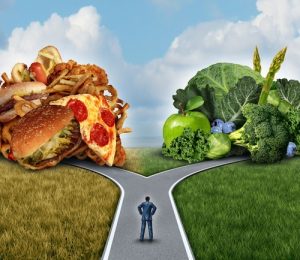
Food ChoicesWhen they looked at the effect of the foods we eat on the environment, the Commission concluded:

  • Beef and lamb are the biggest contributors to greenhouse gas emissions and land use.
    • The concern about land use is obvious because of the large amount of pastureland required to raise cattle and sheep.
    • The concern about greenhouse gas emissions is because cattle and sheep are ruminants. They not only breathe out CO2, but they also release methane into the atmosphere from fermentation in their rumens of the food they eat. Methane is a potent greenhouse gas, and it persists in the atmosphere 25 times longer than CO2. 

The single most important thing we can do as individuals to reduce greenhouse gas emissions is to eat less beef and lamb. [Note: grass fed cattle produce more greenhouse gas emissions than cattle raised on corn because they require 3 years to bring to market rather than 2 years.] 

    • In contrast, plant crops reduce greenhouse gas emissions by removing CO2 from the atmosphere.
  • In terms of energy use beef, lamb, pork, chicken, dairy, and eggs all require much more energy to produce than any of the plant foods.
  • In terms of eutrophication of our lakes and oceans, beef, lamb, and pork all cause much more eutrophication than any plant food. Dairy and eggs cause more eutrophication than any plant food except fruits.

Eating For A Healthy Planet

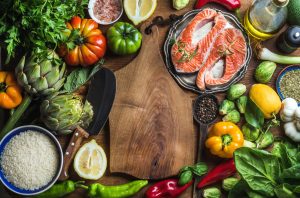
Planetary DietIn the words of the Commission: “[The Planetary Diet] largely consists of vegetables, fruits, whole grains, legumes, nuts, and unsaturated oils. It includes a low to moderate amount of seafood, poultry, and eggs. It includes no or a very low amount of red meat, processed meat, sugar, refined grains, and starchy vegetables.”

When described in that fashion it sounds very much like other healthy diets such as semi-vegetarian, Mediterranean, DASH, and Flexitarian. However, what truly distinguishes it from the other diets is the restrictions placed on the non-plant portion of the diet to make it both environmentally friendly and sustainable. Here is a more detailed description of the diet:

  • It starts with a vegetarian diet. Vegetables, fruits, beans, nuts, soy foods, and whole grains are the foundation of the diet.
  • It allows the option of adding one serving of dairy a day (It turns out that cows produce much less greenhouse emissions per serving of dairy than per serving of beef. That’s because cows take several years to mature before they can be converted to meat, and they are emitting greenhouse gases the entire time).
  • It allows the option of adding one 3 oz serving of fish or poultry or one egg per day.
  • It allows the option of swapping seafood, poultry, or egg for a 3 oz serving of red meat no more than once a week. If you want a 12 oz steak, that would be no more than once a month.

This is obviously very different from the way most Americans currently eat. According to the Commission:

  • “This would require greater than 50% reduction in consumption of unhealthy foods, such as red meat and sugar, and greater than 100% increase in the consumption of healthy foods, such as nuts, fruits, vegetables, and legumes”.
  • “In addition to the benefits for the environment, “dietary changes from current diets to healthy diets are likely to substantially benefit human health, averting about 10.8-11.6 million deaths per year globally.”

What Did The Commission Recommend About Food Production?
In addition to changes in our diets, the Commission also recommended several changes in the way food is produced. Here are a few of them.

1) Reduce greenhouse gas emissions from the fuel used to transport food to market.

2) Reduce food losses and waste by at least 50%.

3) Make radical improvements in the efficiency of fertilizer and water use. In terms of fertilizer, the change would           be two-fold:

  • In developed countries, reduce fertilizer use and put in place systems to capture runoff and recycle the phosphorous.
  • In third world countries, make fertilizer more available so that crop yields can be increased, something the Commission refer to as eliminating the “yield gap” between third world and developed countries.
  • Stop the expansion of new agricultural land use into natural ecosystems and put in place policies aimed at restoring and re-foresting degraded land.
  • Manage the world’s oceans effectively to ensure that fish stocks are used responsibly and global aquaculture (fish farm) production is expanded sustainability.

What we can do: While most of these are government level policies, we can contribute to the first three by reducing personal food waste and purchasing organic produce locally whenever possible.

Could What You Eat Save The Planet?

The short answer is, “Yes, what we eat can go a long way towards protecting the health of our planet.”

If you are a vegan, you are probably asking why the Commission did not recommend a completely plant-based diet. The answer is that a vegan diet is perfect for the health of our planet. However, the Commission wanted to make a diet that was as consumer friendly as possible and still meet their goals of a healthy, environmentally friendly, and sustainable diet.

If you are eating a typical American diet or one of the fad diets that encourage meat consumption, you are probably wondering how you can ever make such drastic changes to your diet. The answer is “one step at a time”. If you have read the Forward to my books “Slaying The Food Myths” or “Slaying the Supplement Myths”, you know that my wife and I did not change our diet overnight. Our diet evolved to something very close to the Planetary Diet over a period of years.

The Commission also purposely designed the Planetary Diet so that you “never have to say never” to your favorite foods. Three ounces of red meat a week does not sound like much, but it allows you a juicy steak once a month.

Sometimes you just need to develop a new mindset. As I shared in my books, my father prided himself on grilling the perfect steak. I love steaks, but I decided to set a few parameters. I don’t waste my red meat calories on anything besides filet mignon at a fine restaurant. It must be a special occasion, and someone else must be buying. That limits it to 2-3 times a year. I still get to enjoy good steak on occasion, and I stay well within the parameters of the Planetary diet.

Develop your strategy for enjoying some of your favorite foods within the parameters of the Planetary Diet and have fun with it.

The Bottom Line

Could what you eat save the planet? This is not a new question, but a recent commission of international scientists has conducted a comprehensive study into our diet and its effect on our health and our environment. Their report serves as a dire warning of what will happen to us and our planet if we don’t change our ways.

The Commission carefully evaluated diet and food production methods and asked three questions:

  • Are they good for us?
  • Are they good for the planet?
  • Are they sustainable? Will they be able to meet the needs of the projected population of 10 billion people in 2050 without degrading our environment.

The Commission described the typical American diet as a “lose-lose-lose diet”. It is bad for our health. It is bad for the planet. And it is not sustainable.

In its place they carefully designed their version of a primarily plant-based diet they called a “win-win-win diet”. It is good for our health. It is good for the planet. And, it is sustainable.

In their publication they refer to their diet as the “universal healthy reference diet” (What else would you expect from a committee?). However, it has become popularly known as the “Planetary Diet”.

The Planetary Diet is similar to other healthy diets such as semi-vegetarian, Mediterranean, DASH, and Flexitarian. However, what truly distinguishes it from the other diets is the restrictions placed on the non-plant portion of the diet to make it both environmentally friendly and sustainable (for details, read the article above).

I have spoken before about the importance of a primarily plant-based diet for our health. In that context it is a personal choice. It is optional.

However, this report is a wake-up call. It puts a primarily plant-based diet in an entirely different context. It is essential for the survival of our planet. It is no longer optional.

If you care about global warming…If you care about saving our planet, there is no other choice.

For more details read the article above.

These statements have not been evaluated by the Food and Drug Administration. This information is not intended to diagnose, treat, cure or prevent any disease.

______________________________________________________________________________

My posts and “Health Tips From the Professor” articles carefully avoid claims about any brand of supplement or manufacturer of supplements. However, I am often asked by representatives of supplement companies if they can share them with their customers.

My answer is, “Yes, as long as you share only the article without any additions or alterations. In particular, you should avoid adding any mention of your company or your company’s products. If you were to do that, you could be making what the FTC and FDA consider a “misleading health claim” that could result in legal action against you and the company you represent.

For more detail about FTC regulations for health claims, see this link.

https://www.ftc.gov/business-guidance/resources/health-products-compliance-guidance

 ________________________________________________________________________

About The Author 

Dr. Chaney has a BS in Chemistry from Duke University and a PhD in Biochemistry from UCLA. He is Professor Emeritus from the University of North Carolina where he taught biochemistry and nutrition to medical and dental students for 40 years.

Dr. Chaney won numerous teaching awards at UNC, including the Academy of Educators “Excellence in Teaching Lifetime Achievement Award”.

Dr Chaney also ran an active cancer research program at UNC and published over 100 scientific articles and reviews in peer-reviewed scientific journals. In addition, he authored two chapters on nutrition in one of the leading biochemistry text books for medical students.

Since retiring from the University of North Carolina, he has been writing a weekly health blog called “Health Tips From the Professor”. He has also written two best-selling books, “Slaying the Food Myths” and “Slaying the Supplement Myths”. And most recently he has created an online lifestyle change course, “Create Your Personal Health Zone”. For more information visit https://chaneyhealth.com.

For the past 54 years Dr. Chaney and his wife Suzanne have been helping people improve their health holistically through a combination of good diet, exercise, weight control and appropriate supplementation.


Do Bad Genes Doom You To Bad Health?

The Influence Of Genetics And Diet On Type 2 Diabetes

Author: Dr. Stephen Chaney 

Does it ever feel like you have drawn the short straw?

Everyone in your family has succumbed to heart disease, diabetes, or cancer at a young age. Are you doomed to the same fate?

You ordered a DNA test. It sounded like fun. But when the gene report came back it said you had a “bad” genetic profile. You were told you are at high risk of diabetes, heart attack, stroke, cancer, or dementia. Are you doomed to a short and sickly life?

In both cases, you are probably wondering, “Is there anything I can do to improve my odds of a healthy life? What if I lost some of those extra pounds, exercised more, and ate a healthier diet? Would that make a difference?”

The study (J Merino et al, PLoS Medicine 19(4): e1003972, April 26, 2022) I will describe today was designed to answer these questions.

But before I describe the study, I should probably cover what I call Genetics 101: “How Genes Affect Your Health”.

Genetics 101: How Genes Affect Your Health

GeneticistIf you studied genetics in school, you probably learned about diseases like sickle cell anemia, which is caused by a single mutation in a single gene. If you get two copies of the “bad” gene, you will have sickle cell anemia. If you get one copy of the “bad” gene and one copy of the normal gene, you have sickle cell trait, which is much less severe.

Simply put, you either have the disease or you don’t. It’s dependent on your genetics, and you can’t do much about it.

If you know someone who has been treated for breast cancer, you are probably familiar with a more complex relationship between genetics and health. There are several “bad” genes that increase the risk of breast cancer. And knowing which gene is involved is important for selecting the best treatment regimen.

But most of the diseases that shorten our lives (like diabetes, heart disease, most cancers, and dementia) are what we call polygenetic diseases. Simply put, that means that there are dozens of genes that increase the risk of these diseases. Each gene makes a small contribution to the increased risk. So, we can only measure the genetic contribution to these diseases by measuring hundreds of mutations in dozens of genes, something called a polygenetic risk score.

The study I will be describing today looked at the relative effect of genetics (measured as the type 2 diabetes polygenic risk score) and diet quality (measured as the Alternative Healthy Eating Index (AHEI)) on the risk of developing type 2 diabetes.

How Was This Study Done?

clinical studyThe data for this study were obtained from 3 long-term clinical studies conducted in the United States – the Nurses’ Health Study (121,700 participants), the Nurses’ Health Study II (116,340 participants), and the Health Professionals Follow-Up Study (51,529 participants).

These studies measured lifestyle factors (including diet) every 4 years and correlated them with disease outcomes over 20+ years.

The study I will be discussing today was performed with 35,759 participants in these 3 studies for whom DNA sequencing data was available.

  • The DNA sequence data were used to generate a type 2 diabetes polygenic risk score for each participant in this study.
  • Food frequency questionnaires obtained every 4 years in these studies were used to calculate the Alternative Healthy Eating Index (AHEI) score for each participant.
    • The AHEI is based on higher intake of fruits, whole grains, vegetables, nuts and legumes, polyunsaturated fatty acids, long-chain omega-3 fatty acids, moderate intake of alcohol, and lower intake of red and processed meats, sugar sweetened drinks and fruit juice, sodium, and trans-fat).

The investigators used these measurements to estimate the relative effect of genetics and diet quality on the risk of developing type 2 diabetes.

The Influence Of Genetics And Diet On Type 2 Diabetes 

Genetic TestingThe participants were divided into low, intermediate, and high genetic risk based on their type 2 diabetes polygenic risk score.

Compared with low genetic risk:

  • Intermediate genetic risk increased the risk of developing type 2 diabetes by 26%.
  • High genetic risk increased the risk of developing type 2 diabetes by 75%.

Put another way, each 1 standard deviation increase in the polygenetic risk score:

  • Increased the risk of developing type 2 diabetes by 42%.

Simply put, bad genes can significantly increase your risk of developing type 2 diabetes. That’s the bad news. But that doesn’t mean you should think, “Diabetes is in my genes. There is nothing I can do.”

The investigators also divided the participants into those who had a high-quality diet, those who had an intermediate quality diet, and those who had a low-quality diet based on their AHEI (Alternative Healthy Eating Index) score.

Finally, they divided the participants into groups depending on their BMI, a measure of obesity.

Compared to an obese person consuming a low-quality diet, a lean person consuming a high-quality diet:

  • Reduced their risk of developing type 2 diabetes by around 43% for each category of genetic risk.
  • More specifically, a lean person consuming a high-quality diet reduced their risk of developing type 2 diabetes:
    • By 41% if they were at low genetic risk.
    • By 50% if they were at intermediate genetic risk.
    • By 38% if they were at high genetic risk.

The investigators then made a statistical adjustment to remove BMI from their calculations, so they could focus on Mediterranean Diet Foodsthe effect of diet alone on the risk of developing type 2 diabetes.

Compared to a low-quality diet, a high-quality diet:

  • Reduced the risk of developing type 2 diabetes by around 33% for each category of genetic risk.
  • More specifically, a high-quality diet reduced the risk of developing type 2 diabetes:
    • By 31% for those at low genetic risk.
    • By 39% for those at intermediate genetic risk.
    • By 29% for those at high genetic risk.

Looking at it another way:

  • When people at high genetic risk consumed a high-quality diet, their risk of developing type 2 diabetes was only 13% higher than people at intermediate genetic risk who consumed a low-quality diet (such as the typical American diet).
  • When people at intermediate genetic risk consumed a high-quality diet, their risk of developing type 2 diabetes was 5% less than people at low genetic risk who consumed a low-quality diet.

Simply put:

  • If you are at intermediate genetic risk, a high-quality diet may completely reverse your risk of developing type 2 diabetes.
  • If you are at high genetic risk, a high-quality diet can partially reverse your risk of developing type 2 diabetes.

In short, the good news is that bad genes do not doom you to type 2 diabetes.

  • The investigators did not provide similar information for the effect of an ideal weight on the risk of developing type 2 diabetes, but it is likely that the combination of diet plus weight management would result in an even more significant reduction in risk of developing type 2 diabetes for individuals in the even the highest risk category.

The authors concluded, “These data provide evidence for the independent associations of genetic risk and diet quality with incident type 2 diabetes and suggest that a healthy diet is associated with lower diabetes risk across all levels of genetic risk.”

Do Bad Genes Doom You To Bad Health?

Bad GenesAt the beginning of this article I posed the question, “Do bad genes doom you to bad health?”

Based on this study, the good news is that bad genes don’t doom you type 2 diabetes. And just because most of your relatives are diabetic doesn’t mean that must be your fate.

  • This study shows that a healthy diet significantly reduces your risk of developing type 2 diabetes at every genetic risk level.
  • And the study suggests that a healthy diet plus a healthy weight is even more beneficial at reducing your risk of type 2 diabetes.
  • While not included in this study, other studies have shown that exercise also plays a role in reducing type 2 diabetes risk.

None of this information is new. What is new is that a healthy diet is equally beneficial at reducing type 2 diabetes risk even in individuals with a high genetic risk of developing the disease. Simply put, you can reverse the effects of bad genes.

“And what is this magic diet?”, you might ask. In this study, it was based on AHEI score. Someone with a high AHEI score consumes:

  • Lots of fruits, whole grains, vegetables, nuts and legumes, polyunsaturated fatty acids, and long-chain omega-3 fatty acids.
  • Moderate or no amounts of alcohol.
  • Little or no red and processed meats, sugar sweetened drinks, fruit juices, sodium, and foods with trans-fat.

Any whole food, primarily plant-based diet from vegan to Mediterranean or DASH fits the bill.

Finally, while this study focused just on type 2 diabetes, other studies have come to similar conclusions for other diseases.

Should You Get Your DNA Tested?

If you are looking for guidance on how to reduce your risks, the answer is, “No”. In this study, the same diet and lifestyle changes lowered the risk of type diabetes at every genetic risk level. Despite what some charlatans may tell you, there is no special diet or magic potion for people with a high genetic risk for developing type 2 diabetes.

If you are looking for motivation, the answer may be, “Yes”. If knowing you are at high risk makes it more likely that you will make the diet and lifestyle changes needed to lower your risk of type 2 diabetes, a DNA test may be just what you need

The Bottom Line

If a serious disease runs in your family or if you have had your DNA tested and found out you are at high risk for some disease, you are probably wondering whether there is anything you can do or whether your bad genes have doomed you to a short and sickly life.

A recent study answered that question for type 2 diabetes. It showed a healthy diet significantly reduces the risk of type 2 diabetes even in people at high genetic risk of developing the disease.

Other studies have come to similar conclusions for other diseases. In short, bad genes don’t doom you to bad health.

For more details about the study and what it means for you, read the article above.

These statements have not been evaluated by the Food and Drug Administration. This information is not intended to diagnose, treat, cure, or prevent any disease.

_____________________________________________________________________________

My posts and “Health Tips From the Professor” articles carefully avoid claims about any brand of supplement or manufacturer of supplements. However, I am often asked by representatives of supplement companies if they can share them with their customers.

My answer is, “Yes, as long as you share only the article without any additions or alterations. In particular, you should avoid adding any mention of your company or your company’s products. If you were to do that, you could be making what the FTC and FDA consider a “misleading health claim” that could result in legal action against you and the company you represent.

For more detail about FTC regulations for health claims, see this link.

https://www.ftc.gov/business-guidance/resources/health-products-compliance-guidance

_______________________________________________________________________

About The Author 

Dr. Chaney has a BS in Chemistry from Duke University and a PhD in Biochemistry from UCLA. He is Professor Emeritus from the University of North Carolina where he taught biochemistry and nutrition to medical and dental students for 40 years.  Dr. Chaney won numerous teaching awards at UNC, including the Academy of Educators “Excellence in Teaching Lifetime Achievement Award”. Dr Chaney also ran an active cancer research program at UNC and published over 100 scientific articles and reviews in peer-reviewed scientific journals. In addition, he authored two chapters on nutrition in one of the leading biochemistry text books for medical students.

Since retiring from the University of North Carolina, he has been writing a weekly health blog called “Health Tips From the Professor”. He has also written two best-selling books, “Slaying the Food Myths” and “Slaying the Supplement Myths”. And most recently he has created an online lifestyle change course, “Create Your Personal Health Zone”. For more information visit https://chaneyhealth.com.

For the past 45 years Dr. Chaney and his wife Suzanne have been helping people improve their health holistically through a combination of good diet, exercise, weight control and appropriate supplementation.

Are All Plant-Based Diets Healthy?

Why Are Plant-Based Diets Healthy?

Author: Dr. Stephen Chaney

Unless you are like Rip van Winkle and have been asleep for the past 30 years, you have probably heard that plant-based diets are good for you. In fact, that advice is sound. It is based on multiple long-term studies.

But you may still be hesitant to make the switch. You are probably wondering if you have to be a vegan purist to benefit from a plant-based diet. If so, you are wondering whether you can make that drastic a change in your diet. Or, you may have already decided “that is a bridge too far” and don’t want to even consider it.

So, one important question is, “Do you have to go vegan to benefit from a plant-based diet?”

On the other hand, “Big Food, Inc” has made it easier than ever to switch to more “plant-based” eating. After all, sugar comes from plants. And highly processed grains come from plants. Add a few chemicals and you can come up with an endless supply of highly processed plant-based foods.

So, another important question is, “Can a diet of highly processed plant-based foods be as healthy as a diet of whole, unprocessed plant-foods?”

The study (Y. Wang et al., Nutrition Journal, 22: 46, 2023) I am reviewing today was designed to answer these two questions. It also represents the first meta-analysis to combine data from studies on the effects of plant-based diets on diabetes, heart disease, cancer, and mortality into a single study.

How Was The Study Done?

clinical studyThe investigators performed a meta-analysis of 76 studies with 2,230,443 participants that looked at the associations of plant-based dietary patterns and the incidence of type 2 diabetes, cardiovascular disease, cancer, and mortality among adults 18 years or older.

The characteristics of study participants ranged from:

  • 25 to 87 years old.
  • BMI of 20 to 30.

And the duration of the studies within the meta-analysis ranged from 2 to 36 years.

The adherence to plant-based diets was defined as higher consumption of plant-based foods and lower consumption or exclusion of animal-based foods.

The meta-analysis also included studies looking at the effect of changing from a more animal-based to a more plant-based dietary pattern.

The meta-analysis included studies looking at the benefit of vegan and vegetarian diets. In terms of participants these studies represented just over 50% of the data in the meta-analysis. So, this meta-analysis was ideally positioned to determine whether vegan and vegetarian diets were more beneficial than other primarily plant-based dietary patterns that included some animal foods.

The methodology used to classify diets as primarily plant-based varied from study to study. But in each case the study participants were divided into quartiles ranging from consuming the most plant-based diet to consuming the least plant-based diet.

The study then compared study participants with the highest adherence to plant-based diets to those with the lowest adherence to plant-based diets with respect to type 2 diabetes, cardiovascular disease, cancer, and mortality.

Finally, the study also compared adherence to healthy plant-based dietary patterns (whole or minimally processed fruits, vegetables, whole grains, beans, nuts, and seeds) to unhealthy plant-based dietary patterns (foods and drinks with added sugar, highly processed plant foods, and starchy vegetables).

Are Plant-Based Diets Healthy?

When comparing highest to lowest adherence to plant-based dietary patterns the risk of:

  • Type-2 diabetes was reduced by 18%.
  • Cardiovascular disease was reduced by 10%.
  • Cancer was reduced by 12%.
  • Mortality was reduced by 16%.

In short, all the news was good for primarily plant-based dietary patterns.

Are All Plant-Based Diets Healthy?

Increased adherence to a healthy plant-based dietary pattern (That term is defined in the methods section above) was associated with an even better reduction in disease risk. For example:

  • Type-2 diabetes was reduced by 21%.
  • Cardiovascular disease was reduced by 15%.
  • Cancer was reduced by 13%.
  • Mortality was reduced by 14%, which was statistically indistinguishable from the reduction in mortality associated with all plant-based dietary patterns above.

Factory FarmIn contrast, increased adherence to an unhealthy plant-based dietary pattern was associated with increased risks of disease. For example:

  • The risk of type 2 diabetes increased by 8%.
  • The risk of cardiovascular disease increased by 14%.
  • The risk of cancer increased by 7%.
  • The risk of mortality increased by 16%.

In short, plant-based dietary patterns consisting of whole or minimally processed plant foods are good for you. Plant-based dietary patterns consisting of highly processed plant foods are not.

Are Vegan and Vegetarian Diets More Beneficial Than Other Plant-Based Dietary Patterns?

Mediterranean Diet FoodsTwenty seven of the studies within this meta-analysis compared vegetarian or vegan dietary patterns with animal-based dietary patterns. These studies had 1,343,967 participants, which amounts to 57% of the participants in the meta-analysis.

Thus, this meta-analysis was well positioned to determine relative benefits of vegan and vegetarian diets compared to other primarily plant-based dietary patterns that include some animal foods. The investigators reported that:

  • The risk reduction for type 2 diabetes was greater in studies with vegan and vegetarian diets than in studies with other primarily plant-based diets.
  • No other statistically significant benefits were observed for vegan and vegetarian diets compared to other primarily plant-based diets.

In short, you don’t need to become a vegan to experience the health benefits of a plant-based diet.

In contrast, increased adherence to an unhealthy plant-based dietary pattern was associated with increased risks of disease. For example:

  • The risk of type 2 diabetes increased by 8%.
  • The risk of cardiovascular disease increased by 14%.
  • The risk of cancer increased by 7%.
  • The risk of mortality increased by 16%.

In short, plant-based dietary patterns consisting of whole or minimally processed plant foods are good for you. Plant-based dietary patterns consisting of highly processed plant foods are not.

What If You Change From An Animal-Based To A Plant-Based Diet?

Food ChoicesIf you have been consuming an animal-based diet for years, you may be wondering whether it is too late to change. Has the damage already been done?

Six studies within this meta-analysis examined the effect of changing from an animal-based diet to a plant-based diet on type 2 diabetes and mortality. Changing to a more plant-based dietary pattern:

  • Reduced diabetes by 17% and mortality by 5%.

In short, it’s never too late to switch to a more plant-based dietary pattern.

Why Are Plant-Based Diets Healthy?

The short answer is that we don’t know for sure, but the authors mentioned several popular hypotheses.

  • Obesity is a risk factor for type 2 diabetes, cardiovascular disease, and certain types of cancer. And studies have shown that people consuming plant-based diets tend to weigh less.
  • The increased fiber content and higher ratio of polyunsaturated fats to saturated fats lower cholesterol levels and improve blood lipid profiles, which are associated with a lower risk of cardiovascular disease.
  • Plant-based diets are anti-inflammatory, which reduces the risk of all three diseases.
  • Plant foods are rich in polyphenols and other phytonutrients that are associated with reduced risk of cardiovascular disease, lower blood pressure, and improvements in insulin sensitivity.
  • Plant foods are metabolized by gut bacteria to metabolites that are associated with reduced risk of type 2 diabetes and cardiovascular disease.
  • Plant foods support healthy gut bacteria associated with a reduced risk of several diseases.
  • Finally, plant-based dietary patterns are associated with no or reduced consumption of red and processed meats, which increase the risk of type 2 diabetes, cardiovascular disease, and certain types of cancer.

For a more detailed discussion read the article).

What Does This Study Mean For You?

The authors of this study concluded, “Higher adherence to plant-based dietary patterns, especially from healthy sources, may be universally beneficial for the primary prevention of type 2 diabetes, cardiovascular disease, cancer, and mortality. The current study provides further evidence in support of current recommendations that emphasize consuming high-quality plant-based foods for achieving optimal health.”

“Future studies are needed to elucidate…mechanistic pathways linking plant-based diets with multiple disease outcomes.”

I would just like to emphasize a few points:

  • These are all association studies. It takes decades for diseases like diabetes, heart disease, and cancer to develop. So, it is impossible to confirm these findings with double blind, placebo-controlled studies. However, when you have 76 studies with over 2 million participants all pointing to the same conclusion, it is hard to ignore the findings.
  • The good news is that you don’t have to become a vegan to experience these benefits. There are many healthy primarily plant-based diets available. Choose the one that best fits your food preferences and lifestyle.
  • Be aware that whatever diet you choose, Big Food Inc is only too happy to provide you with highly processed foods that fit that dietary pattern. Don’t fall for that trap. Stick with whole or minimally processed plant foods.
  • If your current diet isn’t the best, it is never too late to switch to a healthier primarily plant-based diet.

The Bottom Line

A recent meta-analysis of 76 studies with 2,230,443 participants looked at the associations of plant-based dietary patterns and the incidence of type 2 diabetes, cardiovascular disease, cancer, and mortality among adults 18 years or older.

The authors of the study concluded, “Higher adherence to plant-based dietary patterns, especially from healthy sources, may be universally beneficial for the primary prevention of type 2 diabetes, cardiovascular disease, cancer, and mortality. The current study provides further evidence in support of current recommendations that emphasize consuminh high-quality plant-based foods for achieving optimal health.”

Other key points from the study are:

  • These are all association studies. It takes decades for diseases like diabetes, heart disease, and cancer to develop. So, it is impossible to confirm these findings with double blind, placebo-controlled studies. However, when you have 76 studies with over 2 million participants all pointing to the same conclusion, it is hard to ignore the findings.
  • The good news is that you don’t have to become a vegan to experience these benefits. There are many healthy primarily plant-based diets available. Choose the one that best fits your food preferences and lifestyle.
  • Be aware that whatever diet you choose, Big Food Inc is only too happy to provide you with highly processed foods that fit that dietary pattern. Don’t fall for that trap. Stick with whole or minimally processed plant foods.
  • If your current diet isn’t the best, it is never too late to switch to a healthier primarily plant-based diet.

For more details about how the authors came to these conclusions and what they mean for you, read the article above.

These statements have not been evaluated by the Food and Drug Administration. This information is not intended to diagnose, treat, cure, or prevent any disease.

_______________________________________________________________________________

My posts and “Health Tips From the Professor” articles carefully avoid claims about any brand of supplement or manufacturer of supplements. However, I am often asked by representatives of supplement companies if they can share them with their customers.

My answer is, “Yes, as long as you share only the article without any additions or alterations. In particular, you should avoid adding any mention of your company or your company’s products. If you were to do that, you could be making what the FTC and FDA consider a “misleading health claim” that could result in legal action against you and the company you represent.

For more detail about FTC regulations for health claims, see this link.

https://www.ftc.gov/business-guidance/resources/health-products-compliance-guidance

 ______________________________________________________________________

About The Author 

Dr. Chaney has a BS in Chemistry from Duke University and a PhD in Biochemistry from UCLA. He is Professor Emeritus from the University of North Carolina where he taught biochemistry and nutrition to medical and dental students for 40 years.  Dr. Chaney won numerous teaching awards at UNC, including the Academy of Educators “Excellence in Teaching Lifetime Achievement Award”. Dr Chaney also ran an active cancer research program at UNC and published over 100 scientific articles and reviews in peer-reviewed scientific journals. In addition, he authored two chapters on nutrition in one of the leading biochemistry text books for medical students.

Since retiring from the University of North Carolina, he has been writing a weekly health blog called “Health Tips From the Professor”. He has also written two best-selling books, “Slaying the Food Myths” and “Slaying the Supplement Myths”. And most recently he has created an online lifestyle change course, “Create Your Personal Health Zone”. For more information visit https://chaneyhealth.com.

For the past 45 years Dr. Chaney and his wife Suzanne have been helping people improve their health holistically through a combination of good diet, exercise, weight control and appropriate supplementation.

Can Diet Add Years To Your Life?

Which Foods Have The Biggest Effect On Longevity? 

Author: Dr. Stephen Chaney

Fountain Of YouthEveryone over 50 is searching for the elusive “Fountain Of Youth”.

  • We want to look younger.
  • We want to feel younger.
  • We want the energy we had in our 20s.
  • We want to be rid of the diseases of aging.

The list goes on!

But how do we do that? Pills and potions abound that claim to reverse the aging process. Most just reverse your wallet.

  • Should we train for marathons or bodybuilding contests?
  • Should we meditate or do yoga to relieve stress?
  • Should we get serious about losing weight?
  • Should we get more sleep?
  • Is there some miracle diet that can slow the aging process?

All the above probably slow the aging process, but the evidence is best for the effect of diet on aging. Several recent meta-analyses have looked at the effect of diet on the risk of premature deaths. In this issue of “Health Tips From the Professor” I review a study (LT Fadnes et al, PLoS Medicine, February 8, 2022) that combines the best of these meta-analyses into a single database and provides a provocative insight into the effect of diet on longevity.

How Was This Study Done?

Clinical StudyThis study combined data from recent meta-analyses looking at the impact of various food groups on the risk of premature deaths with the Global Burden of Disease Study which provides population-level estimates of life years lost due to dietary risk factors.

The authors then developed a new algorithm that allowed them to estimate how different diets affect sex- and age-specific life expectancy.

They divided the population into three different diet categories based on their intake of whole grains, vegetables, fruits, nuts, legumes, fish, eggs, dairy, refined grains, red meat, processed meat, white meat, sugar-sweetened beverages, and added plant oils. The diet categories were:

  • Typical Western Diet (TW). This diet was based on average consumption data from the United States and Europe. This was their baseline.
  • Optimal diet (OD). This diet is similar to a vegan or semi-vegetarian diet. However, it was not a purely vegan diet nor a purely semi-vegetarian diet. Instead, it represented the best diet people in this study were consuming.
  • Feasibility diet (FA). This diet recognizes that few people are willing to make the kind of changes required to attain an optimal diet. It is halfway between the Typical Western Diet and the Optimal Diet.

To help you understand these diets based on the foods the study participants were eating, here are the comparisons in terms of daily servings:

Food TW Diet FA Diet OD Diet
Whole grains 1.5 servings 4.3 servings 7 servings
Vegetables 3 servings 4 servings 5 servings
Fruits 2.5 servings 3.75 servings 5 servings
Nuts 0 serving* 0.5 serving* 1 serving*
Legumes 0 serving** 0.5 serving** 1 serving**
Fish 0.25 serving 0.5 serving 1 serving
Eggs 1 egg 0.75 egg 0.5 egg
Dairy 1.5 servings 1.25 servings 1 serving
Refined grains 3 servings 2 servings 1 serving
Red meat 1 serving 0.5 serving 0 serving
Processed meat 2 servings 1 serving 0 serving
White meat 0.75 serving 0.6 serving 0 serving
Sugar-sweetened beverages 17 oz 8.5 oz 0 oz
Added plant oils 2 tsp 2 tsp 2 tsp

*1 serving = 1 handful of nuts

**1 serving = 1 cup of beans, lentils, or peas

Using their algorithm, the authors asked what the effect on longevity would be if people changed from a typical western diet to one of the other diets at age 20, 60, or 80 and maintained the new diet for at least 10 years. The 10-year requirement is based on previous studies showing that it takes around 10 years for dietary changes to affect the major killer diseases like heart disease, cancer, or diabetes.

Finally, the authors improved the accuracy of their estimates of the effect of diet on longevity by taking into account the quality of each study included in their analysis. I will discuss the importance of this below.

Can Diet Add Years To Your Life?

The results were impressive.

The authors estimated that if people in the United States were to change from a typical western diet to an “optimal diet” and maintain it for at least 10 years,

…starting at age 20, men would live 13 years longer and women would live 10.7 years longer.

…starting at age 60, men would live 8.8 years longer and women would live 8 years longer.

…starting at age 80, both men and women would live 3.4 years longer.

But what if you weren’t a vegan purist? What if you only made half the changes you would need to make to optimize your diet? The news was still good.

The authors estimated that people in the United States were to change from a typical western diet to a “feasibility diet” and maintain it for at least 10 years,

…starting at age 20, men would live 7.3 years longer and women would live 6.2 years longer.

…starting at age 60, men would live 4.8 years longer and women would live 4.5 years longer.

…starting at age 80, both men and women would live ~2 years longer.

The authors concluded, “A sustained dietary change may give substantial health gains for people of all ages for both optimized and feasible [diet] changes. [These health gains] could translate into an increase in life expectancy of more than 10 years. Gains are predicted to be larger the earlier the dietary changes are initiated in life.”

Which Foods Have The Biggest Effect On Longevity?

The algorithm the authors developed also allowed them to look at which foods have the biggest effect on longevity. The authors estimated when changing from a typical western diet to an optimal diet, the greatest gains in longevity were made by eating:

  • More legumes, whole grains, and nuts, and…
  • Less red and processed meat.

The authors concluded, “An increase in the intake of legumes, whole grains, and nuts, and a reduction in the intake of red meat and processed meats, contributed most to these gains [in longevity].”

However, this conclusion needs to be interpreted with caution. We also need to recognize that an “optimal diet” was defined as the best diet people in this study were eating. In addition, the effect of different foods on longevity depends on:

  • The quality of the individual studies with that food, and…
  • The difference in consumption of that food in going from a western diet to an optimal diet.

For example:

  • Legumes, whole grains, nuts, red & processed meat made the list because the quality of data was high and the difference in consumption between the typical western diet and optimal diet was significant.
  • The quality of data for an effect of fruits and vegetables was also high. For example, one major study concluded that consuming 10 servings a day of fruits and vegetables a day reduces premature death by 31% compared to consumption of less than 1 serving a day. However, the difference in consumption of fruits and vegetables between the western and optimal diets in this study was small, so fruits and vegetables didn’t make the list.
  • Eggs and white meat didn’t make the list because the quality of data was low for those foods. Simply put,  that means that there was a large variation in effect of those foods on longevity between studies.
  • Other foods didn’t make the list because the quality of data was only moderate and/or the difference in intake was small.

So, the best way to interpret this these data is:

  • This study suggests that consuming more legumes, whole grains, and nuts and less red & processed meats has a significant beneficial effect on health and longevity.
  • Consuming more fruits and vegetables is likely to have a significant benefit on health and longevity, but you would need to consume more than people did in this study to achieve these benefits. In the words of the authors, “Fruits and vegetables also have a positive health impact, but, for these food groups, the intake in a typical Western diet is closer to the optimal intake than for the other food groups.”
  • Other foods may impact health and longevity, but the data in this study are not good enough to be confident of an effect.

What Does This Study Mean For You?

This study is the best of many studies showing the benefit of a more plant-based diet on health and longevity. It particularly encouraging because it shows:

  • You can achieve significant benefit by switching to a more plant-based diet late in life. You get the biggest “bang for your buck” if you switch at age 20. But even making the switch at age 60 or 80 was beneficial.
  • You don’t need to be a “vegan purist”. While the biggest benefits were seen for people who came close to achieving a vegan or semi-vegetarian diet, people who only made half those changes saw significant benefits.

As I said above, this is a very strong study. However, the underlying data come from association studies, which can have confounding variables that influence the results.holistic approach

For example, people who eat more plant-based diets tend to weigh less and exercise more. And both of those variables can influence longevity. Each study attempted to statistically correct for those variables, but they still might have a slight influence on the results.

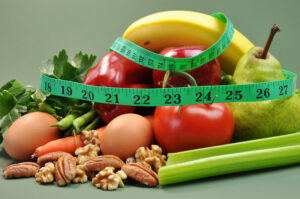
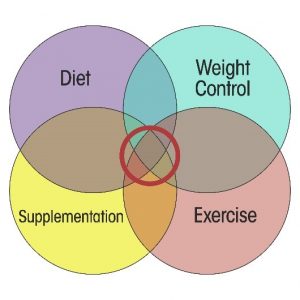
However, I don’t see that as a problem because, in my view, a holistic approach is always best. As illustrated on the right, we should be seeking a lifestyle that includes a healthy diet, weight control, and exercise.

As for supplementation, both the vegan and semi-vegetarian diets tend to leave out whole food groups. Unless you are married to a dietitian, that means your diet is likely to be missing important nutrients.

The Bottom Line

A recent study asked whether changing from the typical western diet to a healthier, more plant-based diet could influence longevity. The results were very encouraging. The study showed that:

  • Changing to a healthier diet could add up to a decade to your lifespan.
  • The improvement in lifespan was greatest for those whose diets approached a vegan or semi-vegetarian diet, but a significant improvement in lifespan was seen for people who made only half those dietary improvements.
  • The improvement in lifespan was greatest for those who switched to a healthier diet in their 20’s, but significant improvements in lifespan were seen for people who didn’t change their diet until their 60’s or 80’s.

In terms of the foods that have the biggest effect on longevity.

  • This study suggests that consuming more legumes, whole grains, and nuts and less red & processed meats has a significant beneficial effect on health and longevity.
  • Consuming more fruits and vegetables is likely to have a significant benefit on health and longevity, but you would need to consume more than people did in this study to achieve those benefits.
  • Other foods may impact health and longevity, but the data in this study are not good enough to be confident of an effect.

The authors concluded, “A sustained dietary change may give substantial health gains for people of all ages for both optimized and feasible [diet] changes. [These health gains] could translate into an increase in life expectancy of more than 10 years. Gains are predicted to be larger the earlier the dietary changes are initiated in life.

An increase in the intake of legumes, whole grains, and nuts, and a reduction in the intake of red meat and processed meats, contributed most to these gains. Fruits and vegetables also have a positive health impact, but, for these food groups, the intake in a typical Western diet is closer to the optimal intake than for the other food groups.”

For more details about this study and what it means for you, read the article above.

These statements have not been evaluated by the Food and Drug Administration. This information is not intended to diagnose, treat, cure, or prevent any disease.

How Diet And Gut Bacteria Affect Our Health

Why Is Your Microbiome Important? 

Author: Dr. Stephen Chaney

Vegan FoodsWe have known for years that primarily plant-based diets are healthy. As I have shared in my book, “Slaying The Food Myths”, people who consume primarily plant-based diets have lower risk of heart disease, diabetes, and some cancers and live longer than people who consume the typical American diet.

But why is that?

  • Is it the nutrients, phytonutrients, and fiber plant foods provide?
  • Is it because plant foods are lower in saturated fats and are good sources of healthier monounsaturated and polyunsaturated fats?
  • Or is it because plant foods have a low caloric density, which makes it easier to maintain a healthy weight?

The answer, of course, is that all the above are important. But is there something else? Is there a “missing link” we don’t talk about much? Many experts think our microbiome (our gut bacteria) is that missing link.

You have heard the saying, “We are what we eat”. You might be scratching your head and saying, “I could eat cabbages all day long, but I am never going to become a cabbage.” It seems like a crazy saying.

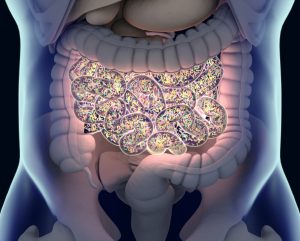
But for our microbiome that saying is true. What we call fiber, our gut bacteria call food. Consequently, microbiomevegetarians and meat eaters have very different populations of gut bacteria in their microbiome. The question, of course, is whether these differences influence our health. This central question has spurred multiple research studies on our microbiome in recent years.

Two central themes have emerged from these studies:

  • There are certain populations of gut bacteria that are associated with healthy outcomes (lower risk of obesity, diabetes, heart disease, and some cancers). We can think of these as “good bacteria”.
    • There are certain populations of gut bacteria that are associated with unhealthy outcomes (increased risk of obesity, diabetes, heart disease, and some cancers). We can think of these as “bad bacteria”.
  • People consuming primarily plant-based diets tend to have more of the “good bacteria” and less of the “bad bacteria” in their gut microbiome.

However, most of these studies have been small and have looked at individual foods rather than the effect of the overall diet.

The study (KK Koponen et al, American Journal Of Clinical Nutrition, 2021; doi.org/10.1093/ajcn/nqab077 I will describe today was designed to overcome those limitations.

Metabolism 101: What Are Short Chain Fatty Acids And Why Are They Important?

professor owlTo fully understand the findings of this study, you need to understand what short chain fatty acids are and why they are important. Simply put, short chain fatty acids are the end products of fiber digestion by some species of gut bacteria in our intestines. The major short chain fatty acids in our intestines are acetate (2 carbons), propionate (3 carbons), and butyrate (4 carbons).

There are the key facts about short chain fatty acids you should know:

  1. They are formed by anaerobic fermentation of dietary fiber by our gut bacteria. However:
    • Not all gut bacteria can produce short chain fatty acids.
    • The amount and type(s) of dietary fiber determine whether the gut bacteria that can produce short chain fatty acids are present.

2) Acetate is readily absorbed into the bloodstream and is utilized for fat production and other biosynthetic pathways.

3) Short chain fatty acids, especially butyrate, are the primary energy source for cells lining the colon. Because of this, they have several important health benefits.

    • They support the immune cells that line our intestine. This helps strengthen our immune system.
    • They help maintain the integrity of the intestinal wall. This helps protect against leaky gut syndrome.
    • They reduce inflammation. This reduces the risk of inflammatory bowel diseases like ulcerative colitis and Crohn’s disease.
    • They reduce the risk of colon cancer.

4) In addition, small amounts of propionate and butyrate can be absorbed into the bloodstream. Butyrate is of particular interest because it has the potential to regulate gene expression.

    • There is some evidence that short chain fatty acid production in the intestine is correlated with reduced risk of inflammatory diseases, obesity, type 2 diabetes, and heart disease, but these studies remain controversial.

How Was This Study Done?

Clinical StudyThis study made use of data from the FINRISK Study. This study was conducted by the Finnish Institute of Health and Welfare every 5 years between 1972 and 2012 to assess risk factors for noncommunicable diseases, health behavior, and their changes in adult Finns.

This study included 4930 individuals from the 2002 FINRISK assessment. The characteristics of the group were:

  • 53% female, 47% male.
  • Average age = 48.
  • Average BMI = 26.9 (slightly overweight).

Upon entry into the study, the participants were asked to fill out a food frequency questionnaire.

  • The data from this questionnaire were used to calculate a Healthy Food Choices (HFC) score based on the Nordic Nutrition Dietary Guidelines for a healthy diet.
    • The HFC score ranged from 9-745 and was based on the consumption of fiber-rich breads; vegetables (including beans and lentils); fruits; berries; fresh, non- sweetened berry and fruit juices; fish; poultry; low-fat cheeses; salad dressings and oils; nuts; and seeds.
    • In the words of the authors, “A high HFC score effectively acts as an indicator of a healthy omnivorous Nordic diet rich in plants, fiber, and polyunsaturated fatty acids.”
  • The data were also used to calculate a total dietary fiber score.

The participants were also asked to provide a stool sample. DNA was extracted from the stool sample and sequenced to determine the number and types of bacteria in their gut microbiome. These data were analyzed for:

  • Bacterial diversity (greater bacterial diversity is associated with better health outcomes).
  • Species of gut bacteria known to be associated with better health outcomes.
  • Species of bacteria known to produce short chain fatty acids.

How Diet And Gut Bacteria Affect Our Health

MicrobiomeMicrobiome research is complex. But here is a description of the results in simple terms.

Both the Healthy Food Choice (HFC) and fiber scores correlated positively with:

  • Bacterial diversity (greater bacterial diversity is associated with better health outcomes).
  • Species of gut bacteria known to be associated with better health outcomes.
  • Species of bacteria known to produce short chain fatty acids that are associated with better health outcomes.

Simply put, a healthy, primarily plant-based Nordic diet produces the kind of gut microbiome that is associated with better health outcomes.

When the authors analyzed the contribution of individual components of the diet to a healthy microbiome:

  • Vegetables; berries; fruits; fiber-rich breads; salad dressings and oils; low-fat cheeses; poultry; fresh, unsweetened juices; and fish were all positively associated with a healthy microbiome.
    • Each of these foods supported the growth of different gut bacteria that contributed to the healthy microbiome.
    • Simply put, none of these foods was sufficient by itself. It was a healthy diet with all these foods that resulted in a healthy microbiome.
  • Nuts and seeds did not affect the microbiome. This may have been because there was too little of them in the diet to have a significant effect.
  • Red and processed meats were negatively associated with a healthy microbiome.

The authors concluded, “Our results from a large, population-based survey confirm and extend the findings of other, smaller-scale studies that plant- and fiber-rich dietary choices are associated with a more diverse and compositionally distinct microbiome with a greater potential to produce short chain fatty acids.”

The authors also said, “The associated between red and processed meat products and the gut microbiome cannot be ignored either…[Our data] indicate that increased usage of red and processed meat is associated with the microbiome composition in an opposite manner to that of a healthy diet.”

Why Is Your Microbiome Important?

happy gut bacteriaThe most important message from this and previous studies is that your gut microbiome is the “missing link” between a healthy diet and a healthy body.

Simply put,    healthy diet →→→healthy microbiome→→→healthy body

However, I also need to acknowledge microbiome research is in its infancy. That is because our microbiome is very complex:

  • We have around 38 trillion microorganisms (give or take a few trillion) in our intestine. That means we have slightly more microorganisms than we do cells in our body.
  • Each of us have more than 1,000 different species of bacteria in our intestine.
  • Collectively, these bacteria have around 750,000 genes. That is 30 times more than the number of genes in our DNA.
  • Finally, we all have different species of bacteria in our intestines. We are all unique.

The only simplifying principle is that these bacteria exist in communities that generally group together. Unraveling the complexities and identifying the communities of bacteria in our intestines requires high throughput DNA sequencing and supercomputers to analyze the data.

Studies like this one can identify the associations between diet and distinct communities of bacteria. They can even identify which foods in the diet support the growth of these bacterial communities. Other studies can identify the association between distinct communities of bacteria and healthy outcomes.

The strength of this study is that it identifies the kind of diet and the kinds of food that support the communities of bacteria associated with healthy outcomes. However, these are just associations. They don’t tell us why these associations occur. Specifically:

  • We don’t know why certain diets are associated with different communities of gut bacteria. However, we do know several things.
    • High fiber diets are a major driving force in creating a healthy gut microbiome. This is because what we call fiber, our gut bacteria call food.High Fiber Foods
    • The diet should contain a variety of high fiber foods. This is because different kinds of fiber support the growth of different kinds of gut bacteria, and the diversity of our gut microbiome is associated with healthy outcomes. As I have said before, “We have 5 food groups for a reason”.
    • However, the type of fat and the type of protein in the diet also influence the type of bacteria that thrive in our intestines. We know less about why that is.
  • We also don’t know why certain communities of gut bacteria are associated with healthy outcomes.
    • The exception is communities of bacteria that produce short chain fatty acids. We do have a good idea why short chain fatty acids are associated with gut health.

However, the fact we don’t know why these associations occur, doesn’t detract from the strength of these associations.

  • The associations between a healthy, primarily plant-based diet and a healthy microbiome are not based on this study alone. The same associations have been seen in multiple studies.
  • The associations between a healthy microbiome and better health outcomes have also been seen in multiple studies.

The evidence for these associations is too strong to ignore.

What Does This Study Mean For You?

Questioning WomanThis study shows that a healthy Nordic diet is associated with a healthy microbiome. “But what is a healthy Nordic diet?”, you might ask. Simply put, it is a whole food, omnivorous, primarily plant-based diet with Scandinavian food preferences.

And, if pickled herring, potato pancakes, and meatballs aren’t your favorite foods, never fear. You have lots of other options:

  • The Mediterranean diet is essentially the same diet with Mediterranean food preferences.
  • The DASH diet is essentially the same diet with American food preferences.
  • You can start with a semi-vegetarian diet and tailor it to your food preferences. Of course, some common sense is required here. You will need to primarily include whole, unprocessed food preferences in your diet.

Let me close with some simple advice I have shared before:

  • We are what we eat. Our microbiome (gut bacteria) reflects what we eat.
  • What we call fiber, our gut bacteria call food. A primarily plant-based diet is best because our friendly gut bacteria thrive on the fiber it provides.
  • We have 5 food groups for a reason. Each plant food group provides different kinds of fiber and feeds different families of friendly gut bacteria. We eliminate plant food groups at our peril.
  • We should think of red meat as a condiment, not a main course. Plants contain antidotes to many of the harmful ingredients in red meat. Two to three ounces of steak as part of a green salad or stir fry is much healthier than an 8-ounce steak and fries.

The Bottom Line

Most previous studies on the effect of diet on our microbiome have been small and have looked at individual foods rather than the effect of the overall diet. In this week’s “Health Tips From the Professor” I report on a large, well-designed study that examined the effect of a healthy Nordic diet on our microbiome.

In case you were wondering, the investigators defined a healthy Nordic diet as a whole food diet that:

  • Includes lots of fruits, vegetables, and whole grains and is, therefore, high in fiber.
  • Uses fish, poultry, and low-fat cheeses as its primary protein source.
  • Minimizes red and processed meats.
  • Has more polyunsaturated oils than saturated fats.
  • Reflects Scandinavian food preferences.

This study found that a healthy Nordic diet correlated positively with:

  • Bacterial diversity (greater bacterial diversity is associated with better health outcomes).
  • Species of gut bacteria known to be associated with better health outcomes.
  • Species of bacteria known to produce short chain fatty acids that are associated with better gut health outcomes.

Simply put, a healthy, primarily plant-based Nordic diet produces the kind of gut microbiome that is associated with better health outcomes. To put this into perspective, a healthy Nordic diet is similar to a healthy Mediterranean diet or a healthy DASH diet except that the Mediterranean diet reflects Mediterranean food preferences, and the Dash diet reflects American food preferences.

The most important message from this and previous studies is that your gut microbiome is the “missing link” between a healthy diet and a healthy body.

Simply put,    healthy diet →→→healthy microbiome→→→healthy body

I summed up the article with some simple advice I have shared before:

  • We are what we eat. Our microbiome (gut bacteria) reflects what we eat.
  • What we call fiber, our gut bacteria call food. A primarily plant-based diet is best because our friendly gut bacteria thrive on the fiber it provides.
  • We have 5 food groups for a reason. Each plant food group provides different kinds of fiber and feeds different families of friendly gut bacteria. We eliminate plant food groups at our peril.
  • We should think of red meat as a condiment, not a main course. Plants contain antidotes to many of the harmful ingredients in red meat. Two to three ounces of steak as part of a green salad or stir fry is much healthier than an 8-ounce steak and fries.

For more details about this study and what it means for you, read the article above.

These statements have not been evaluated by the Food and Drug Administration. This information is not intended to diagnose, treat, cure, or prevent any disease.


Health Tips From The Professor