Can You Cut Your Risk Of Heart Disease By 90%?

The Effect Of Ultra-Processed Foods On Heart Disease Risk
 

Author: Dr. Stephen Chaney
strong heartHeart disease is a killer. It continues to be the leading cause of death – both worldwide and in industrialized countries like the United States and the European Union. When we look at heart disease trends, it is a good news – bad news situation.

  • The good news is that heart disease deaths are continuing to decline in adults over 70.
    • The decline among senior citizens is attributed to improved treatment of heart disease and more seniors following heart-healthy diets.
  • The bad news is that heart disease deaths are starting to increase in younger adults, something I reported in an earlier issue of “Health Tips From the Professor.”
    • The reason for the rise in heart disease deaths in young people is less clear. However, the obesity epidemic, junk and convenience foods, and the popularity of fad diets all likely play a role.

Everyone has a magic diet to reduce the risk of heart disease. The American Heart Association tells us to avoid fats, especially saturated fats. Vegans tell us to avoid animal protein. Paleo and Keto enthusiasts tell us carbs are the problem.

But what if we eliminated junk and convenience food AND switched to a really healthy diet? How much would that reduce heart disease risk? A recent study (Y Willett et al, The American Journal of Medicine, in press, 2026) looked at the first part of that question. It looked at the effect of ultra-processed food (what we call junk and convenience foods) consumption on the risk of developing heart disease.

How Was This Study Done?

Clinical StudyThe scientists analyzed data from 4787 participants in the most recently published (2021 to 2023) National Health and Nutrition Examination Survey (NHANES). The average age of participants in the survey was 55 years, with 56% of them being women.

All the participants in this study had completed a dietary survey of everything they ate over the last two days. They also reported whether they had ever experienced a heart attack or stroke.

Ultra-processed foods were defined as foods that are industrially modified and loaded with added fats, sugars, starches, salts, and chemical additives.

The percentage of ultra-processed foods in their diet was calculated, and the participants were divided into quartiles based on the percentage of ultra-processed foods they consumed.

Participants with the highest quartile of ultra-processed food consumption were compared to those in the lowest quartile with respect to the risk of cardiovascular disease (self-reported heart attack or stroke). The data were corrected for age, sex, race, ethnicity, smoking status, and income.

The Effect Of Ultra-Processed Foods On Heart Disease Risk

Fast Food DangersThe results were striking:

  • The participants in the highest quartile for ultra-processed food consumption had a 47% higher risk of heart disease compared to those in the lowest quartile for ultra-processed food consumption.

The authors concluded, “Adults who consumed the highest amount of ultra-processed foods had a statistically significant 47% increased risk of heart disease. Large scale randomized trials are needed, but in the meantime, health care providers should advise patients to decrease consumption of ultra-processed foods in addition to adopting other therapeutic lifestyle changes and adjunctive drug therapies of proven benefit.”

The authors recognized the difficulty of making those changes in a world where ultra-processed foods are ubiquitous and cheap.

However, they drew parallels to tobacco use in this country. They said, “Just as it took decades for the dangers of smoking to become widely accepted, reducing reliance on ultra-processed foods may take time. This is partly due to the influence of large multinational companies that dominate the food market. In addition, many people face limited access to healthier food options.”

They went on to say, “Addressing ultra-processed foods isn’t just about individual choices – it’s about creating environments where the healthy option is the easy option.”

Can You Cut Your Risk Of Heart Disease By 90%?

The short answer is, “probably not”. But you can reduce the risk of heart disease by a lot – and probably by a lot more than 47%.

That’s because this study did not look at what the participants were replacing the ultra-processed foods with. Some participants may have replaced them with whole food, primarily plant-based diets. Others may have replaced ultra-processed foods with whole food, meat-based diets high in saturated fats.

So, let’s look at the other side of the equation – how much you can reduce your risk of heart disease by eating a healthier diet. In a recent issue of “Health Tips From The Professor”, I reviewed a meta-analysis published in 2022 that looked at 99 clinical studies with tens of thousands of participants that measured the associations between foods or food groups and heart disease risk.

That study reported that:

  • Processed Meat: A single serving of processed meat increased heart disease risk by 27% to 44%.
  • Red Meat: Unprocessed red meat increased heart disease risk by as much as 27% – but only at ≥3 servings per day. The results with lower intakes were inconsistent – some studies showed increased risk, but others did not.
  • Poultry, Eggs, and Dairy Foods: They did not appear to affect heart disease risk.
  • Fish: Two to four servings per week of fatty fish decreased heart disease risk by around 12%.
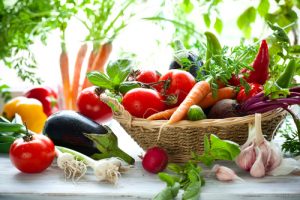
  • Fruit: Two servings per day of fruit reduced heart disease risk by 21-32%.Vegan Foods
  • Vegetables: Two servings of vegetables per day reduced heart disease risk by 18-21%.
  • Legumes (beans and peas): Four servings per week reduced the risk of heart disease by around 14%.
  • Nuts: One serving (a handful) per day reduced the risk of heart disease by around 25%. 
  • Whole Grains: Two servings of whole grains per day reduced the risk of heart disease by 25%-34%.
  • Overall: When heart-healthy foods were consumed as part of the Mediterranean diet heart disease risk was reduced by 47%. Similar overall reductions in heart disease risk are likely with other heart-healthy diets like DASH, MIND, Flexitarian (flexible semi-vegetarian), and vegan diets.

In summary:

  • The first study shows that eliminating ultra-processed foods (junk and convenience foods) from your diet can decrease heart disease risk by 47% – but doesn’t tell us what the ultra-processed foods were replaced with. And it would take a much larger study to determine which food swaps were most effective at reducing heart disease risk.
  • The second study was a meta-analysis that told us that eating more fish and plant foods in the context of a heart-healthy diet can decrease your risk of heart disease by 47% – but doesn’t tell us what those healthy foods were replacing. And many of the individual studies included in the meta-analysis were conducted when ultra-processed food consumption was much less than it is today.

It would be tempting to add 47% plus 47% and conclude that eliminating ultra-processed food consumption and replacing ultra-processed foods with heart-healthy foods could decrease your risk of heart disease by 94%. But it’s not that simple. There are too many unanswered questions from these studies.

But it is safe to say that if we eliminated ultra-processed foods AND replaced them with heart-healthy foods in the context of a heart-healthy diet, we should be able to reduce our heart disease risk by more than 47% – perhaps much more.

What Do These Studies Mean For You?

There are two important lessons from these studies:

#1: Eliminating ultra-processed foods from your diet will significantly decrease your risk of heart disease.

And it isn’t just heart disease. Other recent studies have shown that eliminating ultra-processed foods from your diet helps you:

  • Control your weight (It is perhaps the most important lifestyle change to make if you want to maintain GLP-1-aided weight loss).
  • Reduce your risk of cancer.
  • Reduce your risk of diabetes.
  • Reduce your risk of inflammatory diseases.
  • Reduce anxiety and depression.
  • Increase your healthspan (your healthy years).

In short, ultra-processed foods are killers.

#2: Replacing ultra-processed foods with heart-healthy foods (fruits, vegetables, legumes, nuts, whole grains, and fish) in the context of a healthy diet (Mediterranean, DASH, MIND, Flexitarian, and vegan, for example) is likely to decrease your risk of heart disease even more.

  • And if your diet consists of mostly heart-healthy foods, you can add moderate amounts of heart-neutral foods (poultry, eggs, and dairy).
  • And the latest evidence suggests that you can even add small amounts of red meat in the context of a heart-healthy diet (As I have said in previous issues of “Health Tips From the Professor”, plant foods contain the antidotes to all the bad things about red meat.)

Finally, you might ask why I emphasize both heart-healthy foods and heart-healthy diets. There are two reasons:

  • Most of us think in terms of foods rather than diets.
  • The food industry is only too happy to provide us with ultra-processed foods for “heart-healthy” diets like the vegan and Mediterranean diet.

The Bottom Line

Two recent studies have shown how each of us can dramatically reduce our risk of heart disease.

  • The first study showed that eliminating ultra-processed foods from our diet can significantly decrease our heart disease risk – but didn’t tell us what the ultra-processed foods were replaced with.
  • The second study showed that eating more heart-healthy foods in the context of a heart-healthy diet can significantly decrease our risk of heart disease – but didn’t tell us what those healthy foods were replacing.

Taken together, those studies show us a clear path for dramatically decreasing our heart disease risk.

For more details about these studies and what they mean for you, read the article above.

These statements have not been evaluated by the Food and Drug Administration. This information is not intended to diagnose, treat, cure or prevent any disease.

 _____________________________________________________________________________

My posts and “Health Tips From the Professor” articles carefully avoid claims about any brand of supplement or manufacturer of supplements. However, I am often asked by representatives of supplement companies if they can share them with their customers.

My answer is, “Yes, as long as you share only the article without any additions or alterations. In particular, you should avoid adding any mention of your company or your company’s products. If you were to do that, you could be making what the FTC and FDA consider a “misleading health claim” that could result in legal action against you and the company you represent.

For more detail about FTC regulations for health claims, see this link.

https://www.ftc.gov/business-guidance/resources/health-products-compliance-guidance

_______________________________________________________________________

About The Author 

Dr. Chaney has a BS in Chemistry from Duke University and a PhD in Biochemistry from UCLA. He is Professor Emeritus from the University of North Carolina where he taught biochemistry and nutrition to medical and dental students for 40 years.  Dr. Chaney won numerous teaching awards at UNC, including the Academy of Educators “Excellence in Teaching Lifetime Achievement Award”.

Dr Chaney also ran an active cancer research program at UNC and published over 100 scientific articles and reviews in peer-reviewed scientific journals. In addition, he authored two chapters on nutrition in one of the leading biochemistry text books for medical students.

Since retiring from the University of North Carolina, he has been writing a weekly health blog called “Health Tips From the Professor”. He has also written two best-selling books, “Slaying the Food Myths” and “Slaying the Supplement Myths”. And most recently he has created an online lifestyle change course, “Create Your Personal Health Zone”. For more information visit https://chaneyhealth.com.

For the past 45 years Dr. Chaney and his wife Suzanne have been helping people improve their health holistically through a combination of good diet, exercise, weight control and appropriate supplementation.

 

Can Processed Foods Cause Dementia?

A Holistic Approach For Preventing Dementia

Author: Dr. Stephen Chaney

Cognitive-DeclineYou already know that processed foods are not your friend. In previous issues of “Health Tips From the Professor” I have covered the linkage between processed food consumption and obesity, diabetes, heart disease, cancer, stroke, and premature death.

I have also covered the linkage between processed food consumption and mood, particularly anxiety and depression.

If you want to read some of those articles, just go to https://chaneyhealth.com/healthtips/ and put processed foods in the search box.

But what if they also affect cognition? What if they increase your risk of dementia?

Of all the diseases associated with aging, dementia is perhaps the scariest. What use is it to reach your “golden years” if you can’t recognize friends and family, you lose your precious memories, and you cannot perform the most basic functions for yourself.

That’s why I found the study (H Li et al, Neurology, 99(10)e1056-e1066, 2022) I am discussing today so interesting. It looks at the association of ultraprocessed food consumption and dementia.

I realized that “ultraprocessed food” is not a familiar term for most of you. So, before I discuss the article, I will describe how scientists define ultraprocessed food.

What Are Ultraprocessed Foods? 

Before I proceed with describing the findings of this study, I should probably contrast the common definition of processed foods with the current scientific definition of ultraprocessed foods.

The scientific community has recently developed something called “The NOVA food classification system” to describe the various levels of food processing.

The NOVA system categorizes foods into four groups according to the extent of processing they have undergone:

#1: Unprocessed or minimally processed foods.

  • This category includes foods like fruit, vegetables, milk, and meat.

#2: Processed culinary ingredients.

  • This category includes foods you might find in restaurants or prepare yourself to which things like sugar, vegetable oils, butter, or cream were added in the preparation.

#3: Processed foods.

  • This category includes foods like canned vegetables, freshly made breads, and cheeses.

#4: Ultraprocessed foods.

  • This category includes foods like soft drinks, chips, packaged snacks, most breakfast cereals, chicken nuggets & fish sticks, fast food burgers, hot dogs, and other processed meats.

The actual list is much longer, but you get the idea. What we call processed foods; scientists call ultraprocessed foods. Since the term “ultraprocessed foods” has not yet entered the popular vocabulary, I will use the term “processed foods” in describing the results of this study because it is more understandable to the average reader.

How Was This Study Done? 

clinical studyThe authors used information from the UK Biobank Study. The UK Biobank Study enrolled 500,000 people from England, Scotland, and Wales between 2006-2010 and has followed them continuously until the present. The participants were aged 40-69 on enrollment. The UK Biobank study collects health, lifestyle, environmental, and biological data from participants and makes the data available for studies such as this one.

This study included 72,083 participants from the UK Biobank study who:

  • Were 55 years or older on enrollment.
  • Were free from dementia on enrollment.
  • Had completed at least two 24-hour dietary assessments during the study.

The participants were followed for an average of 10 years.

Newly diagnosed cases of dementia were obtained through electronic linkages to hospital and mortality records (Yes, Big Brother is watching, especially in countries like England).

Ultraprocessed food intake (defined as described above) was determined from the 24-hour dietary recalls. Participants were divided into quartiles (4 groups) based on the amount of ultraprocessed foods in their diet.

The study measured the association between ultraprocessed food consumption and dementia. The data were statistically corrected for other lifestyle factors that affect cognition, such as age, sex, family history, and obesity.

As I said above, since the term “ultraprocessed foods” has not yet entered the popular vocabulary, I will use the term “processed foods” in describing the results of this study because it is more understandable to the average reader.

Can Processed Foods Cause Dementia? 

Dementia-WomanThe results were striking:

For every 10% increase in calories from processed foods, the risk of:

  • Dementia from all causes increased by 25%.
  • Alzheimer’s disease increased by 14%.
  • Vascular dementia (dementia caused by a blood clot or brain bleed) increased by 29%.

When they compared those in the highest quartile of processed food consumption with those in the lowest quartile:

  • The risk of dementia from all causes increased by 51%.

The only good news from the study was that replacing 10% calories from processed food with an equal proportion of unprocessed or minimally processed foods decreased the risk of dementia by 19%.

The authors hypothesized that the increase in dementia caused by processed foods could be due to:

  • Displacement from the diet of whole, unprocessed foods that have been shown to decrease dementia risk.
  • The high sodium content of processed foods can cause hypertension, which decreases cerebral blood flow and has been shown to increase the risk of dementia.
  • Diets high in processed foods promote systemic inflammation, which accelerates neurodegeneration and increases the risk of dementia.
  • Processed foods contain food additives and molecules formed during processing which have been shown to have negative effects on cognition and memory.

The authors concluded, “[Our study shows]…higher consumption of ultraprocessed foods was associated with higher risk of dementia, and substituting unprocessed or minimally processed foods for ultraprocessed foods was associated with a lower risk of dementia.”

What Does This Study Mean For You?

QuestionsYou already know that a diet high in processed foods:

  • Is associated with obesity.
    • Increases your risk of:
    • Diabetes
    • Heart Disease
    • Cancer
    • High Blood Pressure
    • Stroke
    • Premature death
  • Can increase your risk of anxiety and depression.

Their effect on dementia is just one more reason to do away with processed foods and replace them with whole, unprocessed foods.

But that is a tall order for most Americans who get 55% of their calories from processed foods. It is difficult to make wholesale changes in your diet, so I will leave you a bit of good news.

The authors reported that even minor improvements in diet could have beneficial effects. For example:

  • Replacing as little as 50 grams of processed food with 50 grams of unprocessed foods (equivalent to half an apple, a serving of corn, or a bowl of bran cereal) decreases your risk of dementia by 3%.

That may not seem like much. But what if you make that change in month one? Then in month 2 replace another 50 grams of processed food with unprocessed food and keep repeating that process month after month. At the end of a year:

  • You would have decreased your risk of dementia by 36%.
  • You may have lost weight without going on a restrictive weight loss diet.
  • You would have significantly decreased your risk of diabetes, heart disease, cancer, and several other diseases.
  • You might even be calmer and happier.

A Holistic Approach For Preventing Dementia

Of course, for best results you want to do more than just avoid processed foods. A holistic approach is best.

  • Eat a healthy diet.
    • As the study suggested, replace processed foods with whole, unprocessed fruits, vegetables, fish, nuts, legumes, and low-fat dairy.
    • Red meats and unprocessed foods high in saturated fat are better than highly processed foods, but they are not optimal.
    • As for specific diets, the Mediterranean, DASH, and MIND diets are backed by clinical studies showing that they slow cognitive decline and reduce dementia risk.
  • Get plenty of omega-3 fatty acids.
    • Some of those omega-3s can come from fatty, cold-water fish, but most people will need an omega-3 supplement providing 500-1,000 mg of EPA and DHA.
    • Some studies claim DHA works best. Others report that EPA works best. I would recommend a supplement that provides both.
  • Exercise regularly.
    • Exercise improves blood flow to the brain, and that is a good thing.
  • Control your weight.
    • Obesity increases chronic inflammation and the risk of dementia.
    • You don’t need to become ‘twiggy”. Even small decreases in body weight help slow cognitive decline.
  • Socialize with friends and family.
    • Scientists don’t know how this works, but it does.
    • This requires physical interactions. Facebook friends don’t count.
  • Exercise your mind.
    • This can be things like crossword puzzles, sudoku, or new projects that require creativity.
    • Learn new things. It could be a new language, new dance step, or new skill.

The Bottom Line

You already knew that diets high in processed foods increase your risk of obesity, diabetes, heart disease and several other diseases. And diets high in processed foods may leave you feeling anxious and depressed.

A recent study added to the bad news about processed foods. It looked at the association of processed foods and dementia. It found that:

  • Diets high in processed foods increase the risk of dementia by as much as 51%.
  • The only good news from the study was that replacing 10% calories from processed food with an equal proportion of unprocessed or minimally processed foods decreased the risk of dementia by 19%.

For more details about the study, what it means for you, and a holistic approach for brain health read the article above.

These statements have not been evaluated by the Food and Drug Administration. This information is not intended to diagnose, treat, cure or prevent any disease.

____________________________________________________________________________

My posts and “Health Tips From the Professor” articles carefully avoid claims about any brand of supplement or manufacturer of supplements. However, I am often asked by representatives of supplement companies if they can share them with their customers.

My answer is, “Yes, as long as you share only the article without any additions or alterations. In particular, you should avoid adding any mention of your company or your company’s products. If you were to do that, you could be making what the FTC and FDA consider a “misleading health claim” that could result in legal action against you and the company you represent.

For more detail about FTC regulations for health claims, see this link.

https://www.ftc.gov/business-guidance/resources/health-products-compliance-guidance

 ______________________________________________________________________

About The Author 

Dr. Chaney has a BS in Chemistry from Duke University and a PhD in Biochemistry from UCLA. He is Professor Emeritus from the University of North Carolina where he taught biochemistry and nutrition to medical and dental students for 40 years.

Dr. Chaney won numerous teaching awards at UNC, including the Academy of Educators “Excellence in Teaching Lifetime Achievement Award”.

Dr Chaney also ran an active cancer research program at UNC and published over 100 scientific articles and reviews in peer-reviewed scientific journals. In addition, he authored two chapters on nutrition in one of the leading biochemistry text books for medical students.

Since retiring from the University of North Carolina, he has been writing a weekly health blog called “Health Tips From the Professor”. He has also written two best-selling books, “Slaying the Food Myths” and “Slaying the Supplement Myths”. And most recently he has created an online lifestyle change course, “Create Your Personal Health Zone”. For more information visit https://chaneyhealth.com.

For the past 53 years Dr. Chaney and his wife Suzanne have been helping people improve their health holistically through a combination of good diet, exercise, weight control and appropriate supplementation.

 

What Diet Is Best For Healthy Aging?

What About Primarily Meat-Based Diets?

Author: Dr. Stephen Chaney

Pinochio

It’s so confusing. Everyone claims they have clinical proof that their diet is the best. You will be healthier and live longer.

But the diets are so different. They range from vegan to keto. They can’t all be equally healthy. What is the truth?

To answer that question, we first need to understand how the proponents of each diet can claim theirs is the perfect diet for health and longevity. It’s because they base their claims on:

  • Short-term studies. Most of their claims are based on studies that range from a few weeks to a few months. You need 20- or 30-year studies to measure the effects of a particular diet on health outcomes.
  • Biological markers (Things like cholesterol and triglyceride levels, blood sugar control, and/or inflammation). Biological markers can predict possible health outcomes. But without long-term studies on actual health outcomes, you don’t know whether those predictions are accurate.
  • Comparisons with the typical American diet. Any diet looks good compared with the American diet.
  • Elimination of highly processed foods. While these diets emphasize different foods, they are all whole food diets. Again, any diet that eliminates processed foods is an improvement.
    • It doesn’t matter whether you restrict calories, restrict certain foods or food groups, or restrict the time you allow yourself to eat. You unconsciously eat less.
    • And when you eat less, you lose weight.
    • And when you lose weight, your cholesterol and triglyceride levels fall, your blood sugar control improves, and inflammation decreases.
    • That’s why short-term weight loss and improvement in biological markers are virtually identical with vegan and keto diets. Those diets are as different as any two diets could be. But they are both highly restrictive diets.

The take-home lesson is clear. Don’t be confused by claims based on short-term studies. What you should look for is:

  • Long-term studies (20 years or more)…
  • that look at the effect of diet on health outcomes, and…
  • do not compare their diet with the typical American diet.

When I first reviewed this topic 8 years ago, I could only find a few studies that met these criteria:

  • One study showed that people consuming primarily plant-based diets weighed less than people who consumed primarily meat-based diets for 20 years or more.
  • Other studies showed that people consuming primarily plant-based diets had a reduced risk of diabetes and heart disease compared to people consuming primarily meat-based diets for 20 years or more.

These are valuable observations, but they are limited. That’s why I was so excited when I came across a recent 30-year study (A-J Tessier et al, Nature Medicine, volume 31, pages 1644-1652, 2025) looking at the effect of 9 different diets on longevity and health outcomes. In short, this study looked at the effect of different diets on healthy aging.

How Was This Study Done?

Clinical StudyThe authors of this study used data from 105,015 participants in the Nurses’ Health Study (NHS) and Health Professionals Follow Up Study (HPFS). Both studies enrolled participants in 1986 and followed them through 2016. In short, they were both 30-year studies. Participants with preexisting chronic diseases were excluded from the study.

  • Lifestyle factors and medical histories were assessed every two years.
  • A detailed dietary assessment was conducted every four years. The assessments measured the intake of 152 foods. Food intakes were averaged over the duration of the study for each participant.

[Note: This study did not measure how the diets of participants changed between 1986 and 2016, although that is an interesting question. Perhaps a future study is planned.]

Based on the foods eaten, the diets of the participants were evaluated for adherence to 9 dietary patterns, which I have described in more detail below.

[Note: To be clear, the participants were not trying to follow these diets. They ate what they ate, and the investigators subsequently compared their dietary pattern with various healthy diets.]

For each of the diets included in this study, participants were divided into quintiles based on how closely their food intake adhered to the recommendations for that diet. Then the highest quintile was compared to the lowest quintile to determine how well that diet predicted “healthy aging” after a 30-year follow-up.

The term “healthy aging” was based on 5 criteria:

  • Longevity – achieving an age of 70 or more.
  • Absence of the top 11 major chronic diseases (cancer, diabetes, myocardial infarction (heart attack), coronary artery disease, congestive heart failure, stroke, Parkinson’s disease, multiple sclerosis, and ALS).
  • No impairment of cognitive function.
  • No impairment of physical health.
  • No mental health issues.

In other words, these were not just individuals who survived 70 years or more. They survived and thrived. They were enjoying their golden years because they still had good health and excellent quality of life.

Diets Included In This Study

The diets included in this study were:

  • AHEI – Alternative Healthy Eating Index (A scoring system developed by Harvard researchers to measure overall diet quality based on its ability to predict lower risks of heart attacks, strokes, and diabetes).
  • aMed – Alternative Mediterranean Diet Index (The aMed diet index differs from the original Med index by separating fruits and nuts into different groups, eliminating dairy, emphasizing whole grains, and excluding red and processed meats in favor of chicken and fish).
  • DASH – Dietary Approaches to Stop Hypertension (The name speaks for itself. But I also sometimes refer to this diet as “the Americanized version of the Mediterranean diet’ because it features foods more familiar to Americans. For example, it allows more red meat options than most of the other diets in this list.
  • MIND – Mediterranean-Dash intervention for Neurogenerative Delay (It is a dietary pattern designed to reduce the risk of Alzheimer’s disease and other forms of dementia. It combines elements of the Mediterranean and DASH diets but differs from both by emphasizing berries as a major fruit source, among other things.)
  • hPDI – Healthy Plant-Based Diet Index (It is a scoring system that measures adherence to a diet rich in healthy plant-based foods and lower consumption of less-healthy plant foods and animal foods.)
  • PHDI – Planetary Health Diet Index (It emphasizes foods (primarily plant foods) that are healthy and are good for the environment. Of the diets on this list, it is the most restrictive and closest to a vegan diet)
  • EDIH – Empirical Dietary Index For Hyperinsulinemia (It is a scoring system that measures the potential of a diet to cause chronically high insulin levels, which is associated with type 2 diabetes and certain cancers.)
  • EDIP – Empirical Dietary Inflammation Pattern (It is a scoring system that measures the inflammatory potential of a diet.)
  • UPF – Consumption of Ultraprocessed Foods (Since recent studies have shown that most Americans get between 55 and 70% of their calories from ultraprocessed foods, this is fast becoming a measure of the typical American diet.)

Note: Except for the UPF diet, these are all whole food, primarily plant-based diets.

What Diet Is Best For Healthy Aging?

Here are the results of the study (drum roll, please):

  • Of the 105,015 participants in this study, only 9.3% achieved healthy aging.
  • Adherence to any of the 8 healthy diets improved the probability of achieving healthy aging.
  • The odds of achieving healthy aging ranged from 1.45 for the Healthy Plant-Based Diet to 1.86 for the Alternative Healthy Eating Index.
  • If you were to pick one winner, it would be the Alternative Healthy Eating Index. And if you were to define healthy aging as achieving an age of 75 or more with the other 4 criteria, the odds increase to 2.24 (more than double) for the Alternative Healthy Eating Index.
  • As you might expect, adherence to a diet high in ultraprocessed foods had the opposite effect. It decreased the odds of achieving healthy aging by 32%.

When you look at each of the criteria for healthy aging individually, the results were a bit more nuanced:

  • For survival to 70+ years, the Alternative Healthy Eating Index and the Planetary Health Diet Index were tied. Both increased the odds of survival by more than 2-fold.
  • The Alternative Healthy Eating Index and the Planetary Health Diet Index were also tied for surviving to 70 with intake cognitive health and intact physical function.
  • The Empirical Dietary Index For Hyperinsulinemia edged out the Alternative Healthy Eating Index for freedom from 11 chronic diseases.

The effect of healthy diets on the odds of achieving healthy aging is independent from BMI, smoking, and physical activity. This means that:

  • The effects of healthy diets on healthy aging were not because people consuming healthy diets weighed less, smoked less, or exercised more.
  • Even if some of your lifestyle choices are suboptimal, choosing a healthy diet will increase your odds of surviving and thriving.

Finally, the study looked at the effects of individual foods on healthy aging. The results were:

  • Higher intakes of fruits, vegetables, whole grains, unsaturated fats, nuts, legumes, and low-fat dairy products increase your odds of healthy aging.
  • Higher intakes of trans fats, sodium, sugary beverages, and red or processed meats decrease your odds of achieving healthy aging.

The effects of these foods on healthy aging aren’t novel. They are consistent with dozens of other studies that have looked at the effect of individual foods on long-term health outcomes. In fact, the diets included in this study were chosen because they included foods that positively affect health outcomes and minimize foods that negatively affect health outcomes.

What About Primarily Meat-Based Diets?

the paleo dietI have good friends who advocate for primarily meat-based diets such as keto, paleo, and carnivore. I’m sure they are going to say, “This study is a sham. It only included primarily plant-based diets, so, of course, it is only going to show benefits for primarily plant-based diets.” I can hear their their questions now:

  • Why didn’t this study include any of the primarily meat-based diets? My answer is: “All the popular meat-based diets exclude one or more of the food groups associated with health and longevity and emphasize one or more of the food groups associated with a shorter, less healthy life. And these food associations are consistent among multiple long-term studies looking at the effect of various foods on health outcomes. 

The authors could have constructed a similar index for each of the popular meat-based diets. But they would have been the inverse of the plant-based diet indices because the foods included and excluded from plant-based and meat-based diets are opposite. Therefore, just like the UPF index, they would have been associated with a decreased probability of achieving healthy aging.”

  • Why did the scientists designing this study ignore the proven health benefits of primarily meat-based diets? My answer is: “The “proven benefits” of primarily meat-based diets are based on short-term studies showing the effects of those diets on biological markers. Long-term studies looking at health outcomes are lacking.”
  • But modern primarily meat-based diets are a special case because they limit carbohydrates and cause ketosis. Why weren’t they included in the study? My answer is: “The Atkins diet limits carbohydrates and causes ketosis. It has been around for more than 50 years. And, to my knowledge, there are no studies showing it is beneficial long term. If the Atkins diet cannot be shown to have long-term health benefits, it is unlikely that modern diets that mimic it are healthy long term.

What Does This Study Mean For You?

confusionThe answer is clear. If you want to survive and thrive in your 70s and beyond, choose a whole food, primarily plant-based diet.

If you want the absolute best diet, follow the Alternative Healthy Eating Index recommendations. There are many online resources to guide you.

However, any whole food, primarily plant-based diet will do. The ones with the most online resources are the Mediterranean, DASH, and MIND diets. Choose the one that best fits your food preferences and lifestyle.

If you want to go more vegetarian, the Healthy Plant-Based Diet is a bit easier than a strict vegan diet.

If you are concerned about the environment, the Planetary Diet is best for you.

If you have specific health issues like hypertension, diabetes, or inflammation, there are diets designed just for you.

And if following structured diets is not your style, just:

  • Eat more fruits, vegetables, whole grains, unsaturated fats, nuts, legumes, and low-fat dairy products.
  • Eat less trans fats, sodium, sugary beverages, and red or processed meats, and ultraprocessed foods.

Finally, even if some of your lifestyle choices are suboptimal, this study shows choosing a healthy diet will increase your odds of surviving to your 70s and thriving.

The Bottom Line

A recent 30-year study looked at the effect of 8 whole food, primarily plant-based diets on healthy aging defined as:

  • Achieving an age of 70 or more.
  • The absence of the top 11 major chronic diseases.
  • No impairment of cognitive function.
  • No impairment of physical health.
  • No mental health issues.

The key findings were:

  • Adherence to any of 8 whole food, primarily plant-based diets improved the probability of achieving healthy aging.
  • The odds of achieving healthy aging ranged from 1.45 for the Healthy Plant-Based Diet to 1.86 for the Alternative Healthy Eating Index.

For more information on this study, why primarily meat-based diets were not considered healthy enough to be included in this study, and what this study means for you, read the article above.

These statements have not been evaluated by the Food and Drug Administration. This information is not intended to diagnose, treat, cure or prevent any disease.

 ____________________________________________________________________________

My posts and “Health Tips From the Professor” articles carefully avoid claims about any brand of supplement or manufacturer of supplements. However, I am often asked by representatives of supplement companies if they can share them with their customers.

My answer is, “Yes, as long as you share only the article without any additions or alterations. In particular, you should avoid adding any mention of your company or your company’s products. If you were to do that, you could be making what the FTC and FDA consider a “misleading health claim” that could result in legal action against you and the company you represent.

For more detail about FTC regulations for health claims, see this link.

https://www.ftc.gov/business-guidance/resources/health-products-compliance-guidance

 _______________________________________________________________________

About The Author 

Dr. Chaney has a BS in Chemistry from Duke University and a PhD in Biochemistry from UCLA. He is Professor Emeritus from the University of North Carolina where he taught biochemistry and nutrition to medical and dental students for 40 years.  Dr. Chaney won numerous teaching awards at UNC, including the Academy of Educators “Excellence in Teaching Lifetime Achievement Award”. Dr Chaney also ran an active cancer research program at UNC and published over 100 scientific articles and reviews in peer-reviewed scientific journals. In addition, he authored two chapters on nutrition in one of the leading Biochemistry textbooks for medical students.

Since retiring from the University of North Carolina, he has been writing a weekly health blog called “Health Tips From the Professor”. He has also written two best-selling books, “Slaying the Food Myths” and “Slaying the Supplement Myths”. And most recently he has created an online lifestyle change course, “Create Your Personal Health Zone”. For more information visit https://chaneyhealth.com.

For the past 53 years Dr. Chaney and his wife Suzanne have been helping people improve their health holistically through a combination of good diet, exercise, weight control and appropriate supplementation.



600th Issue Celebration

Nutrition Advances Over The Last Two Years

Author: Dr. Stephen Chaney 

celebrationIn the nearly twelve years that I have been publishing “Health Tips From The Professor”, I have tried to go behind the headlines to provide you with accurate, unbiased health information that you can trust and apply to your everyday life.

The 600th issue of any publication is a major cause for celebration and reflection – and “Health Tips From The Professor” is no different.

I am dedicating this issue to reviewing some of the major stories I have covered in the past 100 issues. There are lots of topics I could have covered, but I have chosen to focus on three types of articles:

  • Articles that have debunked long-standing myths about nutrition and health.
  • Articles that have corrected some of the misinformation that seems to show up on the internet on an almost daily basis.
  • Articles about the issues that most directly affect your health.

Here are my picks from the last two years:

Weight Loss Diets

weight lossSince it is almost January, let’s start with a couple of articles about diet and weight loss (or weight gain). I have covered the effectiveness of the Paleo, Keto, Mediterranean, DASH, vegetarian, and Vegan diets for both short and long-term weight loss in my book “Slaying The Food Myths”, so I won’t repeat that information here. Instead, I will share a few updates from the past 100 issues.

Is Time-Restricted Eating Better Than Other Diets? Time-restricted eating is one of the latest fads. But is it really better than other diets for weight loss and improved health? In this article I reviewed two studies that compare time-restricted eating with diets that do not restrict time of eating but cut calories to the same extent. You may be surprised at the results.

Can You Lose Weight Without Dieting? In this article I share 8 tips for losing weight without going on a diet. The article is based on research by Dr. Brian Wansink, a behavioral psychologist who specializes in studying how external clues influence our eating patterns. As you might suspect his 8 tips for losing weight have nothing to do with counting calories or going on restrictive diets.

Healthy Diets

dairy foodsIs Whole Fat Dairy Healthy? For years dietary guidelines have been telling us to select low fat dairy foods. But some health gurus are telling you that isn’t true. They claim whole fat dairy is healthy. So, you are probably wondering, “What is the scoop (as in ice cream) on whole fat dairy?” In this article I look at the study behind the headlines and answer that question. But the answer is not a simple “Yes” or “No”. The answer is more nuanced. It turns out that whole fat dairy is healthier in some diets than in others. 

Are Low Carb Diets Healthy? Are low carb diets good for you or bad for you? It depends on which study you quote. Two major studies in recent years have come to opposite conclusions. In this article I help you sort through the conflicting studies and rephrase the question. Instead of, “Are low carb diets healthy”, the question should be, “Which low carb diets are healthy?”

Are All Plant-Based Diets Healthy? Plant-based diets have acquired a “health halo” in recent years. Your mama told you to eat your fruits and vegetables. And many health gurus have been telling you not to neglect your grains, legumes, nuts, and seeds as well. But some of these foods require a lot of food preparation.

Never fear! The food industry has come to your rescue with a wide variety of processed plant-based foods. No need for food prep. But are they as good for you as the unprocessed plant foods they replace? In this article I review a study that answers that question.

You probably know what that answer is, but the article is worth a read anyway. That is because the study also asks whether vegan and vegetarian diets are healthier than other primarily plant-based diets. And you may not know the answer to that question.

Diet And Heart Disease

egg confusionAre Eggs Bad For You? For years we were told that eggs are bad for us because they contain cholesterol. Then we were told that eggs in moderation may not increase our risk of heart disease. And recently studies have appeared claiming eggs may be good for our hearts. What is the truth about eggs and heart disease? In this article I review a recent study claiming eggs are bad for our heart and put that study into the context of other recent studies to clear up the “eggfusion”.

Which Diets Are Heart Healthy? Every popular diet claims to help you lose weight, reduce your risk of diabetes, and reduce your risk of heart disease. All these claims can’t be true. Which diets deliver on their promises, and which are just pretenders? In this article I review a recent study that answered that question for heart disease.

This study was a very large metanalysis of over 40 studies with 35,548 participants that looked at the effect of different diets on heart disease outcomes. The study identified two diets that significantly reduced the risk of heart disease. There are other diets that might reduce the risk of heart disease, but their benefits have not been proven by high quality clinical studies. They are merely pretenders.

The Dangers Of Processed Foods 

In previous issues of “Health Tips From the Professor” I have shared articles showing that diets high in processed foods are associated with an increased risk of obesity, diabetes, and heart disease. But the story keeps getting worse. Here are two articles on recent studies about processed foods that appeared in “Health Tips From The Professor” in the last two years.

Why Does Processed Food Make You Fat? We already know that eating a lot of highly processed food is likely to make us fat. But what is it about processed food that makes us fat? In this article I review a recent study that answers that question.

This study is interesting for two reasons.

  • It identifies the characteristics of processed foods that make us want to eat more.
  • It identifies some minimally processed foods that have the same characteristics and suggests we should choose minimally processed foods wisely. Simply put, knowledge is power. We may want to avoid minimally processed foods that have the same obesity-inducing characteristics as processed foods.

Do Processed Foods Cause Cancer? Previous studies have shown that processed food consumption is associated with a higher risk of obesity, diabetes, and heart disease. Can it get any worse? In this article I review a recent study that shows processed food consumption is associated with an increased risk of several kinds of cancer.

Maintaining Muscle Mass As We Age

As we age, we begin to lose muscle mass, a process called sarcopenia. Unless we actively resist loss of muscle mass it will eventually impact our quality of life and our health.

We can prevent this loss of muscle mass with resistance exercise, adequate protein intake, and adequate intake of the amino acid leucine. Previous studies have shown people over 50 need more of each of these to maintain muscle mass, but the amount they need has been uncertain until now. Three recent studies have given seniors better guidelines for maintaining muscle mass.

Can You Build Muscle In Your 80s? In this article I review a recent study that enrolled a group of octogenarians in a high-intensity exercise program to see if they could gain muscle mass. They were able to increase their muscle mass, but the intensity of the exercise required may surprise you.

Optimizing Protein Intake For Seniors. In this article I review two recent studies that looked at the amount, timing, and kind of protein needed for seniors in their 60s and 70s to maximize gain in muscle mass.

How Much Leucine Do Seniors Need? In this article I review a recent study that determined the amount of leucine seniors in their 70s need to optimize gains in muscle mass and strength.

The Benefits And Risks Of Supplementation

Omega-3s And Heart DiseaseIf you listen to Big Pharma or the medical profession, you hear a lot about the “risks” of supplementation and very little about the benefits. In “Health Tips From the Professor” I try to present a more balanced view of supplementation by sharing high-quality studies showing benefit from supplementation and studies that put the supposed risks into perspective.

The Good News About Omega-3s and Stroke. Multiple studies have shown that omega-3 supplementation reduces the risk of ischemic strokes (strokes caused by a blood clot). But it has been widely assumed they might increase the risk of hemorrhagic strokes (strokes caused by bleeding). In this article I review a meta-analysis of 29 clinical studies with 183,000 participants that tested that assumption.

How Much Omega-3s Are Best For Blood Pressure? Multiple studies have shown that omega-3 supplementation can reduce high blood pressure. But the doses used vary widely from one study to the next. In this article I review a meta-analysis of 71 double-blind, placebo-controlled clinical studies that determined the optimal dose of omega-3s for controlling blood pressure.

Omega-3 Supplements Are Safe. As I said above, it has been widely assumed that omega-3 supplementation increases the risk of bleeding and hemorrhagic stroke. In this article I review the definitive study on this topic. More importantly, it reveals which omega-3 supplements might increase bleeding risk and which do not.

Are Calcium Supplements Safe? Big Pharma and the medical profession have been warning us that calcium supplements may increase heart disease risk. In this article I review the definitive study on this topic.

Prenatal Supplements

prenatal dha supplementIf you are pregnant or thinking of becoming pregnant, your health professional has likely recommended a prenatal supplement. You probably assume that prenatal supplements provide everything you need for a healthy pregnancy. Unfortunately, recent research has shown that assumption is not correct.

Is Your Prenatal Supplement Adequate? In this article I review a study that should serve as a wakeup call for every expectant mother. It showed that most prenatal supplements were woefully inadequate for a healthy pregnancy.

What Nutrients Are Missing In Prenatal Supplements? In this article I review a study that identified additional nutrients that are missing in most prenatal supplements.

Prenatal Supplements Strike Out Again. In this article I review a study that looked at the diet of pregnant women to determine their needs and compared that to the nutrients found in prenatal supplements. Once again, most prenatal supplements were woefully inadequate. Is it, “Three strikes and you are out”?

Exercise

Walking FastWalking Your Way To Health. We have been told that walking is good for our health. But how many steps should you take, how fast should you walk, and does it matter whether these steps are part of your daily routine or on long hikes? In this article I review a study that answers all these questions.

Which Exercise Is Best For Reducing Blood Pressure? If you have high blood pressure, you have probably been told to exercise more. But which exercise is best? In this article I review a study that answers that question. And the answer may surprise you.

Did You Know? 

Question MarkIf you have been reading “Health Tips From the Professor” for a while, you probably know that I enjoy poking holes in popular myths. Here are two new ones I deflated in past two years.

Is Low Alcohol Consumption Healthy? You have probably heard that low alcohol intake (that proverbial glass of red wine) is good for you. But is that true? In this article I review a recent study that shows that myth was based on faulty interpretation of the data and provides a more nuanced interpretation of the data.

Is HDL Good For Your Heart? You have been told that increasing your HDL levels reduces your risk of heart disease so many times it must be true. But is it? In this article I review HDL metabolism and a recent study to provide a more nuanced interpretation of the relationship between HDL and heart disease risk.

How To Talk With Your Doctor About Cancer 

Because of my years in cancer research, I am often asked whether someone should follow their oncologist’s advice and go on a recommended chemotherapy or radiation regimen. Of course, it would be unethical for me to provide that kind of advice.

In this article I tell you the questions to ask your oncologist about the prescribed treatment regimen, so you can make an informed decision. However, I also recommend you only ask these questions if you can handle the answers.

The Bottom Line

I have just touched on a few of my most popular articles above. You may want to scroll through these articles to find ones of interest to you that you might have missed over the last two years. If you don’t see topics that you are looking for, just go to https://chaneyhealth.com/healthtips/ and type the appropriate term in the search box.

In the coming years, you can look for more articles debunking myths, exposing lies and providing balance to the debate about the health topics that affect you directly. As always, I pledge to provide you with scientifically accurate, balanced information that you can trust. I will continue to do my best to present this information in a clear and concise manner so that you can understand it and apply it to your life.

Final Comment: You may wish to share the valuable resources in this article with others. If you do, then copy the link at the top and bottom of this page into your email. If you just forward this email and the recipient unsubscribes, it will unsubscribe you as well.

These statements have not been evaluated by the Food and Drug Administration. This information is not intended to diagnose, treat, cure, or prevent any disease.

_______________________________________________________________________________

My posts and “Health Tips From the Professor” articles carefully avoid claims about any brand of supplement or manufacturer of supplements. However, I am often asked by representatives of supplement companies if they can share them with their customers.

My answer is, “Yes, as long as you share only the article without any additions or alterations. In particular, you should avoid adding any mention of your company or your company’s products. If you were to do that, you could be making what the FTC and FDA consider a “misleading health claim” that could result in legal action against you and the company you represent.

For more detail about FTC regulations for health claims, see this link.

https://www.ftc.gov/business-guidance/resources/health-products-compliance-guidance

 _______________________________________________________________________

About The Author 

Dr. Chaney has a BS in Chemistry from Duke University and a PhD in Biochemistry from UCLA. He is Professor Emeritus from the University of North Carolina where he taught biochemistry and nutrition to medical and dental students for 40 years.  Dr. Chaney won numerous teaching awards at UNC, including the Academy of Educators “Excellence in Teaching Lifetime Achievement Award”. Dr Chaney also ran an active cancer research program at UNC and published over 100 scientific articles and reviews in peer-reviewed scientific journals. In addition, he authored two chapters on nutrition in one of the leading biochemistry text books for medical students.

Since retiring from the University of North Carolina, he has been writing a weekly health blog called “Health Tips From the Professor”. He has also written two best-selling books, “Slaying the Food Myths” and “Slaying the Supplement Myths”. And most recently he has created an online lifestyle change course, “Create Your Personal Health Zone”. For more information visit https://chaneyhealth.com/lifestylechange/.

For the past 45 years Dr. Chaney and his wife Suzanne have been helping people improve their health holistically through a combination of good diet, exercise, weight control and appropriate supplementation.

Do Processed Foods Cause Cancer?

How Can You Reduce Your Cancer Risk?

Author: Dr. Stephen Chaney 

We are facing a food crisis in this country. Big Food Inc is taking over our diet. Currently, 73% of our food supply is processed. And because these are manufactured foods, not real foods, they are 52% cheaper than the whole unprocessed foods we should be eating.

And Big Food Inc has seduced us. They know our weaknesses. The foods they make are convenient and easy to prepare. They also know our bodies were created with an ingrained craving for sweet, salty, and fatty foods. These cravings served us well in prehistoric times, but in today’s world Big Food Inc has weaponized them. Their foods are designed to satisfy every craving. They have done their best to make their processed foods irresistible!

The result is no surprise. In 2018 (LG Baraldi et al, BMJ Open, 2018, 8(3) e020574 60% of the calories the Average American consumes came from processed foods, and the percentage has only increased since then.

This is alarming because higher consumption of processed foods has been linked to increased risk of obesity, diabetes, and all-cause mortality.

Some studies have suggested that higher consumption of processed foods may also be linked to increased risk of cancer. The authors of the current study (K Chang, eClinicalMedicine 2023;56: 101840) set out to test this hypothesis.

How Are Processed Foods Defined In This Study?

Before I proceed with describing the findings of this study, I should probably contrast the common definition of processed foods with the current scientific definition of processed foods. The scientific community has recently developed something called “The NOVA food classification system” to describe the various levels of food processing.

The NOVA system categorizes foods into four groups according to the extent of processing they have undergone:

  1. Unprocessed or minimally processed foods.
    • This category includes foods like fruit, vegetables, milk, and meat.

2) Processed culinary ingredients.

    • This category includes foods you might find in restaurants or prepare yourself to which things like sugar, vegetable oils, butter, or cream were added in the preparation.

3) Processed foods.

    • This category includes foods like canned vegetables, freshly made breads, and cheeses.

4) Ultra-processed foods.

    • This category includes foods like soft drinks, chips, packaged snacks, most breakfast cereals, chicken nuggets & fish sticks, fast food burgers, hot dogs, and other processed meats.

The actual list is much longer, but you get the idea. What we call processed foods, scientists call ultra-processed foods. Since the term “ultra-processed foods” has not yet entered the popular vocabulary, I will use the term “processed foods” in describing the results of this study because it is more understandable to the average reader.

How Was This Study Done?

clinical studyThe authors of this study started by using data from the UK Biobank study. The UK Biobank study is a long-term study in the United Kingdom that is investigating the contributions of genetics and environment to the contribution of disease.

The authors focused on 197,426 (54.6% women) participants in the study who completed up to five 24-hour dietary recalls between 2009 and 2012. The participants were age 58 (range 40 to 69) when they entered the study and were followed for an average of 9.8 years. None of the participants had been diagnosed with cancer at the time of their enrollment in the study.

The purpose of this study was to examine the correlation between percent of “processed food” in the participant’s diets and both the frequency of newly diagnosed cancer and the frequency of cancer deaths during the 9.8 years of follow-up.

More importantly, the size of this study allowed the authors to examine associations between processed food consumption and both the risk of cancer and cancer mortality for 34 site-specific cancers – something most previous studies were unable to do.

  • The percentage “processed food” in their diets was calculated from the 24-hour dietary recalls using the NOVA scoring system.
  • The frequency of newly diagnosed cancers and cancer deaths was obtained by linking the data in this study with the national cancer and mortality registries, provided by the National Health Service.

Do Processed Foods Cause Cancer?

CancerThe authors started by dividing participants into four equal quartiles based on their consumption of processed foods:

  • For quartile 1 processed foods made up between 0 and 13.4% of calories (average = 9.2%).
  • For quartile 2 processed foods made up between 13.5 and 20% of calories (average = 16.7%).
  • For quartile 3 processed foods made up between 20.1 and 29.4% of calories (average = 24.3%).
  • For quartile 4 processed foods made up between 29.5 and 100% of calories (average = 41.4%).

They started by looking at the risk of developing cancer during the 9.8-year follow-up period. A total of 15,921 participants developed cancer during that time. When the authors compared the group consuming the most processed foods with the group consuming the least processed foods:

  • The risk of overall cancer of any type increased by 7%.
  • The risk of lung cancer increased by 25%.
  • The risk of ovarian cancer increased by 45%.
  • The risk of diffuse large B-cell lymphoma increased by 63%.
  • The risk of brain cancer increased by 52%.

Furthermore, every 10% increase in processed food consumption was associated with:

  • A 2% increase in overall cancer incidence…and…
  • A 19% increase in ovarian cancer incidence.

A total of 4,009 participants died from cancer during that time. When the authors compared the group consuming the most processed foods with the group consuming the least processed foods:

  • Overall cancer mortality increased by 17%.
  • Lung cancer mortality increased by 38%.
  • Ovarian cancer mortality increased by 91%.

Furthermore, every 10% increase in processed food consumption was associated with:

  • A 6% increase in overall cancer mortality.
  • A 16% increase in breast cancer mortality.
  • A 30% increase in ovarian cancer mortality.

The authors concluded, “Our UK-based study suggests that higher [processed food] consumption may be linked to an increased [frequency] and mortality for overall and certain site-specific cancers especially ovarian cancer in women…These findings suggest that limiting [processed food] consumption may be beneficial to prevent and reduce the modifiable burdens of cancer.”

How Can You Reduce Your Cancer Risk?

American Cancer SocietyLet’s start with the American Cancer Society recommendations to limit cancer risk:

1) Avoid tobacco use. 

2) Get to and stay at a healthy weight.

If you are already at a healthy weight, stay there. If you are carrying extra pounds, try to lose some. Losing even a small amount of weight can reduce your risk of cancer and have other health benefits. It is a good place to start.

3) Be physically active and avoid time spent sitting.

Current recommendations are to get at least 150-300 minutes of moderate intensity or 75-150 minutes of vigorous intensity activity each week. Getting to or exceeding 300 minutes is ideal.

In addition, you should limit sedentary behavior such as sitting, lying down, watching TV, and other forms of screen-based entertainment. This is especially important if you spend most of your working day sitting.

4) Follow a healthy eating plan.

A healthy eating pattern includes a variety of vegetables, fiber-rich legumes (beans and peas), fruits in a variety of colors, and whole grains. It is best to avoid or limit red and processed meats, sugar-sweetened beverages, highly processed foods, and refined grain products. This will provide you with key nutrients in amounts that help you get to and stay at a healthy weight.

5) It is best not to drink alcohol.

It is best not to drink alcohol. People who choose to drink alcohol should limit their intake to no more than 2 drinks per day for men and 1 drink a day for women.

This study adds an exclamation point to the American Cancer Society’s recommendation to avoid or limit “processed meats, sugar-sweetened beverages, highly processed foods, and refined grain products”.

You may be asking, “What is so harmful about processed foods?” The most obvious harm is that they are replacing healthier foods that reduce cancer risk, such as “a variety of vegetables, fiber-rich legumes (beans and peas), fruits in a variety of colors, and whole grains” that the American Cancer Society recommends for reducing cancer risk.

But there are other reasons as well. In the words of the authors:

  • “Evidence has been accumulating on the strong obesity and type-2 diabetes-promoting potential of [processed foods], both of which are risk factors for many cancers including those of the digestive tract and some hormone-related cancers in women.
  • Emerging research has suggested other common properties of [processed foods] that may contribute to adverse cancer outcomes, including the use of controversial food additives, contaminants such as acrylamide that form during [food processing], and toxic contaminants such as phthalates and bisphenol-F that migrate from food packaging [into the food].”

The Bottom Line 

You probably know that processed foods are bad for you. But do processed foods cause cancer? A very large study (197,426 people followed for 9.8 years) suggests the answer to that question appears to be yes.

When the authors of the study compared the group consuming the most processed foods with the group consuming the least processed foods:

  • The risk of overall cancer of any type increased by 7%.
  • The risk of lung cancer increased by 25%.
  • The risk of ovarian cancer increased by 45%.
  • The risk of diffuse large B-cell lymphoma increased by 63%.
  • The risk of brain cancer increased by 52%.

And when they looked at cancer deaths and did the same comparison:

  • Overall cancer mortality increased by 17%.
  • Lung cancer mortality increased by 38%.
  • Ovarian cancer mortality increased by 91%.

The authors concluded, “Our study suggests that higher [processed food] consumption may be linked to an increased [frequency] and mortality for overall and certain site-specific cancers especially ovarian cancer in women…These findings suggest that limiting [processed food] consumption may be beneficial to prevent and reduce the modifiable burdens of cancer.”

These results are alarming because the most recent study shows that 60% of calories in the American diet comes from processed foods, and the percentage is increasing each year. We need to reverse this trend!

For more information on this study, why processed foods increase your risk of cancer, and what the American Cancer Society recommends to reduce your risk of cancer, read the article above.

These statements have not been evaluated by the Food and Drug Administration. This information is not intended to diagnose, treat, cure, or prevent any disease.

____________________________________________________________________________

My posts and “Health Tips From the Professor” articles carefully avoid claims about any brand of supplement or manufacturer of supplements. However, I am often asked by representatives of supplement companies if they can share them with their customers.

My answer is, “Yes, as long as you share only the article without any additions or alterations. In particular, you should avoid adding any mention of your company or your company’s products. If you were to do that, you could be making what the FTC and FDA consider a “misleading health claim” that could result in legal action against you and the company you represent.

For more detail about FTC regulations for health claims, see this link.

https://www.ftc.gov/business-guidance/resources/health-products-compliance-guidance


Can Unhealthy Eating Give You Colon Cancer?

What Are Ultra-Processed Foods, And Why Might They Cause Colon Cancer? 

Author: Dr. Stephen Chaney 

The new year is almost here. If you are like millions of Americans, you may already be making a list of potential New Year’s resolutions and “checking it twice”. If weight loss and a healthier diet are important to you, you may want to put cutting back on ultra-processed foods at the top of your list.

And that’s not easy to do. We love our junk foods and our convenience foods.

  • It’s so easy to just stop by the nearest drive-through to pick up a quick meal. And we are hardwired to desire sweet, salty, and fatty foods. That’s why we love the taste of junk foods.
  • We lead busy lives. It’s easier and quicker to pop prepackaged foods into the microwave or oven than prepare a meal from scratch.
  • Even when we go on a diet to lose weight or improve our health, we want quick and easy. And “Big Food Inc” is only too happy to grant us our wish. They offer ultra-processed meals for every weight loss plan and diet program.
  • Many of us are second or third generation junk and convenience food lovers. Junk and convenience foods have become normal. Ultra-processed foods now make up 57% of the daily calories consumed by most Americans.
    • For example, my mother believed in a balanced diet as long as the foods came from a can or a box. That was normal for me growing up. If my wife had not been brought up very differently, I would not be nearly as healthy as I am today.

Unfortunately, it is becoming increasingly clear that ultra-processed foods are bad for us. In recent issues of “Health Tips From the Professor” I have shared studies suggesting that ultra-processed foods make us fat, increase our risk of diabetes, and increase our risk of cancer. And if that weren’t bad enough, ultra-processed foods give us gas.

The cancer study referenced above showed that ultra-processed foods increased the risk of overall cancer and breast cancer but did not break it down into other kinds of cancer.

Colon cancer ranks third in overall cancers and second in cancer deaths for both men and women. And foods like processed meats are thought to increase the risk of colon cancer. This inspired the authors of a recent study to ask whether ultra-processed foods increased the risk of colon cancer.

What Are Ultra-processed Foods, And Why Might They Cause Colon Cancer?

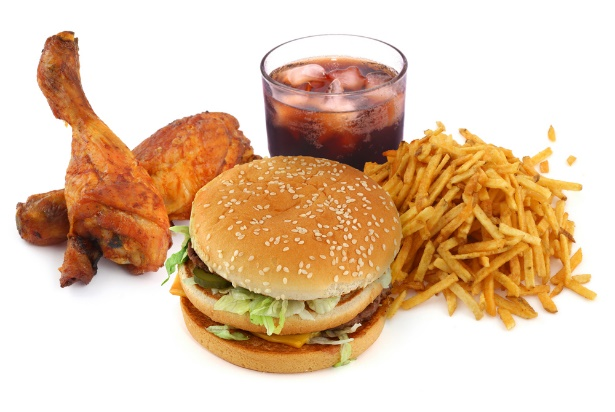
Fast Food ExamplesUltra-processed foods:

  • Usually go through several physical and chemical processes, such as extruding, molding, prefrying, and hydrogenation that can lead to the formation of toxic carcinogens that may increase the risk of colon cancer.
    • One example you may have heard about recently would be acrylamide in French fries. Another example would be nitrosamines in processed meats.
  • Are usually high in added sugar, fat, and refined starch which contribute to increased weight gain and obesity, an established risk factor for colon cancer.
  • Are usually low in phytonutrients, fiber, calcium, and vitamin D, which are known to reduce the risk of colon cancer
  • Typically contain ingredients of little or no nutritive value, such as refined sugar, hydrogenated oils, emulsifiers, artificial sweeteners, thickening agents, and artificial colors. Some of these ingredients, such as emulsifiers and artificial sweeteners, have been suggested to cause inflammation in the intestine, which is known to increase the risk of colon cancer.
  • Have long shelf-lives because of added preservatives. This allows migration of carcinogens such as bisphenol A from the packaging materials into the food.

Examples of ultra-processed foods include:

  • Sodas
  • Chips
  • Candy and packages of cookies or crackers
  • Most breakfast cereals
  • Boxed cake, cookie, and pancake mix
  • Chicken nuggets and fish sticks
  • Fast food burgers
  • Hot dogs and other processed meat
  • Infant formula
  • Instant noodles
  • Most store-bought ice cream
  • Flavored yogurt

How Was This Study Done?

clinical studyThis study used data collected from:

  • The Nurses’ Health Study (NHS) which enrolled 121,700 female nurses aged 30-55 in 1976 and followed them for 28 years.
  • The Nurses’ Health Study II (NHS II) which enrolled 116,429 female nurses aged 25-42 in 1989 and followed them for 24 years.
  • The Health Professions’ Follow-up Study (HPFS) which enrolled 51,529 male health professionals aged 40-75 in 1986 and followed them for 28 years.

After excluding participants who had incomplete data or a previous cancer diagnosis, the investigators running the study ended up with 67,425 women from NHS, 92,482 women from NHS II, and 46,341 men from HPFS for analysis.

Ultra-processed food consumption was scored as follows:

  • The dietary intake of each participant in the studies was assessed with a food frequency questionnaire every four years.
  • Each questionnaire was scored for the percentage of ultra-processed foods.
  • Then each participant in the study was ranked in terms of the percent ultra-processed foods in their diet averaged over the entire time they were enrolled in the study.
  • The participants were then divided into 5 groups based on the number of servings of ultra-processed foods/day they consumed, ranging from a high of 9 servings/day to a low of 3 servings/day.

Every two years the participants were asked to report any cancer diagnosis in the previous two years. Study physicians reviewed the medical records and pathology reports to confirm a diagnosis of colon cancer. If the patient had died, death certificates and medical records were used to confirm a diagnosis of colon cancer.

The investigators then compared the incidence of colon cancer in the group consuming the most ultra-processed foods to the group consuming the least ultra-processed foods.

  • These comparisons were adjusted for compounding factors like race, family history of cancer, history of endoscopy, physical activity, smoking status, alcohol use, aspirin use, menopausal status, and post-menopausal hormone use.
  • The comparisons were also adjusted for obesity and a healthy diet score called AHEI. I will explain the significance of these adjustments below.
  • Finally, the investigators looked at how various categories of ultra-processed food influenced the results.

Can Unhealthy Eating Give You Colon Cancer?

colon cancerHere is what the study found:

  • Men in the highest fifth of ultra-processed food consumption had a 29% higher risk of developing colon cancer than those in the lowest fifth.
  • No association between ultra-processed food consumption and risk of developing colon cancer was seen for women.

When they looked at subgroups of ultra-processed foods again comparing the top fifth in consumption with the lowest fifth:

  • Consumption of ultra-processed ready to eat products containing meat, poultry, or seafood increased the risk of colon cancer by 44% in men and 14% in women.
  • Consumption of sugar-sweetened beverages increased the risk of colon cancer by 21% in men but did not significantly affect risk of colon cancer in women.
  • Consumption of ultra-processed ready to eat mixed dishes increased the risk of colon cancer by 17% in women but did not significantly affect risk of colon cancer in men.
  • Consumption of ultra-processed dairy products decreased the risk of colon cancer by 17% in women but did not significantly affect risk of colon cancer in men.

The reason for the differing effect of poor diet on the risk of colon cancer in men and women is not clear, but it has been observed in previous studies.

The investigators concluded, “…high consumption of total ultra-processed foods in men and certain subgroups of ultra-processed foods in men and women was associated with an increased risk of colorectal cancer. Further studies are needed to better understand the potential attributes of ultra-processed foods that contribute to colorectal carcinogenesis.”

What Does This Study Mean For You?

There are several take-home lessons from this study:

1: The 29% increase in colon cancer risk reported for men probably underestimates the true risk. I say that because:

  • Ultra-processed food consumption increases the likelihood that you will gain weight, and obesity is a known risk factor for colon cancer. However, the 29% number was obtained after adjusting the data for obesity. Without that adjustment the increased risk would have been greater
  • Ultra-processed foods are low in the protective phytonutrients and fiber provided by fruits, vegetables, and whole grains. However, the 29% number was obtained after adjusting the data for a healthy eating index (which includes the amounts of fruits, vegetables, and whole grains in the diet). Without that adjustment the increased risk would have been greater.

2: While we don’t know the mechanism(s) for the increased risk of colon cancer reported in this study, we can make some informed guesses. I say that because:

  • Once you have removed obesity and fruits, vegetables, and whole grains from consideration, you are left with:
    • The effect of ultra-processed foods on your gut bacteria.
    • The additives, preservatives, and other potentially carcinogenic chemicals in ultra-processed foods.

3: Finally, don’t think you are off the hook if you are a woman.

  • As I mentioned in the introduction, ultra-processed foods also increase your risk of obesity, diabetes, and breast cancer.

And that brings us back to what I said at the beginning of this article, “If you are like millions of Americans, you may already be making a list of New Year’s resolutions and “checking it twice”. If weight loss and a healthier diet are important to you, you may want to put cutting back on ultra-processed foods at the top of your list.”

The Bottom Line 

A recent study showed that ultra-processed food consumption increased the risk of colon cancer in men, but not in women. The reason for the differing effect of ultra-processed foods on the risk of colon cancer in men and women is not clear, but it has been observed in previous studies on the effect of poor diet on colon cancer risk.

However, don’t think you are off the hook if you are a woman. Previous studies have shown that ultra-processed food consumption increased the risk of obesity, diabetes, and total cancers in both men and women and the risk of breast cancer in women.

The investigators concluded, “…high consumption of total ultra-processed foods in men and certain subgroups of ultra-processed foods in men and women was associated with an increased risk of colorectal cancer.”

That brings me to my recommendation. “If you are like millions of Americans, you may already be making a list of potential New Year’s resolutions and “checking it twice”. If weight loss and a healthier diet are important to you, you may want to put cutting back on ultra-processed foods at the top of your list.”

For more details on this study and what it means for you, read the article above.

These statements have not been evaluated by the Food and Drug Administration. This information is not intended to diagnose, treat, cure, or prevent any disease.



Does Processed Food Give You Gas?

Why Does Processed Food Give You Gas?

Author: Dr. Stephen Chaney 

Does it feel like a war is going on in your belly every time you eat? It could be IBD (inflammatory bowel disease). IBD can take several forms, but the two most common are Crohn’s disease and ulcerative colitis.

What do we know about IBD?

  • The symptoms of IBD can make you miserable. They include:
    • Abdominal pain and cramping.
    • Diarrhea with occasional bouts of constipation.

    • Gas and bloating.

    • Loss of appetite and/or unexpected weight loss.
  • There are about 1.6 million Americans with IBD and 70,000 new cases/year.
    • The prevalence of IBD in the United States has increased by 34% between 2006 and 2016.
  • As you might suspect from its name, IBD is a chronic inflammation of the gastrointestinal tract.
    • It is thought to be caused by “dysbiosis of the gastrointestinal track” (In layman’s terms that means damage to your intestine caused by too many bad bacteria and not enough good bacteria).
    • There is also a genetic component to the disease. Some people are much more susceptible to IBD than others.

If you watch TV, you know that there are drugs for treating IBD. The ads make them sound like miracle drugs. But if you listen carefully, you also know that these drugs have a long list of side effects. And some of the side effects are pretty scary.

Are There Natural Approaches For Controlling IBD?

BacteriaSo, if your belly is a bit rumbly, you might be wondering if there is a more natural approach you could take. We know that diet affects the balance between bad and good bacteria in our intestine. Could something as simple as changing your diet, quell the fire in your belly?

While the answer seems obvious, it has been hard to prove. The results of previous studies have been inconclusive. That is because previous studies:

  • Included too few people. 1.6 million people in the US with IBD may sound like a lot, but that represents only 0.4% of the population. Unless you have a really big study, there won’t be enough people who develop IBD to give you statistically significant results.
  • Were too short. IBD doesn’t develop overnight.
  • Did not include a diverse enough population. Previous studies were confined to individual countries or specific regions within a country.

This study (N Narula et al, British Medical Journal, 2021;374:n1554) was designed to overcome the limitations of previous studies. It also looked at the effect of diet on IBD from a different perspective than most previous studies.

  • It did not focus on the effect of individual foods on IBD. Since consumption of processed foods is known to affect the population of intestinal bacteria, the authors of this study asked whether processed food consumption might influence the likelihood of developing IBD.

How Was The Study Done?

Clinical StudyThe authors of this study used data collected from the PURE (Prospective Urban Rural Epidemiology) study between January 1, 2003, and December 31, 2016. The PURE study collected data from a very diverse population. Specifically, it collected data from 21 low-, middle-, and high-income countries across 7 geographical regions (Europe, North America, South America, Africa, Middle East, South Asia, Southeast Asia, and China).

  • This study followed 116,087 adults aged 35-70 years (average age 50, percent women = 60%) in the PURE study for an average of 9.7 years. During that time, 467 participants (0.4%) developed IBD.
  • All participants filled out a baseline food-frequency questionnaire that had been designed and validated for foods specific to their country.
  • Participants were asked if they had a diagnosis of Crohn’s disease or ulcerative colitis as part of an annual follow-up questionnaire. To assure the accuracy of these answers they were validated with medical records whenever possible.

Does Processed Food Give You Gas?

Does processed food give you gas? Does it give you abdominal pain, diarrhea, and bloating? In short, does it give you IBD? That is the question this study was designed to answer. Here are the results of the study:

  • When comparing those eating the most processed food (≥5 servings/day) to those consuming the least (≤1 serving/day), processed food consumption increased the risk of developing IBD by 1.82-fold. This finding was equally true for:
    • Both Crohn’s disease and ulcerative colitis.
    • Adults <50 and adults >50.
    • Every region of the world included in the PURE study.
  • When the investigators looked at different categories of processed foods:
    • Processed meat intake increased the risk of IBD by 2.07-fold.
    • Soft drink intake increased the risk of IBD by 1.94-fold.
    • Refined sweetened food intake increased the risk of IBD by 2.58-fold.
    • Salty food and snack intake increased the risk of IBD by 2.06-fold.
  • When the investigators looked at different categories of unprocessed foods:
    • White meat, red meat, dairy, starchy foods, fruits, vegetables, and legumes had no effect on the risk of developing IBD.
    • Sodium intake (as measured by urinary excretion of sodium) also had no effect on the risk of developing IBD.

Why Does Processed Food Give You Gas?

Question MarkYou may be wondering why does processed food give you gas – and other symptoms of IBD.

The simplest explanation is that whole grains, unprocessed fruits & vegetables, and legumes provide the fiber that supports the growth of friendly gut bacteria. Processed foods displace these foods from our diet.

But these investigators think something else about processed foods may be contributing to the increased risk of IBD. That is because in their study:

  • Processed meat increased the risk of IBD, but unprocessed white and red meat had no effect on IBD.
  • Processed sweetened foods increased the risk of IBD, but unprocessed starchy foods and naturally sweet fruits had no effect on IBD.
  • Processed salty foods and snacks increased the risk of IBD, but sodium intake had no effect on IBD.

The investigators also noted that in mouse studies:

  • Some food additives found in processed foods cause bacteria to stick to the epithelial lining of the intestine and/or cause leaky gut syndrome, both of which can lead to chronic inflammation of the intestine.

The investigators concluded, “In this study, higher ultra-processed food intake was associated with a higher risk of IBD.”

They went on to say, “As white meat, unprocessed red meat, dairy, starchy foods, fruits, vegetables, and legumes were not found to be associated with development of IBD, this study suggests that it may not be the food itself that confers this risk but rather the way the food is processed or ultra-processed…Further studies are needed to identify specific potential contributing factors among processed foods that might be responsible for the observed associations in our study.”

[Note: This is a fancy way of saying that the detrimental effects of processed foods may be due to more than the fact that they displace healthier foods from the diet. It may also be due to the effect of food additives on the risk of developing IBD.]

What Does This Study Mean For You?

Questioning WomanIBD is a rare disease (0.4% of the population). If you don’t have digestive issues, it would be easy to ignore this study and continue with a diet of highly processed foods.

However, I would remind you that in recent issues of “Health Tips From the Professor”, I have shared recent studies showing that highly processed foods increase your risk of:

And these studies are just the tip of the iceberg. We know that diets rich in whole grains and unprocessed fruits and vegetables decrease the risk of heart attack, stroke, and Alzheimer’s disease. And a diet rich in whole grains, fruits, and vegetables is the antithesis of a processed food diet.

The evidence is overwhelming. Highly processed foods may be convenient and tasty. But if you value your health, they are not your friends.

The Bottom Line 

A recent study looked at the effect of consuming processed foods on the risk of developing inflammatory bowel disease (IBD). The study found:

  • When comparing those eating the most processed food (≥5 servings/day) to those consuming the least (≤1 serving/day), processed food consumption increased the risk of developing IBD by 1.82-fold. This finding was equally true for:
    • Both Crohn’s disease and ulcerative colitis.
    • Adults <50 and adults >50.
    • Every region of the world included in the study.

The investigators concluded, “In this study, higher ultra-processed food intake was associated with a higher risk of IBD.”

They went on to say, “…This study suggests that it may not be the food itself that confers this risk but rather the way the food is processed or ultra-processed…Further studies are needed to identify specific potential contributing factors among processed foods that might be responsible for the observed associations in our study.”

[Note: This is a fancy way of saying that the detrimental effect of processed foods may be due to more than the fact that they displace healthier foods from the diet. It may also be due to the effect of food additives commonly found in processed foods on the risk of developing IBD.]

For more details on the study and what it means for you, read the article above.

These statements have not been evaluated by the Food and Drug Administration. This information is not intended to diagnose, treat, cure, or prevent any disease.

Is Diabetes Increasing In Our Children?

Why Is Diabetes Increasing In Our Children? 

Author: Dr. Stephen Chaney

Last week I shared a study documenting the alarming increase in ultraprocessed food consumption by our children and the effect it was having on their health (https://www.chaneyhealth.com/healthtips/are-we-killing-our-children-with-kindness/). For example, childhood obesity is closely linked to ultraprocessed food consumption.

In case you don’t understand why that is, here is what I said last week: “Because ultraprocessed foods are made in a factory, not grown on a farm:

  • They are high in fat, sugar, and refined carbohydrates. That means they have a high caloric density. Each bite has 2-3 times the calories found in a bite of fresh fruits and vegetables.
  • Even worse, the food industry has weaponized our natural cravings for sweet, salty, and fatty foods. They feed their prototypes to a series of consumer tasting panels until they find the perfect blend of sugar, salt, and fat to create maximum craving.
  • And if that weren’t enough, they add additives to create the perfect flavor and “mouth appeal”.
    • It is no wonder that clinical studies have found a strong correlation between high intake of ultraprocessed food and obesity in both children and adults.
    • It is also no wonder that the rate of childhood obesity has almost quadrupled in the last 40 years.”

Unfortunately, whenever you see an increase in obesity, type 2 diabetes is not far behind. Several studies have reported a dramatic increase in type 2 diabetes in our children over the last 20 years.

Because diabetics can manage their blood sugar levels with insulin and/or a variety of drugs, many people consider it as just an inconvenience. Nothing could be further from the truth. Diabetes is a deadly disease, and it is even deadlier when it appears early in life.

You probably already know that long-term complications of diabetes include heart disease and irreversible damage to nerves, kidneys, eyes, and feet. But you may not have known that childhood diabetes is more dangerous than diabetes in adults because:

  • It is more challenging to manage in children.
  • The complications of diabetes start to show up much earlier in life and affect quality of life at a much earlier age. For example:
    • Cardiovascular events occur 15 years earlier in someone with diabetes.
    • On average, a 50-year-old with diabetes will die 6 years earlier than someone without diabetes.
    • On average, a 10-year-old with diabetes will die 19 years earlier than a child without diabetes.

The study (JM Lawrence et al, JAMA, 326: 717-727, 2021) I will discuss today is the largest and most comprehensive study of childhood diabetes to date.

How Was This Study Done?

Clinical StudyThe data for this study were obtained from the SEARCH For Diabetes In Youth Study. This study collected data on physician-diagnosed cases of diabetes in 3.47 million children ages 19 or younger from 6 geographical areas in the US in 2001, 2009, and 2017.

The 6 geographical areas were:

  • Southern California (7 counties, including Los Angeles).
  • Colorado (14 counties, including Denver).
  • Ohio (8 counties, including Cincinnati)
  • South Carolina (4 counties, including Columbia).
  • Washington State (5 counties, including Seattle).
  • Indian Health Service users in select areas of Arizona and New Mexico.

The data on diabetes diagnoses were obtained by creating active surveillance networks composed of pediatric and adult endocrinologists, other clinicians, hospitals, and health plans in the study areas.

Is Diabetes Increasing In Our Children?

IncreaseTo answer this question let’s start with a historical perspective:

  • In 1950 obesity in US children was rare and type 2 diabetes in children was practically unknown.
    • Since then, obesity rates have skyrocketed, and type 2 diabetes has followed along behind it.
  • Between 1925 and 1950 the prevalence of type 1 diabetes in US children remained constant, but it has been steadily increasing since 1950.
    • Type 1 diabetes remains more prevalent than type 2 diabetes in our children, but the prevalence of type 2 diabetes has been increasing faster than type 1 diabetes.

Now let’s look at the results from the SEARCH For Diabetes In Youth Study:

Prevalence of Type 2 Diabetes:

  • The prevalence of type 2 diabetes in US children aged 10-19 increased from 0.34/1000 youths in 2001, to 0.46/1000 youths in 2009, to 0.67/1000 youths in 2017.
    • This is a 94% increase between 2001 and 2017. Put another way, the prevalence of type 2 diabetes in our children has almost doubled in just 16 years!
    • The greatest increase was seen among Black (0.85/1000 youths), Hispanic (0.57/1000 youths), and American Indian (0.42/1000 youths) population groups.
  • These data are consistent with 3 previous studies reporting a doubling of type 2 diabetes in children over similar time periods.

Note: Since data collection ended in 2017, this study does not take into account the increase in type 2 diabetes caused by increased body weight and reduced activity in children during the pandemic. There are no firm data on the increase in type 2 diabetes in children during the pandemic, but some hospitals have reported increases of 50% to 300% in new diagnoses of type 2 diabetes in 2020.

Prevalence of Type 1 Diabetes:

  • The prevalence of type 1 diabetes in US children aged 19 and younger increased from 1.48/1000 youths in 2001, to 1.93/1000 youths in 2009, to 2.15/1000 youths in 2017.
  • This is a 45% increase between 2001 and 2017.
    • The greatest increase was seen among White (0.93/1000 youths), Black (0.89/1000 youths), and Hispanic (0.59/1000 youths) population groups.
    • These data are consistent with a similar study of type 1 diabetes in children in Holland.

In summary:

  • This study documents a dramatic increase in the prevalence of both type 1 and type 2 diabetes in US children between 2001 and 2017.
  • Type 2 diabetes is still less prevalent than type 1 diabetes in US children, but it is increasing twice as fast.

Why Is Diabetes Increasing In Our Children?

Question MarkWhen it comes to type 2 diabetes, the experts agree:

  • The increase in type 2 diabetes in children is directly related to the obesity epidemic, which is now impacting our children. The obesity epidemic is, in turn, caused by:
    • Decreased exercise. Video games and social media have replaced actual games played outside.

However, when it comes the increase in type 1 diabetes, the experts are perplexed. There is no easy explanation. Let’s start with the basics:

  • Type 1 diabetes is an autoimmune disease. With type 1 diabetics, their immune system starts attacking the insulin-producing beta cells in their pancreas. Consequently, they lose the ability to produce insulin.
  • The autoimmune response seen in type 1 diabetes is caused by a combination of genes and environment. Specifically:
    • Certain genes predispose to type 1 diabetes. However:
      • Only some people with those genes develop type 1 diabetes.
      • Our genetics doesn’t change with time, so genetics cannot explain the increases in type 1 diabetes we are seeing.
  • That leaves the environment. There are many hypotheses about how our children’s environment influences their risk of developing type 1 diabetes. However:
    • Some of these hypotheses involve things that have not changed over the last 15-20 years. They cannot explain the increase in type1 diabetes we are seeing in children.
    • Some of these hypotheses are not supported by good data. They are speculative.

With that in mind, I will list the top 5 current hypotheses and evaluate each of them.

#1: The viral infection hypothesis: Basically, this hypothesis states that type 1 diabetes can be triggered by child with flucommon viral infections such as the flu.

  • This is a plausible hypothesis. Whenever our immune system is stimulated by invaders it sometimes goes rogue and triggers autoimmune responses.
  • It is also supported by good data. The onset of type 1 diabetes is often associated with a viral infection in genetically susceptible children.
  • However, prior to the pandemic viral infections have been constant. They haven’t changed over time. Therefore, they cannot explain an increase in type 1 diabetes between 2001 and 2017.

#2: The hygiene hypothesis: Basically, this hypothesis states that when we raise our children in a sterile environment, their immune system doesn’t develop normally. Essentially the hypothesis is saying that it’s not a bad thing if your toddler eats some dirt and moldy fruits. However:

  • The data linking hygiene to food allergies is better than the data linking hygiene to autoimmune responses.
  • There is no evidence that hygiene practices have changed significantly between 2001 and 2017.

#3: The vitamin D hypothesis: Basically, this hypothesis states that vitamin D deficiency is associated with the autoimmune response that causes type 1 diabetes.

  • One of the functions of vitamin D is to regulate the immune system.
  • As I have reported previously, suboptimal vitamin D levels are associated with increased risk of developing type 1 diabetes.
  • While we know that up to 61% of children in the US have suboptimal vitamin D levels, we don’t know whether that percentage has changed significantly in recent years.

happy gut bacteria#4: The gut bacteria hypothesis: Basically, this hypothesis suggests that certain populations of gut bacteria increase the risk of developing type 1 diabetes. This is what we know.

  • Children who develop type 1 diabetes have a unique population of gut bacteria.
  • This population of gut bacteria also triggers inflammation, and chronic inflammation can lead to autoimmune responses.
  • A diet rich in highly processed foods supports growth of the same gut bacteria found in children with type 1 diabetes.
  • Consumption of highly processed foods has increased significantly in the last twenty years.

#5: The obesity hypothesis: Basically, this hypothesis suggests that obesity increases the risk of developing type 1 diabetes.

  • While the mechanism is not clear, childhood obesity is associated with both inflammatory and autoimmune diseases like type 1 diabetes.
  • Childhood obesity has increased dramatically in the past few years.

As you may have noticed, there are weaknesses to each of these hypotheses. This is why there is no current agreement among experts as to why type 1 diabetes is increasing in our children.

My guess is that none of these hypotheses can fully explain the increase in type 1 diabetes in our children, but that several of them may contribute to it.

What Can We Do?

Family Riding BicyclesWhatever the mechanism, the increase in both type 1 and type 2 diabetes in our children is troubling. Unless this trend is reversed, we may be dooming our children to short, unhealthy lives. So, what can we, as concerned parents and grandparents, do?

For type 2 diabetes, the answer is clear.

1) Reverse the dominance of ultraprocessed foods in children’s diets. Encourage the consumption of whole, unprocessed or minimally processed foods, and include lots of fresh fruits and vegetables. Set a good example as well.

2) Encourage more activity. Get them outside and moving. Create family activities that involve exercise.

3) Reverse the obesity epidemic. If we succeed in reversing the dominance of ultraprocessed foods in their diet and encouraging more activity, we can reverse the obesity epidemic without putting our children on crazy diets.

For type 1 diabetes, the answer is less clear because the cause for the increase in type 1 diabetes is uncertain. However, I will point out that:

1) Increased consumption of fresh fruits and vegetables, whole grains, and legumes supports the growth of friendly gut bacteria that reduce inflammation and the risk of autoimmune diseases. For more detail on an anti-inflammatory diet, click here.

2) Reversing the obesity epidemic also reduces inflammation and the risk of autoimmune diseases.

3) Adequate vitamin D levels reduce the risk of autoimmune diseases, including type 1 diabetes. My recommendation is to get your 25-hydroxyvitamin D levels tested and supplement with vitamin D3 as needed, especially during the winter months.

The Bottom Line

Last week I shared a study documenting the alarming increase in ultraprocessed food consumption by our children and the effect it was having on their health. For example, childhood obesity is closely linked to ultraprocessed food consumption, and the rate of childhood obesity has almost quadrupled in the last 40 years.

Unfortunately, whenever you see an increase in obesity, type 2 diabetes is not far behind. This week’s study looked at the prevalence of childhood diabetes in 3.47 million children from 6 geographical areas of the United States between 2001 and 2017. This study found:

  • The prevalence of type 2 diabetes in US children increased 94% between 2001 and 2017. It almost doubled.
  • The prevalence of type 1 diabetes in US children increased 45% between 2001 and 2017.

These statistics are tragic because diabetes is a deadly disease.

You probably already know that long-term complications of diabetes include heart disease and irreversible damage to nerves, kidneys, eyes, and feet. But you may not have known that childhood diabetes is more dangerous than diabetes in adults because:

  • It is more challenging to manage in children.
  • The complications of diabetes start to show up much earlier in life and affect quality of life at a much earlier age. For example:
    • Cardiovascular events occur 15 years earlier in someone with diabetes.
    • On average, a 50-year-old with diabetes will die 6 years earlier than someone without diabetes.
    • On average, a 10-year-old with diabetes will die 19 years earlier than a child without diabetes.

For more details about this study, why the prevalence of diabetes in US children is increasing, and what we can do about it, read the article above.

These statements have not been evaluated by the Food and Drug Administration. This information is not intended to diagnose, treat, cure, or prevent any disease

Do Processed Foods Increase Your Risk Of Diabetes?

Why Do We Keep Eating Processed Foods?

Fast Food DangersUnless you are Rip Van Winkle and have been asleep for the past 20 years you probably know that the highly processed foods in the typical American diet are bad for your health. But perhaps you didn’t realize just how bad they were.

But first, let’s start with a bit of perspective. Scientists like to be precise. Even healthy foods go through some processing.

  • The oatmeal you ate this morning was either steel-cut or ground. That is processing.
  • The almond butter you put on your whole grain toast this morning was made by roasting and grinding. That is processing.

So, scientists have developed the term “ultra-processed food” to describe the worst of the worse. In short, ultra-processed foods:

  • Usually go through several physical and chemical processes, such as extruding, molding, prefrying, and hydrogenation that can lead to the formation of toxic contaminants. One example you may have heard about recently would be acrylamide in French fries.
  • Typically contain ingredients of no or little nutritive value, such as refined sugar, hydrogenated oils, emulsifiers, artificial sweeteners, thickening agents, and artificial colors. Some of these ingredients have been linked to cancer, heart disease, and premature death.
  • Have long shelf-lives because of added preservatives. This allows migration of chemicals such as bisphenol A from the packaging materials into the food.

Examples of ultra-processed foods include:

  • Sodas
  • Chips
  • Candy and packages of cookies or crackers
  • Most breakfast cereals
  • Boxed cake, cookie, and pancake mix
  • Chicken nuggets and fish sticks
  • Fast food burgers
  • Hot dogs and other processed meats
  • Infant formula
  • Instant noodles
  • Most store-bought ice cream
  • Flavored yogurt

In short, ultra-processed foods include sodas and the junk and convenience foods Americans hold so dear. Even things like infant formula and flavored yogurt make the list.

Evidence of the ill effects of ultra-processed foods on our health is becoming overwhelming. In previous issues of “Health Tips From the Professor” I have shared recent studies that have shown that heavy consumption of ultra-processed foods is linked to increased risk of obesity and cancer. Other studies have linked ultra-processed food consumption with increased risk of depression, heart disease, and premature death.

In this issue of “Health Tips From the Professor” I:

  • Ask the important question, “If we know these foods are so bad for us, why do we still keep eating them?”

How Was The Study Done?

Clinical StudyThe data from this study were taken from an ongoing study in France (the NutriNet-Sante study) looking at associations between nutrition and health. This study began enrolling French adults 18 and older in 2009.

This is a web-based study. Participants are prompted to go to a dedicated website and fill out questionnaires related to things like sex, age, height, weight, smoking status, physical activity, health status, and diet.

With respect to diet, participants filled out a series of 3 nonconsecutive 24-hour dietary records at the time of enrollment and every 6 months. This is a particularly strong feature of this study. Many studies of this type only analyze participant’s diets at the beginning of the study. Those studies have no way of knowing how the participant’s diets may have changed during the study.

Diagnosis of type 2 diabetes for study participants was obtained from the French centralized health records.

The study enrolled 104,708 participants, 20% men and 80% women, and followed them for an average of 6 years. The average age of the participants was 43 years.

Do Processed Foods Increase Your Risk Of Diabetes?

High Blood SugarIn this study the range of ultra-processed foods in the French diet ranged from 7% to 27% (average = 17%). High intake of ultra-processed foods was associated with:

  • Younger participants. Simply put, young people were more likely to drink sodas and eat junk food than older adults.
  • Increased caloric intake. Ultra-processed foods have a higher caloric density than whole, unprocessed foods.
  • No surprise here. Previous studies have shown that ultra-processed food consumption increases the risk of obesity.
  • Poorer diet quality. Again, no surprise. Junk foods tend to crowd healthier foods out of the dirt. Specifically, ultra-processed food consumption was associated with:
    • Higher intake of sugar and salt.
    • Lower intake of fiber.
    • Higher intake of sugary drinks, red and processed meats.
    • Lower intake of whole grains, yogurt, nuts, fruits, and vegetables.

However, even after statistically correcting for all these factors, there was a significant association between ultra-processed food consumption and the onset of type 2 diabetes in the 6-year follow-up period.

  • There was a linear relation between ultra-processed food consumption and the development of type 2 diabetes. Simply put, the more ultra-processed food the participants consumed the more likely they were to be diagnosed with type 2 diabetes.
  • There was a 15% increased risk of developing type 2 diabetes for every 10% increase in ultra-processed food consumption.

The authors concluded:

“In this large observational prospective study, a higher proportion of ultra-processed food in the diet was associated with a higher risk of type 2 diabetes. Even though these results need to be confirmed in other populations and settings, they provide evidence to support efforts by public health authorities to recommend limiting ultra-processed food consumption.”

What Does This Study Mean For You?

Questioning WomanYou might be tempted to say that a 15% increase in the risk of developing diabetes is a small price to pay for continuing to eat the foods you enjoy. However, you should be alarmed by this study. Here is why.

The French diet is much healthier than the American. Remember that ultra-processed foods only comprised 17% of the French Diet. In contrast, a recent survey found that:

  • Ultra-processed foods make up 58% of the average American’s diet.
  • Ultra-processed foods account for 90% of the added sugar in our diet.

It is no wonder that obesity and diabetes are reaching epidemic proportions in our country.

You might also be tempted to think that you can just take some medications and live with type 2 diabetes. However, you should think of type 2 diabetes as a gateway disease. It increases your risk of heart disease, high blood pressure, Alzheimer’s disease, kidney damage, and neuropathy, just to name a few. These are diseases that make your life miserable and ultimately kill you.

More importantly, type 2 diabetes is completely reversible if you catch it early enough. Just lose some weight, exercise more, give up the ultra-processed foods, and eat a healthy diet. I recommend a whole food, primarily plant-based diet.

Why Do We Keep Eating Processed Foods?

Fast FoodsWe all know that ultra-processed foods are bad for us. Study after study show that they make us sick. They kill us prematurely. And, unlike most topics in the field of nutrition, this is not controversial.

For example, there have been lots of bizarre diets that have come and gone over the years. There have been books written on “The Steak Lover’s Diet” and “The Drinking Man’s Diet”. But nobody has written a book on “The Junk Food Lover’s Diet”. It simply would not be believable.

So why do we Americans keep eating such unhealthy foods. Part of the answer is physiological. A preference for sweet, salty, and fatty foods is hardwired into our brain. That’s because they had great survival value in prehistoric times.

If we think back to the time when we were hunters and gatherers:

  • Fruits are healthy foods. They are a great source of antioxidants, phytonutrients, and fiber, but there were no orchards or grocery stores back then. We had to search for fruits in the wild. Our desire for sweet tasting foods provided the motivation to seek them out.
  • Game was seasonal and sometimes scarce. We had to be prepared to go for days or weeks without eating except for the leaves and roots we could gather. Our bodies are designed to store fat as the primary energy source to get us through the lean times. Our preference for fatty foods encouraged us to store as much fat as possible in times of plenty so we would be prepared for times of scarcity.
  • If we fast forward to our early recorded history, salt was scarce. It was worth its weight in gold. Yet some salt is essential for life. Our preference for salty foods encouraged us to search out supplies of salt.

Unfortunately, the food industry has weaponized these food preferences to create the ultra-processed foods we know today. Their ads entice us by associating these foods with youth and good times. And ultra-processed foods have become ubiquitous. There are fast food restaurants on almost every street corner and shopping mall in the country.

Fortunately, we do not have to let the food industry destroy our health. We can retrain our taste buds to appreciate the sweetness of fresh fruits and vegetables. We can substitute healthy fats for the kinds of fat found in most ultra-processed foods. We can also retrain our taste buds to appreciate herbs and spices with just a pinch of salt.

The Bottom Line

Ultra-processed foods, such as sodas, junk foods, and convenience foods have become the biggest food group in the American diet. A recent study found:

  • Ultra-processed foods make up 58% of the average American’s diet.
  • Ultra-processed foods account for 90% of the added sugar in our diet.

That is scary because ultra-processed foods are deadly. Previous studies have shown that consumption of ultra-processed foods is linked to obesity, heart disease, cancer, and Alzheimer’s disease.

The study discussed this week looked at the association between ultra-processed food consumption and type 2 diabetes. It showed:

  • There was a linear relation between ultra-processed food consumption and the development of type 2 diabetes. Simply put, the more ultra-processed food the participants consumed the more likely they were to be diagnosed with type 2 diabetes.
  • There was a 15% increased risk of developing type 2 diabetes for every 10% increase in ultra-processed food consumption.

You might be tempted to think that you can just take some medications and live with type 2 diabetes. However, you should think of type 2 diabetes as a gateway disease. It increases your risk of heart disease, high blood pressure, Alzheimer’s disease, kidney damage, and neuropathy, just to name a few. This are diseases that make your life miserable and ultimately kill you.

More importantly, type 2 diabetes is completely reversible if you catch it early enough. Just lose some weight, exercise more, give up the ultra-processed foods, and eat a healthy diet. I recommend a whole food, primarily plant-based diet.

For more details and a discussion of why Americans continue to eat ultra-processed food even though we know it is bad for us, read the article above.

These statements have not been evaluated by the Food and Drug Administration. This information is not intended to diagnose, treat, cure, or prevent any disease.

Does Maternal Vitamin D Affect Childhood ADHD?

Can ADHD Be Prevented?

vitamin dIf you are pregnant, or of childbearing age, should you be supplementing with vitamin D? Increasingly, the answer appears to be yes.

1) Based on blood 25-hydroxy vitamin D levels (considered the most accurate marker of vitamin D status):

    • 8-11% of pregnant women in the US are deficient in vitamin D (<30 nmol/L).
    • 25% of pregnant women have insufficient vitamin D status (30-49 nmol/L).

In short, that means around 1/3 of pregnant women in the US have insufficient or deficient levels of vitamin D. The effect of inadequate vitamin D during pregnancy is not just an academic question.

2) The Cochrane Collaboration (considered the gold standard for evidence-based medicine) has recently concluded that supplementation with vitamin D reduces the risk of significant complications during pregnancy.

3) Another recent study found that inadequate vitamin D status during pregnancy delayed several neurodevelopmental milestones in early childhood, including gross motor skills, fine motor skills, and social development.

If neurodevelopmental milestones are affected, what about ADHD? Here the evidence is not as clear. Some studies have concluded that vitamin D deficiency during pregnancy increases the risk of ADHD in the offspring. Other studies have concluded there is no effect of vitamin D deficiency on ADHD.

Why the discrepancy between studies?

  • Most of the previous studies have been small. Simply put, there were too few children in the study to make statistically reliable conclusions.
  • Most of the studies measured maternal 25-hydroxyvitamin D levels in the third trimester or in chord blood at birth. However, it is during early pregnancy that critical steps in the development of the nervous system take place.

Thus, there is a critical need for larger studies that measure maternal vitamin D status in the first trimester of pregnancy. This study (M Sucksdorff et al, Journal of the American Academy of Child & Adolescent Psychiatry, 2020, in press) was designed to fill that need.

How Was The Study Done?

Clinical StudyThis study compared 1,067 Finnish children born between 1998 and 1999 who were subsequently diagnosed with ADHD and 1,067 matched controls without ADHD. There were several reasons for choosing this experimental group.

  • Finland is among the northernmost European countries, so sun exposure during the winter is significantly less than for the United States and most other European countries. This time period also preceded the universal supplementation with vitamin D for pregnant women that was instituted in 2004.

Consequently, maternal 25-hydroxyvitamin D levels were significantly lower than in most other countries. This means that a significant percentage of pregnant women were deficient in vitamin D, something not seen in most other studies. For example:

    • 49% of pregnant women in Finland were deficient in vitamin D (25-hydoxyvitamin D <30 nmol/L) compared to 8-11% in the United States.
    • 33% of pregnant women in Finland had insufficient vitamin D status (25-hydroxyvitamin D 30-49.9 nmol/L) compared to 25% in the United States.
  • Finland, like many European countries, keeps detailed health records on its citizens. For example:
    • The Finnish Prenatal Study collected data, including maternal 25-hydroxyvitamin D levels during the first trimester), for all live births between 1991 and 2005.
    • The Care Register for Health Care recorded, among other things, all diagnoses of ADHD through 2011.

Thus, this study was ideally positioned to compare maternal 25-hydroxyvitamin D levels during the first trimester of pregnancy with a subsequent diagnosis of ADHD in the offspring. The long-term follow-up was important to this study because the average age of ADHD diagnosis was 7 years (range = 2-14 years).

Does Maternal Vitamin D Affect Childhood ADHD?

Child With ADHDThe answer to this question appears to be a clear, yes.

If you divide maternal vitamin D levels into quintiles:

  • Offspring of mothers in the lowest vitamin D quintile (25-hydroxyvitamin D of 7.5-21.9 nmol/L) were 53% more likely to develop ADHD than offspring of mothers in the highest vitamin D quintile (49.5-132.5 nmol/L).

When you divide maternal vitamin D levels by the standard designations of deficient (<30 nmol/L), insufficient (30-49.9 nmol/L), and sufficient (≥50 nmol/L):

  • Offspring of mothers who were deficient in vitamin D were 34% more likely to develop ADHD than children of mothers with sufficient vitamin D status.

The authors concluded: “This is the first population-based study to demonstrate an association between low maternal vitamin D during the first trimester of pregnancy and an elevated risk for ADHD diagnosis in offspring. If these findings are replicated, they may have public health implications for vitamin D supplementation and perhaps changing lifestyle behaviors during pregnancy to ensure optimal maternal vitamin D levels.”

Can ADHD Be Prevented?

Child Raising HandI realize that this is an emotionally charged title. If you have a child with ADHD, the last thing I want is for you to feel guilty about something you may not have done. So, let me start by acknowledging that there are genetic and environmental risk factors for ADHD that you cannot control. That means you could have done everything right during pregnancy and still have a child who develops ADHD.

Having said that, let’s examine things that can be done to reduce the risk of giving birth to a child who will develop ADHD, starting with vitamin D. There are two aspects of this study that are important to keep in mind.

#1: The increased risk of giving birth to a child who develops ADHD was only seen for women who were vitamin D deficient. While vitamin D deficiency is only found in 8-11% of pregnant mothers in the United States, that is an average number. It is more useful to ask who is most likely to be vitamin D deficient in this country. For example:

  • Fatty fish and vitamin D-fortified dairy products are the most important food sources of vitamin D. Fatty fish are not everyone’s favorite and may be too expensive for those on a tight budget. Many people are lactose intolerant or avoid milk for other reasons. If you are not eating these foods, you may not be getting enough vitamin D from your diet. This is particularly true for vegans.
  • If you have darker colored skin, you may have trouble making enough vitamin D from sunlight. If you are also lactose intolerant, you are in double trouble with respect to vitamin D sufficiency.
  • Obesity affects the distribution of vitamin D in the body. So, if you are overweight, you may have low 25-hydroxyvitamin D levels in your blood.
  • The vitamin D RDA for pregnant and lactating women is 600 IU, but many multivitamin and prenatal supplements only provide 400 IU. If you are pregnant or of childbearing age, it is a good idea to look for a multivitamin or prenatal supplement that provides at least 600 IU, especially if you are in one of the high risk groups listed above.
  • Some experts recommend 2,000 to 4,000 IU of supplemental vitamin D. I would not recommend exceeding that amount without discussing it with your health care provider first.
  • Finally, for reasons we do not understand, some people have a difficult time converting vitamin D to the active 25-hydroxyvitamin D and 1,25-dihydroxyvitamin D in their bodies. If you are pregnant or of childbearing age, it is a good idea to have your blood 25-hydroxyvitamin D levels determined and discuss with your health care provider how much vitamin D you should be taking. Many people need more than 600 IU to reach vitamin D sufficiency status.

#2: Maternal vitamin D deficiency has a relatively small effect (34%) on the risk of the offspring developing ADHD. That means assuring adequate vitamin D status during pregnancy should be part of a holistic approach for reducing ADHD risk. Other factors to consider are:

  • Low maternal folate and omega-3 status.
  • Smoking, drug, and alcohol use.
  • Obesity.
  • Sodas and highly processed foods.

Alone, each of these factors has a small and uncertain influence on the risk of your child developing ADHD. Together, they may play a significant role in determining your child’s risk of developing ADHD.

In closing, there are three take-home lessons I want to leave you with:

1) The first is that there is no “magic bullet”. There is no single action you can take during pregnancy that will dramatically reduce your risk of giving birth to a child who will develop ADHD. Improving your vitamin D, folate, and omega-3 status; avoiding cigarettes, drugs, and alcohol; achieving a healthy weight; and eating a healthy diet are all part of a holistic approach for reducing the risk of your child developing ADHD.

2) The second is that we should not think of these actions solely in terms of reducing ADHD risk. Each of these actions will lead to a healthier pregnancy and a healthier child in many other ways.

3) Finally, if you have a child with ADHD and would like to reduce the symptoms without drugs, I recommend this article.

The Bottom Line

A recent study looked at the correlation between maternal vitamin D status during the first trimester of pregnancy and the risk of ADHD in the offspring. The study found:

  • Offspring of mothers who were deficient in vitamin D were 34% more likely to develop ADHD than children of mothers with sufficient vitamin D status.

The authors concluded: “This is the first population-based study to demonstrate an association between low maternal vitamin D during the first trimester of pregnancy and an elevated risk for ADHD diagnosis in offspring. If these findings are replicated, they may have public health implications for vitamin D supplementation and perhaps changing lifestyle behaviors during pregnancy to ensure optimal maternal vitamin D levels.”

In the article above I discuss what this study means for you and other factors that increase the risk of giving birth to a child who will develop ADHD.

For more details read the article above.

These statements have not been evaluated by the Food and Drug Administration. This information is not intended to diagnose, treat, cure, or prevent any disease.


Health Tips From The Professor