Can Omega-3s Improve Weight Loss Diets?

The Unexpected Benefits of Omega-3s

Author: Dr. Stephen Chaney 

Weight LossOmega-3s have become the latest “super food”. Wherever you get your news, you are constantly seeing articles about the latest “miracle results” obtained by adding omega-3s to your diet.

There is good evidence that omega-3s:

  • Lower blood pressure.
  • Reduce triglycerides (fatty particles in your bloodstream).
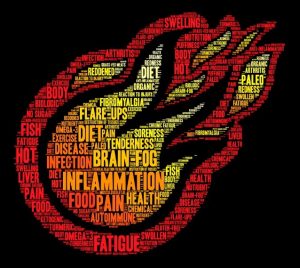
  • Reduce chronic inflammation.
  • Slow the buildup of plaque in the arteries (which combined with lowering blood pressure, reducing triglycerides, and reducing inflammation likely lowers heart disease risk).
  • Reduce the risk of depression and anxiety.
  • Improve neurodevelopment (cognitive function, memory, and learning) in infants and children.
  • Reduce inflammation in joints.

In addition, omega-3s may:

  • Reduce the risk of cognitive decline and Alzheimer’s as we age.
  • Reduce the risk of arrhythmias (irregular heartbeats).
  • Protect against age-related macular degeneration.
  • Improve immune function.
  • Reduce the risk of certain cancers.
  • Improve blood sugar regulation.

Because obesity is associated with chronic inflammation and inflammation is associated with many of the health risks associated with obesity, the authors of the study I will be describing today (J Torres-Vanegas et al. Healthcare, 13:103, 2025) decided to look at the effect of supplementation with 1.8 grams of long-chain omega-3s (fish oil capsules) on the beneficial effects of a weight loss diet in a double-blind, placebo-controlled, 8 week study.

There were two interesting wrinkles to this study.

  • Previous studies have suggested that a 5:1 ratio of omega-6 fats to omega-3 fats is optimal for these effects, but the typical American has an omega-6 to omega-3 ratio of between 15:1 and 20:1. So, the authors designed their study so that participants achieved a 5:1 omega-6 to omega-3 ratio.
  • Because short-chain omega-3s (found in plant foods) have little effect on inflammation, they were used as the “active” placebo instead of omega-6 fats.
    • In short, both groups received an omega-3 supplement. The “intervention” group received long-chain omega-3s from fish oil, and the “placebo control” group received short-chain omega-3s from vegetable oils (chia and flaxseed oil).

[Note: Short-chain omega-3s have many health benefits. However, their conversion to long-chain omega-3s in the human body is very inefficient, and they do not have all the health benefits associated with long-chain omega-3s.]

How Was This Study Done?

clinical studyThe authors of this study enrolled 40 obese (BMI≥30) adults (40% females, 60% males), aged 30-50 in a randomized, active placebo-controlled, double-blind weight loss study for 8 weeks.

The estimated caloric expenditure was determined for each participant prior to the study. Based on that estimate calories were reduced by 200 calories/day for the first 4 weeks and 400 calories/day for weeks 5-8.

Dietitians designed a recipe book of 3 main meals and 2 snacks for each day. The diets were designed to achieve the caloric restriction described above and to achieve a 5:1 ratio of omega-6 to omega-3.

Participants completed a 3-day food frequency questionnaire including 2 weekdays and 1 weekend day at the start of the study and at week 8. Participants were guided in this by a dietitian using food models to help them assess portion sizes.

Half of the participants were given a long-chain omega-3 supplement containing 1080 mg of EPA plus 720 mg of DHA (1,800 mg total) from fish oil. The other half of the participants were given a short-chain omega-3 supplement consisting of 1,600 mg of ALA from chia and flaxseed oil. The dietary assessments showed that both groups were successful in achieving a 5:1 omega-6 to omega-3 ratio when the supplements were included in the calculation.

Can Omega-3s Improve Weight Loss Diets? 

InflammationBecause both groups had equal caloric restriction. Therefore, as expected, both groups experienced decreased:

  • Body weight.
  • BMI.
  • Percent body fat.
  • Total cholesterol.
  • Triglycerides.
  • VLDL.

However, when the scientists measured markers of inflammation, a different picture was observed.

  • IL-6 (Interleukin 6) and RvD1 (resolving D1) are inversely associated with inflammation (They increase when inflammation decreases).
    • IL-6 and RVD1 increased only in the group supplementing with long-chain omega-3s (EPA + DHA).
  • IL-10 and MCP-1 (monocyte chemoattractant protein-1) are directly associated with inflammation (They decrease when inflammation decreases).
    • IL-10 and MCP-1 decreased only in the group supplementing with long-chain omega-3s.
  • These differences were highly significant.

The authors concluded, “A diet supplemented with marine n-3 (long-chain omega-3s from fish oil) improves inflammatory markers by increasing systemic levels of Resolvin D1 and IL-10 and decreasing IL-6 and MCP-1.”

“These results could provide a guide for future nutritional intervention strategies aimed to…reduce chronic low-grade inflammation by considering the omega-6 to omega-3 ratio content as a necessary calculation for a proper diet.”

[I would note that both diets achieved an omega-6 to omega-3 ratio of 5:1, but only the diet containing long-chain omega-3s reduced inflammation. So, the author’s statement is only true for long-chain omega-3s.]

In short, weight loss is known to help reduce chronic inflammation. Both groups lost weight, but only the group supplementing with long-chain omega-3s had a significant improvement in inflammatory markers.

  • These data suggest that supplementation with long-chain omega-3s while on a weight loss diet greatly enhances the reduction in inflammation associated with weight loss.
  • These data also suggest that short-chain omega-3s do not significantly reduce inflammation.
  • Both findings are consistent with earlier studies.

The Unexpected Benefits Of Omega-3s 

The study also found that:

  • Abdominal obesity was reduced by 35% in the long-chain omega-3 group compared to 5.6% in the short-chain omega-3 group, and these differences were highly significant.
  • Weight loss for men in the long-chain omega-3 group was 9.25 pounds compared to 4.8 pounds in the short-chain omega-3 group, and these differences were significant.
  • Reductions in percent body fat and waist circumference were also greater for men in the long-chain omega-3 group, but these differences were not statistically significant in this small study.

In short, these data suggest that long-chain omega-3 supplementation may have enhanced weight loss. This is an intriguing finding that needs to be confirmed by future studies.

What Does This Study Mean For You? 

Question MarkThis study is a randomized, double-blind, placebo-controlled trial, which is the gold standard for clinical studies. But it is also a very small study, so we need to carefully consider the validity of the study.

It had three major findings.

#1: Omega-3s enhance the anti-inflammatory effect of weight loss diets.

#2: This effect is only seen for the long-chain omega-3s EPA and DHA found in fish oil. The short-chain omega-3 ALA found in vegetable oils and other plant foods had no significant effect on inflammation.

The anti-inflammatory effect of long-chain omega-3s and the lack of an effect of short-chain omega-3s on inflammation are consistent with many previous studies. The only novel aspect of this study was the finding that the same effects occurred when omega-3 supplementation was added to a weight loss diet.

That is an important consideration because many weight loss diets focus on plant foods or red meats. Fish are often missing from the diet plan and long-chain omega-3 supplementation is seldom recommended.

That’s unfortunate because chronic inflammation is associated with obesity. And chronic inflammation increases the risk of heart disease, diabetes, cancer, and all the “itis” diseases. Omega-3 supplementation should be an important part of any weight loss diet.

#3: This study also suggests that long-chain omega-3 supplementation may increase the effectiveness of weight loss diets.

At this point I consider this finding as possible, but not probable. Previous studies have reported conflicting results. Some studies have suggested omega-3s aid weight loss. Others have found no effect.

We need many more studies before I would be ready to recommend omega-3 supplementation as an aid to weight loss. However, omega-3s have many proven benefits. If they also happen to make weight loss diets more effective, this would be an unexpected benefit.

The Bottom Line 

A recent study looked at the effect of omega-3 supplementation during a weight loss diet. The study had three main findings.

#1: Omega-3 supplementation enhances the anti-inflammatory effect of weight loss diets.

#2: This effect is only seen for the long-chain omega-3s EPA and DHA found in fish oil. The short-chain omega-3 ALA found in vegetable oils and other plant foods had no significant effect on inflammation.

#3: This study also suggests that long-chain omega-3 supplementation may increase the effectiveness of weight loss diets.

For more information on this study and what it means for you, read the article above.

These statements have not been evaluated by the Food and Drug Administration. This information is not intended to diagnose, treat, cure or prevent any disease.

____________________________________________________________________________

My posts and “Health Tips From the Professor” articles carefully avoid claims about any brand of supplement or manufacturer of supplements. However, I am often asked by representatives of supplement companies if they can share them with their customers.

My answer is, “Yes, as long as you share only the article without any additions or alterations. In particular, you should avoid adding any mention of your company or your company’s products. If you were to do that, you could be making what the FTC and FDA consider a “misleading health claim” that could result in legal action against you and the company you represent.

For more detail about FTC regulations for health claims, see this link.

https://www.ftc.gov/business-guidance/resources/health-products-compliance-guidance

 ____________________________________________________________________

About The Author 

Dr. Chaney has a BS in Chemistry from Duke University and a PhD in Biochemistry from UCLA. He is Professor Emeritus from the University of North Carolina where he taught biochemistry and nutrition to medical and dental students for 40 years.

Dr. Chaney won numerous teaching awards at UNC, including the Academy of Educators “Excellence in Teaching Lifetime Achievement Award”.

Dr Chaney also ran an active cancer research program at UNC and published over 100 scientific articles and reviews in peer-reviewed scientific journals. In addition, he authored two chapters on nutrition in one of the leading biochemistry text books for medical students.

Since retiring from the University of North Carolina, he has been writing a weekly health blog called “Health Tips From the Professor”. He has also written two best-selling books, “Slaying the Food Myths” and “Slaying the Supplement Myths”. And most recently he has created an online lifestyle change course, “Create Your Personal Health Zone”. For more information visit https://chaneyhealth.com.

For the past 53 years Dr. Chaney and his wife Suzanne have been helping people improve their health holistically through a combination of good diet, exercise, weight control and appropriate supplementation.


Can Protein Supplements Increase GLP-1?

What Is GLP-1 And What Does It Do?

Author: Dr. Stephen Chaney

I don’t need to tell you that GLP-1 (glucagon-like peptide 1) drugs are all the rage. Total spending on GLP-1 drugs in the United States exceeded $71 billion in 2023, a 500% increase in just 5 years. There are 15 million Americans on GLP-1 drugs at any one time. And most of this increase has been driven by the weight-loss market.

Let me be clear. These drugs work. For people with poorly controlled type 2 diabetes or severe obesity-related health issues, they can be a godsend. But like any “quick fix” weight loss drugs they are overprescribed.

And when you have millions of people taking a drug, you need to take a serious look at side effects. The most frequent side effects are:

  • Nausea
  • Vomiting
  • Diarrhea
  • Constipation
  • Increased heart rate.
  • Hypoglycemia
  • Allergic reactions

These are side effects that aren’t life threatening and are easily detected. When someone experiences these side effects, they usually give their doctor a call, and their doctor either takes them off the drug or modifies the dosage.

However, more recent studies have identified two additional side effects that are much more troubling.

  • The first is depression, anxiety, and suicidal thoughts.
    • These are symptoms that many patients may not associate with the drug, especially if they already have these tendencies.
    • And the consequences can be life threatening. There have already been reports of suicides of people on GLP-1 medications.
  • The second is loss of muscle mass.
    • This is a particular concern for seniors who struggle to maintain muscle mass as they age.
    • And this is a silent symptom. Most seniors don’t realize they are losing muscle mass until it significantly affects their quality of life.

And, of course, the biggest drawback of GLP-1 drugs is that they are only a temporary fix. Unless someone changes their lifestyle, the weight comes roaring back as soon as they quit using GLP-1.

So. It’s no wonder some people are asking whether it is possible to increase their GLP-1 levels naturally without the side effects associated with GLP-1 drugs. I will discuss this below, but first I should review what GLP-1 is and what it does.

What Is GLP-1 And What Does It Do? 

Let me start by reviewing the hormones insulin and glucagon to create a proper perspective for understanding the role of GLP-1.

Insulin: Almost everyone has heard of insulin. It is released by the pancreas whenever we eat, and blood sugar levels start to rise. Its role is to lower blood sugar levels.

Glucagon: Glucagon is less well known, but you can think of it as the Yin to insulin’s Yang. It is released by the pancreas when blood sugar levels fall and continues to be present until the next meal. Its role is to increase blood sugar levels and make sure that our cells get the food they need until the next meal.

GLP-1: GLP-1 stands for glucagon-like peptide 1. With a name like that, you might expect GLP-1 to have significant sequence homology with glucagon, bind to the same receptors, and have a similar effect on our metabolism. You would be wrong!

Both peptide hormones are derived from a much larger peptide called proglucagon. This is the only way that GLP-1 is “like” glucagon.

One portion of proglucagon is processed to give glucagon in pancreatic alpha cells. Another portion is processed to give GLP-1 in intestinal L cells. [L cells are endocrine (hormone producing cells) found in the intestinal mucosa.] There is very little sequence or structural homology between glucagon and GLP-1.

Their function is also very different. You can think of GLP-1 as a partner to insulin. It is released by intestinal L cells in response to the presence of nutrients (primarily protein, fat, and carbohydrate) in the intestine. It binds to GLP-1 receptors on the…

  • Pancreas to stimulate insulin release and inhibit glucagon release. This is why it helps type 2 diabetics control their blood sugar levels.
  • Stomach to reduce the rate of gastric emptying. This prolongs the feeling of fullness after each meal.
  • Small intestine to reduce gut motility, which increases transit time through the small intestine. This also prolongs the feeling of fullness after a meal. But it can also lead to gastrointestinal side effects.
  • Brain to turn down your “appestat”. This reduces feelings of hunger between meals. But at high doses, it can affect the brain in negative ways (anxiety, depression, and suicidal thoughts).

Can Protein Supplements Increase GLP-1? 

Questioning WomanYou may be wondering, “Is it possible to increase GLP-1 levels naturally without side effects?” The answer is clearly, “Yes”. Every time you eat a meal, your GLP-1 levels increase naturally.

When you eat a meal, GLP-1 levels rise within 10 minutes and remain elevated for 1-2 hours. Then enzymes present in the bloodstream digest GLP-1 and it disappears. This is the way nature intended. There are no side effects to the natural rise and fall of GLP-1 after a meal.

And protein appears to play an important role in this process. High-protein meals result in higher and more prolonged GLP-1 levels than high-fat or high-carbohydrate meals. That’s because protein is digested to amino acids in the intestine. And some of those amino acids bind to receptors in intestinal L-cells and stimulate GLP-1 release.

You may be wondering what this has to do with protein supplements. Theoretically, protein supplements should offer the same benefit as a high-protein meal with fewer calories.

This hypothesis has been tested with a few protein supplements, and they have been shown to increase GLP-1 levels naturally. And, based on the limited data available, it appears that the increase in GLP-1 is proportional to the protein content of the supplement.

So, it appears that the answer I posed at the beginning of this article is,

  • Yes, it appears that protein supplements can increase protein levels naturally.
  • And it appears that the higher the protein content of the supplement, the greater the increase in GLP-1 levels.

However, there are many variations in the formulation of protein supplements, and we don’t know how these variations influence the effect of protein supplements on GLP-1 levels. Therefore,

  • We can’t yet say that all protein supplements increase GLP-1 levels equally.
  • When choosing a protein supplement, you should ask for clinical studies with their product showing it increases GLP-1 levels.

What Does This Mean For You?

If you can raise your GLP-1 levels naturally with high-protein meals and protein supplements, you might be asking, “What makes the GLP-1 drugs different?” To understand the answer to that question, you first need to know what GLP-1 drugs are.

  • GLP-1 drugs mimic the natural GLP-1 peptide.
  • However, GLP-1 drugs have been genetically modified to make them resistant to enzymatic digestion. They can stay in the bloodstream for up to 24 hours.

This is what makes them so effective as weight loss drugs. But it’s not nice to fool with mother nature. This is also why they have side effects.

And let’s remember that while GLP-1 drugs are effective, you will need to take them for the rest of your life unless you change your diet and lifestyle. And with long-term usage of the drugs, you are likely to experience one or more of their side effects at some point.

So, if you are willing to change your diet and lifestyle, it may be worthwhile looking at increasing your GLP-1 levels naturally. The effect may not be as strong as with the GLP-1 drugs, but it may help you suppress your appetite enough to successfully implement your lifestyle changes. You have lots of options.

  • Every time you eat a meal your GLP-1 levels increase. And the bigger the meal, the bigger the increase. But the bigger the meal, the greater the calories. So, that’s not an optimal way to increase GLP-1 levels.
  • That’s where protein supplements come in.
  • And since you are trying to maximize GLP-1 levels with the minimum calories, I recommend a 20–40-gram protein supplement with a minimum of carbohydrate and fat. Just be sure the manufacturer has done a clinical study to demonstrate their protein supplement raises GLP-1 levels.

The Bottom Line

In this article I asked the question, “Can protein supplements increase GLP-1 levels naturally without the side effects of GLP-1 drugs?” The answer is, “Yes”. In this article I tell you:

  • What GLP-1 is and what it does.
  • Why GLP-1 drugs have side effects.
  • How protein supplements can raise your GLP-1 levels naturally without the side effects of GLP-1 drugs.

For more details read the article above.

These statements have not been evaluated by the Food and Drug Administration. This information is not intended to diagnose, treat, cure or prevent any disease.

 ______________________________________________________________________________

My posts and “Health Tips From the Professor” articles carefully avoid claims about any brand of supplement or manufacturer of supplements. However, I am often asked by representatives of supplement companies if they can share them with their customers.

My answer is, “Yes, as long as you share only the article without any additions or alterations. In particular, you should avoid adding any mention of your company or your company’s products. If you were to do that, you could be making what the FTC and FDA consider a “misleading health claim” that could result in legal action against you and the company you represent.

For more detail about FTC regulations for health claims, see this link.

https://www.ftc.gov/business-guidance/resources/health-products-compliance-guidance

 _______________________________________________________________________

About The Author 

Dr. Chaney has a BS in Chemistry from Duke University and a PhD in Biochemistry from UCLA. He is Professor Emeritus from the University of North Carolina where he taught biochemistry and nutrition to medical and dental students for 40 years.

Dr. Chaney won numerous teaching awards at UNC, including the Academy of Educators “Excellence in Teaching Lifetime Achievement Award”.

Dr Chaney also ran an active cancer research program at UNC and published over 100 scientific articles and reviews in peer-reviewed scientific journals. In addition, he authored two chapters on nutrition in one of the leading biochemistry text books for medical students.

Since retiring from the University of North Carolina, he has been writing a weekly health blog called “Health Tips From the Professor”. He has also written two best-selling books, “Slaying the Food Myths” and “Slaying the Supplement Myths”. And most recently he has created an online lifestyle change course, “Create Your Personal Health Zone”. For more information visit https://chaneyhealth.com.


For the past 53 years Dr. Chaney and his wife Suzanne have been helping people improve their health holistically through a combination of good diet, exercise, weight control and appropriate supplementation.

The Chocolate Myth

Can Chocolate Help You Lose Weight? 

Author: Dr. Stephen Chaney 

chocolateSometimes you come across news that just seems too good to be true. The claims that you can lose weight just by eating chocolate are a perfect example. Your first reaction when you heard that was probably “Sure, when pigs fly!”

But it’s such an enticing idea – one might even say a deliciously enticing idea. And, in today’s world enticing ideas like this quickly gain a life of their own. Two popular books have been written on the subject.

Chocolate diet plans are springing up right and left. A quick scan of the internet even revealed a web site saying that by investing a mere $1,250 in a training course you could become a “Certified Chocolate Weight Loss Coach” earning $50,000/year.

If you like chocolate as much as most people you are probably wondering, “Could it possibly be true, or is it just another myth?

Can Chocolate Help You Lose Weight?

Happy woman on scaleThe idea that chocolate could help you lose weight does have some support. There are three published clinical studies suggesting that chocolate consumption is associated with lower weight (European Journal of Clinical Nutrition, 62: 247-253, 2008; Nutrition Research, 31: 122-130, 2011; Archives of Internal Medicine, 172: 519-521, 2012).

While that sounds impressive, they were all cross-sectional studies. That means they looked at a cross section of the population and compared chocolate intake with BMI (a measure of obesity). Cross sectional studies have a couple of very important limitations:

  • Cross sectional studies merely measure associations. They don’t prove cause and effect. Was it chocolate that caused the lower weight, or was it something else that those populations were doing? We don’t really know.
  • Cross sectional studies don’t tell us why an association occurs. In many ways, this is the old chicken and egg conundrum. Which comes first? In this case the question is whether the people in the studies became obese because they ate less chocolate – or did they eat less chocolate because they were obese and were trying to control their calories? Again, we have no way of knowing.

The Chocolate Myth

Chocolate is relatively rich in fat and high in calories. It’s not your typical diet food. On the surface, it seems implausible that eating chocolate could help you lose weight. When you first saw those headlines you probably thought, “When pigs fly!” You weren’t the only one. Lot’s of scientists had similar thoughts.

And scientists love to poke holes in implausible hypotheses, so it is no surprise that a recent study (JA Greenberg and B Buijsse, PLOS ONE, 8(8) e70271) has poked some huge holes in the “chocolate causes weight loss” hypothesis.

This study analyzed data from over 12,000 participants in the Atherosclerosis Risk in Community (ARIC) Study. This was also a cross-sectional study, but it was a prospective, cross-sectional study (That’s just a fancy scientific term which means that the study followed a cross section of the population over time, rather than just asking what that population group looked like at a single time point).

The authors of the study assessed frequency of chocolate intake and weight for each individual in the study at two separate times 6 years apart. The results were very interesting:

  • When they looked at a cross section of the population at either time point, their results were the same as the previous three studies – namely those who consumed the most chocolate weighed less. So, the cross-sectional data were consistent. Overweight people consumed less chocolate. But that still doesn’t tell us why they consumed less chocolate.
  • However, when they followed the individuals in the study over 6 years, those who consumed the most chocolate gained the most weight. The chocolate eaters were skinnier than the non-chocolate eaters at the beginning of the study, but they gained more weight as the study progressed. And the more chocolate they consumed the more weight they gained over the next 6 years. [No surprise here. Calories still count.]
  • When they specifically looked at the population who had developed an obesity-related illness between the first and second time point, they found that by the end of the study those participants had:
  • Decreased chocolate intake by 37%
  • Decreased fat intake by 4.5%
  • Increased fruit intake by 20%
  • Increased vegetable intake by 17%
  • In short, this study is more consistent with the “obesity causes reduced chocolate intake” model than the “reduced chocolate intake causes obesity” model. Simply put, if you are trying to lose weight, sweets like chocolate are probably among the first things to go.

Of course, even prospective cross-sectional studies have their limitations. Double blind, placebo-controlled studies are clearly needed to resolve this question. The only published study of this type has reported a slight weight gain associated with 25 g/day of dark chocolate, but the study was too small and too short in duration to draw firm conclusions.

In summary, more studies are needed, but the current evidence does not support the “miracle diet food” claims for chocolate. This appears to be another food myth. Pigs are flying!

The Bottom Line: 

  • Pigs still haven’t learned how to fly. As enticing as it may sound, the weight of current evidence does not support the claims that chocolate is a miracle diet food or that eating chocolate every day is a sensible strategy for losing weight.
  • On the other hand, dark chocolate is probably one of the healthier dessert foods. There is no reason not to enjoy an occasional bite of chocolate as part of a healthy, calorie-controlled diet.

These statements have not been evaluated by the Food and Drug Administration. This information is not intended to diagnose, treat, cure or prevent any disease.

 ___________________________________________________________________________

My posts and “Health Tips From the Professor” articles carefully avoid claims about any brand of supplement or manufacturer of supplements. However, I am often asked by representatives of supplement companies if they can share them with their customers.

My answer is, “Yes, as long as you share only the article without any additions or alterations. In particular, you should avoid adding any mention of your company or your company’s products. If you were to do that, you could be making what the FTC and FDA consider a “misleading health claim” that could result in legal action against you and the company you represent.

For more detail about FTC regulations for health claims, see this link.

https://www.ftc.gov/business-guidance/resources/health-products-compliance-guidance 

____________________________________________________________________________

About The Author 

Dr. Chaney has a BS in Chemistry from Duke University and a PhD in Biochemistry from UCLA. He is Professor Emeritus from the University of North Carolina where he taught biochemistry and nutrition to medical and dental students for 40 years.  Dr. Chaney won numerous teaching awards at UNC, including the Academy of Educators “Excellence in Teaching Lifetime Achievement Award”. Dr Chaney also ran an active cancer research program at UNC and published over 100 scientific articles and reviews in peer-reviewed scientific journals. In addition, he authored two chapters on nutrition in one of the leading biochemistry text books for medical students.


Since retiring from the University of North Carolina, he has been writing a weekly health blog called “Health Tips From the Professor”. He has also written two best-selling books, “Slaying the Food Myths” and “Slaying the Supplement Myths”. And most recently he has created an online lifestyle change course, “Create Your Personal Health Zone”. For more information visit https://chaneyhealth.com.

For the past 53 years Dr. Chaney and his wife Suzanne have been helping people improve their health holistically through a combination of good diet, exercise, weight control and appropriate supplementation.


Increasing GLP-1 Levels Naturally

What Is GLP-1 And What Does It Do?

Author: Dr. Stephen Chaney

I don’t need to tell you that GLP-1 (glucagon-like peptide 1) drugs are all the rage. Total spending on GLP-1 drugs in the United States exceeded $71 billion in 2023, a 500% increase in just 5 years. There are 15 million Americans on GLP-1 drugs at any one time. And most of this increase has been driven by the weight-loss market.

Let me be clear. These drugs work. For people with poorly controlled type 2 diabetes or severe obesity-related health issues, they can be a godsend. But like any “quick fix” weight loss drug they are overprescribed.

And when you have millions of people taking a drug, you need to take a serious look at side effects. The most frequent side effects are:

  • Nausea
  • Vomiting
  • Diarrhea
  • Constipation
  • Increased heart rate.
  • Hypoglycemia
  • Allergic reactions

These are side effects that aren’t life threatening and are easily detected. When someone experiences these side effects, they usually give their doctor a call, and their doctor either takes them off the drug or modifies the dosage.

However, more recent studies have identified two additional side effects that are much more troubling.

  • The first is depression, anxiety, and suicidal thoughts.
    • These are symptoms that many patients may not associate with the drug, especially if they already have these tendencies.
    • And the consequences can be life threatening. There have already been reports of suicides of people on GLP-1 medications.
  • The second is loss of muscle mass.
    • This is a particular concern for seniors who struggle to maintain muscle mass as they age.
    • And this is a silent symptom. Most seniors don’t realize they are losing muscle mass until it significantly affects their quality of life.

And, of course, the biggest drawback of GLP-1 drugs is that they are only a temporary fix. Unless someone changes their lifestyle, the weight comes roaring back as soon as they quit using GLP-1.

So. It’s no wonder some people are asking whether it is possible to increase their GLP-1 levels naturally without the side effects associated with GLP-1 drugs. I will discuss this below, but first I should review what GLP-1 is and what it does.

What Is GLP-1 And What Does It Do? 

ProfessorLet me start by reviewing the hormones insulin and glucagon to create a proper perspective for understanding the role of GLP-1.

Insulin: Almost everyone has heard of insulin. It is released by the pancreas whenever we eat, and blood sugar levels start to rise. Its role is to lower blood sugar levels. It does this by:

  • Increasing glucose uptake by our cells. In the fed state almost all our cells use glucose as an energy source.
  • Converting any glucose in excess of immediate energy needs to storage forms.
    • In the muscle and liver, it is converted to a glucose polymer called glycogen. Our ability to create glycogen stores is limited.
    • In muscle it is also converted to amino acids, and it stimulates the use of those amino acids to make new protein. Our ability to increase muscle stores is also limited, but it can be increased by exercise.
    • In adipose tissue, it is converted to fat. As you may have noticed, our ability to create fat stores is unlimited. Even worse, when we become obese, fat starts accumulating in muscle and liver, which has severe health consequences.

Glucagon: Glucagon is less well known, but you can think of it as the Yin to insulin’s Yang. It is released by the pancreas when blood sugar levels fall and continues to be present until the next meal. Its role is to increase blood sugar levels and make sure that our cells get the food they need until the next meal.

Most tissues in our bodies switch to fat as an energy source in the fasting state. However, our red blood cells, kidney medulla, and brain continue to require glucose [Note: The brain can adapt to ketone bodies as an energy source after several days of glucose deprivation, but that’s another discussion for another time.] Glucagon supports our tissues by:

  • Signaling the liver to break down its glycogen stores and release glucose into the bloodstream. These stores are limited, but they can supply enough glucose to keep blood sugar levels constant for a few hours.
  • However, the brain uses lots of glucose, so the glycogen stores are rapidly depleted. When this happens, glucagon signals our muscles to break down muscle protein and convert the amino acids to glucose. We have enough muscle tissue to supply our brain with glucose for weeks. But we are using that muscle protein for other important things.
  • Finally, glucagon signals adipose tissue to break down its fat stores and release fat into the bloodstream to feed all our tissues that no longer depend on glucose.

GLP-1: GLP-1 stands for glucagon-like peptide 1. With a name like that, you might expect GLP-1 to have significant sequence homology with glucagon, bind to the same receptors, and have a similar effect on our metabolism. You would be wrong!

Both peptide hormones are derived from a much larger peptide called proglucagon. This is the only way that GLP-1 is “like” glucagon.

One portion of proglucagon is processed to give glucagon in pancreatic alpha cells. Another portion is processed to give GLP-1 in intestinal L cells. [L cells are endocrine (hormone producing cells) found in the intestinal mucosa.] There is very little sequence or structural homology between glucagon and GLP-1.

Their function is also very different. You can think of GLP-1 as a partner to insulin. It is released by intestinal L cells in response to the presence of nutrients (primarily protein, fat, and carbohydrate) in the intestine. It binds to GLP-1 receptors on the…

  • Pancreas to stimulate insulin release and inhibit glucagon release. This is why it helps type 2 diabetics control their blood sugar levels.
  • Stomach and reduces the rate of gastric emptying. This prolongs the feeling of fullness after each meal.
  • Small intestine and reduces gut motility, which increases transit time through the small intestine. This prolongs the feeling of fullness after a meal. But it can also lead to gastrointestinal side effects.
  • Brain and turns down your “appestat”. This reduces feelings of hunger between meals. But at high doses, it can affect the brain in negative ways (anxiety, depression, and suicidal thoughts).

Increasing GLP-1 Levels Naturally 

At the beginning of this article, I asked the question, “Is it possible to increase GLP-1 levels naturally without side effects?” The answer is clearly, “Yes”. Every time you eat a meal, your GLP-1 levels increase naturally.

GLP-1 levels rise within 10 minutes after consuming a meal and remain elevated for 1-2 hours. Then enzymes present in the bloodstream digest GLP-1 and it disappears. This is the way nature intended. There are no side effects to the natural rise and fall of GLP-1 after a meal.

“What makes the GLP-1 drugs different?”, you might ask.

  • In the first place significantly higher doses of GLP-1 are used.
  • More importantly, GLP-1 drugs have been genetically modified to make them resistant to enzymatic digestion. They can stay in the bloodstream for up to 24 hours.

This is what makes them so effective as weight loss drugs. But it’s not nice to fool with mother nature. This is also why they have side effects.

What Does This Mean For You?

Questioning WomanLet’s start by remembering that while GLP-1 drugs are effective, you will need to take them for the rest of your life unless you change your diet and lifestyle. And with long-term usage of the drugs, you are likely to experience one or more of their side effects at some point.

So, if you are willing to change your diet and lifestyle, it may be worthwhile looking at increasing your GLP-1 levels naturally. You have lots of options.

  • Every time you eat a meal your GLP-1 levels increase. And the bigger the meal, the bigger the increase. But the bigger the meal, the greater the calories. So, that’s not an optimal way to increase GLP-1 levels.
  • The macronutrients fat, carbohydrate, and protein all increase GLP-1 levels.
    • But if you are trying to lose weight, you want the greatest increase in GLP-1 with the fewest calories. That leaves out fatty foods.
    • You could try high carbohydrate meals, but there are lots of reasons why that’s not a good choice.
    • That leaves protein. And since you are trying to maximize GLP-1 levels with the minimum calories, I recommend a 20–40-gram protein supplement with a minimum of carbohydrate and fat. Just be sure the manufacturer has done a clinical study to demonstrate their protein supplement raises GLP-1 levels.

The Bottom Line

In this article I asked the question, “Is it possible to increase GLP-1 levels naturally without the side effects of GLP-1 drugs?” The answer is, “Yes”. In this article I tell you:

  • What GLP-1 is and what it does.
  • Why GLP-1 drugs have side effects.
  • How to raise your GLP-1 levels naturally without the side effects of GLP-1 drugs.

For more details read the article above.

These statements have not been evaluated by the Food and Drug Administration. This information is not intended to diagnose, treat, cure or prevent any disease.

_______________________________________________________________________________

My posts and “Health Tips From the Professor” articles carefully avoid claims about any brand of supplement or manufacturer of supplements. However, I am often asked by representatives of supplement companies if they can share them with their customers.

My answer is, “Yes, as long as you share only the article without any additions or alterations. In particular, you should avoid adding any mention of your company or your company’s products. If you were to do that, you could be making what the FTC and FDA consider a “misleading health claim” that could result in legal action against you and the company you represent.

For more detail about FTC regulations for health claims, see this link.

https://www.ftc.gov/business-guidance/resources/health-products-compliance-guidance

_______________________________________________________________________

About The Author 

Dr. Chaney has a BS in Chemistry from Duke University and a PhD in Biochemistry from UCLA. He is Professor Emeritus from the University of North Carolina where he taught biochemistry and nutrition to medical and dental students for 40 years.

Dr. Chaney won numerous teaching awards at UNC, including the Academy of Educators “Excellence in Teaching Lifetime Achievement Award”.

Dr Chaney also ran an active cancer research program at UNC and published over 100 scientific articles and reviews in peer-reviewed scientific journals. In addition, he authored two chapters on nutrition in one of the leading biochemistry text books for medical students.

Since retiring from the University of North Carolina, he has been writing a weekly health blog called “Health Tips From the Professor”. He has also written two best-selling books, “Slaying the Food Myths” and “Slaying the Supplement Myths”. And most recently he has created an online lifestyle change course, “Create Your Personal Health Zone”. For more information visit https://chaneyhealth.com.

For the past 53 years Dr. Chaney and his wife Suzanne have been helping people improve their health holistically through a combination of good diet, exercise, weight control and appropriate supplementation.


Are GLP-1 Users Getting Enough Nutrients?

What Does This Mean For Your Future Health?

Author: Dr. Stephen Chaney

Most people want to lose weight so they can get trimmer and healthier. I don’t know of anyone who wants to be leaner and less healthy. But if they are not getting the essential nutrients their body needs while they are losing weight, they may well end up both lean and unhealthy.

I don’t need to tell you that GLP-1 (glucagon-like peptide 1) drugs are all the rage. Total spending on GLP-1 drugs in the United States exceeded $71 billion in 2023, a 500% increase in just 5 years. There are 15 million Americans on GLP-1 drugs at any one time. And most of this increase has been driven by the weight-loss market.

GLP-1 drugs do work. They target the intestine and the brain, increasing satiety (feeling of fullness) and decreasing appetite.

However, like any other drug, they have side effects. The most frequent are:

  • Nausea
  • Vomiting
  • Diarrhea
  • Constipation
  • Increased heart rate.
  • Hypoglycemia
  • Allergic reactions

In a previous issue of “Health Tips From the Professor” I discussed a serious side effect that is often overlooked, namely increased risk of depression, anxiety, and suicidal thoughts. My recommendations were:

  • If you suffer from depression, anxiety, or suicidal thoughts, GLP-1 drugs may not be the best choice for you. At the very least you should discuss the risks and benefits with your doctor before using them.
  • If you are using GLP-1 drugs and experience an increase in depression, anxiety, or suicidal tendencies, you should discontinue the drug immediately and report your side effects to your doctor.

Another question that has not been addressed previously is whether people using GLP-1 drugs are getting the essential nutrients their bodies need for optimal health. Today’s study (B Johnson et al, Frontiers in Nutrition, published online in April 2025) was designed to measure the nutritional adequacy of GLP-1 user’s diets.

How Was This Study Done? 

clinical studyThe investigators enrolled 69 people who had been using a GLP-1 drug for at least a month in their study using an online research platform through the University of Turin in Italy.

The characteristics of the study participants were:

  • Weight:
    • 5% normal weight
    • 27% overweight
    • 18% Obese Class I
    • 20% Obese Class II
    • 30% Morbidly Obese
  • Age = 49.6 ± 12.3
  • Ethnicity:
    • 82% Caucasian
    • 6% Hispanic
    • 8% African American
    • 1% Asian
    • This is similar to the ethnic distribution of GLP-1 users in this region.
  • Length of GLP-1 use:
    • 7% <3 months
    • 29% 4-6 months
    • 25% 7-12 months
    • 39% >1 year

The participants were trained on how to use an online dietary recall instrument and then recorded their dietary intake for 3 consecutive days.

Are GLP-1 Users Getting Enough Nutrients?

Question MarkThe results of the 3-day dietary recalls from the GLP-1 users were:

  • Their diets were high in fat (39% of calories) and saturated fat (13%).
  • Their diets were low in fruit, vegetables, grains, and dairy foods.
  • Their diets were low in fiber (14 grams). This is half the recommended intake of fiber.
  • Their diets were sufficient for B-vitamins, copper, phosphorous, selenium, and zinc.
  • Their diets were deficient for calcium, iron, magnesium, potassium, choline, vitamin A, vitamin C, vitamin K, vitamin D, vitamin E, and fiber. For example:
    • 99% of participants were not getting enough Vitamins D and K from their diet.
    • 94% weren’t getting enough choline.
    • 90% weren’t getting enough magnesium.
    • 88% weren’t getting enough iron.

The study did not report the intake of omega-3 fats, but the participants were likely deficient in that as well.

The study participants averaged 0.8 gm/kg of protein, which is the recommended intake for sedentary adults who are not on a weight loss diet. However, 0.8 gm/kg of protein is not sufficient for maintaining muscle mass on weight loss diets, especially weight loss diets aided by GLP-1 drugs. Most experts recommend 1.2gm/kg to 1.6 gm/kg to prevent loss of muscle mass, with a few recommending as high as 2 gm/kg.

Most of the participants in this study did not meet the increased protein recommendations for weight loss.

  • Only 43% consumed at least 1.2 gm/kg of protein.
  • Only 10% consumed at least 1.6 gm/kg of protein.
  • Only 5% consumed at least 2.0 gm/kg of protein.

The authors concluded, “Participants on a GLP-1 drug are not meeting the DRI [daily recommended intake] for several vital nutrients through their diet or the higher protein needs during weight loss. Patient-centered nutritional guidance is essential to optimize health outcomes and prevent unintended health consequences.

What Does This Mean For Your Future Health?

QuestionsThe results of this study are both appalling and expected. Weight loss diets often result in nutritional insufficiencies. However, GLP-1-aided weight loss is worse.

That’s because GLP-1 is a drug, not a diet plan. It’s dispensed like any other drug.

  • Your doctor gives you a GLP-1 prescription. If you are lucky, they may give you a “one-size-fits-all” handout on how to lose weight while you are using it. For example, in this study:
    • Only 51% of participants received information from their doctor on how to manage side effects of GLP-1.
    • Only 20% were referred to a dietitian. The other 80% received no information on how to change their diet and lifestyle.
  • When you pick up the drug from the pharmacy, you get a package insert listing the side effects but no information on how to change your diet.

The results were predictable:

From a medical point of view the results were a big success:

  • The participants in the study reduced their caloric intake by 20%.
  • Most of the participants in the study felt the GLP-1 drug was helping them lose weight.

But from a nutritional point of view the study raises a red flag. Most of the participants were not told to change their diet or lifestyle, and they didn’t. Their diet was still:

  • High in total fat and saturated fat and probably low in healthy fats, although that was not assessed.
  • Low in fruits, vegetables, grain, dairy, and fiber.

The typical American diet is bad enough as it is. But when you eat the same diet and decrease calories, the nutritional inadequacies of the American diet are magnified. That is why the diets of the GLP-1 users were deficient in fiber plus 10 essential vitamins and minerals and did not contain enough protein to prevent loss of muscle mass.

Most (52%) of the participants were planning to be on GLP-1 drugs for a short period of time – just long enough to reach their weight loss goals. But the reality is far different.

Studies show that when people lose weight on GLP-1 drugs without changing their diet and lifestyle, the weight comes roaring back as soon as they get off the drugs. The reality is that those people will need to stay on GLP-1 drugs for a lifetime if they want to keep the weight off.

That’s when the nutritional inadequacies shown in this study start to have real health consequences. For example,

  • Long term inadequacies of calcium, magnesium, and vitamin D increase the risk of osteoporosis.
  • Long term muscle loss due to inadequate protein intake leads to frailty and metabolic diseases as we age.

I could go on, but you get the point. GLP-1 drugs are not a panacea. Without diet and lifestyle change, they are just a temporary and expensive solution to weight loss.

The Bottom Line

A recent study looked at the nutritional intake of GLP-1 users. It found:

  • Their diets were high in fat (39% of calories) and saturated fat (13%).
  • Their diets were low in fruit, vegetables, grains, and dairy foods.They were deficient in fiber plus 10 essential vitamins and minerals.


  • They were not getting enough protein to prevent the loss of muscle mass associated with GLP-1 use for weight loss.

The authors concluded, “Participants on a GLP-1 drug are not meeting the DRI [recommended intake] for several vital nutrients through their diet or the higher protein needs during weight loss. Patient-centered nutritional guidance is essential to optimize health outcomes and prevent unintended health consequences.

For details about the study and the health consequences of these nutrient deficiencies, read the article above.

These statements have not been evaluated by the Food and Drug Administration. This information is not intended to diagnose, treat, cure or prevent any disease.

______________________________________________________________________________

My posts and “Health Tips From the Professor” articles carefully avoid claims about any brand of supplement or manufacturer of supplements. However, I am often asked by representatives of supplement companies if they can share them with their customers.

My answer is, “Yes, as long as you share only the article without any additions or alterations. In particular, you should avoid adding any mention of your company or your company’s products. If you were to do that, you could be making what the FTC and FDA consider a “misleading health claim” that could result in legal action against you and the company you represent.

For more detail about FTC regulations for health claims, see this link.

https://www.ftc.gov/business-guidance/resources/health-products-compliance-guidance

_____________________________________________________________________

About The Author 

Dr. Chaney has a BS in Chemistry from Duke University and a PhD in Biochemistry from UCLA. He is Professor Emeritus from the University of North Carolina where he taught biochemistry and nutrition to medical and dental students for 40 years.

Dr. Chaney won numerous teaching awards at UNC, including the Academy of Educators “Excellence in Teaching Lifetime Achievement Award”.

Dr Chaney also ran an active cancer research program at UNC and published over 100 scientific articles and reviews in peer-reviewed scientific journals. In addition, he authored two chapters on nutrition in one of the leading biochemistry text books for medical students.

Since retiring from the University of North Carolina, he has been writing a weekly health blog called “Health Tips From the Professor”. He has also written two best-selling books, “Slaying the Food Myths” and “Slaying the Supplement Myths”. And most recently he has created an online lifestyle change course, “Create Your Personal Health Zone”. For more information visit https://chaneyhealth.com.

For the past 53 years Dr. Chaney and his wife Suzanne have been helping people improve their health holistically through a combination of good diet, exercise, weight control and appropriate supplementation.


Why Is Keeping Weight Off So Hard?

Can You Achieve Permanent Weight Loss? 

Author: Dr. Stephen Chaney 

Why is the dreaded yo-yo rearing its ugly head again? You tried a new diet this year, and it worked really well. The weight came off easily. But the diet is over, and the pounds are starting to creep up once again.

You are beginning to wonder if this diet was just like all the other yo-yo diets you’ve tried in the past. You are wondering whether those pounds you lost will come back and bring their friends with them. If so, you’ll be like 156 million Americans who lose weight and gain it all back each year.

And it’s so frustrating. You are trying to be good. You are still exercising and trying to eat healthily. Why isn’t it working?

Could it be that your fat cells have a memory? Could it be they like to be big and bulky with lots of stored fat? While that description is a bit fanciful, a new study (LC Hinte et al, Nature Online, 2024) suggests your fat cells may have a memory, which could explain why it is so hard to keep the weight off.

This is a highly technical study. So, before I discuss how the study was done, I should perhaps review a little bit of Biochemistry 101.

Biochemistry101: Epigenetics and Gene Activity

EpigeneticsWhat Is Epigenetics? When I was a young graduate student (which is more than just a few years ago), I was taught that all genetic information resided in our DNA. During conception, we picked up some DNA from our dad and some from our mom, and that DNA was what made us a unique individual.

In recent years, the hype has centered on DNA sequencing. It seems like everyone is offering to sequence your genome and tell you what kind of diet is best for you, what foods to eat, and what supplements to take. But can DNA sequencing fulfill those promises?

The problem is that DNA sequencing only tells you what genes you have. It doesn’t tell you whether those genes are active. Simply put, it doesn’t tell you whether those genes are turned on or turned off.

This is where epigenetics comes in. Epigenetics is the science of modifications that alter gene expression. In simple terms, both DNA and the proteins that bind to DNA can be modified. This does not change the DNA sequence. But these modifications can determine whether a gene is active (turned on) or inactive (turned off).

This sounds simple enough, but here is where it really gets interesting. These modifications are affected by our diet, our lifestyle (body weight and exercise, for example), our microbiome (gut bacteria), and our environment.

And if that weren’t complicated enough, some of these epigenetic changes (DNA modifications) can be transitory and others are long-lasting.

The authors of this study hypothesized that obesity causes long-lasting epigenetic changes to certain critical genes in our fat cells that slow metabolism and promote fat accumulation, even after we have lost weight. In other words, these epigenetic changes “prime” our fat cells to regain all the weight we’ve lost.

How Do You Measure the Effect of Epigenetic Changes? As you might expect this study measured epigenetic modifications to critical genes in fat cells. But that’s only part of the story. Epigenetic modification can turn genes on, turn them off, or have no effect on gene activity.

So, the investigators also needed to monitor the activity of the genes to determine the effect of the epigenetic modifications. Fortunately, one fact you may have learned in high school or college biology is mostly unchanged by the passage of time.

It is that the genetic sequence of DNA is translated into messenger RNA and that messenger RNA is used to code for proteins. If epigenetic modifications turned on a gene, we would expect higher levels of the corresponding messenger RNA and corresponding protein in those cells. Conversely, if epigenetic modifications turned off a gene, we would expect the opposite.

It turns out that it is much easier to measure changes in messenger RNA levels than individual protein levels that correspond to specific genes. So, the investigators used cellular messenger levels to measure the effect of epigenetic modifications on gene activity.

How Was This Study Done?

clinical studyThe investigators measured the effect of obesity and subsequent weight loss on fat cell gene expression in a limited set of human subjects and supplemented those results with a more expansive set of experiments with mice.

I don’t normally report on animal studies or very small human studies because these studies often lead to misleading results that are not supported by subsequent long-term, large clinical studies.

However, I am making an exception for this study because it leads to an interesting paradigm shift which, if true, changes the way we think about how to keep weight off long term.

Human Study: The investigators determined messenger RNA levels for key genes in fat cells from human volunteers who were:

  • At a healthy weight.
  • Obese both before and 2 years after bariatric surgery that resulted in at least 25% weight loss.

The groups were small (10-16 total), in part because obtaining fat cell samples is an invasive and painful procedure.

Mouse study: The investigators determined both messenger RNA levels and epigenic modifications for key genes in fat cells from 6-week-old male mice who were:

  • Fed either a low-fat or high-fat chow diet for 25 weeks. As expected, the mice fed the low-fat diet remained lean and the mice fed the high-fat diet became obese.
  • Subsequently, the obese mice were put on low-fat chow for 8 weeks during which time their weight returned to normal.
  • Finally, both the ‘always lean’ and ‘formerly obese’ mice were put on high-fat chow to compare how rapidly they gained weight.

What Happens To Fat Cells During Obesity And Weight Loss?

This study is best viewed as a story of what happens to fat cells during obesity and subsequent weight loss. There are two parts – what happens to human fat cells and what happens to mouse fat cells:

 Human Fat Cells: When obese individuals were compared to lean individuals:

  • Genes coding for fat storage and inflammation (which is known to be associated with obesity) were more active.
  • Fat-burning genes were less active.
  • These changes in gene expression were retained even after the obese individuals lost substantial weight through bariatric surgery.

[Note: The measurements of gene expression were based on the amount of messenger RNA produced by those genes.]

The human study had a couple of important limitations, which is why the investigators also did a similar study with mice.

#1: Because the study did not include a habitually lean group who became obese after going on a high-fat diet (no clinical review board would approve such a study), it could not determine whether the differences in gene expression were caused by the onset of obesity or whether they caused obesity.

Simply put, we know some individuals are genetically predisposed to obesity. The differences in gene expression between lean and obese individuals could have simply represented a genetic predisposition to obesity.

The mouse experiments did not suffer from that limitation because it was possible to put lean mice on a high fat diet until they became obese.

#2: The study did not measure epigenetic changes that may have caused the changes in gene expression. That is because humans are genetically heterogeneous. Consequently, you need population studies with hundreds of individuals to reliably determine epigenetic differences between groups.

The mouse experiments did not suffer from that limitation because laboratory mice are genetically homogeneous.

Mouse Fat Cells:

When the investigators looked at the physical effects of obesity:

  • When mice became obese on a high-fat diet:
    • Blood glucose levels rose.
    • Insulin levels rose, indicating the mice had become insulin resistant.
    • Fat accumulated in their livers.
  • When the obese mice lost the excess weight on a low-fat diet all these parameters returned to normal.
  • When the ‘always lean’ and ‘previously obese’ mice were put back on a high fat diet at the end of the study, the previously obese mice gained weight more quickly than the always lean mice.

In other words, mice responded to obesity in the same way that humans do except none of these effects could be explained by genetics. This strain of mice was genetically homogeneous.

When the investigators compared gene expression (as measured by messenger RNA levels) in mice who had become obese to ‘always lean’ mice:

  • Genes coding for fat storage and inflammation were more active.
  • Fat-burning genes were less active.
  • These changes in gene expression were retained even after the obese mice lost weight.

In other words, mice responded to obesity in the same ways as humans with respect to gene expression. However, in this case it was clear that obesity caused the changes in gene expression.

When the investigators looked at epigenetic modifications:

  • They identified epigenetic modifications to the regulatory regions of genes whose activity was increased or decreased when the mice became obese.
  • These epigenetic modifications were retained even after the mice lost weight.

These data suggest, but do not prove, that the epigenetic modifications were responsible for the changes in gene activity.

The authors concluded, “We show that both human and mouse adipose tissues retain transcriptional changes after appreciable weight loss.

Furthermore, we find persistent obesity induced alterations in the epigenome of mouse adipocytes that negatively affect their function and response to metabolic stimuli. Mice carrying this obesogenic memory show accelerated rebound weight gain…in response to high-fat diet feeding.

In summary, our findings indicate the existence of an obesogenic memory, largely on the basis of stable epigenetic changes, in mouse adipocytes and probably other cell types. These changes seem to prime cells for pathological response [weight gain] in an obesogenic environment, contributing to the problematic ‘yo-yo’ effect often seen with dieting.”

More simply put, the investigators concluded that obesity causes epigenetic modifications to the DNA of fat cells that prime them to regain their fat stores. They said that this may contribute to the ‘yo-yo’ effect often seen with dieting and explain why keeping weight off is so hard.

Why Is Keeping Weight Off So Hard?

Question MarkYou are not alone. You are like millions of other Americans. You lose weight effectively, but you struggle to keep it off. You just look at a donut and the fat jumps from the donut to your hips. You try to eat right, but the pounds keep creeping back on.

Experts have told us for years that our fat cells (and perhaps other cells in our body) are the culprit. Those cells have switched from a fat burning mode to a fat storage mode. There have been lots of attempts to explain that phenomenon, but my favorite is one that hypothesizes that our metabolism was designed for paleolithic times when it was either feast or famine.

Simply put, the theory is that our bodies were designed to store energy reserves in times of plenty and hold on to those energy reserves as long as possible in times of famine. Holding on to energy reserves was essential for prehistoric man to survive cold winters when food was hard to come by. And our number one energy reserve is, you guessed it, fat.

That is an appealing hypothesis, but it doesn’t tell us how our bodies manage to do that.

That’s what makes this study so intriguing. It may be wrong. It needs to be substantiated by large scale clinical trials. But the idea that epigenic changes occur during obesity and persist after substantial weight loss is novel. More importantly, it may explain the “feast or famine” response and why it is so hard to keep weight off after substantial weight loss.

Can You Achieve Permanent Weight Loss?

By now you may be thinking, “I thought my weight loss woes were due to my genetics. Now you’re telling me that they could be due to my epigenetics. Am I doubly cursed? Is there nothing I can do to keep my weight off?”

I can tell you science doesn’t have a simple answer, but there are two big clues that offer hope.

#1: Slow and steady wins the race. Obesity experts have known for years that slow weight loss often results in permanent weight loss.

  • If you are counting calories, that means a reduction of around 500 calories per week (That’s 71 calories per day, which is equivalent to one small apple, one hard-boiled egg, or 1.5 ounces of chicken breast). And a 500-calorie deficit maintained each week for a year can lead to a 20-25 pound weight loss.
  • If you are thinking of diets, it could amount to switching to a diet of unprocessed or minimally processed foods consisting of fruits, vegetables, whole grains, and primarily plant-based proteins without worrying about calories or serving sizes. Again, clinical studies show that switching from the typical American diet to this kind of diet can lead to substantial weight loss over a period of years.

Neither approach is popular in the weight loss world, but they work. Why do they work? It could be because the daily reduction in calories is so small that it never triggers the famine response.

If we look at the two parts of the study I reported on above:

  • In the human study weight loss was achieved through bariatric surgery which causes a huge reduction in caloric intake and rapid weight loss.
  • In the mouse study going from high-fat chow to low-fat chow represented a large decrease in calories. And again, weight loss was very rapid. It took the mice 25 weeks to become obese and only 4-8 weeks to lose the weight they had gained.

When viewed from this perspective, the epigenetic modifications observed after weight loss in this study may have been due to the famine response rather than a retention of the modifications observed during obesity.

And when you think about it, most popular diets feature major restrictions (calories, fats, carbs, forbidden foods, time of eating) and cause rapid weight loss. They are likely to trigger a famine response as well.

#2: The secrets of the National Weight Control Registry. There are some people who manage to keep their weight off and avoid the yo-yo effect. They don’t have any genetic or epigenetic advantage over the rest of us. They have lost weight on every diet imaginable – including rapid weight loss fad diets.

Yet they have managed to keep the weight off. What are their secrets? How did they avoid regaining their weight? How did they avoid the yo-yo diet effect?

An organization called the National Weight Control Registry was established to answer that question. It has enrolled more than 10,000 people who have lost weight and kept it off. On average people in this group have lost 66 pounds and kept it off for at least 5 years.

The National Weight Control Registry kept track of what they did to keep the weight off. Everyone’s approach was a little different, but the National Weight Control Registry summarized the ones that were most frequently mentioned. Here is what they do that you may not be doing:

#1: They consume a reduced calorie, whole food diet.

#2: They get lots of exercise (around 1 hour/day).

#3: They have internalized their eating patterns. In short, this is no longer a diet. It has become a permanent part of their lifestyle. This is the way they eat without even thinking about it.

#4: They monitor their weight regularly. When they gain a few pounds, they modify their diet until they are back at their target weight.

#5: They eat breakfast on a regular basis.

#6: They watch less than 10 hours of TV/week.

#7: They are consistent (no planned cheat days).

The good news is that participants in the National Weight Control Registry reported that while maintaining weight loss was difficult at first, it became easy after 2 years.

Of course, we don’t know whether is due to epigenic modifications being reset to “lean” by these behaviors or whether the new behaviors became automatic and overrode epigenetics.

It doesn’t matter. It means you can end the ‘yo-yo’ cycle forever. You can keep weight off, and you know how to do it.

The Bottom Line

A recent study in both humans and mice suggests that epigenetic modifications to key genes in your fat cells make it hard to keep weight off. These epigenetic changes may explain why so many people struggle with yo-yo dieting.


For more details on this study and how you may be able to override these epigenetic modifications and prevent weight regain read the article above.

These statements have not been evaluated by the Food and Drug Administration. This information is not intended to diagnose, treat, cure or prevent any disease.

 _____________________________________________________________________________

My posts and “Health Tips From the Professor” articles carefully avoid claims about any brand of supplement or manufacturer of supplements. However, I am often asked by representatives of supplement companies if they can share them with their customers.

My answer is, “Yes, as long as you share only the article without any additions or alterations. In particular, you should avoid adding any mention of your company or your company’s products. If you were to do that, you could be making what the FTC and FDA consider a “misleading health claim” that could result in legal action against you and the company you represent.

For more detail about FTC regulations for health claims, see this link.

https://www.ftc.gov/business-guidance/resources/health-products-compliance-guidance

_______________________________________________________________________

About The Author 

Dr. Chaney has a BS in Chemistry from Duke University and a PhD in Biochemistry from UCLA. He is Professor Emeritus from the University of North Carolina where he taught biochemistry and nutrition to medical and dental students for 40 years.

Dr. Chaney won numerous teaching awards at UNC, including the Academy of Educators “Excellence in Teaching Lifetime Achievement Award”.

Dr Chaney also ran an active cancer research program at UNC and published over 100 scientific articles and reviews in peer-reviewed scientific journals. In addition, he authored two chapters on nutrition in one of the leading biochemistry text books for medical students.

Since retiring from the University of North Carolina, he has been writing a weekly health blog called “Health Tips From the Professor”. He has also written two best-selling books, “Slaying the Food Myths” and “Slaying the Supplement Myths”. And most recently he has created an online lifestyle change course, “Create Your Personal Health Zone”. For more information visit https://chaneyhealth.com.

For the past 45 years Dr. Chaney and his wife Suzanne have been helping people improve their health holistically through a combination of good diet, exercise, weight control and appropriate supplementation.

Does Diet Matter For Weight Loss?

Who Benefits Most From A Healthy Diet?

Author: Dr. Stephen Chaney 

fad dietsFad diets abound. High protein, low carb, low fat, vegan, keto, paleo – the list is endless. They all claim to be backed by scientific studies showing that you lose weight, lower your cholesterol and triglycerides, lower your blood pressure, and smooth out your blood sugar swings.

They all claim to be the best. But any reasonable person knows they can’t all be the best. Someone must be lying.

My take on this is that fad diet proponents are relying on “smoke and mirrors” to make their diet look like the best. I have written about this before, but here is a brief synopsis:

  • They compare their diet with the typical American diet.
    • Anything looks good compared to the typical American diet.
    • Instead, they should be comparing their diet with other weight loss diets. That is the only way we can learn which diet is best.
  • They are all restrictive diets.
    • Any restrictive diet will cause you to eat fewer calories and to lose weight.
    • And as little as 5% weight loss results in lower cholesterol & triglycerides, lower blood pressure, and better control of blood sugar levels.

Simply put, any restrictive diet will give you short-term weight loss and improvement in blood parameters linked to heart disease, stroke, and diabetes. But are these diets healthy long term? For some of them, the answer is a clear no. Others are unlikely to be healthy but have not been studied long term. So, we don’t know whether they are healthy or not.

What if you started from the opposite perspective? Instead of asking, “Is a diet that helps you lose weight healthy long term?”, what if you asked, “Does the diet you choose matter for weight loss? Can healthy eating help you lose weight?” The study (S Schutte et al, American Journal of Clinical Nutrition, 115: 1-18, 2022)) I will review this week asked these question.

This was an excellent study. It compared a healthy diet to an unhealthy diet with the same degree of caloric restriction. And it compared both diets to the habitual diet of people in that area. This study was performed in the Netherlands, so both weight loss diets were compared to the habitual Dutch diet.

How Was The Study Done?

clinical studyThis was a randomized controlled trial, the gold standard of clinical studies. The investigators recruited 100 healthy, abdominally obese men and women aged 40-70. At the time of entry into the study none of the participants:

  • Had diabetes.
  • Smoked.
  • Had a diagnosed medical condition.
  • Were on a medication that interfered with blood sugar control.
  • Were on a vegetarian diet.

The participants were randomly assigned to:

  • A high-nutrient quality diet that restricted calories by 25%.
  • A low-nutrient-quality diet that restricted calories by 25%.
  • A continuation of their habitual diet.

The study lasted 12 weeks. The participants met with a dietitian on a weekly basis. The dietitian gave them all the foods they needed for the next week and monitored their adherence to their assigned diet. They were advised not to change their exercise regimen during the study.

At the beginning and end of the study the participants were weighed, and cholesterol, triglycerides, and blood pressure were measured.

Does Diet Matter For Weight Loss?

Vegetarian DietThis study compared a healthy diet to an unhealthy diet with the same degree of caloric restriction. And it compared both diets to the habitual diet of people in that area. This study was performed in the Netherlands, so both weight loss diets were compared to the habitual Dutch diet.

To put this study into context, these were not healthy and unhealthy diets in the traditional sense.

  • Both were whole food diets.
  • Both included fruits, vegetables, low-fat dairy, and lean meats.
  • Both restricted calories by 25%.

The diets were designed so that the “high-nutrient quality” diet had significantly more plant protein (in the form of soy protein), fiber, healthy fats (monounsaturated and omega-3 fats), and significantly less fructose and other added sugars than the “low-nutrient-quality” diet.

When the investigators measured weight loss at the end of 12 weeks:

  • Participants lost significant weight on both calorie-restricted diets compared to the group that continued to eat their habitual diet.
    • That is not surprising. Any diet that successfully restricts calories will result in weight loss.
  • Participants on the high-nutrient quality diet lost 33% more weight than participants on the low-nutrient-quality diet (18.5 pounds compared to 13.9 pounds).
  • Participants on the high-nutrient quality diet lost 50% more inches in waist circumference than participants on the low-nutrient-quality diet (1.8 inches compared to 1.2 inches).
    • Waist circumference is a direct measure of abdominal obesity.

When the investigators measured blood pressure, fasting total cholesterol levels, and triglyceride Heart Healthy Dietlevels at 12 weeks:

  • These cardiovascular risk factors were significantly improved on both diets.
    • Again, this would be expected. Any diet that causes weight loss results in an improvement in these parameters.
  • However, the reduction in total serum cholesterol was 2.5-fold greater and the reduction in triglycerides was 2-fold greater in the high-nutrient quality diet group than in the low-nutrient-quality diet group.
  • And the reduction in systolic blood pressure was 2-fold greater and the reduction in diastolic blood pressure was 1.67-fold greater in the high-nutrient quality diet group than in the low-nutrient-quality diet group.

The authors concluded, “Our results demonstrate that the nutrient composition of an energy-restricted diet is of great importance for improvements of metabolic health in an overweight, middle-aged population. A high-nutrient quality energy-restricted diet enriched with soy protein, fiber, monounsaturated fats, omega-3 fats, and reduced in fructose and other added sugars provided additional health benefits over a low-nutrient quality energy-restricted diet, resulting in greater weight loss…and promoting an antiatherogenic blood lipid profile.”

In short, participants in this study lost more weight and had a better improvement in risk factors for heart disease on a high-nutrient-quality diet than on a low-nutrient-quality diet. Put another way, diet does matter for weight loss. Healthy eating helped them lose more weight and gave them greater improvement in their health.

Who Benefits Most From A Healthy Diet?

obesity vs. overweightNone of the participants in this study had been diagnosed with diabetes when the study began. However, all of them were middle-aged, overweight, and had abdominal obesity. That means many of them likely had some degree of insulin resistance.

Because of some complex metabolic studies that I did not describe, the investigators suspected that insulin resistance might influence the relative effectiveness of the two energy-restricted diets.

To test this hypothesis, they used an assay called HOMA-IR (homeostatic model assessment of insulin resistance). Simply put, this assay measures how much insulin is required to keep your blood sugar under control.

They used a HOMA-IR score of 2.5 to categorize insulin resistance among the participants.

  • Participants with a HOMA-IR score >2.5 were categorized as insulin-resistant. This was 55% of the participants.
  • Participants with a HOMA-IR score ≤2.5 were categorized as insulin-sensitive. This was 45% of the participants.

When they used this method to categorize participants they found:

  • Insulin-resistant individuals lost about the same amount of weight on both diets.
  • Insulin-sensitive individuals lost 66% more weight on the high-nutrient-quality diet than the low-nutrient-quality diet (21.6 pounds compared to 13.0 pounds).

The investigators concluded, “Overweight, insulin-sensitive subjects may benefit more from a high- than a low-nutrient-quality energy-restricted diet with respect to weight loss…”

What Does This Study Mean For You?

Questioning WomanSimply put this study confirms that:

  • Caloric restriction leads to weight loss, and…
  • Weight loss leads to improvement in cardiovascular risk factors like total cholesterol, triglycerides, and blood pressure.
    • This is not new.
    • This is true for any diet that results in caloric restriction.

However, this study breaks new ground in that it shows a high-nutrient quality diet results in significantly better…

  • Weight loss and…
  • Reduction in cardiovascular risk factors….

…compared to a low-nutrient quality diet with the same degree of caloric restriction.

As I said above, the distinction between a “high-nutrient-quality” diet and a “low-nutrient-quality” diet may not be what you might have expected.

  • Both diets were whole food diets. Neither diet allowed sodas, sweets, and highly processed foods.
  • Both included fruits, vegetables, grains, and lean meats.
  • Both reduced caloric intake by 25%.
    • If you want to get the most out of your weight loss diet, this is a good place to start.

However, in this study the investigators designed their “high-nutrient-quality” diet so that it contained:

  • More plant protein in the form of soy protein.
    • In this study they did not reduce the amount of animal protein in the “high-nutrient-quality” diet. They simply added soy protein foods to the diet. I would recommend substituting soy protein for some of the animal protein in the diet.
  • More fiber.
    • The additional fiber came from substituting whole grain breads and brown rice for refined grain breads and white rice, adding soy protein foods, and adding an additional serving of fruit.
  • More healthy fats (monounsaturated and omega-3 fats).
    • The additional omega-3s came from adding a fish oil capsule providing 700mg of EPA and DHA.
  • Less added sugar.
    • While this study focused on fructose, their high-nutrient-quality diet was lower in all added sugars.

All these changes make great sense if you are trying to lose weight.

ProfessorI would group these changes into 7 recommendation

1) Follow a whole food diet. Avoid sodas, sweets, and highly processed foods.

2) Include all 5 food groups in your weight loss diet. Fruits, vegetables, whole grains, dairy, and lean proteins all play an important role in your long-term health.

3) Eat a primarily plant-based diet. My recommendation is to substitute plant proteins for at least half of your high-fat animal proteins. And this study reminds us that soy protein foods are a convenient and effective way to achieve this goal.

4) Eat a diet high in natural fiber. Including fruits, vegetables, whole grains, beans, nuts, seeds, and soy foods in your diet is the best way to achieve this goal.

5) Substitute healthy fats (monounsaturated and omega-3 fats) for unhealthy fats (saturated and trans fats) in your diet. And this study reminds us that it is hard to get enough omega-3s in your diet without an omega-3 supplement.

6) Reduce the amount of added sugar, especially fructose, from your diet. That is best achieved by eliminating sodas, sweets, and highly processed foods from the diet. I should add that fructose in fruits and some healthy foods is not a problem. For more information on that topic, I refer you to a previous “Health Tips” article.

7) Finally, I would like to remind you of the obvious. No diet, no matter how healthy, will help you lose weight unless you cut back on calories. Fad diets achieve that by restricting the foods you can eat. In the case of a healthy diet, the best way to do it is to cut back on portion sizes and choose foods with low caloric density.

Finally, I should touch briefly on the third major conclusion of this study, namely that the “high-nutrient quality diet” was not more effective than the “low-nutrient-quality” diet for people who were insulin resistant. In one sense, this was not news. Previous studies have suggested that insulin-resistant individuals have more difficulty losing weight. That’s the bad news.

However, there was a silver lining to this finding as well:

  • Only around half of the overweight, abdominally obese adults in this study were highly insulin resistant.
    • That means there is a ~50% chance that you will lose more weight on a healthy diet.
  • More importantly, because both diets restricted calories by 25%, insulin-resistant individuals lost weight on both diets.
    • That means you can lose weight on any diet that successfully reduces your caloric intake even if you are insulin resistant. That’s the good news.
  • However, my recommendation would still be to choose a high-nutrient quality diet that is designed to reduce caloric intake, because that diet is more likely to be healthy long term.

The Bottom Line 

A recent study asked, “Can healthy eating help you lose weight?” This study was a randomized controlled study, the gold standard of clinical studies. The participants were randomly assigned to:

  • A high-nutrient quality diet that restricted calories by 25%.
  • A low-nutrient-quality diet that restricted calories by 25%.
  • Continue with their habitual diet.

These were not healthy and unhealthy diets in the traditional sense.

  • Both were whole food diets.
  • Both included fruits, vegetables, low-fat dairy, and lean meats.
  • Both restricted calories by 25%.

The diets were designed so that the “high-nutrient quality” diet had significantly more plant protein (in the form of soy protein), fiber, healthy fats (monounsaturated and omega-3 fats), and significantly less fructose and other added sugars than the “low-nutrient-quality” diet.

At the end of 12 weeks:

  • Participants on the high-nutrient quality diet lost 33% more weight and had better cardiovascular markers than participants on the low-nutrient-quality diet.

The authors concluded, “Our results demonstrate that the nutrient composition of an energy-restricted diet is of great importance for improvements of metabolic health in an overweight, middle-aged population. A high-nutrient quality energy-restricted diet enriched with soy protein, fiber, monounsaturated fats, omega-3 fats, and reduced in fructose and other added sugars provided additional health benefits over a low-nutrient quality energy-restricted diet, resulting in greater weight loss…and promoting an antiatherogenic blood lipid profile.”

In short, participants in this study lost more weight and had a better improvement in risk factors for heart disease on a high-nutrient-quality diet than on a low-nutrient-quality diet. Put another way, diet does matter for weight loss. Healthy eating helped them lose more weight and gave them greater improvement in their heart health.

For more details on this study, what this study means for you, and my 7 recommendations for a healthy weight loss diet, read the article above.

These statements have not been evaluated by the Food and Drug Administration. This information is not intended to diagnose, treat, cure, or prevent any disease.

 ______________________________________________________________________________

My posts and “Health Tips From the Professor” articles carefully avoid claims about any brand of supplement or manufacturer of supplements. However, I am often asked by representatives of supplement companies if they can share them with their customers.

My answer is, “Yes, as long as you share only the article without any additions or alterations. In particular, you should avoid adding any mention of your company or your company’s products. If you were to do that, you could be making what the FTC and FDA consider a “misleading health claim” that could result in legal action against you and the company you represent.

For more detail about FTC regulations for health claims, see this link.

https://www.ftc.gov/business-guidance/resources/health-products-compliance-guidance

 _______________________________________________________________________

About The Author 

Dr. Chaney has a BS in Chemistry from Duke University and a PhD in Biochemistry from UCLA. He is Professor Emeritus from the University of North Carolina where he taught biochemistry and nutrition to medical and dental students for 40 years.

Dr. Chaney won numerous teaching awards at UNC, including the Academy of Educators “Excellence in Teaching Lifetime Achievement Award”.

Dr Chaney also ran an active cancer research program at UNC and published over 100 scientific articles and reviews in peer-reviewed scientific journals. In addition, he authored two chapters on nutrition in one of the leading biochemistry text books for medical students.

Since retiring from the University of North Carolina, he has been writing a weekly health blog called “Health Tips From the Professor”. He has also written two best-selling books, “Slaying the Food Myths” and “Slaying the Supplement Myths”. And most recently he has created an online lifestyle change course, “Create Your Personal Health Zone”. For more information visit https://chaneyhealth.com.

For the past 45 years Dr. Chaney and his wife Suzanne have been helping people improve their health holistically through a combination of good diet, exercise, weight control and appropriate supplementation.



600th Issue Celebration

Nutrition Advances Over The Last Two Years

Author: Dr. Stephen Chaney 

celebrationIn the nearly twelve years that I have been publishing “Health Tips From The Professor”, I have tried to go behind the headlines to provide you with accurate, unbiased health information that you can trust and apply to your everyday life.

The 600th issue of any publication is a major cause for celebration and reflection – and “Health Tips From The Professor” is no different.

I am dedicating this issue to reviewing some of the major stories I have covered in the past 100 issues. There are lots of topics I could have covered, but I have chosen to focus on three types of articles:

  • Articles that have debunked long-standing myths about nutrition and health.
  • Articles that have corrected some of the misinformation that seems to show up on the internet on an almost daily basis.
  • Articles about the issues that most directly affect your health.

Here are my picks from the last two years:

Weight Loss Diets

weight lossSince it is almost January, let’s start with a couple of articles about diet and weight loss (or weight gain). I have covered the effectiveness of the Paleo, Keto, Mediterranean, DASH, vegetarian, and Vegan diets for both short and long-term weight loss in my book “Slaying The Food Myths”, so I won’t repeat that information here. Instead, I will share a few updates from the past 100 issues.

Is Time-Restricted Eating Better Than Other Diets? Time-restricted eating is one of the latest fads. But is it really better than other diets for weight loss and improved health? In this article I reviewed two studies that compare time-restricted eating with diets that do not restrict time of eating but cut calories to the same extent. You may be surprised at the results.

Can You Lose Weight Without Dieting? In this article I share 8 tips for losing weight without going on a diet. The article is based on research by Dr. Brian Wansink, a behavioral psychologist who specializes in studying how external clues influence our eating patterns. As you might suspect his 8 tips for losing weight have nothing to do with counting calories or going on restrictive diets.

Healthy Diets

dairy foodsIs Whole Fat Dairy Healthy? For years dietary guidelines have been telling us to select low fat dairy foods. But some health gurus are telling you that isn’t true. They claim whole fat dairy is healthy. So, you are probably wondering, “What is the scoop (as in ice cream) on whole fat dairy?” In this article I look at the study behind the headlines and answer that question. But the answer is not a simple “Yes” or “No”. The answer is more nuanced. It turns out that whole fat dairy is healthier in some diets than in others. 

Are Low Carb Diets Healthy? Are low carb diets good for you or bad for you? It depends on which study you quote. Two major studies in recent years have come to opposite conclusions. In this article I help you sort through the conflicting studies and rephrase the question. Instead of, “Are low carb diets healthy”, the question should be, “Which low carb diets are healthy?”

Are All Plant-Based Diets Healthy? Plant-based diets have acquired a “health halo” in recent years. Your mama told you to eat your fruits and vegetables. And many health gurus have been telling you not to neglect your grains, legumes, nuts, and seeds as well. But some of these foods require a lot of food preparation.

Never fear! The food industry has come to your rescue with a wide variety of processed plant-based foods. No need for food prep. But are they as good for you as the unprocessed plant foods they replace? In this article I review a study that answers that question.

You probably know what that answer is, but the article is worth a read anyway. That is because the study also asks whether vegan and vegetarian diets are healthier than other primarily plant-based diets. And you may not know the answer to that question.

Diet And Heart Disease

egg confusionAre Eggs Bad For You? For years we were told that eggs are bad for us because they contain cholesterol. Then we were told that eggs in moderation may not increase our risk of heart disease. And recently studies have appeared claiming eggs may be good for our hearts. What is the truth about eggs and heart disease? In this article I review a recent study claiming eggs are bad for our heart and put that study into the context of other recent studies to clear up the “eggfusion”.

Which Diets Are Heart Healthy? Every popular diet claims to help you lose weight, reduce your risk of diabetes, and reduce your risk of heart disease. All these claims can’t be true. Which diets deliver on their promises, and which are just pretenders? In this article I review a recent study that answered that question for heart disease.

This study was a very large metanalysis of over 40 studies with 35,548 participants that looked at the effect of different diets on heart disease outcomes. The study identified two diets that significantly reduced the risk of heart disease. There are other diets that might reduce the risk of heart disease, but their benefits have not been proven by high quality clinical studies. They are merely pretenders.

The Dangers Of Processed Foods 

In previous issues of “Health Tips From the Professor” I have shared articles showing that diets high in processed foods are associated with an increased risk of obesity, diabetes, and heart disease. But the story keeps getting worse. Here are two articles on recent studies about processed foods that appeared in “Health Tips From The Professor” in the last two years.

Why Does Processed Food Make You Fat? We already know that eating a lot of highly processed food is likely to make us fat. But what is it about processed food that makes us fat? In this article I review a recent study that answers that question.

This study is interesting for two reasons.

  • It identifies the characteristics of processed foods that make us want to eat more.
  • It identifies some minimally processed foods that have the same characteristics and suggests we should choose minimally processed foods wisely. Simply put, knowledge is power. We may want to avoid minimally processed foods that have the same obesity-inducing characteristics as processed foods.

Do Processed Foods Cause Cancer? Previous studies have shown that processed food consumption is associated with a higher risk of obesity, diabetes, and heart disease. Can it get any worse? In this article I review a recent study that shows processed food consumption is associated with an increased risk of several kinds of cancer.

Maintaining Muscle Mass As We Age

As we age, we begin to lose muscle mass, a process called sarcopenia. Unless we actively resist loss of muscle mass it will eventually impact our quality of life and our health.

We can prevent this loss of muscle mass with resistance exercise, adequate protein intake, and adequate intake of the amino acid leucine. Previous studies have shown people over 50 need more of each of these to maintain muscle mass, but the amount they need has been uncertain until now. Three recent studies have given seniors better guidelines for maintaining muscle mass.

Can You Build Muscle In Your 80s? In this article I review a recent study that enrolled a group of octogenarians in a high-intensity exercise program to see if they could gain muscle mass. They were able to increase their muscle mass, but the intensity of the exercise required may surprise you.

Optimizing Protein Intake For Seniors. In this article I review two recent studies that looked at the amount, timing, and kind of protein needed for seniors in their 60s and 70s to maximize gain in muscle mass.

How Much Leucine Do Seniors Need? In this article I review a recent study that determined the amount of leucine seniors in their 70s need to optimize gains in muscle mass and strength.

The Benefits And Risks Of Supplementation

Omega-3s And Heart DiseaseIf you listen to Big Pharma or the medical profession, you hear a lot about the “risks” of supplementation and very little about the benefits. In “Health Tips From the Professor” I try to present a more balanced view of supplementation by sharing high-quality studies showing benefit from supplementation and studies that put the supposed risks into perspective.

The Good News About Omega-3s and Stroke. Multiple studies have shown that omega-3 supplementation reduces the risk of ischemic strokes (strokes caused by a blood clot). But it has been widely assumed they might increase the risk of hemorrhagic strokes (strokes caused by bleeding). In this article I review a meta-analysis of 29 clinical studies with 183,000 participants that tested that assumption.

How Much Omega-3s Are Best For Blood Pressure? Multiple studies have shown that omega-3 supplementation can reduce high blood pressure. But the doses used vary widely from one study to the next. In this article I review a meta-analysis of 71 double-blind, placebo-controlled clinical studies that determined the optimal dose of omega-3s for controlling blood pressure.

Omega-3 Supplements Are Safe. As I said above, it has been widely assumed that omega-3 supplementation increases the risk of bleeding and hemorrhagic stroke. In this article I review the definitive study on this topic. More importantly, it reveals which omega-3 supplements might increase bleeding risk and which do not.

Are Calcium Supplements Safe? Big Pharma and the medical profession have been warning us that calcium supplements may increase heart disease risk. In this article I review the definitive study on this topic.

Prenatal Supplements

prenatal dha supplementIf you are pregnant or thinking of becoming pregnant, your health professional has likely recommended a prenatal supplement. You probably assume that prenatal supplements provide everything you need for a healthy pregnancy. Unfortunately, recent research has shown that assumption is not correct.

Is Your Prenatal Supplement Adequate? In this article I review a study that should serve as a wakeup call for every expectant mother. It showed that most prenatal supplements were woefully inadequate for a healthy pregnancy.

What Nutrients Are Missing In Prenatal Supplements? In this article I review a study that identified additional nutrients that are missing in most prenatal supplements.

Prenatal Supplements Strike Out Again. In this article I review a study that looked at the diet of pregnant women to determine their needs and compared that to the nutrients found in prenatal supplements. Once again, most prenatal supplements were woefully inadequate. Is it, “Three strikes and you are out”?

Exercise

Walking FastWalking Your Way To Health. We have been told that walking is good for our health. But how many steps should you take, how fast should you walk, and does it matter whether these steps are part of your daily routine or on long hikes? In this article I review a study that answers all these questions.

Which Exercise Is Best For Reducing Blood Pressure? If you have high blood pressure, you have probably been told to exercise more. But which exercise is best? In this article I review a study that answers that question. And the answer may surprise you.

Did You Know? 

Question MarkIf you have been reading “Health Tips From the Professor” for a while, you probably know that I enjoy poking holes in popular myths. Here are two new ones I deflated in past two years.

Is Low Alcohol Consumption Healthy? You have probably heard that low alcohol intake (that proverbial glass of red wine) is good for you. But is that true? In this article I review a recent study that shows that myth was based on faulty interpretation of the data and provides a more nuanced interpretation of the data.

Is HDL Good For Your Heart? You have been told that increasing your HDL levels reduces your risk of heart disease so many times it must be true. But is it? In this article I review HDL metabolism and a recent study to provide a more nuanced interpretation of the relationship between HDL and heart disease risk.

How To Talk With Your Doctor About Cancer 

Because of my years in cancer research, I am often asked whether someone should follow their oncologist’s advice and go on a recommended chemotherapy or radiation regimen. Of course, it would be unethical for me to provide that kind of advice.

In this article I tell you the questions to ask your oncologist about the prescribed treatment regimen, so you can make an informed decision. However, I also recommend you only ask these questions if you can handle the answers.

The Bottom Line

I have just touched on a few of my most popular articles above. You may want to scroll through these articles to find ones of interest to you that you might have missed over the last two years. If you don’t see topics that you are looking for, just go to https://chaneyhealth.com/healthtips/ and type the appropriate term in the search box.

In the coming years, you can look for more articles debunking myths, exposing lies and providing balance to the debate about the health topics that affect you directly. As always, I pledge to provide you with scientifically accurate, balanced information that you can trust. I will continue to do my best to present this information in a clear and concise manner so that you can understand it and apply it to your life.

Final Comment: You may wish to share the valuable resources in this article with others. If you do, then copy the link at the top and bottom of this page into your email. If you just forward this email and the recipient unsubscribes, it will unsubscribe you as well.

These statements have not been evaluated by the Food and Drug Administration. This information is not intended to diagnose, treat, cure, or prevent any disease.

_______________________________________________________________________________

My posts and “Health Tips From the Professor” articles carefully avoid claims about any brand of supplement or manufacturer of supplements. However, I am often asked by representatives of supplement companies if they can share them with their customers.

My answer is, “Yes, as long as you share only the article without any additions or alterations. In particular, you should avoid adding any mention of your company or your company’s products. If you were to do that, you could be making what the FTC and FDA consider a “misleading health claim” that could result in legal action against you and the company you represent.

For more detail about FTC regulations for health claims, see this link.

https://www.ftc.gov/business-guidance/resources/health-products-compliance-guidance

 _______________________________________________________________________

About The Author 

Dr. Chaney has a BS in Chemistry from Duke University and a PhD in Biochemistry from UCLA. He is Professor Emeritus from the University of North Carolina where he taught biochemistry and nutrition to medical and dental students for 40 years.  Dr. Chaney won numerous teaching awards at UNC, including the Academy of Educators “Excellence in Teaching Lifetime Achievement Award”. Dr Chaney also ran an active cancer research program at UNC and published over 100 scientific articles and reviews in peer-reviewed scientific journals. In addition, he authored two chapters on nutrition in one of the leading biochemistry text books for medical students.

Since retiring from the University of North Carolina, he has been writing a weekly health blog called “Health Tips From the Professor”. He has also written two best-selling books, “Slaying the Food Myths” and “Slaying the Supplement Myths”. And most recently he has created an online lifestyle change course, “Create Your Personal Health Zone”. For more information visit https://chaneyhealth.com/lifestylechange/.

For the past 45 years Dr. Chaney and his wife Suzanne have been helping people improve their health holistically through a combination of good diet, exercise, weight control and appropriate supplementation.

Do GLP-1 Drugs Increase Suicide Risk?

The Pros and Cons Of GLP-1 Drugs 

Author: Dr. Stephen Chaney 

MagicYou’ve seen the ads. You just inject these “miracle” drugs into your thigh once a week, and your excess weight magically disappears. They look like the simple solution for weight loss everyone has been looking for.

More about that in a minute. Let’s first talk about what these drugs are how they work.

What GLP-1 Drugs Are: These drugs are commonly referred to as GLP-1 drugs. But their full name is GLP-1-like receptor agonists. That’s a mouthful, so let me break it down for you.

GLP-1 stands for glucagon-like peptide-1. Glucagon-like peptide-1 is produced by the stomach whenever we eat a meal. It is a hormone that binds to receptors in key organs and reduces appetite and lowers blood sugar (more about this in a minute).

GLP-1-like drugs are peptides designed to resemble the portion of the glucagon-like peptide that binds to GLP-1 receptor. The term agonist means that these drugs have the same effect as the naturally occurring GLP-1 peptide.

The difference is that the naturally occurring GLP-1 peptide hormone is rapidly degraded, so it stays in the bloodstream for a very short time after each meal. In contrast, the GLP-1-like receptor agonist drugs are designed to be much more stable, remaining in the bloodstream for a week or more. That’s why these drugs only need to be injected on a weekly basis.

How GLP-1 Drugs Work: GLP-1 drugs:

  • Bind to GLP-1 receptors on the pancreas and stimulate insulin release. This can help type 2 diabetics control their blood sugar levels.
  • Bind to GLP-1 receptors on the stomach and reduce the rate of gastric emptying. This prolongs the feeling of fullness after each meal.
  • Bind to GLP-1 receptors on the small intestine and reduce gut motility, which increases transit time through the small intestine. This also prolongs the feeling of fullness. But it can also lead to gastrointestinal side effects.
  • Bind to GLP-1 receptors on the brain and turn down your “appestat”. This reduces feelings of hunger between meals.

A Brief History Of GLP-1 Drugs

ProfessorGLP-1 drugs have been around since 2005.But the newest and most successful class of GLP-1 drugs (e.g., Ozempic) was developed in 2017 by a Danish pharmaceutical company called Novo Nordisk to help type 2 diabetics control their blood sugar levels.

However, once it became apparent that patients on Ozempic achieved significant weight loss, doctors started prescribing it for weight loss even though it had only been approved for controlling blood sugar. This is a practice described as “off label” use. It became so popular for weight loss that diabetics started to have trouble getting their prescriptions filled.

Novo Nordisk ramped up their production of Ozempic and introduced a second, higher potency drug, Wegovy, that is marketed primarily for weight loss. And, of course, where there is money to be made other companies have introduced their own GLP-1-like receptor agonists for both controlling blood sugar and weight loss.

The popularity of these drugs can only be described as a tsunami. To help you put it into perspective:

  • Novo Nordisk’s market value is currently over $500 billion. That is larger than the GDP of Denmark where it is located.
  • One in eight adults in the United States are either taking or have taken a GLP-1 drug.
  • GLP-1 drugs have had 1.2 billion Tik Tok views since 2021.

The Pros And Cons Of GLP-1 Drugs

pros and consLet me be clear. These drugs work. For people with poorly controlled type 2 diabetes or severe obesity-related health issues, they can be a godsend. But like any “quick fix” weight loss drugs they are overprescribed.

The reality is that unless people on the drugs make healthy lifestyle changes, the weight comes back as soon as they quit using the drugs. So, for most people these drugs are not a short-term weight loss solution. They are a long-term necessity if they want to keep the weight off.

And whenever we are thinking about long-term drug use, we need to ask whether they are safe for long-term use.

That brings me to a story. When I was still teaching medical students, the co-director of the first-year course we ran was a medical geneticist. In his introductory lecture to the medical students he made the comment, “The only safe drug is a new drug”. After a dramatic pause he completed the statement with, “That’s because they haven’t discovered all the side effects yet.”

Let me elaborate. Before a drug can be approved by the FDA it must be proven safe and effective in a series of clinical trials. But those clinical trials have their drawbacks. They are relatively short and include a relatively small group of patients.

Sometimes it is only after a drug has been used by millions of patients for several years that we know of some of their most dangerous side-effects. For that reason, the FDA and regulatory agencies in other countries have a monitoring system for detecting “adverse drug reactions” (side-effects) after the drug has been approved.

Simply put, doctors report adverse drug reactions to a central agency. When enough adverse events of a particular type have been detected, clinical studies are initiated to determine how significant that side effect is.

Medical history is littered with drugs that passed the initial company-run clinical studies with flying colors and were introduced to the general public with great fanfare – only to be withdrawn a few years later once serious side-effects had been discovered. One might ask whether GLP-1 drugs may be in the same category.

When you look at the official Ozempic and Wegovy websites they say that the most common adverse reactions, reported in ≥5% of patients in their clinical trials, were nausea, vomiting, diarrhea, abdominal pain, and constipation. These side effects are fully predictable for drugs that inhibit gastric emptying and reduce gut motility. They are also easy to detect in short term clinical studies.

More recently, several reports have suggested that these drugs reduce muscle mass. This is not life-threatening, but it is concerning for older patients trying to maintain muscle mass and for anyone trying to lose weight.

That’s because your muscles are among the most metabolically active tissues in your body. When muscle mass decreases, basal metabolic rate (the rate at which you burn calories 24 hours per day) also decreases. With that in mind, you don’t need to be a genius to understand why loss of muscle mass is a concern for anyone trying to lose weight.

However, more troubling reports have recently surfaced about increases in suicidal behavior in people using GLP-1 drugs. During the company-run clinical trials only 0.27% of drug users reported an increase in suicidal thoughts or behavior, so the drug companies are saying, “Nothing to see here”. However, those clinical trials excluded patients with suicidal tendencies from their analysis, while no such exclusion is recommended for prescribing these drugs.

The authors of the study (G Schoretsanitis et al, JAMA Network Open, 7(8):e2423385, 2024) I will describe today decided to take a closer look at the association of suicidal behavior with GLP-1 drug use.

How Was This Study Done?

clinical studyThe authors obtained their data from the WHO Individual Case Safety Reports database. It is the largest database of its kind in the world, with over 28 million reports of suspected adverse drug reports from 140 member countries.

From this database they identified 107 reports of suicidal and/or self-injurious adverse drug reactions associated with the class of GLP-1 drugs that include Ozempic and Wegovy between July 2011 and August 2023. Key characteristics from these 107 reports were:

  • Median age = 48 years.
  • Percentage of female patients = 55%.
  • Length of GLP-1 use before symptoms were reported = 80 days.
  • Other medications used were primarily medications for diabetes (15.9%), depression (13.1%), and anxiety (4.7%).
  • The suicide was successful in 6.5% of the reports.
  • Suicidal thoughts and/or behaviors disappeared in 62% of the cases after discontinuing the drug.

The authors performed a statistical method known as a disproportionality analysis of suicidal thoughts and behaviors in this group of GLP-1 users. Simply put, they asked whether the frequency of suicidal thoughts or behaviors was disproportionally high for patients using GLP-1 drugs compared to all other drugs in the database for which suicidal tendencies have been reported.

In case you are thinking this is a strange comparison, let me explain why it was chosen.

  • The WHO Individual Case Safety Reports database (and similar databases maintained by the FDA and other national health organizations) only contains reports of adverse drug reactions. There is no way of comparing the number of adverse drug reactions with the number of people taking the drug. So, you cannot use the database to estimate the percentage of people using GLP-1 drugs who develop suicidal thoughts or behaviors.
  • Even if it were possible to estimate the percentage of GLP-1 users who develop suicidal tendencies, databases like this significantly undercount the percentage of adverse drug reactions. That’s because if the symptoms are mild, patients often do not report them to their doctors. And busy doctors don’t always report them to the FDA or WHO. It is primarily the cases that result in hospitalization that get reported.

Do GLP-1 Drugs Increase Suicide Risk?

For simplicity, I am restricting myself to the data in this paper related to the Ozempic and Wegovy class of GLP-1 drugs. The results with other classes of GLP-1 drugs were not as clear.

The authors reported:

  • The Ozemic/Wegovy class of GLP-1 drugs were associated with a disproportionately higher risk of suicidal thoughts and behaviors compared with other drugs in the WHO database.
  • The disproportionately higher risk remained significant when the authors looked at patients who were using the GLP-1 drugs with either antidepressants or anxiety medications.
    • The authors interpreted this as suggesting that people with anxiety or depression may be at higher risk of suicidal thoughts and behaviors when taking this class of GLP-1 drugs.

The authors concluded, “This study using the WHO database found a signal of semaglutide [the class of GLP-1 drugs that includes Ozempic and Wegovy] associated suicidal ideation [suicidal thoughts and behaviors], which requires urgent clarification.”

What Does This Study Mean For You?

Question MarkI don’t want to overemphasize the significance of this study.

  • It does not prove an association of this class of GLP-1 drugs with suicidal thoughts and behaviors.
  • It does not provide definitive information about other classes of GLP-1 drugs. There appeared to be an increased risk, but the data were not statistically significant.
  • However, it is the first study to show there might be an association with GLP-1 drugs and suicidal behavior.
    • Suicide is not a trivial side-effect, which is why the authors said it “requires urgent clarification” by future clinical studies designed specifically to address this possibility. For example, the premarketing clinical trials by the drug companies excluded patients with depression, anxiety, or suicidal tendencies. Since these are likely to be the most vulnerable group, future clinical studies should perhaps focus on this group.

As I said at the beginning of this article, we often don’t know about the most serious side effects of new drugs until they have been on the market for a few years. And it is studies like this one that are often the first indication of serious side effects.

So, here are my recommendations for you:

  • We don’t yet know for sure whether suicidal tendencies are a side-effect of GLP-1 drugs, but you need to be aware that this is a possibility.
  • If you suffer from depression, anxiety, or suicidal thoughts GLP-1 drugs may not be the best choice for you. At the very least you should discuss the risks and benefits with your doctor before using them.
  • If you are using GLP-1 drugs and experience an increase in depression, anxiety, or suicidal tendencies you should discontinue the drug immediately and report your side effects with your doctor.

My most important recommendation is that unless you are dangerously obese, you should consider healthier, drug-free approaches to losing weight. Simple changes in diet and lifestyle can give you gradual weight loss. More importantly, diet and lifestyle change can lead to permanent weight loss. And you will experience side benefits rather than side effects

The Bottom Line

GLP-1 drugs have become immensely popular for weight loss. If you believe the ads, all you need to do is to inject yourself with the drug and those excess pounds will magically appear.

However, we often don’t know about the most serious side effects of new drugs until they have been on the market for a few years. And there have been reports of increased suicide risk associated with the use of GLP-1 drugs.

A recent study looked the increased risk of suicidal thoughts and behaviors associated with the use of GLP-1 drugs. If found:

  • GLP-1 drugs were associated with a disproportionately higher risk of suicidal thoughts and behaviors compared with other drugs.
  • The disproportionately higher risk remained significant when the authors looked at patients who were using the GLP-1 drugs along with either antidepressants or anxiety medications.
    • The authors interpreted this as suggesting that people with anxiety or depression may be at higher risk of suicidal thoughts and behaviors when taking GLP-1 drugs.

For more details on this study and what it means for you read the article above.

These statements have not been evaluated by the Food and Drug Administration. This information is not intended to diagnose, treat, cure or prevent any disease.

______________________________________________________________________________

My posts and “Health Tips From the Professor” articles carefully avoid claims about any brand of supplement or manufacturer of supplements. However, I am often asked by representatives of supplement companies if they can share them with their customers.

My answer is, “Yes, as long as you share only the article without any additions or alterations. In particular, you should avoid adding any mention of your company or your company’s products. If you were to do that, you could be making what the FTC and FDA consider a “misleading health claim” that could result in legal action against you and the company you represent.

For more detail about FTC regulations for health claims, see this link.

https://www.ftc.gov/business-guidance/resources/health-products-compliance-guidance

________________________________________________________________________

About The Author 

Dr. Chaney has a BS in Chemistry from Duke University and a PhD in Biochemistry from UCLA. He is Professor Emeritus from the University of North Carolina where he taught biochemistry and nutrition to medical and dental students for 40 years.

Dr. Chaney won numerous teaching awards at UNC, including the Academy of Educators “Excellence in Teaching Lifetime Achievement Award”.

Dr Chaney also ran an active cancer research program at UNC and published over 100 scientific articles and reviews in peer-reviewed scientific journals. In addition, he authored two chapters on nutrition in one of the leading biochemistry text books for medical students.

Since retiring from the University of North Carolina, he has been writing a weekly health blog called “Health Tips From the Professor”. He has also written two best-selling books, “Slaying the Food Myths” and “Slaying the Supplement Myths”. And most recently he has created an online lifestyle change course, “Create Your Personal Health Zone”. For more information visit https://chaneyhealth.com.

For the past 45 years Dr. Chaney and his wife Suzanne have been helping people improve their health holistically through a combination of good diet, exercise, weight control and appropriate supplementation.

What Can Twins Tell Us About Diet?

What Are The Pros And Cons Of Twin Studies? 

Author: Dr. Stephen Chaney 

Why is the advice on healthy diets so confusing? One blog claims the vegan diet is best. Another says it is the keto diet is best. The Mediterranean diet is popular, but other experts claim the DASH or MIND diet might be better. Blogs champion diets ranging from the familiar to downright weird.

If you try to keep up with the science, it seems like the science is constantly changing. Each week you see headlines saying the latest study shows diet “X” is best – and “X” keeps changing. Why is that? Why do studies on healthy diets keep coming up with conflicting conclusions?

I have discussed the strengths and weaknesses of clinical studies and why they provide conflicting results in detail in previous issues of “Health Tips From the Professor”. However, one factor I have not discussed in detail is the effect of genetics on how we utilize foods, something called nutrigenomics.

Simply put, we are all genetically different. The way we utilize foods is different. The effect that foods have on our bodies is different. I have touched on that briefly in a previous article discussing individual difference in blood sugar response to various foods. But that is just one of many examples.

We do not yet know enough about gene-nutrient interactions to use genomic data to accurately predict which diets are best. Again, I have covered that topic in a previous issue of “Health Tips From the Professor”. However, we do know that genetic differences have a big influence on which diet is best for us. And most clinical studies on diets do not even attempt to take genetic differences into account.

That is where twin studies come in. Identical twins (monozygotic twins) have an identical genetic makeup and usually have an identical environment until they become adults. So, when I saw an identical twin study (MJ Landry et al, JAMA Network Open, 6(11):e2344457, 2023) comparing a vegan diet (only plant foods) with an omnivorous diet (both animal and plant foods), I wanted to review it and share it with you.

How Was The Study Done? 

Clinical StudyIdentical twins were recruited from the Stanford Twin Registry. Twenty-two identical twin pairs were chosen for this study. Their characteristics were average age = 40, BMI = 26% (moderately overweight), sex = 77% female, ethnicity = 73% white, followed by an approximately equal representation of Asian, black, multiracial, and Pacific Islander.

One unanticipated characteristic of this group of twins was that 70% of them still lived together and cooked together, so their environment was also very similar.

One twin of each pair was put on a healthy vegan diet and the other on a healthy omnivorous diet for 8 weeks. Both diets were designed by dietitians. The diets emphasized fruits, vegetables, and whole grains while limiting added sugars and refined grains.

Both diets were healthier than the diets the twins were eating prior to the study. Finally, the participants were not told how much to eat, and were not instructed to lose weight.

For the first four weeks the participants were provided with all their meals by a nationwide food delivery company. The participants were also provided with training on purchasing and preparing healthy foods for their diet. This prepared them for the last 4 weeks of the study in which they purchased and prepared their own meals.

Participants visited the Stanford Clinical and Translational Science Research Unit at the beginning of the study and at the end of weeks 4 and 8 for weight measurement and a fasting blood draw.

Adherence to the diets was measured by a series of unannounced interviews to administer a 24-hour dietary recall questionnaire. These were scheduled for the weeks they visited the clinic.

What Can Twins Tell Us About Diet? 

TwinsEven though the sample size was small, there were three statistically significant results.

  • LDL-cholesterol was reduced by 12% for the twin on the vegan diet, while it remained unchanged for the twin on the omnivorous diet.
  • The fasting insulin level was reduced by 21% for the twin on the vegan diet, while it remained unchanged for the twin on the omnivorous diet. This suggests the twin on the vegan diet was experiencing improved blood sugar control after just 8 weeks.
  • The twin on the vegan diet lost 4 pounds in 8 weeks, while weight remained the same for the twin on the omnivorous diet. This occurred even though neither twin was instructed to eat less nor to lose weight. It is most likely a consequence of the lower caloric density of the vegan diet (See my discussion of caloric density in last week’s issue of “Health Tips From the Professor”.
  • The changes in LDL-cholesterol and fasting insulin were remarkable because none of the twins in this study had elevated LDL-cholesterol or problems with blood sugar control at the beginning of the study.

The authors of this study concluded, “In this randomized clinical trial of the cardiometabolic effects of omnivorous vs vegan diets in identical twins, the healthy vegan diet led to improved cardiometabolic outcomes compared with a healthy omnivorous diet. Clinicians can consider this dietary approach as a healthy alternative for their patients.”

[Let me decipher the term cardiometabolic for you. The decrease in LDL-cholesterol is associated with heart health – the cardio portion of the term. The decrease in fasting insulin is associated with decreased risk of diabetes. Since diabetes is considered a metabolic disease, this is the metabolic portion of the term.]

Were There Any Downsides To The Vegan Diet? 

thumbs down symbolThis study also highlighted two well-known limitations of vegan diets.

  • Although the differences were not statistically significant, the authors expressed concern that vitamin B12 intake was less for twins on the vegan diet than twins on the omnivorous diet even though the vegan diet was designed by dietitians.

The authors noted that B12 deficiency among vegans is well known, and said, “Long-term vegans are typically encouraged to take a cyanocobalamin (vitamin B12) supplement.

  • Although both groups had excellent adherence to their assigned diets, those assigned to the vegan diet expressed a lower satisfaction with the diet, which suggests long-term adherence to the diet after the study ended was unlikely.

The authors said, “Although our findings suggest that vegan diets offer a protective cardiometabolic advantage compared with a healthy omnivorous diet, excluding all meats and/or dairy products may not be necessary because research suggests that cardiometabolic benefits can be achieved with modest reduction in animal foods and increases in healthy plant-based foods compared with typical diets.”

“We believe that lower dietary satisfaction in the vegan group may have been attributable to the strictness of the vegan diet…Some people may find a less restrictive diet preferable for LDL-cholesterol-lowering effects.”

I concur.

What Are The Pros And Cons Of Twin Studies? 

pros and consThe Pros are obvious. Most dietary studies cannot take genetic differences into account and have difficulty accounting for environmental differences. In this study genetics was identical for each twin pair and their environment was very similar. It offers a unique advantage over other studies.

But the strength of this study is also its greatest weakness. Because the general population is genetically and environmentally diverse, it is difficult to extrapolate the results to the general population.

If this were the only study to show cardiometabolic benefits of a plant-based diet, it would simply be an interesting observation.

  • But there are several studies showing that the vegan diet is associated with lower weight and reduced risk of heart disease and diabetes.
  • And there are dozens of studies showing that primarily plant-based omnivorous diets reduce the risk of heart disease and diabetes.

This study is fully consistent with those studies.

The Bottom Line 

A recent study put identical twins on either a healthy vegan diet (only plant foods) or a healthy omnivorous diet (both animal and plant foods) for 8 weeks. At the end of 8 weeks:

  • LDL-cholesterol was reduced by 12% for the twin on the vegan diet, while it remained unchanged for the twin on the omnivorous diet.
  • The fasting insulin level was reduced by 21% for the twin on the vegan diet, while it remained unchanged for the twin on the omnivorous diet. This suggests the twin on the vegan diet was experiencing improved blood sugar control after just 8 weeks.
  • The twin on the vegan diet lost 4 pounds in 8 weeks, while weight remained the same for the twin on the omnivorous diet. This occurred even though neither twin was instructed to eat less or to lose weight. It is most likely a consequence of the lower caloric density of the vegan diet.
  • The changes in LDL-cholesterol and fasting insulin were remarkable because none of the twins in this study had elevated LDL-cholesterol or problems with blood sugar control at the beginning of the study.

The authors of this study concluded, “In this randomized clinical trial of the cardiometabolic effects of omnivorous vs vegan diets in identical twins, the healthy vegan diet led to improved cardiometabolic outcomes compared with a healthy omnivorous diet. Clinicians can consider this dietary approach as a healthy alternative for their patients.”

For more information on the pros and cons of this study and what it means for you, read the article above.

These statements have not been evaluated by the Food and Drug Administration. This information is not intended to diagnose, treat, cure or prevent any disease.

 _____________________________________________________________________________

My posts and “Health Tips From the Professor” articles carefully avoid claims about any brand of supplement or manufacturer of supplements. However, I am often asked by representatives of supplement companies if they can share them with their customers.

My answer is, “Yes, as long as you share only the article without any additions or alterations. In particular, you should avoid adding any mention of your company or your company’s products. If you were to do that, you could be making what the FTC and FDA consider a “misleading health claim” that could result in legal action against you and the company you represent.

For more detail about FTC regulations for health claims, see this link.

https://www.ftc.gov/business-guidance/resources/health-products-compliance-guidance

_______________________________________________________________________

 About The Author

Dr. Steve ChaneyDr. Chaney has a BS in Chemistry from Duke University and a PhD in Biochemistry from UCLA. He is Professor Emeritus from the University of North Carolina where he taught biochemistry and nutrition to medical and dental students for 40 years.  Dr. Chaney won numerous teaching awards at UNC, including the Academy of Educators “Excellence in Teaching Lifetime Achievement Award”. Dr Chaney also ran an active cancer research program at UNC and published over 100 scientific articles and reviews in peer-reviewed scientific journals. In addition, he authored two chapters on nutrition in one of the leading biochemistry text books for medical students.

For the past 35 years Dr. Chaney and his wife Suzanne have been helping people improve their health holistically through a combination of good diet, exercise, weight control and appropriate supplementation.

Health Tips From The Professor