Which Diets Were Best In 2025?

Which Diet Should You Choose For Good Health?

Author: Dr. Stephen Chaney

Question MarkMany of you started 2026 with goals of losing weight and/or improving your health. In many cases, that involved choosing a new diet.

And for many of you the “bloom” has already gone off the new diet you started so enthusiastically January 1st.

  • Perhaps the diet isn’t working as well as advertised…
  • Perhaps the diet is too restrictive. You are finding it hard to stick with…
  • Perhaps you are always hungry or constantly fighting food cravings…
  • Perhaps you are starting to wonder whether there is a better diet than the one you chose January 1st
  • Perhaps you are wondering whether the diet you chose is the wrong one for you…

If you are rethinking your diet, you might want to know which diets the experts recommend. Unfortunately, that’s not as easy as it sounds. The diet world has become just as divided as the political world.

Fortunately, you have an impartial resource. For 15 consecutive years US News & World Report has invited a panel of experts with different points of view to evaluate popular diets. They then combined the input from all the experts into rankings of the diets in various categories.

They did not rank diets this year but said that little has changed since their last rankings in 2025.

If you are still searching for your ideal diet, I will summarize the US News & World Report’s “Best Diets In 2026”. For the full report, click on this link.

How Was This Report Created?

Scientists-ConversingUS News & World Report recruited panel of 69 nationally recognized experts in diet, nutrition, obesity, food psychology, diabetes, and heart disease to review the most popular diets. This year they reviewed 38 diets in 21 different categories based on the most common reasons for choosing a specific diet.

Of course, fad diets come and go. Each year they drop diets that are no longer popular and add ones that are either new or have recently surged in popularity.

The panel rated diets based on:

  • Nutritional Completeness: The best diets include a variety of nutrient-dense foods that provide essential carbohydrates, protein, healthy fats, vitamins, and minerals.
  • Health Benefits and Risks: These diets are evidenced-based, promote health benefits, reduce disease risks, and focus on high-fiber, nutrient-rich, and antioxidant-packed foods.
  • Proven and Sustainable: These diets are supported by a large body of evidence that they protect against chronic disease and promote a long, healthy life. These diets also provide clear guidelines on what to eat more of and what to eat less of while allowing flexibility to suit personal preferences, including flavors, cultural cuisines and budget. Because these diets are adaptable, they are more sustainable in the long run and less likely to promote a rigid eating approach.

US News & World Report converted the experts’ ratings to scores 5 (highest) to 1 (lowest). They then used these scores to construct 21 categories of Best Diets rankings. I have included the following 8 categories in this Health Tips Blog.

  • Best Diets Overall ranks diets on several different parameters, including whether all food groups are included in the diet, the availability of the foods needed to be on the diet and the use of additional vitamins or supplements.

They considered if the diet was evidence-based and adaptable to meet cultural, religious, or other personal preferences.

In addition, the criteria also included evaluation of the prep and planning time required for the diet and the effectiveness of the diet for someone who wants to get and stay healthy.

  • Best Plant-Based Diets used the same approach as Best Diets Overall to rank the plans emphasizing minimally processed foods from plants that were included in this year’s ratings.
  • Best Healthy Weight-Loss Diet ratings were generated by combining the safety of the weight loss program and the likelihood of the plan to result in successful long-term weight loss and maintenance of weight loss.
  • Best Fast Weight-Loss Diets were scored on their effectiveness for someone who wants to lose weight in three months or less.
  • Best Diabetes Diet ratings were calculated equally from the effectiveness of the diet for someone who wants to lower risk factors for diabetes, the nutritional quality of the diet, and research evidence-based support for the diet.
  • Best Heart-Healthy Diet ratings were calculated equally from the effectiveness of the diet for someone who wants to lower risk factors for hypertension and other forms of heart disease, the nutritional quality of the diet, and evidence-based support for the diet.
  • Best Diets for Inflammation were diets of whole, minimally processed foods like vegetables, fruits, whole grains, healthy fats, nuts, seeds, beans, fatty fish and lean proteins that have been shown to decrease inflammation. 
  • Easiest Diets to Follow represents panelists’ averaged scores for the relevant lifestyle questions, including whether all food groups are included and if the recommended foods are readily available at the average supermarket.

Which Diets Were Worst In 2025?

Emoticon-BadI did not include the worst diets in each category I listed below, but the US News & World Report article gave clear guidelines on what to avoid when choosing a healthy diet. In their words:

  • Avoid processed foods and sugary snacks: Sure, they taste great, but these can leave you with energy crashes and cravings that lead to overeating.
  • Watch out for “diet” foods: Just because something says “low-fat” or “diet” doesn’t mean it’s healthy. These foods often have added sugars or artificial ingredients. It is worth checking the label.
  • Skip extreme restrictions: Cutting out entire food groups or drastically slashing calories might work short term, but it’s hard to stick with and usually leads to burnout or regaining weight.
  • Focus on progress, not perfection: The best weight-loss strategies are about balance and flexibility, not rigid rules. Life happens, so it’s better to aim for consistency over time than to stick to an overly strict plan you can’t keep up with.
  • Focus on lifestyle change, not a quick fix: Healthy weight loss isn’t about quick fixes. It’s about building a lifestyle you enjoy and change sustain. Small changes, like adding more veggies to your meals or choosing water rather than sodas, may not seem like much, but they add up to lasting results over time.
  • Consistency over time beats perfection: An occasional slice of cake or pizza with friends won’t ruin your progress.

Which Diets Were Best In 2025?

Are you ready? If this were an awards program, I would be saying “Envelop please” and would open the envelop slowly to build suspense.

However, I am not going to do that. Below I have listed the top 5 diets in each of the 8 categories I have chosen (If your favorite diet is not on the list and you would like to see where it is ranked, you will need to subscribe to US News & World Report).

Finally, I have excluded commercial diets from this review. I have focused on whole food diets based on foods you can easily find in your local grocery store or farmer’s market.

Best Diets Overall

The best overall diets were:

#1: Mediterranean Diet. The Mediterranean diet has been ranked #1 for 10 consecutive years.

#2: DASH Diet (This diet was designed to keep blood pressure under control, but you can also think of it as an Americanized version of the Mediterranean diet.)

#3: Flexitarian Diet (A flexible semi-vegetarian diet).

#4: MIND Diet (A combination of the Mediterranean and DASH diets with foods selected that support brain health).

#5: The Mayo Clinic Diet (A 12-week program based on evidence-based behavioral science to establish life-long healthy eating habits).

Best Plant-Based Diets 

plant-based diets vegetablesThe top diets in this category were:

#1: Flexitarian Diet.

#2: Mediterranean Diet.

#3: Vegan Diet (a plant-based diet that eliminates all animal products).

#4: MIND Diet

#5: Ornish Diet (A low-fat, plant-based diet designed by Dr. Dean Ornish as part of a heart-healthy lifestyle program that has successfully reversed atherosclerotic buildup in some patients).

Best Healthy Weight-Loss Diets

The top diets in this category are proven. They are associated with lower weight and a reduced risk of chronic Weight Lossdiseases in long-term clinical studies. The top diets are:
#1: Mediterranean Diet

#2: Volumetrics Diet (A diet based on the caloric density (calories per serving) of foods).

#3: Mayo Clinic Diet (A diet designed to establish lifelong healthy eating habits).

#4: Flexitarian Diet.

#5: DASH Diet.

Best Fast Weight-Loss Diets

weight lossOnce again, the report emphasized the dangers of quick weight loss diets. If you choose one of these diets to achieve a quick weight loss goal, the authors recommend you use these diets as a stepping stone toward a healthier lifestyle rather than a final solution.

Here are the rapid weight loss ratings:

#1: Keto Diet (A very low carb, high fat diet designed to produce ketosis in your body).

#2: South Beach Diet (A low carb, high protein approach to weight loss).

#3 Atkins Diet (The grandfather of the keto diet).

#4: Volumetrics Diet.

#5: Keyto Diet (A low-carb version of the Mediterranean diet).

Best Diabetes Diets

The key criteria for the best diabetes diets were that they were well-balanced, healthy diets that were designed to Diabetes and healthy diekeep glucose levels within the normal range throughout the day.
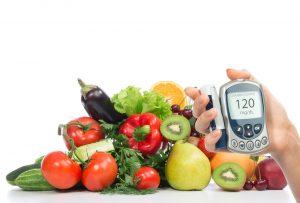
They are whole food diets that cut back on added sugars and refined carbs. The top diets in this category are: 

#1: Mediterranean Diet

#2: Flexitarian Diet

#3: MIND Diet

#4: DASH Diet.

#5: Mayo Clinic Diet.

#7: Vegan Diet.

Best Heart-Healthy Diets
strong heartThe top diets in this category were:

#1: DASH Diet

#2: Mediterranean Diet

#3: MIND Diet.

#4: Vegan Diet.

#5: Flexitarian Diet.

#6: TLC Diet. (The TLC (Therapeutic Lifestyle Change) diet was designed by the NIH to lower LDL cholesterol levels naturally.

Best Diets for Inflammation

The top diets in this category are:Flames

#1: Mediterranean Diet.

#2: Dr. Weil’s Anti-Inflammatory Diet.

#3: Flexitarian Diet.

#4: DASH Diet.

#5: MIND Diet.

#7: Vegan Diet.

Easiest Diets to Follow

EasyThe authors of this report considered easy diets to be ones that:

  • Fit into your lifestyle, letting you enjoy indulgences while still being wholesome and nutritious – whether you’re eating out or at home. They focus on building long-term habits, not quick fixes, making them easier to stick with daily.
  • Focus on filling, tasty meals instead of strict restrictions.

They only listed four diets that were healthy, based on whole foods that were readily available, offered easy to follow recipes, and fit the criteria listed above.

#1: Mediterranean Diet (For those who enjoy Mediterranean foods).

#2: Flexitarian Diet (For those who enjoy flexible, semi-vegetarian meals).

#3: DASH Diet (For those who prefer American foods).

#4: MIND Diet (For those who could go either Mediterranean or American and are concerned with brain health).

Which Diet Should You Choose For Weight Loss?
1) If you are looking for rapid weight loss, any whole food restrictive diet will do.

  • In previous year’s evaluations both vegan and keto diets ranked near the top of the rapid weight loss category. Keto and vegan diets are both very restrictive, but they are polar opposites in terms of the foods they allow and restrict.
    • The keto diet is a meat heavy, very low carb diet. It restricts fruits, some vegetables, grains, and most legumes.
    • The vegan diet is a very low-fat diet that eliminates meat, dairy, eggs, and animal fats.
  • Whole food, very low carb diets like Atkins and keto are good for rapid weight loss, but they rank near the bottom of the list for every healthy diet category.
    • If you choose to lose weight on the Atkins or keto diets, switch to a healthier diet once you reach your desired weight loss.

2) If you are looking for healthy weight loss or just a healthy diet, the Mediterranean diet tops the list year after year, followed closely by the DASH, MIND, and flexitarian diets.

  • They are all whole food, primarily plant-based diets, that are backed by dozens of clinical studies showing that they are associated with a healthy weight and low risk of chronic disease long term.

Of course, GLP-1 drugs are the “elephant in the room” when we talk about weight loss. GLP-1 drugs work, but:

  • They are associated with concerning side effects such as:
    • Anxiety, depression, and suicidal thoughts. This is particularly concerning for anyone who has a tendency for anxiety or depression.
    • Muscle loss. This is particularly concerning for seniors who are already prone to age-related muscle loss.
    • Rarer side effects include increased risk of pancreatitis, kidney problems, and some cancers.
  • Unless they are coupled with dietary and lifestyle changes, their effects are temporary. The weight comes roaring back as soon as they are discontinued.
    • This is a concern because of their expense and side effects. Long-term use of these drugs:
      • Increases the cost of healthcare which increases health insurance costs for all of us (a topic which is in the news lately).
      • Increase the risk of side effects.

Which Diet Should You Choose For Good Health?
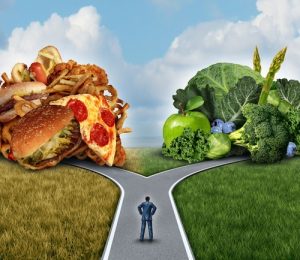
Food ChoicesWith rapid weight loss out of the way, let’s get back to the question, “Which Diet Should You Choose For Good Health?”

The Mediterranean diet tops the list year after year, followed closely by the DASH, MIND, and Flexitarian diets. But how do you choose between them? My recommendations are:

1) Choose a diet that fits your needs. That is one of the things I like best about the US News & World Report ratings. The diets are categorized. If your main concern is diabetes, choose one of the top diets in that category. If your main concern is heart health… You get the point.

2) Choose diets that are healthy and associated with long term weight loss. If that is your goal, you will notice that primarily plant-based diets top these lists. Meat-based, low carb diets like Atkins and keto are near the bottom of the lists.

3) Choose diets that are easy to follow. The less-restrictive primarily plant-based diets top this list – diets like Mediterranean, DASH, MIND, and flexitarian. They are also at or near the top of almost every diet category.

4) Choose diets that fit your lifestyle and dietary preferences. For example, if you don’t like fish and olive oil, you will probably do much better with the DASH or Flexitarian diet than with the Mediterranean diet.

4) Finally, focus on what you have to gain, rather than on foods you have to give up.

  • On the minus side, none of the diets include America’s favorite foods such as sodas, junk foods, and highly processed foods. These foods should go on your “No-No” list. Sweets should be occasional treats and only as part of a healthy meal. Meat, especially red meat, should become a garnish rather than a main course.
  • On the plus side, primarily plant-based diets offer a cornucopia of delicious plant foods you probably didn’t even know existed. Plus, for any of the top-rated plant-based diets, there are websites and books full of mouth-watering recipes. Be adventurous.

The Bottom Line

For many of you the “bloom” has gone off the new diet you started so enthusiastically in January. If you are rethinking your diet, you might want to know which diets the experts recommend. Unfortunately, that’s not as easy as it sounds. The diet world has become just as divided as the political world.

Fortunately, you have an impartial resource. Each year US News & World Report invites a panel of experts with different points of view to evaluate popular diets. They then combine the input from all the experts into rankings of the diets in various categories according to individual health goals. In the article above I summarize the US News & World Report’s “Best Diets In 2025”.

There are probably two questions at the top of your list.

#1: Which diets are best for weight loss? Here are 2 general principles:

  • If you are looking for rapid weight loss, any whole food restrictive diet will do. The Keto diet tops this list but ranks near the bottom of the healthy diet categories.
  • If you are looking for healthy, long-term weight loss the Mediterranean diets tops the list followed by the Volumetrics, Mayo Clinic, Flexitarian, and DASH diets.

#2: Which diet should you choose for good health? Once again, the Mediterranean diet tops the list followed by the DASH, Flexitarian, MIND, and Mayo Clinic diets. The Vegan diet is the top 10 of most healthy diet lists, while the keto diet is near the bottom.

For more details on 2026 US News & World Report on Best Diets and my advice on how to choose a healthy diet that is best for you, read the article above.

These statements have not been evaluated by the Food and Drug Administration. This information is not intended to diagnose, treat, cure or prevent any disease.

_______________________________________________________________________________

My posts and “Health Tips From the Professor” articles carefully avoid claims about any brand of supplement or manufacturer of supplements. However, I am often asked by representatives of supplement companies if they can share them with their customers.

My answer is, “Yes, as long as you share only the article without any additions or alterations. In particular, you should avoid adding any mention of your company or your company’s products. If you were to do that, you could be making what the FTC and FDA consider a “misleading health claim” that could result in legal action against you and the company you represent.

For more detail about FTC regulations for health claims, see this link.

https://www.ftc.gov/business-guidance/resources/health-products-compliance-guidance

 _______________________________________________________________________

About The Author 

Dr. Chaney has a BS in Chemistry from Duke University and a PhD in Biochemistry from UCLA. He is Professor Emeritus from the University of North Carolina where he taught biochemistry and nutrition to medical and dental students for 40 years.

Dr. Chaney won numerous teaching awards at UNC, including the Academy of Educators “Excellence in Teaching Lifetime Achievement Award”.

Dr Chaney also ran an active cancer research program at UNC and published over 100 scientific articles and reviews in peer-reviewed scientific journals. In addition, he authored two chapters on nutrition in one of the leading biochemistry text books for medical students.

Since retiring from the University of North Carolina, he has been writing a weekly health blog called “Health Tips From the Professor”. He has also written two best-selling books, “Slaying the Food Myths” and “Slaying the Supplement Myths”. And most recently he has created an online lifestyle change course, “Create Your Personal Health Zone”. For more information visit https://chaneyhealth.com.

For the past 54 years Dr. Chaney and his wife Suzanne have been helping people improve their health holistically through a combination of good diet, exercise, weight control and appropriate supplementation.




Is It Too Late For Weight Loss Goals?

What Does This Study Mean For You?

Author: Dr. Stephen Chaney

It’s almost the New Year. And with the New Year comes New Year’s resolutions. Weight loss is the second most popular New Year’s resolution, trailing only exercising more.

But if you are middle-aged and have been overweight most of your adult life, is it too late to lose weight? Has the damage to your health already been done? Has that ship already sailed?

There is good evidence that people who maintain an ideal weight throughout their adult years are healthier and live slightly longer than people who are overweight.

There is also good evidence that weight loss at any age provides short-term improvements to biomarkers of good health such as:

  • lower blood pressure.
  • lower cholesterol levels.
  • better blood sugar control.
  • reduction in chronic inflammation.

But surprisingly there are very few studies to show that weight loss results in long-term health benefits, especially for people who have been overweight through their 40s and 50s. To date there is only a single Chinese study of midlife weight loss, and that study suggested that health benefits were only apparent if the weight loss was maintained for 30 years or more.

The study (TE Strandberg et al, JAMA Network Open, 2025, 8(5); e2511825) I will describe today was designed to fill that gap.

How Was This Study Done?

Clinical StudyThe investigators used data from three large studies that followed healthy individuals in midlife for 10 years or more. None of these studies were designed as weight loss studies, but they measured weight, chronic disease incidence or mortality at multiple points during the study.

The first study was the Whitehall II Study (WHII). This study enrolled 10,308 British civil servants (Whitehall is the district where the British Civil Service is located) between 1985 and 1988 and is still ongoing. The data for this investigation was taken from clinical examinations that occurred around 1991 and 2013.

  • These exams provided information on weight and height, BMI, and risk factors like smoking, high blood pressure, high cholesterol, and insulin resistance and/or high blood sugar (indicative of prediabetes or diabetes).
  • The data set was linked to National Health Service records for diagnosed chronic diseases (type 2 diabetes, heart attack, stroke, cancer, asthma, and chronic obstructive pulmonary disease).

The study I am describing today included 4118 men and women aged 37-42 years (average = 39 years) from the WHII dara set who were free of chronic disease at the time of the 1991 clinical evaluation.

The second study was the Helsinki Businessmen Study (HBS). In this study 3490 White men, mostly businessmen and executives aged 38-45 years (average 42 years) underwent voluntary health checkups starting in 1964. Cardiovascular risk factors were assessed and the men received health education on diet, exercise, and weight control. Between 1974 and 1975 these men were offered a voluntary follow-up health checkup, and 2335 men completed both checkups.

  • In this study, BMI was measured at both health checkups and all-cause mortality data were obtained from the National Health Registry.

The third study was the Finnish Public Sector Study (FPS). In this study 77,111 men and women in public service were enrolled in 2,000. BMI was measured in 4-year intervals and health data were collected from the European Health Records. The data for this investigation used data from 16,696 men and women who were 34-43 (average age = 39) at the first assessment, had data from at least 3 consecutive assessments, and had no diagnosed chronic disease at the first assessment.

  • As with the WHII study, BMI and chronic disease were measured in at least 2 consecutive assessments.

The average follow-up for the three studies was 22.8 years between the first and last assessment.

In all three cases the study participants were divided into 4 groups:

  • Those who remain overweight (defined as a persistent BMI>25).
  • Those who gained weight – they went from a healthy weight to being overweight (defined as BMI<25 to BMI>25).
  • Those who lost weight – they went from overweight to a healthy weight (defined as BMI>25 to BMI<25).
    • The average weight loss was 11.5 pounds or 6.5% of body weight and was remarkably consistent in all 3 studies.
  • Those who remained at a healthy weight (defined as a persistent BMI<25).

In the WHII and FPS studies, weight differences were correlated with the diagnosis of a chronic disease between the first and last assessment.

In the HBS study, weight differences were correlated with all-cause mortality between the first and last assessment.

In all three cases, the data were corrected for major risk factors like smoking, high blood pressure, high cholesterol, and insulin resistance and/or high blood sugar.

In terms of the risk of developing a chronic disease (WHII and FPS studies) or risk of dying (HBS study) the always overweight group was assigned a risk of 1.0 and the other groups were compared to it.

The authors noted that all three studies were performed before surgical and pharmacological interventions were available. And people with pre-existing conditions were excluded from these studies, so disease-related weight loss was unlikely. Thus, the authors felt that the group who lost weight probably did so because of a conscious effort to change their diet and lifestyle, although this was not specifically measured in these studies.

Is It Too Late For A Weight Loss Goal?

If you remember the introduction, this question did not refer to short-term biomarkers of health. Multiple studies have shown that weight loss at any age will improve blood sugar control and lower blood pressure, cholesterol, and inflammation.

This study asked whether weight loss can be shown to have long-term health benefits – namely reduction in the risk of chronic diseases and increase in longevity.

And more specifically, it asked whether weight loss in middle age (the age of participants in these studies ranged from 39 to 42) can be shown to have long-term health benefits – even if they had been overweight for most of their adult life up to that point.

Or as the title of this segment suggested, “Is it too late to set a weight loss goal if you are middle aged.”

The answer from these studies was clear cut:

  • In the WHII study the risk of developing a chronic disease decreased by 48% compared to the always overweight group.
    • And when diabetes was excluded from the analysis the decreased risk was still significant (42%). This is important because diabetes is the most prevalent obesity related disease. The means that weight loss also significantly reduced the risk of the other chronic diseases measured in this study – such as cardiovascular disease and cancer.
  • In the FPS study the risk of developing a chronic disease decreased by 57% compared to the always overweight group.
  • Again, when diabetes was excluded from the analysis the decreased risk was still significant (45%).
  • Finally, in the HBS study, the risk of premature death decreased by 19% compared to the always overweight group.

In each of these studies:

  • The group that gained weight in their middle years did almost as poorly as the always overweight group.

The authors concluded, “Findings from 3 prospective cohort studies support maintaining a healthy weight (BMI<25) throughout life as the best option for overall health. [However] sustained midlife weight loss compared with persistent overweight was associated with a decreased risk of [diabetes and other chronic diseases] and decreased all-cause mortality.”

Simply put, this analysis of three long-term studies shows that weight loss can help you be healthier and live longer in your golden years – even if you waited until you were middle-aged to lose the weight.

What Does This Study Mean For You?

cruise shipAt the beginning of this article I posed the questions: If you are middle-aged and have been overweight most of your adult life, is it too late to set a weight loss goal this January? Has the damage to your health already been done? Has that ship already sailed?

This study shows that the answer to this question is clearly, No. It’s not too late. Sustained weight loss can still provide significant long-term benefits.

Three major studies show that sustained weight loss initiated by adults in their forties can reduce the risk of chronic disease by around 50% and reduce the risk of mortality by about 20% twenty years later. The authors of this study said that evidence from one of those studies suggests that the long-term health benefits are still apparent 30 years later.

Of course, these studies represent a single time point – weight loss initiated at age 40.

  • The benefits of sustained weight loss may wane if you delay longer, but we don’t know because those studies have not been done. However, it is likely that sustained weight loss at any age will have significant long-term health benefits.
  • The benefits of sustained weight loss may be even greater if you lose weight at a younger age. Again, we can’t predict how much greater the benefit will be because those studies also haven’t been done yet.
  • However, as the authors of this study said, “Maintaining a healthy weight throughout life is the best option for overall health.” That conclusion is supported by multiple studies.

There are a couple of other important points.

  • These benefits (a 50% reduction in chronic diseases and a 20% increase in longevity) do not require massive weight loss. The subjects in these studies only lost around 11-12 pounds (6.5% of their weight). You have previously heard that as little as 5% weight loss has significant short-term benefits. This study confirms that statement and indicates if the weight loss is sustained, it will significantly improve long-term health outcomes.
  • Weight loss has a bigger effect on quality of life (absence from chronic diseases) than it does on longevity. That is true of every healthy lifestyle improvement that has been studied. I’m sorry to say that losing weight will not help you live as long as Methuselah. But it will help you live your last years in good health.

Of course, losing weight is easy. There are many fad diets that can help you do that. But keeping the weight off is hard. This is where every diet eventually fails. Maintaining weight loss requires lifestyle change. It also requires a change in mindset. It requires that you change how you think about food and how you think about your ability to control what you eat.

This is why I created my online lifestyle change course, “Create Your Personal Health Zone”. If this is the year you have resolved to lose weight and keep it off, check out my course.

What About Weight Loss Surgery and GLP-1 Drugs? 

Weight loss surgery and GLP-1 drugs result in faster and greater weight loss than diet and lifestyle changes alone. For example, clinical trials show that GLP-1 drugs can result in 15-20% body weight loss within the first year. [Subsequent studies suggest that real-life weight loss is often much smaller because of drug discontinuation due to side effects or cost.]

But assuming the 15-20% number, the question becomes whether these interventions have the same or greater benefits than the 6.5% body weight loss due to diet and lifestyle change seen in these studies.

The short answer is that we don’t know because we don’t have any long-term studies of these interventions. However, the authors of this study were skeptical. They said, “It remains uncertain whether the long-term benefits observed in our study extend to these interventions, where greater weight loss may be accompanied by a concurrent and potentially significant loss of lean body mass, which could pose challenges over time.”

I have discussed the importance of muscle mass for health and longevity in a previous issue  of “Health Tips From the Professor”. This article shows why the accelerated loss of muscle mass seen with GLP-1 drugs is so concerning.

The Bottom Line 

The time to set your New Year’s goals is just a few weeks away. If you are middle-aged and have been overweight most of your adult life, is it too late to set a weight loss goal this January? Has the damage to your health already been done? Has that ship already sailed?

A recent study examined that question. The study used data from three earlier studies on the long-term effects of sustained weight loss (20 years or more). These studies show that sustained weight loss initiated by adults in their 40s reduces the risk of:

  • Chronic disease by around 50%.
  • Mortality by about 20%.
  • Data from one of those studies suggests that the long-term health benefits were still apparent 30 years later.

For more information on this study, what it means for you, and where weight loss surgery and GLP-1 drugs fit into the picture, read the article above.

These statements have not been evaluated by the Food and Drug Administration. This information is not intended to diagnose, treat, cure, or prevent any disease.

 ______________________________________________________________________________

My posts and “Health Tips From the Professor” articles carefully avoid claims about any brand of supplement or manufacturer of supplements. However, I am often asked by representatives of supplement companies if they can share them with their customers.

My answer is, “Yes, as long as you share only the article without any additions or alterations. In particular, you should avoid adding any mention of your company or your company’s products. If you were to do that, you could be making what the FTC and FDA consider a “misleading health claim” that could result in legal action against you and the company you represent.

For more detail about FTC regulations for health claims, see this link.

https://www.ftc.gov/business-guidance/resources/health-products-compliance-guidance

______________________________________________________________________

About The Author 

Dr. Chaney has a BS in Chemistry from Duke University and a PhD in Biochemistry from UCLA. He is Professor Emeritus from the University of North Carolina where he taught biochemistry and nutrition to medical and dental students for 40 years.  Dr. Chaney won numerous teaching awards at UNC, including the Academy of Educators “Excellence in Teaching Lifetime Achievement Award”. Dr Chaney also ran an active cancer research program at UNC and published over 100 scientific articles and reviews in peer-reviewed scientific journals. In addition, he authored two chapters on nutrition in one of the leading Biochemistry textbooks for medical students.

Since retiring from the University of North Carolina, he has been writing a weekly health blog called “Health Tips From the Professor”. He has also written two best-selling books, “Slaying the Food Myths” and “Slaying the Supplement Myths”. And most recently he has created an online lifestyle change course, “Create Your Personal Health Zone”. For more information visit https://chaneyhealth.com.

For the past 53 years Dr. Chaney and his wife Suzanne have been helping people improve their health holistically through a combination of good diet, exercise, weight control and appropriate supplementation.

How To Live To 117

The Secrets To A Long And Healthy Life

Author: Dr. Stephen Chaney

SecretsToday’s “Health Tip” is a bit unusual. It’s not based on a clinical study with thousands of participants. It’s not even a clinical study based on dozens of people. It’s a case study of one individual.

The study was published in Cell Reports Medicine, but I learned about it in our local newspaper (Yes, the professor still reads the newspaper in addition to published clinical studies. I don’t rely on the internet for all my information.)

I chose this case study because it was so interesting. It is based on the life of a woman, Maria Branyas Morera, who lived in good health to the age of 117. In her later years she asked her physician, Dr. Manel Estellar – chair of genetics at University of Barcelona’s School of Medicine, to study her and see if he could find out why she lived so long.

The results were fascinating. And while it could be argued that the data from a single individual may be misleading, the conclusions from her doctor’s investigation were consistent with the results of the much larger “Blue Zone” study of centenarians living in regions where a high percentage of people lived to 100 and beyond. I will talk about that study below.

How To Live To 117 

Maria Branyas was born in San Francisco in 1907 of Spanish immigrant parents. Her father died when she was 8 and her mother moved back to Spain to be with her family. She married and had a son who died at age 52 and two daughters who are now 92 and 94.

Part of the reason for her longevity was that she took good care of herself:

  • She followed a Mediterranean diet.
  • She did not smoke or drink.
  • She walked an hour every day until her 90s. Eventually she had to cut back because of physical limitations but remained as active as possible. When walking became difficult she entered a nursing home.
  • She kept mentally active. For example, she played the piano every day until she was 112.

Part of the reason was socioeconomic.

  • She and her family lived in the same town.
  • She had a close circle of friends and family for emotional support.
  • And as her friends died, she made new ones.
    • This is something that is often not discussed in the aging literature. As you age and your friends die off, it is easy to become isolated, which increases the likelihood of depression and death. The decision to make new friends in your latter years is a choice.

And part of the reason was genetic.

  • In the words of her doctor, “She won the genetic lottery with respect to genetic variants that protect against risk factors like high cholesterol, dementia, heart disease, and cancer.”
    • However, we need to remember that genetics is not everything. Other members of her immediate family shared the same genetic traits, yet died prematurely from Alzheimer’s, cancer, tuberculosis, and heart disease.
    • I like to say, “Genetics loads the gun. Lifestyle pulls the trigger”. In short, both contribute to longevity.

The final part of the puzzle goes beyond genetics.

  • She had an immune system that was unusually strong for someone her age and inflammation that was unusually low for someone her age. Those were probably due to:
    • Epigenetic modifications to her DNA that are associated with younger individuals.
      • Quick review: Epigenetic modifications affect gene activity and are controlled by diet, lifestyle, and the environment.
      • We can never know exactly what caused her youthful epigenetics, but she did have a very healthy diet and lifestyle.
    • She had a microbiome associated with low inflammation.
      • Quick Review: The term microbiome refers to all the microorganisms in our gut and elsewhere on our body. Our microbiome is strongly affected by what we eat and other lifestyle factors such as body weight.
      • In her case, one example of her anti-inflammatory microbiome was a high abundance of Bifidobacteria, probably a direct result of the three yogurts she ate each day.

The Secrets To A Long And Healthy Life 

blue zonesThis brings me to the “Blue Zone” study. I have talked about it in a previous issue of “Health Tips From The Professor”. Let me give you the short version here.

Dan Buettner is a journalist who was fascinated by the topic of longevity. He identified five regions from around the world where an unusually high percentage of people lived into their 100s. He then put together a team of top scientists in the fields of demographics, social anthropology and statistics to study the characteristics of centenarians in each of these regions and got National Geographic to fund the study.

You can see his book on the left, and I will summarize the main conclusions of his study below. Of course, the most important question is how the information garnered from Maria Branyas compares with the conclusions of the “Blue Zone” study. I will indicate that below.

#1: They engage in moderate intensity exercise every day. The answer for Maria is a clear, “Yes”.

#2: They stop eating before they are full. We don’t know this for sure, but she did appear to be at ideal weight towards the end of her life.

#3: They eat a mostly plant-based diet. She ate a Mediterranean diet which qualifies.

#4: They have a libation with their meals. For Maria, this is a “No”.

#5: They have a purpose in their life. We have no information on this aspect of Maria’s life.

#6: They set aside time for relaxation with friends and family. Clearly, this was important for Maria. As old friends died off, she searched for new ones.

#7: They participate in a spiritual community. We have no information on this aspect of Maria’s life.

#8: They put family first. Clearly, family was very important to Maria.

#9: They surround themselves with communities that share their values. It also appears that this was important to Maria.

In short, in his study of Maria’s secrets to longevity Dr. Esteller approached the question of longevity from a different perspective than Dan Buettner. It is regrettable that he didn’t use the data accrued by the “Blue Zone” study as a starting point for his study. But it is clear that Maria epitomized many of the longevity characteristics identified in the “Blue Zone” study.

And, of course, Dr. Esteller’s expertise is human genetics, and he added important information about the importance of genetics, epigenetics, and our microbiome in influencing longevity.

The Bottom Line

The world’s oldest human recently died at age 117. Before she died, gave her doctor permission to study her and determine how she was able to live so long. In short, she asked her doctor to use her life to understand how to help other people live a long and healthy life.

That study has recently been published. The results showed:

  • Her lifestyle mirrored many of the lifestyle characteristics that were associated with longevity in the previous “Blue Zone” study of centenarians (people living to 100 and beyond).
  • This study also identified genetic, epigenetic, and microbiome factors associated with longevity

For more details about the study, read the article above.

These statements have not been evaluated by the Food and Drug Administration. This information is not intended to diagnose, treat, cure or prevent any disease.

_____________________________________________________________________________

My posts and “Health Tips From the Professor” articles carefully avoid claims about any brand of supplement or manufacturer of supplements. However, I am often asked by representatives of supplement companies if they can share them with their customers.

My answer is, “Yes, as long as you share only the article without any additions or alterations. In particular, you should avoid adding any mention of your company or your company’s products. If you were to do that, you could be making what the FTC and FDA consider a “misleading health claim” that could result in legal action against you and the company you represent.

For more detail about FTC regulations for health claims, see this link.

https://www.ftc.gov/business-guidance/resources/health-products-compliance-guidance

________________________________________________________________________

About The Author 

Dr. Chaney has a BS in Chemistry from Duke University and a PhD in Biochemistry from UCLA. He is Professor Emeritus from the University of North Carolina where he taught biochemistry and nutrition to medical and dental students for 40 years.

Dr. Chaney won numerous teaching awards at UNC, including the Academy of Educators “Excellence in Teaching Lifetime Achievement Award”.

Dr Chaney also ran an active cancer research program at UNC and published over 100 scientific articles and reviews in peer-reviewed scientific journals. In addition, he authored two chapters on nutrition in one of the leading biochemistry text books for medical students.

Since retiring from the University of North Carolina, he has been writing a weekly health blog called “Health Tips From the Professor”. He has also written two best-selling books, “Slaying the Food Myths” and “Slaying the Supplement Myths”. And most recently he has created an online lifestyle change course, “Create Your Personal Health Zone”. For more information visit https://chaneyhealth.com.

For the past 53 years Dr. Chaney and his wife Suzanne have been helping people improve their health holistically through a combination of good diet, exercise, weight control and appropriate supplementation.

 

What Diet Is Best For Healthy Aging?

What About Primarily Meat-Based Diets?

Author: Dr. Stephen Chaney

Pinochio

It’s so confusing. Everyone claims they have clinical proof that their diet is the best. You will be healthier and live longer.

But the diets are so different. They range from vegan to keto. They can’t all be equally healthy. What is the truth?

To answer that question, we first need to understand how the proponents of each diet can claim theirs is the perfect diet for health and longevity. It’s because they base their claims on:

  • Short-term studies. Most of their claims are based on studies that range from a few weeks to a few months. You need 20- or 30-year studies to measure the effects of a particular diet on health outcomes.
  • Biological markers (Things like cholesterol and triglyceride levels, blood sugar control, and/or inflammation). Biological markers can predict possible health outcomes. But without long-term studies on actual health outcomes, you don’t know whether those predictions are accurate.
  • Comparisons with the typical American diet. Any diet looks good compared with the American diet.
  • Elimination of highly processed foods. While these diets emphasize different foods, they are all whole food diets. Again, any diet that eliminates processed foods is an improvement.
    • It doesn’t matter whether you restrict calories, restrict certain foods or food groups, or restrict the time you allow yourself to eat. You unconsciously eat less.
    • And when you eat less, you lose weight.
    • And when you lose weight, your cholesterol and triglyceride levels fall, your blood sugar control improves, and inflammation decreases.
    • That’s why short-term weight loss and improvement in biological markers are virtually identical with vegan and keto diets. Those diets are as different as any two diets could be. But they are both highly restrictive diets.

The take-home lesson is clear. Don’t be confused by claims based on short-term studies. What you should look for is:

  • Long-term studies (20 years or more)…
  • that look at the effect of diet on health outcomes, and…
  • do not compare their diet with the typical American diet.

When I first reviewed this topic 8 years ago, I could only find a few studies that met these criteria:

  • One study showed that people consuming primarily plant-based diets weighed less than people who consumed primarily meat-based diets for 20 years or more.
  • Other studies showed that people consuming primarily plant-based diets had a reduced risk of diabetes and heart disease compared to people consuming primarily meat-based diets for 20 years or more.

These are valuable observations, but they are limited. That’s why I was so excited when I came across a recent 30-year study (A-J Tessier et al, Nature Medicine, volume 31, pages 1644-1652, 2025) looking at the effect of 9 different diets on longevity and health outcomes. In short, this study looked at the effect of different diets on healthy aging.

How Was This Study Done?

Clinical StudyThe authors of this study used data from 105,015 participants in the Nurses’ Health Study (NHS) and Health Professionals Follow Up Study (HPFS). Both studies enrolled participants in 1986 and followed them through 2016. In short, they were both 30-year studies. Participants with preexisting chronic diseases were excluded from the study.

  • Lifestyle factors and medical histories were assessed every two years.
  • A detailed dietary assessment was conducted every four years. The assessments measured the intake of 152 foods. Food intakes were averaged over the duration of the study for each participant.

[Note: This study did not measure how the diets of participants changed between 1986 and 2016, although that is an interesting question. Perhaps a future study is planned.]

Based on the foods eaten, the diets of the participants were evaluated for adherence to 9 dietary patterns, which I have described in more detail below.

[Note: To be clear, the participants were not trying to follow these diets. They ate what they ate, and the investigators subsequently compared their dietary pattern with various healthy diets.]

For each of the diets included in this study, participants were divided into quintiles based on how closely their food intake adhered to the recommendations for that diet. Then the highest quintile was compared to the lowest quintile to determine how well that diet predicted “healthy aging” after a 30-year follow-up.

The term “healthy aging” was based on 5 criteria:

  • Longevity – achieving an age of 70 or more.
  • Absence of the top 11 major chronic diseases (cancer, diabetes, myocardial infarction (heart attack), coronary artery disease, congestive heart failure, stroke, Parkinson’s disease, multiple sclerosis, and ALS).
  • No impairment of cognitive function.
  • No impairment of physical health.
  • No mental health issues.

In other words, these were not just individuals who survived 70 years or more. They survived and thrived. They were enjoying their golden years because they still had good health and excellent quality of life.

Diets Included In This Study

The diets included in this study were:

  • AHEI – Alternative Healthy Eating Index (A scoring system developed by Harvard researchers to measure overall diet quality based on its ability to predict lower risks of heart attacks, strokes, and diabetes).
  • aMed – Alternative Mediterranean Diet Index (The aMed diet index differs from the original Med index by separating fruits and nuts into different groups, eliminating dairy, emphasizing whole grains, and excluding red and processed meats in favor of chicken and fish).
  • DASH – Dietary Approaches to Stop Hypertension (The name speaks for itself. But I also sometimes refer to this diet as “the Americanized version of the Mediterranean diet’ because it features foods more familiar to Americans. For example, it allows more red meat options than most of the other diets in this list.
  • MIND – Mediterranean-Dash intervention for Neurogenerative Delay (It is a dietary pattern designed to reduce the risk of Alzheimer’s disease and other forms of dementia. It combines elements of the Mediterranean and DASH diets but differs from both by emphasizing berries as a major fruit source, among other things.)
  • hPDI – Healthy Plant-Based Diet Index (It is a scoring system that measures adherence to a diet rich in healthy plant-based foods and lower consumption of less-healthy plant foods and animal foods.)
  • PHDI – Planetary Health Diet Index (It emphasizes foods (primarily plant foods) that are healthy and are good for the environment. Of the diets on this list, it is the most restrictive and closest to a vegan diet)
  • EDIH – Empirical Dietary Index For Hyperinsulinemia (It is a scoring system that measures the potential of a diet to cause chronically high insulin levels, which is associated with type 2 diabetes and certain cancers.)
  • EDIP – Empirical Dietary Inflammation Pattern (It is a scoring system that measures the inflammatory potential of a diet.)
  • UPF – Consumption of Ultraprocessed Foods (Since recent studies have shown that most Americans get between 55 and 70% of their calories from ultraprocessed foods, this is fast becoming a measure of the typical American diet.)

Note: Except for the UPF diet, these are all whole food, primarily plant-based diets.

What Diet Is Best For Healthy Aging?

Here are the results of the study (drum roll, please):

  • Of the 105,015 participants in this study, only 9.3% achieved healthy aging.
  • Adherence to any of the 8 healthy diets improved the probability of achieving healthy aging.
  • The odds of achieving healthy aging ranged from 1.45 for the Healthy Plant-Based Diet to 1.86 for the Alternative Healthy Eating Index.
  • If you were to pick one winner, it would be the Alternative Healthy Eating Index. And if you were to define healthy aging as achieving an age of 75 or more with the other 4 criteria, the odds increase to 2.24 (more than double) for the Alternative Healthy Eating Index.
  • As you might expect, adherence to a diet high in ultraprocessed foods had the opposite effect. It decreased the odds of achieving healthy aging by 32%.

When you look at each of the criteria for healthy aging individually, the results were a bit more nuanced:

  • For survival to 70+ years, the Alternative Healthy Eating Index and the Planetary Health Diet Index were tied. Both increased the odds of survival by more than 2-fold.
  • The Alternative Healthy Eating Index and the Planetary Health Diet Index were also tied for surviving to 70 with intake cognitive health and intact physical function.
  • The Empirical Dietary Index For Hyperinsulinemia edged out the Alternative Healthy Eating Index for freedom from 11 chronic diseases.

The effect of healthy diets on the odds of achieving healthy aging is independent from BMI, smoking, and physical activity. This means that:

  • The effects of healthy diets on healthy aging were not because people consuming healthy diets weighed less, smoked less, or exercised more.
  • Even if some of your lifestyle choices are suboptimal, choosing a healthy diet will increase your odds of surviving and thriving.

Finally, the study looked at the effects of individual foods on healthy aging. The results were:

  • Higher intakes of fruits, vegetables, whole grains, unsaturated fats, nuts, legumes, and low-fat dairy products increase your odds of healthy aging.
  • Higher intakes of trans fats, sodium, sugary beverages, and red or processed meats decrease your odds of achieving healthy aging.

The effects of these foods on healthy aging aren’t novel. They are consistent with dozens of other studies that have looked at the effect of individual foods on long-term health outcomes. In fact, the diets included in this study were chosen because they included foods that positively affect health outcomes and minimize foods that negatively affect health outcomes.

What About Primarily Meat-Based Diets?

the paleo dietI have good friends who advocate for primarily meat-based diets such as keto, paleo, and carnivore. I’m sure they are going to say, “This study is a sham. It only included primarily plant-based diets, so, of course, it is only going to show benefits for primarily plant-based diets.” I can hear their their questions now:

  • Why didn’t this study include any of the primarily meat-based diets? My answer is: “All the popular meat-based diets exclude one or more of the food groups associated with health and longevity and emphasize one or more of the food groups associated with a shorter, less healthy life. And these food associations are consistent among multiple long-term studies looking at the effect of various foods on health outcomes. 

The authors could have constructed a similar index for each of the popular meat-based diets. But they would have been the inverse of the plant-based diet indices because the foods included and excluded from plant-based and meat-based diets are opposite. Therefore, just like the UPF index, they would have been associated with a decreased probability of achieving healthy aging.”

  • Why did the scientists designing this study ignore the proven health benefits of primarily meat-based diets? My answer is: “The “proven benefits” of primarily meat-based diets are based on short-term studies showing the effects of those diets on biological markers. Long-term studies looking at health outcomes are lacking.”
  • But modern primarily meat-based diets are a special case because they limit carbohydrates and cause ketosis. Why weren’t they included in the study? My answer is: “The Atkins diet limits carbohydrates and causes ketosis. It has been around for more than 50 years. And, to my knowledge, there are no studies showing it is beneficial long term. If the Atkins diet cannot be shown to have long-term health benefits, it is unlikely that modern diets that mimic it are healthy long term.

What Does This Study Mean For You?

confusionThe answer is clear. If you want to survive and thrive in your 70s and beyond, choose a whole food, primarily plant-based diet.

If you want the absolute best diet, follow the Alternative Healthy Eating Index recommendations. There are many online resources to guide you.

However, any whole food, primarily plant-based diet will do. The ones with the most online resources are the Mediterranean, DASH, and MIND diets. Choose the one that best fits your food preferences and lifestyle.

If you want to go more vegetarian, the Healthy Plant-Based Diet is a bit easier than a strict vegan diet.

If you are concerned about the environment, the Planetary Diet is best for you.

If you have specific health issues like hypertension, diabetes, or inflammation, there are diets designed just for you.

And if following structured diets is not your style, just:

  • Eat more fruits, vegetables, whole grains, unsaturated fats, nuts, legumes, and low-fat dairy products.
  • Eat less trans fats, sodium, sugary beverages, and red or processed meats, and ultraprocessed foods.

Finally, even if some of your lifestyle choices are suboptimal, this study shows choosing a healthy diet will increase your odds of surviving to your 70s and thriving.

The Bottom Line

A recent 30-year study looked at the effect of 8 whole food, primarily plant-based diets on healthy aging defined as:

  • Achieving an age of 70 or more.
  • The absence of the top 11 major chronic diseases.
  • No impairment of cognitive function.
  • No impairment of physical health.
  • No mental health issues.

The key findings were:

  • Adherence to any of 8 whole food, primarily plant-based diets improved the probability of achieving healthy aging.
  • The odds of achieving healthy aging ranged from 1.45 for the Healthy Plant-Based Diet to 1.86 for the Alternative Healthy Eating Index.

For more information on this study, why primarily meat-based diets were not considered healthy enough to be included in this study, and what this study means for you, read the article above.

These statements have not been evaluated by the Food and Drug Administration. This information is not intended to diagnose, treat, cure or prevent any disease.

 ____________________________________________________________________________

My posts and “Health Tips From the Professor” articles carefully avoid claims about any brand of supplement or manufacturer of supplements. However, I am often asked by representatives of supplement companies if they can share them with their customers.

My answer is, “Yes, as long as you share only the article without any additions or alterations. In particular, you should avoid adding any mention of your company or your company’s products. If you were to do that, you could be making what the FTC and FDA consider a “misleading health claim” that could result in legal action against you and the company you represent.

For more detail about FTC regulations for health claims, see this link.

https://www.ftc.gov/business-guidance/resources/health-products-compliance-guidance

 _______________________________________________________________________

About The Author 

Dr. Chaney has a BS in Chemistry from Duke University and a PhD in Biochemistry from UCLA. He is Professor Emeritus from the University of North Carolina where he taught biochemistry and nutrition to medical and dental students for 40 years.  Dr. Chaney won numerous teaching awards at UNC, including the Academy of Educators “Excellence in Teaching Lifetime Achievement Award”. Dr Chaney also ran an active cancer research program at UNC and published over 100 scientific articles and reviews in peer-reviewed scientific journals. In addition, he authored two chapters on nutrition in one of the leading Biochemistry textbooks for medical students.

Since retiring from the University of North Carolina, he has been writing a weekly health blog called “Health Tips From the Professor”. He has also written two best-selling books, “Slaying the Food Myths” and “Slaying the Supplement Myths”. And most recently he has created an online lifestyle change course, “Create Your Personal Health Zone”. For more information visit https://chaneyhealth.com.

For the past 53 years Dr. Chaney and his wife Suzanne have been helping people improve their health holistically through a combination of good diet, exercise, weight control and appropriate supplementation.



Protein – The Longevity Nutrient

How Much Protein Do You Need?

Author: Dr. Stephen Chaney 

breaking newsIn 2016 the New York Times ran an article with the title, “Can You Get Too Much Protein?” The article asserted that most Americans were getting too much protein in their diet and that protein supplements were useless and perhaps dangerous.

At the time I wrote a “Health Tips From the Professor” article summarizing recent research showing that many people needed more than the RDA for protein and that those people were often consuming too little, rather than too much, protein.

In the 9 years since then the evidence that many Americans may not be getting enough protein has only gotten stronger.

  • The standard for protein intake used to be a “one size fits all” recommendation of 46g gm/day for women and 56 gm/day for men with slight increases recommended for pregnant and lactating women. Today we know:
    • That standard was based on outdated methodology from the 1930’s. Recent studies suggest protein intake should be at least 50% higher.
    • That standard was based on studies with healthy, sedentary adults (the adult “couch potato” crowd). Protein requirements are significantly higher for anyone who doesn’t fit that description.
  • We used to think in terms of total daily protein intake. Today we know that:
    • Protein intake should be divided equally between the 3 primary meals.
    • Protein quality is important. Protein requirements should be increased if low-quality proteins are consumed.
  • We used to worry that high protein intake might damage your kidneys. Today we know that:
    • Protein intake does not cause kidney disease. It is not a concern as long as hydration is adequate and excess alcohol is avoided.
    • Protein intake is only a concern if someone has kidney disease.

Protein – Your Longevity Nutrient

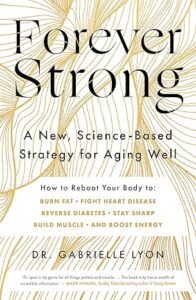
If you want to delve into the latest protein research and what it means for you, I highly recommend the book, “Forever Strong: A New, Science-Based Strategy For Aging Well” by Dr. Gabrielle Lyon.

Her book is focused on helping each of us create adequate healthy muscle mass. She says, “Adequate muscle mass is essential for health and longevity. And muscle is the only organ over which we have voluntary and complete control.”

Of course, adequate muscle mass requires both exercise and adequate protein. Dr. Lyon covers both in her book, but exercise is not my expertise, so I will only cover adequate protein intake in this “Health Tips From the Professor” article.

In her book, Dr. Lyons details recent research on the amount of protein needed to optimize muscle mass. Dr. Lyon was the one who alerted me to the fact that the current protein RDA is based on outdated methodology from the 1930’s and that actual protein needs are much higher.

Dr. Lyon concludes that most Americans are not consuming enough protein to optimize their muscle mass and that adequate protein intake is essential for longevity, metabolic function, and quality of life. Specifically, she says that optimal muscle mass:

  • Improves strength and mobility.
  • Improves blood sugar control.
  • Decreases blood triglyceride levels.
  • Strengthens the immune system.
  • Improves bone mineral density and strength.
  • Reduces all-cause mortality (risk of dying) and morbidity (risk of disease).

I will use the latest science on protein needs described in her book and in recently published clinical studies to answer the important question, “How much protein do you need?” But first I want to help you understand the dynamics of protein metabolism.

The Dynamics Of Protein Metabolism 

ProfessorMost people associate muscle mass with strength and endurance. Many understand the important role muscle mass plays in burning off excess calories and keeping us slim. But few people understand the important role that muscle protein plays in our everyday energy metabolism.

Whenever we eat a meal containing protein, we store some of the protein we eat as increased muscle mass, especially when protein intake is coupled with exercise. But muscle protein plays other very important functions. It is a precious resource.

The synthesis of new muscle in the fed state is driven by:

  • Insulin, which is released into the blood stream whenever we eat a meal.
  • Exercise because it makes muscle more sensitive to the effects of insulin.
  • The amino acid leucine, which is most abundant in high quality protein sources.

In the fed state most of our energy is derived from blood glucose. This is primarily controlled by insulin.  As blood glucose levels fall, we move to the fasting state and start to call on our stored energy sources to keep our body functioning. This process is primarily controlled by a hormone called glucagon.

  • In the fasting state most tissues easily switch to using fat as their main energy source, but…
    • Red blood cells and a few other tissues in the body are totally dependent on glucose as an energy source.
    • Our brain is normally dependent on glucose as an energy source, and our brains use a lot of energy. [Note: Our brain can switch to ketones as an energy source with prolonged starvation or prolonged carbohydrate restriction, but that’s another story for another day.]
  • Because our brain and other tissues need glucose in the fasting state, it is important to maintain a constant blood glucose level between meals.
    • Initially, blood glucose levels are maintained by calling on carbohydrate reserves in the liver.
    • But because those reserves are limited, our body starts to break down muscle protein and convert it to glucose as well – even in the normal dinner/sleep/breakfast cycle.

Simply put, in addition to its other important roles in the body, muscle protein is also an energy store. You can think of it like a bank.

When we eat, we make a deposit to that energy store. Between meals we make a withdrawal from that energy store. When we are young the system works perfectly. Unless we fast for prolonged periods of time, we are always adding enough muscle protein in the fed state to balance out the withdrawals between meals.

But there are many physiological situations where protein metabolism becomes unbalanced, either because protein breakdown is accelerated or because protein synthesis is diminished. In each of those situations, our protein needs are increased.

I will describe each of these situations and how they affect our protein needs in the section below.

How Much Protein Do You Need? 

couch potatoThe Coach Potato Group: If this is you, I won’t be judgmental. But I highly recommend you read Dr. Lyon’s book. It may just inspire you to increase your fitness level and your protein intake.

As I said before the standard RDA recommendation for the coach potato group is 46 gm/day for women and 56 gm/day for men. That’s based on 0.36 grams of protein per pound of body weight and assumes that women weigh around 127 pounds and men weigh around 155 pounds.

There are two major problems with the standard protein RDAs:

1) The protein RDA should not be a “one-size-fits-all” recommendation. The standard used to calculate the RDA is based on weight. If you are a woman weighing 127 pounds or a man weighing 155 pounds, you are to be congratulated. But in today’s world the average woman weighs 170 pounds, and the average man weighs 201 pounds.

  • That means the average protein requirement should be 61 gm/day for women and 72 gm/day for men.
  • And that’s just the average. Your protein requirement is based on your weight.

2) As I mentioned earlier, the 0.36 gm/pound standard is based on outdated methodology from the 1930’s. Based on current technology, Dr. Lyon says the standard should be closer to 0.54 gm/pound.

  • If you use that standard and use the current average weight for men and women, the average protein requirement for the couch potato group is closer to 91.5 gm/day for women and 108 gm/day for men.
  • And since protein intake should be divided equally between meals, that amounts to 30 gm/meal for women and 36 gm/meal for men. If you weigh significantly more or less than the average American, you should adjust your intake accordingly.

The Over 50 Group: When we are young muscle protein deposits in the fed state and muscle protein withdrawals during the fasting state are in balance. And if we add exercise and increase our protein intake, it’s pretty easy to increase our muscle mass.

But once we reach our Golden Years things start to change. Muscle protein synthesis becomes less efficient. We need to increase the intensity of our workouts and increase our protein intake just to maintain our muscle mass.

If we fail to do that, we gradually lose muscle mass as we age, a process referred to as sarcopenia. Between 50 and 60 we lose 5-8% of our muscle mass, and the rate that we lose muscle accelerates with each subsequent decade. And that loss of muscle mass has severe consequences. For example:

  • It interferes with daily activities like playing with our grandchildren and engaging in activities we love.
  • It decreases our metabolic rate which increases our risk of obesity and obesity-related diseases.
  • It increases our risk of falls.

In short, our quality of life is diminished, and we become unhealthy and frail.

Dr. Lyon describes the training program needed to prevent sarcopenia as we age in her book Forever Strong. But we also need more protein.

On average older adults need around 35 – 45 gm of protein per meal to prevent sarcopenia. There are not enough published studies for me to provide more specific recommendations. But here are some guidelines:

  • If you are at ideal weight and in your 50’s or 60’s, you can probably do well at the lower end of the range.
  • If you are overweight or in your 70’s or 80’s, you should probably aim for the upper end of the range.
  • I recommend getting a body composition test on an annual basis and adjusting your exercise and protein intake based on your change in muscle mass. My doctor has a simple device for measuring my body composition as part of my annual physical. If your doctor doesn’t have a device like that, find out who does in your community.

Happy woman on scaleThe Weight Loss Group: If you are actively trying to lose excess weight, I congratulate you. But the sad fact is that up to 35% of weight loss on most diets comes from muscle, not fat.

That’s because your body interprets caloric restriction as starvation and increases the rate of protein breakdown.

But you can prevent that by adding resistance training to your diet plan and increasing your protein intake. By increasing your protein intake from 15% of calories (which is what most Americans get) to 30% of calories, you can rebalance muscle metabolism by increasing muscle protein synthesis. When you do this, you can reduce muscle loss to less than 10% of weight loss.

You may be wondering, “Why set the recommendation as a percentage of calories rather than gm/pound or gm/meal”. The answer is simple. Your caloric intake changes significantly you are on a diet, so expressing protein as a percentage of calories makes more sense.

For example, 30% of calories on a 1,000-calorie diet translates into 25-30 gm/meal. You might look at that recommendation and say, “That’s less than you recommended for the couch potato who is not trying to lose weight.” My answer would be, “Yes, but the couch potato is eating 2-3-times more calories.

So, the recommendation that’s easiest to understand if you are trying to lose weight is to aim for 25-30 gm of protein/meal/1,000 calories per day.  

  • Adjust your protein intake per meal based on the daily calories allowed on your diet. 
  • And if you are on a diet that restricts the kinds of food that you can eat or the amount of time you can eat, track your actual caloric intake for a few days. The “hidden secret” behind those diets is that most people eat fewer calories because of the restrictions.

Final thought: The latest data suggest that GLP-1 drugs accelerate the muscle loss associated with dieting. This is a significant concern, especially for people over 50. Some experts are recommending as much as 35-50 gm of protein/meal if you are using a GLP-1 drug to aid your weight loss.

Weight TrainingThe Fitness Group: The question I get most often from the fitness group is, “How much protein do I need after my workout to maximize recovery and muscle gain?” This has been well researched, and the answer is age dependent.

  • If you are in your 30’s, most experts recommend 15-20 grams of protein after your workout.
  • If you are in your 60s, most experts recommend 30-35 grams of protein after your workout.
  • While precise recommendations are not available for every age, you can extrapolate from these numbers.

Does Protein Quality Matter? 

I’m often asked whether all proteins are equally effective at building muscle mass or does protein quality matter? The answer is, “Yes. Protein quality matters, but not in the way that we have thought about it in the past.”

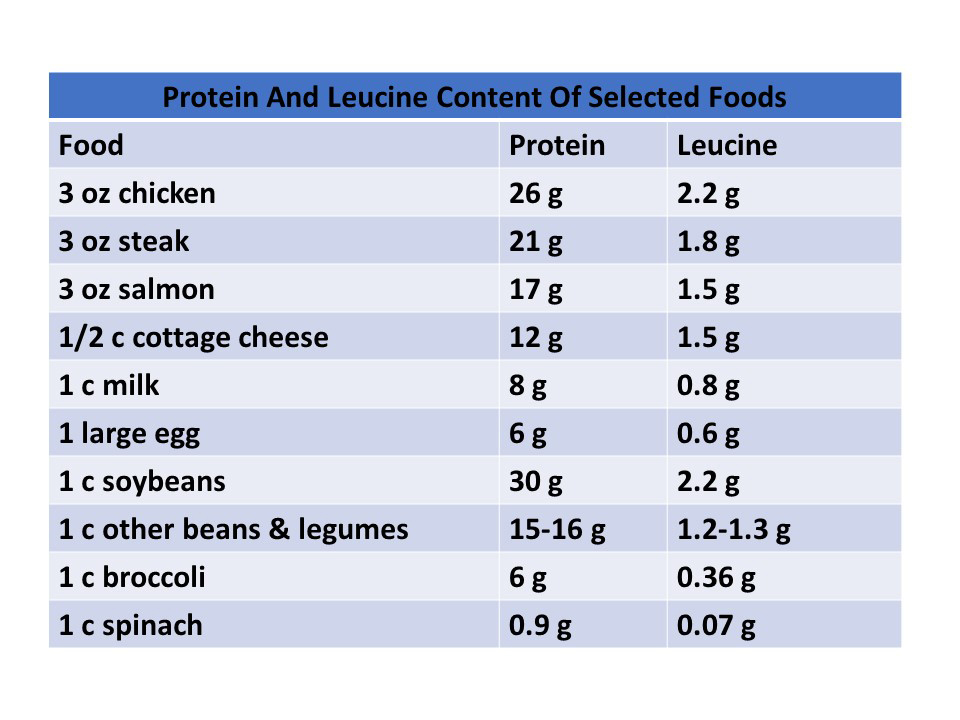
We used to think that protein quality was measured by the balance of all the essential amino acids. While balance is important, the increase in muscle mass is driven primarily by the amino acid leucine. That’s because leucine is the only amino acid that directly stimulates muscle protein synthesis.

Simply put, proteins that are high in leucine are used more efficiently by our bodies to increase muscle mass. In fact, Dr. Lyon measures protein quality solely based on its leucine content.

Many studies have looked at the optimal amount of leucine content in protein. The numbers vary somewhat from study to study, but they average around 1 gram of leucine for every 10 grams of protein.

If you look at the leucine contents of various proteins, it is clear that a 1:10 ratio is primarily found in animal proteins. Soybeans are the only vegetable protein source that comes close.However, there are many health reasons for consuming a primarily plant-based diet. Dr. Lyon doesn’t tell her patients to avoid plant proteins. But if they are consuming primarily plant proteins, she recommends that they increase their protein intake by 35-45%, so they will be getting enough leucine to maximize muscle protein synthesis.

What Role Do Protein Supplements Play? 

Protein SupplementRemember that New York Times article that said protein supplements were useless and perhaps dangerous? That’s outdated advice. In fact, you should view protein supplements as essential for reaching your protein goals.

That’s because our protein intake needs to be divided equally between our 3 major meals, but that’s not how we eat. Most of us have no trouble getting 30-40 grams of protein at dinner, but…

  • We only get around 15 grams of protein at breakfast, and…
  • 15-20 grams of protein at lunch.

But that’s assuming we eat a typical breakfast or lunch. If we eat…

  • An unhealthy breakfast of croissants and coffee or a healthy breakfast of cornflakes, skim milk, and fruit slices, we only get around 6 grams of protein.
  • A healthy green salad for lunch, we may get as little as 2 grams of protein.

A recent study has shown that adding a protein supplement to your low protein meals can help you increase your muscle mass in as little as 24 weeks.

What Does This Mean For You? 

how much protein do athletes needProtein is your longevity nutrient. My advice is:

  • Use the information in this article to set your protein goals (Talk with your doctor first if you have any health issues that may limit your protein intake).
  • Use a simple protein tracker to identify your low-protein meals.
  • Add additional protein foods or supplements to your low-protein meals to bring your protein up to recommended levels.
  • Focus on high-leucine protein foods and supplements. (If you eat more plant protein than animal protein, as I do, increase your recommended protein intake by 35-45% to make sure you are getting the leucine you need to maximize your muscle mass.)

As for what kind of protein supplement, I recommend a plant protein supplement with added leucine.

The Bottom Line 

In her book, “Forever Strong”, Dr. Gabrielle Lyon says, “Adequate muscle mass is essential for health and longevity. And muscle is the only organ over which we have voluntary and complete control.” She goes on to state that the current RDAs for protein intake are outdated. And if we look at protein needs based on the latest research, most Americans aren’t getting enough protein in their diet to achieve adequate muscle mass.

In this article, I summarize her findings. And based on the latest research, I provide protein intake recommendations for:

  • Adult couch potatoes.
  • Fitness enthusiasts.
  • People over 50.
  • People who are trying to lose weight.

I also discuss protein quality and protein supplements.

For more information on these topics and what they mean for you, read the article above.

These statements have not been evaluated by the Food and Drug Administration. This information is not intended to diagnose, treat, cure or prevent any disease.

 _____________________________________________________________________________

My posts and “Health Tips From the Professor” articles carefully avoid claims about any brand of supplement or manufacturer of supplements. However, I am often asked by representatives of supplement companies if they can share them with their customers.

My answer is, “Yes, as long as you share only the article without any additions or alterations. In particular, you should avoid adding any mention of your company or your company’s products. If you were to do that, you could be making what the FTC and FDA consider a “misleading health claim” that could result in legal action against you and the company you represent.

For more detail about FTC regulations for health claims, see this link.

https://www.ftc.gov/business-guidance/resources/health-products-compliance-guidance

______________________________________________________________________

About The Author 

Dr. Chaney has a BS in Chemistry from Duke University and a PhD in Biochemistry from UCLA. He is Professor Emeritus from the University of North Carolina where he taught biochemistry and nutrition to medical and dental students for 40 years.

Dr. Chaney won numerous teaching awards at UNC, including the Academy of Educators “Excellence in Teaching Lifetime Achievement Award”.

Dr Chaney also ran an active cancer research program at UNC and published over 100 scientific articles and reviews in peer-reviewed scientific journals. In addition, he authored two chapters on nutrition in one of the leading biochemistry text books for medical students.

Since retiring from the University of North Carolina, he has been writing a weekly health blog called “Health Tips From the Professor”. He has also written two best-selling books, “Slaying the Food Myths” and “Slaying the Supplement Myths”. And most recently he has created an online lifestyle change course, “Create Your Personal Health Zone”. For more information visit https://chaneyhealth.com.

For the past 53 years Dr. Chaney and his wife Suzanne have been helping people improve their health holistically through a combination of good diet, exercise, weight control and appropriate supplementation.



Are Weekend Warriors As Healthy As Regular Exercisers?

What Does This Study Mean For You? 

Author: Dr. Stephen Chaney 

It’s a new year and once again you have set New Year’s goals. If you are like millions of Americans your top 3 goals are probably to eat healthier, exercise more, and lose weight – not necessarily in that order. Now comes the hard part:

  • Setting realistic weight loss goals and developing strategies for achieving those goals.
  • Deciding on food choices and eating behaviors you will change.
  • Deciding on what kind of exercises you will do and how often you will do them.

With respect to exercise, the consensus is clear. We should be aiming for ≥150 minutes of moderate-to-vigorous physical activity per week. But how often should we be exercising? Here the answer is a bit murkier.

Most experts recommend we exercise 3-5 times a week. But that advice doesn’t work for everyone. For some people, their work schedule and family responsibilities make it difficult to find time during the week to exercise.

However, many of these individuals are very active during the weekend with things like yard work, organized sports, long hikes, and/or cycling excursions. We refer to these people as Weekend Warriors.

If you are one of these individuals, you are probably wondering if that’s enough. Are weekend warriors as healthy as people who exercise every day, or must you squeeze some exercise into your busy week?

Some recent studies have suggested that frequency of exercise is not important as long as you exceed the magical 150 minutes per week. However, each of these studies had limitations. For example:

  • They only looked at a few kinds of exercise and a few diseases.
  • Some studies depended on self-assessments of exercise frequency and intensity, which are notoriously unreliable.

The study (Circulation, 150: 1236-1247, 2024) I am reviewing today compares the health outcomes of weekend warriors and people who exercise throughout the week and was designed to eliminate the limitations of previous studies.

How Was This Study Done?

clinical studyThe authors used data obtained from the UK Biobank Study, which is an ongoing study following the health outcomes of individuals from all corners of the United Kingdom who enrolled in the study between 2006 and 2010. Each participant underwent a health assessment when they enrolled.

This study used data from a subset of 89,573 participants (average age 62, percent women 56%) who wore a wrist accelerometer to measure activity levels for one week between June 8, 2013, and December 30, 2015. The accelerometer measured activity levels every 5 seconds, so it was able to record the intensity, frequency, and duration of exercise during the week.

Participants were divided into three groups based on their accelerometer measurements:

  • Inactive: <150 minutes per week of moderate-to vigorous physical activity (34% 0f participants).
  • Weekend Warriors: ≥150 minutes per week of moderate-to vigorous physical activity with the bulk of the activity spread over 1-2 days (42% of participants).
  • Regular Exercisers: ≥150 minutes per week of moderate-to vigorous physical activity with the activity spread over multiple days (24% of participants).

The participants were followed for an average of 6.3 years with 94% of participants having >5 years of follow up. The outcome was frequency of incident diseases (diseases that were not present during the accelerometer measurements but were diagnosed during the follow-up period).

Because the United Kingdom is one of the countries with a “Big Brother knows all” health care system, the investigators were able to correlate the exercise levels of each participant with 678 diseases and health conditions. The study compared the disease incidence of weekend warriors with the inactive group, regular exercisers with the inactive group and weekend warriors with the regular exercisers.

Are Weekend Warriors As Healthy As Regular Exercisers?

Let me start with the big picture and then I will give some specific statistics.

  • Both the weekend warrior and regular exercise patterns were associated with lower risk for >200 diseases compared to the inactive group.
    • For both exercise patterns there were a small number of associations with higher disease risks – primarily musculoskeletal disorders and dermatological conditions (think sports injuries and excessive sun exposure).
    • However, both exercise patterns were associated with a lower risk of over a dozen musculoskeletal conditions such as osteoarthritis and spinal degenerative spinal conditions.
  • While both exercise patterns were associated with the risk of >200 diseases, the risk reduction was greatest for cardiometabolic diseases associated with obesity. For example, the risk reduction for:
    • Hypertension was reduced by 23% and 28%, respectively, for weekend warriors and regular exercisers.
    • Diabetes was reduced by 43% and 46%, respectively, for weekend warriors and regular exercisers.
    • Obesity was reduced by 45% and 56%, respectively, for weekend warriors and regular exercisers.
    • Sleep apnea (which is associated with obesity) was reduced by 43% and 51%, respectively, for weekend warriors and regular exercisers.
    • Chronic renal failure (Chronic renal failure can be caused by a fatty liver, which is associated with obesity) was reduced by 36% and 35%, respectively, for weekend warriors and regular exercisers.
    • Gallstones (which are associated with obesity) were reduced by 36% and 43%, respectively, for weekend warriors and regular exercisers.
  • You will notice that risk reduction was generally greater for regular exercisers than for weekend warriors. That is because the regular exercisers averaged higher weekly totals for moderate-to-vigorous activity levels than weekend warriors. When the two groups were compared at the same weekly activity level, there was no significant difference between the two groups.

What Did The Authors Say About This Study?

The authors discussed the limitations of the study in detail in the discussion section of their paper. The three biggest limitations are:

  • This study measured associations. It does not prove cause and effect.
  • The study only measured exercise patterns and intensities for one week. Some participants may have changed their exercise patterns during the follow-up period.
  • The wrist accelerometer used in this study has been validated for a variety of aerobic activities. It may be less accurate at measuring some strength training exercises. And it will be unable to measure isometric exercises, which have been shown to have some cardiometabolic health benefits.

However, this is a very large, well-designed study which is consistent with several earlier studies.

The authors also expanded on the significance of their findings with these comments:

1) “Efforts to optimize physical activity may be expected to have wide-ranging health benefits that extend beyond previously published associations with cardiovascular disease…We observed strong associations between physical activity and lower risk of up to 264 diseases.”

2) “Our results suggest that the achievement of guideline-adherent physical activity volumes [≥150 minutes per week of moderate-to-vigorous activity] is the key factor relevant to incident disease risk, as opposed to the pattern by which physical activity may be accrued…We did not identify a single condition for which risk appeared substantially different for one pattern versus the other.”

3) “Although we noted beneficial associations across a wide variety of diseases, our findings suggest that physical activity may be particularly effective for modifying risk of cardiometabolic conditions, including hypertension, obesity, diabetes, and sleep apnea.”

The authors concluded, “Achievement of measured physical activity volumes consistent with guideline recommendations [≥150 minutes per week of moderate-to-vigorous activity] is associated with lower risk of >200 diseases, with prominent effects on cardiometabolic conditions. Associations appear to be similar whether the physical activity follows a weekend warrior pattern or is spread more evenly throughout the week.”

What Does This Study Mean For You?

QuestionsThis study has three major take-home messages:

1) If you weren’t already motivated to increase your exercise levels in 2025, this study is a wake-up call. You already know that exercise improves your mood, makes weight control easier, and reduces the risk of major diseases like diabetes, hypertension, and heart disease.

This study just added another 200 reasons to increase your exercise levels. (If you want to know the 200+ diseases that are positively impacted by exercise, read the study.

2) If you are someone whose schedule makes it difficult to find time during the week, this study is good news. This study suggests that weekend warriors can be as fit and healthy as people who exercise daily. However, there are a couple of important caveats:

    • This study used a wrist accelerometer, so it was able to select only those weekend warriors whose total activity exceeded 150 minutes of moderate-to-vigorous activity. Unfortunately, many weekend warriors overestimate how much exercise they get during the weekend. For example:
      • Mowing the lawn is exercise, but the amount of exercise you get is vastly different if you use a riding mower instead of a push mower.
      • Weekend sports are a fun way to exercise, but the amount of exercise you get from an hour of soccer is probably different from an hour of softball.
    • I could go on, but you get the idea. If you choose the weekend warrior route, be realistic about the amount of exercise you are getting.

3) This study found that people who exercised often during the week were likely to accumulate higher weekly totals of activity than weekend warriors. Simply put, it is easier to accumulate higher exercise totals when you exercise more frequently.

So, even if your schedule is busy, it’s worthwhile to try and find some time to exercise during the week rather than limiting all your exercise to the weekend.

The Bottom Line

A recent study asked whether weekend warriors got the same benefits from exercise as people who exercised on multiple days during the week (regular exercisers). The key findings from the study were:

  • Weekly exercise levels of ≥150 minutes of moderate-to-vigorous activity were associated with reduced risk of over 200 diseases.
  • The reduction in risk was greatest for obesity and cardiometabolic diseases like diabetes and hypertension.
  • Once the ≥150 minutes of moderate-to-vigorous activity was reached, there was no significant difference in risk reduction between the weekend warrior and regular exercise patterns of activity.

For more details on this study and what this means for you read the article above.

These statements have not been evaluated by the Food and Drug Administration. This information is not intended to diagnose, treat, cure or prevent any disease.

 ______________________________________________________________________________

My posts and “Health Tips From the Professor” articles carefully avoid claims about any brand of supplement or manufacturer of supplements. However, I am often asked by representatives of supplement companies if they can share them with their customers.

My answer is, “Yes, as long as you share only the article without any additions or alterations. In particular, you should avoid adding any mention of your company or your company’s products. If you were to do that, you could be making what the FTC and FDA consider a “misleading health claim” that could result in legal action against you and the company you represent.

For more detail about FTC regulations for health claims, see this link.

https://www.ftc.gov/business-guidance/resources/health-products-compliance-guidance 

___________________________________________________________________________

About The Author 

Dr. Chaney has a BS in Chemistry from Duke University and a PhD in Biochemistry from UCLA. He is Professor Emeritus from the University of North Carolina where he taught biochemistry and nutrition to medical and dental students for 40 years.

Dr. Chaney won numerous teaching awards at UNC, including the Academy of Educators “Excellence in Teaching Lifetime Achievement Award”.

Dr Chaney also ran an active cancer research program at UNC and published over 100 scientific articles and reviews in peer-reviewed scientific journals. In addition, he authored two chapters on nutrition in one of the leading biochemistry text books for medical students.

Since retiring from the University of North Carolina, he has been writing a weekly health blog called “Health Tips From the Professor”. He has also written two best-selling books, “Slaying the Food Myths” and “Slaying the Supplement Myths”. And most recently he has created an online lifestyle change course, “Create Your Personal Health Zone”. For more information visit https://chaneyhealth.com.


For the past 45 years Dr. Chaney and his wife Suzanne have been helping people improve their health holistically through a combination of good diet, exercise, weight control and appropriate supplementation.

Are Calcium Supplements Safe?

What Does This Study Mean For You?

Author: Dr. Stephen Chaney 

Pendulum
Pendulum

Should you avoid calcium supplements because they increase your risk of heart disease? Some headlines and blog posts would have you believe that. You may have been told that by your doctor. But is it true?

Unfortunately, this is another example of the swinging pendulum that we often see in supplement studies. One day a study comes out saying that calcium supplements increase the risk of heart disease. A few months later another study comes out saying that is not true. Calcium supplements don’t increase heart disease risk.

The pendulum keeps swinging until you are totally confused. You don’t know what to believe. And “experts” (including your doctor) pick one side or the other depending on what they believe about supplements in general.

I have told you before that good scientists wait until multiple studies have been done and base their opinion based on what the preponderance of studies show. I can tell you that multiple studies have been done and the preponderance of studies show that calcium supplements do not increase the risk of heart disease. But that doesn’t prove that calcium supplements are safe. It just shows they are likely to be safe.

That is why the authors of the current study (X Huo et al, Current Developments In Nutrition, volume 7, Issue 3: 100046, March 2023) analyzed the weaknesses of previous studies and tried to design a study that lacked those weaknesses.

How Was This Study Done?

clinical studyThe investigators searched through the literature to identify all placebo-controlled, randomized clinical trials (the gold standard for clinical studies) assessing the effects of calcium supplements alone or calcium supplements with vitamin D on heart disease, stroke, and all-cause mortality.

They restricted their analysis to studies with at least 500 participants that lasted for at least a year. They further restricted their analysis to studies whose authors were willing to share unpublished data on the number of participants in each treatment group who had a heart attack, stroke, or any other kind of heart disease; died from heart disease; or died from all causes during the study.

They ended up with 11 clinical studies in their analysis. The breakdown was as follows:

  • Seven studies with 8,634 participants compared calcium alone with placebo.
    • Participants in these studies averaged 71 years old and were 79% female.
    • The daily calcium dose varied from 1.0 to 1.5 g/day.
    • The mean duration of treatment was 4.1 years (range = 2-5 years).
  • Six studies with 46,804 participants compared calcium plus vitamin D with placebo.
    • Participants in these studies averaged 65 years old and were 98% female.
    • The daily calcium dose varied from 1.0 to 1.5 g/day and the daily vitamin D dose ranged from 400 to 2,000 IU/d.
    • The mean duration of treatment was 6 years (range = 1.5-7 years).
  • In case you were wondering about the math, some studies included both calcium alone versus placebo and calcium plus vitamin D versus placebo.

The authors then combined the data from all 11 studies and performed a meta-analysis on the effect of calcium alone on adverse heart outcomes and calcium plus vitamin D on adverse heart outcomes.

Are Calcium Supplements Safe? 

calcium supplementsThe results were clear-cut.

  • Calcium alone was not significantly associated with any increased risk of heart attack, stroke, heart disease of any kind, deaths from heart disease, and deaths from all causes.
  • Calcium with vitamin D was not significantly associated with any excess risk of heart attack, stroke, heart disease, deaths from heart disease, and deaths from all causes.

In their discussion, the authors pointed out two caveats to their conclusions:

  • In the calcium only portion of the meta-analysis the number of participants who experienced a stroke or types of heart disease other than heart attack and stroke was very small. So, they could not exclude an absolute increased risk of 0.3-0.5% per year for these types of rare events.
  • The participants in the 11 studies included in their meta-analysis were not selected based on their risk of heart disease. So, the authors could not exclude the possibility that calcium supplements might increase the risk of heart disease in people who were already at high risk of heart disease.

The authors concluded, “This meta-analysis demonstrated that calcium supplements were not associated with any significant hazard for heart disease, stroke, or all-cause mortality…Hence, for people with low bone density and low absolute risks of heart disease, the present report demonstrates no concern about excess heart disease risks associated with calcium supplements.

However, further large trials are needed to assess the efficacy and safety of combined supplementation with calcium and vitamin D for the prevention of osteoporotic fracture in older people at high risk of heart disease.”

What Does This Study Mean For You?

Questioning WomanAs I said above, the preponderance of evidence suggests that calcium supplementation does not increase your risk of heart disease. This study reinforces that conclusion.

I can’t guarantee that some future study won’t come to the opposite conclusion, and the pendulum will swing again. And I can’t guarantee that your doctor has kept up with the most recent literature on calcium supplementation and heart disease risk.

The authors of this study also pointed out that we don’t have any clinical studies on the effect of calcium on heart disease risk if you are already at high risk of heart disease. So, if you are at high risk of heart disease, any advice that I or your doctor give you about calcium supplementation might be wrong. We simply don’t know.

Finally, I realize that you may be equally confused about whether calcium supplementation can strengthen your bones and reduce your risk of osteoporosis. I won’t discuss that question today. Instead, I will refer you to two previous articles I have written in “Health Tips From the Professor” on that topic.

The first article discusses the flaws in previous studies claiming that calcium supplements are ineffective at increasing bone density and preventing osteoporotic fracture.

The second article describes a bone-healthy lifestyle.

The Bottom Line

While the preponderance of studies have shown that calcium supplementation does not increase the risk of heart disease, that conclusion remains controversial.

To clarify that issue, a group of investigators searched through the literature to identify all placebo-controlled, randomized clinical trials (the gold standard for clinical studies) assessing the effects of calcium supplements alone or calcium supplements with vitamin D on heart disease, stroke, and all-cause mortality. They then performed a meta-analysis of those clinical studies.

Their meta-analysis showed that:

  • Calcium alone was not significantly associated with any increased risk of heart attack, stroke, heart disease of any kind, deaths from heart disease, and deaths from all causes.
  • Calcium with vitamin D was not significantly associated with any excess risk of heart attack, stroke, heart disease, deaths from heart disease, and deaths from all causes.

This study strengthens the conclusion that calcium supplementation does not increase the risk of heart disease.

For more details about the study and references discussing the effect of calcium supplementation on bone density, read the article above.

These statements have not been evaluated by the Food and Drug Administration. This information is not intended to diagnose, treat, cure, or prevent any disease.

______________________________________________________________________________

My posts and “Health Tips From the Professor” articles carefully avoid claims about any brand of supplement or manufacturer of supplements. However, I am often asked by representatives of supplement companies if they can share them with their customers.

My answer is, “Yes, as long as you share only the article without any additions or alterations. In particular, you should avoid adding any mention of your company or your company’s products. If you were to do that, you could be making what the FTC and FDA consider a “misleading health claim” that could result in legal action against you and the company you represent.

For more detail about FTC regulations for health claims, see this link.

https://www.ftc.gov/business-guidance/resources/health-products-compliance-guidance

_______________________________________________________________________

About The Author

Dr. Chaney has a BS in Chemistry from Duke University and a PhD in Biochemistry from UCLA. He is Professor Emeritus from the University of North Carolina where he taught biochemistry and nutrition to medical and dental students for 40 years.  Dr. Chaney won numerous teaching awards at UNC, including the Academy of Educators “Excellence in Teaching Lifetime Achievement Award”. Dr Chaney also ran an active cancer research program at UNC and published over 100 scientific articles and reviews in peer-reviewed scientific journals. In addition, he authored two chapters on nutrition in one of the leading biochemistry text books for medical students.

Since retiring from the University of North Carolina, he has been writing a weekly health blog called “Health Tips From the Professor”. He has also written two best-selling books, “Slaying the Food Myths” and “Slaying the Supplement Myths”. And most recently he has created an online lifestyle change course, “Create Your Personal Health Zone”. For more information visit https://chaneyhealth.com.

For the past 45 years Dr. Chaney and his wife Suzanne have been helping people improve their health holistically through a combination of good diet, exercise, weight control and appropriate supplementation.
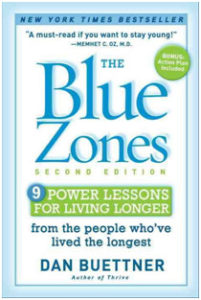
What Kind Of Protein Is Best For Strength?

What Kind Of Protein Is Best For You?

Author: Dr. Stephen Chaney 

Sport DrinkEvery bodybuilder “knows” that whey is the best protein for building strong muscles. After all, it:

  • Is absorbed more rapidly than some other proteins.
  • Contains all nine essential amino acids.
  • Is naturally rich in leucine, a branched chain amino acid that stimulates increased muscle mass.

However, as someone who is not a vegan but who follows the vegan literature, I frequently come across testimonials from bodybuilders and elite athletes who say they get all the strength and muscle mass they need from plant proteins.

I’ve always assumed they must have dietitians designing the perfect plant protein diet for them. But a recent study surprised me. It challenged that assumption.

Before I talk about this study, let me change our focus. Most of us will never be bodybuilders or elite athletes, but all of us face a common challenge. We all tend to lose muscle mass as we age, something referred to as sarcopenia. I have discussed this in a previous issue of “Health Tips From the Professor”.

Simply put, sarcopenia results in:

  • Loss of muscle strength. Even the simple act of picking up a grandchild or a bag of groceries can become problematic.
  • Increased risk of falls and fractures.
  • Lower quality of life.

Sarcopenia is a major health issue for those of us in our golden years. If you are younger, it is a concern for your parents or grandparents. Sarcopenia is a health issue that affects everyone.

In my previous article I discussed the role of adequate protein intake and exercise in preventing age-related sarcopenia. But I did not discuss what kind of protein was best for preventing muscle loss, and the frailty that comes with it, as we age.

The article (EA Struijk et al, Journal of Cachexia, Sarcopenia and Muscle, 13: 1752-1761, 2022) I will discuss today suggests that plant protein is best for preventing frailty in women as they age. It’s a surprising conclusion, so join me as I evaluate this study.

How Was This Study Done?

Clinical StudyThe data for this study came from the Nurses Health Study which started in 1976 with 121,700 women nurses and is still ongoing. This study followed 85, 871 female nurses for an average of 22 years starting when they were 60.

Food frequency questionnaires were administered to the participants in the study every four years starting in 1980. The questionnaires were used to calculate:

  • Total calories consumed.
  • Percent of calories from protein, carbohydrate, and fat.
  • Percent of calories from different kinds of protein.
  • The overall quality of the diet.
  • Saturated fat, polyunsaturated fat, cholesterol, and alcohol intake.

For this study the investigators used the cumulative average values from all questionnaires completed by participants in the study from age 60 until the onset of frailty.

Frailty was assessed every four years starting in 1992 using something called the FRAIL scale. The FRAIL scale defines frailty based on five self-reported criteria: fatigue, low strength, reduced aerobic capacity, having 5 or more chronic illnesses, and recent significant unintentional weight loss.

  • It is important to note that strength is only one of the five criteria used to identify frailty, although decreased muscle mass can contribute to lack of energy and reduced aerobic activity.
  • It is also worth pointing out that multiple studies have shown that primarily plant-based diets are associated with a decrease in chronic diseases.

I will come back to both of these points when I discuss the results of this study.

What Kind Of Protein Is Best For Strength? 

I will start with the “big picture” results from this study and then cover some of the important details.

Average intake of:

  • Total protein was 18.3% of calories consumed.
  • Animal protein was 13.3% of calories consumed.
  • Plant protein was 5.0% of calories consumed.
  • Dairy protein was 3.8% of calories consumed.

When protein intake was divided into quintiles (5 equal parts) and women consuming the most protein were compared to those consuming the least protein for an average of 22 years:

  • Those consuming the most total protein had a 7% increased risk of developing frailty.
  • Those consuming the most animal protein had a 7% increased risk of developing frailty. (It is perhaps not surprising that the results were essentially the same for total and animal protein since animal protein was 73% of the total protein consumed by women in this study.)
  • Those consuming the most plant protein had a 14% decreased risk of developing frailty.
  • Consumption of dairy protein did not affect frailty.

Substituting as little as 5% of calories of plant protein for:

  • Dairy protein decreased the risk of developing frailty by 32%.
  • Animal protein decreased the risk of developing frailty by 38%.
  • Non-dairy animal protein (meat, fish, and eggs) decreased the risk of developing frailty by 42%.

In addition, substituting as little as 5% of calories of dairy protein for non-dairy animal protein decreased the risk of developing frailty by 14%.

But, as I said above, the frailty scale used in this study included the criteria of developing 5 or more chronic illnesses, and long-term consumption of plant protein is known to reduce the risk of developing chronic illnesses. So, it is important to break the study down into its component parts. When that was done the statistically significant results were:

  • Those consuming the most total protein had a 7% increased risk of low strength and a 25% increased risk of developing 5 or more chronic diseases.
  • Those consuming the most animal protein had a 9% increased risk of low strength and a 35% increased risk of developing 5 or more chronic diseases.
  • Those consuming the most plant protein had an 18% decreased risk of low strength. (It is interesting to note that plant protein consumption did not have a statistically significant effect on the development of chronic diseases in this study. That suggests that the “protective” effect of plant protein may simply be due to the absence of animal protein from the diet.)
  • Consumption of dairy protein did not affect any of the frailty criteria.

Finally, prevention of strength loss due to age-related sarcopenia is known to require exercise as well as adequate protein intake.

So, it was somewhat surprising that no difference in the association between protein intake and frailty was seen in women with high physical activity compared with those with lower physical activity levels. However, this may be because the range in activity level between the women in this study was relatively small. There didn’t appear to be a significant number of “gym rats” among the women in this study.

What Kind Of Protein Is Best For You?

Questioning WomanOne take-away from this study is clear. If you are a woman and want to minimize sarcopenia (loss of muscle mass and strength as you age), plant protein is an excellent choice.

  • A variety of plant proteins is best, so you get all the essential amino acids.
  • You don’t need to become a vegan. This study showed that replacing as little as 5% of your calories from animal protein with plant protein can have a significant benefit. Any healthy primarily plant-based diet will do.
  • This study enrolled only women aged 60 or above, so we don’t know whether the results apply to men or to younger women.

We don’t know why plant protein is better than animal protein at preventing age-related sarcopenia.

  • It could be because primarily plant-based diets are anti-inflammatory, and inflammation plays a role in sarcopenia.
  • Or it could be because primarily plant-based diets reduced the risk of chronic diseases, and chronic diseases can lead to loss of strength.

To be clear, this is a study that focuses on the type of protein that is best for long-term health and strength as we age. This is not a study of the best protein for increasing muscle mass following a workout.

  • Multiple studies show that whey protein can be a good post-workout choice.
  • However, other studies show that plant protein can also be a good post-workout choice if extra leucine is added to make it equivalent to whey protein in terms of leucine content.

The Bottom Line

You have probably heard that it is all downhill after age 30. But it doesn’t have to be.

One of the downhill slopes we all face is something called sarcopenia (age-related muscle loss). The resulting loss of strength and agility can severely impact our quality of life in our golden years.

We can prevent sarcopenia with the combination of a high protein diet and resistance training (weight bearing exercise).

But what kind of protein is best? In this issue of “Health Tips From the Professor” I review a large, well-designed study that suggests plant protein is the best choice for women if they wish to reduce age-related muscle loss and the weakness that comes with it.

For more details about the study and what it means for you, read the article above.

These statements have not been evaluated by the Food and Drug Administration. This information is not intended to diagnose, treat, cure, or prevent any disease.

 ______________________________________________________________________________

My posts and “Health Tips From the Professor” articles carefully avoid claims about any brand of supplement or manufacturer of supplements. However, I am often asked by representatives of supplement companies if they can share them with their customers.

My answer is, “Yes, as long as you share only the article without any additions or alterations. In particular, you should avoid adding any mention of your company or your company’s products. If you were to do that, you could be making what the FTC and FDA consider a “misleading health claim” that could result in legal action against you and the company you represent.

For more detail about FTC regulations for health claims, see this link.

https://www.ftc.gov/business-guidance/resources/health-products-compliance-guidance

 _____________________________________________________________________

About The Author

Dr. Chaney has a BS in Chemistry from Duke University and a PhD in Biochemistry from UCLA. He is Professor Emeritus from the University of North Carolina where he taught biochemistry and nutrition to medical and dental students for 40 years.  Dr. Chaney won numerous teaching awards at UNC, including the Academy of Educators “Excellence in Teaching Lifetime Achievement Award”. Dr Chaney also ran an active cancer research program at UNC and published over 100 scientific articles and reviews in peer-reviewed scientific journals. In addition, he authored two chapters on nutrition in one of the leading biochemistry text books for medical students.

Since retiring from the University of North Carolina, he has been writing a weekly health blog called “Health Tips From the Professor”. He has also written two best-selling books, “Slaying the Food Myths” and “Slaying the Supplement Myths”. And most recently he has created an online lifestyle change course, “Create Your Personal Health Zone”. For more information visit https://chaneyhealth.com.

For the past 45 years Dr. Chaney and his wife Suzanne have been helping people improve their health holistically through a combination of good diet, exercise, weight control and appropriate supplementation.

Can You Create Your Personal Fountain Of Youth?

Can A Healthy Lifestyle Improve Your Healthspan?

Author: Dr. Stephen Chaney

Fountain Of YouthEver since Ponce de Leon led an expedition to the Florida coast in 1513, we have been searching for the mythical “Fountain Of Youth”. What does that myth mean?

Supposedly, just by immersing yourself in that fountain you would be made younger. You would experience all the exuberance and health you enjoyed when you were young. There have been many snake oil remedies over the years that have promised that. They were all frauds.

But what if you had it in your power to live longer and to retain your youthful health for most of those extra years. The ability to live healthier longer is something that scientists call “healthspan”. But you can think of it as your personal “Fountain Of Youth”.

Now comes the important question, “Can a healthy lifestyle improve your healthspan?” We know a healthy lifestyle is good for us. Most of us know what a healthy lifestyle is. But it’s so hard. Is it worth it? Will it actually increase our lifespan? Will it increase our healthspan?

Today I am sharing two studies from the prestigious Harvard T.H. Chan School of Public Health that answer those questions.

How Were The Studies Done?

clinical studyThese studies started by combining the data from two major clinical trials:

  • The Nurse’s Health Study, which ran from 1980 to 2014.
  • The Health Professional’s Follow-Up Study, which ran from 1986-2014.

These two clinical trials enrolled 78,865 women and 42,354 men and followed them for an average of 34 years. During this time there were 42,167 deaths. All the participants were free of heart disease, type 2 diabetes, and cancer at the time they were enrolled. Furthermore, the design of these clinical trials was extraordinary.

  • A detailed food frequency questionnaire was administered every 2-4 years. This allowed the investigators to calculate cumulative averages of all dietary variables.
  • Participants also filled out questionnaires that captured information on disease diagnosis every 2 years with follow-up rates >90%. This allowed the investigators to measure the onset of disease for each participant during the study. More importantly, 34 years is long enough to measure the onset of diseases like heart disease, diabetes, and cancer – diseases that require decades to develop.
    • The questionnaires also captured information on medicines taken and lifestyle characteristics such as body weight, exercise, smoking and alcohol use.
  • For analysis of diet quality, the investigators use something called the “Alternative Healthy Eating Index”. [The original Healthy Eating Index was developed about 10 years ago based on the 2010 “Dietary Guidelines for Americans”. Those guidelines have since been updated, and the “Alternative Healthy Eating Index” is based on the updated guidelines.] You can calculate your own Alternative Healthy Eating Index below, so you can see what is involved.
  • Finally, the investigators included five lifestyle-related factors – diet, smoking, physical activity, alcohol consumption, and BMI (a measure of obesity) – in their estimation of a healthy lifestyle. Based on the best available evidence, they defined “low-risk” in each of these categories. Study participants were assigned 1 point for each low-risk category they achieved. Simply put, if they were low risk in all 5 categories, they received a score of 5. If they were low risk in none of the categories, they received a score of 0.
  • Low risk for each of these categories was defined as follows:
    • Low risk for a healthy diet was defined as those who scored in the top 40% in the Alternative Healthy Eating Index.
    • Low risk for smoking was defined as never smoking.
    • Low risk for physical activity was defined as 30 minutes/day of moderate or vigorous activities.
    • Low risk for alcohol was defined as 0.5-1 drinks/day for women and 0.5-2 drinks/day for men.
    • Low risk for weight was defined as a BMI in the healthy range (18.5-24.9 kg/m2).

Can A Healthy Lifestyle Improve Your Healthspan?

Older Couple Running Along BeachThe investigators compared participants who scored as low risk in all 5 categories with participants who scored as low risk in 0 categories (which would be typical for many Americans). For simplicity, I will refer to people who scored as low risk in 5 categories as having a “healthy lifestyle” and those who scored as low risk in 0 categories as having an “unhealthy lifestyle”.

The results of the first study were:

  • Women who had had a healthy lifestyle lived 14 years longer than women with an unhealthy lifestyle (estimated life expectancy of 93 versus 79).
  • Men who had a healthy lifestyle lived 12 years longer than men with an unhealthy lifestyle (estimated life expectancy was 87 versus 75).
  • It was not necessary to achieve a perfect lifestyle. Life expectancy increased in a linear fashion for each low-risk lifestyle behavior achieved.

The authors of the study concluded: “Adopting a healthy lifestyle could substantially reduce premature mortality and prolong life expectancy in US adults. Our findings suggest that the gap in life expectancy between the US and other developed countries could be narrowed by improving lifestyle factors.”

The results of the second study were:

  • Women who had a healthy lifestyle lived 11 years longer free of diabetes, heart disease, and cancer than women who had an unhealthy lifestyle (estimated disease-free life expectancy of 85 years versus 74 years).
  • Men who had a healthy lifestyle lived 8 years longer free of diabetes, heart disease, and cancer than men who had an unhealthy lifestyle (estimated disease-free life expectancy of 81 years versus 73 years).
  • Again, disease-free life expectancy increased in a linear fashion for each low-risk lifestyle behavior achieved.

The authors concluded: “Adherence to a healthy lifestyle at mid-life [They started their analysis at age 50] is associated with a longer life expectancy free of major chronic diseases. Our findings suggest that promotion of a healthy lifestyle would help reduce healthcare burdens through lowering the risk of developing multiple chronic diseases, including cancer, cardiovascular disease, and diabetes, and extending disease-free life expectancy.”

Can You Create Your Personal Fountain Of Youth?

questionsI posed the question at the beginning of this article, “Can you create your personal Fountain Of Youth”?” These two studies showed that you can improve both your life expectancy and your disease-free life expectancy by simply changing your lifestyle. So, the answer to the original question appears to be, “Yes, you can improve your healthspan. You can create your personal “Fountain of Youth.”

However, as a nation we appear to be moving in the wrong direction. The percentage of US adults adhering to a healthy lifestyle has decreased from 15% in 1988-1992 to 8% in 2001-2006.

Finally, I know you have some questions, and I have answers.

Question: What about supplementation? Will it also improve my healthspan?

Answer: When the investigators analyzed the data, they found that those with the healthiest lifestyles were also more likely to be taking a multivitamin. So, they attempted to statistically eliminate any effect of supplement use on the outcomes. That means these studies cannot answer that question.

However, if you calculate your Alternate Healthy Eating Index below, you will see that most of us fall short of perfection. Supplementation can fill in the gaps.

Question: I cannot imagine myself reaching perfection in all 5 lifestyle categories? Should I even try to achieve low risk in one or two categories?

Answer: The good news is that there was a linear increase in both life expectancy and disease-free life expectancy as people went from low-risk in one category to low-risk in all 5 categories. I would encourage you to try and achieve low risk status in as many categories as possible, but very few of us, including me, achieve perfection in all 5 categories.

Question: I am past 50 already. Is it too late for me to improve my healthspan?

Answer: Diet and some of the other lifestyle behaviors were remarkably constant over 34 years in both the Nurse’s Health Study and the Health Professional’s Follow-Up Study. That means that the lifespan and healthspan benefits reported in these studies probably resulted from adhering to a healthy lifestyle for most of their adult years.

However, it is never too late to start improving your lifestyle. You may not achieve the full benefits described in these studies, but you still can add years and disease-free years to your life.

How To Calculate Your Alternative Healthy Eating Index 

You can calculate your own Alternative Healthy Eating Index score by simply adding up the points you score for each food category below.

Vegetables

Count 2 points for each serving you eat per day (up to 5 servings).

One serving = 1 cup green leafy vegetables or ½ cup for all other vegetables.

Do not count white potatoes or processed vegetables like French fries or kale chips.

Fruits

Count 2½ points for each serving you eat per day (up to 4 servings).

One serving = 1 piece of fruit or ½ cup of berries.

          (do not count fruit juice or fruit incorporated into desserts or pastries). 

Whole Grains

Count 2 points for each serving you eat per day (up to 5 servings).

One serving = ½ cup whole-grain rice, bulgur and other whole grains, cereal, and pasta or 1 slice of bread.

(For processed foods like pasta and bread, the label must say 100% whole grain).

Sugary Drinks and Fruit Juice

Count 10 points if you drink 0 servings per week.

Count 5 points for 3-4 servings per week (½ serving per day).

Count 0 points for 7 or more servings per week (≥1 serving per day).

One serving = 8 oz. fruit juice, sugary soda, sweetened tea, coffee drink, energy drink, or sports drink.

Nuts and Beans

Count 10 points if you eat 7 or more servings per week (≥1 serving per day).

Count 5 points for 3-4 servings per week (½ serving per day).

Count 0 points for 0 servings per week.

One serving = 1 oz. nuts or seeds, 1 Tbs. peanut butter, ½ cup beans, 3½ oz. tofu.

Red and Processed Meat

Count 10 points if you eat 0 servings per week.

Count 7 points for 3-4 servings per week (½ serving per day).

Count 3 points for 3 servings per week (1 serving per day).

Count 0 points for ≥1½ servings per day.

One serving = 1½ oz. processed meats (bacon, ham, sausage, hot dogs, deli meat)

          Or 4 oz. red meat (steak, hamburger, pork chops, lamb chops, etc.)

Seafood

Count 10 points if you eat 2 servings per week.

Count 5 points for 1 serving per week.

Count 0 points for 0 servings per week.

1 serving = 4 oz.

Now that you have your total, the scoring system is:

  • 41 or higher is excellent
  • 37-40 is good
  • 33-36 is average (remember that it is average to be sick in this country)
  • 28-32 is below average
  • Below 28 is poor

Finally, for the purposes of these two studies, a score of 37 or higher was considered low risk.

The Bottom Line 

Two recent studies have developed a healthy lifestyle score based on diet, exercise, body weight, smoking, and alcohol use. When they compared the effect of lifestyle on both lifespan (life expectancy) and healthspan (disease-free life expectancy), they reported:

  • Women who had had a healthy lifestyle lived 14 years longer than women with an unhealthy lifestyle.
  • Men who had a healthy lifestyle lived 12 years longer than men with an unhealthy lifestyle.
  • Women who had a healthy lifestyle lived 11 years longer free of diabetes, heart disease, and cancer than women had an unhealthy lifestyle.
  • Men who had a healthy lifestyle lived 8 years longer free of diabetes, heart disease, and cancer than men who had an unhealthy lifestyle.
  • It is not necessary to achieve a perfect lifestyle. Lifespan and healthspan increased in a linear fashion for each low-risk lifestyle behavior (diet, exercise, body weight, smoking, and alcohol use) achieved.
  • These studies did not evaluate whether supplement use also affects healthspan.
    • However, if you calculate your diet with the Alternate Healthy Eating Index they used (see above), you will see that most of us fall short of perfection. Supplementation can fill in the gaps.

The authors concluded: “Our findings suggest that promotion of a healthy lifestyle would help reduce healthcare burdens through lowering the risk of developing multiple chronic diseases, including cancer, cardiovascular disease, and diabetes, and extending disease-free life expectancy.”

For more details, including how to calculate your Alternative Healthy Eating Index, read the article above.

These statements have not been evaluated by the Food and Drug Administration. This information is not intended to diagnose, treat, cure, or prevent any disease.

Does Olive Oil Help You Live Longer?

Which Fat Is Healthiest?

Author: Dr. Stephen Chaney

If you believe the headlines, olive oil is a superfood. It is often described as the star of the Mediterranean diet. It is referred to as the healthiest of dietary fats. Is this true, or is it hype?

Olive oil’s resume is impressive:

  • It is rich in monounsaturated fatty acids, which…
    • Are less susceptible to oxidation than polyunsaturated oils.
    • Make our arteries more flexible, which lowers blood pressure.
    • Lower LDL-cholesterol levels, which reduces the risk of heart disease.
  • Extra-virgin olive oil contains phytonutrients and tocopherols (various forms of vitamin E), which…
    • Have anti-inflammatory properties.
    • Improve insulin sensitivity and blood sugar control.
  • Olive oil consumption is also associated with healthier gut bacteria, but it is not clear whether this is due to olive oil or to the fact that a Mediterranean diet is also richer in fresh fruits, vegetables, and whole grains.

Several recent studies have shown that olive oil consumption is associated with a lower risk of heart disease. However, these studies were conducted in Mediterranean countries where the average intake of olive oil (3 tablespoons/day) is much greater than in the United States (0.3 tablespoons/day).

The current study (M Guasch-Ferré et al, Journal of the American College of Cardiology, 79: 101-112, 2022) was designed to test whether:

  • The amount of olive oil Americans consume decreases the risk of heart disease.
  • Whether olive oil consumption had benefits beyond a reduction in heart disease risk.

How Was This Study Done? 

Clinical StudyThis study combined data from 60,582 women enrolled in the Nurses’ Health Study and 31,801 men enrolled in the Health Professionals Follow-Up Study). The participants:

  • Were free of heart disease and diabetes at the start of the study.
  • Were 56 at the start of the study with an average BMI of 25.6 (Individuals with BMIs in the 25-30 range are considered overweight, so they were at the lowest end of the overweight range).

The Nurses’ Health Study and Health Professional Follow-Up Study are both association studies, meaning they looked at the association between olive oil consumption and health outcomes. They cannot directly prove cause and effect. However, they are very strong association studies because:

  • Every 2 years, participants filled out a questionnaire that updated information on their body weight, smoking status, physical activity, medications, multivitamin use, and physician-diagnosed diseases.
  • Every 4 years, participants filled out a comprehensive food frequency questionnaire.
  • In other words, this study did not just rely on the participant’s lifestyle, dietary intake, and health at the beginning of the study, as so many association studies do. It tracked how each of these variables changed over time.

The participants were followed for an average of 28 years and their average olive oil intake over those 28 years was correlated with all-cause mortality and mortality due to specific diseases.

  • Deaths were identified from state vital statistics, the National Death index, reports by next of kin, or reports by postal authorities.
  • Causes of death were determined by physician review of medical records, medical reports, autopsy reports, or death certificates.

Does Olive Oil Help You Live Longer?

During the 28 years of this study:

  • Olive oil consumption in the United States increased from an average of ~1/3 teaspoon/day to ~1/3 tablespoon/day.
  • Margarine consumption decreased from 12 g/day to ~4 g/day.
  • The consumption of all other fats and oils remained about the same.

As I mentioned above, olive oil consumption was averaged over the life of the study for each individual. When the investigators compared people consuming the highest amount of olive oil (>0.5 tablespoon/day) with people consuming the least olive oil (0 to 1 teaspoon/day):

  • Mortality from all causes was decreased by 35% for the group consuming the most olive oil.

However, the group consuming the most olive oil also was more physically active, had a healthier diet, and consumed more fruits and vegetables than the group who consumed the least olive oil.

  • After correcting for all those factors, mortality from all causes was decreased by 19% for the group consuming the most olive oil.

The authors concluded, “We found that greater consumption of olive oil was associated with lower risk of total…mortality… Our results support current dietary recommendations to increase the intake of olive oil…to improve overall health and longevity.” (I will fill in the blanks in this statement once I have covered other aspects of this study)

The authors also said, “Of note, our study showed that benefits of olive oil can be observed even when consumed in lower amounts than in Mediterranean countries.”

Are There Other Benefits From Olive Oil Consumption?

Mediterranean dietThe study didn’t stop there. The investigators also looked at the effect of olive oil consumption on the major killer diseases in the United States and other developed countries. When they compared the effect of olive oil consumption on cause-specific mortality, they found that the group who consumed the most olive oil reduced their risk of dying from:

  • Cardiovascular disease by 19%.
  • Cancer by 17%
  • Respiratory disease by 18%.
  • Neurodegenerative disease (cognitive decline and Alzheimer’s disease) by 29%.
    • The reduction in neurodegenerative disease was much greater for women (34% decrease) than for men (19% decrease).

With this information I can fill in one of the blanks in the author’s conclusions: “We found that greater consumption of olive oil was associated with lower risk of total and cause-specific mortality… Our results support current dietary recommendations to increase the intake of olive oil…to improve overall health and longevity.”

Which Fats Are Healthiest?

Good Fat vs Bad FatThe sample size was large enough and the dietary information complete enough for the investigators to also estimate the effect of substituting olive oil for other dietary fats and oils.

They found that every ¾ tablespoon of olive oil substituted for an equivalent amount of:

  • Margarine decreased total mortality by 13%.
  • Butter decreased total mortality by 14%.
  • Mayonnaise deceased total mortality by 19%
  • Dairy fat decreased total mortality by 13%.
    • The same beneficial effects of substituting olive oil for other fats were seen for cause-specific mortality (cardiovascular disease, cancer, respiratory disease, and neurodegenerative disease).
    • There was a linear dose-response. This means that substituting twice as much olive oil for other dietary fats doubled the beneficial effects on total and cause-specific mortality.
  • However, substituting olive oil for polyunsaturated vegetable oils had no effect on total and cause-specific mortality.

Now I can fill in the remaining blanks in the author’s conclusion: “We found that greater consumption of olive oil was associated with lower risk of total and cause-specific mortality. Replacing other types of fat, such as margarine, butter, mayonnaise, and dairy fat, with olive oil was also associated with a lower risk of mortality. Our results support current dietary recommendations to increase the intake of olive oil and other unsaturated vegetable oils in place of other fats to improve overall health and longevity.”

What Does This Study Mean For Us?

ConfusionAs I said above, this is an association study, and association studies do not prove cause and effect. However:

1) This is a very strong association study because:

    • It is a very large study (92,383 participants).
    • It followed the participants over a long time (28 years).
    • It utilized a very precise dietary analysis.
    • Most importantly, it tracked the participant’s lifestyle, dietary intake, and health at regular intervals throughout the study. Most association studies only measure these variables at the beginning of the study. They have no idea how they change over time.

2) This study is consistent with several previous studies showing that olive oil consumption decreases the risk of dying from heart disease.

3) This study draws on its large population size and precise dietary analysis to strengthen and extend the previous studies. For example:

    • The study showed that increased olive oil consumption also reduced total mortality and mortality due to cancer, respiratory disease, and neurodegenerative disease.
    • The study measured the effect of substituting olive oil for other common dietary fats.
    • The study showed that increased olive oil consumption in the context of the American diet was beneficial.

I should point out that the headlines you have seen about this study may be misleading.

  • While the headlines may have depicted olive oil as a superfood, this study did not find evidence that olive oil was more beneficial than other unsaturated vegetable oils. Again, this is consistent with many previous studies showing that substituting vegetable oils for other dietary fats reduces the risk of multiple diseases.
  • The headlines focused on the benefits of increasing olive oil consumption. However, they neglected the data showing that increasing olive oil (and other vegetable oils) was even more beneficial (35% reduction in total mortality) in the context of a healthy diet – one with increased intake of fruits, vegetables, whole grains, nuts, legumes, and long-chain omega-3s and decreased intake of red & processed meats, sodium, and trans fats.

So, my recommendation is to follow a whole food, primarily plant-based diet and substitute extra-virgin olive oil and cold pressed vegetable oils for some of the animal fats in your diet.

Some vegan enthusiasts recommend a very low-fat whole food plant-based diet. They point to studies showing that such diets can actually reverse atherosclerosis. However:

  • Those studies are very small.
  • The overall diet used in those studies is a very healthy plant-based diet.
  • The studies did not include a control group following the same diet with olive oil or other vegetable oils added to it, so there is no comparison of a healthy vegan diet with and without vegetable oils.

If you have read my book, Slaying the Food Myths, you know that my recommendations encompass a variety of whole food, primarily plant-based diets ranging all the way from very-low fat vegan diets to Mediterranean and DASH diets. Choose the one that best fits your food preferences and the one you will be most able to stick with long term. You will be healthier, and you may live longer.

The Bottom Line

A recent study looked at the effect of olive oil consumption on the risk dying from all causes and from heart disease, cancer, respiratory disease, and neurodegenerative diseases. When the study compared people consuming the highest amount of olive oil (>0.5 tablespoon/day) with people consuming the least olive oil (0 to 1 teaspoon/day):

  • Mortality from all causes was decreased by 19% for the group consuming the most olive oil.

They also found that the group who consumed the most olive oil reduced their risk of dying from:

  • Cardiovascular disease by 19%.
  • Cancer by 17%
  • Respiratory disease by 18%.
  • Neurodegenerative disease (cognitive decline and Alzheimer’s disease) by 29%.

They also found that every ¾ tablespoon of olive oil substituted for an equivalent amount of:

  • Margarine decreased total mortality by 13%.
  • Butter decreased total mortality by 14%.
  • Mayonnaise deceased total mortality by 19%
  • Dairy fat decreased total mortality by 13%.
  • However, substituting olive oil for polyunsaturated vegetable oils had no effect on total and cause-specific mortality.

The authors concluded, “We found that greater consumption of olive oil was associated with lower risk of total and cause-specific mortality. Replacing other types of fat, such as margarine, butter, mayonnaise, and dairy fat, with olive oil was also associated with a lower risk of mortality. Our results support current dietary recommendations to increase the intake of olive oil and other unsaturated vegetable oils in place of other fats to improve overall health and longevity.”

For more details and a summary of what this study means for you, read the article above.

These statements have not been evaluated by the Food and Drug Administration. This information is not intended to diagnose, treat, cure or prevent any disease.


Health Tips From The Professor