What Diet Is Best For Healthy Aging?

What About Primarily Meat-Based Diets?

Author: Dr. Stephen Chaney

Pinochio

It’s so confusing. Everyone claims they have clinical proof that their diet is the best. You will be healthier and live longer.

But the diets are so different. They range from vegan to keto. They can’t all be equally healthy. What is the truth?

To answer that question, we first need to understand how the proponents of each diet can claim theirs is the perfect diet for health and longevity. It’s because they base their claims on:

  • Short-term studies. Most of their claims are based on studies that range from a few weeks to a few months. You need 20- or 30-year studies to measure the effects of a particular diet on health outcomes.
  • Biological markers (Things like cholesterol and triglyceride levels, blood sugar control, and/or inflammation). Biological markers can predict possible health outcomes. But without long-term studies on actual health outcomes, you don’t know whether those predictions are accurate.
  • Comparisons with the typical American diet. Any diet looks good compared with the American diet.
  • Elimination of highly processed foods. While these diets emphasize different foods, they are all whole food diets. Again, any diet that eliminates processed foods is an improvement.
    • It doesn’t matter whether you restrict calories, restrict certain foods or food groups, or restrict the time you allow yourself to eat. You unconsciously eat less.
    • And when you eat less, you lose weight.
    • And when you lose weight, your cholesterol and triglyceride levels fall, your blood sugar control improves, and inflammation decreases.
    • That’s why short-term weight loss and improvement in biological markers are virtually identical with vegan and keto diets. Those diets are as different as any two diets could be. But they are both highly restrictive diets.

The take-home lesson is clear. Don’t be confused by claims based on short-term studies. What you should look for is:

  • Long-term studies (20 years or more)…
  • that look at the effect of diet on health outcomes, and…
  • do not compare their diet with the typical American diet.

When I first reviewed this topic 8 years ago, I could only find a few studies that met these criteria:

  • One study showed that people consuming primarily plant-based diets weighed less than people who consumed primarily meat-based diets for 20 years or more.
  • Other studies showed that people consuming primarily plant-based diets had a reduced risk of diabetes and heart disease compared to people consuming primarily meat-based diets for 20 years or more.

These are valuable observations, but they are limited. That’s why I was so excited when I came across a recent 30-year study (A-J Tessier et al, Nature Medicine, volume 31, pages 1644-1652, 2025) looking at the effect of 9 different diets on longevity and health outcomes. In short, this study looked at the effect of different diets on healthy aging.

How Was This Study Done?

Clinical StudyThe authors of this study used data from 105,015 participants in the Nurses’ Health Study (NHS) and Health Professionals Follow Up Study (HPFS). Both studies enrolled participants in 1986 and followed them through 2016. In short, they were both 30-year studies. Participants with preexisting chronic diseases were excluded from the study.

  • Lifestyle factors and medical histories were assessed every two years.
  • A detailed dietary assessment was conducted every four years. The assessments measured the intake of 152 foods. Food intakes were averaged over the duration of the study for each participant.

[Note: This study did not measure how the diets of participants changed between 1986 and 2016, although that is an interesting question. Perhaps a future study is planned.]

Based on the foods eaten, the diets of the participants were evaluated for adherence to 9 dietary patterns, which I have described in more detail below.

[Note: To be clear, the participants were not trying to follow these diets. They ate what they ate, and the investigators subsequently compared their dietary pattern with various healthy diets.]

For each of the diets included in this study, participants were divided into quintiles based on how closely their food intake adhered to the recommendations for that diet. Then the highest quintile was compared to the lowest quintile to determine how well that diet predicted “healthy aging” after a 30-year follow-up.

The term “healthy aging” was based on 5 criteria:

  • Longevity – achieving an age of 70 or more.
  • Absence of the top 11 major chronic diseases (cancer, diabetes, myocardial infarction (heart attack), coronary artery disease, congestive heart failure, stroke, Parkinson’s disease, multiple sclerosis, and ALS).
  • No impairment of cognitive function.
  • No impairment of physical health.
  • No mental health issues.

In other words, these were not just individuals who survived 70 years or more. They survived and thrived. They were enjoying their golden years because they still had good health and excellent quality of life.

Diets Included In This Study

The diets included in this study were:

  • AHEI – Alternative Healthy Eating Index (A scoring system developed by Harvard researchers to measure overall diet quality based on its ability to predict lower risks of heart attacks, strokes, and diabetes).
  • aMed – Alternative Mediterranean Diet Index (The aMed diet index differs from the original Med index by separating fruits and nuts into different groups, eliminating dairy, emphasizing whole grains, and excluding red and processed meats in favor of chicken and fish).
  • DASH – Dietary Approaches to Stop Hypertension (The name speaks for itself. But I also sometimes refer to this diet as “the Americanized version of the Mediterranean diet’ because it features foods more familiar to Americans. For example, it allows more red meat options than most of the other diets in this list.
  • MIND – Mediterranean-Dash intervention for Neurogenerative Delay (It is a dietary pattern designed to reduce the risk of Alzheimer’s disease and other forms of dementia. It combines elements of the Mediterranean and DASH diets but differs from both by emphasizing berries as a major fruit source, among other things.)
  • hPDI – Healthy Plant-Based Diet Index (It is a scoring system that measures adherence to a diet rich in healthy plant-based foods and lower consumption of less-healthy plant foods and animal foods.)
  • PHDI – Planetary Health Diet Index (It emphasizes foods (primarily plant foods) that are healthy and are good for the environment. Of the diets on this list, it is the most restrictive and closest to a vegan diet)
  • EDIH – Empirical Dietary Index For Hyperinsulinemia (It is a scoring system that measures the potential of a diet to cause chronically high insulin levels, which is associated with type 2 diabetes and certain cancers.)
  • EDIP – Empirical Dietary Inflammation Pattern (It is a scoring system that measures the inflammatory potential of a diet.)
  • UPF – Consumption of Ultraprocessed Foods (Since recent studies have shown that most Americans get between 55 and 70% of their calories from ultraprocessed foods, this is fast becoming a measure of the typical American diet.)

Note: Except for the UPF diet, these are all whole food, primarily plant-based diets.

What Diet Is Best For Healthy Aging?

Here are the results of the study (drum roll, please):

  • Of the 105,015 participants in this study, only 9.3% achieved healthy aging.
  • Adherence to any of the 8 healthy diets improved the probability of achieving healthy aging.
  • The odds of achieving healthy aging ranged from 1.45 for the Healthy Plant-Based Diet to 1.86 for the Alternative Healthy Eating Index.
  • If you were to pick one winner, it would be the Alternative Healthy Eating Index. And if you were to define healthy aging as achieving an age of 75 or more with the other 4 criteria, the odds increase to 2.24 (more than double) for the Alternative Healthy Eating Index.
  • As you might expect, adherence to a diet high in ultraprocessed foods had the opposite effect. It decreased the odds of achieving healthy aging by 32%.

When you look at each of the criteria for healthy aging individually, the results were a bit more nuanced:

  • For survival to 70+ years, the Alternative Healthy Eating Index and the Planetary Health Diet Index were tied. Both increased the odds of survival by more than 2-fold.
  • The Alternative Healthy Eating Index and the Planetary Health Diet Index were also tied for surviving to 70 with intake cognitive health and intact physical function.
  • The Empirical Dietary Index For Hyperinsulinemia edged out the Alternative Healthy Eating Index for freedom from 11 chronic diseases.

The effect of healthy diets on the odds of achieving healthy aging is independent from BMI, smoking, and physical activity. This means that:

  • The effects of healthy diets on healthy aging were not because people consuming healthy diets weighed less, smoked less, or exercised more.
  • Even if some of your lifestyle choices are suboptimal, choosing a healthy diet will increase your odds of surviving and thriving.

Finally, the study looked at the effects of individual foods on healthy aging. The results were:

  • Higher intakes of fruits, vegetables, whole grains, unsaturated fats, nuts, legumes, and low-fat dairy products increase your odds of healthy aging.
  • Higher intakes of trans fats, sodium, sugary beverages, and red or processed meats decrease your odds of achieving healthy aging.

The effects of these foods on healthy aging aren’t novel. They are consistent with dozens of other studies that have looked at the effect of individual foods on long-term health outcomes. In fact, the diets included in this study were chosen because they included foods that positively affect health outcomes and minimize foods that negatively affect health outcomes.

What About Primarily Meat-Based Diets?

the paleo dietI have good friends who advocate for primarily meat-based diets such as keto, paleo, and carnivore. I’m sure they are going to say, “This study is a sham. It only included primarily plant-based diets, so, of course, it is only going to show benefits for primarily plant-based diets.” I can hear their their questions now:

  • Why didn’t this study include any of the primarily meat-based diets? My answer is: “All the popular meat-based diets exclude one or more of the food groups associated with health and longevity and emphasize one or more of the food groups associated with a shorter, less healthy life. And these food associations are consistent among multiple long-term studies looking at the effect of various foods on health outcomes. 

The authors could have constructed a similar index for each of the popular meat-based diets. But they would have been the inverse of the plant-based diet indices because the foods included and excluded from plant-based and meat-based diets are opposite. Therefore, just like the UPF index, they would have been associated with a decreased probability of achieving healthy aging.”

  • Why did the scientists designing this study ignore the proven health benefits of primarily meat-based diets? My answer is: “The “proven benefits” of primarily meat-based diets are based on short-term studies showing the effects of those diets on biological markers. Long-term studies looking at health outcomes are lacking.”
  • But modern primarily meat-based diets are a special case because they limit carbohydrates and cause ketosis. Why weren’t they included in the study? My answer is: “The Atkins diet limits carbohydrates and causes ketosis. It has been around for more than 50 years. And, to my knowledge, there are no studies showing it is beneficial long term. If the Atkins diet cannot be shown to have long-term health benefits, it is unlikely that modern diets that mimic it are healthy long term.

What Does This Study Mean For You?

confusionThe answer is clear. If you want to survive and thrive in your 70s and beyond, choose a whole food, primarily plant-based diet.

If you want the absolute best diet, follow the Alternative Healthy Eating Index recommendations. There are many online resources to guide you.

However, any whole food, primarily plant-based diet will do. The ones with the most online resources are the Mediterranean, DASH, and MIND diets. Choose the one that best fits your food preferences and lifestyle.

If you want to go more vegetarian, the Healthy Plant-Based Diet is a bit easier than a strict vegan diet.

If you are concerned about the environment, the Planetary Diet is best for you.

If you have specific health issues like hypertension, diabetes, or inflammation, there are diets designed just for you.

And if following structured diets is not your style, just:

  • Eat more fruits, vegetables, whole grains, unsaturated fats, nuts, legumes, and low-fat dairy products.
  • Eat less trans fats, sodium, sugary beverages, and red or processed meats, and ultraprocessed foods.

Finally, even if some of your lifestyle choices are suboptimal, this study shows choosing a healthy diet will increase your odds of surviving to your 70s and thriving.

The Bottom Line

A recent 30-year study looked at the effect of 8 whole food, primarily plant-based diets on healthy aging defined as:

  • Achieving an age of 70 or more.
  • The absence of the top 11 major chronic diseases.
  • No impairment of cognitive function.
  • No impairment of physical health.
  • No mental health issues.

The key findings were:

  • Adherence to any of 8 whole food, primarily plant-based diets improved the probability of achieving healthy aging.
  • The odds of achieving healthy aging ranged from 1.45 for the Healthy Plant-Based Diet to 1.86 for the Alternative Healthy Eating Index.

For more information on this study, why primarily meat-based diets were not considered healthy enough to be included in this study, and what this study means for you, read the article above.

These statements have not been evaluated by the Food and Drug Administration. This information is not intended to diagnose, treat, cure or prevent any disease.

 ____________________________________________________________________________

My posts and “Health Tips From the Professor” articles carefully avoid claims about any brand of supplement or manufacturer of supplements. However, I am often asked by representatives of supplement companies if they can share them with their customers.

My answer is, “Yes, as long as you share only the article without any additions or alterations. In particular, you should avoid adding any mention of your company or your company’s products. If you were to do that, you could be making what the FTC and FDA consider a “misleading health claim” that could result in legal action against you and the company you represent.

For more detail about FTC regulations for health claims, see this link.

https://www.ftc.gov/business-guidance/resources/health-products-compliance-guidance

 _______________________________________________________________________

About The Author 

Dr. Chaney has a BS in Chemistry from Duke University and a PhD in Biochemistry from UCLA. He is Professor Emeritus from the University of North Carolina where he taught biochemistry and nutrition to medical and dental students for 40 years.  Dr. Chaney won numerous teaching awards at UNC, including the Academy of Educators “Excellence in Teaching Lifetime Achievement Award”. Dr Chaney also ran an active cancer research program at UNC and published over 100 scientific articles and reviews in peer-reviewed scientific journals. In addition, he authored two chapters on nutrition in one of the leading Biochemistry textbooks for medical students.

Since retiring from the University of North Carolina, he has been writing a weekly health blog called “Health Tips From the Professor”. He has also written two best-selling books, “Slaying the Food Myths” and “Slaying the Supplement Myths”. And most recently he has created an online lifestyle change course, “Create Your Personal Health Zone”. For more information visit https://chaneyhealth.com.

For the past 53 years Dr. Chaney and his wife Suzanne have been helping people improve their health holistically through a combination of good diet, exercise, weight control and appropriate supplementation.


Can You Slow The Aging Process?

A Holistic Approach To Living Healthy Longer

Author: Dr. Stephen Chaney 

Fountain Of YouthEver since Ponce de Leon’s famed 1513 expedition, people have been searching for the proverbial “Fountain of Youth”.

There have been hucksters selling pills and potions to reverse the aging process. Most of them didn’t work. They were no better than snake oil.

There have been legitimate scientists investigating the effect of supplements, diets, and lifestyle on the aging process. Most of these studies have come up empty.

In this study (M Gagesch et al, Journal of Frailty And Aging, 12: 71-77, 2023) the authors hypothesized that a holistic approach might be better than individual interventions. They asked whether a combination of vitamin D3 supplementation, omega-3 supplementation, and exercise might be more effective at slowing the aging process than any one of them alone.

There was good reason for choosing each of these interventions:

  • Low 25-hydroxyvitamin D levels have been associated with frailty in several studies. But association studies do not prove cause and effect, and no randomized, placebo control studies have measured the effect of vitamin D supplementation on frailty.
  • Omega-3 fatty acids have been linked to skeletal muscle health, and some studies have suggested omega-3 supplementation may improve muscle function in older adults.
  • A recent study has reported that a supervised exercise program reduced frailty in older adults. The authors wanted to see if the same was true for unsupervised, at-home exercise program.

How Was This Study Done?

clinical studyThe data from this study were collected as part of the DO-HEALTH study, a 3-year, double-blind, randomized, placebo-controlled clinical trial designed to identify interventions that support healthy aging in European adults aged 70 and older.

Initially, 2,157 healthy, community-dwelling adults were enrolled from five countries (Switzerland, Germany, Austria, France, and Portugal). They were examined in clinical centers at the beginning of the study and years 1, 2, and 3, with phone follow-up at 3-month intervals.

Aging was measured by something called the frailty index. At each clinic visit the participants were evaluated in five areas:

  1. Weakness was measured as grip strength. Weakness was defined as being in the lowest quintile of grip strength for someone their age and gender.

2) Fatigue was defined as a positive answer to the question, “In the last month have you had too little energy to do the things you wanted to do?”

3) Involuntary weight loss was defined as >5% weight loss within a year.

4) Low gait speed was defined as <2 ft/sec walking speed.

5) Low activity level was defined as a response of, “Less than once a week” to the question, “How often do you engage in activities that require a low or moderate level of energy such as gardening, cleaning the car, or going on a walk?”

    • Participants with 0 positive items were classified as robust.
    • Those with 1 or 2 positive items were classified as pre-frail.
    • Those with 3 or more positive items were classified as frail.

Only those participants from the DO-HEALTH study classified as robust at the first clinical visit (1,137 participants) were included in this study. The study measured how many of them became pre-frail or frail during the average follow-up of 2.9 years.

The interventions were:

  • Capsules containing a total of 2,000 IU/day of vitamin D3 with sunflower oil capsules as a placebo.
  • Capsules containing a total of 1,000 mg of EPA and DHA in a 1:2 ratio with a sunflower oil capsule as a placebo.
  • Exercise consisting of an unsupervised strength-training routine for 30 minutes, 3 times per week.
  • In this case the control was an unsupervised joint-flexibility routine for 30 minutes, 3 times per week.

The interventions were done individually, two together (vitamin D + omega-3, vitamin D + exercise, omega-3 + exercise), and all three together (vitamin D + omega-3 + exercise).

The results were corrected for age, sex, and low-trauma falls in the preceding 12 months.

Finally, the study measured blood 25-hydroxyvitamin D levels and omega-3 levels at each office visit. They found:

  • 28% of the participants were deficient in vitamin D at the beginning of the study.
  • The interventions gave the expected increase in vitamin D and omega-3 status.

Can You Slow The Aging Process?
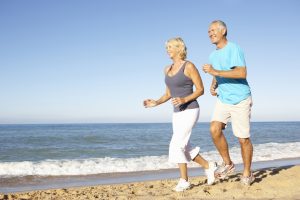
Older Couple Running Along BeachAt the end of 3 years:

  • 61.2% of the participants had declined from robust health to the pre-frail category.
  • 2.6% of the participants had declined from robust health to the frail category.

[Note: The terms “pre-frail” and “frail” are measures of aging which I have described above.]

The number of participants in the frail category were too small to obtain a statistically significant measure of the effects of vitamin D, omega-3s, and exercise on frailty, so I will only discuss the results measuring their effect on pre-frailty in this review. These results are:

  • None of these interventions had a statistically significant effect on aging by themselves, as measured by the transition from robust health to pre-frailty.
  • None of these interventions had a statistically significant effect on aging when combined in pairs, although the vitamin D3-omega-3 pair came close to significance (31% reduction in pre-frailty with a probability of 94% (probabilities of 95% and above are considered significant.))
  • However, the combination of vitamin D3, omega-3s, and exercise reduced the risk of aging by 39%, which was statistically significant (96% probability).

The authors concluded, “Robust, generally healthy and active older adults without major comorbidities [diseases], may benefit from a combination of high-dose, supplemental vitamin D3, marine omega-3s, and SHEP [unsupervised strength training] with regard to the risk of becoming pre-frail over 3 years.”

A Holistic Approach To Living Healthy Longer
holistic approachThis study was a double-blind, placebo-controlled study, which is the gold standard for clinical studies. It was also unusually large (1,137 participants) and long (3 years) for this kind of study.

It was also much better than most double-blind, placebo-controlled studies in that it included three interventions (vitamin D3 supplementation, omega-3 supplementation, and exercise) and looked at their effect on aging individually, in pairs, and all three together.

One take-home lesson from this study was that a holistic approach that included all 3 interventions was superior to any one of these interventions alone or in pairs.

But the most important take-home lesson is this:

If you asked your doctor what you should do to slow the aging process, he or she would probably tell you, “Exercise may help, but forget supplementing with extra vitamin D or omega-3s. They have no proven benefits.”

They would be correct based on studies of each of these interventions individually. And the studies they might quote would be double-blind, placebo-controlled studies, the gold standard of clinical studies.

But would that be the best advice. Clearly not. The best advice would be to follow a holistic approach and use all 3 interventions together.

Unfortunately, this is true for most studies of supplementation. Supplements are tested individually, as if they were “magic bullets”. And most of these studies come up short. They fail to find a significant benefit of supplementation.

Supplements are almost never tested holistically in combination with each other and other interventions, but that’s where the “magic” really happens.

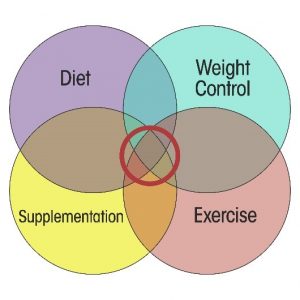
If you are a regular reader of “Health Tips From The Professor”, this should come as no surprise to you. I have often shared the Venn diagram on the upper left and said that the sweet spot is when two or more of these interventions overlap.

Of course, this is the first study of its kind. More studies are needed. More importantly, we need studies to fill in the other parts of the Venn diagram. We need to ask about the effect of diet and obesity on aging. For example:

  • If we add a healthy diet to vitamin D, omega-3s, and exercise, can we reduce aging even more dramatically?
  • Is the effort it takes to lose excess weight worth it? Does adding it to diet, supplementation, and exercise reduce the aging process even more?

Of course, I think the answer to those questions is an unequivocal, “Yes”. Multiple studies have shown that both a healthy weight and a healthy diet help you live healthier longer.

But I am a scientist. Neither diet nor weight loss have been tested in combination with supplementation and exercise. I would like to see studies combining all these modalities in a single double-blind, placebo-controlled experiment.

So, what does this mean for you? If you want to slow the aging process, if you are in search of your personal “Fountain of Youth…

  • This study suggests that vitamin D3 supplementation (2,000 IU/day), omega-3 supplementation (1,000 mg of EPA + DHA), and an exercise program that emphasizes strength training can help you slow the aging process.

But that is only the beginning. I also recommend…

  • Including a healthy diet and a healthy weight in your anti-aging regimen.
  • Making sure your diet has enough protein and leucine, since older adults need more of both to maximize the benefits of strength training.
  • Including other supplements as evidence for their benefit in slowing the aging process becomes available.

The Bottom Line 

A recent double-blind, placebo-controlled study looked at the effect of vitamin D3 supplementation (2,000 IU/day), omega-3 supplementation (1,000 mg/day EPA + DHA in a 1:2 ratio), and an unsupervised strength training program on the aging process.

It differed from most other double-blind, placebo-controlled studies in that:

  • It was larger (1,137 participants) and longer (3 years) than most.
  • More importantly, each intervention was tested individually, in pairs, and all 3 together.

The study found that:

  • None of these interventions had a statistically significant effect on aging by themselves.
  • None of these interventions had a statistically significant effect on aging when combined in pairs, although the vitamin D3-omega-3 pair came close to significance.
  • However, the combination of vitamin D3, omega-3s, and exercise reduced the risk of aging by a statistically significant 39%.

One take-home lesson from this study was that a holistic approach that included all 3 interventions was superior to any one of these interventions alone or in pairs.

But the most important take-home lesson is this:

If you asked your doctor what you should do to slow the aging process, he or she would probably tell you, “Exercise may help, but forget supplementing with extra vitamin D or omega-3s. They have no proven benefits.”

They would be correct based on studies of each of these interventions individually. And the studies they might quote would be double-blind, placebo-controlled studies, the gold standard of clinical studies.

But would that be the best advice? Clearly not. The best advice would be to follow a holistic approach and use all 3 interventions together.

Unfortunately, this is true for most studies of supplementation. Supplements are tested individually, as if they were “magic bullets”. And most of these studies come up short. They fail to find a significant benefit of supplementation.

Supplements are almost never tested holistically in combination with each other and other interventions, but that’s where the “magic” really happens.

For more information on this study and my recommendations on how to slow the aging process read the article above.

These statements have not been evaluated by the Food and Drug Administration. This information is not intended to diagnose, treat, cure, or prevent any disease.

 ___________________________________________________________________________

My posts and “Health Tips From the Professor” articles carefully avoid claims about any brand of supplement or manufacturer of supplements. However, I am often asked by representatives of supplement companies if they can share them with their customers.

My answer is, “Yes, as long as you share only the article without any additions or alterations. In particular, you should avoid adding any mention of your company or your company’s products. If you were to do that, you could be making what the FTC and FDA consider a “misleading health claim” that could result in legal action against you and the company you represent.

For more detail about FTC regulations for health claims, see this link.

https://www.ftc.gov/business-guidance/resources/health-products-compliance-guidance
Does Vitamin D Affect Muscle Strength?

Why Is Vitamin D Research So Controversial?

vitamin dMost people lose muscle strength as they age, something called sarcopenia. This is not a trivial matter. Loss of muscle mass:

  • Leads to loss of mobility. It can also make it difficult to do simple things like lifting your grandchild or carrying a bag of groceries.
  • Increases your risk of falling. This often leads to serious fracture which increases your of dying prematurely. In fact, bone fractures increase your risk of dying by 3-fold or more. Even in those who recover their mobility and quality of life may never be the same.
  • Lowers your metabolic rate. This increases your risk of obesity and all the diseases that are associated with obesity.

Loss of muscle strength as we age is preventable. There are several things we can do to preserve muscle strength as we age, but in today’s article I will focus on the effect of vitamin D on muscle strength.

What if something as simple as preventing vitamin D deficiency could improve muscle strength as we age? That idea has been around for a decade or more. But, for reasons I will detail below, it has proven controversial. Let me start by sharing the latest study on vitamin D and muscle strength (N Aspell et al, Clinical Investigations in Ageing, volume 2019:14, pages 1751-1761).

How Was The Study Done?

Clinical StudyThe data for this study came from 4157 adults who were enrolled in the English Longitudinal Study On Aging. Participants in this study were all over the age of 60 and were still living in their own homes. The general characteristics of the study population were:

  • Their average age was 69.8 with 45% male and 55% female.
  • While 76% of the participants rated their health as “good” or above
    • 73% were overweight or obese.
    • 54% had a longstanding disease that limited mobility.
    • 29% were taking multiple medications.

Serum 25-hydroxy vitamin D levels were determined as a measure of vitamin D status.

  • 22% of the participants were vitamin D deficient (<30 nmol/L 25-hydroxy vitamin D).
  • 34% of the participants were vitamin D insufficient (between 30 and 50 nmol/L 25-hydroxy vitamin D).
  • 46% of the participants had adequate vitamin D status (>50 nmol/L 25-hydroxy vitamin D).

Muscle strength was assessed by a handgrip strength test with the dominant hand. Muscle performance was assessed with something called the short physical performance battery (SPPB), consisting of a walking speed test, a repeated chair raise test, and a balance test.

Does Vitamin D Affect Muscle Strength?

When the data on handgrip strength were analyzed:

  • Only 22% of the participants who had adequate vitamin D status had low handgrip strength.
  • 40% of participants who were vitamin D deficient had low handgrip strength. That’s almost a 2-fold difference.
  • Handgrip strength increased linearly with vitamin D status.
    • The relationship between vitamin D status and handgrip strength was highly significant (p<001).
    • The beneficial effect of vitamin D status on handgrip strength plateaued at around 55-69 nmol/L 25-hydroxy vitamin D. In other words, you need adequate vitamin D status to support muscle strength, but higher levels provide no additional benefit.

When the data on muscle performance (the SPPB test) were analyzed:

  • Only 8% of the participants who had adequate vitamin D status scored low on this test.
  • 25% of participants who were vitamin D deficient scored low on this test. That’s a 3-fold difference.
  • Muscle performance also increased linearly with vitamin D status.
    • The relationship between vitamin D status and muscle performance was also highly significant (p<001).
    • The beneficial effect of vitamin D status on muscle performance also plateaued at around 55-69 nmol/L 25-hydroxy vitamin D.

The authors concluded: “Vitamin D deficiency was associated with impaired muscle strength and performance in a large study of community-dwelling older people. It is generally accepted that vitamin D deficiency should be reversed to prevent bone disease. This strategy may also protect skeletal muscle function in aging.”

Why Is Vitamin D Research So Controversial?

ArgumentYou can be forgiven if you are saying to yourself: “I’ve heard this sort of thing before. I see a blog or headline claiming that vitamin D has a certain benefit, but it’s usually followed by later headlines saying those claims are false. Why can’t the experts agree? Is all vitamin D research bogus?”

The relationship between vitamin D status and muscle strength is no different.

  • Most, but not all, studies looking at the association between vitamin D status and muscle strength find that vitamin D status affects muscle strength.
  • However, many randomized, placebo-controlled clinical trials looking at the effect of vitamin D supplementation on muscle strength have come up empty.

A meta-analysis (L Rejnmark, Therapeutic Advances in Chronic Disease, 2: 25-37, 2011) of randomized, placebo-controlled clinical trials of vitamin D supplementation and muscle strength provides insight as to why so many of them come up empty.

The meta-analysis combined data from 16 clinical trials. The conclusions were similar to what other meta-analyses have found:

  • Seven of the studies showed a benefit of vitamin D supplementation on muscle strength. Nine did not.
  • When the data from all 16 studies were combined, there was only a slight beneficial effect of vitamin D supplementation on muscle strength.

However, it was in the discussion that the reason for these discrepancies became apparent. There were three major deficiencies in study design that were responsible for the discrepancies.

1) There was a huge difference in study design.

    • The subjects were of different ages, genders, and ethnicities.
    • The dose of vitamin D supplementation varied.
    • Different measures of muscle strength and performance were used.

Until the scientific and medical community agree on a standardized study design it will be difficult to obtain consistent results.

While this deficiency explains the variation in outcomes from study to study, there are two other deficiencies in Garbage In Garbage Outstudy design that explain why many of the studies failed to find an effect of vitamin D on muscle strength. I call this “Garbage In, Garbage Out”. Simply put, if the study has design flaws, it may be incapable of detecting a positive effect of vitamin D on muscle strength.

2) Many of the studies did not measure vitamin D status of the participants at the beginning of the study.

    • The results of the study described above show that additional vitamin D will be of little benefit for anyone who starts the study with an adequate vitamin D status.
    • In the study above 46% of the participants had adequate vitamin D status. This is typical for the elderly community. When almost 50% of the participants in a study have adequate vitamin D status at the beginning of a study it becomes almost impossible to demonstrate a beneficial effect of vitamin D supplementation on any outcome.

It is essential that future studies of vitamin D supplementation start with participants who have low vitamin D status. Otherwise, you are almost guaranteeing a negative outcome.

3) Most of the studies ignored the fact that vitamin D status is only one of three factors that are essential for muscle strength.

    • In the case of muscle strength, especially in the elderly, the three essentials are vitamin D, protein, and exercise. All three are needed to maintain or increase muscle strength. Simply put, if one is missing, the other two will have little or no effect on muscle strength. Unfortunately, you cannot assume that exercise and protein intake are adequate in older Americans:
      • Many older adults don’t get enough exercise because of physical limitations.

Unfortunately, many clinical studies on the effect of vitamin D supplementation and muscle strength fail to include exercise and adequate protein intake in the study. Such clinical trials are doomed to failure.

Now you know why vitamin D research is so controversial. Until the scientific and medical community get their act together and perform better designed experiments, vitamin D research will continue to be controversial and confusing.

What Does This Mean For You?

Old Man Lifting WeightsLoss of muscle mass as we age is not a trivial matter. As described above, it:

  • Leads to loss of mobility.
  • Increases your risk of falling. This often leads to serious fracture which increase your risk of disability and death.
  • Lowers your metabolic rate, which increases your risk of obesity and obesity-related diseases.

So, what can you do prevent loss of muscle mass as you age? The answer is simple:

1) Aim for 25-30 grams of high-quality protein in each meal.

    • That protein can come from meat, fish, eggs, or legumes.
    • That doesn’t mean you need to consume an 8-ounce steak or a half chicken. 3-4 ounces is plenty.
    • However, it does mean you can’t subsist on green salads and leafy greens alone. They are healthy, but you need to include a good protein source if you are going to meet your protein needs.

2) Aim for 150 minutes of moderate intensity exercise per week.

    • At least half of that exercise should be resistance exercise (lifting weights, for example).
    • If you have physical limitations, consult your doctor and a physical therapist or personal trainer to design resistance exercises you can do.
    • Aim for a variety of resistance exercises. You will only strengthen the muscles you exercise.

3) Aim for an adequate vitamin D status.

    • Start with a multivitamin containing at least 800 IU of vitamin D3.
    • Because there is large variation in the efficiency with which we convert vitamin D to 25-hydroxy vitamin D, you should get your serum 25-hydroxyvitamin D tested on a yearly basis. Your health professional can tell you if you need to take larger amounts of vitamin D3.
    • This study suggests that a serum 25-hydroxy vitamin D level of 55-69 nmol/L is optimal, and higher levels provide no additional benefit. That means there is no need to take mega-doses of vitamin D3 unless directed by your health professional.

The Bottom Line

A recent study looked at the effect of vitamin D status on muscle strength and performance in a healthy population with an average age of 69.

When they looked at handgrip strength:

  • Only 22% of the participants with an adequate vitamin D status had low handgrip strength.
  • 40% of participants who were vitamin D deficient had low handgrip strength. That’s almost a 2-fold difference.
  • Handgrip strength increased linearly with vitamin D status.

When they looked at muscle performance:

  • Only 8% of the participants with an adequate vitamin D status scored low on this test.
  • 25% of participants who were vitamin D deficient scored low on this test. That’s a 3-fold difference.
  • Muscle performance also increased linearly with vitamin D status.

The authors concluded: “Vitamin D deficiency was associated with impaired muscle strength and performance in a large study of community-dwelling older people. It is generally accepted that vitamin D deficiency should be reversed to prevent bone disease. This strategy may also protect skeletal muscle function in aging.”

If we look at the research more broadly, there are three factors that are essential for maintaining muscle mass as we age: exercise, protein, and vitamin D. Therefore, my recommendations are to:

1)  Aim for 25-30 grams of high-quality protein in each meal.

2) Aim for 150 minutes of moderate intensity exercise per week. At least half of that exercise should be resistance exercise.

3) Aim for an adequate vitamin D status (>50 nmol/L of serum 25-hydroxy vitamin D). A good place to start is with a multivitamin providing at least 800 IU of vitamin D3.

For more details on my recommendations and a discussion of why studies on vitamin D supplementation are often confusing, read the article above.

These statements have not been evaluated by the Food and Drug Administration. This information is not intended to diagnose, treat, cure or prevent any disease.


Health Tips From The Professor