Can You Cut Your Risk Of Heart Disease By 90%?

The Effect Of Ultra-Processed Foods On Heart Disease Risk
 

Author: Dr. Stephen Chaney

strong heartHeart disease is a killer. It continues to be the leading cause of death – both worldwide and in industrialized countries like the United States and the European Union. When we look at heart disease trends, it is a good news – bad news situation.

  • The good news is that heart disease deaths are continuing to decline in adults over 70.
    • The decline among senior citizens is attributed to improved treatment of heart disease and more seniors following heart-healthy diets.
  • The bad news is that heart disease deaths are starting to increase in younger adults, something I reported in an earlier issue of “Health Tips From the Professor.”
    • The reason for the rise in heart disease deaths in young people is less clear. However, the obesity epidemic, junk and convenience foods, and the popularity of fad diets all likely play a role.

Everyone has a magic diet to reduce the risk of heart disease. The American Heart Association tells us to avoid fats, especially saturated fats. Vegans tell us to avoid animal protein. Paleo and Keto enthusiasts tell us carbs are the problem.

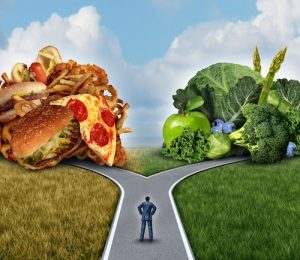
But what if we eliminated junk and convenience food AND switched to a really healthy diet? How much would that reduce heart disease risk? A recent study (Y Willett et al, The American Journal of Medicine, in press, 2026) looked at the first part of that question. It looked at the effect of ultra-processed food (what we call junk and convenience foods) consumption on the risk of developing heart disease.

How Was This Study Done?
Clinical StudyThe scientists analyzed data from 4787 participants in the most recently published (2021 to 2023) National Health and Nutrition Examination Survey (NHANES). The average age of participants in the survey was 55 years, with 56% of them being women.

All the participants in this study had completed a dietary survey of everything they ate over the last two days. They also reported whether they had ever experienced a heart attack or stroke.

Ultra-processed foods were defined as foods that are industrially modified and loaded with added fats, sugars, starches, salts, and chemical additives.

The percentage of ultra-processed foods in their diet was calculated, and the participants were divided into quartiles based on the percentage of ultra-processed foods they consumed.

Participants with the highest quartile of ultra-processed food consumption were compared to those in the lowest quartile with respect to the risk of cardiovascular disease (self-reported heart attack or stroke). The data were corrected for age, sex, race, ethnicity, smoking status, and income.

The Effect Of Ultra-Processed Foods On Heart Disease Risk

Fast Food DangersThe results were striking:

  • The participants in the highest quartile for ultra-processed food consumption had a 47% higher risk of heart disease compared to those in the lowest quartile for ultra-processed food consumption.

The authors concluded, “Adults who consumed the highest amount of ultra-processed foods had a statistically significant 47% increased risk of heart disease. Large scale randomized trials are needed, but in the meantime, health care providers should advise patients to decrease consumption of ultra-processed foods in addition to adopting other therapeutic lifestyle changes and adjunctive drug therapies of proven benefit.”

The authors recognized the difficulty of making those changes in a world where ultra-processed foods are ubiquitous and cheap.

However, they drew parallels to tobacco use in this country. They said, “Just as it took decades for the dangers of smoking to become widely accepted, reducing reliance on ultra-processed foods may take time. This is partly due to the influence of large multinational companies that dominate the food market. In addition, many people face limited access to healthier food options.”

They went on to say, “Addressing ultra-processed foods isn’t just about individual choices – it’s about creating environments where the healthy option is the easy option.”

Can You Cut Your Risk Of Heart Disease By 90%?

The short answer is, “probably not”. But you can reduce the risk of heart disease by a lot – and probably by a lot more than 47%.

That’s because this study did not look at what the participants were replacing the ultra-processed foods with. Some participants may have replaced them with whole food, primarily plant-based diets. Others may have replaced ultra-processed foods with whole food, meat-based diets high in saturated fats.

So, let’s look at the other side of the equation – how much you can reduce your risk of heart disease by eating a healthier diet. In a recent issue of “Health Tips From The Professor”, I reviewed a meta-analysis published in 2022 that looked at 99 clinical studies with tens of thousands of participants that measured the associations between foods or food groups and heart disease risk.

That study reported that:

  • Processed Meat: A single serving of processed meat increased heart disease risk by 27% to 44%.
  • Red Meat: Unprocessed red meat increased heart disease risk by as much as 27% – but only at ≥3 servings per day. The results with lower intakes were inconsistent – some studies showed increased risk, but others did not.
  • Poultry, Eggs, and Dairy Foods: They did not appear to affect heart disease risk.
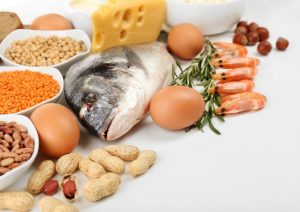
  • Fish: Two to four servings per week of fatty fish decreased heart disease risk by around 12%.
  • Fruit: Two servings per day of fruit reduced heart disease risk by 21-32%.Vegan Foods
  • Vegetables: Two servings of vegetables per day reduced heart disease risk by 18-21%.
  • Legumes (beans and peas): Four servings per week reduced the risk of heart disease by around 14%.
  • Nuts: One serving (a handful) per day reduced the risk of heart disease by around 25%. 
  • Whole Grains: Two servings of whole grains per day reduced the risk of heart disease by 25%-34%.
  • Overall: When heart-healthy foods were consumed as part of the Mediterranean diet heart disease risk was reduced by 47%. Similar overall reductions in heart disease risk are likely with other heart-healthy diets like DASH, MIND, Flexitarian (flexible semi-vegetarian), and vegan diets.

In summary:

  • The first study shows that eliminating ultra-processed foods (junk and convenience foods) from your diet can decrease heart disease risk by 47% – but doesn’t tell us what the ultra-processed foods were replaced with. And it would take a much larger study to determine which food swaps were most effective at reducing heart disease risk.
  • The second study was a meta-analysis that told us that eating more fish and plant foods in the context of a heart-healthy diet can decrease your risk of heart disease by 47% – but doesn’t tell us what those healthy foods were replacing. And many of the individual studies included in the meta-analysis were conducted when ultra-processed food consumption was much less than it is today.

It would be tempting to add 47% plus 47% and conclude that eliminating ultra-processed food consumption and replacing ultra-processed foods with heart-healthy foods could decrease your risk of heart disease by 94%. But it’s not that simple. There are too many unanswered questions from these studies.

But it is safe to say that if we eliminated ultra-processed foods AND replaced them with heart-healthy foods in the context of a heart-healthy diet, we should be able to reduce our heart disease risk by more than 47% – perhaps much more.

What Do These Studies Mean For You?

There are two important lessons from these studies:

#1: Eliminating ultra-processed foods from your diet will significantly decrease your risk of heart disease.

And it isn’t just heart disease. Other recent studies have shown that eliminating ultra-processed foods from your diet helps you:

  • Control your weight (It is perhaps the most important lifestyle change to make if you want to maintain GLP-1-aided weight loss).
  • Reduce your risk of cancer.
  • Reduce your risk of diabetes.
  • Reduce your risk of inflammatory diseases.
  • Reduce anxiety and depression.
  • Increase your healthspan (your healthy years).

In short, ultra-processed foods are killers.

#2: Replacing ultra-processed foods with heart-healthy foods (fruits, vegetables, legumes, nuts, whole grains, and fish) in the context of a healthy diet (Mediterranean, DASH, MIND, Flexitarian, and vegan, for example) is likely to decrease your risk of heart disease even more.

  • And if your diet consists of mostly heart-healthy foods, you can add moderate amounts of heart-neutral foods (poultry, eggs, and dairy).
  • And the latest evidence suggests that you can even add small amounts of red meat in the context of a heart-healthy diet (As I have said in previous issues of “Health Tips From the Professor”, plant foods contain the antidotes to all the bad things about red meat.)

Finally, you might ask why I emphasize both heart-healthy foods and heart-healthy diets. There are two reasons:

  • Most of us think in terms of foods rather than diets.
  • The food industry is only too happy to provide us with ultra-processed foods for “heart-healthy” diets like the vegan and Mediterranean diet.

The Bottom Line

Two recent studies have shown how each of us can dramatically reduce our risk of heart disease.

  • The first study showed that eliminating ultra-processed foods from our diet can significantly decrease our heart disease risk – but didn’t tell us what the ultra-processed foods were replaced with.
  • The second study showed that eating more heart-healthy foods in the context of a heart-healthy diet can significantly decrease our risk of heart disease – but didn’t tell us what those healthy foods were replacing.

Taken together, those studies show us a clear path for dramatically decreasing our heart disease risk.

For more details about these studies and what they mean for you, read the article above.

These statements have not been evaluated by the Food and Drug Administration. This information is not intended to diagnose, treat, cure or prevent any disease.

 _____________________________________________________________________________

My posts and “Health Tips From the Professor” articles carefully avoid claims about any brand of supplement or manufacturer of supplements. However, I am often asked by representatives of supplement companies if they can share them with their customers.

My answer is, “Yes, as long as you share only the article without any additions or alterations. In particular, you should avoid adding any mention of your company or your company’s products. If you were to do that, you could be making what the FTC and FDA consider a “misleading health claim” that could result in legal action against you and the company you represent.

For more detail about FTC regulations for health claims, see this link.

https://www.ftc.gov/business-guidance/resources/health-products-compliance-guidance

_______________________________________________________________________

About The Author 

Dr. Chaney has a BS in Chemistry from Duke University and a PhD in Biochemistry from UCLA. He is Professor Emeritus from the University of North Carolina where he taught biochemistry and nutrition to medical and dental students for 40 years.  Dr. Chaney won numerous teaching awards at UNC, including the Academy of Educators “Excellence in Teaching Lifetime Achievement Award”.

Dr Chaney also ran an active cancer research program at UNC and published over 100 scientific articles and reviews in peer-reviewed scientific journals. In addition, he authored two chapters on nutrition in one of the leading biochemistry text books for medical students.

Since retiring from the University of North Carolina, he has been writing a weekly health blog called “Health Tips From the Professor”. He has also written two best-selling books, “Slaying the Food Myths” and “Slaying the Supplement Myths”. And most recently he has created an online lifestyle change course, “Create Your Personal Health Zone”. For more information visit https://chaneyhealth.com.

For the past 45 years Dr. Chaney and his wife Suzanne have been helping people improve their health holistically through a combination of good diet, exercise, weight control and appropriate supplementation.

 

Eating Of The Green

Why Nitrates Are Good For You

Author: Dr. Stephen Chaney

You may be one of the millions of Americans who are celebrated St. Patrick’s Day today. If so, you may have sung the famous Irish folk song “The Wearing of the Green”. If you are Irish, that song has special meaning for you. However, when I hear that song, I think of “Eating of the Green.”

And when I think of eating green, I don’t mean that everything we eat should be green. I am thinking of whole fruits and vegetables in a variety of colors. We have known for years that fruits and vegetables are good for our health. Consumption of fruits and vegetables is associated with a lower risk of high blood pressure, heart disease, cancer, inflammatory diseases, and much more.

For today’s health tip, I am going to focus on heart health and an unexpected explanation for how fruits and vegetables reduce our risk of heart disease.

Why Nitrates Are Good For You

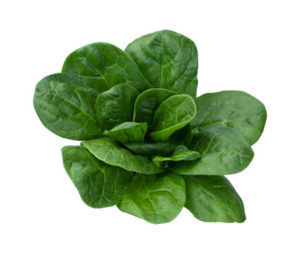
spinachWe have assumed that whole fruits and vegetables lower our risk of heart disease because they are low in saturated fats and provide heart-healthy nutrients, phytonutrients, and fiber. All of that is true. But could there be more?

Recent research has suggested that the nitrates found naturally in fruits and vegetables may also play a role in protecting our hearts. Here is what recent research shows:

  • The nitrates from fruits and vegetables are converted to nitrite by bacteria in our mouth and intestines.
    • Fruits and vegetables account for 80% of the nitrate in our diet. The rest comes from a variety of sources including the nitrate added as a preservative to processed meats.
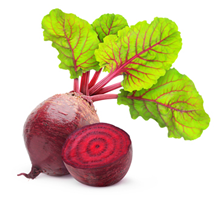
    • Although all fruits and vegetables contain nitrates, the best sources are green leafy vegetables and beetroot. [Beet greens are delicious and also a good source of nitrate, but beetroot is the part of the beet we usually consume.]
  • Nitrite is absorbed from our intestine and converted to nitric oxide by a variety of enzymes in our tissues.
  • Both reactions require antioxidants like vitamin C, which are also found in fruits and vegetables.

Nitric oxide has several heart healthy benefits. For example:

  • It helps reduce inflammation in the lining of blood vessels. Inflammation stimulates atherosclerosis, blood clot formation, and is associated with an increased risk of heart disease.
  • It relaxes the smooth muscle cells that surround our blood vessels. This makes the blood vessels more flexible and helps reduce blood pressure.
  • It prevents smooth muscle cells from proliferating, which prevents them from invading and constricting our arteries. This, in turn, has the potential to reduce the risk of atherosclerosis.
  • It prevents platelet aggregation. This, in turn, has the potential to reduce the risk of heart attack and stroke due to blood clots that block the flow of blood to our heart or brain.

It is well established that nitrates from fruits and vegetables reduce blood pressure. More importantly, they can help slow the gradual increase in blood pressure as we age.

However, few studies have asked whether this reduction in blood pressure translates into improved cardiovascular outcomes. This study (CP Bondonno et al, European Journal of Epidemiology, 36: 813-825, 2021) was designed to answer that question.

How Was This Study Done?

clinical studyThis study made use of data from the Danish Diet, Cancer, and Health Program. That program enrolled 53,150 participants from Copenhagen and Aarhus between 1993 and 1997 and followed them for an average of 21 years. None of the participants had a diagnosis of cancer or heart disease at the beginning of the study.

Other characteristics of the participants at the time they were enrolled in the study were:

  • 46% male
  • Average age = 56
  • BMI = 26 (20% overweight)
  • Average systolic blood pressure = 140 mg Hg
  • Average diastolic blood pressure = 84 mg Hg

At the beginning of the study, participants filled out a 192-item food frequency questionnaire that assessed their average intake of various food and beverage items over the previous 12 months. The vegetable nitrate content of their diets was analyzed using a comprehensive database of the nitrate content of 178 vegetables. For those vegetables not consumed raw, the nitrate content was reduced by 50% to account for the nitrate loss during cooking.

Blood pressure was measured at the beginning of the study. Data on the incidence (first diagnosis) of heart disease during the study was obtained from the Danish National Patient Registry. Data were collected on diagnosis of the following heart health parameters:

  • Cardiovascular disease (all diseases of the circulatory system).
  • Ischemic heart disease (lack of sufficient blood flow to the heart). The symptoms of ischemic heart disease range from angina to myocardial infarction (heart attack).
  • Ischemic stroke (lack of sufficient blood flow to the brain).
  • Hemorrhagic stroke (bleeding in brain).
  • Heart failure.
  • Peripheral artery disease (lack of sufficient blood flow to the extremities).

Is Nitrate From Vegetables Good For Your Heart?

strong heartIntake of nitrate from vegetables ranged from 18 mg/day (<1/3 serving of nitrate-rich vegetables per day) to 168 mg (almost 3 servings of nitrate-rich vegetables per day). The participants were grouped into quintiles based on their vegetable nitrate intake. When the group with the highest vegetable nitrate intake was compared to the group with the lowest vegetable nitrate intake:

  • Systolic blood pressure was reduced by 2.58 mg Hg (1.8%).
  • Diastolic blood pressure was reduced by 1.38 mg Hg (1.6%).
  • Risk of cardiovascular disease was reduced by 14%.
  • Risk of ischemic heart disease (angina and heart attack) was reduced by 13%.
  • Risk of ischemic stroke (stroke caused by lack of blood flow to the brain) was reduced by 14%.
  • Risk of heart failure was reduced by 17%.
  • Risk of peripheral artery disease was reduced by 31%.
  • Risk of hemorrhagic stroke (bleeding in the brain) was not significantly reduced.

Two other observations were of interest:

  • Blood pressure and risk of peripheral artery disease decreased with increasing vegetable nitrate intake in a relatively linear fashion. However, the other parameters of heart disease plateaued at a modest intake of vegetable nitrate intake (around one cup of nitrate-rich vegetables per day). This suggests that as little as one serving of nitrate-rich vegetables a day is enough to provide some heart health benefits.
  • Only about 21.9% of the improvement in heart health could be explained by the decrease in blood pressure. This is not surprising when you consider the other beneficial effects of nitric oxide described above.

The authors concluded, “Consumption of at least ~60 mg/day of vegetable nitrate (~ one serving of green leafy vegetables or beets) may mitigate risk of cardiovascular disease.”

Are Nitrates Good For You Or Bad For You?

questionsYou are probably thinking, “Wait a minute. I thought nitrates and nitrites were supposed to be bad for me. Which is it? Are nitrates good for me or bad for me?”

It turns out that nitrates and nitrites are kind of like Dr. Jekyll and Mr. Hyde. They can be either good or bad. It depends on the food they are in and your overall diet.

Remember the beginning of this article when I said that the conversion of nitrates to nitric oxide depended on the presence of antioxidants? Vegetables are great sources of antioxidants. So, when we get our nitrate from vegetables, most of it is converted to nitric oxide. And, as I discussed above, nitric oxide is good for us.

However, when nitrates and nitrites are added to processed meats as a preservative, the story is much different. Processed meats have zero antioxidants. And the protein in the meats is broken down to amino acids in our intestine. The amino acids combine with nitrate to form nitrosamines, which are cancer-causing chemicals. Nitrosamines are bad for us.

Of course, we don’t eat individual foods by themselves. We eat them in the context of a meal. If you eat small amounts of nitrate-preserved processed meats in the context of a meal with antioxidant-rich fruits and vegetables, some of the nitrate will be converted to nitric oxide rather than nitrosamines. The processed meat won’t be as bad for you.

Eating Of The Green

Vegan FoodsYour mother was right. You should eat your fruits and vegetables!

  • The USDA recommends at least 3 servings of vegetables and 2 servings of fruit a day.
  • Based on this study, at least one of those servings should be nitrate-rich vegetables like green leafy vegetables and beets.
  • If you don’t like any of those, radishes, turnips, watercress, Bok choy, Chinese cabbage, kohlrabi, chicory leaf, onion, and fresh garlic are also excellent sources of nitrate.
  • The good news is that you may not need to eat green leafy vegetables and beets with every meal. If this study is correct, one serving per day may have heart health benefits. That means you can enjoy a wide variety of fresh fruits and vegetables as you try to meet the USDA recommendations.

Finally, if you don’t like any of those foods, you may be asking, “Can’t I just take a nitrate supplement?”

  • For blood pressure, there are dozens of clinical trials, and the answer seems to be yes – especially when the nitrate comes from vegetable sources and the supplement also contains an antioxidant like vitamin C.
  • For heart health benefits, the answer is likely to be yes, but clinical trials to confirm that would take decades. Double blind, placebo-controlled trials of that duration are not feasible, so we will never know for sure.
  • Moreover, you would not be getting all the other health benefits of a diet full of fresh fruits and vegetables. Supplementation has its benefits, but it is not meant to replace a healthy diet.

The Bottom Line 

We have known for years that fruits and vegetables are good for our hearts. We have assumed that it was because whole fruits and vegetables are low in saturated fats and provide heart-healthy nutrients, phytonutrients, and fiber. But could there be more?

It is well established that nitrates from fruits and vegetables reduce blood pressure. More importantly, they can help slow the gradual increase in blood pressure as we age.

However, few studies have asked whether this reduction in blood pressure translates into improved cardiovascular outcomes. A recent study was designed to answer that question.

When the study compared people with the highest vegetable nitrate intake to people with the lowest vegetable nitrate intake:

  • Blood pressure was significantly reduced.
  • The risk of cardiovascular disease was reduced by 14%.
  • Risk of ischemic heart disease (angina and heart attack) was reduced by 13%.
  • Risk of ischemic stroke (stroke caused by lack of blood flow to the brain) was reduced by 14%.
  • Risk of heart failure was reduced by 17%.
  • Risk of peripheral artery disease was reduced by 31%.
  • Blood pressure and risk of peripheral artery disease decreased with increasing vegetable nitrate intake in a relatively linear fashion.
  • However, the other parameters of heart disease plateaued at a modest intake of vegetable nitrate intake (around one cup of nitrate-rich vegetables per day). This suggests that as little as one serving of nitrate-rich vegetables a day is enough to provide some heart health benefits.

The authors concluded, “Consumption of at least ~60 mg/day of vegetable nitrate (~ one serving of green leafy vegetables or beets) may mitigate risk of cardiovascular disease.”

Of course, you may have heard that nitrates and nitrites are bad for you. I discuss that in the article above.

For more details about this study and what it means for you, read the article above.

These statements have not been evaluated by the Food and Drug Administration. This information is not intended to diagnose, treat, cure, or prevent any disease.

 _____________________________________________________________________________

My posts and “Health Tips From the Professor” articles carefully avoid claims about any brand of supplement or manufacturer of supplements. However, I am often asked by representatives of supplement companies if they can share them with their customers.

My answer is, “Yes, as long as you share only the article without any additions or alterations. In particular, you should avoid adding any mention of your company or your company’s products. If you were to do that, you could be making what the FTC and FDA consider a “misleading health claim” that could result in legal action against you and the company you represent.

For more detail about FTC regulations for health claims, see this link.

https://www.ftc.gov/business-guidance/resources/health-products-compliance-guidance

_____________________________________________________________________

About The Author 

Dr. Chaney has a BS in Chemistry from Duke University and a PhD in Biochemistry from UCLA. He is Professor Emeritus from the University of North Carolina where he taught biochemistry and nutrition to medical and dental students for 40 years.  Dr. Chaney won numerous teaching awards at UNC, including the Academy of Educators “Excellence in Teaching Lifetime Achievement Award”. Dr Chaney also ran an active cancer research program at UNC and published over 100 scientific articles and reviews in peer-reviewed scientific journals. In addition, he authored two chapters on nutrition in one of the leading Biochemistry textbooks for medical students.

Since retiring from the University of North Carolina, he has been writing a weekly health blog called “Health Tips From the Professor”. He has also written two best-selling books, “Slaying the Food Myths” and “Slaying the Supplement Myths”. And most recently he has created an online lifestyle change course, “Create Your Personal Health Zone”. For more information visit https://chaneyhealth.com.

For the past 54 years Dr. Chaney and his wife Suzanne have been helping people improve their health holistically through a combination of good diet, exercise, weight control and appropriate supplementation.


Give Your Heart A Valentine

How Can You Give Your Heart A Valentine?

Author: Dr. Stephen Chaney

Happy valentines day

Valentine’s Day is just around the corner. You have probably already selected Valentine Day cards and gifts for those nearest and dearest to you. But what about your heart. It’s your most trusted companion. Doesn’t it deserve a valentine?

The best Valentine’s gift you could give your heart would be a heart healthy diet. But what is a heart-healthy diet?

You may remember the nursery rhyme, “Jack Sprat could eat no fat. His wife could eat no lean…” You may know people who fit these extremes. And in terms of diets these extremes might represent the vegan and keto diets in today’s world.

The nursery rhyme assures us that, “…between them they licked the platter clean.” But were their diets equally heart-healthy? Which of them would have been more likely to live a long and healthy life, free of heart disease?

If you search Mr. Google – even with AI assist – you might be confused. That’s because AI bases its recommendations on the quantity of posts, not the accuracy of posts. And lots of media influencers recommend both diets, and just about every popular diet in between for heart health.

But what does good science say on the topic of heart healthy diets? Fortunately, a recent comprehensive review and meta-analysis (G. Riccardi et al, Cardiovascular Research, 118: 1118-1204, 2022) has answered that question.

How Was The Study Done?

clinical studyThe investigators reviewed 99 clinical studies with tens of thousands of participants that looked at the associations between foods or food groups and heart disease risk.

Most of the studies were “prospective cohort” studies in which:

  • Populations are divided into groups (cohorts) based on the foods they consume…
  • …and followed for a number of years (this is where the term “prospective” comes from)…
  • …and at the end of the study, the association between food and heart outcomes is measured.

However, the review also included several major randomized controlled clinical trials, including:

  • The DASH diet study.
  • The Lyon Diet Heart study.
  • The PREDIMED study.

Give Your Heart A Valentine

What is a heart-healthy diet? Here are the findings of the study. Most will sound very familiar. But you will note strong heartsome subtle differences based on recent data.

The overall summary was that for a healthy adult population:

  • Low consumption of salt and foods of animal origin…
  • …and increased intake of plant foods…
  • …are associated with reduced heart disease risk.

Of course, we have known that for years. It’s when they broke the data down further that it became more interesting.

Foods Of Animal Origin:

  • Processed meats increase heart disease risk. A single serving of processed meat is associated with a 27% to 44% increased risk of heart disease. This is not new.
  • Unprocessed red meat is also associated with increased risk of heart disease, but this association is not as consistent as for processed meats. The authors noted that some of this may be due to differences in saturated fat content or cooking methods of the red meats included in individual studies.

But this analysis also showed that the effect of red meat on heart disease risk may be dose dependent. For example:

    • The studies they reviewed suggested that consuming ≥3 servings per day of red meat is associated with a 27% increased risk of heart disease. However, consuming <3 servings per week may not increase risk, especially when consumed in the context of an otherwise heart-healthy diet.
  • White meat such as poultry does not appear to affect heart disease risk. This has been predicted by earlier reports, but this analysis strengthens those predictions.
  • Fish consumption decreases heart disease risk. This is not new. But this review added precision about recommended fish intake (2-4 servings/week) and a couple of caveats:
    • The heart benefits of fish may be due to their omega-3 content and may not apply equally to fish with lower omega-3 content.
    • The authors also expressed concerns about the sustainability of high-omega-3 fish populations. I would also add that our oceans are increasingly polluted, so contamination is another concern.
  • Egg consumption up to one egg/day does not appear to increase heart disease risk. This is consistent with the current American Heart Association recommendations.

However, the authors noted that the effect of eggs on serum cholesterol, and hence heart disease risk depends on several factors.

    • Genetics, obesity, and diabetes can make it more difficult to regulate serum cholesterol levels. For these individuals, eggs may need to be eaten only sparingly.
    • Diets low in saturated fat and high in fiber from plant foods help the body regulate serum cholesterol. Several studies suggest that eggs may decrease heart disease risk in the context of this type of a heart-healthy diet.
  • Dairy: Neither low-fat nor high-fat dairy foods appear to influence heart disease risk. This is different from the standard recommendation to consume low-fat dairy foods. But it is in line with the trend of recent research studies on dairy and heart disease.

Once again, there were a couple of caveats:

    • There is increasing evidence that fermented dairy foods may decrease heart disease risk which may explain why certain high-fat cheeses and other high-fat fermented dairy foods appear to have a neutral or slightly beneficial effect on heart disease risk.
    • As with eggs, the effect of high-fat dairy foods on heart disease risk may be influenced by genetics and diet context.

Vegan FoodsFoods Of Plant Origin: The effects of plant foods on heart health have been known for some time, and the most recent studies included in this analysis have not changed those conclusions.

  • Fruits and Vegetables consistently reduce heart disease risk in multiple studies. In each case, the optimal intake appears to be about 2 servings of each per day which provides an 18-21% risk reduction for vegetables and a 21-32% risk reduction for fruits.
  • Legumes (beans and peas) also consistently reduce heart disease risk in multiple studies. At the optimal intake of around 4 servings per week the risk reduction is around 14%.
  • Nuts also consistently reduce heart disease risk. At the optimal intake of around one serving (a handful) per day, the risk reduction is around 25%.
  • Cereals (grains) were divided into 3 categories:
    • Refined carbohydrates with a high glycemic index (e.g., white rice, white bread) are associated with increased heart disease risk in multiple studies probably due to their effect on blood sugar levels. And the increased risk is significant (Around 66% higher risk for every 2 servings).
    • Refined carbohydrates with a low glycemic index (e.g., pasta, corn tortillas) show an inconsistent effect on heart disease risk.
    • Whole grains are consistently associated with a lower heart disease risk. Two servings of whole grains per day are associated with a 25%-34% decreased risk.

Miscellaneous Foods:

  • Soft Drinks are associated with increased heart disease risk. One serving per day increases the risk by around 15-22% and recent evidence suggests that artificially sweetened soft drinks offer no heart health benefits compared to sugar sweetened soft drinks.
  • Coffee and Tea are both associated with decreased heart disease risk. For coffee the optimal benefit may occur at around 3 cups/day. Higher levels may have an adverse effect on heart disease risk.

Summary of Heart Health Recommendations

ScientistIf you think that was a lot of information, the authors provided a numerical summary of their recommendations for a heart-healthy diet. They are:

  • Two servings per day of vegetables, fresh fruits, and whole grains.
  • One serving per day of nuts and seeds, low-glycemic index refined cereals, extra-virgin olive oil or non-tropical vegetable oils, and yogurt.
  • Four servings per week of legumes and fish.
  • No more than 3 servings per week of white meat, eggs, cheese, and milk.
  • No more than 2 servings per week of high-glycemic index refined starchy foods, red meat, and butter.
  • Only occasional consumption of processed meats.

How Can You Give Your Heart A Valentine?

Of course, nobody wants to follow a “diet by the numbers”. If you are like most of us, you want flexibility and you Questionswant to be able to eat some of your favorite foods. So, let me put these recommendations into a more “user friendly” form.

If you want to give your heart a valentine:

  • Whole, unprocessed or minimally processed, plant foods are your heart’s best friends.
  • Your heart-healthy foundation should be fruits, vegetables, whole grains, nuts and seeds, healthy plant oils, and legumes.
    • Your heart-healthy foundation can also include fermented dairy foods and low-glycemic index refined grains.
    • Your “go-to” beverages should be water, tea (both caffeinated and herbal teas), and coffee. You should avoid soft drinks and other sugar-sweetened or artificially sweetened beverages.
  • Once you have achieved a heart-healthy foundation you can add a few servings per week of white meat, eggs, cheese, and dairy, even high-fat dairy.
    • If you have good adherence to the heart-healthy foundation described above and no genetic or health issues that increase your risk of heart disease, you can probably eat more of these foods.
    • Conversely, if your adherence to the heart-healthy foundation is poor and/or you are at high risk of heart disease, you may wish to consume less of these foods.
  • If you have good adherence to the heart-healthy foundation, you can also add up to 1-2 servings of high-glycemic index refined carbohydrates, red meat, or butter per week. With red meat, you may want to consider it as a garnish that adds flavor to a plant-based meal rather than the centerpiece of the meal.
    • You should eat processed meats seldom or never.

This would be the best Valentine’s gift you could possibly give your heart.

The Bottom Line

For those of you who might want to give your heart a valentine, a new comprehensive review and meta-analysis of 99 clinical studies with tens of thousands of participants has updated the correlation between foods and heart disease risk.

Many of the recommendations based on this analysis are identical to previous recommendations for a heart-healthy diet.

But there are some subtle changes to those recommendations based on the latest data.

For more details about this study and what a heart-healthy diet might look like for you, read the article above.

These statements have not been evaluated by the Food and Drug Administration. This information is not intended to diagnose, treat, cure or prevent any disease.

______________________________________________________________________________

My posts and “Health Tips From the Professor” articles carefully avoid claims about any brand of supplement or manufacturer of supplements. However, I am often asked by representatives of supplement companies if they can share them with their customers.

My answer is, “Yes, as long as you share only the article without any additions or alterations. In particular, you should avoid adding any mention of your company or your company’s products. If you were to do that, you could be making what the FTC and FDA consider a “misleading health claim” that could result in legal action against you and the company you represent.

For more detail about FTC regulations for health claims, see this link.

https://www.ftc.gov/business-guidance/resources/health-products-compliance-guidance

______________________________________________________________________

About The Author 

Dr. Chaney has a BS in Chemistry from Duke University and a PhD in Biochemistry from UCLA. He is Professor Emeritus from the University of North Carolina where he taught biochemistry and nutrition to medical and dental students for 40 years.

Dr. Chaney won numerous teaching awards at UNC, including the Academy of Educators “Excellence in Teaching Lifetime Achievement Award”.

Dr Chaney also ran an active cancer research program at UNC and published over 100 scientific articles and reviews in peer-reviewed scientific journals. In addition, he authored two chapters on nutrition in one of the leading biochemistry text books for medical students.

Since retiring from the University of North Carolina, he has been writing a weekly health blog called “Health Tips From the Professor”. He has also written two best-selling books, “Slaying the Food Myths” and “Slaying the Supplement Myths”. And most recently he has created an online lifestyle change course, “Create Your Personal Health Zone”. For more information visit https://chaneyhealth.com.

For the past 54 years Dr. Chaney and his wife Suzanne have been helping people improve their health holistically through a combination of good diet, exercise, weight control and appropriate supplementation.



Is The New Food Guide Pyramid Healthy?

A Brief History Of USDA Food Guides

Author: Dr. Stephen Chaney

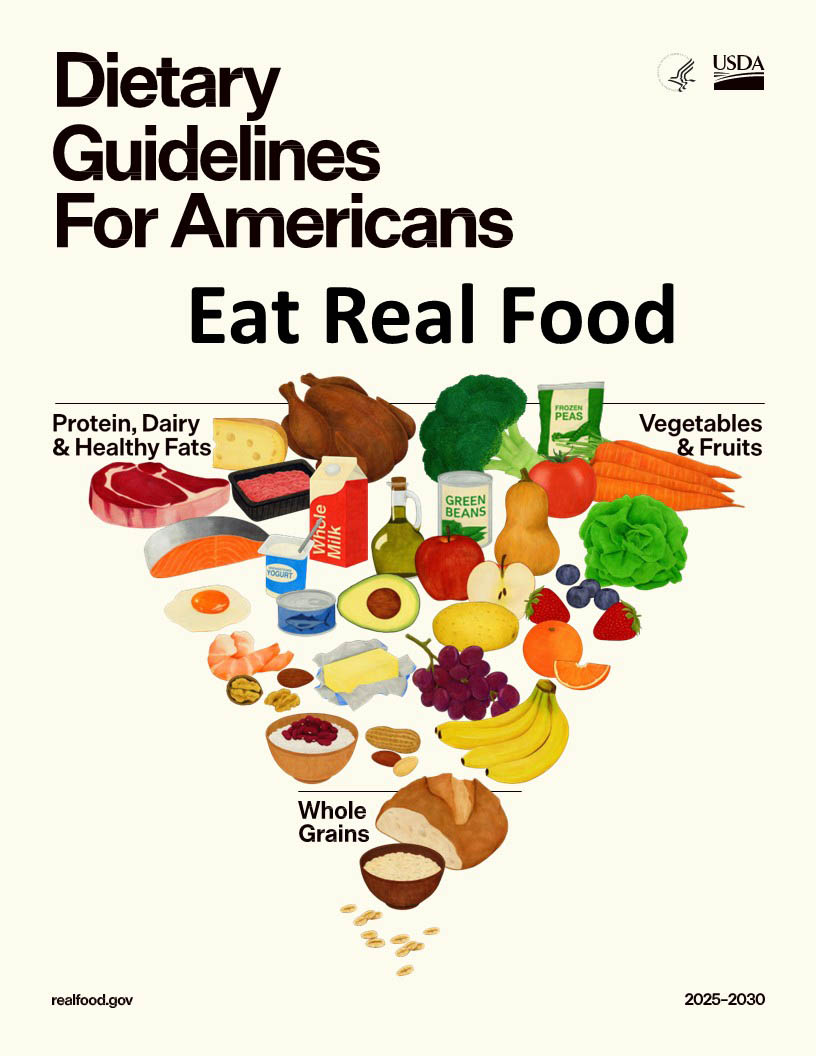
Unless you have cut yourself off from all outside media, you already know the USDA has just released new “Dietary Guidelines For Americans” and a new, upside down, food pyramid.

Both the AMA and AHA have endorsed the new guidelines with some reservations. But like everything else in today’s world they have become both political and controversial.

  • Some experts are saying, “The new guidelines are fantastic. They will make Americans much healthier. It’s about time the government caught up with the latest scientific advances.
  • Others are saying, “The new guidelines are terrible. They will set medicine back 20 years.”

As usual, the truth lies somewhere in the middle. I will explore that middle ground and discuss the pros and cons of the new dietary guidelines and food guide pyramid in this article.

But first we should start with something everyone can agree with, “What we are doing now isn’t working!” For example:

  • The percentage of Americans who are overweight or obese is approaching 70%.
  • The United States spends more on healthcare per person than any other country in the world. But we…
    • Rank 48th in life expectancy. We not only rank below every developed country, but we also rank below many 3rd world countries.
      • And we are losing ground. In 1990, we ranked 35th in life expectancy.
    • Rank 69th in health span (healthy life expectancy).
      • Again, we are losing ground. Our ranking was 42nd in 1990.
    • Rank dead last (183rd out of 183) in health span as a percentage of life expectancy.

In short, we are falling behind the rest of the world in terms of lifespan, health span, and percentage of healthy years.

And our deteriorating health is costly.

90% of our health care spending is for preventable diseases

A Brief History Of USDA Food Guides

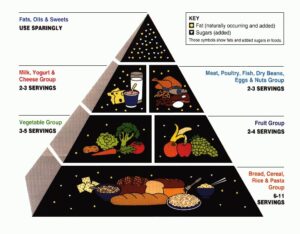
The USDA introduced the first food guide pyramid in 1992 based on the best nutrition science of the time. You probably remember the mantra:

  • 2-3 servings of dairy, preferably low fat.
  • 2-3 servings in the protein category (lean meats, fish, dry beans, eggs, and nuts).
  • 2-4 servings of fruits and 3-5 servings of vegetables.
  • 6-11 servings of grains (bread, cereals, rice, and pasta).
  • Fats, oils, and sweets were at the top of the pyramid with the caption, “Use Sparingly”.

This pyramid and the accompanying dietary guidelines were publicized so much that practically everyone knew them by heart.

Ten years later the USDA did a nutrition survey to see if their guidelines had changed American’s eating behavior. The answer was a clear, “No”. Only 5% of Americans ate according to the food guide pyramid.

The Geniuses at the USDA concluded that the food guide pyramid must be too difficult for the average American, so they introduced a simpler version, My Pyramid in 2005.

Guess what! Only 5% of Americans followed those recommendations, so they went to the super simple My Plate. By now you have probably guessed that only 5% of Americans followed the My Plate recommendations.

It turns out Americans weren’t confused by the recommendations. The recommendations were just too different from the way they were used to eating.

So, one change you will see in the new food guide pyramid is it includes some of Americans favorite foods, such as red meat, butter, and full fat dairy. Is that sacrilege or is it smart? Only time will tell.

With that in mind, let’s discuss the new “Dietary Guidelines For Americans”.

#1: Eat Real Food

This is one recommendation that virtually everyone agrees with. The average American is getting 55% of their calories from highly processed foods. And the health consequences of that much processed food are devastating. Consumption of highly processed foods is linked to higher risk of:

  • Obesity.
  • Type 2 diabetes.
  • Heart attack.
  • Stroke.
  • Some cancers.
  • Depression and anxiety.
  • Dementia
  • Premature death.

If you are wondering how we got to this point, the answer is simple. It stems from the desire of Americans to eat a healthier diet without giving up their favorite foods and the willingness of Big Food Inc (the food industry) to give us exactly what we want. For example:

  • Some people want to eat a more plant-based diet, but don’t want to give up their favorite meats. Big Food Inc is only too happy to oblige. They mix some fat, salt, and a witch’s brew of chemicals to give us phony baloney, faken bacon, and everyone’s favorite, tofurkey.
  • Some people are convinced keto diets are healthy, but don’t want to give their favorite sweets. Again, Big Food Inc is only too happy to oblige. They mix up a witch’s brew of chemicals to give us keto cookies and keto pastries.

I’m being facetious, but you get my point.

Some representatives of Big Food Inc claim that the health risks of processed foods are unproven. They are lying!

If you would like to read my reviews of major studies showing the health risks of highly processed foods, just go to https://www.chaneyhealth.com/healthtips/ and put “processed foods” in the search box.

#2: Prioritize Protein Foods at Every Meal

protein foodsThis is one of the more controversial recommendations of the new food guide pyramid. The new USDA dietary guidelines increase the protein recommendation by 50-100% compared to previous versions…

  • From 0.36 grams of protein per pound of body weight to…
  • Between 0.54 and 0.72 grams of protein per pound of body weight.

[Note: If these numbers seem different from what you have seen, that is because the official recommendations are in grams of protein per kilogram of body weight. Since most Americans have no idea what their body weight is in kilograms, those numbers are useless.]

The main criticisms about the new protein recommendations are:

#1: “There isn’t solid evidence that most people need this much protein.”

My response is that anyone who makes that claim hasn’t kept up with the last two decades of protein research.

The old 0.36/pound standard is probably OK for the average middle-aged couch potato, but higher protein intakes are needed for people who are:

  • Active, especially if they are trying to increase muscle mass, strength, or endurance.
  • Over 50 and are trying to maintain muscle mass, strength, and mobility.
  • Trying to lose weight without losing muscle, especially if they are using GLP-1 drugs.
  • Trying to reduce the risk of type 2 diabetes and other chronic diseases.

In short, almost everyone except the couch potatoes will benefit from higher protein intakes. And, yes, the latest science shows that it is best to get at least 20 grams of protein with each meal.

You can find more information about the science behind increased protein recommendations by going to https://www.chaneyhealth.com/healthtips/ and putting “protein” in the search box.

#2: “The new guidelines don’t steer people towards plant proteins”. This is a subtle distinction. The new USDA dietary guidelines include plant protein sources. But they do not recommend that they replace some of the animal proteins in the diet, as did previous versions. This allows people to choose between animal and plant proteins based on their preferences.

Those of you who have been following my “Health Tips From the Professor” blog know that I am an advocate of primarily plant-based diets. I am fully in the “replace some animal protein with vegetable protein” camp.

  • But I acknowledge that is not the way most Americans eat. Perhaps it is time to make dietary recommendations that align more closely with the way people eat if we want to get above 5% acceptance.
  • It would also be difficult to meet the new protein guidelines with plant protein alone unless you add commercially available plant protein supplements.

#3: “Higher protein intakes may be harmful for some people”. Recent research has shown that this concern is overblown for most Americans. However, there are some people who should probably check with their doctor before they increase their protein intake.

  • People who have been diagnosed with kidney disease.
  • People with genetic conditions or diseases that predispose to kidney disease. One example would be poorly controlled diabetes. [Note: I do not mean to imply that higher protein intake is likely to cause kidney disease in these situations. I included this category because people in these situations may have undiagnosed kidney disease.]

In most of these cases, you have probably been warned by your doctor to be careful about excess protein intake. But if you are uncertain about your risk for kidney disease, it never hurts to check with your doctor before increasing your protein intake.

What About Red Meat?

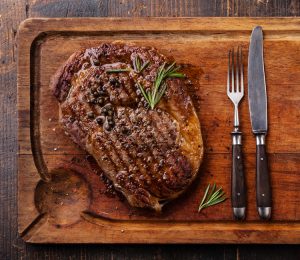
SteakThe new dietary guidelines have been criticized for emphasizing red meat. That criticism is inaccurate. It’s a “tempest in a teapot”.

In fact, red meat is pictured in both the original and the most recent versions of the food guide pyramid. And red meat is mentioned as one source of protein in both the original and the latest versions of dietary guidelines. It is given no special emphasis over other protein sources in either version of the dietary guidelines.

However, I would like to share my perspective on red meat.

  • Diet context matters. As I have said in previous issues of “Health Tips From The Professor”, fruits, vegetables, whole grains, and beans are the antidotes to all the bad aspects of red meat.” And if you look at the new food guide pyramid, red meat and other proteins are in the same neighborhood as fruits and vegetables.
  • Amount matters. Think of red meat as a garnish – for example, 2-3 ounces of red meat as part of a steak salad or stir fry with lots of veggies rather than an 8-ounce steak with fries.

#3: Consume Dairy

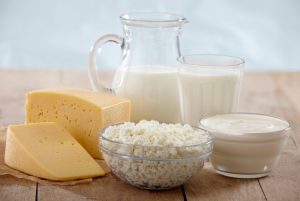
dairy foodsThe new dietary guidelines differ from previous versions in both the amount and kind of dairy foods consumed. For example:

  • The old guidelines recommended 2-3 servings of dairy foods per day.
    • The new guidelines recommend 3 servings per day as part of a 2,000-calorie dietary pattern.
    • Since most Americans consume 3,600 to 3,800 calories per day that recommendation translates to at least 5 servings per day.
  • The old guidelines recommended choosing low fat dairy foods.
    • The new guidelines say, “When consuming dairy, include full-fat dairy with no added sugars.”

Since the full-fat dairy recommendation is the most controversial change, I will address it first.

Let me start by saying that I have been a traditionalist with respect to dairy foods. I have recommended low-fat dairy foods for years. But a good scientist must be willing to change their recommendations based on the latest research findings.

And new findings have clearly challenged our perspective on full-fat dairy foods. Several large, well-designed studies over the past decade have shown that full-fat dairy foods are just as healthy as low-fat dairy foods. I will make two comments about these studies.

  • I suspect that the studies may be skewed because much of the data on full-fat dairy comes from countries where most of full-fat dairy foods are fermented – and we know that fermented dairy foods are very healthy.
    • Admittedly, I have no data to back up my suspicion, but I recommend fermented dairy foods as part of your dairy intake. That’s a recommendation everyone can agree with!
  • One recent study has suggested that diet context is important. Specifically, the study suggests that the benefits of full-fat dairy foods are greatest in the context of a healthy, primarily plant-based diet.
    • Similar observations have been made for egg consumption. That suggests that full-fat dairy and eggs provide some important nutrients that may be missing in a vegetarian diet. But in a diet that is already high in saturated fat and cholesterol, the “bad” effects of full-fat dairy and eggs may outweigh the benefits.

You can find more information about full-fat dairy by going to https://www.chaneyhealth.com/healthtips/ and putting “dairy” in the search box.

As for the amount of dairy foods you should consume, I wouldn’t get hung up on the number of servings per day. I interpret the new guidelines as saying, “Don’t be afraid of dairy. It can be an important part of your diet.”

However, the servings of dairy products are more frequently determined by lactose intolerance or sensitivity to milk protein than by dietary guidelines. Many people, including myself, can only consume small, occasional servings of dairy without experiencing digestive distress.

#4: Eat Vegetables & Fruits Throughout The Day

Colorful fruits and vegetablesThe dietary guidelines say, “Eat a variety of colorful, nutrient-dense vegetables and fruits. Specifically, the recommendation is:

  • 3 servings/day of vegetables and 2 servings/day of fruits each day.
    • Once again, the number of servings are based on a 2,000-calorie diet.
    • When you take into account the actual caloric intake of Americans, the recommendations become 3-5 servings/day of vegetables and 2-4 servings/day of fruits.

These recommendations are not controversial. They are universally accepted.

#5: Incorporate Healthy Fats

The new dietary guidelines are:

  • “Healthy fats are plentiful in many whole foods, such as meats, poultry, eggs, omega-3 rich seafood, nuts, seeds, full-fat dairy, olives, and avocados.”
    • This recommendation is not controversial.
  • “When cooking with or adding fats to meals, prioritize oils with essential fatty acids, such as olive oil. Other options can include butter or beef tallow.”
    • This is the most controversial portion of the new dietary guidelines. The usual comment is something like, “How dare they include butter and lard as healthy fats!”

I’m not a fan of lard but let me make a couple of observations about butter.

  • Butter is a whole food. Its ingredient list is typically cream, milk, and salt. If you buy the unsalted version, the ingredient list is even shorter. Margarine and butter substitutes have much longer ingredient lists, often including some questionable ingredients.
  • The frequency of butter use is important. Let me share a personal example. We eat a whole food, primarily plant-based diet. We substitute almond butter for butter on toast and muffins. But there are certain foods like potatoes, winter squash, and corn on the cob that just aren’t the same without real butter. We buy 4 sticks of butter at a time, cut it into pats of butter, and freeze it. Four sticks of butter lasts us a year.

Finally, the critics who say that the new guidelines should not include foods that are high in saturated fat are ignoring the fact that the guidelines say, “Saturated fat consumption should not exceed 10% of total daily calories.” This statement has remained constant since the first food guide pyramid in 1992.

So, the new guidelines are not recommending that we eat more saturated fat as many critics have claimed. They are saying, “A little bit of saturated fat is OK in the context of a whole food diet with lots of fruits, vegetables, and whole grains.

#6: Focus On Whole Grains

The new dietary guidelines are:

  • “Prioritize fiber-rich whole grains.”
  • “Significantly reduce the consumption of highly processed, refined carbohydrates.”

These guidelines are unchanged from previous versions of the guidelines.

What is new is that the guidelines now recommend only 2-4 servings of whole grains per day. That’s a big change from the 6-11 servings per day recommended in the original food guide pyramid.

  • If the 6-11 servings per day were whole grains, the new recommendation would represent a significant decrease in fiber intake. But that’s not how most Americans eat.
  • Since most of the grains in a typical American’s diet are highly processed and refined, reducing the recommended intake to 2-4 servings per day is a step in the right direction.

#7: Limit Highly Processed Foods, Added Sugars, & Refined Carbohydrates

fast foodI call this, “Avoid the bad stuff”. Specifically:

  • Avoid highly processed foods with added sugar and sodium.
  • Limit foods and beverages that include artificial flavors, colors, preservatives, and sweeteners
  • Avoid sugar-sweetened and artificially sweetened beverages.

These recommendations are accepted by almost everyone except the food industry.

However, I should point out that there is also a slight difference in emphasis from previous versions of the USDA dietary guidelines:

  • The new guidelines are more restrictive for added sugars than previous versions of the dietary guidelines. For example, they say:
    • One meal should contain no more than 10 grams of added sugars.
    • Children under the age of 10 should not be given foods with added sugars (previous versions of the dietary guidelines recommend avoiding added sugars for children under the age of 2).

Given the wealth of evidence that added sugars are linked to increased risk of obesity and chronic diseases, these stricter restrictions on added sugars make good sense – especially because the USDA dietary guidelines form the basis for school lunch programs.

But these guidelines are very different from how the average American eats. I’m not sure how many Americans will follow them.

#8: Limit Alcoholic Beverages

The guidelines:

  • Say, “Consume less alcohol for better overall health”.
  • List people who should completely avoid alcohol.

The only controversy about this recommendation is that it is less specific than the previous guidelines that recommended no more than 1 alcoholic drink/day for women and no more than 2/day for men.

I recognize the desire for specificity. But alcohol tolerance depends on several factors such as body weight, genetics, and medication usage.

What Does This Mean For You?

Questioning WomanThe USDA just released a new version of the Food Guide Pyramid and accompanying “Dietary Guidelines For Americans”, and they are very different from previous versions. What do these changes mean for you?

While the AMA and AHA have both endorsed the new guidelines, they have been controversial. In the article above, I have summarized the pros and cons of every recommendation. There are lots of recommendations, so it was a long article.

To help you make sense of the article let me summarize the recommendations and criticisms by dividing the recommendations into 4 categories:

#1: Recommendations that are accepted by almost everyone except the food industry. These are non-controversial.

  • Eat real food
  • Eat vegetables and fruits throughout the day.
  • Focus on whole grains.
  • Limit highly processed foods, added sugar, and refined carbohydrates.

#2: Changes in recommendations that reflect recent scientific advances. Critics of these changes simply haven’t kept up with scientific publications over the past couple of decades.

  • Increasing the daily protein recommendations.
  • Including full-fat dairy as a healthy dairy food.

#3: Tempests in a teapot: There is a kernel of truth in these criticisms, but the changes are much more modest than the critics would have you believe.

  • Including red meat in the protein recommendations.
  • Including some saturated fats in the “healthy fats” category.
  • Not including specific limits on alcohol consumption, as the previous version had done.

#4: What I would have liked to have seen:

  • More emphasis on plant proteins.
  • Elimination of lard from the “healthy fat” category.
  • Inclusion of high-quality vegetable oils in the “healthy fats” category.

The Bottom Line

The USDA just released a new version of the Food Guide Pyramid and accompanying “Dietary Guidelines For Americans”.

While the AMA and AHA have both endorsed the new guidelines, they have been controversial.

In this article I describe the pros and cons of each dietary guideline and divide them into ones for which:

  • They are clearly an improvement over the previous guideline.
  • They are accepted by almost everyone.
  • The criticism is a “tempest in a teapot”.
  • The criticism is at least partially accurate.

For more information on the pros and cons of the new “Dietary Guidelines For Americans” and how these guidelines apply to you, read the article above.

These statements have not been evaluated by the Food and Drug Administration. This information is not intended to diagnose, treat, cure or prevent any disease.

 _____________________________________________________________________________

My posts and “Health Tips From the Professor” articles carefully avoid claims about any brand of supplement or manufacturer of supplements. However, I am often asked by representatives of supplement companies if they can share them with their customers.

My answer is, “Yes, as long as you share only the article without any additions or alterations. In particular, you should avoid adding any mention of your company or your company’s products. If you were to do that, you could be making what the FTC and FDA consider a “misleading health claim” that could result in legal action against you and the company you represent.

For more detail about FTC regulations for health claims, see this link.

https://www.ftc.gov/business-guidance/resources/health-products-compliance-guidance

_______________________________________________________________________

About The Author 

Dr. Chaney has a BS in Chemistry from Duke University and a PhD in Biochemistry from UCLA. He is Professor Emeritus from the University of North Carolina where he taught biochemistry and nutrition to medical and dental students for 40 years.  Dr. Chaney won numerous teaching awards at UNC, including the Academy of Educators “Excellence in Teaching Lifetime Achievement Award”. Dr Chaney also ran an active cancer research program at UNC and published over 100 scientific articles and reviews in peer-reviewed scientific journals. In addition, he authored two chapters on nutrition in one of the leading Biochemistry textbooks for medical students.

Since retiring from the University of North Carolina, he has been writing a weekly health blog called “Health Tips From the Professor”. He has also written two best-selling books, “Slaying the Food Myths” and “Slaying the Supplement Myths”. And most recently he has created an online lifestyle change course, “Create Your Personal Health Zone”. For more information visit https://chaneyhealth.com.

For the past 55 years Dr. Chaney and his wife Suzanne have been helping people improve their health holistically through a combination of good diet, exercise, weight control and appropriate supplementation.



Do Produce Prescriptions Improve Health?

What Are The Pros And Cons Of Produce Prescriptions?

Author: Dr. Stephen Chaney 

Can you imagine a world in which doctors asked their patients how many fruits and vegetables they were eating rather than how many drugs they were taking? Can you imagine a world in which doctors advised their patients to try a healthier diet before they put them on drugs?

Unfortunately, that world doesn’t exist currently and is unlikely to exist in the foreseeable future.

But what if there were another approach to encourage healthier eating? And what if it made a meaningful impact on people’s health?

There is such an approach, and it’s called a “produce prescription”.

“What are produce prescriptions?”, you might ask. Simply put, produce prescriptions are government programs that provide lower-income Americans with food insecurity extra income that can only be spent on fresh fruits and vegetables.

And it isn’t a lot of extra income. Previous studies have shown that lower-income Americans only need an extra $63 to $78/month to afford the recommended 3-5 servings of fresh fruits and vegetables a day.

But do produce prescriptions work? Do they significantly improve the diet and health of lower-income Americans who participate in programs offering produce prescriptions?

These are the questions that the authors of the current study (K Hager et al, Circulation: Cardiovascular Quality And Outcomes; 16:e009520, 2023) set out to answer.

How Was The Study Done?

clinical studyThe authors evaluated the results from 9 pilot produce prescription studies that were administered at 22 sites in 12 states between 2014 and 2020. These pilot studies were generally funded as experimental programs through Medicare and SNAP.

The pilot programs enrolled:

  • Adults at risk for poor cardiometabolic health (at risk for both heart disease and diabetes). The enrollment criteria included being overweight or obese and having either diabetes or elevated blood pressure.
  • Children who were overweight or obese.
  • People recruited from health centers serving predominantly low-income neighborhoods who were food insecure.

The authors of the study only included pilot studies that collected data on food intake and measured at least 1 biomarker of improved health (BMI (a measure of obesity), HbA1c (a measure of blood sugar control) and blood pressure).

The income incentive to purchase more fruits and vegetables varied from state to state but averaged $63/month.

With these criteria the study included 1817 children and 2064 adults.

The adults:

  • Averaged 54.4 years old.
  • Were 70.7% female, 29.8% non-Hispanic White, 45.1% non-Hispanic Black, 21.4% Hispanic, 3.6% other.

The children:

  • Averaged 9.2 years old.
  • Were 51.4% female, 9.2% non-Hispanic White, 13.1% non-Hispanic Black, 75.5% Hispanic, 2.3% other.

Overall:

  • 3% of families enrolled in the program experienced food insecurity.
  • 7% of families enrolled in the program were involved in SNAP.

Finally, the programs lasted an average of 6 months.

Do Produce Prescriptions Improve Health?

The results were encouraging:

  • At the beginning of the study fruit and vegetable intake was 2.7 cups/day for adults and 3.4 cups/day for children.
  • By the end of the study fruit and vegetable intake increased by 0.85 cups/day for adults and 0.26 cups/day for children.

Note: It is unfortunate that the authors chose to report fruit and vegetable consumption as cups/day because most of us think in terms of servings per day and the relationship between servings and cups varies with each fruit and vegetable. For example, one cup represents:

  • One serving of raw spinach.
  • Two servings of cooked spinach.
  • Two servings of most fruits.
  • One serving of bananas.

I could go on, but you get the point.

  • So, perhaps a better way to think about these results would be to say both adults and children in these low-income households were eating around 3.6 cups/day of fruit and vegetable intake – a 31% increase for adults and a 7.6% increase for children.
  • Another way of thinking about it would be to say that produce prescription programs got both adults and children in food-insecure households up to a healthier 3.6 cups/day of fruits and vegetables.

As for other outcomes:

  • Food insecurity dropped by one third for families participating in these programs.
  • The families reported that they felt healthier.
  • BMI (a measure of overweight and obesity) decreased for both adults and children.
  • HbA1c (a measure of blood sugar control) and blood pressure decreased in adults with cardiometabolic disease (heart disease and diabetes) at the beginning of the programs.

In the words of the authors, “In this large, multisite evaluation, produce prescriptions were associated with significant improvements in fruit and vegetable intake, food security, and health status for adults and children, and clinically relevant improvements in glycated hemoglobin (HbA1c), blood pressure, and BMI for adults with poor cardiometabolic health.”

What Are The Pros And Cons Of Produce Prescriptions?

pros and consThe pros are obvious.

Food insecurity in low-income neighborhoods is a major problem. In the words of the authors:

  • “Food insecurity is strongly associated with poor health outcomes and higher health care costs.
  • Food-insecure individuals under use medications and choose cheaper, unhealthful foods due to costs.
  • [There are] stark disparities in household food insecurity…by race/ethnicity, with 7.1% of White, non-Hispanic households experiencing food insecurity compared with 21.7% of Black, non-Hispanic households, and 17.2% of Hispanic households.”

The authors do not claim that food insecurity is the only cause of health disparities in this country, but a simple program that reduces food insecurity and improves health outcomes is an obvious plus.

But there are cons as well.

  • While the results of these programs were statistically and clinically significant, they were relatively modest. In the words of the authors, “Produce prescriptions may need to be of longer duration or combined with additional components…”
  • Most Americans have the income to buy more fruits and vegetables but chose not to. Programs like this can reduce health disparities but are unlikely to improve the health of the American population as a whole.
  • There was no mention of the cost of implementing this program nationwide in the article, but that is likely to be a major stumbling block.

Unfortunately, government agencies never think of replacing old programs that don’t work with new programs that do work. They only think of adding the cost of the new program to their current budget.

Unfortunately, once you start talking about programs that increase government spending, they become political footballs. Because of this many beneficial programs end up in the dustbin of history.

The Bottom Line 

Food insecurity among low-income households is a major cause of health disparities in this country. Several states across the country have piloted an idea called produce prescription programs. Simply put, these programs provide high-risk families who have food insecurity and poor health with a monthly stipend that can only be used to purchase fresh fruits and vegetables from grocery stores and farmers markets.

A recent study evaluated the effectiveness of these pilot programs and found the produce prescription programs:

  • Improved fruit and vegetable intake for the families who participated in the programs.

In addition:

  • Food insecurity dropped by one third for families participating in these programs.
  • The families reported that they felt healthier.
  • BMI (a measure of overweight and obesity) decreased for both adults and children.
  • HbA1c (a measure of blood sugar control) and blood pressure decreased in adults with cardiometabolic disease (heart disease and diabetes) at the beginning of the programs.

In the words of the authors, “In this large, multisite evaluation, produce prescriptions were associated with significant improvements in fruit and vegetable intake, food security, and health status for adults and children, and clinically relevant improvements in glycated hemoglobin (HbA1c), blood pressure, and BMI for adults with poor cardiometabolic health.”

For more information on this study and a summary of the pros and cons of produce prescription programs, read the article above.

These statements have not been evaluated by the Food and Drug Administration. This information is not intended to diagnose, treat, cure, or prevent any disease.
____________________________________________________________________________

My posts and “Health Tips From the Professor” articles carefully avoid claims about any brand of supplement or manufacturer of supplements. However, I am often asked by representatives of supplement companies if they can share them with their customers.

My answer is, “Yes, as long as you share only the article without any additions or alterations. In particular, you should avoid adding any mention of your company or your company’s products. If you were to do that, you could be making what the FTC and FDA consider a “misleading health claim” that could result in legal action against you and the company you represent.

For more detail about FTC regulations for health claims, see this link.

https://www.ftc.gov/business-guidance/resources/health-products-compliance-guidance

Are All Carbs Bad?

Are Low Carb Enthusiasts Right About The Dangers Of Carbohydrates?

Author: Dr. Stephen Chaney 

Low carb enthusiasts have been on the warpath against carbohydrates for years.

Almost everyone agrees that sugar-sweetened sodas and highly processed, refined foods with added sugar are bad for us. But low carb enthusiasts claim that we should also avoid fruits, grains, and starchy vegetables. Have they gone too far?

Several recent studies suggest they have. For example, both association studies and randomized controlled studies suggest that total carbohydrate intake is neither harmful nor beneficial for heart health.

In addition, recent studies suggest that free sugar intake is associated with both elevated triglyceride levels and an increase in heart disease risk.

But those studies have mostly looked at free sugar intake from sugar-sweetened sodas. The authors of this study (RK Kelley et al, BMC Medicine, 21:34, 2023) decided to look more carefully at the effect of all free sugars and other types of carbohydrates on triglyceride levels and heart disease risk.

How Was This Study Done?

clinical studyThe 110,497 people chosen for this study were a subgroup of participants in the UK Biobank Study, a large, long-term study looking at the contributions of genetic predisposition and environmental exposure (including diet) to the development of disease in England, Scotland, and Wales.

The participants in this study were aged between 37 and 73 (average age = 56) on enrollment and were followed for an average of 9.4 years. None of them had a history of heart disease or diabetes or were taking diabetic medications at the time of enrollment.

During the 9.4-year follow-up, five 24-hour dietary recalls were performed, so that usual dietary intake could be measured rather than dietary intake at a single time point. The people in this study participated in an average of 2.9 diet surveys, and none of them had less than two diet surveys.

The averaged data from the dietary recalls were analyzed for the amount and kinds of carbohydrate in the diet. With respect to the types of carbohydrate, the following definitions would be useful.

  • The term free sugars includes all monosaccharides and disaccharides added to foods by the manufacturer, cook, or consumer, plus sugars naturally present in honey, syrups, and unsweetened fruit juices.
  • The term non-free sugars includes all sugars not in the free sugar category, mostly sugars naturally occurring in fruits, vegetables, and dairy products.
  • The term refined grains includes white bread, white pasta, white rice, most crackers and cereals, pizza, and grain dishes with added fat.
  • The term whole grains includes wholegrain bread, wholegrain pasta, brown rice, bran cereal, wholegrain cereals, oat cereal, and muesli.

Finally, the study looked at the association of total carbohydrate and each class of carbohydrate defined above with all heart disease, heart attacks, stroke, and triglyceride levels.

Are All Carbs Bad?

Question MarkThe study looked at total carbohydrate intake, free sugar intake, and fiber intake. In each case, the study divided the participants into quartiles and compared those in the highest quartile with those in the lowest quartile.

Using this criterion:

  • Total carbohydrate intake was not associated with any cardiovascular outcome measured (total heart disease risk, heart attack risk, and stroke risk).
  • Free sugar intake was positively associated with all cardiovascular outcomes measured. Each 5% increase in caloric intake from free sugars was associated with a:
    • 7% increase in total heart disease risk.
    • 6% increase in heart attack risk.
    • 10% increase in stroke risk.
    • 3% increase in triglyceride levels.
  • Fiber intake was inversely associated with total heart disease risk. Specifically, each 5 gram/day increase in fiber was associated with a:
    • 4% decrease in total heart disease risk.

The investigators also looked at the effect of replacing less healthy carbohydrates with healthier carbohydrates. They found that:

  • Replacing 5% of caloric intake from refined grains with whole grains reduced both total heart disease risk and stroke risk by 6%.
  • Replacing 5% of caloric intake from free sugars (mostly sugar-sweetened beverages, fruit juices, and processed foods with added sugar) with non-free sugars (mostly fruits, vegetables, and dairy products) reduced total heart disease risk by 5% and stroke risk by 9%.

Are Low Carb Enthusiasts Right About The Dangers Of Carbohydrates?

With these data in mind let’s look at the claims of the low-carb enthusiasts.

Claim #1: Carbohydrates raise triglyceride levels. This study shows:

  • This claim is false with respect to total carbohydrate intake and high fiber carbohydrate intake (fruits, vegetables, and whole grains. This study did not measure intake of beans, nuts, and seeds, but they would likely be in the same category).
  • However, this claim is true with respect to foods high in free sugars (sugar-sweetened beverages, fruit juices, and processed foods with added sugar).

Claim #2: Carbohydrates increase heart disease risk. This study shows:

  • That claim is false with respect to total carbohydrate intake and high fiber carbohydrate intake.
  • However, this claim is true with respect to foods high in free sugars.

Claim #3: Carbohydrates cause weight gain [Note: Low carb enthusiasts usually word it differently. Their claim is that eliminating carbohydrates will help you lose weight. But that claim doesn’t make sense unless you believed eating carbohydrates caused you to gain weight.] This study shows:

  • This claim is false with respect to total carbohydrate intake and high fiber carbohydrate intake.
  • Once again, this claim is true with respect to foods high in free sugars.

The data with high fiber carbohydrates was particularly interesting. When the authors compared the group with the highest fiber intake to the group with the lowest fiber intake, the high-fiber group:

  • Consumed 33% more calories per day.
  • But had lower BMI and waste circumference (measures of obesity) than the low-carbohydrate group.

This suggests that you don’t need to starve yourself to lose weight. You just need to eat healthier foods.

And, in case you were wondering, the high fiber group ate:

  • 5 more servings of fruits and vegetables and…
  • 2 more servings of whole grain foods than the low fiber group.

This is consistent with several previous studies showing that diets containing a lot of fruits, vegetables, and whole grains are associated with a healthier weight.

The authors concluded, “Higher free sugar intake was associated with higher cardiovascular disease incidence and higher triglyceride concentrations…Higher fiber intake and replacement of refined grain starch and free sugars with wholegrain starch and non-free sugars, respectively, may be protective for incident heart disease.”

In short, with respect to heart disease, the type, not the amount of dietary carbohydrate is the important risk factor.

What Does This Mean For You?

Questioning WomanForget the low carb “mumbo jumbo”.

  • Carbohydrates aren’t the problem. The wrong kind of carbohydrates are the problem. Fruit juice, sugar-sweetened sodas, and processed foods with added sugar:
    • Increase triglyceride levels.
    • Are associated with weight gain.
    • Increase the risk for heart disease.
  • In other words, they are the villains. They are responsible for the bad effects that low carb enthusiasts ascribe to all carbohydrates.
  • Don’t fear whole fruits, vegetables, dairy, and whole grain foods. They are the good guys.
    • They have minimal effect on triglyceride levels.
    • They are associated with healthier weight.
    • They are associated with a lower risk of heart disease and diabetes.

So, the bottom line for you is simple. Not all carbs are created equal.

  • Your mother was right. Eat your fruits, vegetables, and whole grains.
  • Avoid fruit juice, sodas and other sugar-sweetened beverages, and processed foods with added sugar. [Note: Artificially sweetened beverages are no better than sugar-sweetened beverages, but that’s another story for another day.]

And, if you were wondering why low carb diets appear to work for weight loss, it’s because any restrictive diet works short term. As I have noted previously, keto and vegan diets work equally well for short-term weight loss.

The Bottom Line 

Low carb enthusiasts have been telling us for years to avoid all carbohydrates (including fruits, starchy vegetables, and whole grains) because carbohydrates:

  • Increase triglyceride levels.
  • Cause weight gain.
  • Increase our risk for heart disease.

A recent study has shown that these claims are only true for some carbohydrates, namely fruit juices, sodas and other sugar-sweetened beverages, and processed foods with added sugar.

Whole fruits, vegetables, and whole grain foods have the opposite effect. They:

  • Have a minimal effect on triglyceride levels.
  • Are associated with a healthier weight.
  • Are associated with a lower risk of heart disease and diabetes.

So, forget the low carb “mumbo jumbo” and be sure to eat your fruits, vegetables, and whole grains.

For more information on this study and what it means for you, read the article above.

These statements have not been evaluated by the Food and Drug Administration. This information is not intended to diagnose, treat, cure, or prevent any disease.

___________________________________________________________________________

My posts and “Health Tips From the Professor” articles carefully avoid claims about any brand of supplement or manufacturer of supplements. However, I am often asked by representatives of supplement companies if they can share them with their customers.

My answer is, “Yes, as long as you share only the article without any additions or alterations. In particular, you should avoid adding any mention of your company or your company’s products. If you were to do that, you could be making what the FTC and FDA consider a “misleading health claim” that could result in legal action against you and the company you represent.

For more detail about FTC regulations for health claims, see this link.

https://www.ftc.gov/business-guidance/resources/health-products-compliance-guidance

Can Diet Protect Your Mind?

Which Diet Is Best?

Author: Dr. Stephen Chaney 

can diet prevent alzheimer'sAlzheimer’s is a scary disease. There is so much to look forward to in our golden years. We want to enjoy the fruits of our years of hard work. We want to enjoy our grandkids and perhaps even our great grandkids. More importantly, we want to be able to pass on our accumulated experiences and wisdom to future generations.

Alzheimer’s and other forms of dementia have the potential to rob us of everything that makes life worth living. What is the use of having a healthy body, family, and fortune if we can’t even recognize the people around us?

Alzheimer’s and other forms of dementia don’t happen overnight. The first symptoms of cognitive decline are things like forgetting names, where you left things, what you did last week. For most people it just keeps getting worse.

Can diet protect your mind? Recent studies have given us a ray of hope. For example, several meta-analyses have shown that adherence to the Mediterranean diet was associated with a 25-48% lower risk of cognitive decline and dementia.

However, there were several limitations to the studies included in these meta-analyses. For example:

  • For most of the studies the diet was assessed only at the beginning of the study. We have no idea whether the participants followed the same diet throughout the study. This means, we cannot answer questions like:
    • What is the effect of long-term adherence to a healthy diet?
    • Can you reduce your risk of cognitive decline if you switch from an unhealthy diet to a healthy diet?
  • These studies focused primarily on the Mediterranean diet. This leaves the question:
    • What about other healthy diets? Is there something unique about the Mediterranean diet, or do other healthy diets also reduce the risk of cognitive decline?

This study (C Yuan et al, American Journal of Clinical Nutrition, 115: 232-243, 2022) was designed to answer those questions.

How Was The Study Done?

clinical studyThe investigators utilized data from The Nurse’s Health Study. They followed 49,493 female nurses for 30 years from 1984 to 2014. The average age of the nurses in 1984 was 48 years, and none of them had symptoms of cognitive decline at the beginning of the study.

The nurse’s diets were analyzed in 1984, 1986, and every 4 years afterwards until 2006. Diets were not analyzed during the last 8 years of the study to eliminate something called “reverse causation”. Simply put, the investigators were trying to eliminate the possibility that participants in the study might change their diet because they were starting to notice symptoms of cognitive decline.

The data from the dietary analyses were used to calculate adherence to 3 different healthy diets:

  • The Mediterranean diet.
  • The DASH diet. The DASH diet was designed to reduce the risk of high blood pressure. But you can think of it as an Americanized version of the Mediterranean diet.
  • The diet recommended by the USDA. Adherence to this diet is evaluated by something called the Alternative Healthy Eating Index or AHEI.

Adherence to each diet was calculated by giving a positive score to foods that were recommended for the diet and a negative score for foods that were not recommended for the diet. For more details, read the article.

In 2012 and 2014 the nurses were asked to fill out questionnaires self-assessing the early stages of cognitive decline. They were asked if they had more trouble than usual:

  • Remembering recent events or remembering a short list of items like a grocery list (measuring memory).
  • Understanding things, following spoken instructions, following a group conversation, or following a plot in a TV program (measuring executive function).
  • Remembering things from one second to the next (measuring attention).
  • Finding ways around familiar streets (measuring visuospatial skills).

The extent of cognitive decline was calculated based on the number of yes answers to these questions.

Can Diet Protect Your Mind?

Vegan FoodsHere is what the investigators found when they analyzed the data:

At the beginning of the study in 1984 there were 49,493 female nurses with an average age of 48. None of them had symptoms of cognitive decline.

  • By 2012-2014 (average age = 76-78) 46.9% of them had cognitive decline and 12.3% of them had severe cognitive decline.

Using the data on dietary intake and the rating systems specific to each of the diets studied, the investigators divided the participants into thirds based on their adherence to each diet. The investigators then used these data to answer two important questions that no previous study had answered:

#1: What is the effect of long-term adherence to a healthy diet? To answer this question the investigators averaged the dietary data obtained every 4 years between 1984 and 2006 to obtain cumulative average scores for adherence to each diet. When the investigators compared participants with the highest adherence to various healthy diets for 30 years to participants with the lowest adherence to those diets, the risk of developing severe cognitive decline was decreased by:

  • 40% for the Mediterranean diet.
  • 32% for the DASH diet.
  • 20% for the USDA-recommended healthy diet (as measured by the AHEI score).

#2: Can you reduce your risk of cognitive decline if you switch from an unhealthy diet to a healthy diet? To answer this question, the investigators looked at participants who started with the lowest adherence to each diet and improved to the highest adherence by the end of the study. This study showed that improving from an unhealthy diet to a healthy diet over 30 years decreased the risk of developing severe cognitive decline by:

  • 20% for the Mediterranean diet.
  • 25% for the DASH diet.

There were a few other significant observations from this study.

  • The inverse association between healthy diets and risk of cognitive decline was greater for nurses who had high blood pressure.
    • This is an important finding because high blood pressure increases the risk of cognitive decline.
  • The inverse association between healthy diets and risk of cognitive decline was also greater for nurses who did not have the APOE-ɛ4 gene.
    • This illustrates the interaction of diet and genetics. The APOE-ɛ4 gene increases the risk of cognitive decline. Healthy diets reduced the risk of cognitive decline in nurse with the APOE-ɛ4 gene but not to the same extent as for nurses without the gene.

This study did not investigate the mechanism by which healthy diets reduced the risk of cognitive decline, but the investigators speculated it might be because these diets:

  • Were anti-inflammatory.
  • Supported the growth of healthy gut bacteria.

The investigators concluded, “Our findings support the beneficial roles of long-term adherence to the [Mediterranean, DASH, and USDA] dietary patterns for maintaining cognition in women…Further, among those with initially relatively low-quality diets, improvement in diet quality was associated with a lower likelihood of developing severe cognitive decline. These findings indicate that improvements in diet quality in midlife and later may have a role in maintenance of cognitive function among women.”

Which Diet Is Best?

Mediterranean Diet FoodsIn a sense this is a trick question. That’s because this study did not put the participants on different diets. It simply analyzed the diets the women were eating in different ways. And while the algorithms they were using were diet-specific, there was tremendous overlap between them. For more specifics on the algorithms used to estimate adherence to each diet, read the article.
That is why the investigators concluded that all three diets they analyzed reduced the risk of cognitive decline rather than highlighting a specific diet. However, based on this and numerous previous studies the evidence is strongest for the Mediterranean and DASH diets.

And I would be remiss if I didn’t also mention the MIND diet. While it was not included in this study, the MIND diet:

  • Was specifically designed to reduce cognitive decline.
  • Can be thought of as a combination of the Mediterranean and DASH diets.
  • Includes data from studies on the mind-benefits of individual foods. For example, it recommends berries rather than all fruits.

The MIND diet has not been as extensively studied as the Mediterranean and DASH diets, but there is some evidence that it may be more effective at reducing cognitive decline than either the Mediterranean or DASH diets alone.

Which Foods Are Best?

AwardThe authors of this study felt it was more important to focus on foods rather than diets. This is a better approach because we eat foods rather than diets. With that in mind they analyzed their data to identify the foods that prevented cognitive decline and the foods increased cognitive decline. This is what they found:

  • Fruits, fruit juices, vegetables, fish, nuts, legumes, low-fat dairy, and omega-3 fatty acids (fish oil) reduced the risk of cognitive decline.
  • Red and processed meats, omega-6 fatty acids (most vegetable oils), and trans fats increased the risk of cognitive decline.

While this study did not specifically look at the effect of processed foods on cognitive decline, diets high in the mind-healthy foods listed above are generally low in sodas, sweets, and highly processed foods.

What Does This Study Mean For You?

Question MarkThe question, “Can diet protect your mind”, is not a new one. Several previous studies have suggested that healthy diets reduce the risk of cognitive decline, but this study breaks new ground. It shows for the first time that:

  • Long-term adherence to a healthy diet can reduce your risk of cognitive decline by up to 40%.
    • This was a 30-year study, so we aren’t talking about “diet” in the traditional sense. We aren’t talking about short-term diets to drop a few pounds. We are talking about a life-long change in the foods we eat.
  • If you currently have a lousy diet, it’s not too late to change. You can reduce your risk of cognitive decline by switching to a healthier diet.
    • This is perhaps the best news to come out of this study.

Based on current evidence, the best diets for protecting against cognitive decline appear to be the Mediterranean, DASH, and MIND diets.

And if you don’t like restrictive diets, my advice is to:

  • Eat more fruits, fruit juices, vegetables, fish, nuts, legumes, low-fat dairy, and omega-3 fatty acids (fish oil).
  • Eat less red and processed meats, omega-6 fatty acids (most vegetable oils), and trans fats.
  • Eat more plant foods and less animal foods.
  • Eat more whole foods and less sodas, sweets, and processed foods.

And, of course, a holistic approach is always best. Other lifestyle factors that help reduce your risk of cognitive decline include:

  • Regular exercise.
  • Weight control.
  • Socialization.

  • Memory training (mental exercises).

The Bottom Line 

Alzheimer’s is a scary disease. What is the use of having a healthy body, family, and fortune if we can’t even recognize the people around us?

A recent study looked at the effect of diet on cognitive decline in women. The study started with middle-aged women (average age = 48) and followed them for 30 years. The investigators then used these data to answer two important questions that no previous study had answered:
#1: What is the effect of long-term adherence to a healthy diet? When the investigators compared participants with the highest adherence to various healthy diets for 30 years to participants with the lowest adherence to those diets, the risk of developing severe cognitive decline was decreased by:

  • 40% for the Mediterranean diet.
  • 32% for the DASH diet.
  • 20% for the USDA recommendations for a healthy diet.

#2: Can you reduce your risk of cognitive decline if you switch from an unhealthy diet to a healthy diet? This study showed that improving from an unhealthy diet to a healthy diet over 30 years decreased the risk of developing severe cognitive decline by:

  • 20% for the Mediterranean diet.
  • 25% for the DASH diet.

The investigators concluded, “Our findings support the beneficial roles of long-term adherence to the [Mediterranean, DASH, and USDA] dietary patterns for maintaining cognition in women…Further, among those with initially relatively low-quality diets, improvement in diet quality was associated with a lower likelihood of developing severe cognitive decline. These findings indicate that improvements in diet quality in midlife and later may have a role in maintenance of cognitive function among women.”

For more details on the study, which diets, and which foods are best for protecting your mind, and what this study means for you, read the article above.

These statements have not been evaluated by the Food and Drug Administration. This information is not intended to diagnose, treat, cure, or prevent any disease.

Eating Of The Green

Why Is Eating Green Good For Your Heart? 

Author: Dr. Stephen Chaney

You may be one of the millions of Americans who celebrated St. Patrick’s Day a couple of weeks ago. If so, you may have sung the famous Irish folk song “The Wearing of the Green”. If you are Irish, that song has special meaning for you. However, when I hear that song, I think of “Eating of the Green.”

And when I think of eating green, I don’t mean that everything we eat should be green. I am thinking of whole fruits and vegetables in a variety of colors. We have known for years that fruits and vegetables are good for our health. Consumption of fruits and vegetables is associated a lower risk of high blood pressure, heart disease, cancer, inflammatory diseases, and much more.

For today’s health tip, I am going to focus on heart health and an unexpected explanation for how fruits and vegetables reduce our risk of heart disease.

Why Is Eating Green Good For Your Heart?

health benefits of beetroot juiceWe have assumed that whole fruits and vegetables lower our risk of heart disease because they are low in saturated fats and provide heart-healthy nutrients, phytonutrients, and fiber. All of that is true. But could there be more?

Recent research has suggested that the nitrates found naturally in fruits and vegetables may also play a role in protecting our hearts. Here is what recent research shows:

  • The nitrates from fruits and vegetables are converted to nitrite by bacteria in our mouth and intestines.
    • Fruits and vegetables account for 80% of the nitrate in our diet. The rest comes from a variety of sources including the nitrate added as a preservative to processed meats.
    • Although all fruits and vegetables contain nitrates, the best sources are green leafy vegetables and beetroot. [Beet greens are delicious and also a good source of nitrate, but beetroot is the part of the beet we usually consume.]
  • Nitrite is absorbed from our intestine and converted to nitric oxide by a variety of enzymes in our tissues.
  • Both reactions require antioxidants like vitamin C, which are also found in fruits and vegetables.

Nitric oxide has several heart healthy benefits. For example:

  • It helps reduce inflammation in the lining of blood vessels. Inflammation stimulates atherosclerosis, blood clot formation, and is associated with an increased risk of heart disease.
  • It relaxes the smooth muscle cells that surround our blood vessels. This makes the blood vessels more flexible and helps reduce blood pressure.
  • It prevents smooth muscle cells from proliferating, which prevents them from invading and constricting our arteries. This, in turn, has the potential to reduce the risk of atherosclerosis.
  • It prevents platelet aggregation. This, in turn, has the potential to reduce the risk of heart attack and stroke due to blood clots that block the flow of blood to our heart or brain.

It is well established that nitrates from fruits and vegetables reduce blood pressure. More importantly, they can help slow the gradual increase in blood pressure as we age.

However, few studies have asked whether this reduction in blood pressure translates into improved cardiovascular outcomes. This study (CP Bondonno et al, European Journal of Epidemiology, 36: 813-825, 2021) was designed to answer that question.

How Was This Study Done?

Clinical StudyThis study made use of data from the Danish Diet, Cancer, and Health Program. That program enrolled 53,150 participants from Copenhagen and Aarhus between 1993 and 1997 and followed them for an average of 21 years. None of the participants had a diagnosis of cancer or heart disease at the beginning of the study.

Other characteristics of the participants at the time they were enrolled in the study were:

  • 46% male
  • Average age = 56
  • BMI = 26 (>20% overweight)
  • Average systolic blood pressure = 140 mg Hg
  • Average diastolic blood pressure = 84 mg Hg

At the beginning of the study, participants filled out a 192-item food frequency questionnaire that assessed their average intake of various food and beverage items over the previous 12 months. The vegetable nitrate content of their diets was analyzed using a comprehensive database of the nitrate content of 178 vegetables. For those vegetables not consumed raw, the nitrate content was reduced by 50% to account for the nitrate loss during cooking.

Blood pressure was measured at the beginning of the study. Data on the incidence (first diagnosis) of heart disease during the study was obtained from the Danish National Patient Registry. Data were collected on diagnosis of the following heart health parameters:

  • Cardiovascular disease (all diseases of the circulatory system).
  • Ischemic heart disease (lack of sufficient blood flow to the heart). The symptoms of ischemic heart disease range from angina to myocardial infarction (heart attack).
  • Ischemic stroke (lack of sufficient blood flow to the brain).
  • Hemorrhagic stroke (bleeding in brain).
  • Heart failure.
  • Peripheral artery disease (lack of sufficient blood flow to the extremities).

Is Nitrate From Vegetables Good For Your Heart?

strong heartIntake of nitrate from vegetables ranged from 18 mg/day (<1/3 serving of nitrate-rich vegetables per day) to 168 mg (almost 3 servings of nitrate-rich vegetables per day). The participants were grouped into quintiles based on their vegetable nitrate intake. When the group with the highest vegetable nitrate intake was compared to the group with the lowest vegetable nitrate intake:

  • Systolic blood pressure was reduced by 2.58 mg Hg.
  • Diastolic blood pressure was reduced by 1.38 mg Hg.
  • Risk of cardiovascular disease was reduced by 14%.
  • Risk of ischemic heart disease (angina and heart attack) was reduced by 13%.
  • Risk of ischemic stroke (stroke caused by lack of blood flow to the brain) was reduced by 14%.
  • Risk of heart failure was reduced by 17%.
  • Risk of peripheral artery disease was reduced by 31%.
  • Risk of hemorrhagic stroke (bleeding in the brain) was not significantly reduced.

Two other observations were of interest:

  • Blood pressure and risk of peripheral artery disease decreased with increasing vegetable nitrate intake in a relatively linear fashion. However, the other parameters of heart disease plateaued at a modest intake of vegetable nitrate intake (around one cup of nitrate-rich vegetables per day). This suggests that as little as one serving of nitrate-rich vegetables a day is enough to provide some heart health benefits.
  • Only about 21.9% of the improvement in heart health could be explained by the decrease in blood pressure. This is not surprising when you consider the other beneficial effects of nitric oxide described above.

The authors concluded, “Consumption of at least ~60 mg/day of vegetable nitrate (~ one serving of green leafy vegetables or beets) may mitigate risk of cardiovascular disease.”

Are Nitrates Good For You Or Bad For You?

questionsYou are probably thinking, “Wait a minute. I thought nitrates and nitrites were supposed to be bad for me. Which is it? Are nitrates good for me or bad for me?”

It turns out that nitrates and nitrites are kind of like Dr. Jekyll and Mr. Hyde. They can be either good or bad. It depends on the food they are in and your overall diet.

Remember the beginning of this article when I said that the conversion of nitrates to nitric oxide depended on the presence of antioxidants? Vegetables are great sources of antioxidants. So, when we get our nitrate from vegetables, most of it is converted to nitric oxide. And, as I discussed above, nitric oxide is good for us.

However, when nitrates and nitrites are added to processed meats as a preservative, the story is much different. Processed meats have zero antioxidants. And the protein in the meats is broken down to amino acids in our intestine. The amino acids combine with nitrate to form nitrosamines, which are cancer-causing chemicals. Nitrosamines are bad for us.

Of course, we don’t eat individual foods by themselves. We eat them in the context of a meal. If you eat small amounts of nitrate-preserved processed meats in the context of a meal with antioxidant-rich fruits and vegetables, some of the nitrate will be converted to nitric oxide rather than nitrosamines. The processed meat won’t be as bad for you.

Eating Of The Green

spinachYour mother was right. You should eat your fruits and vegetables!

  • The USDA recommends at least 3 servings of vegetables and 2 servings of fruit a day.
  • Based on this study, at least one of those servings should be nitrate-rich vegetables like green leafy vegetables and beets.
  • If you don’t like any of those, radishes, turnips, watercress, Bok choy, Chinese cabbage, kohlrabi, chicory leaf, onion, and fresh garlic are also excellent sources of nitrate.
  • The good news is that you may not need to eat green leafy vegetables and beets with every meal. If this study is correct, one serving per day may have heart health benefits. That means you can enjoy a wide variety of fresh fruits and vegetables as you try to meet the USDA recommendations.

Finally, if you don’t like any of those foods, you may be asking, “Can’t I just take a nitrate supplement?”

  • For blood pressure, there are dozens of clinical trials, and the answer seems to be yes – especially when the nitrate comes from vegetable sources and the supplement also contains an antioxidant like vitamin C.
  • For heart health benefits, the answer is likely to be yes, but clinical trials to confirm that would take decades. Double blind, placebo-controlled trials of that duration are not feasible, so we will never know for sure.
  • Moreover, you would not be getting all the other health benefits of a diet full of fresh fruits and vegetables. Supplementation has its benefits, but it is not meant to replace a healthy diet.

The Bottom Line

We have known for years that fruits and vegetables are good for our hearts. We have assumed that was because whole fruits and vegetables are low in saturated fats and provide heart-healthy nutrients, phytonutrients, and fiber. But could there be more?

It is well established that nitrates from fruits and vegetables reduce blood pressure. More importantly, they can help slow the gradual increase in blood pressure as we age.

However, few studies have asked whether this reduction in blood pressure translates into improved cardiovascular outcomes. A recent study was designed to answer that question.

When the study compared people with the highest vegetable nitrate intake to people with the lowest vegetable nitrate intake:

  • Blood pressure was significantly reduced.
  • The risk of cardiovascular disease was reduced by 14%.
  • Risk of ischemic heart disease (angina and heart attack) was reduced by 13%.
  • Risk of ischemic stroke (stroke caused by lack of blood flow to the brain) was reduced by 14%.
  • Risk of heart failure was reduced by 17%.
  • Risk of peripheral artery disease was reduced by 31%.
  • Blood pressure and risk of peripheral artery disease decreased with increasing vegetable nitrate intake in a relatively linear fashion.
  • However, the other parameters of heart disease plateaued at a modest intake of vegetable nitrate intake (around one cup of nitrate-rich vegetables per day). This suggests that as little as one serving of nitrate-rich vegetables a day is enough to provide some heart health benefits.

The authors concluded, “Consumption of at least ~60 mg/day of vegetable nitrate (~ one serving of green leafy vegetables or beets) may mitigate risk of cardiovascular disease.”

Of course, you may have heard that nitrates and nitrites are bad for you. I discuss that in the article above.

For more details about this study and what it means for you, read the article above.

These statements have not been evaluated by the Food and Drug Administration. This information is not intended to diagnose, treat, cure, or prevent any disease.

Best Way To Reduce Risk Of Breast Cancer

What Does The American Cancer Society Say About Reducing Breast Cancer Risk? 

Author: Dr. Stephen Chaney

breast cancerBreast cancer is a scary disease. The American Cancer Society tells us:

  • 281,000 women will be diagnosed with invasive breast cancer in 2021.
  • 43,000 women will die from breast cancer in 2021.
  • The good news is that both prevention and treatment of breast cancer have gotten much better:
    • The 5-year survival rate is 90%.
    • The 10-year survival rate is 84%.
    • For women over 50 the death rate has decreased by 1%/year between 2013 and 2018 (mainly due to recognition that hormone replacement therapy is a risk factor for breast cancer).
  • The bad news is:
    • The cost of breast cancer treatment can range from $50,000 to over $180,000.
    • The side effects of breast cancer treatment can be brutal.
      • For example, there is an effective treatment to prevent breast cancer recurrence for some forms of breast cancer, but many women discontinue the treatment after a few years because of the side effects.

So, wouldn’t it be wonderful if there were some simple changes you could make that would dramatically reduce your risk of developing breast cancer in the first place? There are lots of options for reducing your risk of developing breast cancer, but which one(s) should you choose?

  • Dr. Strangelove and his friends are only too happy to recommend their favorite potion, food, or diet.
  • There are long lists of foods you should avoid if you want to reduce your risk of breast cancer.
  • There are also lists of harmful chemicals in cleaners and other household products that you should avoid.

It can become confusing. It can become overwhelming. It would be easy to just throw up your hands and say, “I give up. I don’t know what to do.”

You may be thinking, “Why doesn’t someone simplify things by identifying the top few lifestyle changes that are most effective for reducing my risk of developing breast cancer?”

It turns out someone has. Today I will share two recent studies that have identified the top 6 strategies for reducing your risk of breast cancer, and I have ranked them from 1 to 6 in order of effectiveness.

What Is The Best Way To Reduce Risk Of Breast Cancer?

AwardThe first study (RM Tamimi et al, American Journal of Epidemiology, 184: 884-893, 2016 was designed to identify the major modifiable risk factors for invasive, postmenopausal breast cancer (The term “modifiable risk factors” refers to those risk factors that are under your control.

The study utilized data collected from the Nurses’ Health Study between 1980 and 2010. During that time 8,421 cases of invasive breast cancer were diagnosed in 121,700 postmenopausal women in the study. The study looked at the effect of nonmodifiable and modifiable risk factors on the development of invasive breast cancer in these women.

  • Nonmodifiable risk factors included current age, age at which menstruation began, height, age of first birth, number of births, weight at age 18, family history of breast cancer, and prior benign breast disease.
  • Modifiable risk factors included weight change since age 18, alcohol consumption, physical activity level, breastfeeding, and postmenopausal hormone therapy use.

Here were the results from the study:

  • All the risk factors included in this study accounted for 70% of the risk of developing invasive breast cancer in postmenopausal women.
  • Modifiable risk factors accounted for 34.6% of the risk of developing invasive breast cancer in postmenopausal women.

When they analyzed the effect of modifiable risk factors on the risk of developing invasive breast cancer separately:

  • 44 pounds of weight gain since age 18 increased the risk by 50%.
  • Postmenopausal hormone replacement use increased the risk by 35%.
  • More than one alcoholic beverage/day increased the risk by 32%.
  • Low physical activity increased the risk by 7%.
  • Lack of breastfeeding increased the risk by 5%.

What About The Effect Of Diet On Breast Cancer Risk?

You may be wondering, “What about the effect of a healthy diet on my risk developing invasive breast cancer?” Unfortunately, the study I described above completely disregarded the effect of diet on breast cancer risk.

However, the second study (MS Farvid et al, International Journal of Cancer, 144: 1496-1510, 2019) I will discuss today partially addresses this issue. It uses the same database as the first study and looks at the effect of fruit and vegetable consumption on the risk of developing invasive breast cancer.

When this study compared high versus low intake of fresh fruits and vegetable on the risk of developing invasive breast cancer:

  • Women eating >5.5 servings/day of fruits and vegetables had a 11% lower risk than women consuming ≤2.5 servings/day.
  • Women consuming >2.5 servings/day of fruit had a 9% lower risk than women consuming ≤0.5 servings/day.
  • Women consuming >4.5 servings/day of vegetables had a 9% lower risk than women consuming ≤0.5 servings/day.

While all fresh fruits and vegetables contributed to this effect:

  • The most protective fruits were berries and cantaloupe & melons.
  • The most protective vegetables were yams & sweet potatoes, green leafy vegetables (such as kale, mustard greens, and chard), and cruciferous vegetables (such as Brussels sprouts).

The authors concluded, “Our findings support that higher intake of fruits and vegetables, and specifically cruciferous and yellow/orange vegetables, may reduce the risk of breast cancer, especially those that are more likely to be aggressive tumors.”

Now we are ready to answer your question, “Which lifestyle changes are most effective for reducing your risk of developing breast cancer?” If we combine the two studies and rank order the modifiable risk factors, it would look like this.

#1: Minimize weight gain during your adult years.

#2: Don’t use postmenopausal hormone replacement therapy unless absolutely necessary.

#3: Drink little or no alcohol.

#4: Eat a healthy diet with lots of fresh fruits and vegetables.

#5: Be physically active.

#6: Breastfeed when possible.

What Does The American Cancer Society Say About Reducing The Risk Of Breast Cancer?

American Cancer SocietyThe advice of the American Cancer Society is remarkably similar. Here are their recommendations:

  1. Get to and stay at a healthy weight.

After menopause, most of your estrogen comes from fat tissue. Having more fat tissue increases the amount of estrogen your body makes, raising your risk of breast cancer. Also, women who are overweight tend to have higher levels of insulin. Higher insulin levels have also been linked to breast cancer.

If you are already at a healthy weight, stay there. If you are carrying extra pounds, try to lose some. Losing even a small amount of weight can also have other health benefits and is a good place to start.

3) Be physically active and avoid time spent sitting.

Current recommendations are to get at least 150-300 minutes of moderate intensity or 75-150 minutes of vigorous intensity activity each week. Getting to or exceeding 300 minutes is ideal.

In addition, you should limit sedentary behavior such as sitting, lying down, watching TV, and other forms of screen-based entertainment. This is especially important if you spend most of your working day sitting.

3) Follow a healthy eating plan.

A healthy eating pattern includes a variety of vegetables, fiber-rich legumes (beans and peas), fruits in a variety of colors, and whole grains. It is best to avoid or limit red and processed meats, sugar-sweetened beverages, highly processed foods, and refined grain products. This will provide you with key nutrients in amounts that help you get to and stay at a healthy weight.

4) It is best not to drink alcohol.

Research has shown that drinking any alcohol increases the risk of breast cancer. If you choose to drink alcohol, the American Cancer Society recommends that women have no more than 1 alcoholic drink on any given day. A drink is 12 ounces of regular beer, 5 ounces of wine, or 1.5 ounces of hard liquor.

5) Think carefully about using hormone replacement therapy.

Studies show that HRT using a combination of estrogen and progestin increases the risk of breast cancer. This combination can also lead to increased breast density making it harder to find breast cancer on mammogram.

Talk with your doctor about all the options to control your menopause symptoms, including the risks and benefits of each. If you decide to try HRT, it is best to use it at the lowest dose that works for you and for as short a time as possible.

The Bottom Line

Breast cancer is a scary disease. The good news is that detection and treatment of breast cancer has improved over the past decade. The bad news is that treatment is expensive, and the side effects can be brutal.

There are lots of options for reducing your risk of developing breast cancer, but which one(s) should you choose?

  • Strangelove and his friends are only too happy to recommend their favorite potion, food, or diet.
  • There are long lists of foods you should avoid if you want to reduce your risk of breast cancer.
  • There are also lists of harmful chemicals in cleaners and other household products that you should avoid.

It can become confusing. It can become overwhelming. It would be easy to just throw up your hands and say, “I give up. I don’t know what to do.”

You may be thinking, “Why doesn’t someone simplify things by identifying the top few lifestyle changes that are most effective for reducing my risk of developing breast cancer?”

It turns out someone has. Today I will share two recent studies that have identified the top 6 strategies for reducing your risk of breast cancer, and I have ranked them from 1 to 6 in order of effectiveness in the article above.

For more details about these studies, my ranking of the top 6 strategies for reducing your risk of breast cancer, and the American Cancer Society recommendations, read the article above.

These statements have not been evaluated by the Food and Drug Administration. This information is not intended to diagnose, treat, cure, or prevent any disease.

Can Vitamin C Prevent Heart Disease?

Where Should I Get My Vitamin C?

vitamin CThe vitamin C controversy continues. Some people call vitamin C a “miracle” nutrient. Others consider it little more than “fairy dust”. What is the truth?

Let’s look at the effect of vitamin C on heart disease risk as an example of why it is so difficult to resolve questions like this.

Association studies are ideal for measuring long-term effects of nutrient consumption on health outcomes. These studies have consistently found an inverse association between dietary vitamin C and plasma vitamin C levels with the risk of heart disease. Simply put, the more vitamin C from dietary sources, the lower the risk of heart disease.

However, association studies do not prove cause and effect. The primary reason for this is that association studies are complicated by “confounding variables”. For example, most vitamin C in the diet comes from fruits and vegetables. So, the question arises, “Is it the vitamin C in fruits and vegetables that is responsible for the decreased heart disease risk, or is it the fiber that is also present in fruits and vegetables?” Previous studies have not been designed to answer this question.

Placebo-controlled clinical trials solve the confounding variable issue because they involve supplementation with pure vitamin C or a placebo. There is only a single variable. However, placebo-controlled clinical trials only last for a short time. That means they can measure biological markers that may affect heart disease risk but seldom last long enough to directly measure the effect of vitamin C on heart disease risk.

For example, previous studies have shown that high-dose (500 to 4,000 mg/day) supplementation with vitamin C improves the function of the endothelial lining of our blood cells and reduces blood pressure. These are biological markers that might be expected to reduce heart disease risk.

However, heart disease takes decades to develop. No studies of vitamin C supplementation have lasted long enough to show an actual decrease in heart disease outcomes.

In today’s issue of “Health Tips From The Professor” I would like to address three questions:

1) Does dietary vitamin C reduce heart disease risk?

2) How much of the risk reduction is due to the fiber content of fruits and vegetables rather than their vitamin C content?

3) Does supplementation with vitamin C reduce heart disease risk?

I will focus on a recent study (N Martin-Calvo and MA Martinez-Gonzalez, Nutrients, 9: 954, 2017, doi.org/10.3390/nu909054) that was designed to answer these questions.

How Was The Study Done?

Heart Health StudyThis study was an offshoot of an ongoing Spanish research program called Seguimiento Universidad de Navarra (SUN) follow-up study. This program is following graduates of the University of Navarra to gauge the effect of diet and lifestyle on health outcomes.

Health, lifestyle, and diet information is collected when graduates enroll in the program and by mailed questionnaires every two years thereafter.

Graduates who were enrolled in the SUN program in 2014 or earlier were invited to participate in this vitamin C and heart disease study.

  • Vitamin C intake from diet and from supplements was assessed from the dietary analysis.
  • A diagnosis of heart disease was obtained from the Health questionnaire and confirmed by physician follow-up.
  • Deaths due to heart disease were obtained from the Spanish National Death Index cross-referenced to participants in the study and were confirmed by participants next of kin, work associates, or postal authorities.

The study excluded:

  • Participants with pre-existing heart disease at the beginning of the study.
  • Participants who were younger than 40 at the beginning of the study.
  • Participants with either very high or very low vitamin C intake.

That left 13,421 participants who were young (average age = 42), at a healthy weight (average BMI = 24), healthy, and taking few medications.

Can Vitamin C Prevent Heart Disease?

Healthy HeartThe 13,421 participants in this study were followed for an average of 11 years.

They were divided into three groups based on their vitamin C intake.

  • Group 1 averaged 148 mg/day.
  • Group 2 averaged 257 mg/day.
  • Group 3 averaged 445 mg/day.

There are two noteworthy observations about their vitamin C intake:

  • None of the groups were vitamin C deficient. All three groups were getting well above the RDA for vitamin C (75 mg/day for women and 90 mg/day for men).
  • Most of the vitamin C came from fruits and vegetables in the diet. The group with the highest vitamin C intake (445 mg/day) only averaged about 10 mg/day from supplements.

The results of the study were intriguing. When the investigators compared the group with the highest vitamin C intake to the group with the lowest vitamin C intake:

  • Vitamin C significantly decreased both the risk of developing heart disease and the risk of dying from heart disease.
    • Statistically adjusting the data for age, gender, weight, lifestyle, and medicine use did not affect the outcome.
    • Statistically adjusting the data for fiber from sources other than fruits and vegetables did not affect the outcome.
    • Statistically adjusting the data for adherence to a healthy diet (the Mediterranean diet) did not affect the outcome.

However, when the data were statistically adjusted for total fiber (including fiber from fruits and vegetables) the high fiberresults painted a slightly different picture. With this adjustment:

  • Vitamin C decreased the risk of developing heart disease by 26%, but this decrease was not statistically significant.
  • Vitamin C decreased the risk of dying from heart disease by 70%, and this decrease was highly significant.

This was the first study to consider the relative importance of vitamin C from fruits and vegetables and fiber from fruits and vegetables on heart disease outcomes and the results were interesting. Here are the important conclusions.

1) Both the fiber and the vitamin C from fruits and vegetables contributed to a decreased risk of developing heart disease. This study was unable to separate their contributions.

Of course, it is important to note that this was a young, healthy population, none of whom were deficient in vitamin C. It would be interesting to repeat this study with an older, sicker population with a more restrictive diet.

2) Vitamin C from fruits and vegetables reduced the risk of dying from heart disease independent of the beneficial effects of fruit and vegetable fiber.

3) This study was not able to address the effect of vitamin C supplementation on heart disease risk. That is because the Spaniards supplement much less frequently than Americans and this study excluded anyone with unusually high vitamin C intake. The average supplemental vitamin C in the 3 groups ranged from 0.56 mg/day to 9.6 mg/day.

4) This study also emphasizes the importance of getting fiber from a variety of food sources. It showed that fiber from fruits and vegetables was more beneficial at reducing heart disease risk than fiber from other food sources. That means restrictive diets that eliminate fruits and/or vegetables may be bad for your heart.

Where Should I Get My Vitamin C?

Vegan FoodsThis study reinforces the importance of getting lots of fresh fruits and vegetables in your diet.

  • You could make a list of all the vitamin C-rich fruits and vegetables like citrus fruits, red & green peppers, broccoli, etc. and make sure you are including them in your diet.
  • You could total up the vitamin C in each food you eat and try to reach the 445 mg/day in the group with the highest vitamin C in this study.

However, it doesn’t have to be that complicated. If you eat a primarily plant-based diet, aim for 5-9 servings of fruits and vegetables a day, and “eat the rainbow” you will get plenty of vitamin C from your diet.

Also, don’t worry about whether the benefits of fruit and vegetable consumption come from their vitamin C or from their fiber. That’s the beauty of eating whole foods. You get both in the same package.

Of course, you are probably also wondering whether vitamin C supplementation will reduce your risk of heart disease. As I described earlier, there are lots of reasons for thinking that vitamin C supplementation might decrease heart disease risk.

  • Several studies show that higher vitamin C intake and higher vitamin C levels in the blood are associated with lower heart disease risk.
  • This study showed that vitamin C reduces the risk of dying from heart disease independent of fiber from fruits and vegetables and independent of an overall healthy diet. This suggests that vitamin C plays an independent role in reducing heart disease risk.
  • Placebo controlled clinical trials show that vitamin C supplementation reduces risk factors that contribute to heart disease.

However, none of these studies prove that vitamin C supplementation reduces heart disease risk. That requires placebo-controlled clinical trials measuring the effect of vitamin C supplementation on heart disease outcomes. Unfortunately, these studies are usually doomed to failure.

Chronic diseases like heart disease takes decades to develop. Placebo-controlled, randomized studies are almost never large enough or last long enough to show an effect of supplementation on chronic diseases.

The best we can say at present is that vitamin C supplementation along with a primarily plant-based diet with lots of colorful fruits and vegetables may reduce your risk of heart disease.

The Bottom Line

A recent study in Spain followed 13,421 healthy college graduates with an average age of 42 for 11 years and looked at the effect of vitamin C intake on the risk of developing heart disease and the risk of dying from heart disease.

This was the first study to consider the relative importance of vitamin C from fruits and vegetables and fiber from fruits and vegetables on heart disease outcomes and the results are intriguing. Here are the important conclusions.

1) Both the fiber and the vitamin C from fruits and vegetables contributed to a decreased risk of developing heart disease. This study was unable to separate their contributions.

Of course, it is important to note that this was a young, healthy population, none of whom were deficient in vitamin C. It would be interesting to repeat this study with an older, sicker population with a more restrictive die

2) Vitamin C from fruits and vegetables reduced the risk of dying from heart disease by 70%, and this effect was independent of the beneficial effects of fruit and vegetable fiber.

3) This study was not able to address the effect of vitamin C supplementation on heart disease risk. That is because the Spaniards supplement much less frequently than Americans and this study excluded anyone with unusually high vitamin C intake. The average supplemental vitamin C in the 3 groups ranged from 0.56 mg/day to 9.6 mg/day.

4) This study also emphasizes the importance of getting fiber from a variety of food sources. It showed that fiber from fruits and vegetables was more beneficial at reducing heart disease risk than fiber from other food sources. That means restrictive diets that eliminate fruits and/or vegetables may be bad for your heart.

For more details read the article above.

These statements have not been evaluated by the Food and Drug Administration. This information is not intended to diagnose, treat, cure, or prevent any disease.

Health Tips From The Professor