Does Meat Increase Diabetes Risk?

Why Does Meat Increase Diabetes Risk?

Author: Dr. Stephen Chaney

diabetesThe statistics for type 2 diabetes are alarming. In the United States:

  • 38.1 million adults (15% of the adult population) had diabetes in 2021, with 95% of them having type 2 diabetes.
    • 8.7 million of those adults were unaware they had diabetes.
    • If current trends continue, by 2030 the number of adults with diabetes is projected to increase by 54% to around 55 million.
  • Another 96 million Americans (33% of the population) have pre-diabetes. Unless they change their diet and lifestyle, most of them are destined to progress to type 2 diabetes in the next few years.
  • Diabetes is the eight leading cause of death in this country.
  • The costs associated with diabetes in the United States are currently around $410 billion and are projected to increase to around $622 billion by 2030.

The statistics are not much different worldwide:

  • Type 2 diabetes currently affects more than 500 million people worldwide and is expected to double by 2050.
  • Diabetes is also the 8th leading cause of death worldwide.

This is a major concern because diabetes dramatically increases the risk of:

  • Heart disease and stroke.
  • Certain types of cancer.
  • Painful neuropathies.
  • Vision loss and blindness.
  • Cognitive decline and Alzheimer’s disease.

Just to name a few. Diabetes affects your quality of life, and it can shorten your lifespan by several years.

So, you are probably wondering what you can do to decrease your risk of developing type 2 diabetes. There are lots of fad diets (low carb, low fat, low glycemic, high fiber, Paleo, Keto, etc.), but the weight of evidence is that your best bet for decreasing the risk of developing diabetes is a healthy diet that:

  • Is primarily plant-based.
  • Consists mostly of unprocessed or minimally processed foods.
  • Emphasizes healthy fats such as monounsaturated and omega-3 fats.
  • Includes lots of fruits and vegetables.
  • Emphasizes whole rather than refined grains.
  • Includes plant protein sources like beans, nuts, and seeds.
  • Has a low caloric density (which it will if you follow the guidelines above), so you can lose weight slowly and naturally.

But what about meat? Here the data are less clear. Several studies have suggested that eating red and processed meat increases your risk of type-2 diabetes. Studies on poultry are mixed with some studies suggesting they increase the risk of developing type 2 diabetes, and other studies suggesting they have no effect.

Unfortunately, the data from the previous studies were inconsistent, in part because the methods used to collect and analyze the data varied widely from study to study. In addition, the studies were primarily performed in the United States and Europe, so it was unclear whether the correlation between meat consumption and type 2 diabetes was universal, or whether it was restricted to western countries.

With this in mind, the authors of the current study (C Li et al, The Lancet Diabetes and Endocrinology, 12: 619-630, 2024) decided to perform a much more comprehensive study by combining studies from all across the world that used similar methodologies.

How Was This Study Done? 

clinical studyThis study was a meta-analysis of data obtained from the InterConnect project. The InterConnect project is registry of more than 200 studies from around the world. The investigators chose 31 studies with a total of 1,966,444 individuals from 20 countries for this meta-analysis based on the following criteria:

  • Participants in the studies were adults between 40 and 60 years old.
  • Participants were excluded from the study if they already had type 2 diabetes.
  • The diets of participants in the studies were assessed by having the participants fill out standardized dietary assessment forms at the beginning of the study.
  • Participants were followed for an average of 10 years (7-15 years) to see how many developed a newly diagnosed case of type 2 diabetes. During this time 10,271 participants in these studies developed type 2 diabetes.
  • The correlation between 3 types of meat (processed meat, red meat, and poultry) and type 2 diabetes was adjusted for other factors that affect the risk of diabetes (e.g., age, sex, ethnicity, smoking, drinking, physical activity, obesity, and family history of type 2 diabetes)

Does Meat Increase Diabetes Risk? 

High Blood SugarThe results of this meta-analysis were:

  • There was a log-linear (greater than linear) dose-response correlation without any obvious threshold or ceiling effect with the risk of developing type-2 diabetes for all three meats tested in this study.
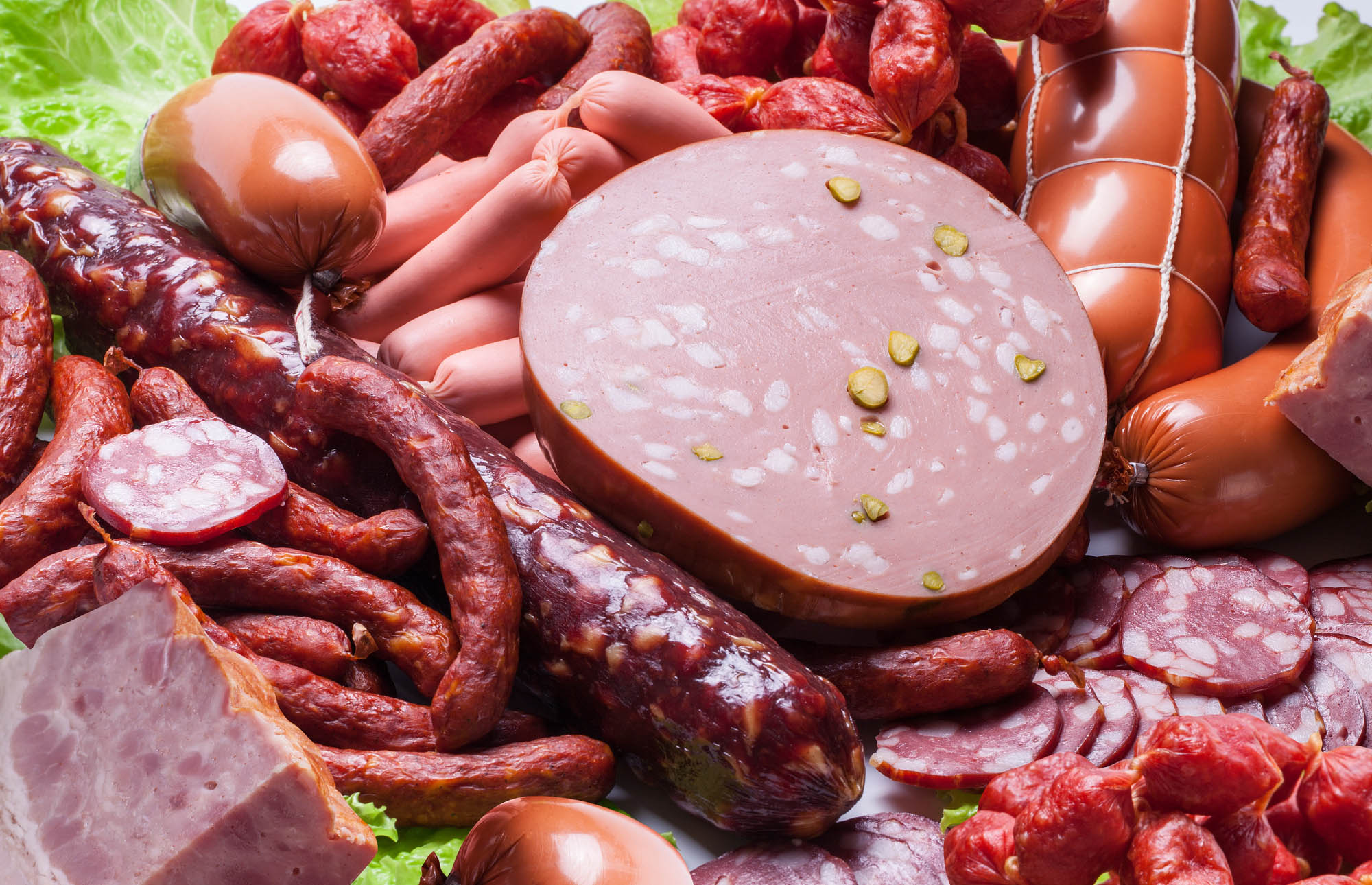
  • For processed meat each 50-gram increase (equivalent to 4 slices of smoked ham) increases the risk of developing type 2 diabetes by 15%.
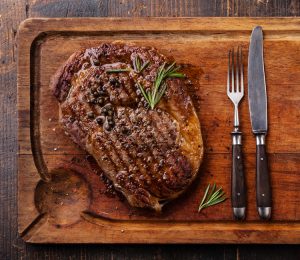
  • For unprocessed red meat each 100-gram increase (equivalent to 3.5 ounces of steak) increases the risk of developing type 2 diabetes by 10%.
  • For poultry each 100-gram increase (equivalent to 3.5 ounces of chicken) increases the risk of developing type 2 diabetes by 8%. However, after correcting for other diet and lifestyle factors that increase the risk of type 2 diabetes, the effect of poultry on diabetes risk was non-significant.

When they looked at the effect of replacing one type of meat with another:

  • Replacing 50 grams of processed meat with 100 grams of unprocessed red meat decreased the risk of diabetes by 7%.
  • Replacing 50 grams of processed meat with 100 grams of poultry decreased the risk of diabetes by 10%.
  • I should note that previous studies have shown that replacing either processed meat or unprocessed red meat with vegetable protein foods (beans, nuts, and seeds) significantly decreases the risk of developing diabetes.


When they looked at different regions of the world:

  • The effect of both processed and unprocessed red meat on type 2 diabetes risk was seen in America, Europe, Western Pacific regions, and east Asia.
  • However, no effect of either unprocessed or processed red meat on type 2 diabetes risk was seen in the Eastern Mediterranean and South Asia.

The authors concluded, “The consumption of meat, particularly processed and unprocessed red meat, is a risk factor for developing type 2 diabetes across populations. These findings highlight the importance of reducing meat consumption for public health and should inform dietary guidelines.”

Why Does Meat Increase Diabetes Risk?

Question MarkThis study supports and strengthens previous studies suggesting that we should add red and processed meats to the list of risk factors for developing type 2 diabetes. However, unless you are a vegan, the idea of giving up all red and processed meat is probably a non-starter.

Instead, let’s ask why red and processed meats increase diabetes risk. Is it the meat itself, or something else that triggers the increase in the risk of developing type 2 diabetes. Is it:

#1: Guilt By Association: Diets high in meats are also high in saturated fats, which increase the risk of diabetes.

#2: Guilt By Omission: Diets high in meats are often low in fruits, vegetables, nuts, and seeds – all healthy foods that lower diabetes risk.

#3: Guilt By Addition: Processed meats contain additives that can increase the risk of developing diabetes. For example, nitrates or nitrites are often added as preservatives. But they can be converted in the gut to N-nitroso compounds which increase inflammation, which in turn increases the risk of developing diabetes.

#4: Guilt By Cooking: High temperature grilling and frying creates compounds that create oxidative stress, which can increase the risk of developing diabetes.

#5: Guilt By Microbiome: The microbiome (gut bacteria) of heavy meat eaters is very different from the microbiome of people who eat a more plant-based diet. If a meat eater consumes a steak, their gut bacteria convert L-carnitine in the meat to a toxic compound called trimethylamine N-oxide (TMAO). However, if you were able to convince a vegan to eat the same steak, that wouldn’t happen.

#6: Guilt By Diet Context: The fact that there was no association between red and processed meat and diabetes in Mediterranean and South Asian regions gives us an important clue. The bad effects of red and processed meats are influenced by the context of the overall diet. What do the cuisines of the Mediterranean and South Asian regions have in common? They are both primarily whole food, plant-based cuisines.

I have discussed each of these mechanisms in more detail in an article in a recent edition of “Health Tips From the Professor”.

I also discussed ways to reduce the risk of each of these mechanisms, but if you don’t want to read the article,here is a spoiler alert:

  • Plant foods are the antidotes for the bad things associated with red and processed meats.
  • We should think of meat as a garnish for a primarily plant-based meal rather than a main course with a baked potato or fries as a garnish.

The Bottom Line

A recent study looked at the effects various meats on the risk of developing type 2 diabetes worldwide. The study found:

  • For processed meat each 50-gram increase (equivalent to 4 slices of smoked ham) increases the risk of developing type 2 diabetes by 15%.
  • For unprocessed red meat each 100-gram increase (equivalent to 3.5 ounces of steak) increases the risk of developing type 2 diabetes by 10%.
  • The effect of poultry on diabetes risk was non-significant.

When they looked at the effect of replacing one type of meat with another:

  • Replacing 50 grams of processed meat with 100 grams of unprocessed red meat decreased the risk of diabetes by 7%.
  • Replacing 50 grams of processed meat with 100 grams of poultry decreased the risk of diabetes by 10%.
  • I should note that previous studies have shown that replacing either processed meat or unprocessed red meat with vegetable protein foods (beans, nuts, and seeds) significantly decreases the risk of developing diabetes.

The authors concluded, “The consumption of meat, particularly processed and unprocessed red meat, is a risk factor for developing type 2 diabetes across populations. These findings highlight the importance of reducing meat consumption for public health and should inform dietary guidelines.”

For more details on this study, why meats increase diabetes risk, and what this study means for you, read the article above.

These statements have not been evaluated by the Food and Drug Administration. This information is not intended to diagnose, treat, cure or prevent any disease.

 _____________________________________________________________________________

My posts and “Health Tips From the Professor” articles carefully avoid claims about any brand of supplement or manufacturer of supplements. However, I am often asked by representatives of supplement companies if they can share them with their customers.

My answer is, “Yes, as long as you share only the article without any additions or alterations. In particular, you should avoid adding any mention of your company or your company’s products. If you were to do that, you could be making what the FTC and FDA consider a “misleading health claim” that could result in legal action against you and the company you represent.

For more detail about FTC regulations for health claims, see this link.

https://www.ftc.gov/business-guidance/resources/health-products-compliance-guidance

 ________________________________________________________________________

About The Author 

Dr. Chaney has a BS in Chemistry from Duke University and a PhD in Biochemistry from UCLA. He is Professor Emeritus from the University of North Carolina where he taught biochemistry and nutrition to medical and dental students for 40 years.

Dr. Chaney won numerous teaching awards at UNC, including the Academy of Educators “Excellence in Teaching Lifetime Achievement Award”.

Dr Chaney also ran an active cancer research program at UNC and published over 100 scientific articles and reviews in peer-reviewed scientific journals. In addition, he authored two chapters on nutrition in one of the leading biochemistry text books for medical students.

Since retiring from the University of North Carolina, he has been writing a weekly health blog called “Health Tips From the Professor”. He has also written two best-selling books, “Slaying the Food Myths” and “Slaying the Supplement Myths”. And most recently he has created an online lifestyle change course, “Create Your Personal Health Zone”. For more information visit https://chaneyhealth.com.

For the past 53 years Dr. Chaney and his wife Suzanne have been helping people improve their health holistically through a combination of good diet, exercise, weight control and appropriate supplementation.


Give Your Heart A Valentine

How Can You Give Your Heart A Valentine?

Author: Dr. Stephen Chaney

Happy valentines day

Valentine’s Day is just around the corner. You have probably already selected Valentine Day cards and gifts for those nearest and dearest to you. But what about your heart. It’s your most trusted companion. Doesn’t it deserve a valentine?

The best Valentine’s gift you could give your heart would be a heart healthy diet. But what is a heart-healthy diet?

You may remember the nursery rhyme, “Jack Sprat could eat no fat. His wife could eat no lean…” You may know people who fit these extremes. And in terms of diets these extremes might represent the vegan and keto diets in today’s world.

The nursery rhyme assures us that, “…between them they licked the platter clean.” But were their diets equally heart-healthy? Which of them would have been more likely to live a long and healthy life, free of heart disease?

If you search Mr. Google – even with AI assist – you might be confused. That’s because AI bases its recommendations on the quantity of posts, not the accuracy of posts. And lots of media influencers recommend both diets, and just about every popular diet in between for heart health.

But what does good science say on the topic of heart healthy diets? Fortunately, a recent comprehensive review and meta-analysis (G. Riccardi et al, Cardiovascular Research, 118: 1118-1204, 2022) has answered that question.

How Was The Study Done?

clinical studyThe investigators reviewed 99 clinical studies with tens of thousands of participants that looked at the associations between foods or food groups and heart disease risk.

Most of the studies were “prospective cohort” studies in which:

  • Populations are divided into groups (cohorts) based on the foods they consume…
  • …and followed for a number of years (this is where the term “prospective” comes from)…
  • …and at the end of the study, the association between food and heart outcomes is measured.

However, the review also included several major randomized controlled clinical trials, including:

  • The DASH diet study.
  • The Lyon Diet Heart study.
  • The PREDIMED study.

Give Your Heart A Valentine

What is a heart-healthy diet? Here are the findings of the study. Most will sound very familiar. But you will note strong heartsome subtle differences based on recent data.

The overall summary was that for a healthy adult population:

  • Low consumption of salt and foods of animal origin…
  • …and increased intake of plant foods…
  • …are associated with reduced heart disease risk.

Of course, we have known that for years. It’s when they broke the data down further that it became more interesting.

Foods Of Animal Origin:

  • Processed meats increase heart disease risk. A single serving of processed meat is associated with a 27% to 44% increased risk of heart disease. This is not new.
  • Unprocessed red meat is also associated with increased risk of heart disease, but this association is not as consistent as for processed meats. The authors noted that some of this may be due to differences in saturated fat content or cooking methods of the red meats included in individual studies.

But this analysis also showed that the effect of red meat on heart disease risk may be dose dependent. For example:

    • The studies they reviewed suggested that consuming ≥3 servings per day of red meat is associated with a 27% increased risk of heart disease. However, consuming <3 servings per week may not increase risk, especially when consumed in the context of an otherwise heart-healthy diet.
  • White meat such as poultry does not appear to affect heart disease risk. This has been predicted by earlier reports, but this analysis strengthens those predictions.
  • Fish consumption decreases heart disease risk. This is not new. But this review added precision about recommended fish intake (2-4 servings/week) and a couple of caveats:
    • The heart benefits of fish may be due to their omega-3 content and may not apply equally to fish with lower omega-3 content.
    • The authors also expressed concerns about the sustainability of high-omega-3 fish populations. I would also add that our oceans are increasingly polluted, so contamination is another concern.
  • Egg consumption up to one egg/day does not appear to increase heart disease risk. This is consistent with the current American Heart Association recommendations.

However, the authors noted that the effect of eggs on serum cholesterol, and hence heart disease risk depends on several factors.

    • Genetics, obesity, and diabetes can make it more difficult to regulate serum cholesterol levels. For these individuals, eggs may need to be eaten only sparingly.
    • Diets low in saturated fat and high in fiber from plant foods help the body regulate serum cholesterol. Several studies suggest that eggs may decrease heart disease risk in the context of this type of a heart-healthy diet.
  • Dairy: Neither low-fat nor high-fat dairy foods appear to influence heart disease risk. This is different from the standard recommendation to consume low-fat dairy foods. But it is in line with the trend of recent research studies on dairy and heart disease.

Once again, there were a couple of caveats:

    • There is increasing evidence that fermented dairy foods may decrease heart disease risk which may explain why certain high-fat cheeses and other high-fat fermented dairy foods appear to have a neutral or slightly beneficial effect on heart disease risk.
    • As with eggs, the effect of high-fat dairy foods on heart disease risk may be influenced by genetics and diet context.

Vegan FoodsFoods Of Plant Origin: The effects of plant foods on heart health have been known for some time, and the most recent studies included in this analysis have not changed those conclusions.

  • Fruits and Vegetables consistently reduce heart disease risk in multiple studies. In each case, the optimal intake appears to be about 2 servings of each per day which provides an 18-21% risk reduction for vegetables and a 21-32% risk reduction for fruits.
  • Legumes (beans and peas) also consistently reduce heart disease risk in multiple studies. At the optimal intake of around 4 servings per week the risk reduction is around 14%.
  • Nuts also consistently reduce heart disease risk. At the optimal intake of around one serving (a handful) per day, the risk reduction is around 25%.
  • Cereals (grains) were divided into 3 categories:
    • Refined carbohydrates with a high glycemic index (e.g., white rice, white bread) are associated with increased heart disease risk in multiple studies probably due to their effect on blood sugar levels. And the increased risk is significant (Around 66% higher risk for every 2 servings).
    • Refined carbohydrates with a low glycemic index (e.g., pasta, corn tortillas) show an inconsistent effect on heart disease risk.
    • Whole grains are consistently associated with a lower heart disease risk. Two servings of whole grains per day are associated with a 25%-34% decreased risk.

Miscellaneous Foods:

  • Soft Drinks are associated with increased heart disease risk. One serving per day increases the risk by around 15-22% and recent evidence suggests that artificially sweetened soft drinks offer no heart health benefits compared to sugar sweetened soft drinks.
  • Coffee and Tea are both associated with decreased heart disease risk. For coffee the optimal benefit may occur at around 3 cups/day. Higher levels may have an adverse effect on heart disease risk.

Summary of Heart Health Recommendations

ScientistIf you think that was a lot of information, the authors provided a numerical summary of their recommendations for a heart-healthy diet. They are:

  • Two servings per day of vegetables, fresh fruits, and whole grains.
  • One serving per day of nuts and seeds, low-glycemic index refined cereals, extra-virgin olive oil or non-tropical vegetable oils, and yogurt.
  • Four servings per week of legumes and fish.
  • No more than 3 servings per week of white meat, eggs, cheese, and milk.
  • No more than 2 servings per week of high-glycemic index refined starchy foods, red meat, and butter.
  • Only occasional consumption of processed meats.

How Can You Give Your Heart A Valentine?

Of course, nobody wants to follow a “diet by the numbers”. If you are like most of us, you want flexibility and you Questionswant to be able to eat some of your favorite foods. So, let me put these recommendations into a more “user friendly” form.

If you want to give your heart a valentine:

  • Whole, unprocessed or minimally processed, plant foods are your heart’s best friends.
  • Your heart-healthy foundation should be fruits, vegetables, whole grains, nuts and seeds, healthy plant oils, and legumes.
    • Your heart-healthy foundation can also include fermented dairy foods and low-glycemic index refined grains.
    • Your “go-to” beverages should be water, tea (both caffeinated and herbal teas), and coffee. You should avoid soft drinks and other sugar-sweetened or artificially sweetened beverages.
  • Once you have achieved a heart-healthy foundation you can add a few servings per week of white meat, eggs, cheese, and dairy, even high-fat dairy.
    • If you have good adherence to the heart-healthy foundation described above and no genetic or health issues that increase your risk of heart disease, you can probably eat more of these foods.
    • Conversely, if your adherence to the heart-healthy foundation is poor and/or you are at high risk of heart disease, you may wish to consume less of these foods.
  • If you have good adherence to the heart-healthy foundation, you can also add up to 1-2 servings of high-glycemic index refined carbohydrates, red meat, or butter per week. With red meat, you may want to consider it as a garnish that adds flavor to a plant-based meal rather than the centerpiece of the meal.
    • You should eat processed meats seldom or never.

This would be the best Valentine’s gift you could possibly give your heart.

The Bottom Line

For those of you who might want to give your heart a valentine, a new comprehensive review and meta-analysis of 99 clinical studies with tens of thousands of participants has updated the correlation between foods and heart disease risk.

Many of the recommendations based on this analysis are identical to previous recommendations for a heart-healthy diet.

But there are some subtle changes to those recommendations based on the latest data.

For more details about this study and what a heart-healthy diet might look like for you, read the article above.

These statements have not been evaluated by the Food and Drug Administration. This information is not intended to diagnose, treat, cure or prevent any disease.

______________________________________________________________________________

My posts and “Health Tips From the Professor” articles carefully avoid claims about any brand of supplement or manufacturer of supplements. However, I am often asked by representatives of supplement companies if they can share them with their customers.

My answer is, “Yes, as long as you share only the article without any additions or alterations. In particular, you should avoid adding any mention of your company or your company’s products. If you were to do that, you could be making what the FTC and FDA consider a “misleading health claim” that could result in legal action against you and the company you represent.

For more detail about FTC regulations for health claims, see this link.

https://www.ftc.gov/business-guidance/resources/health-products-compliance-guidance

______________________________________________________________________

About The Author 

Dr. Chaney has a BS in Chemistry from Duke University and a PhD in Biochemistry from UCLA. He is Professor Emeritus from the University of North Carolina where he taught biochemistry and nutrition to medical and dental students for 40 years.

Dr. Chaney won numerous teaching awards at UNC, including the Academy of Educators “Excellence in Teaching Lifetime Achievement Award”.

Dr Chaney also ran an active cancer research program at UNC and published over 100 scientific articles and reviews in peer-reviewed scientific journals. In addition, he authored two chapters on nutrition in one of the leading biochemistry text books for medical students.

Since retiring from the University of North Carolina, he has been writing a weekly health blog called “Health Tips From the Professor”. He has also written two best-selling books, “Slaying the Food Myths” and “Slaying the Supplement Myths”. And most recently he has created an online lifestyle change course, “Create Your Personal Health Zone”. For more information visit https://chaneyhealth.com.

For the past 54 years Dr. Chaney and his wife Suzanne have been helping people improve their health holistically through a combination of good diet, exercise, weight control and appropriate supplementation.


Does Diet Affect Sperm Quality?

Do Real Men Eat Meat?

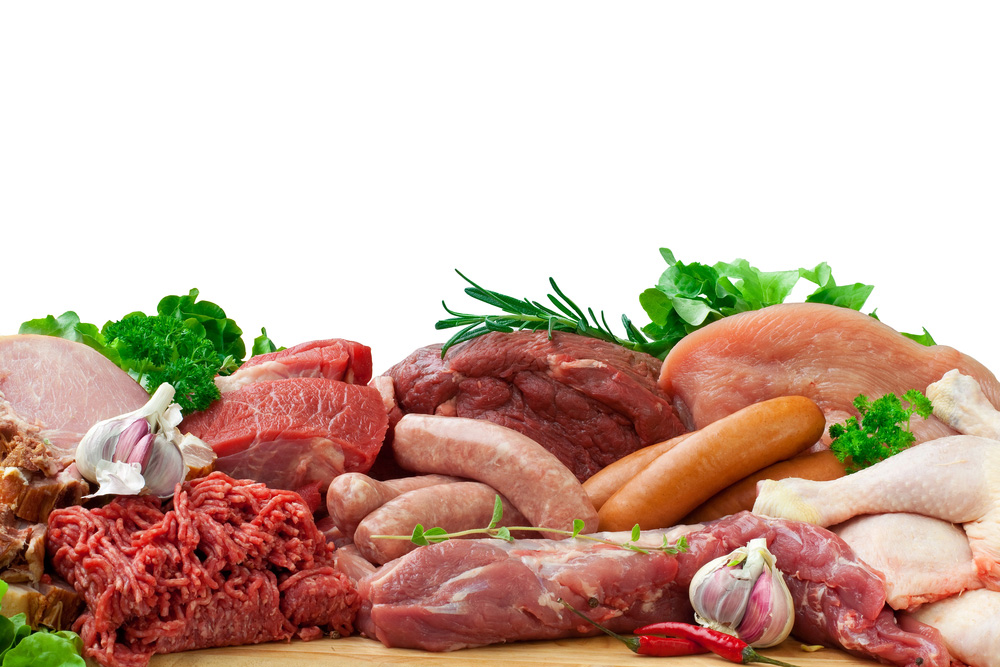
Enjoying Red MeatMeat has a certain mystique among some men. They believe real men eat meat, especially red meat. The belief is that eating red meat makes them bigger, stronger, and more virile. In that world view, vegetarianism is effeminate.

How much of that is true? Let’s start by looking at the bigger and stronger part:

  • Animal proteins are higher in the branched chain amino acids, especially leucine, which help drive the increase in muscle mass associated with exercise. However, meat protein is digested slowly.
  • Milk protein is also high in branched chain amino acids and is digested more quickly. That’s why many body building supplements are whey protein based.
  • In addition, leucine is now being added to some of the plant protein supplements. Those supplements are often as effective as whey protein supplements at driving the increase in muscle mass associated with exercise

But what about virility? Does meat make men more virile? Fortunately, we now have an answer to these questions. A recent study (L Nassan et al., JAMA Network Open, 2020; 3(2) :e1921610) has looked at the effect of diet on sperm count and sperm quality.

How Was The Study Done?

Clinical StudyIn Denmark, all men are required to undergo a physical examination around age 18 to determine their fitness for military service. Research staff at the University Department of Growth and Reproduction at Rigshospitalet in Copenhagen approached young men undergoing their physical exams and invited them to participate in this study.

The men filled in a food frequency questionnaire, answered questions about their lifestyle and medical history and provided semen and blood samples for the study prior to undergoing their physical exam. 2935 men who were unaware of their fertility status and not using anabolic steroids were included in the data analysis.

The average age of participants in the study was 19 and 78% of them were of normal body weight.

The participants were divided into four groups based on their diet:

1.     Western Diet characterized by a higher intake of pizza, French fries, processed and red meats, snacks, refined grains, sugary beverages and sweets.

2.     Danish Diet characterized by a higher intake of cold processed meats, whole grains, fruits, mayonnaise, cold fish, condiments, and dairy.

3.     Vegetarian Diet characterized by a higher intake of vegetables, soymilk, and eggs, without red meat or chicken.

4.     Prudent (Healthy) Diet characterized by a higher intake of fish, chicken, vegetables, fruit, nuts, and water.

The effect of these diets on sperm count and sperm quality were compared.

Does Diet Affect Sperm Quality?

SpermWhen the authors measured sperm counts in the study participants, the results were as follows:

  • Greatest adherence to a prudent diet resulted in a sperm count of 167 million.
  • Greatest adherence to a vegetarian diet resulted in a sperm count of 151 million.
  • Greatest adherence to a Danish diet resulted in a sperm count of 146 million.
  • Greatest adherence to a Western diet resulted in a sperm count of only 122 million -27% lower than for men eating a prudent diet.
  • Similar results were reported for measure of sperm quality, such as sperm motility (how fast the sperm can swim) and normal sperm morphology (sperm without visible defects).
  • These results are similar to several earlier studies showing that men eating a healthy diet have greater sperm count and sperm quality.

The authors concluded: “Our findings support the evidence that adhering to generally healthy diet patterns is associated with better semen quality and more favorable markers of testicular function. Because diet is modifiable, these results suggest the possibility of using dietary intervention as a potential approach to improving testicular function in men of reproductive age.”

Do Real Men Eat Meat?

SteakNow it is time to come back to the original question, “Do real men eat meat”. Or more specifically, does red meat consumption increase virility? Of course, the whole question of whether a single food affects virility, or any other aspect of manliness, is bogus.

Individual foods don’t affect our health. Diets do. So, let’s review how diets affect men’s sperm count and sperm quality.

  • The highest sperm count and sperm quality was associated with the prudent diet. This diet relied primarily on fish and chicken as protein sources but did not exclude red meat. It was also a diet high in vegetables, fruits, nuts, and water (in place of sugary beverages).
  • The second highest sperm count and sperm quality was associated with the vegetarian diet. This diet relied on beans and eggs as the primary protein sources. It specifically excluded red meat and chicken but did not exclude fish. It was also high in fruits and nuts. Soy milk, tea, and coffee were the main beverages.
  • The third highest sperm count and sperm quality was associated with the Danish diet. This diet relied on cold processed meats (some of which were red meats), cold fish, and dairy for protein. However, it also was rich in whole grains and fruits. Water and sugary beverages were consumed in equal proportions.
  • The lowest sperm count and sperm quality was associated with the Western diet. This diet relied on red and processed meats as the primary protein source. However, it was also high in refined grains, snacks, sugary beverages, sweets, and junk foods.

So, if we are using sperm count and sperm quality as a measure of virility, it is clear that real men don’t eat red meat. Or put another way, a diet rich in red meat is more likely to reduce sperm count and sperm quality than it is to increase it.

However, a small amount of red meat as part of an overall healthy diet can be consistent with good sperm count and quality.

In short, diet does affect sperm quality. For example, based on this study:

  • An 8-ounce steak with French fries, cherry pie, and a soft drink (or, in our part of the country, sweet tea) may not be good for your sex life.
  • If you don’t want to give up red meat, a better choice might be 3-ounces of steak in a vegetable stir fry, fruit for dessert, and water or tea as your beverage.
  • If you want to maximize sperm count and sperm quality, an even better choice would be chicken, fish, or beans with vegetables, fruit for dessert, and water or tea as your beverage.

The Bottom Line

Meat has a certain mystique among some men. They believe real men eat meat, especially red meat. The belief is that eating red meat makes them bigger, stronger, and more virile.

How much of that is true. We already know that meat has no magical power to make men bigger and stronger. But what about virility? Does meat make men more virile? Fortunately, we now have an answer to that question. A recent study has looked at the effect of diet on sperm count and sperm quality.

  • The highest sperm count and quality was associated with a prudent diet. This diet relied primarily on fish and chicken as protein sources but did not exclude red meat. It was also a diet rich in vegetables, fruits, nuts, and water (in place of sugary beverages). In other words, it was a healthy diet.
  • The lowest sperm count and quality was associated with the Western diet. This is a diet that relies on red and processed meats as the primary protein source. However, it is also high in refined grains, snacks, sugary beverages, sweets, and junk foods.

So, if we are using sperm count and sperm quality as a measure of virility, it is clear that real men don’t eat red meat. Or put another way, a diet rich in red meat is more likely to reduce sperm count and quality than it is to increase it.

However, a small amount of red meat as part of an overall healthy diet can be consistent with good sperm count and sperm quality.

In short, it appears that diet does affect sperm quality:

  • An 8-ounce steak with French fries, cherry pie, and a soft drink (or, in our part of the country, sweet tea) may not be good for your sex life.
  • If you don’t want to give up red meat, a better choice might be 3-ounces of steak in a vegetable stir fry, fruit for dessert, and water or tea as your beverage.
  • If you want to maximize sperm count and sperm quality, an even better choice would be chicken, fish, or beans with vegetables, fruit for dessert, and water or tea as your beverage.

These statements have not been evaluated by the Food and Drug Administration. This information is not intended to diagnose, treat, cure or prevent any disease.

Health Tips From The Professor