Are Omega-3s Needed For Strong Bones?

Why Are Omega-3s Needed For Strong Bones?

Author: Dr. Stephen Chaney

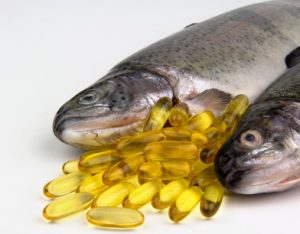
fish and fish oilOsteoporosis is one of the dreaded diseases associated with aging.

  • Over 50% of women and 25% of men will develop osteoporosis in their lifetime.

And the risk of osteoporosis is highest for Caucasians.

  • Over 40% of white women and 13% of white men will develop an osteoporotic fracture in their lifetime.

And osteoporotic fractures can be deadly. Bone fractures increase the risk of death 3-5-fold within the next few months. Moreover, the quality of life is diminished, and the risk of death is elevated for years after the fracture occurs.

So, if you are like many people, you are doing all you can to keep your bones strong so you will minimize your chances of developing osteoporosis. You probably even have a check list:

  • Resistance exercise (strengthens the bones you pull on)……Check
  • Walking (strengthens hip and leg bones)………………………Check
  • Adequate calcium & vitamin D (essential for strong bones)…Check
  • Magnesium & vitamin K (also important for strong bones)…..Check
  • Adequate protein (Muscle pulling on bone strengthens it)…..Check
  • Adequate omega-3s………………………………………………What!!!

You probably didn’t know about omega-3s. But recent research suggests they may also play a role in building strong bones and preventing osteoporosis. For example, studies show that omega-3s may influence bone metabolism by:

  • Enhancing absorption of calcium from the intestine.
  • Reducing the rate at which bone is broken down.
  • Increasing the rate at which new bone is built.

But large-scale population studies showing that omega-3 intake influences the risk of developing osteoporosis are lacking. The study ( Z Liu et al, Frontiers In Nutrition, 11: 1467559, 2023) I am discussing today was designed to fill that gap.

But before I describe the study, I should give you a quick review of bone metabolism.

Biochemistry 101: Bone Metabolism

bone metabolism osteoporosisTo truly understand osteoporosis and how to prevent it, you need to know a bit about bone metabolism. We tend to think of our bones as solid and unchanging, much like the steel girders supporting an office building. Nothing could be further from the truth. Our bones are dynamic organs that are in constant change throughout our lives.

Cells called osteoclasts constantly break down old bone (a process called resorption), and cells called osteoblasts replace it with new bone (a process called accretion). Without this constant renewal process our bones would quickly become old and brittle.

In short, our bones are not inert. They are in constant flux. If we exercise regularly and get enough calcium, vitamin D, magnesium, and vitamin K from our diet, bone metabolism looks like this as we age.

  • When we are young, osteoblast activity predominates, so accretion (the bone building process) exceeds bone resorption, and our bones grow in size and density.
  • When we are adults, osteoblast and osteoclast activity are in balance. Thus, bone accretion and resorption are in balance, and our bone density stays constant. The top portion of the picture above depicts what happens when osteoclast and osteoblast activity are in balance.
  • However, as we age osteoclast activity predominates, and we start to lose bone density. Eventually our bones look like Swiss cheese and break very easily. This is called osteoporosis. The bottom portion of the picture depicts this.

We should also think of our bones as calcium reservoirs.  We need calcium in our bloodstream 24 hours a day for our muscles, brain, and nerves to function properly, but we only get calcium in our diet at discrete intervals. Consequently:

  • When we eat our body tries to store as much calcium as possible in our bones.
  • Between meals, we break down bone material so that we can release the calcium into our bloodstream that our muscle, brain & nerves need to function.

If we lead a “bone healthy” lifestyle, all of this works perfectly. We build strong bones during our growing years, maintain healthy bones during our adult years, and only lose bone density slowly as we age – maybe never experiencing osteoporosis. We always accumulate enough calcium in our bones during meals to provide for the rest of our body between meals.

I should note that this is the current paradigm for bone metabolism. The study I am discussing today is asking whether omega-3 fatty acids should also be considered as part of a bone-healthy lifestyle.

How Was This Study Done?

clinical studyThe investigators used data from NHANES (National Health And Nutrition Examination Survey), an ongoing study to assess the health and nutritional status of adults and children in the United States. Specifically, this study combined data from participants from the 2005-2010, 2013-2014, and 2017-2018 NHANES surveys.

The participants included in the survey:

  • Were greater than 50 years old.
  • Had completed two 24-hour dietary recall surveys to determine the omega-3 content of their diet (The average omega-3 intake of the two surveys was used for this study).
  • Had a bone mineral density (BMD) test performed using dual-energy X-ray absorptiometry (DXA) scans.

Participants were excluded from the study if they had incomplete diet or bone mineral density data or if they had a disease that affects bone metabolism.

A total of 8,889 participants were included in the study. They were divided into 3 categories based on their bone density:

  • Normal bone density (4,421 participants)
  • Osteopenia (3,952 participants)
  • Osteoporosis (516 participants)

Finally, the participants were divided into quartiles based on their omega-3 intake, and omega-3 intake was correlated with bone density.

Are Omega-3s Needed For Strong Bones?

Healthy BoneThe study results were as follows:

  • Omega-3 intake was inversely related to bone density. Simply put, that means:
    • The highest intake of omega-3s was observed in the group with normal bone density, and…
    • The lowest omega-3 intake was observed in the osteoporosis group.

When the participants were divided into quartiles based on their omega-3 intake:

  • Participants with the highest omega-3 intake were 29% less likely to develop osteoporosis than participants with the lowest omega-3 intake.

When the investigators looked at subgroups, they found stronger effects of omega-3s on osteoporosis risk for women, people under 60, and non-smokers. Specifically:

  • Women with the highest omega-3 intake were 35% less likely to develop osteoporosis.
  • People under 60 were 49% less likely to develop osteoporosis.
  • Non-smokers were 36% less likely to develop osteoporosis.

The investigators concluded, “This study demonstrates a significant inverse relationship between dietary omega-3 fatty acid intake and osteoporosis risk, suggesting omega-3s play a crucial role in bone health. However, further longitudinal studies are needed to confirm these studies and refine dietary recommendations for osteoporosis prevention.”

Why Are Omega-3s Needed For Strong Bones?

QuestionsYou are probably thinking,

  • “Calcium and magnesium are part of bone structure. Vitamin D and vitamin K facilitate the incorporation of calcium into bone. So, it is logical that these nutrients would be important for strong bones.”
  • “But what role do omega-3s play? They aren’t incorporated into bone, and they don’t affect calcium metabolism.”

Here is what the authors said about that:

  • Omega-3s are anti-inflammatory. They decrease production of the pro-inflammatory cytokines that stimulate osteoclasts – the cells that break down bone.
  • EPA and DHA are also converted to prostaglandins that stimulate osteoblasts – the cells that build new bone.
  • Finally, the authors said, “Omega-3 fatty acids, especially EPA and DHA, have been shown to enhance calcium absorption in the gut – a process crucial for maintaining optimal bone mineral density…Omega-3s …do this by altering the lipid composition of cell membranes, thereby affecting calcium channels and enhancing calcium availability for bone tissue.”

Let me help you understand that statement.

  • While we might think of our cell membranes as rigid structures, they are quite fluid. The closest analogy I can think of is a large lake. You may not see any waves or ripples, but if a leaf drops on the surface it doesn’t stay in one place. It moves. We can think of calcium channels in our membrane like leaves on the water. They move across the cell membrane.
  • How fast they move depends on the fluidity of the cell membrane. This is determined by the lipids (fats) in the cell membrane, which in turn is determined by the fats in our diet. This is the one case where it is literally true that we are what we eat.
    • When we have lots of saturated fats in our cell membranes, fluidity is low, and calcium channels move slowly across the membrane.
    • When we have omega-3 fats in our cell membrane, fluidity is high, and calcium channels move quickly across the cell membrane.
  • Calcium channels work best when they cluster together, and this works best with highly fluid, omega-3-rich cell membranes.

What Does This Mean For You?

Question MarkThis study strongly suggests that omega-3s play a role in bone health, and they may be important for reducing our risk of osteoporosis. The authors concluded, “The findings suggest that omega-3 fatty acids play a critical role in bone health, supporting the need for dietary recommendations that encourage omega-3 consumption as a preventative measure against osteoporosis.”

However, this is the first study of its kind, which is why the authors said, “Further longitudinal studies are needed to confirm these findings.”

However, my biggest concern with the study is that it did not include information on the intake of the other nutrients essential for bone health (calcium, vitamin D, magnesium, and vitamin K). We don’t know at present the importance of omega-3s for preventing osteoporosis relative to dietary intake of other bone-healthy nutrients. For example:

  • Are omega-3s important for bone health when intake of calcium and/or the other bone-healthy nutrients are low?
  • Or are omega-3s equally important for bone health under all conditions?

However, the good news is that omega-3s have many proven health benefits such as heart health, controlling blood pressure, and reducing inflammation. If they are also important for bone health, we can consider it an unexpected benefit.

With that in mind, there are two important takeaways for you:

  • Omega-3s were most effective at preventing osteoporosis in people under 60. That is entirely consistent with what we know about preventing osteoporosis. The best prevention strategy is to build strong bones while you are young and maintain strong bones as long as possible in your adult years.
  • The optimal reduction of osteoporosis risk in this study was seen with an omega-3 intake of 1.86 g/d. While more studies are needed to define the optimal dose of omega-3s for reducing osteoporosis risk, this dose is within the “sweet spot” for the other omega-3 benefits I mentioned.

The Bottom Line 

A recent study asked whether omega-3 fatty acids reduce the risk of osteoporosis.

The study found:

  • Omega-3 intake was inversely related to bone density.
  • When the participants were divided into quartiles based on their omega-3 intake:
  • Participants with the highest omega-3 intake were 29% less likely to develop osteoporosis than participants with the lowest omega-3 intake.
  • When the investigators looked at subgroups, they found stronger effects of omega-3s on osteoporosis risk for women, people under 60, and non-smokers.

The investigators concluded, “This study demonstrates a significant inverse relationship between dietary omega-3 fatty acid intake and osteoporosis risk, suggesting omega-3s play a crucial role in bone health. This supports the need for dietary recommendations that encourage omega-3 consumption as a preventative measure against osteoporosis.”

For more information on this study, why omega-3s reduce osteoporosis risk, and what this study means for you, read the article above.

These statements have not been evaluated by the Food and Drug Administration. This information is not intended to diagnose, treat, cure, or prevent any disease.

 _____________________________________________________________________________

My posts and “Health Tips From the Professor” articles carefully avoid claims about any brand of supplement or manufacturer of supplements. However, I am often asked by representatives of supplement companies if they can share them with their customers.

My answer is, “Yes, as long as you share only the article without any additions or alterations. In particular, you should avoid adding any mention of your company or your company’s products. If you were to do that, you could be making what the FTC and FDA consider a “misleading health claim” that could result in legal action against you and the company you represent.

For more detail about FTC regulations for health claims, see this link.

https://www.ftc.gov/business-guidance/resources/health-products-compliance-guidance

______________________________________________________________________

About The Author 

Dr. Chaney has a BS in Chemistry from Duke University and a PhD in Biochemistry from UCLA. He is Professor Emeritus from the University of North Carolina where he taught biochemistry and nutrition to medical and dental students for 40 years.  Dr. Chaney won numerous teaching awards at UNC, including the Academy of Educators “Excellence in Teaching Lifetime Achievement Award”. Dr Chaney also ran an active cancer research program at UNC and published over 100 scientific articles and reviews in peer-reviewed scientific journals. In addition, he authored two chapters on nutrition in one of the leading Biochemistry textbooks for medical students.

Since retiring from the University of North Carolina, he has been writing a weekly health blog called “Health Tips From the Professor”. He has also written two best-selling books, “Slaying the Food Myths” and “Slaying the Supplement Myths”. And most recently he has created an online lifestyle change course, “Create Your Personal Health Zone”. For more information visit https://chaneyhealth.com.

For the past 53 years Dr. Chaney and his wife Suzanne have been helping people improve their health holistically through a combination of good diet, exercise, weight control and appropriate supplementation.

 

Natural Approaches For Controlling ADHD

Are Natural Approaches Better Than Drugs?

Author: Dr. Stephen Chaney 

diet for children with adhdSeveral years ago, I came across a headline in our local newspaper that said, “Try Nutrition, Not Drugs, for ADHD”. The article made claims like “No good evidence exists to support the ADHD disease hypothesis” and “…on numerous occasions we have seen ADHD symptoms completely disappear without medication”.

As a scientist, I am always a little skeptical about bold claims that run counter to established scientific wisdom. However, the authors of this article implied that their claims were based on a 2012 article in Pediatrics, which is a highly respected journal in its field, so I decided to investigate the article (Millichap and Yee, Pediatrics, 129: 1-8, 2012).

The article was written by two pediatricians with extensive experience treating children with ADHD. The article turned out to be a thorough review of the literature on nutritional approaches for controlling ADHD. It did not approach the rigor of a meta-analysis study. Rather, it is what I refer to as an “interpretive review”. By that I mean that the clinical studies were interpreted in part based on their clinical experience in treating children with ADHD.

Interpretive reviews can be either good or bad, depending on the objectiveness of the reviewers. In this case, I was familiar with many of the clinical studies they reviewed and found their interpretations to be accurate, so I decided to share their conclusions with you. But first I should probably talk about our ADHD epidemic and ask two important questions:

  1. Is ADHD over diagnosed?
  1. Are drugs always the best solution for controlling ADHD symptoms?

Are Natural Approaches Better Than Drugs? 

Increase The ADHD epidemic.

  • ADHD has increased by 89% in the United States in just 25 years (1997-2022).
  • In 2022 11.5% of US children aged 3-17 were diagnosed with ADHD. That’s 7.1 million children.

Some experts claim that’s because of better diagnosis. But let me point out what many experts miss.

Is ADHD Over Diagnosed?

Perhaps we should be asking whether teachers and parents might be tempted to overestimate the severity of the symptoms.

For parents,

  • Parents don’t have the time they used to have to supervise their kids.
    • In most cases, both parents are working.
    • Some are working from home. In theory that could give them flexibility to take care of their children. But remote work often involves online meetings and strict deadlines that leave little time for their children.
    • And then there is social media. In today’s world, many parents are glued to their phones 24/7.
  • It’s easier to request a hyperactivity assessment, so that child can be put on drugs.

For teachers,

  • Class sizes are large, and there aren’t enough teachers’ aides.
  • They don’t have the time to deal with a child that requires extra attention.
  • It is easier to request an ADHD assessment, so that child can be put on drugs.

But there are other options. There are schools in which children with ADHD thrive, and many public schools have programs set up for ADHD children.

Why is the increase in ADHD diagnoses a concern?

drug side effectsThe answer is simple. The use of ADHD drugs has increased by 58% since 2012. Today over 50% of children diagnosed with ADHD are put on drugs. That’s a concern because:

  • Most of these drugs are stimulants.
  • Many are amphetamines.
  • They have serious side effects. For example:
    • Loss of appetite and weight loss.
    • Difficulty sleeping.
    • Upset stomach and nausea.
  • Many children don’t like how the drugs make them feel. They make them feel irritable, depressed, anxious, or tense.
  • They can be gateway drugs.
  • They lose effectiveness over time. So, unless you have figured out the cause of the problem, the symptoms will return.

Because of this many parents are searching for natural solutions.

Natural Approaches For Controlling ADHD 

The pediatricians reviewed all the major nutritional approaches that have been used over the years to control ADHD. Let me start by saying that they are not wild-eyed proponents of “a nuts and berries diet cures all”. In fact, they use medications as the primary intervention for most of their ADHD patients. They advocate dietary approaches when:

  • Medicines fail or there are adverse reactions (side effects).
  • The parents or the patients prefer a more natural approach.
  • There are symptoms or signs of a mineral deficiency (more about that below).
  • There is a need to substitute an ADHD-free healthy diet for an ADHD-linked diet (Simply put, if the child’s diet is bad enough, there are multiple benefits from switching to a healthier diet – a possible reduction in ADHD symptoms is just one of them.)

I will summarize their key findings below: 

Omega-3 Fatty Acids

Child Raising HandThe authors reported that many studies have shown that children with ADHD tend to have low levels of essential fatty acids, especially the omega-3 fatty acids. They cite several studies which showed significant improvement in reading skills and reductions in ADHD symptoms when children with ADHD were given omega-3 supplements but also noted that other studies showed no effect. They postulated that some children may benefit more from omega-3 supplementation than others.

They routinely use doses of 300-600 mg of omega-3s with their ADHD patients. They find that this intervention reduces ADHD symptoms in many children but does not completely eliminate the need for medications.

My Two Cents: I have recently reported) on a study that strengthens the association between omega-3 supplementation and a reduction in ADHD symptoms. Whether omega-3 supplements will help your child is anyone’s guess. However, it is a natural approach with no side effects. It is certainly worth trying.

Food Additives

The current interest in food additives and ADHD originated with the Feingold diet. The Feingold diet eliminated

food additives, foods with salicylates (apples, grapes, luncheon meats, sausage, hot dogs and drinks containing artificial colors and flavors), and chemical preservatives (e.g. BHA and BHT).

It was popularized in the 1970s when some proponents claimed that it reduced ADHD symptoms in 50% of the children treated. After clinical studies showed that only a small percentage of children benefitted from this diet, it rapidly fell out of favor.

However, Millichap and Yee pointed out that more recent studies have shown that the subset of children who responded to the Feingold diet were not a “statistical blip”. A recent review of the literature reported that when children with suspected sensitivities to food additives were challenged with artificial food colors, 65–89% of them displayed ADHD symptoms.

My Two Cents: I have recently reported) on more recent studies documenting the effects of artificial food colors on ADHD. The studies I reviewed in that article reported that up to 28% of children with ADHD were sensitive to the amount of artificial food colors in the typical western diet and that removing those food colors resulted in a significant improvement in ADHD symptoms. Plus, those studies were just looking at food colors – not the hundreds of other food additives in the average American child’s diet.

I consider food additives to be problematic for many reasons. Even if removing them doesn’t reduce their ADHD symptoms, eliminating as many of those food additives as possible is probably a good idea. It doesn’t need to be complicated. Just replacing processed foods and sodas with fresh fruits and vegetables and with low fat milk and natural fruit juices diluted with water to reduce their sugar content might make a significant difference in your child’s ADHD symptoms.

Food Sensitivities

Even natural foods can be a problem for children with food sensitivity, and it appears that there may be a large percentage of hyperactive children with food sensitivities. Millichap and Yee reported that elimination diets (diets that eliminate all foods which could cause food sensitivity) improve behavior in 76-82% of hyperactive children.

Even though this approach can be very effective Millichap and Yee don’t normally recommend it for their patients because it is difficult and time-consuming. The elimination diet is very restrictive and needs to be followed for a few weeks. Then individual foods need to be added back one at a time until the offending food(s) are identified. (They reported that antigen testing is not a particularly effective way of identifying food sensitivities associated with hyperactivity)

My Two Cents: I have previously reported on the link between food sensitivities and hyperactivity. I agree with Millichap and Yee that elimination diets are difficult and view this as something to be tried after all other natural approaches have failed. However, if there is a particular food that causes hyperactivity in your child, identifying it and eliminating it from their diet could just be something that will benefit them for the rest of their life.

Sugar

sugar cubesThis is a particularly interesting topic. Many parents are absolutely convinced that sugary foods cause hyperactivity in their children, but the experts are saying that clinical studies have disproven that hypothesis. They claim that sugar has absolutely no effect on hyperactivity.

Millichap and Yee have an interesting perspective on the subject. They agree that clinical studies show that a sugar load does not affect behavior or cognitive function in small children, but they point to numerous clinical studies showing that the reactive hypoglycemia that occurs an hour or two after a sugar load adversely affects cognitive function in children, and that some children are more adversely affected than others.

My Two Cents: Reducing intake of refined sugars in your child’s diet makes sense for many reasons, especially considering the role of sugar intake in obesity. If your child has a tendency towards reactive hypoglycemia, it may also reduce ADHD symptoms.

Iron and Zinc Deficiency

Millichap and Yee reported some studies suggested that iron and zinc deficiencies may be associated with ADHD symptoms and recommend supplementation with an iron or zinc supplement when there is a documented deficiency.

My Two Cents: A simpler and less expensive approach would be a children’s multivitamin to prevent the possibility of iron or zinc deficiency. Of course, I would recommend that you choose one without artificial colors, preservatives and sweeteners.

A Healthy Diet

Millichap and Yee closed their review by discussing a recent study in Australia that reported a significant reduction in ADHD symptoms in children eating “Healthy” diets (fish, vegetables, tomato, fresh fruit, whole grains & low-fat dairy products) compared to children eating “Western” diets (Fast foods, red meat, processed meats, processed snacks, high fat dairy products & soft drinks). This is the dietary approach, along with omega-3 supplementation, that they recommend most frequently for their patients.

My Two Cents: I wholeheartedly agree. In fact, if you and your family were to follow a “Healthy” diet instead of a “Western” diet it would likely have numerous health benefits. Plus, you are automatically removing ADHD triggers like food additives and sugar from your child’s diet.

The Bottom Line

This review of natural approaches for controlling ADHD symptoms (Millichap and Yee, Pediatrics, 129: 1-8, 2012) is both good news and bad news. The good news is that there are multiple natural approaches that can significantly reduce ADHD symptoms. These include:

  • Use of omega-3 supplements. They recommended 300-600 mg/day.
  • Removal of food additives (particularly food colors) from the diet.
  • Identification of food sensitivities and removal of those foods from the diet.
  • Reducing the amount of simple sugars in the diet.
  • Elimination of iron and zinc deficiencies if they exist (Iron deficiency is relatively common in American children. Zinc deficiency is not.) Alternatively, I recommend a children’s multivitamin to prevent iron and zinc deficiencies in the first place.
  • Eating a healthy diet rather than a Western diet. This also has the benefit of reducing the amount of food additives and sugars in the diet.

The bad news is that each of these approaches seems to work only in a subset of children with ADHD.

  • If you are a parent who is interested in a natural alternative to ADHD stimulant medications this means you may need to be patient and try several natural approaches until you find the one(s) that work(s) best for your child. The benefit of making the effort is that all these approaches will also improve the health of your child in other important ways, and none of them have any side effects.
  • Unfortunately, physicians with only about 10 minutes to spend with each patient (which is increasingly the medical model in this country), may not have time to explore natural options. Medications are much easier to prescribe. You may need to be the one who takes the responsibility of exploring natural alternatives for your child.

These statements have not been evaluated by the Food and Drug Administration. This information is not intended to diagnose, treat, cure or prevent any disease.

 _____________________________________________________________________________

My posts and “Health Tips From the Professor” articles carefully avoid claims about any brand of supplement or manufacturer of supplements. However, I am often asked by representatives of supplement companies if they can share them with their customers.

My answer is, “Yes, as long as you share only the article without any additions or alterations. In particular, you should avoid adding any mention of your company or your company’s products. If you were to do that, you could be making what the FTC and FDA consider a “misleading health claim” that could result in legal action against you and the company you represent.

For more detail about FTC regulations for health claims, see this link.

https://www.ftc.gov/business-guidance/resources/health-products-compliance-guidance

______________________________________________________________________

About The Author 

Dr. Chaney has a BS in Chemistry from Duke University and a PhD in Biochemistry from UCLA. He is Professor Emeritus from the University of North Carolina where he taught biochemistry and nutrition to medical and dental students for 40 years.

Dr. Chaney won numerous teaching awards at UNC, including the Academy of Educators “Excellence in Teaching Lifetime Achievement Award”.

Dr Chaney also ran an active cancer research program at UNC and published over 100 scientific articles and reviews in peer-reviewed scientific journals. In addition, he authored two chapters on nutrition in one of the leading biochemistry text books for medical students.

Since retiring from the University of North Carolina, he has been writing a weekly health blog called “Health Tips From the Professor”. He has also written two best-selling books, “Slaying the Food Myths” and “Slaying the Supplement Myths”. And most recently he has created an online lifestyle change course, “Create Your Personal Health Zone”. For more information visit https://chaneyhealth.com.

For the past 53 years Dr. Chaney and his wife Suzanne have been helping people improve their health holistically through a combination of good diet, exercise, weight control and appropriate supplementation.



The News About Omega-3s Just Got Better

What Does This Study Mean For You? 

Author: Dr. Stephen Chaney 

good newsA recent meta-analysis (AA Bernasconi et al, Mayo Clinic Proceedings, 96: 1365-1375, 2021) of randomized clinical studies with over 150,000 patients showed that omega-3s reduced the risk of heart attacks by 13% and fatal heart attacks by 35%. Another major clinical study (T Chao et al, Nutrition, Metabolism and Cardiovascular Disease, 34: 537-547, 2024) with 30,000 patients found that omega-3s reduced all-cause mortality by 10%, cardiovascular mortality by 18%, heart attacks by 33%, and sudden cardiac death by 33%.

In short, the evidence that omega-3s reduce the risk of heart attacks and other forms of cardiovascular disease keeps getting stronger. However, the effect of omega-3s on heart failure is not as clear. Some studies suggest that omega-3s reduce the risk of heart failure and heart failure deaths. But other studies find little or no effect.

That’s unfortunate because heart failure is responsible for 45% of cardiovascular deaths and 14% of all deaths in the United States. In 2023 6.7 million Americans had heart failure, and that number is expected to increase to 8.5 million in 2030.

But numbers don’t tell the whole story. It is the trend in heart failure deaths that is truly concerning. Heart failure deaths per 100,000 Americans decreased by 20% between 1999 and 2012. Then the trend abruptly reversed. By 2021 heart failure deaths per 100,000 people was greater than in 1999. And the increase in heart failure deaths shows no signs of slowing down.

Nobody knows what is causing this rapid increase in heart failure deaths. But clearly the miracles of modern medicine are not working. And because the clinical studies on omega-3s and heart failure risk have been confusing, omega-3s are not currently recommended for heart failure patients.

This study (M A Jawad et al, Mayo Clinic Proceedings, 99: 1895-1904, 2024) was designed to clear up the confusion about omega-3s and heart failure risk.

How Was This Study Done?

clinical studyThis utilized data from the UK Biobank study. The UK Biobank study is an ongoing study that enrolled 502,366 subjects, aged 40-69, from the United Kingdom between April 1, 2007, and December 31, 2010. It regularly collects environmental, lifestyle, and genetic data on these individuals and tracks their health outcomes.

Within the study 273,033 participants had their blood levels of omega-3s determined by mass spectrometry. These measurements were used to calculate the Omega-3 Index (% of membrane fatty acids that are omega-3s) of these participants.

Of these participants:

  • 271,794 did not have a heart failure diagnosis at the time the omega-3 levels were determined. This group was used to evaluate the effect of omega-3s on the risk of developing heart failure.
  • 1,239 had a heart failure diagnosis at the time the omega-3 levels were determined. This group was used to determine whether omega-3s reduced the risk of death in heart failure patients.
  • 20,000 from this group had a repeat measurement of omega-3 levels around 4 years after the first measurement to determine the consistency of omega-3 levels. On average the repeat measurements were slightly lower, but the differences were small.

These participants were followed for an average of 13.7 years.

  • A diagnosis of heart failure was based on international diagnosis standards.
  • Deaths were identified by using the central death registry in the United Kingdom.

The News About Omega-3s Just Got Better

Omega-3s And Heart DiseaseThe data were clear. When participants with an Omega-3 Index in the top 20% were compared to those with an Omega-3 Index in the bottom 20%:

  • The risk of developing heart failure during the 13.7-year follow-up period was reduced by 21%.

When participants with a heart failure diagnosis prior to omega-3 measurement were compared in the same manner:

  • All-cause mortality was reduced by 48%
  • Cardiovascular mortality was reduced by 43%.

When the investigators looked at the effect of omega-3 supplementation in this population:

  • The risk of developing heart failure was 5% lower for those who reported omega-3 supplement use. I will discuss the reason for the discrepancy between comparisons based on omega-3 supplement use and comparisons based on blood levels of omega-3s below.

The authors concluded, “Higher plasma levels of marine omega-3 fatty acids were associated with a lower incidence of heart failure. Furthermore, among patients with preexisting heart failure, higher omega-3 levels were associated with lower risks of all-cause mortality and cardiovascular mortality. These findings suggest that increasing plasma omega-3 levels, whether by diet or supplementation, could reduce both risk for development of heart failure and death in those with prevalent heart failure.”

What Are The Strengths And Weaknesses Of This Study?

strengths and weaknessesThis was a very large, very well-done study. There is the usual caveat for this type of study, namely that it looks at associations and cannot prove cause and effect. However, it would be impossible to perform a double blind, placebo-controlled study with that many people for almost 14 years.

And heart failure does not happen overnight. Studies of the size and length are required to show meaningful effects of diet and/or supplementation on health outcomes like heart failure are not feasible.

Another major strength of this study is that it measured blood levels of omega-3s and showed those blood levels were relatively stable over time rather than relying on participants remembering what they ate and/or what supplements they used.

  • In terms of supplement use, studies like this one simply ask whether omega-3 supplements were used. They do not ask what the dose was, how frequently they were taken, the form of the omega-3 supplement (fish oil, EPA-only, DHA-only), and whether they were consumed with food or not (which affects absorption).
  • Studies that rely on diet recall and/or supplement use also have another weakness, namely individual differences in the absorption and utilization of omega-3 fatty acids. Simply put, two individuals getting the same dose of omega-3s from diet and supplementation may have different levels of omega-3s in their cellular membranes.
  • The authors felt it was these differences that explained why they saw a much stronger and more accurate effect of omega-3s on heart failure when they based their comparison on blood levels of omega-3s rather than omega-3 supplement use.

In short, this study significantly strengthens the evidence that omega-3s reduce the risk of heart failure and improve survival for those with heart failure.

What Does This Study Mean For You?

confusionHere are the take-home lessons from this study:

As I said above, this study significantly strengthens the evidence that omega-3s reduce the risk of heart failure and improve survival for those with heart failure. That means:

  • Optimizing your intake of omega-3s may be a good strategy for reducing your risk of heart failure. More importantly, optimizing omega-3 intake may also be a good strategy for improving your survival if you have been diagnosed with heart failure.
  • The authors said, “Because omega-3 is a well-tolerated over-the-counter nutrient…it is perplexing why this safe and affordable therapy…has not been widely incorporated into guideline-directed medical therapy for heart failure. Omega-3s…should be considered as add-on therapy to the standard regimen in the prevention and treatment of heart failure.” I agree.

But what is the optimum intake of omega-3s? This is what the authors had to say about that:

  • The top 20% of participants in this study had a blood Omega-3 Index of >5.45%, but this is not necessarily optimal.
  • Previous studies have suggested that an Omega-3 Index of 8% is the optimal target for reducing the risk of death from other forms of heart disease, and the authors feel this is also the optimal target for reducing the risk of heart failure.
  • The average American has an Omega-3 Index of 4-5%, which is associated with a high risk of heart disease.
  • Previous studies have indicated that an average intake of 1.4 g/day of EPA + DHA is required to move from an Omega-3 Index of 4% to 8%.

But the key word here is “average”.

  • None of us are average. We all absorb and retain omega-3s with different efficiencies. Many people will do great with 1.4 g/day. But some may need more to achieve an Omega-3 of 8%. And others will need less.
  • That’s why I recommend that you request blood tests of your Omega-3 Index and use those to guide you to an optimal 8% rather than relying on dosage of omega-3 supplements or frequency of omega-3-rich fish consumption alone.
  • However, I recognize that Omega-3 Index determinations are expensive and not all doctor’s offices are equipped to provide them. On average, an intake of 1-2 g/day of EPA + DHA is safe and likely effective at reducing risk of heart failure and other forms of heart disease. But it may not be optimal for you.

The Bottom Line 

Previous studies have shown that an optimal intake of omega-3s is likely to reduce the risk of heart attacks and deaths from heart disease. But the news about omega-3s just got better. A recent study strengthened the evidence that omega-3s also reduce the risk of heart failure and improve survival for those with heart failure.

The authors concluded, “Higher plasma levels of marine omega-3 fatty acids were associated with a lower incidence of heart failure. Furthermore, among patients with preexisting heart failure, higher omega-3 levels were associated with lower risks of all-cause mortality and cardiovascular mortality. These findings suggest that increasing plasma omega-3 levels, whether by diet or supplementation, could reduce both risk for development of heart failure and death in those with prevalent heart failure.”

For more details on this study and what it means for you, read the article above.

These statements have not been evaluated by the Food and Drug Administration. This information is not intended to diagnose, treat, cure, or prevent any disease.

_______________________________________________________________________

My posts and “Health Tips From the Professor” articles carefully avoid claims about any brand of supplement or manufacturer of supplements. However, I am often asked by representatives of supplement companies if they can share them with their customers.

My answer is, “Yes, as long as you share only the article without any additions or alterations. In particular, you should avoid adding any mention of your company or your company’s products. If you were to do that, you could be making what the FTC and FDA consider a “misleading health claim” that could result in legal action against you and the company you represent.

For more detail about FTC regulations for health claims, see this link.

https://www.ftc.gov/business-guidance/resources/health-products-compliance-guidance

________________________________________________________________________

About The Author 

Dr. Chaney has a BS in Chemistry from Duke University and a PhD in Biochemistry from UCLA. He is Professor Emeritus from the University of North Carolina where he taught biochemistry and nutrition to medical and dental students for 40 years.  Dr. Chaney won numerous teaching awards at UNC, including the Academy of Educators “Excellence in Teaching Lifetime Achievement Award”. Dr Chaney also ran an active cancer research program at UNC and published over 100 scientific articles and reviews in peer-reviewed scientific journals. In addition, he authored two chapters on nutrition in one of the leading biochemistry text books for medical students.

Since retiring from the University of North Carolina, he has been writing a weekly health blog called “Health Tips From the Professor”. He has also written two best-selling books, “Slaying the Food Myths” and “Slaying the Supplement Myths”. And most recently he has created an online lifestyle change course, “Create Your Personal Health Zone”. For more information visit https://chaneyhealth.com.

For the past 45 years Dr. Chaney and his wife Suzanne have been helping people improve their health holistically through a combination of good diet, exercise, weight control and appropriate supplementation.

 

600th Issue Celebration

Nutrition Advances Over The Last Two Years

Author: Dr. Stephen Chaney 

celebrationIn the nearly twelve years that I have been publishing “Health Tips From The Professor”, I have tried to go behind the headlines to provide you with accurate, unbiased health information that you can trust and apply to your everyday life.

The 600th issue of any publication is a major cause for celebration and reflection – and “Health Tips From The Professor” is no different.

I am dedicating this issue to reviewing some of the major stories I have covered in the past 100 issues. There are lots of topics I could have covered, but I have chosen to focus on three types of articles:

  • Articles that have debunked long-standing myths about nutrition and health.
  • Articles that have corrected some of the misinformation that seems to show up on the internet on an almost daily basis.
  • Articles about the issues that most directly affect your health.

Here are my picks from the last two years:

Weight Loss Diets

weight lossSince it is almost January, let’s start with a couple of articles about diet and weight loss (or weight gain). I have covered the effectiveness of the Paleo, Keto, Mediterranean, DASH, vegetarian, and Vegan diets for both short and long-term weight loss in my book “Slaying The Food Myths”, so I won’t repeat that information here. Instead, I will share a few updates from the past 100 issues.

Is Time-Restricted Eating Better Than Other Diets? Time-restricted eating is one of the latest fads. But is it really better than other diets for weight loss and improved health? In this article I reviewed two studies that compare time-restricted eating with diets that do not restrict time of eating but cut calories to the same extent. You may be surprised at the results.

Can You Lose Weight Without Dieting? In this article I share 8 tips for losing weight without going on a diet. The article is based on research by Dr. Brian Wansink, a behavioral psychologist who specializes in studying how external clues influence our eating patterns. As you might suspect his 8 tips for losing weight have nothing to do with counting calories or going on restrictive diets.

Healthy Diets

dairy foodsIs Whole Fat Dairy Healthy? For years dietary guidelines have been telling us to select low fat dairy foods. But some health gurus are telling you that isn’t true. They claim whole fat dairy is healthy. So, you are probably wondering, “What is the scoop (as in ice cream) on whole fat dairy?” In this article I look at the study behind the headlines and answer that question. But the answer is not a simple “Yes” or “No”. The answer is more nuanced. It turns out that whole fat dairy is healthier in some diets than in others. 

Are Low Carb Diets Healthy? Are low carb diets good for you or bad for you? It depends on which study you quote. Two major studies in recent years have come to opposite conclusions. In this article I help you sort through the conflicting studies and rephrase the question. Instead of, “Are low carb diets healthy”, the question should be, “Which low carb diets are healthy?”

Are All Plant-Based Diets Healthy? Plant-based diets have acquired a “health halo” in recent years. Your mama told you to eat your fruits and vegetables. And many health gurus have been telling you not to neglect your grains, legumes, nuts, and seeds as well. But some of these foods require a lot of food preparation.

Never fear! The food industry has come to your rescue with a wide variety of processed plant-based foods. No need for food prep. But are they as good for you as the unprocessed plant foods they replace? In this article I review a study that answers that question.

You probably know what that answer is, but the article is worth a read anyway. That is because the study also asks whether vegan and vegetarian diets are healthier than other primarily plant-based diets. And you may not know the answer to that question.

Diet And Heart Disease

egg confusionAre Eggs Bad For You? For years we were told that eggs are bad for us because they contain cholesterol. Then we were told that eggs in moderation may not increase our risk of heart disease. And recently studies have appeared claiming eggs may be good for our hearts. What is the truth about eggs and heart disease? In this article I review a recent study claiming eggs are bad for our heart and put that study into the context of other recent studies to clear up the “eggfusion”.

Which Diets Are Heart Healthy? Every popular diet claims to help you lose weight, reduce your risk of diabetes, and reduce your risk of heart disease. All these claims can’t be true. Which diets deliver on their promises, and which are just pretenders? In this article I review a recent study that answered that question for heart disease.

This study was a very large metanalysis of over 40 studies with 35,548 participants that looked at the effect of different diets on heart disease outcomes. The study identified two diets that significantly reduced the risk of heart disease. There are other diets that might reduce the risk of heart disease, but their benefits have not been proven by high quality clinical studies. They are merely pretenders.

The Dangers Of Processed Foods 

In previous issues of “Health Tips From the Professor” I have shared articles showing that diets high in processed foods are associated with an increased risk of obesity, diabetes, and heart disease. But the story keeps getting worse. Here are two articles on recent studies about processed foods that appeared in “Health Tips From The Professor” in the last two years.

Why Does Processed Food Make You Fat? We already know that eating a lot of highly processed food is likely to make us fat. But what is it about processed food that makes us fat? In this article I review a recent study that answers that question.

This study is interesting for two reasons.

  • It identifies the characteristics of processed foods that make us want to eat more.
  • It identifies some minimally processed foods that have the same characteristics and suggests we should choose minimally processed foods wisely. Simply put, knowledge is power. We may want to avoid minimally processed foods that have the same obesity-inducing characteristics as processed foods.

Do Processed Foods Cause Cancer? Previous studies have shown that processed food consumption is associated with a higher risk of obesity, diabetes, and heart disease. Can it get any worse? In this article I review a recent study that shows processed food consumption is associated with an increased risk of several kinds of cancer.

Maintaining Muscle Mass As We Age

As we age, we begin to lose muscle mass, a process called sarcopenia. Unless we actively resist loss of muscle mass it will eventually impact our quality of life and our health.

We can prevent this loss of muscle mass with resistance exercise, adequate protein intake, and adequate intake of the amino acid leucine. Previous studies have shown people over 50 need more of each of these to maintain muscle mass, but the amount they need has been uncertain until now. Three recent studies have given seniors better guidelines for maintaining muscle mass.

Can You Build Muscle In Your 80s? In this article I review a recent study that enrolled a group of octogenarians in a high-intensity exercise program to see if they could gain muscle mass. They were able to increase their muscle mass, but the intensity of the exercise required may surprise you.

Optimizing Protein Intake For Seniors. In this article I review two recent studies that looked at the amount, timing, and kind of protein needed for seniors in their 60s and 70s to maximize gain in muscle mass.

How Much Leucine Do Seniors Need? In this article I review a recent study that determined the amount of leucine seniors in their 70s need to optimize gains in muscle mass and strength.

The Benefits And Risks Of Supplementation

Omega-3s And Heart DiseaseIf you listen to Big Pharma or the medical profession, you hear a lot about the “risks” of supplementation and very little about the benefits. In “Health Tips From the Professor” I try to present a more balanced view of supplementation by sharing high-quality studies showing benefit from supplementation and studies that put the supposed risks into perspective.

The Good News About Omega-3s and Stroke. Multiple studies have shown that omega-3 supplementation reduces the risk of ischemic strokes (strokes caused by a blood clot). But it has been widely assumed they might increase the risk of hemorrhagic strokes (strokes caused by bleeding). In this article I review a meta-analysis of 29 clinical studies with 183,000 participants that tested that assumption.

How Much Omega-3s Are Best For Blood Pressure? Multiple studies have shown that omega-3 supplementation can reduce high blood pressure. But the doses used vary widely from one study to the next. In this article I review a meta-analysis of 71 double-blind, placebo-controlled clinical studies that determined the optimal dose of omega-3s for controlling blood pressure.

Omega-3 Supplements Are Safe. As I said above, it has been widely assumed that omega-3 supplementation increases the risk of bleeding and hemorrhagic stroke. In this article I review the definitive study on this topic. More importantly, it reveals which omega-3 supplements might increase bleeding risk and which do not.

Are Calcium Supplements Safe? Big Pharma and the medical profession have been warning us that calcium supplements may increase heart disease risk. In this article I review the definitive study on this topic.

Prenatal Supplements

prenatal dha supplementIf you are pregnant or thinking of becoming pregnant, your health professional has likely recommended a prenatal supplement. You probably assume that prenatal supplements provide everything you need for a healthy pregnancy. Unfortunately, recent research has shown that assumption is not correct.

Is Your Prenatal Supplement Adequate? In this article I review a study that should serve as a wakeup call for every expectant mother. It showed that most prenatal supplements were woefully inadequate for a healthy pregnancy.

What Nutrients Are Missing In Prenatal Supplements? In this article I review a study that identified additional nutrients that are missing in most prenatal supplements.

Prenatal Supplements Strike Out Again. In this article I review a study that looked at the diet of pregnant women to determine their needs and compared that to the nutrients found in prenatal supplements. Once again, most prenatal supplements were woefully inadequate. Is it, “Three strikes and you are out”?

Exercise

Walking FastWalking Your Way To Health. We have been told that walking is good for our health. But how many steps should you take, how fast should you walk, and does it matter whether these steps are part of your daily routine or on long hikes? In this article I review a study that answers all these questions.

Which Exercise Is Best For Reducing Blood Pressure? If you have high blood pressure, you have probably been told to exercise more. But which exercise is best? In this article I review a study that answers that question. And the answer may surprise you.

Did You Know? 

Question MarkIf you have been reading “Health Tips From the Professor” for a while, you probably know that I enjoy poking holes in popular myths. Here are two new ones I deflated in past two years.

Is Low Alcohol Consumption Healthy? You have probably heard that low alcohol intake (that proverbial glass of red wine) is good for you. But is that true? In this article I review a recent study that shows that myth was based on faulty interpretation of the data and provides a more nuanced interpretation of the data.

Is HDL Good For Your Heart? You have been told that increasing your HDL levels reduces your risk of heart disease so many times it must be true. But is it? In this article I review HDL metabolism and a recent study to provide a more nuanced interpretation of the relationship between HDL and heart disease risk.

How To Talk With Your Doctor About Cancer 

Because of my years in cancer research, I am often asked whether someone should follow their oncologist’s advice and go on a recommended chemotherapy or radiation regimen. Of course, it would be unethical for me to provide that kind of advice.

In this article I tell you the questions to ask your oncologist about the prescribed treatment regimen, so you can make an informed decision. However, I also recommend you only ask these questions if you can handle the answers.

The Bottom Line

I have just touched on a few of my most popular articles above. You may want to scroll through these articles to find ones of interest to you that you might have missed over the last two years. If you don’t see topics that you are looking for, just go to https://chaneyhealth.com/healthtips/ and type the appropriate term in the search box.

In the coming years, you can look for more articles debunking myths, exposing lies and providing balance to the debate about the health topics that affect you directly. As always, I pledge to provide you with scientifically accurate, balanced information that you can trust. I will continue to do my best to present this information in a clear and concise manner so that you can understand it and apply it to your life.

Final Comment: You may wish to share the valuable resources in this article with others. If you do, then copy the link at the top and bottom of this page into your email. If you just forward this email and the recipient unsubscribes, it will unsubscribe you as well.

These statements have not been evaluated by the Food and Drug Administration. This information is not intended to diagnose, treat, cure, or prevent any disease.

_______________________________________________________________________________

My posts and “Health Tips From the Professor” articles carefully avoid claims about any brand of supplement or manufacturer of supplements. However, I am often asked by representatives of supplement companies if they can share them with their customers.

My answer is, “Yes, as long as you share only the article without any additions or alterations. In particular, you should avoid adding any mention of your company or your company’s products. If you were to do that, you could be making what the FTC and FDA consider a “misleading health claim” that could result in legal action against you and the company you represent.

For more detail about FTC regulations for health claims, see this link.

https://www.ftc.gov/business-guidance/resources/health-products-compliance-guidance

 _______________________________________________________________________

About The Author 

Dr. Chaney has a BS in Chemistry from Duke University and a PhD in Biochemistry from UCLA. He is Professor Emeritus from the University of North Carolina where he taught biochemistry and nutrition to medical and dental students for 40 years.  Dr. Chaney won numerous teaching awards at UNC, including the Academy of Educators “Excellence in Teaching Lifetime Achievement Award”. Dr Chaney also ran an active cancer research program at UNC and published over 100 scientific articles and reviews in peer-reviewed scientific journals. In addition, he authored two chapters on nutrition in one of the leading biochemistry text books for medical students.

Since retiring from the University of North Carolina, he has been writing a weekly health blog called “Health Tips From the Professor”. He has also written two best-selling books, “Slaying the Food Myths” and “Slaying the Supplement Myths”. And most recently he has created an online lifestyle change course, “Create Your Personal Health Zone”. For more information visit https://chaneyhealth.com/lifestylechange/.

For the past 45 years Dr. Chaney and his wife Suzanne have been helping people improve their health holistically through a combination of good diet, exercise, weight control and appropriate supplementation.

Omega-3 Supplements Are Safe

Why Do Clinical Studies Disagree? 

Author: Dr. Stephen Chaney 

Pendulum
Pendulum

Six weeks ago, the title of my “Health Tips From the Professor” article was, Are Omega-3 Supplements Safe?” That’s because I was reviewing a study that claimed long-term use of omega-3 supplements increased the risk of atrial fibrillation and stroke. And it had led to headlines like, “Omega-3 Supplements May Increase the Risk of Heart Disease” and “Fish Oil Supplements May Increase The Risk of Stroke and Heart Conditions”.

This week, the title of my article is, “Omega-3 Supplements Are Safe”. I did not choose this title to express my opinion, although I am in general agreement with the statement. I chose that title because the omega-3 pendulum has swung again. The article (M Javaid et al, Journal of The American Heart Association, Volume 13, Number 10: e032390, 2024) I am reviewing today came to the conclusion that omega-3 supplements don’t increase the risk of stroke.

I understand your confusion. You are wondering how scientists can tell you one thing today and the total opposite tomorrow. It is conflicting results like this that cause the public to lose faith in science. And when people lose faith in science they are easily influenced by “snake oil” charlatans on the internet.

So, after I describe this study, I will discuss why scientific studies come up with conflicting results and compare these two studies in detail. That is probably the most important part of this article.

How Was This Study Done?

clinical studyScientists from Freeman Hospital and Newcastle University in the UK conducted a meta-analysis combining the data from 120,643 patients enrolled in 11 clinical trials that evaluated the effects of omega-3 supplementation. The inclusion criteria for this meta-analysis were as follows:

  • The studies were randomized trials that compared omega-3 supplements with placebo or standard treatment. Half the patients received the omega-3 supplement.
  • The patients were either previously diagnosed with heart disease or were at high risk of developing heart disease.
  • The studies reported the incidence of bleeding events.

The study asked whether omega-3 supplementation increased the risk of bleeding events (defined as hemorrhagic stroke, intracranial bleeding, or gastrointestinal bleeding) compared to a placebo or standard treatment.

Omega-3 Supplements Are Safe

Omega-3s And Heart DiseaseThe results were reassuring for omega-3 supplement users. When compared to a placebo or standard treatment, omega-3 supplements.

  • Did not increase the risk of overall bleeding events.
  • Did not increase the risk of hemorrhagic stroke, intracranial bleeding, or gastrointestinal bleeding.
  • Did not increase the risk of bleeding in patients who were also taking blood thinners (Blood thinners reduce the ability of blood to clot and can lead to bleeding events. This study found that adding omega-3 supplements to these drugs did not increase bleeding risk.

But here is where it gets interesting. One of the 11 studies included in the meta-analysis used a high dose (4 grams/day) of Vascepa, a highly purified ethyl ester of EPA produced by the pharmaceutical company Amarin. When the authors analyzed the data from this study alone, they found that Vascepa:

  • Increased the relative risk of bleeding by 50% compared to the control group.
    • While this sounds scary, the absolute risk of bleeding was only increased by 0.6% compared to the control group.
    • I will explain the difference between relative risk and absolute risk below. But for now, you can think of absolute risk as a much more accurate estimate of your actual risk.

The authors of the meta-analysis speculated that the increased bleeding risk associated with the use of Vascepa could be due to the:

  • High dose of EPA (4 gm/day) or…
  • Lack of DHA and other naturally occurring omega-3s in the formulation. The authors said:
    • The effect of DHA on the endothelial lining is weaker than that of EPA (EPA makes the endothelial lining “less sticky” which reduces its ability to trigger blood clot formation. This is one of the mechanisms by which EPA is thought to decrease blood clot formation.)
    • The ability of DHA to inhibit oxidation of Apo-B-containing particles was less sustained than that of EPA (Oxidized Apo-B-containing particles increase the risk of blood clot formation. Inhibition of that oxidation by EPA is another of the mechanisms by which EPA is thought to decrease blood clot formation.)

The authors concluded, “Omega-3 PUFAs [polyunsaturated fatty acids] were not associated with increased bleeding risk. Patients receiving high-dose purified EPA [Vascepa] may incur additional bleeding risk, although its clinical significance is very modest.”

What Is The Difference Between Relative And Absolute Risk?

Question MarkRelative risk is best defined as the percentage increase or decrease in risk compared to the risk found in a control group. Absolute risk, on the other hand, is the actual increase or decrease in risk in the group receiving the intervention.

Relative risk is an excellent tool for identifying risks. However, it magnifies the extent of the risk, so it can be misleading. For example,

  • If the absolute risk of some event occurring in the general population was 40%, a 50% increase in relative risk would increase the absolute risk by 20% (40% X 0.5 = 20%) to give a total risk of 60% (40% + 20%). In this case, both the relative and absolute risk are significantly large numbers.
  • However, if the absolute risk in the general population was 1%, a 50% increase in relative risk would only increase the absolute risk to 1.5%, a 0.5% increase in absolute risk. In this case, the increase in relative risk appears significant, but it is misleading because the absolute increase in risk is a modest 0.5%.
  • The latter resembles the situation in this study when the authors compared bleeding events in patients receiving Vascepa to those receiving a placebo. The absolute risk of bleeding events in the control group was 1.2%. The risk of bleeding events in the Vascepa group was 1.8%. That is a 50% increase in relative risk but only a 0.6% increase in absolute risk.

Why Do Clinical Studies Disagree?

Confusion Clinical StudiesAs I have said many times before, there is no perfect clinical study. Every study has its strengths and its flaws. So, it is perhaps instructive to compare this study and the previous study I reviewed 6 weeks ago. Here are some of the questions I ask when evaluating the strengths and weaknesses of clinical studies.

#1: What kind of study is it?

  • The previous study was an association study. It can only report on associations. It cannot determine cause and effect. Outcomes like atrial fibrillation and strokes could have been caused by unrelated variables in the population studied.
  • The current study was a meta-analysis of 11 randomized controlled clinical trials. Because the only difference between the two groups is that one received omega-3 supplements, it can determine cause and effect.

#2: How many people were in the study?

  • Both studies were very large, so this was not a factor.

#3: How long was the study?

  • The previous study lasted 12 years. The clinical trials within this meta-analysis lasted one to five years. This is a slight advantage for the previous study because it might be better able to detect risks of chronic use of omega-3 supplements.

#4: How were participants selected?

  • Participants in the previous study had no previous diagnosis of heart disease while participants in the current study either had a previous diagnosis of heart disease or were at high risk of developing heart disease.

This difference would be relevant if both studies were looking at the benefits of omega-3 supplements. However, the current study was only looking at the side effects of omega-3 supplements, so this is not an important consideration.

Doctor With Patient#5: How was omega-3 intake monitored?

  • This was a significant flaw of the previous study. Use of omega-3 supplements was determined by a questionnaire administered when the subjects entered the study. No effort was made to determine whether the amount of omega-3s consumed remained constant during the 12-year study.
  • The clinical studies within the current meta-analysis were comparing intake of omega-3 supplements to placebo and monitored the use of the omega-3 supplements throughout the study.

#6: What is the dose-response?

  • This was another serious flaw of the previous study. There was no dose-response data.
  • The current study provided limited dose-response data. From the data they presented it appeared that the risk of bleeding events was only slightly dose-dependent except for the clinical study with the high dose (4 gm/day) EPA-only Vascepa drug. It was a clear outlier, which is why they analyzed the data from that study independently from the other studies.

#7: What outcomes were measured?

  • The only common outcome measured in the two studies was hemorrhagic stroke.
  • The previous study reported that omega-3 supplementation increased the risk of stroke by 5% in the general population. However:
    • That result just barely reached statistical significance.
    • It was a 5% increase in relative risk. The authors did not report absolute risk.
    • It was an association study, so it could not determine cause and effect.
  • The current study found omega-3 supplementation had no effect on the risk of stroke in a population that either had heart disease or were at high risk of heart disease.
    • The exception, of course, was the group taking the high dose Vascepa drug (see below).

Heart Disease Study#8: Was the risk clinically significant?

  • As I said above, the previous study only reported relative risk, which can be misleading. However, absolute risk can be calculated from their data. For example,
    • The risk of developing atrial fibrillation in the group taking omega-3 supplements was 4.4% (calculated from Table 2 of the manuscript). The authors said that represented a 13% increase in relative risk compared to the group not taking omega-3 supplements. This means the absolute (actual) increase in risk is about 0.6%.
    • The risk of stroke in the group taking omega-3 supplements was 1.5% (calculated from Table 2 of the manuscript). The authors said that represented a 5% increase in relative risk compared to the group not taking omega-3 supplements. This means the absolute (actual) increase in risk is about 0.08%.
  • In the current study the increased risk of stroke in the group taking the high-dose (4 gm/day) EPA-only Vascepa drug was 50% for relative risk, but only 0.6% for absolute risk.
    • The authors of the current study argued that, based on absolute risk, the risk of stroke for people taking Vascepa was “clinically insignificant”. I would argue the same is true for the results reported in the previous study and the headlines they generated.

#9: Who sponsored the study? 

  • The previous study was supported by the Bill and Melinda Gates Foundation, an organization that has no obvious interest in the outcome of the study.
  • The current study is sponsored by Amarin, the pharmaceutical company that manufactures and markets Vascepa.
    • However, to their credit, the authors made no effort to hide the negative data about Vascepa.
      • In fact, they highlighted the negative data, noted that the increased bleeding risk with Vascepa was different from the omega-3 supplements studied, and offered possible explanations for why a high potency, EPA-only supplement might increase the risk of bleeding more than a lower potency omega-3 supplement containing both EPA and DHA.
    • They did, however, choose to emphasize the 0.6% absolute increase in bleeding risk rather than the 50% relative increase in bleeding risk. However, as I noted above absolute risk is a more accurate way to report risk, especially when the risk in the control group is only 1.2%.

Perspective On This Comparison:

You may be tempted to conclude that the previous study was garbage. Before you do, let me provide some perspective.

  • The data for that study came from the UK Biobank, which is a long-term collection of data by the British government from over 500,000 residents in the United Kingdom. The data are made available to any researcher who wants to study links between genetic and environmental exposure to the development of disease. However, the data were not collected with any particular study in mind.

This is why omega-3 intake was only determined at the beginning of the study and there was no dose-response information included. The experimental design would have been different if the study were specifically designed to measure the influence of omega-3 supplementation on health outcomes. However, because of cost, the sample size would have been much smaller, which would have made it difficult to show any statistically significant results.

  • Relative risk rather than absolute risk is almost universally used to describe the results of clinical studies because it is a larger number and draws more attention. However, as I described above, relative risk can be misleading. In my opinion, both relative and absolute risk should be listed in every publication.

What Does This Study Mean For You?

ConfusionScientists know that every study has their flaws, so we don’t base our recommendations on one or two studies. Instead, we look at the totality of data before making recommendations. When looking at the totality of data two things stand out.

  • The bleeding risk with Vascepa is not unique. There are some studies suggesting that high dose (3-4 gm/day) omega-3 supplements containing both EPA and DHA may increase bleeding risk, although probably not to the same extent as Vascepa.
  • An optimal Omega-3 Index of 8% is associated with a decreased risk of heart disease and does not appear to increase the risk of atrial fibrillation or bleeding events such as hemorrhagic stroke. And for most people, an 8% Omega-3 Index can be achieved with only 1-2 gm/day of omega-3s.

So, my recommendations are the same as they were 6 weeks ago.

  • Be aware that high-dose (3-4 gm/day) of omega-3 supplements may cause an increased risk of atrial fibrillation and stroke, but the risk is extremely small.
  • Omega-3 supplementation in the 1-2 gm/day range appears to be both safe and effective.
  • I recommend getting your Omega-3 Index determined, and if it is low, increasing your omega-3 intake to get it into the 8% range.

The Bottom Line

A recent meta-analysis concluded that omega-3 supplementation does not increase the risk of bleeding events, including hemorrhagic stroke, intracranial bleeding, and gastrointestinal bleeding.

The exception was the high-dose (4 gm/day), EPA-only drug Vascepa, which increases bleeding risk from 1.2% to 1.8%, a 0.6% increase in absolute risk.

This study contradicts a previous study I shared with you only six weeks ago, so I made a detailed comparison of the strengths and weaknesses of each study.

For more details on these studies and what they mean for you, read the article above.

These statements have not been evaluated by the Food and Drug Administration. This information is not intended to diagnose, treat, cure or prevent any disease.

_____________________________________________________________________________

My posts and “Health Tips From the Professor” articles carefully avoid claims about any brand of supplement or manufacturer of supplements. However, I am often asked by representatives of supplement companies if they can share them with their customers.

My answer is, “Yes, as long as you share only the article without any additions or alterations. In particular, you should avoid adding any mention of your company or your company’s products. If you were to do that, you could be making what the FTC and FDA consider a “misleading health claim” that could result in legal action against you and the company you represent.

For more detail about FTC regulations for health claims, see this link.

https://www.ftc.gov/business-guidance/resources/health-products-compliance-guidance

_______________________________________________________________________

About The Author 

Dr. Chaney has a BS in Chemistry from Duke University and a PhD in Biochemistry from UCLA. He is Professor Emeritus from the University of North Carolina where he taught biochemistry and nutrition to medical and dental students for 40 years.

Dr. Chaney won numerous teaching awards at UNC, including the Academy of Educators “Excellence in Teaching Lifetime Achievement Award”.

Dr Chaney also ran an active cancer research program at UNC and published over 100 scientific articles and reviews in peer-reviewed scientific journals. In addition, he authored two chapters on nutrition in one of the leading biochemistry text books for medical students.

Since retiring from the University of North Carolina, he has been writing a weekly health blog called “Health Tips From the Professor”. He has also written two best-selling books, “Slaying the Food Myths” and “Slaying the Supplement Myths”. And most recently he has created an online lifestyle change course, “Create Your Personal Health Zone”. For more information visit https://chaneyhealth.com.

For the past 45 years Dr. Chaney and his wife Suzanne have been helping people improve their health holistically through a combination of good diet, exercise, weight control and appropriate supplementation.

How Much Omega-3s Are Best For Blood Pressure?

What Does This Study Mean For You?

Author: Dr. Stephen Chaney

high blood pressureI am continuing my series on recent omega-3 breakthroughs. Today I am going to cover a recent systematic review and meta-analysis (X Zhang et al, Journal of the American Heart Association, 11: e025071, 2022) that analyzed 71 double blind, placebo-controlled clinical studies with 4,973 subjects to determine the optimal dose of omega-3s needed to lower blood pressure.

But first, I will cover why this study is so important.

High blood pressure is called a “silent killer”. For most of us our blood pressure creeps up year after year, decade after decade. Factors like inactivity, obesity, smoking, poor diet, and excess alcohol consumption speed the increase.

Unfortunately, the symptoms of high blood pressure – things like headaches, anxiety, fatigue, and blurred vision – are easy to ignore or confuse with other health problems. And if these symptoms are ignored long enough, the result can be sudden death due to a stroke or heart attack.

Alternately, the consequence could be things like congestive heart failure, kidney failure, vision loss, and memory loss that change your quality of life forever. And once the genie is out of the bottle, it can never be put back again. The damage is permanent.

Omega-3s are often recommended for keeping blood pressure in the normal range. In fact, in 2019 the FDA approved a qualified health claim stating, “Consuming eicosapentaenoic acid (EPA) and docosahexaenoic acid (DHA) omega-3 fatty acids in food or dietary supplements may reduce the risk of hypertension (high blood pressure) and coronary heart disease.”

But the amount of omega-3s needed to reduce the risk of high blood pressure is uncertain. Previous studies have come up with conflicting results. That is the question the study I will discuss today was designed to answer.

How Was This Study Done?

Clinical StudyThe investigators included 71 studies published between 1987 and 2020 with a total of 4,793 subjects ranging in age from 22 to 86 years in their systematic review and meta-analysis. The studies were all randomized, placebo-controlled trials looking at the effectiveness of omega-3 intake (primarily in the form of food or supplements containing both EPA and DHA) at lowering blood pressure. The placebo used in these studies was olive oil or other vegetable oils.

The studies included in this meta-analysis:

  • Included omega-3 intake from both diet (mackerel, salmon, trout, or tuna) and supplements (fish oil, algal oil, or purified omega-3 ethyl esters).
  • Were conducted in populations from Europe, North America, Australia and other Pacific islands, and Asia.
  • Included subjects with normal blood pressure as well as those with high blood pressure.
  • Ranged in length from 5 to 52 weeks (the average was 10 weeks).
  • Included approximately equal numbers of men and women.

The meta-analysis excluded studies that:

  • Lacked a placebo.
  • Lasted less than 4 weeks.
  • Included blood pressure medications.
  • Included individuals with preexisting cardiovascular events.

The data from these trials was analyzed by a statistical method called a 1-stage cubic spline regression model. This is a recently developed statistical method which the investigators stated was superior to the statistical methods used in previous studies because it reduces the likelihood the results are influenced by investigator bias.

How Much Omega-3s Are Best For Blood Pressure?

Fish Oil and Blood PressureWhen the investigators combined the data from all 71 studies:

  • The maximum reduction in both systolic and diastolic blood pressure was observed between 2g/d and 3 g/d.
  • The dose response was non-linear. Doses above 3 g/d offered no additional benefit.

When the investigators looked at subgroups within the studies:

  • Reduction in blood pressure was seen in both subjects with normal blood pressure and those with high blood pressure.
    • However, reduction in blood pressure and the dose response were different in the two groups.
      • In subjects with normal blood pressure the dose response was non-linear with the optimum reduction between 2 and 3 g/d.
      • In subjects with high blood pressure the reduction in blood pressure was greater and the dose response was linear. The authors recommended a dose ≤ 3 g/d EPA + DHA for people with high blood pressure.
  • Subjects with hyperlipidemia had a greater reduction in blood pressure than subjects with normal lipid levels, and the dose-response was linear.
  • Subjects over the age of 45 had a greater reduction in blood pressure than subjects under the age of 45, and the dose response was linear.
  • There were no significant differences between:
    • Diet versus supplementation.
    • Type of omega-3 supplement (natural fish oil versus purified ethyl ester).
    • Sex.

The authors concluded, “This dose-response meta-analysis demonstrates that the optimal combined intake of omega-3 fatty acids for blood pressure lowering is likely between 2 g/d and 3 g/d. Doses of omega-3 fatty acid intake above the recommended 3 g/d may be associated with additional benefits in lowering blood pressure among groups at high risk of cardiovascular disease.”

I should probably explain the reasoning behind this conclusion.

  • 79% of the studies included in this meta-analysis were performed with subjects who had normal blood pressure. This group had a non-linear reduction in blood pressure with an optimal reduction between 2 and 3 g/d EPA + DHA.
    • Because of its size this group exerted a major influence on the results, which explains why the average results for the entire group showed a non-linear reduction in blood pressure with an optimal reduction between 2 and 3 g/d EPA + DHA.
    • Subjects with normal blood pressure and normal lipid levels are at low risk of cardiovascular disease. The high-risk groups (high blood pressure, high cholesterol and/or triglyceride levels, and over 45) all had a linear dose response suggesting that doses above 3 g/d EPA + DHA may be optimal.

The authors also said, “We found associations [between omega-3 intake and blood pressure] among both hypertensive (high blood pressure) and nonhypertensive (normal blood pressure) groups, suggesting that omega-3 fatty acids could be beneficial for controlling blood pressure even before the onset of hypertension.

This means that the intake of omega3 fatty acids could have implications on a person’s future risk of stroke, ischemic heart disease, and all-cause mortality.”

In other words, they are saying their data suggests that EPA + DHA intakes in the 2-3 g/d range may prevent high blood pressure and the effects it can have on our health.

What Does This Study Mean For You?

Question MarkThe authors of this study claim their data support a dose of 2-3 mg/d of EPA + DHA to prevent a future increase in blood pressure and all its associated health consequences. They also say that an EPA+ DHA dose ≥ 3g/d may be optimal for people who already have high blood pressure and/or other risk factors for heart disease.

I am not an expert on statistics, so I cannot evaluate the author’s claim that their statistical method was superior to the methods used in earlier studies that gave conflicting results.

However, their results are consistent with recommendations of several major health and government agencies.

  • For example, the European Food Safety Authority has said, “An intake of EPA and DHA of ~3 g/d is required to bring out the claimed hypotensive (blood pressure lowering) effect”.
  • The FDA has approved qualified health claims stating that consuming EPA and DHA in foods or dietary supplements may reduce the risk of hypertension (high blood pressure) and coronary heart disease but did not recommend a dose to achieve these results.
  • The American Heart Association has recommended ~ 1 g/d of EPA + DHA for patients with documented coronary heart disease and 2–4 g/day of EPA + DHA to lower triglycerides.
  • And the American Heart Association features this article on their website with the headline, “Consuming about 3 grams of omega-3 fatty acids a day may lower blood pressure.”

When we contrast that with the fact that the average American gets less than 100 mg/d of EPA + DHA from their diet it is obvious that many Americans would likely benefit from increasing the amount of EPA and DHA in their diet.

The Rest Of The Story

ProfessorThere are four additional points I would like to make:

  • In trying to explain the differences between dose response in high and low risk subjects, the authors said, “There could be mechanistic differences in bioavailability and efficacy of omega-3 fatty acid intake in these populations.”

In last week’s “Health Tips From the Professor” article I reviewed a study that measured individual differences in the utilization of EPA and DHA and concluded that a blood measurement called Omega-3 Index was a more reliable indicator of health outcomes than the dose of omega-3s consumed.

For that reason, I recommend personalizing your dose of EPA + DHA to reach an Omega-3 Index of 8%, which appears to be optimal for heart health and provides significant blood pressure reduction. This is an iterative process which will require frequent measurement of your omega-3 index and adjustment of EPA + DHA dose until you find the level of EPA + DHA supplementation you need to achieve an Omega-3 Index of 8%.

  • This study and similar studies measure the health benefits of the long chain omega-3 fatty acids EPA and DHA. Short chain omega-3s from nuts, seeds, and plant oils are healthy, but their conversion to EPA and DHA is very inefficient.
  • Both the FDA and American Heart Association recommend that doses of EPA + DHA above 3 g/d should be taken under a physician’s supervision because high doses can cause bleeding problems.

This is another reason for basing your intake of EPA + DHA on Omega-3 Index rather than on the dose recommended by a clinical study. Based on dozens of clinical studies, an Omega-3 Index of 8% appears to be safe unless you have a bleeding disorder or are on a blood-thinning medication (see below).

  • If you are on a medication to thin your blood, you should consult with your physician before increasing or decreasing your omega-3 intake because changes in dietary omega-3s can affect the optimal dose of medication they prescribe.

The Bottom Line 

A recent study looked at the dose of EPA + DHA needed to lower blood pressure.

  • The study concluded that a dose of 2-3 mg/d of EPA + DHA was optimal for preventing a future increase in blood pressure and all its associated health consequences.
  • It also concluded that an EPA+ DHA dose ≥ 3g/d was optimal for lowering blood pressure in people who already have high blood pressure and/or other risk factors for heart disease.
  • Based on previous studies, I recommend optimizing your omega-3 index rather than relying on a dose of EPA + DHA that may not be right for you.

For more details about this study and what it means to you read the article above.

These statements have not been evaluated by the Food and Drug Administration. This information is not intended to diagnose, treat, cure, or prevent any disease.

 ______________________________________________________________________________

My posts and “Health Tips From the Professor” articles carefully avoid claims about any brand of supplement or manufacturer of supplements. However, I am often asked by representatives of supplement companies if they can share them with their customers.

My answer is, “Yes, as long as you share only the article without any additions or alterations. In particular, you should avoid adding any mention of your company or your company’s products. If you were to do that, you could be making what the FTC and FDA consider a “misleading health claim” that could result in legal action against you and the company you represent.

For more detail about FTC regulations for health claims, see this link.

https://www.ftc.gov/business-guidance/resources/health-products-compliance-guidance 

About The Author 

Dr. Chaney has a BS in Chemistry from Duke University and a PhD in Biochemistry from UCLA. He is Professor Emeritus from the University of North Carolina where he taught biochemistry and nutrition to medical and dental students for 40 years.  Dr. Chaney won numerous teaching awards at UNC, including the Academy of Educators “Excellence in Teaching Lifetime Achievement Award”. Dr Chaney also ran an active cancer research program at UNC and published over 100 scientific articles and reviews in peer-reviewed scientific journals. In addition, he authored two chapters on nutrition in one of the leading biochemistry text books for medical students.

Since retiring from the University of North Carolina, he has been writing a weekly health blog called “Health Tips From the Professor”. He has also written two best-selling books, “Slaying the Food Myths” and “Slaying the Supplement Myths”. And most recently he has created an online lifestyle change course, “Create Your Personal Health Zone”. For more information visit https://chaneyhealth.com.

For the past 45 years Dr. Chaney and his wife Suzanne have been helping people improve their health holistically through a combination of good diet, exercise, weight control and appropriate supplementation.

Do Omega-3s Improve Recovery From A Heart Attack?

Where Do We Go From Here? 

Author: Dr. Stephen Chaney 

Omega-3s And Heart DiseaseDespite years of controversy, the benefits of omega-3s remain an active area of research. Over the next few weeks, I will review several groundbreaking omega-3 studies. This week I will focus on omega-3s and heart health.

I don’t need to tell you that the effect of omega-3s on heart health is controversial. One month a new study is published showing an amazing health benefit from omega-3 supplementation. A month or two later another study comes up empty. It finds no benefit from omega-3 supplementation.

That leads to confusion. On one hand you have websites and blogs claiming that omega-3s are a magic elixir that will cure all your ills. On the other hand, there are the naysayers, including many health professionals, claiming that omega-3 supplements are worthless.

I have discussed the reasons for the conflicting results from omega-3 clinical studies in previous issues of “Health Tips From the Professor”. You can go to https://www.chaneyhealth.com/healthtips/ and put omega-3s in the search box to read some of these articles.

Or if you prefer, I have also put together a digital download I call “The Omega-3 Pendulum” which briefly summarizes all my previous articles. It’s available on my Chaney Health School Teachable website.

Today I will discuss a study (B Bernhard et al, International Journal of Cardiology, 399; 131698, 2024) that asks whether 6 months of high dose omega-3 supplementation following a heart attack reduced the risk of major cardiovascular events over the next 6.6 years.

You might be wondering why the study didn’t just look at the effect of continuous omega-3 supplementation for 6 years following a heart attack. There are two very good reasons for the design of the current study.

1) The investigators wanted to do a double blind, placebo controlled clinical trial, the gold standard for clinical studies. However, that kind of study is impractical for a multi-year clinical trial. It would be prohibitively expensive, and patient compliance would be a big problem for a study that long.

2) The months immediately after a heart attack are critical in determining the long-term recovery of that patient. There is often a period of massive inflammation following a heart attack. And that can lead to further damage to the heart and reclosing of the arteries leading to the heart, both of which increase the risk of future adverse cardiac events.

Previous studies have shown that high dose omega-3s immediately following a heart attack can reduce inflammation and damage to the heart. However, those studies did not determine whether the cardioprotective effect of omega-3 supplementation immediately after a heart attack lead to improved long-term outcomes, something this study was designed to determine.

How Was The Study Done?

clinical studyThe investigators enrolled 358 patients who had suffered a heart attack from three Boston area medical centers between June 2008 and August 2012.

The patient demographics were:

  • Gender = 70% female.
  • Average age = 59
  • Average BMI = 29 (borderline obese).
  • Patients with high blood pressure = 64%
  • Patients with diabetes = 25%.

The patients were divided into two groups. The first group received capsules providing 4 gm/day of EPA, DHA, and other naturally occurring omega-3 fatty acids. The other group received a placebo containing corn oil. This was a double-blind study. Neither the patients nor the investigators knew which patients received the omega-3 fatty acids and which ones received the placebo.

The patients were instructed to take their assigned capsules daily for 6 months. At the beginning of the study, blood samples were withdrawn to determine the percentage of omega-3s in the fatty acid content of their red cell membranes (something called omega-3 index). Patients were also tested for insulin resistance and given a complete cardiovascular workup. This was repeated at the end of the 6-month study.

[Note: Previous studies have shown that an omega-3 index of 4% or lower is associated with high risk of heart disease, and an omega-3 index of 8% or above is associated with a low risk of heart disease.]

At 2-month intervals the patients were contacted by staff using a scripted interview to determine compliance with the protocol and their cardiovascular health. Once the 6 months of omega-3 supplementation was completed, the patients were followed for an additional 6.6 years. They were contacted every 6 months for the first 3 years and yearly between 3 years and 6 years.

The investigators quantified the number of major cardiac events (defined as recurrent heart attacks, the necessity for recurrent coronary artery bypass grafts, hospitalizations for heart failure, and all-cause deaths) for each patient during the 6.6-year follow-up period.

Patients in both groups were treated according to current “standard of care” protocols which consisted of diet and exercise advice and 5-6 drugs to reduce future cardiovascular events.

Do Omega-3s Improve Recovery From A Heart Attack?

heart attacksWhen the investigators looked at the incidence of adverse cardiac events during the 6.6-year follow-up period, there were three significant findings from this study.

1) There were no adverse effects during the 6-month supplementation period with 4 gm/day of omega-3s. This is significant because a previous study with 4 gm/day of high purity EPA had reported some adverse effects which had led some critics to warn that omega-3 supplementation was dangerous. More study is needed, but my hypothesis is that this study did not have side effects because it used a mixture of all naturally occurring omega-3s rather than high purity EPA only. 

However, this could also have been because of the way patients were screened before entering this study. I will discuss this in more detail below.

2) When the investigators simply compared the omega-3 group with the placebo group there was no difference in cardiovascular outcomes between the two groups. This may have been because this study faced significant “headwinds” that made it difficult show any benefit from supplementation. I call them “headwinds” rather than design flaws because they were unavoidable. 

    • It would be unethical to deny the standard of care to any patient who has just had a heart attack. That means that every patient in a study like this will be on multiple drugs that duplicate the beneficial effects of omega-3 fatty acids – including lowering blood pressure, lowering triglycerides, reducing inflammation, and reducing plaque buildup and blood clot formation in the coronary arteries.

That means that this study, and studies like it, cannot determine whether omega-3 fatty acids improve recovery from a heart attack. They can only ask whether omega-3 fatty acids have any additional benefit for patients on multiple drugs that duplicate many of the effects of omega-3 fatty acids. That significantly reduces the risk of a positive outcome.

    • As I mentioned above, it would have been impractical to continue providing omega-3 supplements and placebos during the 6.6-year follow-up.

And the study was blinded, meaning that the investigators did not know which patients got the omega-3s and which patients got the placebo. That meant the investigators could not advise the omega-3 supplement users to continue omega-3 supplementation during the follow-up period.

Consequently, the study could only ask if 6 months of high-dose omega-3 supplementation had a measurable benefit 6.6 years later. I, for one, would be more interested in knowing whether lower dose omega-3 supplementation continued for the duration of this study reduced the risk of major coronary events.good news

3) When the investigators compared patients who achieved a significant increase in their omega-3 index during the 6-month supplementation period with those who didn’t, they found a significant benefit of omega-3 supplementation.

This was perhaps the most significant finding from this study.  

If the investigators had stopped by simply comparing omega-3 users to the placebo, this would have been just another negative study. We would be wondering why it did not show any benefit of omega-3 fatty acid supplementation.

However, these investigators were experts on the omega-3 index. They knew that there was considerable individual variability in the efficiency of omega-3 uptake and incorporation into cell membranes. In short, they knew that not everyone taking a particular dose of omega-3s will achieve the same omega-3 index.

And that is exactly what they saw in this study. All the patients in the 6-month omega-3 group experienced an increase in omega-3 index, but there was considerable variability in how much the omega-3 index increased over 6 months.

So, the investigators divided the omega-3 group into two subgroups – ones whose omega-3 index increased by ≥ 5 percentage points (sufficient to move those patients from high risk of heart disease to low risk) and ones whose omega-3 index increased by less than 5 percentage points.

When the investigators compared patients with ≥ 5% increase in omega-3 index to those with <5% increase in omega-3 index:

  • Those with an increase in omega-3 index of ≥ 5% had a 2.9% annual risk of suffering major adverse cardiac events compared to a 7.1% annual risk for those with an increase of <5%.
  • That’s a risk reduction of almost 60%, and it was highly significant.

The authors concluded, “In a long-term follow-up study, treatment with [high dose] omega-3s for 6 months following a heart attack did not reduce adverse cardiac events compared to placebo. However, those patients who were treated with omega-3s and achieved ≥ 5% rise in omega-3 index experienced a significant reduction of adverse cardiac events after a median follow-up period of 6.6 years…Additional studies are needed to confirm this association and may help identify who may benefit from omega-3 fatty acid treatment following a heart attack.”

What Does This Study Mean For You? 

Questioning WomanI should start by saying that I do not recommend 4 gm/day of omega-3 fatty acids following a heart attack without checking with your doctor first.

  • If you are on a blood thinning medication, the dose of either the medication or the omega-3 supplement may need to be reduced to prevent complications due to excess bleeding.
  • In addition, the investigators excluded patients from this study who might suffer adverse effects from omega-3 supplementation. This is a judgement only your doctor can make.

With that advice out of the way, the most important takeaway from this study is that uptake and utilization of omega-3 fatty acids varies from individual to individual.

The omega-3 index is a measure of how well any individual absorbs and utilizes dietary omega-3s. And this study shows that the omega-3 index is a much better predictor of heart health outcomes than the amount of omega-3 fatty acids a person consumes.

This is not surprising because multiple studies have shown that the omega-3 index correlates with heart health outcomes. It may also explain why many studies based on omega-3 intake only have failed to show a benefit of omega-3 supplementation.

Vitamin D supplementation is a similar story. There is also considerable variability in the uptake of vitamin D and conversion to its active form in the body. 25-hydroxy vitamin D levels in the blood are a marker for active vitamin D. For that reason, I have long recommended that you get your 25-hydroxy vitamin D level tested with your annual physical and, with your doctor’s help, base the dose of the vitamin D supplement you use on that test.

This study suggests that we may also want to request an omega-3 index test and use it to determine the amount of supplemental omega-3s we add to our diet.

Where Do We Go From Here?

Where Do We Go From HereThe idea that we need to use the omega-3 index to determine the effectiveness of the omega-3 supplement we use is novel. As the authors suggest, we need more studies to confirm this effect. There are already many studies showing a correlation of omega-3 index with heart health outcomes. But we need more double blind, placebo-controlled studies like this one.

More importantly, we need to understand what determines the efficiency of supplemental fatty acid utilization so we can predict and possibly improve omega-3 utilization. The authors suggested that certain genetic variants might affect the efficiency of omega-3 utilization. But the variability of omega-3 utilization could also be affected by:

  • Diet, especially the presence of other fats in the diet.
  • Metabolic differences due to obesity and diseases like diabetes.
  • Gender, ethnicity, and age.
  • Design of the omega-3 supplement.

We need much more research in these areas, so we can personalize and optimize omega-3 supplementation on an individual basis.

The Bottom Line 

A recent study asked whether high dose omega-3 supplementation for 6 months following a heart attack reduced major cardiac events during the next 6.6 years.

  • When they simply compared omega-3 supplementation with the placebo there was no effect of omega-3 supplementation on cardiac outcomes.
  • However, when they based their comparison on the omega-3 index (a measure of how efficiently the omega-3s were absorbed and incorporated into cell membranes), the group with the highest omega-3 index experienced a 60% reduction in adverse cardiac events over the next 6.6 years.

This is consistent with multiple studies showing that the omega-3 index correlates with heart health outcomes.

More importantly, this study shows there is significant individual variation in the efficiency of omega-3 absorption and utilization. It also suggests that recommendations for omega-3 supplementation should be based on the omega-3 index achieved rather than the dose or form of the omega-3 supplement.

For more information on this study and what it means for you read the article above.

These statements have not been evaluated by the Food and Drug Administration. This information is not intended to diagnose, treat, cure or prevent any disease.

 ______________________________________________________________________________

My posts and “Health Tips From the Professor” articles carefully avoid claims about any brand of supplement or manufacturer of supplements. However, I am often asked by representatives of supplement companies if they can share them with their customers.

My answer is, “Yes, as long as you share only the article without any additions or alterations. In particular, you should avoid adding any mention of your company or your company’s products. If you were to do that, you could be making what the FTC and FDA consider a “misleading health claim” that could result in legal action against you and the company you represent.

For more detail about FTC regulations for health claims, see this link.

https://www.ftc.gov/business-guidance/resources/health-products-compliance-guidance

_______________________________________________________________________

About The Author 

Dr. Chaney has a BS in Chemistry from Duke University and a PhD in Biochemistry from UCLA. He is Professor Emeritus from the University of North Carolina where he taught biochemistry and nutrition to medical and dental students for 40 years.  Dr. Chaney won numerous teaching awards at UNC, including the Academy of Educators “Excellence in Teaching Lifetime Achievement Award”.

Dr Chaney also ran an active cancer research program at UNC and published over 100 scientific articles and reviews in peer-reviewed scientific journals. In addition, he authored two chapters on nutrition in one of the leading biochemistry text books for medical students.

Since retiring from the University of North Carolina, he has been writing a weekly health blog called “Health Tips From the Professor”. He has also written two best-selling books, “Slaying the Food Myths” and “Slaying the Supplement Myths”. And most recently he has created an online lifestyle change course, “Create Your Personal Health Zone”. For more information visit https://chaneyhealth.com.

For the past 45 years Dr. Chaney and his wife Suzanne have been helping people improve their health holistically through a combination of good diet, exercise, weight control and appropriate supplementation.

Do Omega-3s Reduce Cognitive Decline?

Should You Supplement With Omega-3s?

Author: Dr. Stephen Chaney 

Cognitive-DeclineDo omega-3s reduce cognitive decline, or is this another nutrition myth?

There is certainly good reason to believe that the long chain omega-3s EPA and DHA are good for brain health.

  • DHA is an essential part of the membrane that coats our neurons. As such, it is a major component of our brains and plays an important role in its structural integrity.
  • While EPA is not found in the brain it reduces inflammation and improves blood flow to the brain, both of which are important for brain health.

But the role of DHA and EPA in reducing cognitive decline remains controversial. Some studies strongly support their role in slowing cognitive decline while other studies find no effect.

So, the question remains, “Do omega-3s reduce cognitive decline or not?”

The study (B-Z Wei et al, American Journal of Clinical Nutrition, 117: 1096-1109, 2023) I will review today was designed to answer that question.

This study supports the hypothesis that omega-3s, especially DHA and EPA, reduce cognitive decline and Alzheimer’s disease. But it also raises several questions that need to be resolved by future studies.

Why Is The Effect Of Omega-3s On Cognitive Decline Controversial?

ArgumentWhy is it so difficult to come up with definitive answers about whether omega-3s reduce cognitive decline? It is probably because the relationship between omega-3s and brain health is complex. For example:

  • Because omega-3’s beneficial effects are widely publicized, many people are already consuming adequate amounts of omega-3s. A supplement study that does not measure the omega-3 status of participants at the beginning of the study and does not focus on participants with inadequate omega-3 status is doomed to failure.
  • Omega-3s may benefit older people more than younger people. A study that is not large enough to measure the effect of omega-3s on both groups is doomed to failure.
  • The APOE ɛ4 genotype is associated with an increased risk of cognitive decline and Alzheimer’s. Some studies suggest omega-3s are more beneficial for people with the APOE ɛ4 genotype, while other studies come to the opposite conclusion. This is a critical variable that needs to be resolved.
  • The ability of DHA to cross the blood-brain barrier and accumulate in our brain may be influenced by our genetics, especially our APOE ɛ4 status, and adequate levels of other nutrients, especially B vitamins. Unless studies are large enough to separate out these variables, they are doomed to failure. This study suggests accumulation of DHA in the brain is a critical variable that needs to be resolved.
  • Multiple studies suggest that higher doses of omega-3s are more effective at reducing cognitive decline than low doses of omega-3s. This study confirms that effect and identifies a threshold dose that is needed to provide measurable benefits. Studies providing supplemental omega-3s at doses below that threshold are likely to fail. And meta-analyses that combine low dose studies with high dose studies are also likely to come up empty.
  • Finally, people who take omega-3s for years are likely to benefit more than those who take omega-3s for just a few months. Again, this study confirms that effect, which means that studies involving short-term supplementation with omega-3s are likely to fail. And meta-analyses that combine short-term and long-term studies are likely to come up empty.

With so many potential pitfalls, it is easy to understand why many studies come up empty, and the effect of omega-3s on cognitive decline remains controversial.

How Was This Study Done?

clinical studyThis study consisted of two parts:

Part 1 used data from the Alzheimer’s Disease Neuroimaging Initiative (ADNI). The ADNI study is a multicenter study designed to develop clinical, imaging, genetic, and biochemical markers for early detection and tracking of Alzheimer’s Disease.

Participants undergo standardized neuroimaging, psychological assessments, in-person interviews for medical history, and cognitive evaluations on entry into the study and at the end of the study.

This study followed a cohort of 1135 participants (average age = 73, 46% females) without dementia at entry into the study for 6 years.

Omega-3 supplement use was determined based on a questionnaire at the beginning of the study. Participants who used omega-3 supplements for over a year were considered omega-3 users. They were further divided into medium-term users (1-9 years) and long-term users (>10 years).

Alzheimer’s Disease was diagnosed by neurologists based on brain scans, cognitive scores, and the ability to live independently.

Part 2 was a meta-analysis of 31 studies with 103,651 participants. The studies included in the meta-analysis all:

  • Measured the relationship of omega-3 intake with the risk of Alzheimer’s Disease, all-cause dementia, or cognitive decline.
  • Were cohort studies (studies that follow a group of people over time) or case control studies (studies that compare people who develop a disease with those who do not).
  • Provided risk estimates or data that could be used to calculate risk.
  • Were original publications, not reviews or meta-analyses.

Do Omega-3s Reduce Cognitive Decline?

omega 3 supplementsThe results from Part 1 (data from the ADNI study) were as follows:

  • Omega-3 supplement users had a 37% lower risk of developing Alzheimer’s Disease than non-users.
  • Long-term (>10 years) omega-3 supplement users fared even better. They had a 64% lower risk of developing Alzheimer’s Disease than non-users.
  • When they broke the results for long-term omega-3 supplement users into subgroups:
    • Males (67% risk reduction) benefitted more than females (50% risk reduction).
    • People over 65 (65% risk reduction) benefited more than those under 65 (22% risk reduction).
    • People with the APOE ɛ4 genotype (71% risk reduction) benefitted more than those who were APOE ɛ4 negative (55% risk reduction).

The results from Part 2 (data from the meta-analysis) were as follows:

  • Dietary omega-3 intake lowered the risk of cognitive decline by 9%.
    • People with the APOE ɛ4 genotype fared better (17% risk reduction).
    • Their data suggested that a threshold of 1 gm/day omega-3s was needed before significant risk reduction was seen.
  • Dietary DHA intake lowered the risk of dementia by 27% and Alzheimer’s Disease by 24%.
  • Each 100 mg/day increase in DHA and EPA was associated with a significant reduction in the risk of cognitive decline (8% for DHA and 9.9% for EPA).

The authors concluded that,

1) “Long-term omega-3 supplementation may reduce risk of Alzheimer’s Disease; and

2) Dietary omega-3 fatty acid intake, especially DHA, may lower risk of dementia or cognitive decline…

3) However, further investigation is needed to understand the gene environment interactions involved in…[these effects of omega-3 fatty acids].”

Should You Supplement With Omega-3s?

QuestionsThis study provides strong support for the hypothesis that omega-3 supplementation reduces the risk of cognitive decline, dementia, and Alzheimer’s Disease as we age. It also suggests that a dose of 1 gram/day may be needed to obtain a significant benefit.

However, it also highlights the difficulty in designing definitive experiments to test this hypothesis. This study shows that gender, age, genetics (especially the APOE ɛ4 genotype), type of omega-3s, dosage, and duration of supplementation all exert a significant influence on the effect of omega-3s on cognitive decline.

It is extremely difficult to design a study that optimizes all these variables, which almost guarantees that the effect of omega-3s on cognitive decline will remain controversial for the foreseeable future.

However, omega-3s lower blood pressure, lower triglycerides, reduce inflammation and are heart-healthy. And the threshold for all these effects is around 1 gram/day or more. If omega-3s also reduce cognitive decline, you can consider that a side-benefit.

The Bottom Line 

The role of omega-3s in reducing cognitive decline remains controversial. Some studies strongly support their role in slowing cognitive decline while other studies find no effect.

So, the question remains, “Do omega-3s reduce cognitive decline or not?”

A recent study was designed to answer that question. Among other things the study showed:

  • Omega-3 supplement users had a 37% lower risk of developing Alzheimer’s Disease than non-users.
  • Long-term (>10 years) omega-3 supplement users fared even better. They had a 64% lower risk of developing Alzheimer’s Disease than non-users.
  • Dietary DHA intake lowered the risk of dementia by 27% and Alzheimer’s Disease by 24%.
  • Each 100 mg/day increase in DHA and EPA was associated with a significant reduction in the risk of cognitive decline (8% for DHA and 9.9% for EPA).
  • The threshold for observing a significant effect of omega-3s on cognitive decline was around 1 gram/day.

This study provides strong support for the hypothesis that omega-3 supplementation reduces the risk of cognitive decline, dementia, and Alzheimer’s Disease as we age. It also suggests that a dose of 1 gram/day may be needed to obtain a significant benefit.

However, it also highlights the difficulty in designing definitive experiments to test this hypothesis. This study shows that gender, age, genetics (especially the APOE ɛ4 genotype), type of omega-3s, dosage, and duration of supplementation all exert a significant influence on the effect of omega-3s on cognitive decline.

It is extremely difficult to design a study that optimizes all these variables, which almost guarantees that the effect of omega-3s on cognitive decline will remain controversial for the foreseeable future.

However, omega-3s lower blood pressure, lower triglycerides, reduce inflammation and are heart-healthy. And the threshold for all these effects is around 1 gram/day or more. If omega-3s also reduce cognitive decline, you can consider that a side-benefit.

For more information on this study read the article above.

These statements have not been evaluated by the Food and Drug Administration. This information is not intended to diagnose, treat, cure, or prevent any disease.

 ___________________________________________________________________________

My posts and “Health Tips From the Professor” articles carefully avoid claims about any brand of supplement or manufacturer of supplements. However, I am often asked by representatives of supplement companies if they can share them with their customers.

My answer is, “Yes, as long as you share only the article without any additions or alterations. In particular, you should avoid adding any mention of your company or your company’s products. If you were to do that, you could be making what the FTC and FDA consider a “misleading health claim” that could result in legal action against you and the company you represent.

For more detail about FTC regulations for health claims, see this link.

https://www.ftc.gov/business-guidance/resources/health-products-compliance-guidance


Should Athletes Be Taking Omega-3s?

Can Omega-3s Protect Your Brain?

Author: Dr. Stephen Chaney 

Contact sports like football and soccer can be an athlete’s ticket to fame and fortune. That is a powerful motivator. But many elite athletes in contact sports pay a terrible price after their playing days are over.

Repeated head trauma can lead to a condition called Chronic Trauma Encephalopathy or CTE. In CTE, a protein called Tau forms clumps that spread through the brain, killing brain cells. Eventually, this can lead to irrational behavior and/or early-onset Alzheimer’s, which is, indeed, a terrible price to pay for their brief moment in the spotlight.

The NCAA is aware of the damaging effects of repeated head trauma and are experimenting with rule changes and improvements to protective head gear to reduce it. But, given the pressures of college teams to win at all costs, it will be impossible to completely eliminate head trauma from contact sports.

So, it is important to ask, “What else we can do?” Several studies have suggested that omega-3s may mitigate the damaging effect of repeated head trauma. For example:

  • The omega-3s DHA and EPA are metabolized to molecules called resolvins and protectins, which protect brain tissue from oxidative stress and help restore damaged brain tissue.
  • DHA and EPA also reduce the inflammation associated with brain injury, so the brain can heal faster.
  • DHA and EPA boost the level of a protein called BDNF in the brain. It helps trigger the production of new brain cells, which also aids in the recovery from brain injury.
  • Finally, some medical clinics have reported that high dose omega-3s help speed the recovery from severe head trauma.
  • This is concerning because omega-3s are largely missing from the diet of college athletes.

This raises the question, “Should athletes be taking omega-3s?”omega 3 supplements

The kinds of studies mentioned above suggest that DHA and EPA might help protect athletes from the damaging effects of repeated head trauma, but it is difficult to prove:

  • If a patient comes into a clinic with severe brain trauma, the symptoms are obvious. And if omega-3s speed recovery it will become apparent in weeks or months. This effect is easy to measure.
  • On the other hand, the effects of repeated, minor head trauma on a highly trained athlete are often not apparent until decades later. Therefore, any protective effects of omega-3s would also not become apparent for decades. Clinical studies don’t last that long.

Because of this, current research focuses on markers of brain damage such as neurofilament light chain or Nf-L. Nf-L is a neuronal protein that is released into the bloodstream by dying neurons. It is widely considered to be an early marker for neurodegenerative diseases such as those seen in former college football players. Previous studies have shown:

  • Nf-L blood levels increase during the season for NCAA-level college football players.
  • College football players have a very low omega-3 index, a measure of omega-3 status.
  • DHA supplementation reduces Nf-L levels in college football players.

With this in mind, the authors of this study (JL Heileson et al, Journal of the International Society of Sports Nutrition 18:65, 2021) looked at the effect of a high-dose, comprehensive omega-3 supplement on Nf-L levels in the blood of NCAA football players during the playing season.

How Was This Study Done?

clinical studyVolunteers from two geographically distinct NCAA football teams were recruited for this study. One team (n=31) was given a daily high-dose omega-3 supplement providing 2,000 mg of DHA, 560 mg of EPA, and 320 mg of DPA starting during pre-season (fall) practices and continuing through the entire season. Compliance with the supplement regimen was 93%.

Volunteers from the other team (n=35) received no supplements and served as a control.

Participants from both teams were advised which foods were high in omega-3s and were asked to limit servings to no more than 2 per week for the duration of the study.

Players were excluded from the study if they:

  • Were on long-term (>20 days) anti-inflammatory therapy.
  • Were using fish oil supplements.
  • Ate more than two servings of fish per week.
  • Were on medications to control blood pressure or blood lipid levels.

Blood samples were drawn 7 days before pre-season practice, at the end of pre-season practice, 3 times during the season, and at the end of the season (a total of 6 blood draws).

The blood samples were analyzed for Nf-L, a marker of brain injury, and Omega-3 Index, a measure of omega-3 status.

Should Athletes Be Taking Omega-3s?

As I stated above, compliance with the supplementation regimen was excellent (93%) and this was reflected in the blood levels of long-chain omega-3s. Between the first and last blood sample drawn:

  • DHA and EPA levels increased 2-fold.
  • DPA levels, on the other hand, decreased slightly.
    • This suggests that the beneficial effects of omega-3 supplementation were primarily due to DHA and EPA. I will discuss the implications of this below.
  • The omega-3 index increased from 4.3%, which is considered poor, to 7.4%, which is considered near optimal.

The effect of omega-3 supplementation on Nf-L levels was striking:

  • In the control team (no supplementation) Nf-L levels increased 1.5-fold during the pre-season practices and remained elevated throughout the regular season.
  • In the team receiving omega-3 supplementation there was no significant increase in Nf-L levels.

The authors of the study concluded, “These findings suggest a…neuroprotective effect of combined EPA+DPA+DHA omega-3 fatty acid supplementation in American-style football athletes.”

The authors went on to say, “Similar elevations of Nf-L have been reported with RHI [repeated head injuries] in other contact sport athletes. These data suggest that those other contact sports athletes may also benefit from omega-3 supplementation…”

So, let’s return to the original question, “Should athletes be taking omega-3s?” Here is my take on the study:

  • The conclusions of the authors are appropriately cautious. This study shows that omega-3 supplementation reduces an indicator of possible brain damage (Nf-L), but the actual symptoms of brain damage don’t appear for decades.
    • Therefore, this study suggests, but doesn’t prove, that omega-3 supplementation may reduce Chronic Trauma Encephalopathy (CTE) for athletes who competed in contact sports during their college years.
  • This study used an omega-3 supplement containing EPA, DHA, and DPA. It resulted in an increase in EPA and DHA levels, but not DPA levels. Thus, there is no evidence that the DPA portion of the supplement was needed. I recommend a supplement with a 4:1 ratio of DHA to EPA for brain health.
  • This study did not establish an optimal dose of omega-3s. Until more information is available, I would recommend around 2,000 mg of DHA and 500 mg of EPA for athletes in contact sports, but the optimal dose may be lower or higher.

Can Omega-3s Protect Your Brain?

If you are not a college athlete competing in contact sports (which would include most of us), you are probably wondering what this means for you. Here are my thoughts.

As Benjamin Franklin said, “An ounce of prevention is worth a pound of cure.”

  • You never know when you may suffer unexpected head trauma. It could be a car accident. It could be a fall. You might be playing a friendly game of softball and get hit in the head by a foul ball. You get the point.
  • And the best time to make sure you have enough omega-3s (specifically DHA + EPA) in your brain is before the trauma occurs.

But how much DHA + EPA is enough? This is where it gets confusing.

  • Recommendations range from 500 mg/day to 3,000 mg/day depending on whether the goal is to reduce death from heart disease, lower blood pressure, or lower triglycerides.
  • This study used 2,500 mg/day to reduce a marker of brain damage in college athletes, but we don’t know whether that is optimal.
  • Finally, these numbers are averages, and none of us are average. We all utilize omega-3s from supplements with different efficiencies.

My recommendation is to use the Omega-3 Index as a gauge. It tells us how much DHA + EPA we have actually accumulated in our tissues.

  • An Omega-3 Index of 8% is considered optimal for heart health, and this study suggests it might be optimal for brain health as well.
  • So, my recommendation is to get your Omega-3 Index measured at 6-month intervals until you have determined the amount of supplemental DHA + EPA you need to attain and maintain an 8% Omega-3 Index.
  • Based on this study, I would recommend a high-purity supplement with an ~4:1 ratio of DHA to EPA if your primary goal is brain health. But other studies suggest that an EPA to DHA ratio of 3:2 may be optimal for heart health.

In short:

  • While the evidence is not definitive, this study suggests that it might be prudent to have accumulated enough DHA and EPA in your neural tissue to help reduce the complications of unexpected brain trauma.
  • This study also suggests that you may wish to aim for an Omega-3 Index of 8%.
    • An Omega-3 Index of 8% likely has side benefits. There is also evidence that it may reduce the rate of cognitive decline as you age, help protect your heart, and reduce inflammation.
  • The ratio of DHA to EPA in the supplement you choose may be different for brain health and heart health. If you are equally interested in brain and heart health, just be sure your supplement provides both DHA and EPA.

The Bottom Line 

Repeated head injuries are a major concern for NCAA football players and college athletes in other contact sports. That’s because repeated head injuries during their playing years are associated with a degenerative brain condition called Chronic Trauma Encephalopathy or CTE, which can lead to irrational behavior and/or early-onset Alzheimer’s.

A recent study looked at the effect of a high-dose, comprehensive omega-3 supplement on Nf-L, a marker of brain injury, in NCAA football players during the playing season. Two teams were selected.

  • In the team receiving no omega-3s, Nf-L increased 1.5-fold during preseason practice and remained elevated throughout the playing season.
  • In the team receiving omega-3 supplementation there was no significant increase in Nf-L levels.

The authors of the study concluded, “These findings suggest a…neuroprotective effect of… omega-3 fatty acid supplementation in American-style football athletes.”

The authors went on to say, “Similar elevations of Nf-L have been reported with RHI [repeated head injuries] in other contact sport athletes. These data suggest that those other contact sports athletes may also benefit from omega-3 supplementation…”

For more information on this study and what it means for all of us who are not college athletes, read the article above.

These statements have not been evaluated by the Food and Drug Administration. This information is not intended to diagnose, treat, cure, or prevent any disease.

 ____________________________________________________________________________

My posts and “Health Tips From the Professor” articles carefully avoid claims about any brand of supplement or manufacturer of supplements. However, I am often asked by representatives of supplement companies if they can share them with their customers.

My answer is, “Yes, as long as you share only the article without any additions or alterations. In particular, you should avoid adding any mention of your company or your company’s products. If you were to do that, you could be making what the FTC and FDA consider a “misleading health claim” that could result in legal action against you and the company you represent.

For more detail about FTC regulations for health claims, see this link.

https://www.ftc.gov/business-guidance/resources/health-products-compliance-guidance


Can You Slow The Aging Process?

A Holistic Approach To Living Healthy Longer

Author: Dr. Stephen Chaney 

Fountain Of YouthEver since Ponce de Leon’s famed 1513 expedition, people have been searching for the proverbial “Fountain of Youth”.

There have been hucksters selling pills and potions to reverse the aging process. Most of them didn’t work. They were no better than snake oil.

There have been legitimate scientists investigating the effect of supplements, diets, and lifestyle on the aging process. Most of these studies have come up empty.

In this study (M Gagesch et al, Journal of Frailty And Aging, 12: 71-77, 2023) the authors hypothesized that a holistic approach might be better than individual interventions. They asked whether a combination of vitamin D3 supplementation, omega-3 supplementation, and exercise might be more effective at slowing the aging process than any one of them alone.

There was good reason for choosing each of these interventions:

  • Low 25-hydroxyvitamin D levels have been associated with frailty in several studies. But association studies do not prove cause and effect, and no randomized, placebo control studies have measured the effect of vitamin D supplementation on frailty.
  • Omega-3 fatty acids have been linked to skeletal muscle health, and some studies have suggested omega-3 supplementation may improve muscle function in older adults.
  • A recent study has reported that a supervised exercise program reduced frailty in older adults. The authors wanted to see if the same was true for unsupervised, at-home exercise program.

How Was This Study Done?

clinical studyThe data from this study were collected as part of the DO-HEALTH study, a 3-year, double-blind, randomized, placebo-controlled clinical trial designed to identify interventions that support healthy aging in European adults aged 70 and older.

Initially, 2,157 healthy, community-dwelling adults were enrolled from five countries (Switzerland, Germany, Austria, France, and Portugal). They were examined in clinical centers at the beginning of the study and years 1, 2, and 3, with phone follow-up at 3-month intervals.

Aging was measured by something called the frailty index. At each clinic visit the participants were evaluated in five areas:

  1. Weakness was measured as grip strength. Weakness was defined as being in the lowest quintile of grip strength for someone their age and gender.

2) Fatigue was defined as a positive answer to the question, “In the last month have you had too little energy to do the things you wanted to do?”

3) Involuntary weight loss was defined as >5% weight loss within a year.

4) Low gait speed was defined as <2 ft/sec walking speed.

5) Low activity level was defined as a response of, “Less than once a week” to the question, “How often do you engage in activities that require a low or moderate level of energy such as gardening, cleaning the car, or going on a walk?”

    • Participants with 0 positive items were classified as robust.
    • Those with 1 or 2 positive items were classified as pre-frail.
    • Those with 3 or more positive items were classified as frail.

Only those participants from the DO-HEALTH study classified as robust at the first clinical visit (1,137 participants) were included in this study. The study measured how many of them became pre-frail or frail during the average follow-up of 2.9 years.

The interventions were:

  • Capsules containing a total of 2,000 IU/day of vitamin D3 with sunflower oil capsules as a placebo.
  • Capsules containing a total of 1,000 mg of EPA and DHA in a 1:2 ratio with a sunflower oil capsule as a placebo.
  • Exercise consisting of an unsupervised strength-training routine for 30 minutes, 3 times per week.
  • In this case the control was an unsupervised joint-flexibility routine for 30 minutes, 3 times per week.

The interventions were done individually, two together (vitamin D + omega-3, vitamin D + exercise, omega-3 + exercise), and all three together (vitamin D + omega-3 + exercise).

The results were corrected for age, sex, and low-trauma falls in the preceding 12 months.

Finally, the study measured blood 25-hydroxyvitamin D levels and omega-3 levels at each office visit. They found:

  • 28% of the participants were deficient in vitamin D at the beginning of the study.
  • The interventions gave the expected increase in vitamin D and omega-3 status.

Can You Slow The Aging Process?

Older Couple Running Along BeachAt the end of 3 years:

  • 61.2% of the participants had declined from robust health to the pre-frail category.
  • 2.6% of the participants had declined from robust health to the frail category.

[Note: The terms “pre-frail” and “frail” are measures of aging which I have described above.]

The number of participants in the frail category were too small to obtain a statistically significant measure of the effects of vitamin D, omega-3s, and exercise on frailty, so I will only discuss the results measuring their effect on pre-frailty in this review. These results are:

  • None of these interventions had a statistically significant effect on aging by themselves, as measured by the transition from robust health to pre-frailty.
  • None of these interventions had a statistically significant effect on aging when combined in pairs, although the vitamin D3-omega-3 pair came close to significance (31% reduction in pre-frailty with a probability of 94% (probabilities of 95% and above are considered significant.))
  • However, the combination of vitamin D3, omega-3s, and exercise reduced the risk of aging by 39%, which was statistically significant (96% probability).

The authors concluded, “Robust, generally healthy and active older adults without major comorbidities [diseases], may benefit from a combination of high-dose, supplemental vitamin D3, marine omega-3s, and SHEP [unsupervised strength training] with regard to the risk of becoming pre-frail over 3 years.”

A Holistic Approach To Living Healthy Longer

holistic approachThis study was a double-blind, placebo-controlled study, which is the gold standard for clinical studies. It was also unusually large (1,137 participants) and long (3 years) for this kind of study.

It was also much better than most double-blind, placebo-controlled studies in that it included three interventions (vitamin D3 supplementation, omega-3 supplementation, and exercise) and looked at their effect on aging individually, in pairs, and all three together.

One take-home lesson from this study was that a holistic approach that included all 3 interventions was superior to any one of these interventions alone or in pairs.

But the most important take-home lesson is this:

If you asked your doctor what you should do to slow the aging process, he or she would probably tell you, “Exercise may help, but forget supplementing with extra vitamin D or omega-3s. They have no proven benefits.”

They would be correct based on studies of each of these interventions individually. And the studies they might quote would be double-blind, placebo-controlled studies, the gold standard of clinical studies.

But would that be the best advice. Clearly not. The best advice would be to follow a holistic approach and use all 3 interventions together.

Unfortunately, this is true for most studies of supplementation. Supplements are tested individually, as if they were “magic bullets”. And most of these studies come up short. They fail to find a significant benefit of supplementation.


Supplements are almost never tested holistically in combination with each other and other interventions, but that’s where the “magic” really happens.

If you are a regular reader of “Health Tips From The Professor”, this should come as no surprise to you. I have often shared the Venn diagram on the upper left and said that the sweet spot is when two or more of these interventions overlap.

Of course, this is the first study of its kind. More studies are needed. More importantly, we need studies to fill in the other parts of the Venn diagram. We need to ask about the effect of diet and obesity on aging. For example:

  • If we add a healthy diet to vitamin D, omega-3s, and exercise, can we reduce aging even more dramatically?
  • Is the effort it takes to lose excess weight worth it? Does adding it to diet, supplementation, and exercise reduce the aging process even more?

Of course, I think the answer to those questions is an unequivocal, “Yes”. Multiple studies have shown that both a healthy weight and a healthy diet help you live healthier longer.

But I am a scientist. Neither diet nor weight loss have been tested in combination with supplementation and exercise. I would like to see studies combining all these modalities in a single double-blind, placebo-controlled experiment.

So, what does this mean for you? If you want to slow the aging process, if you are in search of your personal “Fountain of Youth…

  • This study suggests that vitamin D3 supplementation (2,000 IU/day), omega-3 supplementation (1,000 mg of EPA + DHA), and an exercise program that emphasizes strength training can help you slow the aging process.

But that is only the beginning. I also recommend…

  • Including a healthy diet and a healthy weight in your anti-aging regimen.
  • Making sure your diet has enough protein and leucine, since older adults need more of both to maximize the benefits of strength training.
  • Including other supplements as evidence for their benefit in slowing the aging process becomes available.

The Bottom Line 

A recent double-blind, placebo-controlled study looked at the effect of vitamin D3 supplementation (2,000 IU/day), omega-3 supplementation (1,000 mg/day EPA + DHA in a 1:2 ratio), and an unsupervised strength training program on the aging process.

It differed from most other double-blind, placebo-controlled studies in that:

  • It was larger (1,137 participants) and longer (3 years) than most.
  • More importantly, each intervention was tested individually, in pairs, and all 3 together.

The study found that:

  • None of these interventions had a statistically significant effect on aging by themselves.
  • None of these interventions had a statistically significant effect on aging when combined in pairs, although the vitamin D3-omega-3 pair came close to significance.
  • However, the combination of vitamin D3, omega-3s, and exercise reduced the risk of aging by a statistically significant 39%.

One take-home lesson from this study was that a holistic approach that included all 3 interventions was superior to any one of these interventions alone or in pairs.

But the most important take-home lesson is this:

If you asked your doctor what you should do to slow the aging process, he or she would probably tell you, “Exercise may help, but forget supplementing with extra vitamin D or omega-3s. They have no proven benefits.”

They would be correct based on studies of each of these interventions individually. And the studies they might quote would be double-blind, placebo-controlled studies, the gold standard of clinical studies.

But would that be the best advice? Clearly not. The best advice would be to follow a holistic approach and use all 3 interventions together.

Unfortunately, this is true for most studies of supplementation. Supplements are tested individually, as if they were “magic bullets”. And most of these studies come up short. They fail to find a significant benefit of supplementation.


Supplements are almost never tested holistically in combination with each other and other interventions, but that’s where the “magic” really happens.

For more information on this study and my recommendations on how to slow the aging process read the article above.

These statements have not been evaluated by the Food and Drug Administration. This information is not intended to diagnose, treat, cure, or prevent any disease.


 ___________________________________________________________________________

My posts and “Health Tips From the Professor” articles carefully avoid claims about any brand of supplement or manufacturer of supplements. However, I am often asked by representatives of supplement companies if they can share them with their customers.

My answer is, “Yes, as long as you share only the article without any additions or alterations. In particular, you should avoid adding any mention of your company or your company’s products. If you were to do that, you could be making what the FTC and FDA consider a “misleading health claim” that could result in legal action against you and the company you represent.

For more detail about FTC regulations for health claims, see this link.

https://www.ftc.gov/business-guidance/resources/health-products-compliance-guidance

Health Tips From The Professor