Creatine And Energy Metabolism
Author: Dr. Stephen Chaney
 Creatine has developed a reputation as the “go to” supplement for athletes.
- In a recent survey of NCAA Division I athletes, 48% of male athletes use creatine on a regular basis.
- Over 80% of professional athletes in power sports like football use it.
But you may have seen recent reports that creatine is also good for the brain. You may be wondering:
- Are those reports true?
- If you are not an athlete, should you be taking creatine for a healthy brain?
- If so, how much should you be taking?
- Is regular creatine use safe?
I will review a couple of recent studies and answer these questions below. But first, it is time for my favorite topic: Metabolism 101. This week’s Metabolism 101 topic is, “Creatine And Energy Metabolism”.
Metabolism 101: Creatine And Energy Metabolism
 Energy Metabolism: Before discussing the role of creatine in the body, I should start at the beginning by describing the basics of energy metabolism in our body. As you have probably heard, ATP is the energy currency of the cell.
Our cells generate energy in two ways:
- Anaerobic (without oxygen) metabolism can generate ATP quickly but can only sustain high-intensity work for a few minutes.
- Aerobic (with oxygen) metabolism requires oxygen and organelles called mitochondria to generate ATP. Aerobic metabolism can provide enough ATP to sustain moderate to low intensity work for hours.
Our cells don’t store ATP. They use it as fast as it is produced to:
- Synthesize protein and many other components of the cell.
- Synthesize DNA and fuel cell division.
- Repair and regenerate cell membranes and cellular organelles.
- Pump nutrients in and out of the cells and transport them to where they are needed within the cell.
And this is just the tip of the iceberg. Thousands of cellular reactions require ATP.
The Role Of Creatine In Cellular Energy Metabolism: Let’s start with the basics:
 We can think of creatine as an energy bank.
- When the cell has plenty of ATP, it makes a deposit into its energy bank by converting creatine into creatine-phosphate.
- When the cell needs energy quickly it makes a withdrawal from its energy by converting creatine phosphate to creatine and generating ATP.
Creatine is found primarily in high energy tissues (muscle, brain, and testes) – No, I’m not going to talk about creatine and fertility today.
Every time the creatine-creatine-phosphate cycle occurs in high energy tissues, a small amount of creatine is converted to creatinine and filtered through the kidneys. There are two important consequences of this fact:
#1: The faster the phosphocreatine/creatine cycle turns, the more rapidly creatine will be converted to creatinine and drained from the body.
#2: Our body needs to constantly replenish its creatine stores. It does this in two ways:
- Creatine is synthesized by the liver, kidneys, and pancreas. But it is not stored there. It is released into the bloodstream for use by high energy tissues. It is also synthesized by the brain. But creatine synthesized in the brain can only be used by the brain. It is not released into the bloodstream.
- Creatine can come from muscle-containing foods – primarily red meat, chicken, and fish. Plant foods provide no creatine.
- Creatine can also come from supplements – the topic of this article.
- High-energy tissues have transporters that allow them to take up creatine from the bloodstream.
Creatine plays slightly different roles in muscle and brain.
Creatine Supplementation For Optimizing Muscle Function
 Creatine in the muscle is primarily used for high-intensity short duration exercise. In muscle you can think of creatine as being used to “jump-start” high intensity exercise.
- It takes a few seconds for anaerobic metabolism to go into overdrive. Creatine-phosphate stores fill that gap.
- Muscle creatine-phosphate stores can fuel high-intensity exercise for 8-15 seconds (average = 10 seconds).
Creatine supplementation is well accepted for sports requiring short, intense bursts of power, speed, and strength, such as football, basketball, hockey, soccer, wrestling, bodybuilding, and sprinting. It is supported by dozens of published clinical studies.
The rationale is not hard to understand.
- Muscle normally contains enough creatine-phosphate to support around 10 seconds of high-intensity exercise.
- Creatine-phosphate supplementation increases muscle creatine stores by 20-40%. That supports another 2-4 seconds of exercise.
- That may not sound like much. But anaerobic metabolism does not kick in until creatine-phosphate stores are exhausted, so the total amount of high-intensity power attained during each rep of a workout is increased by 2-4 seconds.
- Over a period of weeks or months that extra 2-4 seconds of high intensity exercise during each rep of training translates into real gains in lean muscle mass, muscle strength, and exercise performance.
- Of course, creatine supplementation provides little benefit for athletes involved in endurance sports.
Here are some other notable points about creatine supplementation for athletes:
- Creatine supplementation benefits most athletes involved in high-intensity sports, but it appears to be particularly useful for vegans and vegetarians who may not be getting creatine from their diet.
- Clinical studies and real-life experience have shown that creatine is safe when used properly. (I will discuss mild side effects and cautions below).
- The doses used most frequently are:
-
- Around 20 grams/day for quick results. For optimal absorption, it is best to divide it into 4 daily servings of 5 grams.
-
- Around 5 grams/day for maintenance and for general use.
-
- The eventual amount of muscle creatine is the same with 20- and 5-gram doses. The only difference is the speed at which optimal creatine levels are attained.
- Creatine is best utilized when taken with food or smoothies containing both carbohydrate and protein.
- Adequate hydration is important (more about that below).
Creatine Supplementation And Brain Health
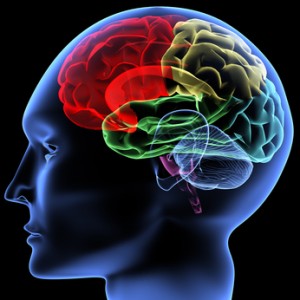 Brain is different from muscle in that it depends on aerobic metabolism and is always using ATP at a high rate. Brain accounts for 20% of our body’s energy demand. In brain we can think of creatine as a buffer or reserve.
- Brain creatine-phosphate stores are used in situations where the brain needs to increase its energy use over baseline (more about that below).
The initial excitement about creatine supplementation optimizing brain health came from mouse studies. However, we need to remember that mice aren’t humans. In this case the difference is clear.
- Creatine supplementation increases brain creatine levels by 50% in mice, but only around 5-10% on average in humans.
So, it is not clear whether the results obtained with mice also apply to humans. The results of clinical trials with humans are mixed. They are promising, but not definitive.
Is Creatine Good For The Brain?
To answer that question I will share two recent reports with you as examples of where the creatine and brain health hypothesis stands at present.
Study #1: Creatine Supplementation And Alzheimer’s Disease.

This study (AN Smith et al, Alzheimer’s & Dementia, 11270101, 2025) was designed to test the hypothesis that creatine supplementation might be beneficial for Alzheimer’s patients. It was a pilot study – designed to determine whether there was enough evidence to justify a larger clinical trial.
How Was This Study Done? Twenty participants, 60-90 years old (average = 73), were enrolled in this study. They had been previously diagnosed with Alzheimer’s disease and had been taking Alzheimer’s medication for at least 30 days. Each participant had a partner (spouse, family member, or friend) to support them and aid in accurate participation and reporting.
- Participants consumed 20 grams of creatine, split into two 10-gram doses for 8 weeks.
-
- Participants and their partners were given compliance trackers with two boxes to be checked each day to measure adherence to the supplementation protocol. Adherence was 90%.
- Blood creatine levels were measured at baseline, 4 weeks, and 8 weeks as another measure of adherence.
- Two measures of cognitive health were administered at baseline and at 8 weeks.
-
- MMSE (a 30-item cognitive test).
-
- The NIH Toolbox Cognitive Battery, which measures attention, category switching, episodic memory, working memory, speed of processing, written language, and auditory language.
- Brain creatine levels were measured using nuclear magnetic resonance (NMR) spectroscopic imaging.
What Did The Study Show?
- Participants and their partners reported 13 incidences of mild side effects, which included cramping/muscle pain, diarrhea, constipation, nausea, facial flushing, and sleep disturbances.
- Blood creatine levels increased 23-fold in 4 weeks and remained elevated at 8 weeks.
- Brain creatine levels increased by 11% at 8 weeks.
- When assessed with the NIH Toolbox Cognitive Battery, creatine supplementation (20 grams/day) improved:
-
- Total cognition by 4%.
-
- Fluid cognition by 7%.
-
- List sorting working memory by 11%.
-
- Oral reading recognition by 5%.
-
- Attention by 7%.
- There were no significant changes in the 5 other cognition categories in the NIH Toolbox Cognitive Battery.
The authors concluded, “Our study provides the first evidence in humans that creatine supplementation is feasible and may increase brain creatine and offer cognitive benefits to patients with Alzheimer’s Disease.”
These results are preliminary and suggest that future efficacy trials comparing creatine to placebo are needed to generate evidence that can be compared to other Alzheimer’s Disease clinical trials.”
“Should creatine provide benefit, the public health implications may be substantial given Alzheimer’s Disease cases are anticipated to rise and creatine is cost-effective with a good safety profile.”
Why Did I Include This Study? You may be wondering why I included such a preliminary study in my review. The answer is simple: It provides a graphical view of individual variability.
Every study mentions individual variability, but because this study has only 20 participants, the authors were able to graphically show the response of every individual in the study. And the results were informative.
- In terms of brain creatine levels:
-
- Some individuals had increases in the 25-30% range.
-
- Others had increases of around 2-5%.
- Similar variability was seen with each individual measure of cognition.
However, the most interesting result was that several measures of cognition were highly correlated with the changes in brain creatine levels. This suggests that the limiting factor in the brain health benefits of creatine may be the ability of creatine supplementation to influence brain creatine levels.
Study #2: Creatine Supplementation And Brain Health.
 This study (H Roschel et al, Nutrients, 13, 586, 2021) is a review of 16 studies looking at the effect of creatine supplementation on various aspects of brain health.
- All the studies were small.
- They used different measures of cognitive health.
- Most of the studies were short (2-15 days).
- They used different measures of brain creatine levels (Creatine levels vary according to the region of the brain that is scanned).
While emphasizing the weaknesses and inconsistencies of published studies, the authors said:
- “Creatine supplementation may positively influence some aspects of cognition under stressful conditions such as:
-
- Hypoxia (reduced oxygen flow to the brain caused by chronic conditions like atherosclerotic narrowing of the carotid arteries, asthma, and COPD.
-
- Sleep deprivation, especially when combined with exercise.”
- They also discussed the theory that creatine supplementation may be beneficial for conditions associated with reduced brain creatinine levels such as:
-
- Alzheimer’s disease, cognitive decline in general, mild traumatic brain injury, and depression.
They put particular emphasis on the potential benefits of creatine supplementation for mild traumatic brain injury, saying:
“Collectively, despite limited data, creatine supplementation seems potentially beneficial in reducing severity of or enhancing recovery from mild traumatic brain injury (mTBI), warranting further studies on its role not only as a post-injury therapy but also as a neuroprotective agent in populations at high risk of mTBI”
“Encouraging supplementation to reduce damage from or enhance recovery from mTBI…would ordinarily be considered premature. However, in this instance, given the devastating effects of mTBI, combined with the large body of safety and efficacy creatine supplementation data, encouraging supplementation for populations who are at high risk for mTBI might be considered more prudent.”
Finally, the authors concluded,
“There is a potential for creatine supplementation to improve cognitive processing, especially in conditions characterized by brain creatine deficits, which could be induced by acute stressors (e.g., exercise, sleep deprivation) or chronic, pathologic conditions (e.g., mTBI, cognitive decline, Alzheimer’s disease, depression).”
What Does This Study Mean For You?
 If you are interested in creatine to support any kind of high intensity, short duration activity, the data are clear. Creatine supplementation in the 5-20 gm/day range with adequate hydration is both safe and effective.
Creatine offers little benefit for endurance events. But if you engage in any kind of high intensity training to build muscle mass in preparation for endurance events, creatine is likely to be of benefit.
However, we are at the early stages of understanding the effects of creatine supplementation on brain health and cognitive function. Most of the results are promising, but preliminary.
Here is a brief summary:
- The effectiveness of creatine supplementation at increasing brain creatine levels and improving brain function is highly variable.
-
- For some individuals, creatine supplementation results in a 25-30% increase in brain creatine levels. Those individuals are likely to experience brain health benefits.
-
- For other individuals, creatine supplementation results in 2-5% increase in brain creatine levels. These individuals may not experience noticeable brain health benefits.
- These reason for this variability in the effect of creatine supplementation is unknown at present.
This reminds me of my last decade (2002-2012) of cancer research at the University of North Carolina. At the beginning of the decade, here were certain cancer drugs that were considered unproven because their effectiveness was variable. They appeared to help some cancer patients, but were ineffective for others.
The we started to look at the genetic mutations that caused individual cancers. By the end of the decade we had discovered those drugs were amazingly effective for cancers with certain genetic backgrounds. Those drugs went from being “duds” to being “stars”.
Creatine supplementation for brain health is where those cancer drugs were in 2002. Until we can predict which individuals will experience a significant increase in brain creatine levels with supplementation, clinical studies will continue to be inconsistent, and the scientific community will continue to consider creatine supplementation for brain health to be “unproven”.
- But the good news is that, with adequate hydration, creatine supplementation is safe. So, you can take it for its muscle benefits. And, if you also experience brain health benefits, consider it an added benefit.
And there are certain situations where even the medical profession often recommends creatine supplementation for brain health. For example:
- Studies suggest that creatine supplementation may improve brain function for people with sleep deprivation, mild traumatic brain injury, cognitive decline, conditions that restrict blood flow to the brain, Alzheimer’s disease, and depression.
-
- For example, it is often recommended for mild traumatic brain injury because the health consequences of untreated traumatic brain injury are severe and the risks of creatine supplementation are low.
Finally, the optimal dosage and duration of creatine supplementation for brain health benefits is unknown.
- Most studies use 20 grams/day divided into two or three smaller doses.
- But the effect of body weight on dosage recommendations has not been studied. People in the sports medicine field tell me that female gymnasts use significantly less creatine than male football players. If your body weight is low, you might want to aim for 10-15 grams/day.
Creatine Supplementation Cautions
 While the safety of creatine supplementation is well established, there are some cautions you should be aware of:
- Creatinine, the breakdown product of creatine metabolism, puts some stress on the kidneys.
-
- While this is not a problem if your kidneys are healthy, you should consult with your health professional about taking creatine if you have any indications of impaired kidney function.
-
- Even if your kidneys are perfectly healthy, creatine supplementation may increase blood creatinine levels. If your health professional is using creatinine levels to measure kidney health, you should let them know that you are supplementing with creatine.
- Adequate hydration (preferably with water) is important because creatine pulls water with it as it enters your muscle cells.
-
- This plumps up your muscles, which is great if you are a body builder.
-
- This dehydrates you, which can cause side effects like muscle cramps, headaches, nausea, stomach cramps, and diarrhea.
-
- These side effects are usually transitory and can be avoided or reduced by adequate hydration. If symptoms continue despite adequate hydration, you should lower the dose or discontinue creatine supplementation.
The Bottom Line
If you are interested in creatine to support any kind of high intensity, short duration activity, the data are clear. Creatine supplementation in the 5-20 gm/day range with adequate hydration is both safe and effective.
However, we are at the early stages of understanding the effects of creatine supplementation on brain health and cognitive function. Most of the results are promising, but preliminary.
I discussed two studies on creatine supplementation and brain health in this article. Here is a brief summary of their findings:
- Creatine supplementation may improve brain function for people with sleep deprivation, mild traumatic brain injury, cognitive decline, conditions that restrict blood flow to the brain, Alzheimer’s disease, and depression).
-
- Although the effectiveness of creatine supplementation on brain function is uncertain at present, many experts recommend it if you fall into one of the categories listed above because creatine supplementation has been shown to be safe by decades of sports medicine studies.
- The effectiveness of creatine supplementation at increasing brain creatine levels and improving brain function is highly variable.
-
- For some individuals, creatine supplementation results in a 25-30% increase in brain creatine levels. Those individuals are likely to experience brain health benefits.
-
- For other individuals, creatine supplementation results in 2-5% increase in brain creatine levels. These individuals may not experience noticeable brain health benefits.
- But the good news is that, with adequate hydration, creatine supplementation is safe. So, you can take it for its muscle benefits. And, if you also experience brain health benefits, consider it an added benefit.
For more information on this study, what it means for you, and cautions about using creatine supplements, read the article above.
These statements have not been evaluated by the Food and Drug Administration. This information is not intended to diagnose, treat, cure, or prevent any disease.
_____________________________________________________________________________
My posts and “Health Tips From the Professor” articles carefully avoid claims about any brand of supplement or manufacturer of supplements. However, I am often asked by representatives of supplement companies if they can share them with their customers.
My answer is, “Yes, as long as you share only the article without any additions or alterations. In particular, you should avoid adding any mention of your company or your company’s products. If you were to do that, you could be making what the FTC and FDA consider a “misleading health claim” that could result in legal action against you and the company you represent.
For more detail about FTC regulations for health claims, see this link.
https://www.ftc.gov/business-guidance/resources/health-products-compliance-guidance
_____________________________________________________________________________
About The Author
 Dr. Chaney has a BS in Chemistry from Duke University and a PhD in Biochemistry from UCLA. He is Professor Emeritus from the University of North Carolina where he taught biochemistry and nutrition to medical and dental students for 40 years. Dr. Chaney won numerous teaching awards at UNC, including the Academy of Educators “Excellence in Teaching Lifetime Achievement Award”. Dr Chaney also ran an active cancer research program at UNC and published over 100 scientific articles and reviews in peer-reviewed scientific journals. In addition, he authored two chapters on nutrition in one of the leading Biochemistry textbooks for medical students.
Since retiring from the University of North Carolina, he has been writing a weekly health blog called “Health Tips From the Professor”. He has also written two best-selling books, “Slaying the Food Myths” and “Slaying the Supplement Myths”. And most recently he has created an online lifestyle change course, “Create Your Personal Health Zone”. For more information visit https://chaneyhealth.com.
For the past 53 years Dr. Chaney and his wife Suzanne have been helping people improve their health holistically through a combination of good diet, exercise, weight control and appropriate supplementation.