Can Protein Supplements Increase GLP-1?

What Is GLP-1 And What Does It Do?

Author: Dr. Stephen Chaney

I don’t need to tell you that GLP-1 (glucagon-like peptide 1) drugs are all the rage. Total spending on GLP-1 drugs in the United States exceeded $71 billion in 2023, a 500% increase in just 5 years. There are 15 million Americans on GLP-1 drugs at any one time. And most of this increase has been driven by the weight-loss market.

Let me be clear. These drugs work. For people with poorly controlled type 2 diabetes or severe obesity-related health issues, they can be a godsend. But like any “quick fix” weight loss drugs they are overprescribed.

And when you have millions of people taking a drug, you need to take a serious look at side effects. The most frequent side effects are:

  • Nausea
  • Vomiting
  • Diarrhea
  • Constipation
  • Increased heart rate.
  • Hypoglycemia
  • Allergic reactions

These are side effects that aren’t life threatening and are easily detected. When someone experiences these side effects, they usually give their doctor a call, and their doctor either takes them off the drug or modifies the dosage.

However, more recent studies have identified two additional side effects that are much more troubling.

  • The first is depression, anxiety, and suicidal thoughts.
    • These are symptoms that many patients may not associate with the drug, especially if they already have these tendencies.
    • And the consequences can be life threatening. There have already been reports of suicides of people on GLP-1 medications.
  • The second is loss of muscle mass.
    • This is a particular concern for seniors who struggle to maintain muscle mass as they age.
    • And this is a silent symptom. Most seniors don’t realize they are losing muscle mass until it significantly affects their quality of life.

And, of course, the biggest drawback of GLP-1 drugs is that they are only a temporary fix. Unless someone changes their lifestyle, the weight comes roaring back as soon as they quit using GLP-1.

So. It’s no wonder some people are asking whether it is possible to increase their GLP-1 levels naturally without the side effects associated with GLP-1 drugs. I will discuss this below, but first I should review what GLP-1 is and what it does.

What Is GLP-1 And What Does It Do? 

Let me start by reviewing the hormones insulin and glucagon to create a proper perspective for understanding the role of GLP-1.

Insulin: Almost everyone has heard of insulin. It is released by the pancreas whenever we eat, and blood sugar levels start to rise. Its role is to lower blood sugar levels.

Glucagon: Glucagon is less well known, but you can think of it as the Yin to insulin’s Yang. It is released by the pancreas when blood sugar levels fall and continues to be present until the next meal. Its role is to increase blood sugar levels and make sure that our cells get the food they need until the next meal.

GLP-1: GLP-1 stands for glucagon-like peptide 1. With a name like that, you might expect GLP-1 to have significant sequence homology with glucagon, bind to the same receptors, and have a similar effect on our metabolism. You would be wrong!

Both peptide hormones are derived from a much larger peptide called proglucagon. This is the only way that GLP-1 is “like” glucagon.

One portion of proglucagon is processed to give glucagon in pancreatic alpha cells. Another portion is processed to give GLP-1 in intestinal L cells. [L cells are endocrine (hormone producing cells) found in the intestinal mucosa.] There is very little sequence or structural homology between glucagon and GLP-1.

Their function is also very different. You can think of GLP-1 as a partner to insulin. It is released by intestinal L cells in response to the presence of nutrients (primarily protein, fat, and carbohydrate) in the intestine. It binds to GLP-1 receptors on the…

  • Pancreas to stimulate insulin release and inhibit glucagon release. This is why it helps type 2 diabetics control their blood sugar levels.
  • Stomach to reduce the rate of gastric emptying. This prolongs the feeling of fullness after each meal.
  • Small intestine to reduce gut motility, which increases transit time through the small intestine. This also prolongs the feeling of fullness after a meal. But it can also lead to gastrointestinal side effects.
  • Brain to turn down your “appestat”. This reduces feelings of hunger between meals. But at high doses, it can affect the brain in negative ways (anxiety, depression, and suicidal thoughts).

Can Protein Supplements Increase GLP-1? 

Questioning WomanYou may be wondering, “Is it possible to increase GLP-1 levels naturally without side effects?” The answer is clearly, “Yes”. Every time you eat a meal, your GLP-1 levels increase naturally.

When you eat a meal, GLP-1 levels rise within 10 minutes and remain elevated for 1-2 hours. Then enzymes present in the bloodstream digest GLP-1 and it disappears. This is the way nature intended. There are no side effects to the natural rise and fall of GLP-1 after a meal.

And protein appears to play an important role in this process. High-protein meals result in higher and more prolonged GLP-1 levels than high-fat or high-carbohydrate meals. That’s because protein is digested to amino acids in the intestine. And some of those amino acids bind to receptors in intestinal L-cells and stimulate GLP-1 release.

You may be wondering what this has to do with protein supplements. Theoretically, protein supplements should offer the same benefit as a high-protein meal with fewer calories.

This hypothesis has been tested with a few protein supplements, and they have been shown to increase GLP-1 levels naturally. And, based on the limited data available, it appears that the increase in GLP-1 is proportional to the protein content of the supplement.

So, it appears that the answer I posed at the beginning of this article is,

  • Yes, it appears that protein supplements can increase protein levels naturally.
  • And it appears that the higher the protein content of the supplement, the greater the increase in GLP-1 levels.

However, there are many variations in the formulation of protein supplements, and we don’t know how these variations influence the effect of protein supplements on GLP-1 levels. Therefore,

  • We can’t yet say that all protein supplements increase GLP-1 levels equally.
  • When choosing a protein supplement, you should ask for clinical studies with their product showing it increases GLP-1 levels.

What Does This Mean For You?

If you can raise your GLP-1 levels naturally with high-protein meals and protein supplements, you might be asking, “What makes the GLP-1 drugs different?” To understand the answer to that question, you first need to know what GLP-1 drugs are.

  • GLP-1 drugs mimic the natural GLP-1 peptide.
  • However, GLP-1 drugs have been genetically modified to make them resistant to enzymatic digestion. They can stay in the bloodstream for up to 24 hours.

This is what makes them so effective as weight loss drugs. But it’s not nice to fool with mother nature. This is also why they have side effects.

And let’s remember that while GLP-1 drugs are effective, you will need to take them for the rest of your life unless you change your diet and lifestyle. And with long-term usage of the drugs, you are likely to experience one or more of their side effects at some point.

So, if you are willing to change your diet and lifestyle, it may be worthwhile looking at increasing your GLP-1 levels naturally. The effect may not be as strong as with the GLP-1 drugs, but it may help you suppress your appetite enough to successfully implement your lifestyle changes. You have lots of options.

  • Every time you eat a meal your GLP-1 levels increase. And the bigger the meal, the bigger the increase. But the bigger the meal, the greater the calories. So, that’s not an optimal way to increase GLP-1 levels.
  • That’s where protein supplements come in.
  • And since you are trying to maximize GLP-1 levels with the minimum calories, I recommend a 20–40-gram protein supplement with a minimum of carbohydrate and fat. Just be sure the manufacturer has done a clinical study to demonstrate their protein supplement raises GLP-1 levels.

The Bottom Line

In this article I asked the question, “Can protein supplements increase GLP-1 levels naturally without the side effects of GLP-1 drugs?” The answer is, “Yes”. In this article I tell you:

  • What GLP-1 is and what it does.
  • Why GLP-1 drugs have side effects.
  • How protein supplements can raise your GLP-1 levels naturally without the side effects of GLP-1 drugs.

For more details read the article above.

These statements have not been evaluated by the Food and Drug Administration. This information is not intended to diagnose, treat, cure or prevent any disease.

 ______________________________________________________________________________

My posts and “Health Tips From the Professor” articles carefully avoid claims about any brand of supplement or manufacturer of supplements. However, I am often asked by representatives of supplement companies if they can share them with their customers.

My answer is, “Yes, as long as you share only the article without any additions or alterations. In particular, you should avoid adding any mention of your company or your company’s products. If you were to do that, you could be making what the FTC and FDA consider a “misleading health claim” that could result in legal action against you and the company you represent.

For more detail about FTC regulations for health claims, see this link.

https://www.ftc.gov/business-guidance/resources/health-products-compliance-guidance

 _______________________________________________________________________

About The Author 

Dr. Chaney has a BS in Chemistry from Duke University and a PhD in Biochemistry from UCLA. He is Professor Emeritus from the University of North Carolina where he taught biochemistry and nutrition to medical and dental students for 40 years.

Dr. Chaney won numerous teaching awards at UNC, including the Academy of Educators “Excellence in Teaching Lifetime Achievement Award”.

Dr Chaney also ran an active cancer research program at UNC and published over 100 scientific articles and reviews in peer-reviewed scientific journals. In addition, he authored two chapters on nutrition in one of the leading biochemistry text books for medical students.

Since retiring from the University of North Carolina, he has been writing a weekly health blog called “Health Tips From the Professor”. He has also written two best-selling books, “Slaying the Food Myths” and “Slaying the Supplement Myths”. And most recently he has created an online lifestyle change course, “Create Your Personal Health Zone”. For more information visit https://chaneyhealth.com.


For the past 53 years Dr. Chaney and his wife Suzanne have been helping people improve their health holistically through a combination of good diet, exercise, weight control and appropriate supplementation.

Protein – The Longevity Nutrient

How Much Protein Do You Need?

Author: Dr. Stephen Chaney 

breaking newsIn 2016 the New York Times ran an article with the title, “Can You Get Too Much Protein?” The article asserted that most Americans were getting too much protein in their diet and that protein supplements were useless and perhaps dangerous.

At the time I wrote a “Health Tips From the Professor” article summarizing recent research showing that many people needed more than the RDA for protein and that those people were often consuming too little, rather than too much, protein.

In the 9 years since then the evidence that many Americans may not be getting enough protein has only gotten stronger.

  • The standard for protein intake used to be a “one size fits all” recommendation of 46g gm/day for women and 56 gm/day for men with slight increases recommended for pregnant and lactating women. Today we know:
    • That standard was based on outdated methodology from the 1930’s. Recent studies suggest protein intake should be at least 50% higher.
    • That standard was based on studies with healthy, sedentary adults (the adult “couch potato” crowd). Protein requirements are significantly higher for anyone who doesn’t fit that description.
  • We used to think in terms of total daily protein intake. Today we know that:
    • Protein intake should be divided equally between the 3 primary meals.
    • Protein quality is important. Protein requirements should be increased if low-quality proteins are consumed.
  • We used to worry that high protein intake might damage your kidneys. Today we know that:
    • Protein intake does not cause kidney disease. It is not a concern as long as hydration is adequate and excess alcohol is avoided.
    • Protein intake is only a concern if someone has kidney disease.

Protein – Your Longevity Nutrient

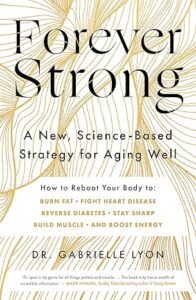
If you want to delve into the latest protein research and what it means for you, I highly recommend the book, “Forever Strong: A New, Science-Based Strategy For Aging Well” by Dr. Gabrielle Lyon.

Her book is focused on helping each of us create adequate healthy muscle mass. She says, “Adequate muscle mass is essential for health and longevity. And muscle is the only organ over which we have voluntary and complete control.”

Of course, adequate muscle mass requires both exercise and adequate protein. Dr. Lyon covers both in her book, but exercise is not my expertise, so I will only cover adequate protein intake in this “Health Tips From the Professor” article.

In her book, Dr. Lyons details recent research on the amount of protein needed to optimize muscle mass. Dr. Lyon was the one who alerted me to the fact that the current protein RDA is based on outdated methodology from the 1930’s and that actual protein needs are much higher.

Dr. Lyon concludes that most Americans are not consuming enough protein to optimize their muscle mass and that adequate protein intake is essential for longevity, metabolic function, and quality of life. Specifically, she says that optimal muscle mass:

  • Improves strength and mobility.
  • Improves blood sugar control.
  • Decreases blood triglyceride levels.
  • Strengthens the immune system.
  • Improves bone mineral density and strength.
  • Reduces all-cause mortality (risk of dying) and morbidity (risk of disease).

I will use the latest science on protein needs described in her book and in recently published clinical studies to answer the important question, “How much protein do you need?” But first I want to help you understand the dynamics of protein metabolism.

The Dynamics Of Protein Metabolism 

ProfessorMost people associate muscle mass with strength and endurance. Many understand the important role muscle mass plays in burning off excess calories and keeping us slim. But few people understand the important role that muscle protein plays in our everyday energy metabolism.

Whenever we eat a meal containing protein, we store some of the protein we eat as increased muscle mass, especially when protein intake is coupled with exercise. But muscle protein plays other very important functions. It is a precious resource.

The synthesis of new muscle in the fed state is driven by:

  • Insulin, which is released into the blood stream whenever we eat a meal.
  • Exercise because it makes muscle more sensitive to the effects of insulin.
  • The amino acid leucine, which is most abundant in high quality protein sources.

In the fed state most of our energy is derived from blood glucose. This is primarily controlled by insulin.  As blood glucose levels fall, we move to the fasting state and start to call on our stored energy sources to keep our body functioning. This process is primarily controlled by a hormone called glucagon.

  • In the fasting state most tissues easily switch to using fat as their main energy source, but…
    • Red blood cells and a few other tissues in the body are totally dependent on glucose as an energy source.
    • Our brain is normally dependent on glucose as an energy source, and our brains use a lot of energy. [Note: Our brain can switch to ketones as an energy source with prolonged starvation or prolonged carbohydrate restriction, but that’s another story for another day.]
  • Because our brain and other tissues need glucose in the fasting state, it is important to maintain a constant blood glucose level between meals.
    • Initially, blood glucose levels are maintained by calling on carbohydrate reserves in the liver.
    • But because those reserves are limited, our body starts to break down muscle protein and convert it to glucose as well – even in the normal dinner/sleep/breakfast cycle.

Simply put, in addition to its other important roles in the body, muscle protein is also an energy store. You can think of it like a bank.

When we eat, we make a deposit to that energy store. Between meals we make a withdrawal from that energy store. When we are young the system works perfectly. Unless we fast for prolonged periods of time, we are always adding enough muscle protein in the fed state to balance out the withdrawals between meals.

But there are many physiological situations where protein metabolism becomes unbalanced, either because protein breakdown is accelerated or because protein synthesis is diminished. In each of those situations, our protein needs are increased.

I will describe each of these situations and how they affect our protein needs in the section below.

How Much Protein Do You Need? 

couch potatoThe Coach Potato Group: If this is you, I won’t be judgmental. But I highly recommend you read Dr. Lyon’s book. It may just inspire you to increase your fitness level and your protein intake.

As I said before the standard RDA recommendation for the coach potato group is 46 gm/day for women and 56 gm/day for men. That’s based on 0.36 grams of protein per pound of body weight and assumes that women weigh around 127 pounds and men weigh around 155 pounds.

There are two major problems with the standard protein RDAs:

1) The protein RDA should not be a “one-size-fits-all” recommendation. The standard used to calculate the RDA is based on weight. If you are a woman weighing 127 pounds or a man weighing 155 pounds, you are to be congratulated. But in today’s world the average woman weighs 170 pounds, and the average man weighs 201 pounds.

  • That means the average protein requirement should be 61 gm/day for women and 72 gm/day for men.
  • And that’s just the average. Your protein requirement is based on your weight.

2) As I mentioned earlier, the 0.36 gm/pound standard is based on outdated methodology from the 1930’s. Based on current technology, Dr. Lyon says the standard should be closer to 0.54 gm/pound.

  • If you use that standard and use the current average weight for men and women, the average protein requirement for the couch potato group is closer to 91.5 gm/day for women and 108 gm/day for men.
  • And since protein intake should be divided equally between meals, that amounts to 30 gm/meal for women and 36 gm/meal for men. If you weigh significantly more or less than the average American, you should adjust your intake accordingly.

The Over 50 Group: When we are young muscle protein deposits in the fed state and muscle protein withdrawals during the fasting state are in balance. And if we add exercise and increase our protein intake, it’s pretty easy to increase our muscle mass.

But once we reach our Golden Years things start to change. Muscle protein synthesis becomes less efficient. We need to increase the intensity of our workouts and increase our protein intake just to maintain our muscle mass.

If we fail to do that, we gradually lose muscle mass as we age, a process referred to as sarcopenia. Between 50 and 60 we lose 5-8% of our muscle mass, and the rate that we lose muscle accelerates with each subsequent decade. And that loss of muscle mass has severe consequences. For example:

  • It interferes with daily activities like playing with our grandchildren and engaging in activities we love.
  • It decreases our metabolic rate which increases our risk of obesity and obesity-related diseases.
  • It increases our risk of falls.

In short, our quality of life is diminished, and we become unhealthy and frail.

Dr. Lyon describes the training program needed to prevent sarcopenia as we age in her book Forever Strong. But we also need more protein.

On average older adults need around 35 – 45 gm of protein per meal to prevent sarcopenia. There are not enough published studies for me to provide more specific recommendations. But here are some guidelines:

  • If you are at ideal weight and in your 50’s or 60’s, you can probably do well at the lower end of the range.
  • If you are overweight or in your 70’s or 80’s, you should probably aim for the upper end of the range.
  • I recommend getting a body composition test on an annual basis and adjusting your exercise and protein intake based on your change in muscle mass. My doctor has a simple device for measuring my body composition as part of my annual physical. If your doctor doesn’t have a device like that, find out who does in your community.

Happy woman on scaleThe Weight Loss Group: If you are actively trying to lose excess weight, I congratulate you. But the sad fact is that up to 35% of weight loss on most diets comes from muscle, not fat.

That’s because your body interprets caloric restriction as starvation and increases the rate of protein breakdown.

But you can prevent that by adding resistance training to your diet plan and increasing your protein intake. By increasing your protein intake from 15% of calories (which is what most Americans get) to 30% of calories, you can rebalance muscle metabolism by increasing muscle protein synthesis. When you do this, you can reduce muscle loss to less than 10% of weight loss.

You may be wondering, “Why set the recommendation as a percentage of calories rather than gm/pound or gm/meal”. The answer is simple. Your caloric intake changes significantly you are on a diet, so expressing protein as a percentage of calories makes more sense.

For example, 30% of calories on a 1,000-calorie diet translates into 25-30 gm/meal. You might look at that recommendation and say, “That’s less than you recommended for the couch potato who is not trying to lose weight.” My answer would be, “Yes, but the couch potato is eating 2-3-times more calories.

So, the recommendation that’s easiest to understand if you are trying to lose weight is to aim for 25-30 gm of protein/meal/1,000 calories per day.  

  • Adjust your protein intake per meal based on the daily calories allowed on your diet. 
  • And if you are on a diet that restricts the kinds of food that you can eat or the amount of time you can eat, track your actual caloric intake for a few days. The “hidden secret” behind those diets is that most people eat fewer calories because of the restrictions.

Final thought: The latest data suggest that GLP-1 drugs accelerate the muscle loss associated with dieting. This is a significant concern, especially for people over 50. Some experts are recommending as much as 35-50 gm of protein/meal if you are using a GLP-1 drug to aid your weight loss.

Weight TrainingThe Fitness Group: The question I get most often from the fitness group is, “How much protein do I need after my workout to maximize recovery and muscle gain?” This has been well researched, and the answer is age dependent.

  • If you are in your 30’s, most experts recommend 15-20 grams of protein after your workout.
  • If you are in your 60s, most experts recommend 30-35 grams of protein after your workout.
  • While precise recommendations are not available for every age, you can extrapolate from these numbers.

Does Protein Quality Matter? 

I’m often asked whether all proteins are equally effective at building muscle mass or does protein quality matter? The answer is, “Yes. Protein quality matters, but not in the way that we have thought about it in the past.”

We used to think that protein quality was measured by the balance of all the essential amino acids. While balance is important, the increase in muscle mass is driven primarily by the amino acid leucine. That’s because leucine is the only amino acid that directly stimulates muscle protein synthesis.

Simply put, proteins that are high in leucine are used more efficiently by our bodies to increase muscle mass. In fact, Dr. Lyon measures protein quality solely based on its leucine content.

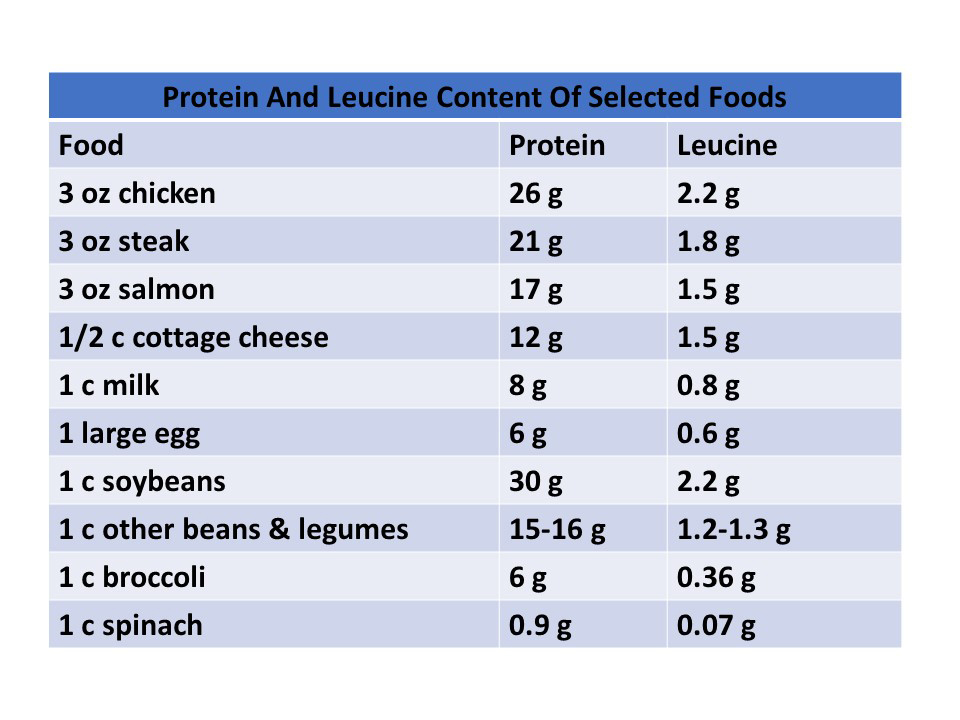
Many studies have looked at the optimal amount of leucine content in protein. The numbers vary somewhat from study to study, but they average around 1 gram of leucine for every 10 grams of protein.

If you look at the leucine contents of various proteins, it is clear that a 1:10 ratio is primarily found in animal proteins. Soybeans are the only vegetable protein source that comes close.However, there are many health reasons for consuming a primarily plant-based diet. Dr. Lyon doesn’t tell her patients to avoid plant proteins. But if they are consuming primarily plant proteins, she recommends that they increase their protein intake by 35-45%, so they will be getting enough leucine to maximize muscle protein synthesis.

What Role Do Protein Supplements Play? 

Protein SupplementRemember that New York Times article that said protein supplements were useless and perhaps dangerous? That’s outdated advice. In fact, you should view protein supplements as essential for reaching your protein goals.

That’s because our protein intake needs to be divided equally between our 3 major meals, but that’s not how we eat. Most of us have no trouble getting 30-40 grams of protein at dinner, but…

  • We only get around 15 grams of protein at breakfast, and…
  • 15-20 grams of protein at lunch.

But that’s assuming we eat a typical breakfast or lunch. If we eat…

  • An unhealthy breakfast of croissants and coffee or a healthy breakfast of cornflakes, skim milk, and fruit slices, we only get around 6 grams of protein.
  • A healthy green salad for lunch, we may get as little as 2 grams of protein.

A recent study has shown that adding a protein supplement to your low protein meals can help you increase your muscle mass in as little as 24 weeks.

What Does This Mean For You? 

how much protein do athletes needProtein is your longevity nutrient. My advice is:

  • Use the information in this article to set your protein goals (Talk with your doctor first if you have any health issues that may limit your protein intake).
  • Use a simple protein tracker to identify your low-protein meals.
  • Add additional protein foods or supplements to your low-protein meals to bring your protein up to recommended levels.
  • Focus on high-leucine protein foods and supplements. (If you eat more plant protein than animal protein, as I do, increase your recommended protein intake by 35-45% to make sure you are getting the leucine you need to maximize your muscle mass.)

As for what kind of protein supplement, I recommend a plant protein supplement with added leucine.

The Bottom Line 

In her book, “Forever Strong”, Dr. Gabrielle Lyon says, “Adequate muscle mass is essential for health and longevity. And muscle is the only organ over which we have voluntary and complete control.” She goes on to state that the current RDAs for protein intake are outdated. And if we look at protein needs based on the latest research, most Americans aren’t getting enough protein in their diet to achieve adequate muscle mass.

In this article, I summarize her findings. And based on the latest research, I provide protein intake recommendations for:

  • Adult couch potatoes.
  • Fitness enthusiasts.
  • People over 50.
  • People who are trying to lose weight.

I also discuss protein quality and protein supplements.

For more information on these topics and what they mean for you, read the article above.

These statements have not been evaluated by the Food and Drug Administration. This information is not intended to diagnose, treat, cure or prevent any disease.

 _____________________________________________________________________________

My posts and “Health Tips From the Professor” articles carefully avoid claims about any brand of supplement or manufacturer of supplements. However, I am often asked by representatives of supplement companies if they can share them with their customers.

My answer is, “Yes, as long as you share only the article without any additions or alterations. In particular, you should avoid adding any mention of your company or your company’s products. If you were to do that, you could be making what the FTC and FDA consider a “misleading health claim” that could result in legal action against you and the company you represent.

For more detail about FTC regulations for health claims, see this link.

https://www.ftc.gov/business-guidance/resources/health-products-compliance-guidance

______________________________________________________________________

About The Author 

Dr. Chaney has a BS in Chemistry from Duke University and a PhD in Biochemistry from UCLA. He is Professor Emeritus from the University of North Carolina where he taught biochemistry and nutrition to medical and dental students for 40 years.

Dr. Chaney won numerous teaching awards at UNC, including the Academy of Educators “Excellence in Teaching Lifetime Achievement Award”.

Dr Chaney also ran an active cancer research program at UNC and published over 100 scientific articles and reviews in peer-reviewed scientific journals. In addition, he authored two chapters on nutrition in one of the leading biochemistry text books for medical students.

Since retiring from the University of North Carolina, he has been writing a weekly health blog called “Health Tips From the Professor”. He has also written two best-selling books, “Slaying the Food Myths” and “Slaying the Supplement Myths”. And most recently he has created an online lifestyle change course, “Create Your Personal Health Zone”. For more information visit https://chaneyhealth.com.

For the past 53 years Dr. Chaney and his wife Suzanne have been helping people improve their health holistically through a combination of good diet, exercise, weight control and appropriate supplementation.


Is Extra Protein Important For Seniors?

The Role Of Muscle Protein In Energy Metabolism 

Author: Dr. Stephen Chaney 

We’ve been told, “It’s all downhill after 30.” That may or may not be true depending on the lifestyle choices we make.

But for muscle mass, “It’s all downhill after 50!” Simply put, we start to lose muscle mass at an accelerating pace after 50, a process scientists call sarcopenia.

Sarcopenia should be a major concern for everyone over 50. Loss of muscle mass:

  • Causes unsteadiness which can lead to falls, bone fractures, and death.
  • Increases the risk of obesity because muscle burns more calories than fat. That increases our risk of obesity-related diseases such as heart disease, diabetes, some cancers, osteoarthritis, and other inflammatory diseases.
  • Robs us of the fun activities we would like to enjoy in our golden years.

But sarcopenia is not inevitable. As I have discussed in previous issues of “Health Tips From the Professor”, there are three things we can do to minimize sarcopenia as we age.

  • Get adequate weight-bearing exercise. In other words, pump iron or use your body weight for exercise on a regular basis.
  • Get adequate protein.
  • Get adequate amounts of the branched-chain amino acid leucine.

In this article I will focus on the last two, especially the fact that we need more protein and leucine to prevent loss of muscle mass as we age. To help you understand why that is, I am going to share my favorite topic – Metabolism 101 (Once a biochemistry professor, always a biochemistry professor).

Metabolism 101: The Role Of Muscle Protein In Energy Metabolism 

ProfessorMost people associate muscle mass with strength and endurance. Many understand the important role muscle mass plays in burning off excess calories and keeping us slim. But few people understand the important role that muscle protein plays in our everyday energy metabolism.

Let’s start with an overview of metabolism [Note: If you are not interested the details, you can just skip over the bullets and read the take-home message at the bottom of this section.]

  • We get energy from the carbohydrate, fat, and protein we consume. Excess carbohydrate, fat, and protein in our meals are stored to provide the energy our body needs between meals and during prolonged fasting.
    • We have a virtually unlimited ability to store fat, as some of you may have noticed.
    • We have a very limited ability to store carbohydrates in the form of glycogen in our liver.
    • Muscles are our largest organ system, and we can store some of the protein we eat as increased muscle mass, especially when protein intake is coupled with exercise. But muscle protein plays other very important functions. It is a precious resource.
  • In the fed state most of our energy is derived from blood glucose. This is primarily controlled by insulin. As blood glucose levels fall, we move to the fasting state and start to call on our stored energy sources to keep our body functioning. This process is primarily controlled by a hormone called glucagon.
    • In the fasting state most tissues easily switch to using fat as their main energy source, but…
      • Red blood cells and a few other tissues in the body are totally dependent on glucose as an energy source.
      • Initially our brain is totally dependent on glucose as an energy source, and our brains use a lot of energy. [Note: Our brain can switch to ketones as an energy source with prolonged starvation or prolonged carbohydrate restriction, but that’s another story for another day.]
  • Because our brain and other tissues need glucose in the fasting state, it is important to maintain a constant blood glucose level between meals.
    • Initially, blood glucose levels are maintained by calling on the glycogen reserves in the liver.
    • But because these reserves are limited, our body starts to break down muscle protein and convert it to glucose as well – even in the normal dinner/sleep/breakfast cycle.

You may have found the explanation above was excessive, but I couldn’t think of a simpler way of helping you understand that in addition to its other important role in the body, muscle protein is also an energy store.

When we eat, we make a deposit to that energy store. Between meals we withdraw from that energy store. When we are young the system works perfectly. Unless we fast for prolonged periods of time, we are always adding enough muscle protein in the fed state to balance out the withdrawals between meals.

But as we age, our ability to build muscle in the fed state becomes less efficient. Withdrawals exceed deposits, and we experience age-related muscle loss (sarcopenia).

What We Know About Preventing Age-Related Muscle Loss

As I said above, there are three things needed to prevent age-related muscle loss:

  • Adequate resistance exercise.
  • Adequate amounts of protein.
  • Adequate amounts of the essential, branched-chain amino acid called leucine.

And, as I said above, I am going to focus on the last two.

In previous issues of “Health Tips From the Professor” I have shared articles showing that the amount of both protein and leucine needed to maximize the gain in muscle mass following a meal or a workout increase as we age. For example.

  • For someone in their 30s, 15-25 grams of protein with 1.7 grams of leucine per meal is optimal.
  • But someone in their 60’s and 70s needs 25-30 grams of protein and 2.5-2.7 grams of leucine per meal to achieve the same effect.
  • Most of these studies have been done with men, but a recent study showed the results are identical with post-menopausal women.

However, previous studies have not addressed whether we need protein supplementation to achieve adequate protein intake or what kind of protein supplements were best. The studies I will discuss today were designed to answer these questions.

How Were These Studies Done? 

clinical studyStudy #1: As I said above, previous studies have suggested that 25-30 grams of protein per meal is optimal for preventing age-related loss of muscle mass in seniors. However, many seniors get most of their protein in their evening meal. On average, seniors consume

8-15 grams of protein at breakfast, 15-20 grams of protein at lunch, and 30-40 grams of protein at dinner.

This study (C Norton et al, The Journal of Nutrition, 146: 65-67, 2016) was designed to ask whether optimizing protein intake at each meal by adding a protein supplement at breakfast and lunch would increase lean muscle mass in seniors over a 24 week period.

The investigators recruited 60 adults, aged 50-70 (average age = 61) from the city of Limerick, Ireland. The participants were 73% women and had an average BMI of 25.8 (slightly overweight).

The participants were randomly assigned to receive either a milk-based supplement or an isocaloric, non-protein-containing, maltodextrin control. The protein supplement provided 20 grams of protein. The participants were instructed not to change any other aspect of their diet or activity level.

The protein supplement and placebo were provided in identical sachets, and the participants were told to mix them with water and consume them with breakfast and lunch. The protein supplement and placebo looked and tasted identical, so the subjects did not know which group they were in. Compliance was assessed by collecting the used sachets at the end of the study.

The participants completed 4-day diet recalls under the supervision of a dietitian before and during the study. Lean muscle mass was determined prior to and at the end of the 24-week study.

protein shakesStudy #2: This study (J McKendry et al, The American Journal Of Clinical Nutrition, doi: 10.1016/j.ajcnut.2024.05.009) was designed to determine whether the ability to stimulate muscle protein synthesis depended on the type of supplemental protein.

This study was built on the results of the first study. Specifically, the investigators compared the effect on muscle protein synthesis of adding 25 grams of whey, pea, or collagen protein to breakfast and lunch meals.

The investigators enrolled 31 healthy, older (average age = 72) subjects from the Hamilton, Ontario area. Subjects were excluded from the study if:

  • They had a medical condition or were taking any medication that might influence the results.
  • They used tobacco or tobacco related products.
  • They consumed a vegan or vegetarian diet
  • They used a walking device or were inactive for any reason.

The participants were placed on a standardized diet consisting of prepackaged meals (breakfast, lunch, and dinner) and a mix of fruits, vegetables, snacks, and drinks. They were instructed to only eat the foods provided to them and to maintain their normal activity levels.

The diet was designed to provide the RDA for protein (0.8 gram of protein/kilogram of body weight) and to mimic the habitual dietary patterns of seniors in the United States and Canada.

  • Around 55% carbohydrate, 30% fat, and 15% protein.
  • Uneven distribution of protein throughout the day (19% at breakfast, 26% at lunch, and 55% at dinner).

After one week on the control diet, participants were randomly assigned to receive 25-gram protein supplements of either whey, pea, or collagen protein and instructed to add them to their standardized diet for breakfast and lunch (total daily protein intake was increased by 50 grams/day). They followed this regimen for 7 days.

On day one and 7 of the control phase and day 7 of the intervention phase (when the participants were consuming additional protein) muscle biopsies were obtained 90 minutes after breakfast for determination of the effect of the meal on muscle protein synthesis.

[Note: The participants were consuming a protein supplement containing an additional 25 grams of protein at both breakfast and lunch. But the effect of this additional protein on muscle protein synthesis was only determined after the breakfast meal.]

Is Extra Protein Important For Seniors? 
OptimizeEach of the studies provided important insights for anyone wanting to minimize age-related muscle loss.

Study #1: The effect of the 20-gram whey protein supplement for breakfast and lunch as follows:

  • Protein supplementation at breakfast and lunch resulted in a 1.3-pound gain in lean body mass over 24 weeks compared to the control group using an isocaloric, non-protein containing maltodextrin supplement.

The authors concluded, “Protein supplementation at breakfast and lunch for 24 weeks in healthy older adults resulted in a positive (1.3 pound) difference in lean muscle mass compared with an isoenergetic, non-nitrogenous maltodextrin control. These observations suggest that an optimized and balanced distribution of [supplemental] protein intakes could be beneficial in the preservation of lean tissue mass in the elderly.”

Note:

  • This study did not show that these protein levels were optimal. It only showed that using a protein supplement to increase protein intake at breakfast and lunch was beneficial for seniors consuming most of their protein at dinner.

Study #2: The effect of the three 25-gram protein supplements at breakfast and lunch on protein intake was as follows:

  • Adding 25 grams of either whey or pea protein to a relatively low-protein (15 grams) breakfast increased muscle protein synthesis by ~9%.
  • Adding 25 grams of collagen to the same low-protein breakfast had no effect on muscle protein synthesis.

Note: This study did not measure the effect of adding supplemental protein to lunch meal, but the results were probably similar.

The authors concluded, “We discovered that the RDA [for protein] was insufficient to support higher rates of MPS [muscle protein synthesis] in older adults. Manipulating dietary protein to increase daily consumption of higher quality – whey and pea but not collagen – proteins by targeting the lowest protein-containing meals offers a viable strategy to enhance…MPS [muscle protein synthesis] in older adults.”

“Consuming protein much closer to expert group consensus recommendations [1.2 gm/kg instead of the current 0.8 gm/kg for adults over 50] may help to increase…MPS [muscle protein synthesis] with advancing age and extend health-span – compressing the years of disease and disability commonly experienced by older individuals closer to the end of life.”

My comments are:

  • You may recall from the previous discussion that age-related muscle loss occurs because muscle protein synthesis (MPS) becomes less efficient as we age.
    • Therefore, an increase in muscle protein synthesis following each meal will lead to an increase in muscle mass over time, as was seen in the first study.
  • In our 60’s and beyond we require higher amounts of both protein and leucine to maximize muscle protein synthesis.
    • The collagen supplement used in this study provided enough supplemental protein. But it probably was ineffective because it only provided 0.86 grams of leucine.
      • The amount of leucine in the control diet was not specified, but with only 15 grams of protein for breakfast there was probably enough leucine to make up for the lack of leucine in the collagen supplement.
    • In contrast the whey and pea supplements provided 2.7 and 2.1 grams of leucine, respectively. When added to the leucine in the control diet, this would be more than enough to drive muscle protein synthesis.
  • Not every pea protein supplement may be as effective as the one used in this study. When I looked it up, it was described as an “enriched pea protein designed as a soy and milk alternative.” The manufacturer did not say how it was “enriched”, but I suspect it was enriched by adding extra leucine.

What Do These Studies Mean For You? 

Don’t Leave Out Resistant Exercise. These studies were focused on the timing and quality of protein. But don’t forget that adequate protein and leucine are only two of the requirements for preventing age-related muscle loss. The third, and arguably the most important, is resistance exercise.

Aim for at least three 30-minute resistance exercise sessions per week. If you have physical limitations consult with your health professional about the type, duration, and intensity of resistance exercise that is right for you.

Forget What You Have Been Told About Protein. You have been told that American consume too much protein. That’s probably true for the average couch potato. But it is not true for seniors. The average American does consume too much of the wrong kind of protein, but that’s another story for another day.

You have been told that the average woman only needs 46 grams of protein per day, and the average man needs only 56 grams of protein per day. That’s based on the RDA of 0.8 gm/kg (0.36 gm/pound) and an average weight of 127 pounds for women and 155 pounds for men.

We haven’t weighed that since the 50’s. Today the average woman weighs 170 pounds, and the average man weighs 201 pounds. That means protein intake should be at least 61 gm/day for women and 72 gm/day for men.

But that’s only if you are in your twenties or thirties. The consensus among those who study protein needs in seniors is that the RDA should be 1.2 gm/kg (0.54 gm/pound) for adults over 50. That’s 91 gram/day and 108 grams/day, respectively, for average weight women and men.

With that perspective, it is easy to understand the recommendation that seniors get 25-30 grams of protein and 2.5-2.7 grams of leucine per meal.

These studies did not address leucine intake, but they suggest that optimal protein intake may be closer to 30-40 grams of protein per meal. That’s 90-120 grams of protein day. But that is probably not what you are hearing from your doctor.

Why Is Supplemental Protein Important? It’s easy to say that seniors should get 30-40 grams of protein per meal, but that’s not the way most seniors eat.

When I was a child growing up in Alabama the standard breakfast was eggs, ham, grits with ham gravy and biscuits. I’m not saying that it was a healthy breakfast, but it was the standard breakfast where I lived at the time. And it provided plenty of protein.

In today’s world most seniors have been told to avoid eggs and red meat. Breakfasts are more likely to be some type of cereal with a fruit garnish and perhaps some toast. That’s a much healthier breakfast, but it’s a low-protein breakfast. That’s why most seniors only get 8-15 grams of protein at breakfast time.

I won’t go into lunches, but similar transformations have taken place at lunch time, which is why most seniors only get 15-20 grams of protein at lunch.

CerealAnd many seniors get even less protein at breakfast and lunch. For example:A cup of coffee and a croissant or a “healthier” bowl of cornflakes and skim milk at breakfast only provides 6 grams of protein.

  • A healthy green salad at lunch only provides 2 grams of protein.

In cases like this, the protein supplements may need to provide 30-40 grams of protein rather than the 20-25 grams of protein used in these studies.

So, if you want to avoid age-related muscle loss you have two choices:

  • Completely change your diet and incorporate more healthy protein foods into your breakfast and lunch menus or…
  • Add a protein supplement to your low-protein meals. The studies I have described above suggest that 20-25 grams of supplemental protein may be sufficient to transform a low-protein meal into one that will support muscle protein synthesis and minimize age-related muscle loss.
  • And if your breakfast and lunches are very low in protein, 30-40 grams of supplemental protein may be necessary to optimize protein intake.

Why Is Protein Quality Important? The second study shows that having enough protein is not sufficient to stimulate muscle protein synthesis. It must be high quality protein.

The authors of the study suggested that collagen did not stimulate muscle protein synthesis due to its low leucine content.

And, as I mentioned earlier, the pea protein used in the study was “enriched” so it could be used as a “whey or soy alternate”, and the “enrichment” probably included adding extra leucine.

So, if you are planning to use a plant protein supplement with your low-protein meal(s), I would recommend choosing one with added leucine.

How Much Protein Is Too Much? That depends on your age. If you are in your 20s or 30s, the ability of a protein meal and/or supplement to stimulate muscle protein synthesis begins to plateau at around 30 grams of protein, so there is little advantage to protein intakes above 30 grams at one time.

But if you are a senior, you use protein less efficiently. These and other studies with seniors suggest that 30-40 grams of protein per meal may be optimal.

However, high protein intake can be risky for some. The risk is smaller than you have been told, but it is not zero. Here are my recommendations:

  • If your physician has told you to limit protein intake, follow their advice.
  • If you are unsure about the health of your kidneys, consult with your physician before increasing your protein intake.
  • Keep adequately hydrated. Byproducts of protein metabolism can stress your kidneys if you are dehydrated.

What About An After-Workout Supplement? Previous studies have shown that the numbers are about the same for after-workout supplements.

  • For someone in their 30s, 15-25 grams of protein with 1.7 grams of leucine per meal is enough to maximize muscle gain after a workout.
  • But someone in their 60s or 70s needs at least 25-30 grams of protein and 2.5-2.7 grams of leucine per meal to maximize muscle gain.

One Final Pearl

At the very beginning of this article, I told you that the breakdown of muscle protein to keep blood sugar levels constant during fasting and starvation was driven by a hormone called glucagon.

And the active ingredient in the latest weight loss drugs like Wegovy, Ozempic, and Trulicity is GLP-1, which stands for glucagon-like peptide 1.

So, it should be no surprise that those drugs cause loss of muscle mass. That’s a side effect you probably haven’t been told about.

But the good news is that properly designed protein supplements can help you maintain and (with resistance training) increase muscle mass and also boost GLP-1 levels naturally. When choosing your protein supplement, ask for clinical studies showing that they increase GLP-1 levels.

The Bottom Line 

It’s all downhill after age 50! That’s when we start to experience age-related muscle loss, something called sarcopenia.

Age-related muscle loss can be prevented with resistance exercise, adequate protein, and adequate leucine. And the amount of both protein and leucine we need to prevent muscle loss increases as we age.

Previous studies have defined the amount of protein and leucine we need to prevent muscle loss in our 60s and 70s. The studies described in today’s “Health Tip” show the benefit of adding a protein supplement to our low-protein meals and the importance of a high-quality protein supplement for minimizing age-related muscle loss.

The authors of one of these studies concluded, “Consuming protein much closer to the expert group consensus recommendations [1.2 gm/kg instead of the current 0.8 gm/kg for adults over 50] may help to increase…MPS [muscle protein synthesis] with advancing age and extend health-span – compressing the years of disease and disability commonly experienced by older individuals closer to the end of life.”

For more information on these studies, how much protein you need, and what they mean for you, read the article above.

These statements have not been evaluated by the Food and Drug Administration. This information is not intended to diagnose, treat, cure or prevent any disease.

_____________________________________________________________________________

My posts and “Health Tips From the Professor” articles carefully avoid claims about any brand of supplement or manufacturer of supplements. However, I am often asked by representatives of supplement companies if they can share them with their customers.

My answer is, “Yes, as long as you share only the article without any additions or alterations. In particular, you should avoid adding any mention of your company or your company’s products. If you were to do that, you could be making what the FTC and FDA consider a “misleading health claim” that could result in legal action against you and the company you represent.

For more detail about FTC regulations for health claims, see this link.

https://www.ftc.gov/business-guidance/resources/health-products-compliance-guidance

 _____________________________________________________________________

About The Author 

Dr. Chaney has a BS in Chemistry from Duke University and a PhD in Biochemistry from UCLA. He is Professor Emeritus from the University of North Carolina where he taught biochemistry and nutrition to medical and dental students for 40 years.  Dr. Chaney won numerous teaching awards at UNC, including the Academy of Educators “Excellence in Teaching Lifetime Achievement Award”.

Dr Chaney also ran an active cancer research program at UNC and published over 100 scientific articles and reviews in peer-reviewed scientific journals. In addition, he authored two chapters on nutrition in one of the leading biochemistry text books for medical students.

Since retiring from the University of North Carolina, he has been writing a weekly health blog called “Health Tips From the Professor”. He has also written two best-selling books, “Slaying the Food Myths” and “Slaying the Supplement Myths”. And most recently he has created an online lifestyle change course, “Create Your Personal Health Zone”. For more information visit https://chaneyhealth.com.


For the past 45 years Dr. Chaney and his wife Suzanne have been helping people improve their health holistically through a combination of good diet, exercise, weight control and appropriate supplementation.



Is Your Protein Supplement Toxic?

Why Are Protein Supplements Contaminated? 

Author: Dr. Stephen Chaney 

There are lots of good reasons for using protein supplements.

  • Some people use them as healthier substitutes for fatty, cholesterol-rich animal protein foods.
  • Some people use them as calorie-controlled meal substitutes to lose weight.
  • Some people use them to build muscle mass.
  • Some people use them to retain muscle mass as they age.

And these reasons are just the tip of the iceberg. All these uses are meant to build health.

But the latest headlines claim that many protein supplements are toxic. They contain heavy metals that can destroy your health. In particular, the headlines claim that a high percentage of popular protein supplements are contaminated with lead and/or cadmium.

That’s downright scary because both lead and cadmium accumulate in the body and…

Lead can cause:

  • Developmental delay, learning difficulties, and behavioral problems in children.
  • High blood pressure, miscarriage, stillbirth, or premature birth in pregnant women.
  • Loss of short-term memory, depression, fatigue, and fertility problems in adults.

Cadmium can cause:

  • Flu-like symptoms, lung damage, kidney disease, and bone disease.

So, I knew you would want me to examine the studies behind the headlines and put them into perspective for you.

The first study was an analysis of popular protein supplements by an organization called “The Clean Label Project”.

And because the first study found that chocolate-flavored protein supplements were the most likely to be contaminated, a second study (JM Hands et al, Frontiers in Nutrition, 11:1366231, 2024) looking at the lead and cadmium levels in dark chocolate and cocoa products in the USA was also relevant. This study was performed by ConsumerLab.com.

How Were These Studies Done?

The first study purchased and tested 160 of the top-selling protein supplements based on Nielsen and Amazon’s best-seller lists in 2024. These supplements represented the top 70 brands and 83% of the protein supplement market.

The second study purchased and tested 72 cocoa-containing products from retail sources between 2014 and 2022.

In both cases the products were then sent to independent analytical laboratories the be tested for heavy metal contaminant by a method called Inductively Coupled Plasma Mass Spectrometry or ICP-MS.

Is Your Protein Supplement Toxic?

illustration of yellow triangle sign for toxicity

In assessing heavy metal contamination in foods there are two standards that can be used – the FDA standards or the more restrictive California Proposition 65 standards.

  • The FDA has set an interim reference level (IRL) for the maximum amount of lead that can be consumed daily from food. Anything above the IRL standard is considered to be a concern for long-term health effects.
  • The FDA has set a toxicology reference value (TRV) for cadmium. Again, anything above this level is a concern.
  • The California Proposition 65 standards for lead and cadmium are called the maximum allowable dose levels or MADLs.

The first study interprets its findings in the context of the proposition 65 MADLs only. The second study interprets its findings in the context of the Proposition 65 MADLs, but cross-references them to the FDA standards.

With that in mind, here are the results.

protein shakesThe first study on protein supplements reported that:

  • 47% of the products tested exceeded California Proposition 65 safety thresholds (MADLs) for lead and/or cadmium.
    • 21% of products tested exceeded Proposition 65 standards for lead by ≥ 2-fold.
  • Plant-based protein supplements were more likely to be contaminated than animal-based protein supplements.
    • 77% of plant-based protein supplements exceeded Proposition 65 standards for lead.
    • 28% of whey-based protein supplements exceeded Proposition 65 standards for lead.
    • 26% of collagen protein powders exceeded Proposition 65 standards for lead.
  • Organic protein supplements were more likely to be contaminated with heavy metals than non-organic protein supplements.
    • 79% of organic protein supplements exceeded California Proposition 65 standards for lead.
    • 41% of organic protein supplements exceeded Proposition 65 standards for lead by ≥ 2-fold.
    • On average organic protein supplements contain 4-times more lead and 2-times more cadmium than non-organic protein supplements.
  • Chocolate-flavored protein supplements were more likely to be contaminated with heavy metals than vanilla-flavored protein supplements.
    • 65% of chocolate-flavored protein supplements exceeded Proposition 65 standards for lead.
    • 29% of chocolate-flavored protein supplements exceeded Proposition 65 standards for lead by ≥ 2-fold.
    • On average chocolate-flavored protein supplements contain 4-times more lead than vanilla-flavored protein supplements.

The authors concluded, “This report aims to spark an important conversation about the safety of protein supplements and empower consumers to make more informed choices, while urging manufacturers to prioritize ingredient purity.”

chocolateThe results for chocolate-flavored protein were not unexpected as illustrated by study 2, which looked at 72 chocolate-containing products of all kinds purchased in the United States. This study found:

  • 43% of products tested exceeded Proposition 65 standards for lead.
  • 35% of products tested exceeded Proposition 65 standards for cadmium.
  • Non-GMO and Fair-Trade Certified products were just as likely as products without these certifications to be contaminated with heavy metals.
  • Organic products were 3 times more likely to be contaminated with lead and cadmium than non-organic products.
  • For comparison, only 2.8% of products tested exceeded the less rigorous FDA standard for lead.

Why Are Protein Supplements Contaminated?

Question MarkYou have every reason to be shocked by this report. You are probably wondering, “How could this happen? Why are so many popular protein supplements contaminated with heavy metals?”

Let me divide my answer to your questions into 4 individual questions.

#1: Why don’t companies simply test for heavy metal contamination?”

The answer is that the ICP-MS equipment needed to test for heavy metals is very expensive. A good ICP-MS system can easily cost upwards of $250K. And the maintenance contract needed to keep it running efficiently can cost $10K per year.

Consequently, most companies and many independent testing laboratories don’t have the ICP-MS equipment needed to test for heavy metal contamination.

Even if a company does some quality controls on their products, adding quality controls for heavy metal contamination requires a substantial additional investment. Many companies simply don’t make this investment.

#2: Why are plant-based protein supplements more likely to be contaminated with heavy metals than animal-based protein supplements?

The answer is that the contamination likely comes from environmental exposure and agricultural practices.

  • Lead and cadmium occur naturally in the soil and a certain amount of each leach into ground water every time it rains.
  • Heavy metals (especially lead) can be released into the groundwater and air by nearby industrial facilities and power plants. If the heavy metals are in groundwater, they will be taken up by the plant’s root system. If in the air, they will be deposited on the plant.
    • This is a particular problem in developing countries with less rigorous environmental controls than the US.
    • In today’s world, raw materials for protein supplements can be sourced anywhere in the world and raw materials from developing countries are often less expensive than those from the US.
  • Groundwater contamination is a particular problem for rice because it spends most of the growing season in standing water. In fact, rice is one of the foods along with chocolate that is most likely to be contaminated with lead.
    • Soy protein has fallen out of favor in recent years. And a large percentage of the protein in non-soy plant-protein products comes from rice because it is cheap and mild flavored.

#3: Why are organic protein supplements more likely to be contaminated with heavy metals than non-organic protein supplements?

While this seems to be a “head scratcher”, the answer is simple.

In my book, “Slaying the Food Myths”, food myth #8 is “Organic means pure”. That’s not true because:

  • The term organic simply means the crop was grown using organic farming methods.
    • It does not take into account contaminants that may have come from groundwater or air pollution.
    • It does not require any quality controls to make sure that the crop is not contaminated.
  • Unfortunately, many manufacturers buy into the “organic means pure” myth and do not feel the necessity of testing organic raw materials for heavy metal contamination.

#4: Why are chocolate-flavored protein supplements more likely to be contaminated with heavy metals than vanilla-flavored protein supplements?

Again, the answer is simple.

  • Chocolate is derived from the seed of cacao trees.
  • Cacao trees are subject to the same groundwater and air pollution as other plants.
  • Cacao trees are grown in developing countries with poor environmental regulations.

In short,

  • Plant proteins are more likely to be contaminated by heavy metals through groundwater and air pollution.
  • Many companies buy into the “organic means pure” myth and don’t test organic raw materials for heavy metal contamination.
  • The raw material for chocolate flavoring is likely to be contaminated with heavy metals because it comes from developing countries with poor environmental standards.
  • Testing for heavy metal contamination is expensive, so many companies don’t do it.

These Results Aren’t Surprising To My

I’m not surprised by these results. To explain why, let me share a couple of conversations I have had with a friend who worked for a very reputable supplement manufacturer. The company he worked for has an ICP-MS system in their Quality Control facility and tests all incoming raw ingredients for heavy metal contamination.

In one conversation he shared the story of a time in which the company wanted to develop a line of organic tea products. When he asked colleagues in the industry where they got their organic tea leaves, they told him about a farming operation in India that produced the world’s finest organic tea leaves.

He eagerly sent an employee to obtain some leaves from that farm. But when the employee returned and tested the leaves in their quality control facility, they were the most contaminated raw materials they had ever tested.

With a little investigation they found out that the farm used the finest organic farming practices, but they were only 30 miles away from a large industrial complex that had thoroughly contaminated their groundwater. The take home message from this conversation was that organic is no guarantee of purity.

In another conversation he told me about the time that he saw another company’s protein supplement on the shelf. The label said it was organic, non-GMO, and Fair-Trade certified. The label claimed it was “as pure as the driven snow”.

But he noticed that the product was mostly rice protein, so he bought it and had it tested in his company’s quality control laboratory. It had 4-times the amount of lead allowed by Proposition 65 standards. The take home message from this conversation was that some protein supplements are contaminated with lead, and organic, non-GMO, and Fair-Trade certification on the label is no guarantee of purity.

What Do These Studies Mean For You?

The first study only compared heavy metal contamination in protein supplements to the maximum safe levels set by California’s Proposition 65.

The second study compared lead contamination in chocolate products with both the Proposition 65 standard and the much less stringent FDA standard. 43% of chocolate products exceeded the Proposition 65 standard, but only 2.8% exceeded the FDA standard.

Some experts like to quibble about which standards heavy metal contamination should be compared to. They will tell you the California Proposition 65 standards are too stringent, and products are perfectly safe if they don’t exceed FDA standards.

For example, the authors of the second study concluded, “…heavy metal contamination…may not pose any appreciable risk for the average person when consumed in a single serving. However, consuming one serving per day in combination with other sources of heavy metals…may be a public health concern.”

The scientist in me wants to accept that statement. However, the consumer advocate in me is screaming,

  • Weren’t you paying attention. Many protein supplements contain lead and cadmium.
  • The toxicity associated with these heavy metals is cumulative.
  • Most protein supplement users are consuming them daily.
  • And if they are following a healthy diet, they are probably consuming dark chocolate and rice as well.

It is truly consumer beware in the protein supplement market. Unfortunately, the Clean Label report did not list the protein supplements with lead and cadmium contamination, probably to avoid lawsuits.

So, what can you do to avoid potentially toxic protein supplements? You can’t rely on product labels or generic purity claims.

But you can do a little sleuthing on your own. Here are the questions you should ask.

  • How many quality control tests do you run on the ingredients used in your protein supplements? The answer should be a large number.
  • Do you test for heavy metal contamination? The answer should be yes.
  • Do you reject raw ingredients with heavy metal contamination? The answer should be yes.

And once you find a company that answers these 3 questions correctly stick with them. A cheaper product with poor quality controls is not worth the risk of heavy metal contamination.

The Bottom Line

A recent study looked at heavy metal contamination in protein supplements. It found that:

  • 47% of the products tested exceeded California Proposition 65 safety thresholds (MADLs) for lead and/or cadmium.
  • Plant-based protein supplements were more likely to be contaminated with heavy metals than animal-based protein supplements.
  • Organic protein supplements were more likely to be contaminated with heavy metals than non-organic protein supplements.
  • Chocolate-flavored protein supplements were more likely to be contaminated with heavy metals than vanilla-flavored protein supplements.

The authors of the study said, “This report aims to spark an important conversation about the safety of protein supplements and empower consumers to make more informed choices, while urging manufacturers to prioritize ingredient purity.”

For more details on this study, why organic protein supplements were more likely to be contaminated, and how you can choose pure protein supplements read the article above.

These statements have not been evaluated by the Food and Drug Administration. This information is not intended to diagnose, treat, cure or prevent any disease.

______________________________________________________________________________

My posts and “Health Tips From the Professor” articles carefully avoid claims about any brand of supplement or manufacturer of supplements. However, I am often asked by representatives of supplement companies if they can share them with their customers.

My answer is, “Yes, as long as you share only the article without any additions or alterations. In particular, you should avoid adding any mention of your company or your company’s products. If you were to do that, you could be making what the FTC and FDA consider a “misleading health claim” that could result in legal action against you and the company you represent.

For more detail about FTC regulations for health claims, see this link.

https://www.ftc.gov/business-guidance/resources/health-products-compliance-guidance

 ______________________________________________________________________

About The Author 

Dr. Chaney has a BS in Chemistry from Duke University and a PhD in Biochemistry from UCLA. He is Professor Emeritus from the University of North Carolina where he taught biochemistry and nutrition to medical and dental students for 40 years.

Dr. Chaney won numerous teaching awards at UNC, including the Academy of Educators “Excellence in Teaching Lifetime Achievement Award”.

Dr Chaney also ran an active cancer research program at UNC and published over 100 scientific articles and reviews in peer-reviewed scientific journals. In addition, he authored two chapters on nutrition in one of the leading biochemistry text books for medical students.

Since retiring from the University of North Carolina, he has been writing a weekly health blog called “Health Tips From the Professor”. He has also written two best-selling books, “Slaying the Food Myths” and “Slaying the Supplement Myths”. And most recently he has created an online lifestyle change course, “Create Your Personal Health Zone”. For more information visit https://chaneyhealth.com.

For the past 45 years Dr. Chaney and his wife Suzanne have been helping people improve their health holistically through a combination of good diet, exercise, weight control and appropriate supplementation.

Optimizing Protein Intake For Seniors

The Role Of Muscle Protein In Energy Metabolism 

Author: Dr. Stephen Chaney 

We’ve been told, It’s all downhill after 30.” That may or may not be true depending on the lifestyle choices we make.

But for muscle mass, “It’s all downhill after 50!” Simply put, we start to lose muscle mass at an accelerating pace after 50, a process scientists call sarcopenia.

Sarcopenia should be a major concern for everyone over 50. Loss of muscle mass:

  • Causes unsteadiness which can lead to falls, bone fractures, and death.
  • Increases the risk of obesity because muscle burns more calories than fat. That increases our risk of obesity-related diseases such as heart disease, diabetes, some cancers, osteoarthritis, and other inflammatory diseases.
  • Robs us of the fun activities we would like to enjoy in our golden years.

But sarcopenia is not inevitable. As I have discussed in previous issues of “Health Tips From the Professor”, there are three things we can do to minimize sarcopenia as we age.

  • Get adequate weight-bearing exercise. In other words, pump iron or use your body weight.
  • Get adequate protein.
  • Get adequate amounts of the branched-chain amino acid leucine.

In this article I will focus on the last two, especially the fact that we need more protein and leucine to prevent loss of muscle mass as we age. To help you understand why that is, I am going to share my favorite topic – Metabolism 101 (Once a biochemistry professor, always a biochemistry professor).

Metabolism 101: The Role Of Muscle Protein In Energy Metabolism 

ProfessorMost people associate muscle mass with strength and endurance. Many understand the important role muscle mass plays in burning off excess calories and keeping us slim. But few people understand the important role that muscle protein plays in our everyday energy metabolism.

Let’s start with an overview of metabolism [Note: If you are not interested in this, you can just skip over the bullets and read the take-home message at the bottom of this section.]

  • We get energy from the carbohydrate, fat, and protein we consume. Excess carbohydrate, fat, and protein in our meals are stored to provide the energy our body needs between meals and during prolonged fasting.
    • We have a virtually unlimited ability to store fat, as some of you may have noticed.
    • We have a very limited ability to store carbohydrates in the form of glycogen in our liver.
    • Our ability to store protein is even more limited, even when protein intake is coupled with exercise. And muscle protein plays other very important functions. It is a precious resource.
    • Finally, any carbohydrate and protein beyond our body’s ability to store it is converted to and stored as fat.
  • In the fed state most of our energy is derived from blood glucose. This is primarily controlled by the hormone insulin. As blood glucose levels fall, we move to the fasting state and start to call on our stored energy sources to keep our body functioning. This process is primarily controlled by a hormone called glucagon.
    • In the fasting state most tissues easily switch to using fat as their main energy source, but…
      • Red blood cells and a few other tissues in the body are totally dependent on glucose as an energy source.
      • Initially our brain is totally dependent on glucose as an energy source, and our brains use a lot of energy. [Note: Our brain can switch to ketones as an energy source with prolonged starvation or prolonged carbohydrate restriction, but that’s another story for another day.]
  • Because our brain and other tissues need glucose in the fasting state, it is important to maintain a constant blood glucose level between meals.
    • Initially, blood glucose levels are maintained by calling on the glycogen reserves in the liver.
    • But because these reserves are limited, our body starts to break down muscle protein and convert it to glucose as well – even in the normal dinner/sleep/breakfast cycle.

You may have found the explanation above was excessive, but I couldn’t think of a simpler way of helping you understand that in addition to its other important role in the body, muscle protein is also an energy store.

When we eat, we make a deposit to that energy store. Between meals we withdraw from that energy store. When we are young the system works perfectly. Unless we fast for prolonged periods of time, we are always adding enough muscle protein in the fed state to balance out the withdrawals between meals.

But as we age, our ability to build muscle in the fed state becomes less efficient. Withdrawals exceed deposits, and we experience age-related muscle loss (sarcopenia).

What We Know About Preventing Age-Related Muscle Loss 

As I said above, there are three things needed to prevent age-related muscle loss:

  • Adequate resistance exercise.
  • Adequate amounts of protein.
  • Adequate amounts of the essential, branched-chain amino acid called leucine.

And, as I said above, I am going to focus on the last two.

In previous issues of “Health Tips From the Professor” I have shared articles showing that the amount of both protein and leucine needed to maximize the gain in muscle mass following a meal or a workout increase as we age. For example:

  • For someone in their 30s, 15-20 grams of protein with 1.7 grams of leucine per meal is optimal.
  • But someone in their 60’s and 70s needs 25-30 grams of protein and 2.5-2.7 grams of leucine per meal to achieve the same effect.
  • Most of these studies have been done with men, but a recent study showed the results are identical with post-menopausal women.

However, previous studies have not addressed the role of protein supplementation in achieving adequate protein intake or what kind of protein supplements were best. The studies I will discuss today were designed to answer these questions.

How Were These Studies Done? 

clinical studyStudy #1: As I said above, previous studies have suggested that 25-30 grams of protein per meal is optimal for preventing age-related loss of muscle mass in seniors. However, many seniors get most of their protein in their evening meal. On average, seniors consume 8-15 grams of protein at breakfast, 15-20 grams of protein at lunch, and 30-40 grams of protein at dinner.

This study (C Norton et al, The Journal of Nutrition, 146: 65-67, 2016) was designed to ask whether optimizing protein intake at each meal by adding a protein supplement at breakfast and lunch would increase lean muscle mass in seniors over a 24 week period.

The investigators recruited 60 adults, aged 50-70 (average age = 61) from the city of Limerick, Ireland. The participants were 73% women and had an average BMI of 25.8 (slightly overweight).

The participants were randomly assigned to receive either a milk-based supplement or an isocaloric, non-protein containing, maltrodextrin control. The protein supplement provided 15 grams of protein. The participants were instructed not to change any other aspect of their diet or activity level.

The protein supplement and placebo were provided in identical sachets and the participants were told to mix them with water and consume them with breakfast and lunch. The protein supplement and placebo looked and tasted identical, so the subjects did not know which group they were in. Compliance was assessed by collecting the used sachets at the end of the study.

The participants completed 4-day diet recalls under the supervision of a dietitian before and during the study. Lean muscle mass was determined prior to and at the end of the 24-week study.

protein shakesStudy #2: This study (J McKendry et al, The American Journal Of Clinical Nutrition, doi: 10.1016/j.ajcnut.2024.05.009) was designed to determine whether the ability to stimulate muscle protein synthesis depended on the type of supplemental protein.

This study was built on the results of the first study. Specifically, the investigators compared the effect on muscle protein synthesis of adding 25 grams of whey, pea, or collagen protein to the breakfast and lunch meals.

The investigators enrolled 31 healthy, older (average age = 72) subjects from the Hamilton, Ontario area. Subjects were excluded from the study if:

  • They had a medical condition or were taking any medication that might influence the results.
  • They used tobacco or tobacco related products.
  • They consumed a vegan or vegetarian diet
  • They used a walking device or were inactive for any reason.

The participants were placed on a standardized diet consisting of prepackaged meals (breakfast, lunch, and dinner) and a mix of fruits, vegetables, snacks, and drinks. They were instructed to only eat the foods provided to them and to maintain their normal activity levels.

The diet was designed to provide the RDA for protein (0.8 gram of protein/kilogram of body weight) and to mimic the habitual dietary patterns of seniors in the United States and Canada.

  • Around 55% carbohydrate, 30% fat, and 15% protein.
  • Uneven distribution of protein through the day (19% at breakfast, 26% at lunch, and 55% at dinner).

After one week on the control diet, participants were randomly assigned to receive 25-gram protein supplements of either whey, pea, or collagen protein and instructed to add them to their standardized diet for breakfast and lunch (total protein intake was increased by 50 grams/day). They followed this regimen for 7 days.

On day one and 7 of the control phase and on day 7 of the intervention phase (when the participants were consuming additional protein) muscle biopsies were obtained 90 minutes after breakfast for determination of the effect of the meal on muscle protein synthesis.

[Note: The participants were consuming a protein supplement containing an additional 25 grams of protein at both breakfast and lunch. But the effect of this additional protein on protein synthesis was only determined after the breakfast meal.]

Optimizing Protein Content For Seniors 

Each of the studies provided important insights for anyone wanting to minimize age-related muscle loss.

Study #1: The effect of the whey protein supplement for breakfast and lunch on protein intake was as follows:Optimize

Protein Intake In Grams
Meal Baseline Plus Protein Supplement
Breakfast 15 27
Lunch 22 34
Dinner 38 38
Snacks 8 7
Total 83 106

[Note: The amount of additional protein from diet and supplementation averaged around 12 grams/meal instead of 15 grams in the supplemental protein provided. The investigators did not address this, but I suspect the participants may have cut back on their regular food intake because the protein supplement reduced their appetite.]

The results were clear cut:

  • Protein supplementation at breakfast and lunch resulted in a 1.3-pound gain in lean body mass over 24 weeks compared to the control group using an isocaloric, non-protein containing maltodextrin supplement.

The authors concluded, “Protein supplementation at breakfast and lunch for 24 weeks in healthy older adults resulted in a positive (1.3 pound) difference in lean muscle mass compared with an isoenergetic, nonnitrogenous maltodextrin control. These observations suggest that an optimized and balanced distribution of meal protein intakes could be beneficial in the preservation of lean tissue mass in the elderly.”

I would add two things:

  • This study did not show that these protein levels were optimal. It only showed that using a protein supplement to increase protein intake at breakfast and lunch was beneficial for seniors consuming most of their protein at dinner.
  • This study also did not show that a total intake of 106 grams of protein in the supplemented group was necessary for maintaining lean muscle mass.

If the 83 grams of protein in the control group were evenly divided between breakfast, lunch, and dinner it would have come to almost 28 grams of protein per meal. That would fall within the 25-30 grams of protein per meal that most experts feel is sufficient to help seniors prevent age-related loss of lean muscle mass.

Study #2: The effect of the three protein supplements at breakfast and lunch on protein intake was as follows:

Protein Intake In Grams
Protein Source Control Phase Supplemental Phase
Collagen 70 112
Whey Protein 68 108
Pea Protein 64 104

[Note: The amount of additional protein from the control diet plus supplementation averaged around 40 grams/meal instead of 50 grams in the supplemental protein provided. This means that study participants were actually consuming an extra 20 grams of protein at breakfast and lunch.]

Again, the results were clear cut:

  • Adding ~20 grams of either whey or pea protein to a relatively low-protein (15 grams) breakfast increased muscle protein synthesis by ~9%.
  • Adding ~20 grams of collagen to the same low-protein breakfast had no effect on muscle protein synthesis.

The authors concluded, “We discovered that the RDA [for protein] was insufficient to support higher rates of MPS [muscle protein synthesis] in older adults. Manipulating dietary protein to increase daily consumption of higher quality – whey and pea but not collagen – proteins by targeting the lowest protein-containing meals offers a viable strategy to enhance…MPS in older adults.”

“Consuming protein much closer to expert group consensus recommendations [1.2 gm/kg instead of the current 0.8 gm/kg for adults over 50] may help to increase…MPS with advancing age and extend health-span – compressing the years of disease and disability commonly experienced by older individuals closer to the end of life.”

My comments are:

  • You may recall from the previous discussion that age-related muscle loss occurs because muscle protein synthesis (MPS) becomes less efficient as we age.
    • Therefore, an increase in muscle protein synthesis following each meal will lead to an increase in muscle mass over time, such as was seen in the first study.
  • In our 60’s and beyond we require higher amounts of both protein and leucine to maximize muscle protein synthesis.
  • The collagen supplement used in this study provided enough supplemental protein. But it probably was ineffective because it only provided 0.86 grams of leucine.
    • The amount of leucine in the control diet was not specified, but with only 15 grams of protein for breakfast there was probably enough leucine to make up for the lack of leucine in the collagen supplement.
  • In contrast the whey and pea supplements provided 2.7 and 2.1 grams of leucine, respectively. When added to the leucine in the control diet, this would be more than enough to drive muscle protein synthesis.
    • Not every pea protein supplement may be as effective as the one used in this study. When I looked it up, it was described as an “enriched pea protein designed as a soy and milk alternative.” The manufacturer did not say how it was “enriched”, but I suspect it was enriched by adding extra leucine.
  • Finally, this study does not show that seniors need to consume more than 100 grams of protein per day. It simply shows that adding an extra 20 grams of supplemental protein to a low-protein meal can help maximize muscle protein synthesis and minimize age-related muscle loss.

What Do These Studies Mean For You? 

Don’t Leave Out Resistant Exercise. These studies were focused on the timing and quality of protein. But don’t forget that adequate protein and leucine are only two of the requirements for preventing age-related muscle loss. The third, and arguably the most important, is resistance exercise.

Aim for at least three 30-minute resistance exercise sessions per week. If you have physical limitations consult with your health professional about the type, duration, and intensity of resistance exercise that is right for you.

Forget What You Have Been Told About Protein. You have been told that American consume too much protein. That’s probably true for the average couch potato. But it is not true for seniors. The average American does consume too much of the wrong kind of protein, but that’s another story for another day.

You have been told that the average woman only needs 46 grams of protein per day and the average man needs only 56 grams of protein per day. That’s based on the RDA of 0.8 gm/kg (0.36 gm/pound) and an average weight of 127 pounds for women and 155 pounds for men.

We haven’t weighed that since the 50’s. Today the average woman weighs 170 pounds, and the average man weighs 201 pounds. That means protein intake should be at least 61 gm/day for women and 72 gm/day for men.

But that’s only if you are in your twenties or thirties. The consensus among those who study protein needs in seniors is that the RDA should be 1.2 gm/kg (0.54 gm/pound) for adults over 50. That’s 91 gram/day and 108 grams/day, respectively, for average weight women and men.

With that perspective, it is easy to understand the recommendation that seniors get 25-30 grams of protein and 2.5-2.7 grams of leucine per meal. That’s 75-90 grams of protein and 7.5-8.1 grams of leucine per day. But that is probably not what you are hearing from your doctor.

CerealWhy Is Supplemental Protein Important? It’s easy to say that seniors should get 25-30 grams of protein per meal, but that’s not the way most seniors eat.

When I was a child growing up in Alabama the standard breakfast was eggs, ham, grits with ham gravy and biscuits. I’m not saying that was a healthy breakfast, but it was the standard breakfast where I lived at the time. And it provided plenty of protein.

In today’s world most seniors have been told to avoid eggs and red meat. Breakfasts are more likely to be some type of cereal with a fruit garnish and perhaps some toast. That’s a much healthier breakfast, but it’s a low-protein breakfast. That’s why most seniors only get 8-15 grams of protein at breakfast time.

I won’t go into lunches, but similar transformations have taken place at lunch time.

So, if you want to avoid age-related muscle loss you have two choices:

  • Completely change your diet and incorporate more healthy protein foods into your breakfast and lunch menus or…
  • Add a protein supplement to your low-protein meals. The second study suggests that 20 grams of supplemental protein will be sufficient to transform a low-protein meal into one that will support muscle protein synthesis and minimize age-related muscle loss.

Why Is Protein Quality Important? The second study shows that having enough protein is not sufficient to stimulate muscle protein synthesis. It must be high quality protein.

The authors of the study suggested that collagen did not stimulate muscle protein synthesis due to its low leucine content.

And, as I mentioned earlier, the pea protein used in the study was “enriched” so it could be used as a “whey or soy alternate”, and the “enrichment” probably included adding extra leucine.

So, if you are planning to use a plant protein supplement with your low-protein meal(s), I would recommend choosing one with added leucine.

How Much Protein Is Too Much? The ability of a protein meal and/or supplement to stimulate muscle protein synthesis begins to plateau at around 30 grams of protein, so there is little advantage to protein intakes above 30 grams at one time. And as I said above, excess protein is stored as fat.

What About An After-Workout Supplement? Previous studies have shown that the numbers are about the same for after-workout supplements.

  • For someone in their 30s, 15-25 grams of protein with 1.7 grams of leucine per meal is enough to maximize muscle gain after a workout.
  • But someone in their 60s or 70s needs 25-30 grams of protein and 2.5-2.7 grams of leucine per meal to maximize muscle gain.
  • After-workout supplements can also be designed to optimize the insulin response, but that is another story for another day.

One Final Pearl

At the very beginning of this article, I told you that the breakdown of muscle protein to keep blood sugar levels constant during fasting and starvation was driven by a hormone called glucagon.

And the active ingredient in the latest weight loss drugs like Wegovy, Ozempic, and Trulicity is GLP-1, which stands for glucagon-like peptide-1.

So, it should be no surprise that those drugs cause loss of muscle mass. That’s a side effect you probably haven’t been told about.

The Bottom Line 

It’s all downhill after age 50! That’s when we start to experience age-related muscle loss, something called sarcopenia.

Age-related muscle loss can be prevented with resistance exercise, adequate protein, and adequate leucine. And the amount of both protein and leucine we need to prevent muscle loss increases as we age.

Previous studies have defined the amount of protein and leucine we need to prevent muscle loss in our 60s and 70s. The studies described in today’s health tip show the benefit of adding a protein supplement to our low-protein meals and the importance of a high-quality protein supplement for minimizing age-related muscle loss.

For more information on these studies and what they mean for you, read the article above.

These statements have not been evaluated by the Food and Drug Administration. This information is not intended to diagnose, treat, cure or prevent any disease.

_____________________________________________________________________________

My posts and “Health Tips From the Professor” articles carefully avoid claims about any brand of supplement or manufacturer of supplements. However, I am often asked by representatives of supplement companies if they can share them with their customers.

My answer is, “Yes, as long as you share only the article without any additions or alterations. In particular, you should avoid adding any mention of your company or your company’s products. If you were to do that, you could be making what the FTC and FDA consider a “misleading health claim” that could result in legal action against you and the company you represent.

For more detail about FTC regulations for health claims, see this link.

https://www.ftc.gov/business-guidance/resources/health-products-compliance-guidance

______________________________________________________________________

About The Author 

Dr. Chaney has a BS in Chemistry from Duke University and a PhD in Biochemistry from UCLA. He is Professor Emeritus from the University of North Carolina where he taught biochemistry and nutrition to medical and dental students for 40 years.  Dr. Chaney won numerous teaching awards at UNC, including the Academy of Educators “Excellence in Teaching Lifetime Achievement Award”.

Dr Chaney also ran an active cancer research program at UNC and published over 100 scientific articles and reviews in peer-reviewed scientific journals. In addition, he authored two chapters on nutrition in one of the leading biochemistry text books for medical students.

Since retiring from the University of North Carolina, he has been writing a weekly health blog called “Health Tips From the Professor”. He has also written two best-selling books, “Slaying the Food Myths” and “Slaying the Supplement Myths”. And most recently he has created an online lifestyle change course, “Create Your Personal Health Zone”. For more information visit https://chaneyhealth.com.

For the past 45 years Dr. Chaney and his wife Suzanne have been helping people improve their health holistically through a combination of good diet, exercise, weight control and appropriate supplementation.

Health Tips From The Professor