Which Diets Were Best In 2025?

Which Diet Should You Choose For Good Health?

Author: Dr. Stephen Chaney

Question MarkMany of you started 2026 with goals of losing weight and/or improving your health. In many cases, that involved choosing a new diet.

And for many of you the “bloom” has already gone off the new diet you started so enthusiastically January 1st.

  • Perhaps the diet isn’t working as well as advertised…
  • Perhaps the diet is too restrictive. You are finding it hard to stick with…
  • Perhaps you are always hungry or constantly fighting food cravings…
  • Perhaps you are starting to wonder whether there is a better diet than the one you chose January 1st
  • Perhaps you are wondering whether the diet you chose is the wrong one for you…

If you are rethinking your diet, you might want to know which diets the experts recommend. Unfortunately, that’s not as easy as it sounds. The diet world has become just as divided as the political world.

Fortunately, you have an impartial resource. For 15 consecutive years US News & World Report has invited a panel of experts with different points of view to evaluate popular diets. They then combined the input from all the experts into rankings of the diets in various categories.

They did not rank diets this year but said that little has changed since their last rankings in 2025.

If you are still searching for your ideal diet, I will summarize the US News & World Report’s “Best Diets In 2026”. For the full report, click on this link.

How Was This Report Created?

Scientists-ConversingUS News & World Report recruited panel of 69 nationally recognized experts in diet, nutrition, obesity, food psychology, diabetes, and heart disease to review the most popular diets. This year they reviewed 38 diets in 21 different categories based on the most common reasons for choosing a specific diet.

Of course, fad diets come and go. Each year they drop diets that are no longer popular and add ones that are either new or have recently surged in popularity.

The panel rated diets based on:

  • Nutritional Completeness: The best diets include a variety of nutrient-dense foods that provide essential carbohydrates, protein, healthy fats, vitamins, and minerals.
  • Health Benefits and Risks: These diets are evidenced-based, promote health benefits, reduce disease risks, and focus on high-fiber, nutrient-rich, and antioxidant-packed foods.
  • Proven and Sustainable: These diets are supported by a large body of evidence that they protect against chronic disease and promote a long, healthy life. These diets also provide clear guidelines on what to eat more of and what to eat less of while allowing flexibility to suit personal preferences, including flavors, cultural cuisines and budget. Because these diets are adaptable, they are more sustainable in the long run and less likely to promote a rigid eating approach.

US News & World Report converted the experts’ ratings to scores 5 (highest) to 1 (lowest). They then used these scores to construct 21 categories of Best Diets rankings. I have included the following 8 categories in this Health Tips Blog.

  • Best Diets Overall ranks diets on several different parameters, including whether all food groups are included in the diet, the availability of the foods needed to be on the diet and the use of additional vitamins or supplements.

They considered if the diet was evidence-based and adaptable to meet cultural, religious, or other personal preferences.

In addition, the criteria also included evaluation of the prep and planning time required for the diet and the effectiveness of the diet for someone who wants to get and stay healthy.

  • Best Plant-Based Diets used the same approach as Best Diets Overall to rank the plans emphasizing minimally processed foods from plants that were included in this year’s ratings.
  • Best Healthy Weight-Loss Diet ratings were generated by combining the safety of the weight loss program and the likelihood of the plan to result in successful long-term weight loss and maintenance of weight loss.
  • Best Fast Weight-Loss Diets were scored on their effectiveness for someone who wants to lose weight in three months or less.
  • Best Diabetes Diet ratings were calculated equally from the effectiveness of the diet for someone who wants to lower risk factors for diabetes, the nutritional quality of the diet, and research evidence-based support for the diet.
  • Best Heart-Healthy Diet ratings were calculated equally from the effectiveness of the diet for someone who wants to lower risk factors for hypertension and other forms of heart disease, the nutritional quality of the diet, and evidence-based support for the diet.
  • Best Diets for Inflammation were diets of whole, minimally processed foods like vegetables, fruits, whole grains, healthy fats, nuts, seeds, beans, fatty fish and lean proteins that have been shown to decrease inflammation. 
  • Easiest Diets to Follow represents panelists’ averaged scores for the relevant lifestyle questions, including whether all food groups are included and if the recommended foods are readily available at the average supermarket.

Which Diets Were Worst In 2025?

Emoticon-BadI did not include the worst diets in each category I listed below, but the US News & World Report article gave clear guidelines on what to avoid when choosing a healthy diet. In their words:

  • Avoid processed foods and sugary snacks: Sure, they taste great, but these can leave you with energy crashes and cravings that lead to overeating.
  • Watch out for “diet” foods: Just because something says “low-fat” or “diet” doesn’t mean it’s healthy. These foods often have added sugars or artificial ingredients. It is worth checking the label.
  • Skip extreme restrictions: Cutting out entire food groups or drastically slashing calories might work short term, but it’s hard to stick with and usually leads to burnout or regaining weight.
  • Focus on progress, not perfection: The best weight-loss strategies are about balance and flexibility, not rigid rules. Life happens, so it’s better to aim for consistency over time than to stick to an overly strict plan you can’t keep up with.
  • Focus on lifestyle change, not a quick fix: Healthy weight loss isn’t about quick fixes. It’s about building a lifestyle you enjoy and change sustain. Small changes, like adding more veggies to your meals or choosing water rather than sodas, may not seem like much, but they add up to lasting results over time.
  • Consistency over time beats perfection: An occasional slice of cake or pizza with friends won’t ruin your progress.

Which Diets Were Best In 2025?

Are you ready? If this were an awards program, I would be saying “Envelop please” and would open the envelop slowly to build suspense.

However, I am not going to do that. Below I have listed the top 5 diets in each of the 8 categories I have chosen (If your favorite diet is not on the list and you would like to see where it is ranked, you will need to subscribe to US News & World Report).

Finally, I have excluded commercial diets from this review. I have focused on whole food diets based on foods you can easily find in your local grocery store or farmer’s market.

Best Diets Overall

The best overall diets were:

#1: Mediterranean Diet. The Mediterranean diet has been ranked #1 for 10 consecutive years.

#2: DASH Diet (This diet was designed to keep blood pressure under control, but you can also think of it as an Americanized version of the Mediterranean diet.)

#3: Flexitarian Diet (A flexible semi-vegetarian diet).

#4: MIND Diet (A combination of the Mediterranean and DASH diets with foods selected that support brain health).

#5: The Mayo Clinic Diet (A 12-week program based on evidence-based behavioral science to establish life-long healthy eating habits).

Best Plant-Based Diets 

plant-based diets vegetablesThe top diets in this category were:

#1: Flexitarian Diet.

#2: Mediterranean Diet.

#3: Vegan Diet (a plant-based diet that eliminates all animal products).

#4: MIND Diet

#5: Ornish Diet (A low-fat, plant-based diet designed by Dr. Dean Ornish as part of a heart-healthy lifestyle program that has successfully reversed atherosclerotic buildup in some patients).

Best Healthy Weight-Loss Diets

The top diets in this category are proven. They are associated with lower weight and a reduced risk of chronic Weight Lossdiseases in long-term clinical studies. The top diets are:
#1: Mediterranean Diet

#2: Volumetrics Diet (A diet based on the caloric density (calories per serving) of foods).

#3: Mayo Clinic Diet (A diet designed to establish lifelong healthy eating habits).

#4: Flexitarian Diet.

#5: DASH Diet.

Best Fast Weight-Loss Diets

weight lossOnce again, the report emphasized the dangers of quick weight loss diets. If you choose one of these diets to achieve a quick weight loss goal, the authors recommend you use these diets as a stepping stone toward a healthier lifestyle rather than a final solution.

Here are the rapid weight loss ratings:

#1: Keto Diet (A very low carb, high fat diet designed to produce ketosis in your body).

#2: South Beach Diet (A low carb, high protein approach to weight loss).

#3 Atkins Diet (The grandfather of the keto diet).

#4: Volumetrics Diet.

#5: Keyto Diet (A low-carb version of the Mediterranean diet).

Best Diabetes Diets

The key criteria for the best diabetes diets were that they were well-balanced, healthy diets that were designed to Diabetes and healthy diekeep glucose levels within the normal range throughout the day.
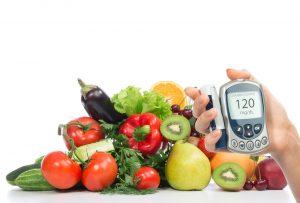
They are whole food diets that cut back on added sugars and refined carbs. The top diets in this category are: 

#1: Mediterranean Diet

#2: Flexitarian Diet

#3: MIND Diet

#4: DASH Diet.

#5: Mayo Clinic Diet.

#7: Vegan Diet.

Best Heart-Healthy Diets
strong heartThe top diets in this category were:

#1: DASH Diet

#2: Mediterranean Diet

#3: MIND Diet.

#4: Vegan Diet.

#5: Flexitarian Diet.

#6: TLC Diet. (The TLC (Therapeutic Lifestyle Change) diet was designed by the NIH to lower LDL cholesterol levels naturally.

Best Diets for Inflammation

The top diets in this category are:Flames

#1: Mediterranean Diet.

#2: Dr. Weil’s Anti-Inflammatory Diet.

#3: Flexitarian Diet.

#4: DASH Diet.

#5: MIND Diet.

#7: Vegan Diet.

Easiest Diets to Follow

EasyThe authors of this report considered easy diets to be ones that:

  • Fit into your lifestyle, letting you enjoy indulgences while still being wholesome and nutritious – whether you’re eating out or at home. They focus on building long-term habits, not quick fixes, making them easier to stick with daily.
  • Focus on filling, tasty meals instead of strict restrictions.

They only listed four diets that were healthy, based on whole foods that were readily available, offered easy to follow recipes, and fit the criteria listed above.

#1: Mediterranean Diet (For those who enjoy Mediterranean foods).

#2: Flexitarian Diet (For those who enjoy flexible, semi-vegetarian meals).

#3: DASH Diet (For those who prefer American foods).

#4: MIND Diet (For those who could go either Mediterranean or American and are concerned with brain health).

Which Diet Should You Choose For Weight Loss?
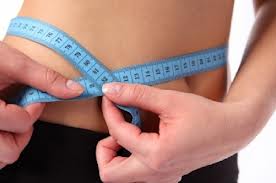
1) If you are looking for rapid weight loss, any whole food restrictive diet will do.

  • In previous year’s evaluations both vegan and keto diets ranked near the top of the rapid weight loss category. Keto and vegan diets are both very restrictive, but they are polar opposites in terms of the foods they allow and restrict.
    • The keto diet is a meat heavy, very low carb diet. It restricts fruits, some vegetables, grains, and most legumes.
    • The vegan diet is a very low-fat diet that eliminates meat, dairy, eggs, and animal fats.
  • Whole food, very low carb diets like Atkins and keto are good for rapid weight loss, but they rank near the bottom of the list for every healthy diet category.
    • If you choose to lose weight on the Atkins or keto diets, switch to a healthier diet once you reach your desired weight loss.

2) If you are looking for healthy weight loss or just a healthy diet, the Mediterranean diet tops the list year after year, followed closely by the DASH, MIND, and flexitarian diets.

  • They are all whole food, primarily plant-based diets, that are backed by dozens of clinical studies showing that they are associated with a healthy weight and low risk of chronic disease long term.

Of course, GLP-1 drugs are the “elephant in the room” when we talk about weight loss. GLP-1 drugs work, but:

  • They are associated with concerning side effects such as:
    • Anxiety, depression, and suicidal thoughts. This is particularly concerning for anyone who has a tendency for anxiety or depression.
    • Muscle loss. This is particularly concerning for seniors who are already prone to age-related muscle loss.
    • Rarer side effects include increased risk of pancreatitis, kidney problems, and some cancers.
  • Unless they are coupled with dietary and lifestyle changes, their effects are temporary. The weight comes roaring back as soon as they are discontinued.
    • This is a concern because of their expense and side effects. Long-term use of these drugs:
      • Increases the cost of healthcare which increases health insurance costs for all of us (a topic which is in the news lately).
      • Increase the risk of side effects.

Which Diet Should You Choose For Good Health?
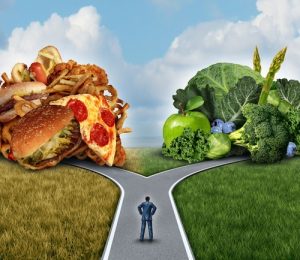
Food ChoicesWith rapid weight loss out of the way, let’s get back to the question, “Which Diet Should You Choose For Good Health?”

The Mediterranean diet tops the list year after year, followed closely by the DASH, MIND, and Flexitarian diets. But how do you choose between them? My recommendations are:

1) Choose a diet that fits your needs. That is one of the things I like best about the US News & World Report ratings. The diets are categorized. If your main concern is diabetes, choose one of the top diets in that category. If your main concern is heart health… You get the point.

2) Choose diets that are healthy and associated with long term weight loss. If that is your goal, you will notice that primarily plant-based diets top these lists. Meat-based, low carb diets like Atkins and keto are near the bottom of the lists.

3) Choose diets that are easy to follow. The less-restrictive primarily plant-based diets top this list – diets like Mediterranean, DASH, MIND, and flexitarian. They are also at or near the top of almost every diet category.

4) Choose diets that fit your lifestyle and dietary preferences. For example, if you don’t like fish and olive oil, you will probably do much better with the DASH or Flexitarian diet than with the Mediterranean diet.

4) Finally, focus on what you have to gain, rather than on foods you have to give up.

  • On the minus side, none of the diets include America’s favorite foods such as sodas, junk foods, and highly processed foods. These foods should go on your “No-No” list. Sweets should be occasional treats and only as part of a healthy meal. Meat, especially red meat, should become a garnish rather than a main course.
  • On the plus side, primarily plant-based diets offer a cornucopia of delicious plant foods you probably didn’t even know existed. Plus, for any of the top-rated plant-based diets, there are websites and books full of mouth-watering recipes. Be adventurous.

The Bottom Line

For many of you the “bloom” has gone off the new diet you started so enthusiastically in January. If you are rethinking your diet, you might want to know which diets the experts recommend. Unfortunately, that’s not as easy as it sounds. The diet world has become just as divided as the political world.

Fortunately, you have an impartial resource. Each year US News & World Report invites a panel of experts with different points of view to evaluate popular diets. They then combine the input from all the experts into rankings of the diets in various categories according to individual health goals. In the article above I summarize the US News & World Report’s “Best Diets In 2025”.

There are probably two questions at the top of your list.

#1: Which diets are best for weight loss? Here are 2 general principles:

  • If you are looking for rapid weight loss, any whole food restrictive diet will do. The Keto diet tops this list but ranks near the bottom of the healthy diet categories.
  • If you are looking for healthy, long-term weight loss the Mediterranean diets tops the list followed by the Volumetrics, Mayo Clinic, Flexitarian, and DASH diets.

#2: Which diet should you choose for good health? Once again, the Mediterranean diet tops the list followed by the DASH, Flexitarian, MIND, and Mayo Clinic diets. The Vegan diet is the top 10 of most healthy diet lists, while the keto diet is near the bottom.

For more details on 2026 US News & World Report on Best Diets and my advice on how to choose a healthy diet that is best for you, read the article above.

These statements have not been evaluated by the Food and Drug Administration. This information is not intended to diagnose, treat, cure or prevent any disease.

_______________________________________________________________________________

My posts and “Health Tips From the Professor” articles carefully avoid claims about any brand of supplement or manufacturer of supplements. However, I am often asked by representatives of supplement companies if they can share them with their customers.

My answer is, “Yes, as long as you share only the article without any additions or alterations. In particular, you should avoid adding any mention of your company or your company’s products. If you were to do that, you could be making what the FTC and FDA consider a “misleading health claim” that could result in legal action against you and the company you represent.

For more detail about FTC regulations for health claims, see this link.

https://www.ftc.gov/business-guidance/resources/health-products-compliance-guidance

 _______________________________________________________________________

About The Author 

Dr. Chaney has a BS in Chemistry from Duke University and a PhD in Biochemistry from UCLA. He is Professor Emeritus from the University of North Carolina where he taught biochemistry and nutrition to medical and dental students for 40 years.

Dr. Chaney won numerous teaching awards at UNC, including the Academy of Educators “Excellence in Teaching Lifetime Achievement Award”.

Dr Chaney also ran an active cancer research program at UNC and published over 100 scientific articles and reviews in peer-reviewed scientific journals. In addition, he authored two chapters on nutrition in one of the leading biochemistry text books for medical students.

Since retiring from the University of North Carolina, he has been writing a weekly health blog called “Health Tips From the Professor”. He has also written two best-selling books, “Slaying the Food Myths” and “Slaying the Supplement Myths”. And most recently he has created an online lifestyle change course, “Create Your Personal Health Zone”. For more information visit https://chaneyhealth.com.

For the past 54 years Dr. Chaney and his wife Suzanne have been helping people improve their health holistically through a combination of good diet, exercise, weight control and appropriate supplementation.


Can A Healthy Diet Help You Lose Weight?

What’s New About This Study?

Author: Dr. Stephen Chaney 

fad dietsNew Year’s resolutions are just around the corner. Some of you will resolve to lose weight, and some of you will resolve to eat healthier. But can you do both?

Any restrictive diet will give you short-term weight loss. And weight loss will give you improvement in blood parameters that might signal a reduced risk of heart disease, stroke, and diabetes.

The operative word here is “might”. Long-term studies are required to determine whether a diet actually reduces the risk of chronic diseases.

So, the important question becomes, “Can weight loss diets be healthy long term”. For some of them, the answer is a clear no. Others are unlikely to be healthy but have not been studied long term, so we don’t know whether they are healthy or not.

That’s the dilemma most of you face this January. If most weight loss diets are unhealthy long term, do you have to choose between weight loss and good health when you make your New Year’s resolutions?

Maybe not. What if you started from the opposite perspective? What if you asked, “Can a healthy diet help you lose weight?” The study (S Schutte et al, American Journal of Clinical Nutrition, 115: 1-18, 2022)) I will review this week suggests it can.

How Was This Study Done?

clinical studyThis was a randomized controlled trial, the gold standard of clinical studies. The investigators recruited 100 healthy, abdominally obese men and women aged 40-70. At the time of entry into the study none of the participants:

  • Had diabetes.
  • Smoked
  • Had a diagnosed medical condition.
  • Were on a medication that interfered with blood sugar control.
  • Were on a vegetarian diet.

The participants were randomly assigned to:

  • A high-nutrient quality diet that restricted calories by 25%.
  • A low-nutrient-quality diet that restricted calories by 25%.
  • A continuation of their habitual diet.

The study lasted 12 weeks. The participants met with a dietitian on a weekly basis. The dietitian gave them all the foods they needed for the next week and monitored their adherence to their assigned diet. They were advised not to change their exercise regimen during the study.

At the beginning and end of the study the participants were weighed, and cholesterol, triglycerides, and blood pressure were measured.

Can A Healthy Diet Help You Lose Weight?

Vegetarian DietThis study compared a healthy diet to an unhealthy diet with the same degree of caloric restriction. And it compared both diets to the habitual diet of people in that area. This study was performed in the Netherlands, so both weight loss diets were compared to the habitual Dutch diet.

To put this study into context, these were not healthy and unhealthy diets in the traditional sense.

  • Both were whole food diets.
  • Both included fruits, vegetables, low-fat dairy, and lean meats.
  • Both restricted calories by 25%.

The diets were designed so that the “high-nutrient quality” diet had significantly more plant protein (in the form of soy protein), fiber, healthy fats (monounsaturated and omega-3 fats), and significantly less added sugars than the “low-nutrient-quality” diet.

When the investigators measured weight loss at the end of 12 weeks:

  • Participants lost significant weight on both calorie-restricted diets compared to the group that continued to eat their habitual diet.
    • That is not surprising. Any diet that successfully restricts calories will result in weight loss.
  • Participants on the high-nutrient quality diet lost 33% more weight than participants on the low-nutrient-quality diet (18.5 pounds compared to 13.9 pounds).
  • Participants on the high-nutrient quality diet lost 50% more inches in waist circumference than participants on the low-nutrient-quality diet (1.8 inches compared to 1.2 inches).
    • Waist circumference is a direct measure of abdominal obesity.

When the investigators measured blood pressure, fasting total cholesterol levels, and triglyceride levels at 12 weeks:

Prescription for good health overhead with stethoscope, healthy fresh food and exercise equipment, with copy space.
  • These cardiovascular risk factors were significantly improved on both diets.
    • Again, this would be expected. Any diet that causes weight loss results in an improvement in these parameters.
  • However, the reduction in total serum cholesterol was 2.5-fold greater in the high-nutrient quality diet group than in the low-nutrient-quality diet group.
  • The reduction in triglycerides was 2-fold greater in the high-nutrient quality diet group than in the low-nutrient-quality diet group.
  • The reduction in systolic blood pressure was 2-fold greater and the reduction in diastolic blood pressure was 1.67-fold greater in the high-nutrient quality diet group than in the low-nutrient-quality diet group.

The authors concluded, “Our results demonstrate that the nutrient composition of an energy-restricted diet is of great importance for improvements of metabolic health in an overweight, middle-aged population. A high-nutrient quality energy-restricted diet enriched with soy protein, fiber, monounsaturated fats, omega-3 fats, and reduced in fructose and other added sugars provided additional health benefits over a low-nutrient quality energy-restricted diet, resulting in greater weight loss…and promoting an antiatherogenic blood lipid profile.”

In short, participants in this study lost more weight and had a better improvement in risk factors for heart disease on a high-nutrient-quality diet than on a low-nutrient-quality diet. Put another way, a healthy diet can help you lose weight. Healthy eating helped them lose more weight and gave them greater improvement in their health.

What’s New About This Study?

Simply put this study confirms that:

  • Caloric restriction leads to weight loss, and…
  • Weight loss leads to improvement in cardiovascular risk factors like total cholesterol, triglycerides, and blood pressure.
    • This is not new. It is true for any diet that results in caloric restriction.

However, this study breaks new ground in that it shows a high-nutrient quality diet results in significantly better…

  • Weight loss and…
  • Reduction in cardiovascular risk factors….

…compared to a low-nutrient quality diet with the same degree of caloric restriction.

What Does This Study Mean For You?

As I said above, the distinction between a “high-nutrient-quality” diet and a “low-nutrient-quality” diet may not be Questioning Womanwhat you might have expected.

  • Both diets were whole food diets. Neither diet allowed sodas, sweets, and highly processed foods.
  • Both included fruits, vegetables, grains, and lean meats.
  • Both reduced caloric intake by 25%.
    • If you want to get the most out of your weight loss diet, this is a good place to start.

However, in this study the investigators designed their “high-nutrient-quality” diet so that it contained:

  • More plant protein in the form of soy protein.
    • In this study they did not reduce the amount of animal protein in the “high-nutrient-quality” diet. They simply added soy protein foods to the diet. I would recommend substituting soy protein for some of the animal protein in your diet.
  • More fiber.
    • The additional fiber came from substituting whole grain breads and brown rice for refined grain breads and white rice, adding soy protein foods, and adding an additional serving of fruit.
  • More healthy fats (monounsaturated and omega-3 fats) in place of saturated fats.
    • The additional omega-3s came from adding a fish oil capsule providing 700mg of EPA and DHA.
  • Less added sugar.

All these changes make great sense if you are trying to lose weight. 

ProfessorI would group these changes into 7 recommendations.

1) Follow a whole food diet. Avoid sodas, sweets, and highly processed foods.

2) Include all 5 food groups in your weight loss diet. Fruits, vegetables, whole grains, dairy, and lean proteins all play an important role in your long-term health.

3) Eat a primarily plant-based diet. My recommendation is to substitute plant proteins for at least half of your high-fat animal proteins. And this study reminds us that soy protein foods are a convenient and effective way to achieve this goal.

4) Eat a diet high in natural fiber. Including fruits, vegetables, whole grains, beans, nuts, seeds, and soy foods in your diet is the best way to achieve this goal.

5)  Substitute healthy fats (monounsaturated and omega-3 fats) for unhealthy fats (saturated and trans fats) in your diet. And this study reminds us that it is hard to get enough omega-3s in your diet without an omega-3 supplement.

6) Reduce the amount of added sugar in your diet. This is best achieved by eliminating sodas, sweets, and highly processed foods from the diet.

7) Finally, I would like to remind you of the obvious. No diet, no matter how healthy, will help you lose weight unless you cut back on calories. Fad diets achieve that by restricting the foods you can eat or the time you are allowed to eat. In the case of a healthy diet, the best way to do it is to cut back on portion sizes and choose foods with low caloric density.

The Bottom Line 

A recent study asked, “Can a healthy diet help you lose weight?” This study was a randomized controlled study, the gold standard of clinical studies. The participants were randomly assigned to:

  • A high-nutrient quality diet that restricted calories by 25%.
  • A low-nutrient-quality diet that restricted calories by 25%.
  • Continue with their habitual diet.

These were not healthy and unhealthy diets in the traditional sense.

  • Both were whole food diets.
  • Both included fruits, vegetables, low-fat dairy, and lean meats.
  • Both restricted calories by 25%.

The diets were designed so that the “high-nutrient quality” diet had significantly more plant protein (in the form of soy protein), fiber, healthy fats (monounsaturated and omega-3 fats), and significantly less fructose and other added sugars than the “low-nutrient-quality” diet.

At the end of 12 weeks:

  • Participants on the high-nutrient quality diet lost 33% more weight and had better cardiovascular markers than participants on the low-nutrient-quality diet.

The authors concluded, “Our results demonstrate that the nutrient composition of an energy-restricted diet is of great importance for improvements of metabolic health in an overweight, middle-aged population. A high-nutrient quality energy-restricted diet enriched with soy protein, fiber, monounsaturated fats, omega-3 fats, and reduced in fructose and other added sugars provided additional health benefits over a low-nutrient quality energy-restricted diet, resulting in greater weight loss…and promoting an antiatherogenic blood lipid profile.”

In short, participants in this study lost more weight and had a better improvement in risk factors for heart disease on a high-nutrient-quality diet than on a low-nutrient-quality diet. Put another way, a healthy diet can help you lose weight. Healthy eating helped them lose more weight and gave them greater improvement in their heart health.

For more details on this study, what this study means for you, and my 7 recommendations for a healthy weight loss diet, read the article above.

These statements have not been evaluated by the Food and Drug Administration. This information is not intended to diagnose, treat, cure, or prevent any disease.

 _____________________________________________________________________________

My posts and “Health Tips From the Professor” articles carefully avoid claims about any brand of supplement or manufacturer of supplements. However, I am often asked by representatives of supplement companies if they can share them with their customers.

My answer is, “Yes, as long as you share only the article without any additions or alterations. In particular, you should avoid adding any mention of your company or your company’s products. If you were to do that, you could be making what the FTC and FDA consider a “misleading health claim” that could result in legal action against you and the company you represent.

For more detail about FTC regulations for health claims, see this link.

https://www.ftc.gov/business-guidance/resources/health-products-compliance-guidance

_______________________________________________________________________

About The Author 

Dr. Chaney has a BS in Chemistry from Duke University and a PhD in Biochemistry from UCLA. He is Professor Emeritus from the University of North Carolina where he taught biochemistry and nutrition to medical and dental students for 40 years.

Dr. Chaney won numerous teaching awards at UNC, including the Academy of Educators “Excellence in Teaching Lifetime Achievement Award”.

Dr Chaney also ran an active cancer research program at UNC and published over 100 scientific articles and reviews in peer-reviewed scientific journals. In addition, he authored two chapters on nutrition in one of the leading biochemistry text books for medical students.

Since retiring from the University of North Carolina, he has been writing a weekly health blog called “Health Tips From the Professor”. He has also written two best-selling books, “Slaying the Food Myths” and “Slaying the Supplement Myths”. And most recently he has created an online lifestyle change course, “Create Your Personal Health Zone”. For more information visit https://chaneyhealth.com.

For the past 45 years Dr. Chaney and his wife Suzanne have been helping people improve their health holistically through a combination of good diet, exercise, weight control and appropriate supplementation.

Can Healthy Eating Help You Lose Weight?

Who Benefits Most From A Healthy Diet?

Author: Dr. Stephen Chaney 

fad dietsFad diets abound. High protein, low carb, low fat, vegan, keto, paleo – the list is endless. They all claim to be backed by scientific studies showing that you lose weight, lower your cholesterol and triglycerides, lower your blood pressure, and smooth out your blood sugar swings.

They all claim to be the best. But any reasonable person knows they can’t all be the best. Someone must be lying.

My take on this is that fad diet proponents are relying on “smoke and mirrors” to make their diet look like the best. I have written about this before, but here is a brief synopsis:

  • They compare their diet with the typical American diet.
    • Anything looks good compared to the typical American diet.
    • Instead, they should be comparing their diet with other weight loss diets. That is the only way we can learn which diet is best.
  • They are all restrictive diets.
    • Any restrictive diet will cause you to eat fewer calories and to lose weight.
    • As little as 5% weight loss results in lower cholesterol & triglycerides, lower blood pressure, and better control of blood sugar levels.

Simply put, any restrictive diet will give you short-term weight loss and improvement in blood parameters linked to heart disease, stroke, and diabetes. But are these diets healthy long term? For some of them, the answer is a clear no. Others are unlikely to be healthy but have not been studied long term. So, we don’t know whether they are healthy or not.

What if you started from the opposite perspective? Instead of asking, “Is a diet that helps you lose weight healthy long term?”, what if you asked, “Can healthy eating help you lose weight?” The study (S Schutte et al, American Journal of Clinical Nutrition, 115: 1-18, 2022) I will review this week asked that question.

More importantly, it was an excellent study. It compared a healthy diet to an unhealthy diet with exactly the same degree of caloric restriction. And it compared both diets to the habitual diet of people in that area. This study was performed in the Netherlands, so both weight loss diets were compared to the habitual Dutch diet.

How Was The Study Done?

clinical studyThis was a randomized controlled trial, the gold standard of clinical studies. The investigators recruited 100 healthy, abdominally obese men and women aged 40-70. At the time of entry into the study none of the participants:

  • Had diabetes.
  • Smoked
  • Had a diagnosed medical condition.
  • Were on a medication that interfered with blood sugar control.
  • Were on a vegetarian diet.

The participants were randomly assigned to:

  • A high-nutrient quality diet that restricted calories by 25%.
  • A low-nutrient-quality diet that restricted calories by 25%.
  • Continue with their habitual diet.

The study lasted 12 weeks. The participants met with a dietitian on a weekly basis. The dietitian gave them the foods for the next week and monitored their adherence to their assigned diet. They were advised not to change their exercise regimen during the study.

At the beginning and end of the study the participants were weighed, and cholesterol, triglycerides, and blood pressure were measured.

Can Healthy Eating Help You Lose Weight?

Vegetarian DietTo put this study into context, these were not healthy and unhealthy diets in the traditional sense.

  • Both were whole food diets.
  • Both included fruits, vegetables, low-fat dairy, and lean meats.
  • Both restricted calories by 25%.

The diets were designed so that the “high-nutrient quality” diet had significantly more plant protein (in the form of soy protein), fiber, healthy fats (monounsaturated and omega-3 fats), and significantly less fructose and other simple sugars than the “low-nutrient-quality” diet.

At the end of 12 weeks:

  • Participants lost significant weight on both calorie-restricted diets compared to the group that continued to eat their habitual diet.
    • That is not surprising. Any diet that successfully restricts calories will result in weight loss.
  • Participants on the high-nutrient quality diet lost 33% more weight than participants on the low-nutrient-quality diet (18.5 pounds compared to 13.9 pounds).
  • Participants on the high-nutrient quality diet lost 50% more inches in waist circumference than participants on the low-nutrient-quality diet (1.8 inches compared to 1.2 inches).
    • This is a direct measure of abdominal obesity.

When the investigators measured blood pressure, fasting total cholesterol levels, and triglyceride levels:Heart Healthy Diet

  • These cardiovascular risk factors were significantly improved on both diets.
    • Again, this would be expected. Any diet that causes weight loss results in an improvement in these parameters.
  • The reduction in total serum cholesterol was 2.5-fold greater and the reduction in triglycerides was 2-fold greater in the high-nutrient quality diet group than in the low-nutrient-quality diet group.
  • The reduction in systolic blood pressure was 2-fold greater and the reduction in diastolic blood pressure was 1.67-fold greater in the high-nutrient quality diet group than in the low-nutrient-quality diet group.

The authors concluded, “Our results demonstrate that the nutrient composition of an energy-restricted diet is of great importance for improvements of metabolic health in an overweight, middle-aged population. A high-nutrient quality energy-restricted diet enriched with soy protein, fiber, monounsaturated fats, omega-3 fats, and reduced in fructose provided additional health benefits over a low-nutrient quality energy-restricted diet, resulting in greater weight loss…and promoting an antiatherogenic blood lipid profile.”

In short, participants in this study lost more weight and had a better improvement in risk factors for heart disease on a high-nutrient-quality diet than on a low-nutrient-quality diet. Put another way, healthy eating helped them lose weight and improved their health.

Who Benefits Most From A Healthy Diet?

None of the participants in this study had been diagnosed with diabetes when the study began. However, all of them were middle-aged, overweight, and had abdominal obesity. That means many of them likely had some degree of insulin resistance.

Because of some complex metabolic studies that I did not describe, the investigators suspected that insulin resistance might influence the relative effectiveness of the two energy-restricted diets.

To test this hypothesis, they used an assay called HOMA-IR (homeostatic model assessment of insulin resistance). Simply put, this assay measures how much insulin is required to keep your blood sugar under control.

They used a HOMA-IR score of 2.5 to categorize insulin resistance among the participants.

  • Participants with a HOMA-IR score >2.5 were categorized as insulin-resistant. This was 55% of the participants.
  • Participants with a HOMA-IR score ≤2.5 were categorized as insulin-sensitive. This was 45% of the participants.

When they used this method to categorize participants they found:

  • Insulin-resistant individual lost about the same amount of weight on both diets.
  • Insulin-sensitive individuals lost 66% more weight on the high-nutrient-quality diet than the low-nutrient-quality diet (21.6 pounds compared to 13.0 pounds).

The investigators concluded, “Overweight, insulin-sensitive subjects may benefit more from a high- than a low-nutrient-quality energy-restricted diet with respect to weight loss…”

What Does This Study Mean For You?

Questioning WomanSimply put this study confirms that:

  • Caloric restriction leads to weight loss, and…
  • Weight loss leads to improvement in cardiovascular risk factors like total cholesterol, triglycerides, and blood pressure.
    • This is not new.
    • This is true for any diet that results in caloric restriction.

This study breaks new ground in that a high-nutrient quality diet results in significantly better:

  • Weight loss and…
  • Reduction in cardiovascular risk factors…

…than a low-nutrient quality diet. As I said above, the distinction between a “high-nutrient-quality” diet and a “low-nutrient-quality” diet may not be what you might have expected.

  • Both diets were whole food diets. Neither diet allowed sodas, sweets, and highly processed foods.
  • Both included fruits, vegetables, grains, and lean meats.
  • Both reduced caloric intake by 25%.
    • If you want to get the most out of your weight loss diet, this is a good place to start.

In this study the investigators designed their “high-nutrient-quality” diet so that it contained:

  • More plant protein in the form of soy protein.
    • In this study they did not reduce the amount of animal protein in the “high-nutrient-quality” diet. They simply added soy protein foods to the diet. I would recommend substituting soy protein for some of the animal protein in the diet.
  • More fiber.
    • The additional fiber came from substituting whole grain breads and brown rice for refined grain breads and white rice, adding soy protein foods, and adding an additional serving of fruit.
  • More healthy fats (monounsaturated and omega-3 fats).
    • The additional omega-3s came from adding a fish oil capsule providing 700mg of EPA and DHA.
  • Less simple sugars. While this study focused on fructose, their high-nutrient-quality diet was lower in all simple sugars.

ProfessorAll these changes make great sense if you are trying to lose weight. I would distill them into these 7 recommendations.

  • Follow a whole food diet. Avoid sodas, sweets, and highly processed foods.
  • Include all 5 food groups in your weight loss diet. Fruits, vegetables, whole grains, dairy, and lean proteins all play an important role in your long-term health.
  • Eat a primarily plant-based diet. My recommendation is to substitute plant proteins for at least half of your high-fat animal proteins. And this study reminds us that soy protein foods are a convenient and effective way to achieve this goal.
  • Eat a diet high in natural fibers. Including fruits, vegetables, whole grains, beans, nuts, seeds, and soy foods in your diet is the best way to achieve this goal.
  • Substitute healthy fats (monounsaturated and omega-3 fats) for unhealthy fats (saturated and trans fats) in your diet. And this study reminds us that it is hard to get enough omega-3s in your diet without an omega-3 supplement.
  • Reduce the amount of added sugar, especially fructose, from your diet. That is best achieved by eliminating sodas, sweets, and highly processed foods from the diet. I should add that fructose in fruits and some healthy foods is not a problem. For more information on that topic, I refer you to a previous “Health Tips” article .
  • Finally, I would like to remind you of the obvious. No diet, no matter how healthy, will help you lose weight unless you cut back on calories. Fad diets achieve that by restricting the foods you can eat. In the case of a healthy diet, the best way to do it is to cut back on portion sizes and choose foods with low caloric density.

I should touch briefly on the third major conclusion of this study, namely that the “high-nutrient quality diet” was not more effective than the “low-nutrient-quality” diet for people who were insulin resistant. In one sense, this was not news. Previous studies have suggested that insulin-resistant individuals have more difficulty losing weight. That’s the bad news.

However, there was a silver lining to this finding as well:

  • Only around half of the overweight, abdominally obese adults in this study were highly insulin resistant.
    • That means there is a ~50% chance that you will lose more weight on a healthy diet.
  • Because both diets restricted calories by 25%, insulin-resistant individuals lost weight on both diets.
    • That means you can lose weight on any diet that successfully reduces your caloric intake. That’s the good news.
    • However, my recommendation would still be to choose a high-nutrient quality diet that is designed to reduce caloric intake, because that diet is more likely to be healthy long term.

The Bottom Line 

A recent study asked, “Can healthy eating help you lose weight?” This study was a randomized controlled study, the gold standard of clinical studies. The participants were randomly assigned to:

  • A high-nutrient quality diet that restricted calories by 25%.
  • A low-nutrient-quality diet that restricted calories by 25%.
  • Continue with their habitual diet.

These were not healthy and unhealthy diets in the traditional sense.

  • Both were whole food diets.
  • Both included fruits, vegetables, low-fat dairy, and lean meats.
  • Both restricted calories by 25%.

The diets were designed so that the “high-nutrient quality” diet had significantly more plant protein (in the form of soy protein), fiber, healthy fats (monounsaturated and omega-3 fats), and significantly less fructose and other simple sugars than the “low-nutrient-quality” diet.

At the end of 12 weeks:

  • Participants on the high-nutrient quality diet lost 33% more weight than participants on the low-nutrient-quality diet (18.5 pounds compared to 13.9 pounds).

When the investigators measured cardiovascular risk factors at the end of 12 weeks:

  • The reduction in total serum cholesterol was 2.5-fold greater and the reduction in triglycerides was 2-fold greater in the high-nutrient quality diet group than in the low-nutrient-quality diet group.
  • The reduction in systolic blood pressure was 2-fold greater and the reduction in diastolic blood pressure was 1.67-fold greater in the high-nutrient quality diet group than in the low-nutrient-quality diet group.

The authors concluded, “Our results demonstrate that the nutrient composition of an energy-restricted diet is of great importance for improvements of metabolic health in an overweight, middle-aged population. A high-nutrient quality energy-restricted diet enriched with soy protein, fiber, monounsaturated fats, omega-3 fats, and reduced in fructose provided additional health benefits over a low-nutrient quality energy-restricted diet, resulting in greater weight loss…and promoting an antiatherogenic blood lipid profile.”

In short, participants in this study lost more weight and had a better improvement in risk factors for heart disease on a high-nutrient-quality diet than on a low-nutrient-quality diet. Put another way, healthy eating helped them lose weight and improved their health.

For more details on this study, what this study means for you, and my 7 recommendations for a healthy weight loss diet, read the article above.

These statements have not been evaluated by the Food and Drug Administration. This information is not intended to diagnose, treat, cure, or prevent any disease.

Health Tips From The Professor