Protein – The Longevity Nutrient

How Much Protein Do You Need?

Author: Dr. Stephen Chaney 

breaking newsIn 2016 the New York Times ran an article with the title, “Can You Get Too Much Protein?” The article asserted that most Americans were getting too much protein in their diet and that protein supplements were useless and perhaps dangerous.

At the time I wrote a “Health Tips From the Professor” article summarizing recent research showing that many people needed more than the RDA for protein and that those people were often consuming too little, rather than too much, protein.

In the 9 years since then the evidence that many Americans may not be getting enough protein has only gotten stronger.

  • The standard for protein intake used to be a “one size fits all” recommendation of 46g gm/day for women and 56 gm/day for men with slight increases recommended for pregnant and lactating women. Today we know:
    • That standard was based on outdated methodology from the 1930’s. Recent studies suggest protein intake should be at least 50% higher.
    • That standard was based on studies with healthy, sedentary adults (the adult “couch potato” crowd). Protein requirements are significantly higher for anyone who doesn’t fit that description.
  • We used to think in terms of total daily protein intake. Today we know that:
    • Protein intake should be divided equally between the 3 primary meals.
    • Protein quality is important. Protein requirements should be increased if low-quality proteins are consumed.
  • We used to worry that high protein intake might damage your kidneys. Today we know that:
    • Protein intake does not cause kidney disease. It is not a concern as long as hydration is adequate and excess alcohol is avoided.
    • Protein intake is only a concern if someone has kidney disease.

Protein – Your Longevity Nutrient
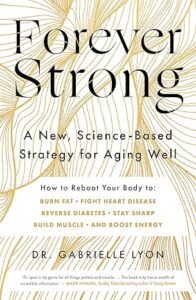
If you want to delve into the latest protein research and what it means for you, I highly recommend the book, “Forever Strong: A New, Science-Based Strategy For Aging Well” by Dr. Gabrielle Lyon.

Her book is focused on helping each of us create adequate healthy muscle mass. She says, “Adequate muscle mass is essential for health and longevity. And muscle is the only organ over which we have voluntary and complete control.”

Of course, adequate muscle mass requires both exercise and adequate protein. Dr. Lyon covers both in her book, but exercise is not my expertise, so I will only cover adequate protein intake in this “Health Tips From the Professor” article.

In her book, Dr. Lyons details recent research on the amount of protein needed to optimize muscle mass. Dr. Lyon was the one who alerted me to the fact that the current protein RDA is based on outdated methodology from the 1930’s and that actual protein needs are much higher.

Dr. Lyon concludes that most Americans are not consuming enough protein to optimize their muscle mass and that adequate protein intake is essential for longevity, metabolic function, and quality of life. Specifically, she says that optimal muscle mass:

  • Improves strength and mobility.
  • Improves blood sugar control.
  • Decreases blood triglyceride levels.
  • Strengthens the immune system.
  • Improves bone mineral density and strength.
  • Reduces all-cause mortality (risk of dying) and morbidity (risk of disease).

I will use the latest science on protein needs described in her book and in recently published clinical studies to answer the important question, “How much protein do you need?” But first I want to help you understand the dynamics of protein metabolism.

The Dynamics Of Protein Metabolism 

ProfessorMost people associate muscle mass with strength and endurance. Many understand the important role muscle mass plays in burning off excess calories and keeping us slim. But few people understand the important role that muscle protein plays in our everyday energy metabolism.

Whenever we eat a meal containing protein, we store some of the protein we eat as increased muscle mass, especially when protein intake is coupled with exercise. But muscle protein plays other very important functions. It is a precious resource.

The synthesis of new muscle in the fed state is driven by:

  • Insulin, which is released into the blood stream whenever we eat a meal.
  • Exercise because it makes muscle more sensitive to the effects of insulin.
  • The amino acid leucine, which is most abundant in high quality protein sources.

In the fed state most of our energy is derived from blood glucose. This is primarily controlled by insulin.  As blood glucose levels fall, we move to the fasting state and start to call on our stored energy sources to keep our body functioning. This process is primarily controlled by a hormone called glucagon.

  • In the fasting state most tissues easily switch to using fat as their main energy source, but…
    • Red blood cells and a few other tissues in the body are totally dependent on glucose as an energy source.
    • Our brain is normally dependent on glucose as an energy source, and our brains use a lot of energy. [Note: Our brain can switch to ketones as an energy source with prolonged starvation or prolonged carbohydrate restriction, but that’s another story for another day.]
  • Because our brain and other tissues need glucose in the fasting state, it is important to maintain a constant blood glucose level between meals.
    • Initially, blood glucose levels are maintained by calling on carbohydrate reserves in the liver.
    • But because those reserves are limited, our body starts to break down muscle protein and convert it to glucose as well – even in the normal dinner/sleep/breakfast cycle.

Simply put, in addition to its other important roles in the body, muscle protein is also an energy store. You can think of it like a bank.

When we eat, we make a deposit to that energy store. Between meals we make a withdrawal from that energy store. When we are young the system works perfectly. Unless we fast for prolonged periods of time, we are always adding enough muscle protein in the fed state to balance out the withdrawals between meals.

But there are many physiological situations where protein metabolism becomes unbalanced, either because protein breakdown is accelerated or because protein synthesis is diminished. In each of those situations, our protein needs are increased.

I will describe each of these situations and how they affect our protein needs in the section below.

How Much Protein Do You Need? 

couch potatoThe Coach Potato Group: If this is you, I won’t be judgmental. But I highly recommend you read Dr. Lyon’s book. It may just inspire you to increase your fitness level and your protein intake.

As I said before the standard RDA recommendation for the coach potato group is 46 gm/day for women and 56 gm/day for men. That’s based on 0.36 grams of protein per pound of body weight and assumes that women weigh around 127 pounds and men weigh around 155 pounds.

There are two major problems with the standard protein RDAs:

1) The protein RDA should not be a “one-size-fits-all” recommendation. The standard used to calculate the RDA is based on weight. If you are a woman weighing 127 pounds or a man weighing 155 pounds, you are to be congratulated. But in today’s world the average woman weighs 170 pounds, and the average man weighs 201 pounds.

  • That means the average protein requirement should be 61 gm/day for women and 72 gm/day for men.
  • And that’s just the average. Your protein requirement is based on your weight.

2) As I mentioned earlier, the 0.36 gm/pound standard is based on outdated methodology from the 1930’s. Based on current technology, Dr. Lyon says the standard should be closer to 0.54 gm/pound.

  • If you use that standard and use the current average weight for men and women, the average protein requirement for the couch potato group is closer to 91.5 gm/day for women and 108 gm/day for men.
  • And since protein intake should be divided equally between meals, that amounts to 30 gm/meal for women and 36 gm/meal for men. If you weigh significantly more or less than the average American, you should adjust your intake accordingly.

The Over 50 Group: When we are young muscle protein deposits in the fed state and muscle protein withdrawals during the fasting state are in balance. And if we add exercise and increase our protein intake, it’s pretty easy to increase our muscle mass.

But once we reach our Golden Years things start to change. Muscle protein synthesis becomes less efficient. We need to increase the intensity of our workouts and increase our protein intake just to maintain our muscle mass.

If we fail to do that, we gradually lose muscle mass as we age, a process referred to as sarcopenia. Between 50 and 60 we lose 5-8% of our muscle mass, and the rate that we lose muscle accelerates with each subsequent decade. And that loss of muscle mass has severe consequences. For example:

  • It interferes with daily activities like playing with our grandchildren and engaging in activities we love.
  • It decreases our metabolic rate which increases our risk of obesity and obesity-related diseases.
  • It increases our risk of falls.

In short, our quality of life is diminished, and we become unhealthy and frail.

Dr. Lyon describes the training program needed to prevent sarcopenia as we age in her book Forever Strong. But we also need more protein.

On average older adults need around 35 – 45 gm of protein per meal to prevent sarcopenia. There are not enough published studies for me to provide more specific recommendations. But here are some guidelines:

  • If you are at ideal weight and in your 50’s or 60’s, you can probably do well at the lower end of the range.
  • If you are overweight or in your 70’s or 80’s, you should probably aim for the upper end of the range.
  • I recommend getting a body composition test on an annual basis and adjusting your exercise and protein intake based on your change in muscle mass. My doctor has a simple device for measuring my body composition as part of my annual physical. If your doctor doesn’t have a device like that, find out who does in your community.

Happy woman on scaleThe Weight Loss Group: If you are actively trying to lose excess weight, I congratulate you. But the sad fact is that up to 35% of weight loss on most diets comes from muscle, not fat.

That’s because your body interprets caloric restriction as starvation and increases the rate of protein breakdown.

But you can prevent that by adding resistance training to your diet plan and increasing your protein intake. By increasing your protein intake from 15% of calories (which is what most Americans get) to 30% of calories, you can rebalance muscle metabolism by increasing muscle protein synthesis. When you do this, you can reduce muscle loss to less than 10% of weight loss.

You may be wondering, “Why set the recommendation as a percentage of calories rather than gm/pound or gm/meal”. The answer is simple. Your caloric intake changes significantly you are on a diet, so expressing protein as a percentage of calories makes more sense.

For example, 30% of calories on a 1,000-calorie diet translates into 25-30 gm/meal. You might look at that recommendation and say, “That’s less than you recommended for the couch potato who is not trying to lose weight.” My answer would be, “Yes, but the couch potato is eating 2-3-times more calories.

So, the recommendation that’s easiest to understand if you are trying to lose weight is to aim for 25-30 gm of protein/meal/1,000 calories per day.  

  • Adjust your protein intake per meal based on the daily calories allowed on your diet. 
  • And if you are on a diet that restricts the kinds of food that you can eat or the amount of time you can eat, track your actual caloric intake for a few days. The “hidden secret” behind those diets is that most people eat fewer calories because of the restrictions.

Final thought: The latest data suggest that GLP-1 drugs accelerate the muscle loss associated with dieting. This is a significant concern, especially for people over 50. Some experts are recommending as much as 35-50 gm of protein/meal if you are using a GLP-1 drug to aid your weight loss.

Weight TrainingThe Fitness Group: The question I get most often from the fitness group is, “How much protein do I need after my workout to maximize recovery and muscle gain?” This has been well researched, and the answer is age dependent.

  • If you are in your 30’s, most experts recommend 15-20 grams of protein after your workout.
  • If you are in your 60s, most experts recommend 30-35 grams of protein after your workout.
  • While precise recommendations are not available for every age, you can extrapolate from these numbers.

Does Protein Quality Matter? 

I’m often asked whether all proteins are equally effective at building muscle mass or does protein quality matter? The answer is, “Yes. Protein quality matters, but not in the way that we have thought about it in the past.”

We used to think that protein quality was measured by the balance of all the essential amino acids. While balance is important, the increase in muscle mass is driven primarily by the amino acid leucine. That’s because leucine is the only amino acid that directly stimulates muscle protein synthesis.

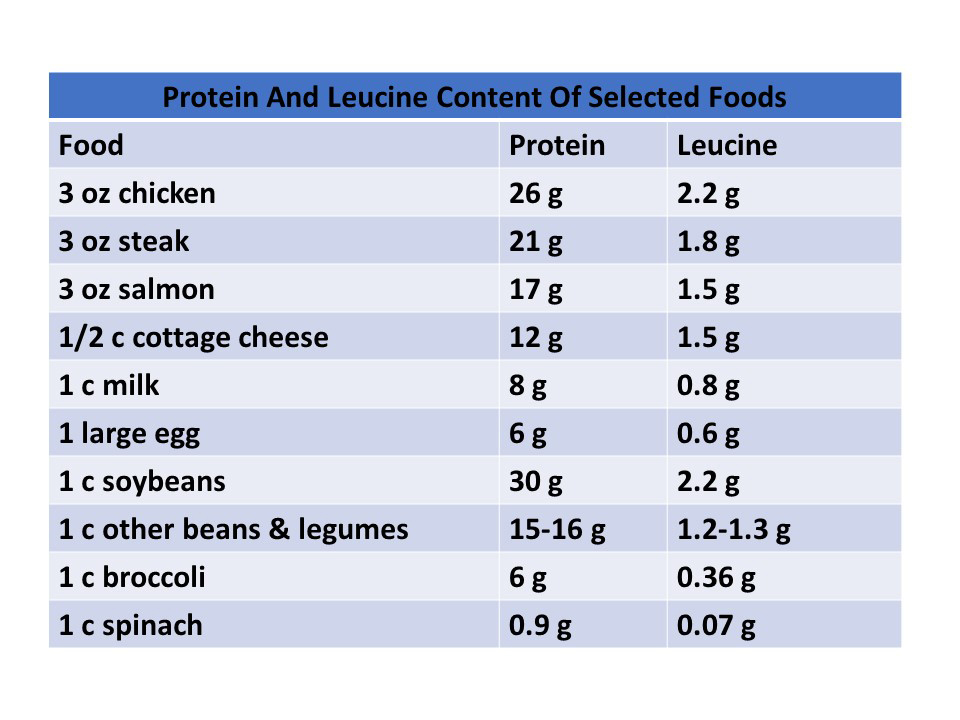
Simply put, proteins that are high in leucine are used more efficiently by our bodies to increase muscle mass. In fact, Dr. Lyon measures protein quality solely based on its leucine content.

Many studies have looked at the optimal amount of leucine content in protein. The numbers vary somewhat from study to study, but they average around 1 gram of leucine for every 10 grams of protein.

If you look at the leucine contents of various proteins, it is clear that a 1:10 ratio is primarily found in animal proteins. Soybeans are the only vegetable protein source that comes close.However, there are many health reasons for consuming a primarily plant-based diet. Dr. Lyon doesn’t tell her patients to avoid plant proteins. But if they are consuming primarily plant proteins, she recommends that they increase their protein intake by 35-45%, so they will be getting enough leucine to maximize muscle protein synthesis.
What Role Do Protein Supplements Play? 
Protein SupplementRemember that New York Times article that said protein supplements were useless and perhaps dangerous? That’s outdated advice. In fact, you should view protein supplements as essential for reaching your protein goals.

That’s because our protein intake needs to be divided equally between our 3 major meals, but that’s not how we eat. Most of us have no trouble getting 30-40 grams of protein at dinner, but…

  • We only get around 15 grams of protein at breakfast, and…
  • 15-20 grams of protein at lunch.

But that’s assuming we eat a typical breakfast or lunch. If we eat…

  • An unhealthy breakfast of croissants and coffee or a healthy breakfast of cornflakes, skim milk, and fruit slices, we only get around 6 grams of protein.
  • A healthy green salad for lunch, we may get as little as 2 grams of protein.

A recent study has shown that adding a protein supplement to your low protein meals can help you increase your muscle mass in as little as 24 weeks.

What Does This Mean For You? 

how much protein do athletes needProtein is your longevity nutrient. My advice is:

  • Use the information in this article to set your protein goals (Talk with your doctor first if you have any health issues that may limit your protein intake).
  • Use a simple protein tracker to identify your low-protein meals.
  • Add additional protein foods or supplements to your low-protein meals to bring your protein up to recommended levels.
  • Focus on high-leucine protein foods and supplements. (If you eat more plant protein than animal protein, as I do, increase your recommended protein intake by 35-45% to make sure you are getting the leucine you need to maximize your muscle mass.)

As for what kind of protein supplement, I recommend a plant protein supplement with added leucine.

The Bottom Line 

In her book, “Forever Strong”, Dr. Gabrielle Lyon says, “Adequate muscle mass is essential for health and longevity. And muscle is the only organ over which we have voluntary and complete control.” She goes on to state that the current RDAs for protein intake are outdated. And if we look at protein needs based on the latest research, most Americans aren’t getting enough protein in their diet to achieve adequate muscle mass.

In this article, I summarize her findings. And based on the latest research, I provide protein intake recommendations for:

  • Adult couch potatoes.
  • Fitness enthusiasts.
  • People over 50.
  • People who are trying to lose weight.

I also discuss protein quality and protein supplements.

For more information on these topics and what they mean for you, read the article above.

These statements have not been evaluated by the Food and Drug Administration. This information is not intended to diagnose, treat, cure or prevent any disease.

 _____________________________________________________________________________

My posts and “Health Tips From the Professor” articles carefully avoid claims about any brand of supplement or manufacturer of supplements. However, I am often asked by representatives of supplement companies if they can share them with their customers.

My answer is, “Yes, as long as you share only the article without any additions or alterations. In particular, you should avoid adding any mention of your company or your company’s products. If you were to do that, you could be making what the FTC and FDA consider a “misleading health claim” that could result in legal action against you and the company you represent.

For more detail about FTC regulations for health claims, see this link.

https://www.ftc.gov/business-guidance/resources/health-products-compliance-guidance

______________________________________________________________________

About The Author 

Dr. Chaney has a BS in Chemistry from Duke University and a PhD in Biochemistry from UCLA. He is Professor Emeritus from the University of North Carolina where he taught biochemistry and nutrition to medical and dental students for 40 years.

Dr. Chaney won numerous teaching awards at UNC, including the Academy of Educators “Excellence in Teaching Lifetime Achievement Award”.

Dr Chaney also ran an active cancer research program at UNC and published over 100 scientific articles and reviews in peer-reviewed scientific journals. In addition, he authored two chapters on nutrition in one of the leading biochemistry text books for medical students.

Since retiring from the University of North Carolina, he has been writing a weekly health blog called “Health Tips From the Professor”. He has also written two best-selling books, “Slaying the Food Myths” and “Slaying the Supplement Myths”. And most recently he has created an online lifestyle change course, “Create Your Personal Health Zone”. For more information visit https://chaneyhealth.com.

For the past 53 years Dr. Chaney and his wife Suzanne have been helping people improve their health holistically through a combination of good diet, exercise, weight control and appropriate supplementation.


Are Omega-3s Needed For Strong Bones?

Why Are Omega-3s Needed For Strong Bones?

Author: Dr. Stephen Chaney

fish and fish oilOsteoporosis is one of the dreaded diseases associated with aging.

  • Over 50% of women and 25% of men will develop osteoporosis in their lifetime.

And the risk of osteoporosis is highest for Caucasians.

  • Over 40% of white women and 13% of white men will develop an osteoporotic fracture in their lifetime.

And osteoporotic fractures can be deadly. Bone fractures increase the risk of death 3-5-fold within the next few months. Moreover, the quality of life is diminished, and the risk of death is elevated for years after the fracture occurs.

So, if you are like many people, you are doing all you can to keep your bones strong so you will minimize your chances of developing osteoporosis. You probably even have a check list:

  • Resistance exercise (strengthens the bones you pull on)……Check
  • Walking (strengthens hip and leg bones)………………………Check
  • Adequate calcium & vitamin D (essential for strong bones)…Check
  • Magnesium & vitamin K (also important for strong bones)…..Check
  • Adequate protein (Muscle pulling on bone strengthens it)…..Check
  • Adequate omega-3s………………………………………………What!!!

You probably didn’t know about omega-3s. But recent research suggests they may also play a role in building strong bones and preventing osteoporosis. For example, studies show that omega-3s may influence bone metabolism by:

  • Enhancing absorption of calcium from the intestine.
  • Reducing the rate at which bone is broken down.
  • Increasing the rate at which new bone is built.

But large-scale population studies showing that omega-3 intake influences the risk of developing osteoporosis are lacking. The study ( Z Liu et al, Frontiers In Nutrition, 11: 1467559, 2023) I am discussing today was designed to fill that gap.

But before I describe the study, I should give you a quick review of bone metabolism.

Biochemistry 101: Bone Metabolism

bone metabolism osteoporosisTo truly understand osteoporosis and how to prevent it, you need to know a bit about bone metabolism. We tend to think of our bones as solid and unchanging, much like the steel girders supporting an office building. Nothing could be further from the truth. Our bones are dynamic organs that are in constant change throughout our lives.

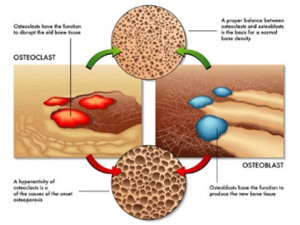
Cells called osteoclasts constantly break down old bone (a process called resorption), and cells called osteoblasts replace it with new bone (a process called accretion). Without this constant renewal process our bones would quickly become old and brittle.

In short, our bones are not inert. They are in constant flux. If we exercise regularly and get enough calcium, vitamin D, magnesium, and vitamin K from our diet, bone metabolism looks like this as we age.

  • When we are young, osteoblast activity predominates, so accretion (the bone building process) exceeds bone resorption, and our bones grow in size and density.
  • When we are adults, osteoblast and osteoclast activity are in balance. Thus, bone accretion and resorption are in balance, and our bone density stays constant. The top portion of the picture above depicts what happens when osteoclast and osteoblast activity are in balance.
  • However, as we age osteoclast activity predominates, and we start to lose bone density. Eventually our bones look like Swiss cheese and break very easily. This is called osteoporosis. The bottom portion of the picture depicts this.

We should also think of our bones as calcium reservoirs.  We need calcium in our bloodstream 24 hours a day for our muscles, brain, and nerves to function properly, but we only get calcium in our diet at discrete intervals. Consequently:

  • When we eat our body tries to store as much calcium as possible in our bones.
  • Between meals, we break down bone material so that we can release the calcium into our bloodstream that our muscle, brain & nerves need to function.

If we lead a “bone healthy” lifestyle, all of this works perfectly. We build strong bones during our growing years, maintain healthy bones during our adult years, and only lose bone density slowly as we age – maybe never experiencing osteoporosis. We always accumulate enough calcium in our bones during meals to provide for the rest of our body between meals.

I should note that this is the current paradigm for bone metabolism. The study I am discussing today is asking whether omega-3 fatty acids should also be considered as part of a bone-healthy lifestyle.

How Was This Study Done?

clinical studyThe investigators used data from NHANES (National Health And Nutrition Examination Survey), an ongoing study to assess the health and nutritional status of adults and children in the United States. Specifically, this study combined data from participants from the 2005-2010, 2013-2014, and 2017-2018 NHANES surveys.

The participants included in the survey:

  • Were greater than 50 years old.
  • Had completed two 24-hour dietary recall surveys to determine the omega-3 content of their diet (The average omega-3 intake of the two surveys was used for this study).
  • Had a bone mineral density (BMD) test performed using dual-energy X-ray absorptiometry (DXA) scans.

Participants were excluded from the study if they had incomplete diet or bone mineral density data or if they had a disease that affects bone metabolism.

A total of 8,889 participants were included in the study. They were divided into 3 categories based on their bone density:

  • Normal bone density (4,421 participants)
  • Osteopenia (3,952 participants)
  • Osteoporosis (516 participants)

Finally, the participants were divided into quartiles based on their omega-3 intake, and omega-3 intake was correlated with bone density.

Are Omega-3s Needed For Strong Bones?

Healthy BoneThe study results were as follows:

  • Omega-3 intake was inversely related to bone density. Simply put, that means:
    • The highest intake of omega-3s was observed in the group with normal bone density, and…
    • The lowest omega-3 intake was observed in the osteoporosis group.

When the participants were divided into quartiles based on their omega-3 intake:

  • Participants with the highest omega-3 intake were 29% less likely to develop osteoporosis than participants with the lowest omega-3 intake.

When the investigators looked at subgroups, they found stronger effects of omega-3s on osteoporosis risk for women, people under 60, and non-smokers. Specifically:

  • Women with the highest omega-3 intake were 35% less likely to develop osteoporosis.
  • People under 60 were 49% less likely to develop osteoporosis.
  • Non-smokers were 36% less likely to develop osteoporosis.

The investigators concluded, “This study demonstrates a significant inverse relationship between dietary omega-3 fatty acid intake and osteoporosis risk, suggesting omega-3s play a crucial role in bone health. However, further longitudinal studies are needed to confirm these studies and refine dietary recommendations for osteoporosis prevention.”

Why Are Omega-3s Needed For Strong Bones?

QuestionsYou are probably thinking,

  • “Calcium and magnesium are part of bone structure. Vitamin D and vitamin K facilitate the incorporation of calcium into bone. So, it is logical that these nutrients would be important for strong bones.”
  • “But what role do omega-3s play? They aren’t incorporated into bone, and they don’t affect calcium metabolism.”

Here is what the authors said about that:

  • Omega-3s are anti-inflammatory. They decrease production of the pro-inflammatory cytokines that stimulate osteoclasts – the cells that break down bone.
  • EPA and DHA are also converted to prostaglandins that stimulate osteoblasts – the cells that build new bone.
  • Finally, the authors said, “Omega-3 fatty acids, especially EPA and DHA, have been shown to enhance calcium absorption in the gut – a process crucial for maintaining optimal bone mineral density…Omega-3s …do this by altering the lipid composition of cell membranes, thereby affecting calcium channels and enhancing calcium availability for bone tissue.”

Let me help you understand that statement.

  • While we might think of our cell membranes as rigid structures, they are quite fluid. The closest analogy I can think of is a large lake. You may not see any waves or ripples, but if a leaf drops on the surface it doesn’t stay in one place. It moves. We can think of calcium channels in our membrane like leaves on the water. They move across the cell membrane.
  • How fast they move depends on the fluidity of the cell membrane. This is determined by the lipids (fats) in the cell membrane, which in turn is determined by the fats in our diet. This is the one case where it is literally true that we are what we eat.
    • When we have lots of saturated fats in our cell membranes, fluidity is low, and calcium channels move slowly across the membrane.
    • When we have omega-3 fats in our cell membrane, fluidity is high, and calcium channels move quickly across the cell membrane.
  • Calcium channels work best when they cluster together, and this works best with highly fluid, omega-3-rich cell membranes.

What Does This Mean For You?

Question MarkThis study strongly suggests that omega-3s play a role in bone health, and they may be important for reducing our risk of osteoporosis. The authors concluded, “The findings suggest that omega-3 fatty acids play a critical role in bone health, supporting the need for dietary recommendations that encourage omega-3 consumption as a preventative measure against osteoporosis.”

However, this is the first study of its kind, which is why the authors said, “Further longitudinal studies are needed to confirm these findings.”

However, my biggest concern with the study is that it did not include information on the intake of the other nutrients essential for bone health (calcium, vitamin D, magnesium, and vitamin K). We don’t know at present the importance of omega-3s for preventing osteoporosis relative to dietary intake of other bone-healthy nutrients. For example:

  • Are omega-3s important for bone health when intake of calcium and/or the other bone-healthy nutrients are low?
  • Or are omega-3s equally important for bone health under all conditions?

However, the good news is that omega-3s have many proven health benefits such as heart health, controlling blood pressure, and reducing inflammation. If they are also important for bone health, we can consider it an unexpected benefit.

With that in mind, there are two important takeaways for you:

  • Omega-3s were most effective at preventing osteoporosis in people under 60. That is entirely consistent with what we know about preventing osteoporosis. The best prevention strategy is to build strong bones while you are young and maintain strong bones as long as possible in your adult years.
  • The optimal reduction of osteoporosis risk in this study was seen with an omega-3 intake of 1.86 g/d. While more studies are needed to define the optimal dose of omega-3s for reducing osteoporosis risk, this dose is within the “sweet spot” for the other omega-3 benefits I mentioned.

The Bottom Line 

A recent study asked whether omega-3 fatty acids reduce the risk of osteoporosis.

The study found:

  • Omega-3 intake was inversely related to bone density.
  • When the participants were divided into quartiles based on their omega-3 intake:
  • Participants with the highest omega-3 intake were 29% less likely to develop osteoporosis than participants with the lowest omega-3 intake.
  • When the investigators looked at subgroups, they found stronger effects of omega-3s on osteoporosis risk for women, people under 60, and non-smokers.

The investigators concluded, “This study demonstrates a significant inverse relationship between dietary omega-3 fatty acid intake and osteoporosis risk, suggesting omega-3s play a crucial role in bone health. This supports the need for dietary recommendations that encourage omega-3 consumption as a preventative measure against osteoporosis.”

For more information on this study, why omega-3s reduce osteoporosis risk, and what this study means for you, read the article above.

These statements have not been evaluated by the Food and Drug Administration. This information is not intended to diagnose, treat, cure, or prevent any disease.

 _____________________________________________________________________________

My posts and “Health Tips From the Professor” articles carefully avoid claims about any brand of supplement or manufacturer of supplements. However, I am often asked by representatives of supplement companies if they can share them with their customers.

My answer is, “Yes, as long as you share only the article without any additions or alterations. In particular, you should avoid adding any mention of your company or your company’s products. If you were to do that, you could be making what the FTC and FDA consider a “misleading health claim” that could result in legal action against you and the company you represent.

For more detail about FTC regulations for health claims, see this link.

https://www.ftc.gov/business-guidance/resources/health-products-compliance-guidance

______________________________________________________________________

About The Author 

Dr. Chaney has a BS in Chemistry from Duke University and a PhD in Biochemistry from UCLA. He is Professor Emeritus from the University of North Carolina where he taught biochemistry and nutrition to medical and dental students for 40 years.  Dr. Chaney won numerous teaching awards at UNC, including the Academy of Educators “Excellence in Teaching Lifetime Achievement Award”. Dr Chaney also ran an active cancer research program at UNC and published over 100 scientific articles and reviews in peer-reviewed scientific journals. In addition, he authored two chapters on nutrition in one of the leading Biochemistry textbooks for medical students.

Since retiring from the University of North Carolina, he has been writing a weekly health blog called “Health Tips From the Professor”. He has also written two best-selling books, “Slaying the Food Myths” and “Slaying the Supplement Myths”. And most recently he has created an online lifestyle change course, “Create Your Personal Health Zone”. For more information visit https://chaneyhealth.com.

For the past 53 years Dr. Chaney and his wife Suzanne have been helping people improve their health holistically through a combination of good diet, exercise, weight control and appropriate supplementation.

 

Is Folate Needed For Strong Bones?

Why Is Folate Needed For Strong Bones?

Author: Dr. Stephen Chaney

calcium supplementsWhen most people think of the nutrients required to build strong bones, they just think of calcium and vitamin D. This is understandable because these two nutrients are essential for building healthy bone.

But in reality “it takes a village” to build strong bones.

  • The bone matrix also contains magnesium, zinc, copper, and manganese. They are also needed.
    • Fun fact: As an undergraduate at the University of Southern California my wife, Suzanne, worked for Dr. Paul Saltman, the biochemist who discovered the importance of these nutrients for building healthy bone.
  • Vitamin C is required to build collagen, the foundation on which bone is built, and the cartilage that helps bones resist fractures.
  • Vitamin K delivers calcium to osteoblasts, the cells responsible for building bone.

But a new study (L Zhou et al, BMC Musculoskeletal Disorders, 25: 487, pages 1-9, 2024) suggests that folate is also important for building strong bones and preventing osteoporosis as we age. I didn’t see that one coming. So, let me start by explaining why folate may be important for bone health before I review the study.

Why Is Folate Needed For Strong Bones?

Question MarkThere are four facts we need to know about human metabolism to understand the effect of folate on bone health.

Fact 1: We tend to think of bone as a permanent, unchanging part of our body. But that’s not true. As we move about our bones experience wear and tear. As they age they become more brittle and susceptible to fracturing.

So, our bodies have a process for continuously removing old bone and replacing it with new bone. Although you don’t notice the change, your bones today are not the same bones you had 10 or 15 years ago. They are continually being renewed.

The cells responsible for removing the old bone are called osteoclasts, and the cells responsible for building new bone are called osteoblasts. It is the perfect balance between osteoclast and osteoblast activity that keeps our bones strong.

Fact 2: When cellular folate levels are low, an amino acid metabolite called homocysteine accumulates in our cells and in our blood.

Fact 3: (This is the one I didn’t know until I looked it up): Homocysteine increases osteoclast activity and decreases osteoblast activity.

This tips the balance towards breaking down our bones. For young people that makes it more difficult to build strong, healthy bones. For older people that increases the risk of osteoporosis.

Fact 4: To clear up any confusion before we get started, I should tell you that the term “dietary folates” often includes folates from foods and folic acid from supplements. That is because folic acid is efficiently taken up by our cells and converted to folates in the cell.

And when methyl folate and folic acid are compared head to head in clinical studies, methyl folate offers no advantage over folic acid, even in individuals with mutations in the MTHFR gene. For more detail on this statement, go to https://www.chaneyhealth.com/healthtips/ and type “methy folate” in the search box.

How Was The Study Done?

Clinical StudyThe investigators used data from the CDC’s 2017-2020 NHANES (National Health And Nutrition Examination Survey) database. The NHANES program has been obtaining health and nutrition data from approximately 5,000 US citizens a year since 1969. Every 4 years the data are compiled into a database that can be used for studies like this one.

The investigators excluded participants who were missing important information such as calcium, vitamin D, or folate intake and bone density measurements. This left 2297 participants for the current study.

The participants were 49.9% female, 73% white, and the average age was 64 years. The prevalence of osteoporosis in this group was 6.92%, which is similar to other estimates of osteoporosis prevalence in this age group.

Dietary intake was based on two 24-hour dietary recalls. Bone density in the femur region was assessed by DXA radiological imaging. Osteoporosis was defined as a bone mineral density of <0.64 g/cm2 for women and <0.68 g/cm2 for men.

The study measured the correlation between dietary folate intake and prevalence of osteoporosis.

Is Folate Needed For Strong Bones?

folic acidThe investigators separated the participants into 3 groups based on dietary folate intake: lowest (<264 mcg/day), middle (264-390 mcg/day), and highest (>390 mcg/day). For reference the daily value (DV) for folate is 400 mcg/day for adults in this age group.

When adjusted for other factors that affect bone density such as calcium, vitamin D, smoking, and alcohol consumption, those with the highest dietary intake of folates compared to those with the lowest dietary intake of folates:

  • Decreased their risk of osteoporosis by 70%.

And when the data were broken down by gender and age, the highest intake of dietary folates:

  • Decreased the risk of osteoporosis by 82% for women.
    • Also, decreased the risk of osteoporosis for men. But the decrease was not statistically significant (Because men are less likely to develop osteoporosis than women, a much larger study would likely be required to show a statistically significant decreased risk for men.)
  • Decreased the risk of osteoporosis by 70% for people over 60.
    • Did not significantly decrease the risk of osteoporosis for people under 60 (Osteoporosis is rare in people under 60.)
  • In short, adequate intake of folates (including folic acid) significantly decreases the risk of osteoporosis for those who are at highest risk, namely postmenopausal women over 60.

When the investigators did a dose response plot they found an L-shaped relationship between dietary folate and the risk of osteoporosis. They concluded that:

  • Dietary folate intake between 264 and 569 mcg/day was effective in preventing osteoporosis in post-menopausal women. Intakes above 569 mcg/day provided little or no additional benefit.

The authors concluded, “This finding suggests the potential importance of dietary folate for preventing and managing osteoporosis.”

“However, further longitudinal research and randomized controlled trials are necessary to elucidate the causal association between dietary folate intake and the risk of osteoporosis.”

What Does This Study Mean For You?

Healthy BoneI am not suggesting that you should throw out your calcium and vitamin D supplement and rely on a folic acid supplement to build strong bones and prevent osteoporosis.

Calcium and vitamin D are absolutely essential for building strong bones. But they are not sufficient by themselves. It takes a holistic approach to build strong bones.

I have previously alerted you to the importance of vitamin C, vitamin K, magnesium, zinc, copper, and manganese for building strong bones. This study suggests I may need to add folic acid to the list. And who knows how many additional nutrients may play a role we don’t yet know about.

And it’s not just nutrients. There are many other lifestyle factors that influence the health of our bones. I have described what it takes to have a “bone healthy lifestyle” in a previous issue of “Health Tips From the Professor”.

This is why so many studies looking at the effect of calcium/vitamin D supplements on the risk of developing osteoporosis have come up empty. These studies were asking if calcium and vitamin D were “magic bullets” that could prevent osteoporosis on their own.

The answer to that question appears to be, “No”. But it isn’t the right question. As I have said before, “When clinical studies ask the wrong question, they get the wrong answer.”

Calcium and vitamin D are essential for bone formation, but they aren’t sufficient by themselves. It takes a village. Any study that ignores that is doomed to failure.

What does that mean for you? My recommendation is simple. If you want to build strong bones and reduce your risk of osteoporosis:

  • Start with a comprehensive multivitamin/multimineral supplement to make sure your bases are covered.
  • If your intake of calcium and vitamin D are below DV values (1,300 mg of calcium and 600-800 IU of vitamin D for adults in this age range), consider a calcium/vitamin D supplement.

The Bottom Line

A recent study suggests that dietary folate is important for building strong bones and preventing osteoporosis in post-menopausal women.

In this article I review the study, put it into perspective, and discuss what it means for you.

For more details about this study and what it means for you, read the article above.

These statements have not been evaluated by the Food and Drug Administration. This information is not intended to diagnose, treat, cure, or prevent any disease.

 ______________________________________________________________________________

My posts and “Health Tips From the Professor” articles carefully avoid claims about any brand of supplement or manufacturer of supplements. However, I am often asked by representatives of supplement companies if they can share them with their customers.

My answer is, “Yes, as long as you share only the article without any additions or alterations. In particular, you should avoid adding any mention of your company or your company’s products. If you were to do that, you could be making what the FTC and FDA consider a “misleading health claim” that could result in legal action against you and the company you represent.

For more detail about FTC regulations for health claims, see this link.

https://www.ftc.gov/business-guidance/resources/health-products-compliance-guidance 

____________________________________________________________________________

About The Author 

Dr. Chaney has a BS in Chemistry from Duke University and a PhD in Biochemistry from UCLA. He is Professor Emeritus from the University of North Carolina where he taught biochemistry and nutrition to medical and dental students for 40 years.  Dr. Chaney won numerous teaching awards at UNC, including the Academy of Educators “Excellence in Teaching Lifetime Achievement Award”. Dr Chaney also ran an active cancer research program at UNC and published over 100 scientific articles and reviews in peer-reviewed scientific journals. In addition, he authored two chapters on nutrition in one of the leading biochemistry text books for medical students.

Since retiring from the University of North Carolina, he has been writing a weekly health blog called “Health Tips From the Professor”. He has also written two best-selling books, “Slaying the Food Myths” and “Slaying the Supplement Myths”. And most recently he has created an online lifestyle change course, “Create Your Personal Health Zone”. For more information visit https://chaneyhealth.com.

For the past 45 years Dr. Chaney and his wife Suzanne have been helping people improve their health holistically through a combination of good diet, exercise, weight control and appropriate supplementation.

Health Tips From The Professor