Should You Avoid Foods Containing Sorbitol?
Author: Dr. Stephen Chaney
Sorbitol is in the news. And the news doesn’t seem to be good. Social media influencers are telling you:
- Sorbitol can cause gastrointestinal distress (cramping, bloating, cramping, and diarrhea).
- Sorbitol can cause heart attacks and strokes.
- Sorbitol can cause liver disease.
They are telling you to scan every label and avoid anything with sorbitol in it. Should you listen to them, or are they promoting food myths to get more followers and clicks?
After all, sorbitol is found in lots of healthy foods such as peaches, pears, apples, nectarines, apricots, cherries, sweet corn, white cabbage, and eggplant. Should you give up those as well?
And our body produces sorbitol from other sugars, so we always have some sorbitol circulating through our bloodstream.
In short, sorbitol is not a foreign substance. It’s not an artificial sweetener. Our body knows how to handle it safely.
But every food myth starts with a kernel of truth. So, let me discuss each of these claims and separate the kernel of truth from the myth.
Can Sorbitol Cause Gastrointestinal Distress?
 This claim is true, but:
- It is true for every sugar alcohol.
- It is a matter of dose.
- It is also true for the sugar alcohols found in healthy foods.
Let’s examine those last two points in more detail.
For most people, the small amount of sugar alcohols found in the foods they eat cause no problem. It’s only when they consume large amounts that they experience gastrointestinal distress. [Note: I said most people. If you have Irritable Bowel Syndrome (IBS) or Small Intestinal Bacterial Overgrowth (SIBO), you may be sensitive to even small amounts of sugar alcohols – and many other things.]
And the gastrointestinal effects of large amounts of sugar alcohols are not limited to processed foods. They can also be associated with consumption of healthy foods. Let me share my personal experiences, and you can see if you have had similar experiences.
Years ago, I had a strawberry patch and several fig bushes. At the height of their seasons, it was tempting to eat lots of strawberries and lots of figs. After all, why let those delicious fruits go to waste?
I quickly discovered that 8-10 strawberries on my breakfast cereal was a treat, but 30 strawberries at a sitting was a BIG problem. Similarly, 2-3 figs for dessert were the perfect ending to a meal, but 10 figs at a time was a BIG problem.
The take-home lesson was clear. Small amounts of sorbitol and other sugar alcohols in healthy foods and supplements are no problem. Our body knows how to handle them. But large amounts of sorbitol and other sugar alcohols can cause gastrointestinal distress. And it doesn’t matter if those large amounts come from healthy foods or unhealthy processed foods.
Can Sorbitol Cause Heart Attacks And Strokes?
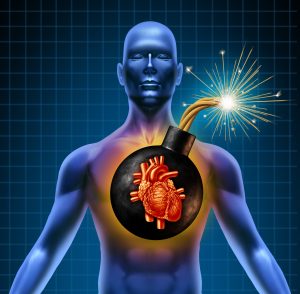
This claim is mostly false. In the first place, the study on which this claim is based was done with erythritol, not sorbitol. More importantly, the study was deeply flawed.
I have described the flaws in a recent issue of “Health Tips From the Professor”.
In addition to its many flaws the study only found an association between erythritol and heart disease at very high intakes of erythritol. Specifically:
- There was no association between erythritol and heart disease at low to moderate intakes of erythritol. As with sorbitol, erythritol is found in many healthy foods and our bodies know how to handle the amount of erythritol found in healthy foods and supplements.
- The association between erythritol and heart disease was only seen at intakes of 30 grams/day or above. The only way you could get that much erythritol daily would be to consume a diet with lots of erythritol-sweetened highly processed foods. And we already know a diet of highly processed foods is associated with an increased risk of heart attack and stroke.
After reviewing the study and analyzing its flaws, I concluded,” Clearly, it doesn’t matter what sweetener we are talking about. Large intake of any natural sweetener in the context of a diet rich in highly processed foods appears to have an adverse effect on our health. And we don’t know whether these adverse health effects are caused by the sweetener or some other components of the highly processed foods.
If you want to improve your health, the best solution is to decrease your intake of highly processed foods. That will automatically reduce your intake of sweeteners and other unhealthy components of highly processed foods and increase your intake of healthy components from the whole foods you will be eating instead”
Many other experts have come to a similar conclusion after reviewing that study.
However, that hasn’t kept social media influencers from warning you to read labels and avoid everything with sorbitol in it because it increases your risk of heart attack and stroke. And, unfortunately, some respectable web sites have repeated that claim without examining the study behind the claim.
Can Sorbitol Increase The Risk Of Liver Disease?
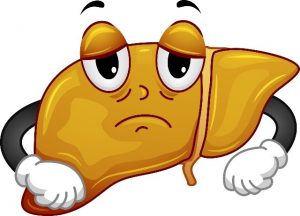 This claim is also mostly false. The study behind this claim was done in zebrafish, not humans. And the zebrafish were put on antibiotics that wiped out their intestinal bacteria. Under these conditions, when the zebrafish were fed glucose, they developed fatty liver disease.
I realize that description of the experimental protocol has probably left you confused. So, let me walk you through the metabolic rationale for the study.
- In zebrafish, like in humans, a small amount of dietary glucose is converted to sorbitol by intestinal mucosal cells.
- In zebrafish and humans, the small amount of sorbitol produced in the intestine is degraded by intestinal bacteria. No harm, no foul.
- However, when the intestinal bacteria are wiped out, sorbitol accumulates and is absorbed into the bloodstream. Simply put, this was way to create very high blood levels of sorbitol in zebrafish.
- Zebrafish and humans are both able to metabolize small amounts of sorbitol. But when the blood levels of sorbitol are high enough, the normal metabolic pathways are overwhelmed.
- Under these conditions, sorbitol goes to the liver where it is converted to fructose.
- Previous studies have shown that excess fructose in the liver can cause fatty liver disease.
The authors of this study concluded, “These results indicate that sorbitol is derived from glucose in the zebrafish intestine, implicate gut microbiota [gut bacteria] in protecting against sorbitol-induced steatosis [abnormal accumulation of fat], and suggest that dietary sorbitol, which is used as a sugar substitute, may increase the risk of developing steatotic liver disease [fatty liver disease].”
This is the message you have probably seen from social media influencers and some websites. Of course, they consider “fatty liver disease” to be too complicated, so their warnings are usually that sorbitol can cause liver disease or liver “danger”.
It sounds scary, but this claim ignores the flaws in this study. In the first place, the study was conducted with zebrafish with no intestinal bacteria. We don’t know whether this is true for humans under normal conditions. And if it is true, it required high blood levels of sorbitol which can only be attained in humans by eating lots of highly processed sorbitol-sweetened foods.
And to put this in proper perspective we also need to investigate the link between fructose and fatty liver disease, as I have done in previous issues of “Health Tips From the Professor”.
- Fructose or “fruit sugar” is, as the name suggests, found in almost all fruits.
- Fructose in fruits is present in small amounts and is encased with fiber, so it is absorbed slowly.
- Our bodies are designed to handle the fructose found in fruits. It is slowly converted to glucose, avoiding the blood sugar spikes associated with sucrose (table sugar) and glucose consumption.
- Fructose in highly processed foods is present in much larger amounts with no fiber to slow its absorption into the bloodstream.
- Under these conditions, our normal metabolic pathways for dealing with dietary fructose are overwhelmed. Fructose accumulates in the liver, where it is converted to fat.
- If we consume highly processed fructose-containing foods long enough, we develop fatty liver disease.
Is this starting to sound familiar? In short, fructose, erythritol, sorbitol, and other sugar alcohols are not a problem in the small doses found in supplements and healthy foods. They only become a problem when we consume lots of processed foods that use them as sweeteners.
Is Sorbitol Dangerous?
 The short answer is, “No”. You can ignore the dire warnings about the dangers of sorbitol. They are food myths! You don’t need to become a label reader and avoid every supplement and food with sorbitol on the label.
Here is the truth about sorbitol:
#1: It can cause gastrointestinal distress (cramping, bloating, cramping, and diarrhea) if you eat too much sorbitol-containing foods at one time. Other studies suggest that this occurs for most people at doses of 10-15 grams of sorbitol. This can occur with excess consumption of both healthy foods and processed foods that are high in sorbitol.
And most of us figure out pretty quickly which foods are a problem for us. That doesn’t require label reading. It just requires paying attention to our symptoms.
#2: The claims about increased risk of heart disease and liver disease are mostly false.
- The claim that sorbitol increases the risk of heart disease was based on a study with erythritol, not sorbitol, and the study was highly flawed.
- The claim that sorbitol increases the risk of liver disease was done with zebrafish, not humans.
- If those studies tell us anything, it is that health issues associated with sorbitol consumption only occur at high doses which can only be achieved by eating lots of sorbitol-sweetened highly processed foods.
- There is no evidence of health issues associated with the small amounts of sorbitol found in some supplements and healthy foods. Our bodies are designed to handle small amounts of sorbitol because they occur naturally in a healthy diet containing fruits and vegetables.
I suppose you could read the labels of processed foods and avoid the ones containing sorbitol. However, there are lots of health concerns with highly processed foods. Sorbitol is the least of the concerns.
A better choice would be to avoid highly processed foods. You don’t need to read their labels to know they are bad for you.
The Bottom Line
We are constantly bombarded with new food ingredients we need to avoid. Social media influencers are telling us to scan food and supplement labels, so we know which ones we shouldn’t eat.
The latest warnings are about sorbitol, a sugar alcohol that occurs naturally in healthy foods and is also added to processed foods. We are being told that:
- Sorbitol can cause gastrointestinal distress (cramping, bloating, cramping, and diarrhea).
- Sorbitol can cause heart attacks and strokes.
- Sorbitol can cause liver disease.
are telling you to scan every label and avoid anything with sorbitol in it. Should you listen to them, or are they promoting food myths to get more followers and clicks?
Here is the truth about sorbitol:
- The claim that high levels of sorbitol can cause gastrointestinal distress are mostly true, but they are equally true for healthy foods and processed foods that are high in sorbitol.
And most of us figure out pretty quickly which foods are a problem for us. That doesn’t require label reading. It just requires paying attention to our symptoms.
- The claims that sorbitol increases our risk heart and liver disease are mostly false. They are based on flawed studies that were not done with sorbitol in humans.
-
- If those studies tell us anything, it is that health issues associated with sorbitol consumption only occur at high doses which can only be achieved by eating lots of sorbitol-sweetened highly processed foods.
-
- There is no evidence of health issues associated with the small amounts of sorbitol found in some supplements and healthy foods. Our bodies are designed to handle small amounts of sorbitol because they occur naturally in a healthy diet containing fruits and vegetables.
I suppose you could read the labels of processed foods and avoid the ones containing sorbitol. However, there are lots of health concerns with highly processed foods. Sorbitol is the least of the concerns.
A better choice would be to avoid highly processed foods. You don’t need to read their labels to know they are bad for you.
For more details, read the article above.
These statements have not been evaluated by the Food and Drug Administration. This information is not intended to diagnose, treat, cure or prevent any disease.
___________________________________________________________________________
My posts and “Health Tips From the Professor” articles carefully avoid claims about any brand of supplement or manufacturer of supplements. However, I am often asked by representatives of supplement companies if they can share them with their customers.
My answer is, “Yes, as long as you share only the article without any additions or alterations. In particular, you should avoid adding any mention of your company or your company’s products. If you were to do that, you could be making what the FTC and FDA consider a “misleading health claim” that could result in legal action against you and the company you represent.
For more detail about FTC regulations for health claims, see this link.
https://www.ftc.gov/business-guidance/resources/health-products-compliance-guidance
______________________________________________________________________
About The Author
 Dr. Chaney has a BS in Chemistry from Duke University and a PhD in Biochemistry from UCLA. He is Professor Emeritus from the University of North Carolina where he taught biochemistry and nutrition to medical and dental students for 40 years. Dr. Chaney won numerous teaching awards at UNC, including the Academy of Educators “Excellence in Teaching Lifetime Achievement Award”. Dr Chaney also ran an active cancer research program at UNC and published over 100 scientific articles and reviews in peer-reviewed scientific journals. In addition, he authored two chapters on nutrition in one of the leading biochemistry textbooks for medical students.
Since retiring from the University of North Carolina, he has been writing a weekly health blog called “Health Tips From the Professor”. He has also written two best-selling books, “Slaying the Food Myths” and “Slaying the Supplement Myths”. And most recently he has created an online lifestyle change course, “Create Your Personal Health Zone”. For more information visit https://chaneyhealth.com.
For the past 53 years Dr. Chaney and his wife Suzanne have been helping people improve their health holistically through a combination of good diet, exercise, weight control and appropriate supplementation.