Which Diets Were Best In 2025?

Which Diet Should You Choose For Good Health?

Author: Dr. Stephen Chaney

Question MarkMany of you started 2026 with goals of losing weight and/or improving your health. In many cases, that involved choosing a new diet.

And for many of you the “bloom” has already gone off the new diet you started so enthusiastically January 1st.

  • Perhaps the diet isn’t working as well as advertised…
  • Perhaps the diet is too restrictive. You are finding it hard to stick with…
  • Perhaps you are always hungry or constantly fighting food cravings…
  • Perhaps you are starting to wonder whether there is a better diet than the one you chose January 1st
  • Perhaps you are wondering whether the diet you chose is the wrong one for you…

If you are rethinking your diet, you might want to know which diets the experts recommend. Unfortunately, that’s not as easy as it sounds. The diet world has become just as divided as the political world.

Fortunately, you have an impartial resource. For 15 consecutive years US News & World Report has invited a panel of experts with different points of view to evaluate popular diets. They then combined the input from all the experts into rankings of the diets in various categories.

They did not rank diets this year but said that little has changed since their last rankings in 2025.

If you are still searching for your ideal diet, I will summarize the US News & World Report’s “Best Diets In 2026”. For the full report, click on this link.

How Was This Report Created?

Scientists-ConversingUS News & World Report recruited panel of 69 nationally recognized experts in diet, nutrition, obesity, food psychology, diabetes, and heart disease to review the most popular diets. This year they reviewed 38 diets in 21 different categories based on the most common reasons for choosing a specific diet.

Of course, fad diets come and go. Each year they drop diets that are no longer popular and add ones that are either new or have recently surged in popularity.

The panel rated diets based on:

  • Nutritional Completeness: The best diets include a variety of nutrient-dense foods that provide essential carbohydrates, protein, healthy fats, vitamins, and minerals.
  • Health Benefits and Risks: These diets are evidenced-based, promote health benefits, reduce disease risks, and focus on high-fiber, nutrient-rich, and antioxidant-packed foods.
  • Proven and Sustainable: These diets are supported by a large body of evidence that they protect against chronic disease and promote a long, healthy life. These diets also provide clear guidelines on what to eat more of and what to eat less of while allowing flexibility to suit personal preferences, including flavors, cultural cuisines and budget. Because these diets are adaptable, they are more sustainable in the long run and less likely to promote a rigid eating approach.

US News & World Report converted the experts’ ratings to scores 5 (highest) to 1 (lowest). They then used these scores to construct 21 categories of Best Diets rankings. I have included the following 8 categories in this Health Tips Blog.

  • Best Diets Overall ranks diets on several different parameters, including whether all food groups are included in the diet, the availability of the foods needed to be on the diet and the use of additional vitamins or supplements.

They considered if the diet was evidence-based and adaptable to meet cultural, religious, or other personal preferences.

In addition, the criteria also included evaluation of the prep and planning time required for the diet and the effectiveness of the diet for someone who wants to get and stay healthy.

  • Best Plant-Based Diets used the same approach as Best Diets Overall to rank the plans emphasizing minimally processed foods from plants that were included in this year’s ratings.
  • Best Healthy Weight-Loss Diet ratings were generated by combining the safety of the weight loss program and the likelihood of the plan to result in successful long-term weight loss and maintenance of weight loss.
  • Best Fast Weight-Loss Diets were scored on their effectiveness for someone who wants to lose weight in three months or less.
  • Best Diabetes Diet ratings were calculated equally from the effectiveness of the diet for someone who wants to lower risk factors for diabetes, the nutritional quality of the diet, and research evidence-based support for the diet.
  • Best Heart-Healthy Diet ratings were calculated equally from the effectiveness of the diet for someone who wants to lower risk factors for hypertension and other forms of heart disease, the nutritional quality of the diet, and evidence-based support for the diet.
  • Best Diets for Inflammation were diets of whole, minimally processed foods like vegetables, fruits, whole grains, healthy fats, nuts, seeds, beans, fatty fish and lean proteins that have been shown to decrease inflammation. 
  • Easiest Diets to Follow represents panelists’ averaged scores for the relevant lifestyle questions, including whether all food groups are included and if the recommended foods are readily available at the average supermarket.

Which Diets Were Worst In 2025?

Emoticon-BadI did not include the worst diets in each category I listed below, but the US News & World Report article gave clear guidelines on what to avoid when choosing a healthy diet. In their words:

  • Avoid processed foods and sugary snacks: Sure, they taste great, but these can leave you with energy crashes and cravings that lead to overeating.
  • Watch out for “diet” foods: Just because something says “low-fat” or “diet” doesn’t mean it’s healthy. These foods often have added sugars or artificial ingredients. It is worth checking the label.
  • Skip extreme restrictions: Cutting out entire food groups or drastically slashing calories might work short term, but it’s hard to stick with and usually leads to burnout or regaining weight.
  • Focus on progress, not perfection: The best weight-loss strategies are about balance and flexibility, not rigid rules. Life happens, so it’s better to aim for consistency over time than to stick to an overly strict plan you can’t keep up with.
  • Focus on lifestyle change, not a quick fix: Healthy weight loss isn’t about quick fixes. It’s about building a lifestyle you enjoy and change sustain. Small changes, like adding more veggies to your meals or choosing water rather than sodas, may not seem like much, but they add up to lasting results over time.
  • Consistency over time beats perfection: An occasional slice of cake or pizza with friends won’t ruin your progress.

Which Diets Were Best In 2025?

Are you ready? If this were an awards program, I would be saying “Envelop please” and would open the envelop slowly to build suspense.

However, I am not going to do that. Below I have listed the top 5 diets in each of the 8 categories I have chosen (If your favorite diet is not on the list and you would like to see where it is ranked, you will need to subscribe to US News & World Report).

Finally, I have excluded commercial diets from this review. I have focused on whole food diets based on foods you can easily find in your local grocery store or farmer’s market.

Best Diets Overall

The best overall diets were:

#1: Mediterranean Diet. The Mediterranean diet has been ranked #1 for 10 consecutive years.

#2: DASH Diet (This diet was designed to keep blood pressure under control, but you can also think of it as an Americanized version of the Mediterranean diet.)

#3: Flexitarian Diet (A flexible semi-vegetarian diet).

#4: MIND Diet (A combination of the Mediterranean and DASH diets with foods selected that support brain health).

#5: The Mayo Clinic Diet (A 12-week program based on evidence-based behavioral science to establish life-long healthy eating habits).

Best Plant-Based Diets 

plant-based diets vegetablesThe top diets in this category were:

#1: Flexitarian Diet.

#2: Mediterranean Diet.

#3: Vegan Diet (a plant-based diet that eliminates all animal products).

#4: MIND Diet

#5: Ornish Diet (A low-fat, plant-based diet designed by Dr. Dean Ornish as part of a heart-healthy lifestyle program that has successfully reversed atherosclerotic buildup in some patients).

Best Healthy Weight-Loss Diets

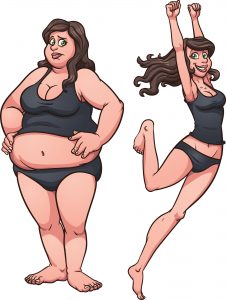
The top diets in this category are proven. They are associated with lower weight and a reduced risk of chronic Weight Lossdiseases in long-term clinical studies. The top diets are:
#1: Mediterranean Diet

#2: Volumetrics Diet (A diet based on the caloric density (calories per serving) of foods).

#3: Mayo Clinic Diet (A diet designed to establish lifelong healthy eating habits).

#4: Flexitarian Diet.

#5: DASH Diet.

Best Fast Weight-Loss Diets

weight lossOnce again, the report emphasized the dangers of quick weight loss diets. If you choose one of these diets to achieve a quick weight loss goal, the authors recommend you use these diets as a stepping stone toward a healthier lifestyle rather than a final solution.

Here are the rapid weight loss ratings:

#1: Keto Diet (A very low carb, high fat diet designed to produce ketosis in your body).

#2: South Beach Diet (A low carb, high protein approach to weight loss).

#3 Atkins Diet (The grandfather of the keto diet).

#4: Volumetrics Diet.

#5: Keyto Diet (A low-carb version of the Mediterranean diet).

Best Diabetes Diets

The key criteria for the best diabetes diets were that they were well-balanced, healthy diets that were designed to Diabetes and healthy diekeep glucose levels within the normal range throughout the day.

They are whole food diets that cut back on added sugars and refined carbs. The top diets in this category are: 

#1: Mediterranean Diet

#2: Flexitarian Diet

#3: MIND Diet

#4: DASH Diet.

#5: Mayo Clinic Diet.

#7: Vegan Diet.

Best Heart-Healthy Diets

strong heartThe top diets in this category were:

#1: DASH Diet

#2: Mediterranean Diet

#3: MIND Diet.

#4: Vegan Diet.

#5: Flexitarian Diet.

#6: TLC Diet. (The TLC (Therapeutic Lifestyle Change) diet was designed by the NIH to lower LDL cholesterol levels naturally.

Best Diets for Inflammation

The top diets in this category are:Flames

#1: Mediterranean Diet.

#2: Dr. Weil’s Anti-Inflammatory Diet.

#3: Flexitarian Diet.

#4: DASH Diet.

#5: MIND Diet.

#7: Vegan Diet.

Easiest Diets to Follow

EasyThe authors of this report considered easy diets to be ones that:

  • Fit into your lifestyle, letting you enjoy indulgences while still being wholesome and nutritious – whether you’re eating out or at home. They focus on building long-term habits, not quick fixes, making them easier to stick with daily.
  • Focus on filling, tasty meals instead of strict restrictions.

They only listed four diets that were healthy, based on whole foods that were readily available, offered easy to follow recipes, and fit the criteria listed above.

#1: Mediterranean Diet (For those who enjoy Mediterranean foods).

#2: Flexitarian Diet (For those who enjoy flexible, semi-vegetarian meals).

#3: DASH Diet (For those who prefer American foods).

#4: MIND Diet (For those who could go either Mediterranean or American and are concerned with brain health).

Which Diet Should You Choose For Weight Loss?
1) If you are looking for rapid weight loss, any whole food restrictive diet will do.

  • In previous year’s evaluations both vegan and keto diets ranked near the top of the rapid weight loss category. Keto and vegan diets are both very restrictive, but they are polar opposites in terms of the foods they allow and restrict.
    • The keto diet is a meat heavy, very low carb diet. It restricts fruits, some vegetables, grains, and most legumes.
    • The vegan diet is a very low-fat diet that eliminates meat, dairy, eggs, and animal fats.
  • Whole food, very low carb diets like Atkins and keto are good for rapid weight loss, but they rank near the bottom of the list for every healthy diet category.
    • If you choose to lose weight on the Atkins or keto diets, switch to a healthier diet once you reach your desired weight loss.

2) If you are looking for healthy weight loss or just a healthy diet, the Mediterranean diet tops the list year after year, followed closely by the DASH, MIND, and flexitarian diets.

  • They are all whole food, primarily plant-based diets, that are backed by dozens of clinical studies showing that they are associated with a healthy weight and low risk of chronic disease long term.

Of course, GLP-1 drugs are the “elephant in the room” when we talk about weight loss. GLP-1 drugs work, but:

  • They are associated with concerning side effects such as:
    • Anxiety, depression, and suicidal thoughts. This is particularly concerning for anyone who has a tendency for anxiety or depression.
    • Muscle loss. This is particularly concerning for seniors who are already prone to age-related muscle loss.
    • Rarer side effects include increased risk of pancreatitis, kidney problems, and some cancers.
  • Unless they are coupled with dietary and lifestyle changes, their effects are temporary. The weight comes roaring back as soon as they are discontinued.
    • This is a concern because of their expense and side effects. Long-term use of these drugs:
      • Increases the cost of healthcare which increases health insurance costs for all of us (a topic which is in the news lately).
      • Increase the risk of side effects.

Which Diet Should You Choose For Good Health?
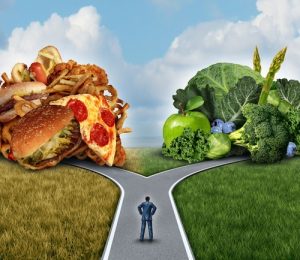
Food ChoicesWith rapid weight loss out of the way, let’s get back to the question, “Which Diet Should You Choose For Good Health?”

The Mediterranean diet tops the list year after year, followed closely by the DASH, MIND, and Flexitarian diets. But how do you choose between them? My recommendations are:

1) Choose a diet that fits your needs. That is one of the things I like best about the US News & World Report ratings. The diets are categorized. If your main concern is diabetes, choose one of the top diets in that category. If your main concern is heart health… You get the point.

2) Choose diets that are healthy and associated with long term weight loss. If that is your goal, you will notice that primarily plant-based diets top these lists. Meat-based, low carb diets like Atkins and keto are near the bottom of the lists.

3) Choose diets that are easy to follow. The less-restrictive primarily plant-based diets top this list – diets like Mediterranean, DASH, MIND, and flexitarian. They are also at or near the top of almost every diet category.

4) Choose diets that fit your lifestyle and dietary preferences. For example, if you don’t like fish and olive oil, you will probably do much better with the DASH or Flexitarian diet than with the Mediterranean diet.

4) Finally, focus on what you have to gain, rather than on foods you have to give up.

  • On the minus side, none of the diets include America’s favorite foods such as sodas, junk foods, and highly processed foods. These foods should go on your “No-No” list. Sweets should be occasional treats and only as part of a healthy meal. Meat, especially red meat, should become a garnish rather than a main course.
  • On the plus side, primarily plant-based diets offer a cornucopia of delicious plant foods you probably didn’t even know existed. Plus, for any of the top-rated plant-based diets, there are websites and books full of mouth-watering recipes. Be adventurous.

The Bottom Line

For many of you the “bloom” has gone off the new diet you started so enthusiastically in January. If you are rethinking your diet, you might want to know which diets the experts recommend. Unfortunately, that’s not as easy as it sounds. The diet world has become just as divided as the political world.

Fortunately, you have an impartial resource. Each year US News & World Report invites a panel of experts with different points of view to evaluate popular diets. They then combine the input from all the experts into rankings of the diets in various categories according to individual health goals. In the article above I summarize the US News & World Report’s “Best Diets In 2025”.

There are probably two questions at the top of your list.

#1: Which diets are best for weight loss? Here are 2 general principles:

  • If you are looking for rapid weight loss, any whole food restrictive diet will do. The Keto diet tops this list but ranks near the bottom of the healthy diet categories.
  • If you are looking for healthy, long-term weight loss the Mediterranean diets tops the list followed by the Volumetrics, Mayo Clinic, Flexitarian, and DASH diets.

#2: Which diet should you choose for good health? Once again, the Mediterranean diet tops the list followed by the DASH, Flexitarian, MIND, and Mayo Clinic diets. The Vegan diet is the top 10 of most healthy diet lists, while the keto diet is near the bottom.

For more details on 2026 US News & World Report on Best Diets and my advice on how to choose a healthy diet that is best for you, read the article above.

These statements have not been evaluated by the Food and Drug Administration. This information is not intended to diagnose, treat, cure or prevent any disease.

_______________________________________________________________________________

My posts and “Health Tips From the Professor” articles carefully avoid claims about any brand of supplement or manufacturer of supplements. However, I am often asked by representatives of supplement companies if they can share them with their customers.

My answer is, “Yes, as long as you share only the article without any additions or alterations. In particular, you should avoid adding any mention of your company or your company’s products. If you were to do that, you could be making what the FTC and FDA consider a “misleading health claim” that could result in legal action against you and the company you represent.

For more detail about FTC regulations for health claims, see this link.

https://www.ftc.gov/business-guidance/resources/health-products-compliance-guidance

 _______________________________________________________________________

About The Author 

Dr. Chaney has a BS in Chemistry from Duke University and a PhD in Biochemistry from UCLA. He is Professor Emeritus from the University of North Carolina where he taught biochemistry and nutrition to medical and dental students for 40 years.

Dr. Chaney won numerous teaching awards at UNC, including the Academy of Educators “Excellence in Teaching Lifetime Achievement Award”.

Dr Chaney also ran an active cancer research program at UNC and published over 100 scientific articles and reviews in peer-reviewed scientific journals. In addition, he authored two chapters on nutrition in one of the leading biochemistry text books for medical students.

Since retiring from the University of North Carolina, he has been writing a weekly health blog called “Health Tips From the Professor”. He has also written two best-selling books, “Slaying the Food Myths” and “Slaying the Supplement Myths”. And most recently he has created an online lifestyle change course, “Create Your Personal Health Zone”. For more information visit https://chaneyhealth.com.

For the past 54 years Dr. Chaney and his wife Suzanne have been helping people improve their health holistically through a combination of good diet, exercise, weight control and appropriate supplementation.



Can A Healthy Diet Help You Lose Weight?

What’s New About This Study?

Author: Dr. Stephen Chaney 

fad dietsNew Year’s resolutions are just around the corner. Some of you will resolve to lose weight, and some of you will resolve to eat healthier. But can you do both?

Any restrictive diet will give you short-term weight loss. And weight loss will give you improvement in blood parameters that might signal a reduced risk of heart disease, stroke, and diabetes.

The operative word here is “might”. Long-term studies are required to determine whether a diet actually reduces the risk of chronic diseases.

So, the important question becomes, “Can weight loss diets be healthy long term”. For some of them, the answer is a clear no. Others are unlikely to be healthy but have not been studied long term, so we don’t know whether they are healthy or not.

That’s the dilemma most of you face this January. If most weight loss diets are unhealthy long term, do you have to choose between weight loss and good health when you make your New Year’s resolutions?

Maybe not. What if you started from the opposite perspective? What if you asked, “Can a healthy diet help you lose weight?” The study (S Schutte et al, American Journal of Clinical Nutrition, 115: 1-18, 2022)) I will review this week suggests it can.

How Was This Study Done?

clinical studyThis was a randomized controlled trial, the gold standard of clinical studies. The investigators recruited 100 healthy, abdominally obese men and women aged 40-70. At the time of entry into the study none of the participants:

  • Had diabetes.
  • Smoked
  • Had a diagnosed medical condition.
  • Were on a medication that interfered with blood sugar control.
  • Were on a vegetarian diet.

The participants were randomly assigned to:

  • A high-nutrient quality diet that restricted calories by 25%.
  • A low-nutrient-quality diet that restricted calories by 25%.
  • A continuation of their habitual diet.

The study lasted 12 weeks. The participants met with a dietitian on a weekly basis. The dietitian gave them all the foods they needed for the next week and monitored their adherence to their assigned diet. They were advised not to change their exercise regimen during the study.

At the beginning and end of the study the participants were weighed, and cholesterol, triglycerides, and blood pressure were measured.

Can A Healthy Diet Help You Lose Weight?

Vegetarian DietThis study compared a healthy diet to an unhealthy diet with the same degree of caloric restriction. And it compared both diets to the habitual diet of people in that area. This study was performed in the Netherlands, so both weight loss diets were compared to the habitual Dutch diet.

To put this study into context, these were not healthy and unhealthy diets in the traditional sense.

  • Both were whole food diets.
  • Both included fruits, vegetables, low-fat dairy, and lean meats.
  • Both restricted calories by 25%.

The diets were designed so that the “high-nutrient quality” diet had significantly more plant protein (in the form of soy protein), fiber, healthy fats (monounsaturated and omega-3 fats), and significantly less added sugars than the “low-nutrient-quality” diet.

When the investigators measured weight loss at the end of 12 weeks:

  • Participants lost significant weight on both calorie-restricted diets compared to the group that continued to eat their habitual diet.
    • That is not surprising. Any diet that successfully restricts calories will result in weight loss.
  • Participants on the high-nutrient quality diet lost 33% more weight than participants on the low-nutrient-quality diet (18.5 pounds compared to 13.9 pounds).
  • Participants on the high-nutrient quality diet lost 50% more inches in waist circumference than participants on the low-nutrient-quality diet (1.8 inches compared to 1.2 inches).
    • Waist circumference is a direct measure of abdominal obesity.

When the investigators measured blood pressure, fasting total cholesterol levels, and triglyceride levels at 12 weeks:

Prescription for good health overhead with stethoscope, healthy fresh food and exercise equipment, with copy space.
  • These cardiovascular risk factors were significantly improved on both diets.
    • Again, this would be expected. Any diet that causes weight loss results in an improvement in these parameters.
  • However, the reduction in total serum cholesterol was 2.5-fold greater in the high-nutrient quality diet group than in the low-nutrient-quality diet group.
  • The reduction in triglycerides was 2-fold greater in the high-nutrient quality diet group than in the low-nutrient-quality diet group.
  • The reduction in systolic blood pressure was 2-fold greater and the reduction in diastolic blood pressure was 1.67-fold greater in the high-nutrient quality diet group than in the low-nutrient-quality diet group.

The authors concluded, “Our results demonstrate that the nutrient composition of an energy-restricted diet is of great importance for improvements of metabolic health in an overweight, middle-aged population. A high-nutrient quality energy-restricted diet enriched with soy protein, fiber, monounsaturated fats, omega-3 fats, and reduced in fructose and other added sugars provided additional health benefits over a low-nutrient quality energy-restricted diet, resulting in greater weight loss…and promoting an antiatherogenic blood lipid profile.”

In short, participants in this study lost more weight and had a better improvement in risk factors for heart disease on a high-nutrient-quality diet than on a low-nutrient-quality diet. Put another way, a healthy diet can help you lose weight. Healthy eating helped them lose more weight and gave them greater improvement in their health.

What’s New About This Study?

Simply put this study confirms that:

  • Caloric restriction leads to weight loss, and…
  • Weight loss leads to improvement in cardiovascular risk factors like total cholesterol, triglycerides, and blood pressure.
    • This is not new. It is true for any diet that results in caloric restriction.

However, this study breaks new ground in that it shows a high-nutrient quality diet results in significantly better…

  • Weight loss and…
  • Reduction in cardiovascular risk factors….

…compared to a low-nutrient quality diet with the same degree of caloric restriction.

What Does This Study Mean For You?

As I said above, the distinction between a “high-nutrient-quality” diet and a “low-nutrient-quality” diet may not be Questioning Womanwhat you might have expected.

  • Both diets were whole food diets. Neither diet allowed sodas, sweets, and highly processed foods.
  • Both included fruits, vegetables, grains, and lean meats.
  • Both reduced caloric intake by 25%.
    • If you want to get the most out of your weight loss diet, this is a good place to start.

However, in this study the investigators designed their “high-nutrient-quality” diet so that it contained:

  • More plant protein in the form of soy protein.
    • In this study they did not reduce the amount of animal protein in the “high-nutrient-quality” diet. They simply added soy protein foods to the diet. I would recommend substituting soy protein for some of the animal protein in your diet.
  • More fiber.
    • The additional fiber came from substituting whole grain breads and brown rice for refined grain breads and white rice, adding soy protein foods, and adding an additional serving of fruit.
  • More healthy fats (monounsaturated and omega-3 fats) in place of saturated fats.
    • The additional omega-3s came from adding a fish oil capsule providing 700mg of EPA and DHA.
  • Less added sugar.

All these changes make great sense if you are trying to lose weight. 

ProfessorI would group these changes into 7 recommendations.

1) Follow a whole food diet. Avoid sodas, sweets, and highly processed foods.

2) Include all 5 food groups in your weight loss diet. Fruits, vegetables, whole grains, dairy, and lean proteins all play an important role in your long-term health.

3) Eat a primarily plant-based diet. My recommendation is to substitute plant proteins for at least half of your high-fat animal proteins. And this study reminds us that soy protein foods are a convenient and effective way to achieve this goal.

4) Eat a diet high in natural fiber. Including fruits, vegetables, whole grains, beans, nuts, seeds, and soy foods in your diet is the best way to achieve this goal.

5)  Substitute healthy fats (monounsaturated and omega-3 fats) for unhealthy fats (saturated and trans fats) in your diet. And this study reminds us that it is hard to get enough omega-3s in your diet without an omega-3 supplement.

6) Reduce the amount of added sugar in your diet. This is best achieved by eliminating sodas, sweets, and highly processed foods from the diet.

7) Finally, I would like to remind you of the obvious. No diet, no matter how healthy, will help you lose weight unless you cut back on calories. Fad diets achieve that by restricting the foods you can eat or the time you are allowed to eat. In the case of a healthy diet, the best way to do it is to cut back on portion sizes and choose foods with low caloric density.

The Bottom Line 

A recent study asked, “Can a healthy diet help you lose weight?” This study was a randomized controlled study, the gold standard of clinical studies. The participants were randomly assigned to:

  • A high-nutrient quality diet that restricted calories by 25%.
  • A low-nutrient-quality diet that restricted calories by 25%.
  • Continue with their habitual diet.

These were not healthy and unhealthy diets in the traditional sense.

  • Both were whole food diets.
  • Both included fruits, vegetables, low-fat dairy, and lean meats.
  • Both restricted calories by 25%.

The diets were designed so that the “high-nutrient quality” diet had significantly more plant protein (in the form of soy protein), fiber, healthy fats (monounsaturated and omega-3 fats), and significantly less fructose and other added sugars than the “low-nutrient-quality” diet.

At the end of 12 weeks:

  • Participants on the high-nutrient quality diet lost 33% more weight and had better cardiovascular markers than participants on the low-nutrient-quality diet.

The authors concluded, “Our results demonstrate that the nutrient composition of an energy-restricted diet is of great importance for improvements of metabolic health in an overweight, middle-aged population. A high-nutrient quality energy-restricted diet enriched with soy protein, fiber, monounsaturated fats, omega-3 fats, and reduced in fructose and other added sugars provided additional health benefits over a low-nutrient quality energy-restricted diet, resulting in greater weight loss…and promoting an antiatherogenic blood lipid profile.”

In short, participants in this study lost more weight and had a better improvement in risk factors for heart disease on a high-nutrient-quality diet than on a low-nutrient-quality diet. Put another way, a healthy diet can help you lose weight. Healthy eating helped them lose more weight and gave them greater improvement in their heart health.

For more details on this study, what this study means for you, and my 7 recommendations for a healthy weight loss diet, read the article above.

These statements have not been evaluated by the Food and Drug Administration. This information is not intended to diagnose, treat, cure, or prevent any disease.

 _____________________________________________________________________________

My posts and “Health Tips From the Professor” articles carefully avoid claims about any brand of supplement or manufacturer of supplements. However, I am often asked by representatives of supplement companies if they can share them with their customers.

My answer is, “Yes, as long as you share only the article without any additions or alterations. In particular, you should avoid adding any mention of your company or your company’s products. If you were to do that, you could be making what the FTC and FDA consider a “misleading health claim” that could result in legal action against you and the company you represent.

For more detail about FTC regulations for health claims, see this link.

https://www.ftc.gov/business-guidance/resources/health-products-compliance-guidance

_______________________________________________________________________

About The Author 

Dr. Chaney has a BS in Chemistry from Duke University and a PhD in Biochemistry from UCLA. He is Professor Emeritus from the University of North Carolina where he taught biochemistry and nutrition to medical and dental students for 40 years.

Dr. Chaney won numerous teaching awards at UNC, including the Academy of Educators “Excellence in Teaching Lifetime Achievement Award”.

Dr Chaney also ran an active cancer research program at UNC and published over 100 scientific articles and reviews in peer-reviewed scientific journals. In addition, he authored two chapters on nutrition in one of the leading biochemistry text books for medical students.

Since retiring from the University of North Carolina, he has been writing a weekly health blog called “Health Tips From the Professor”. He has also written two best-selling books, “Slaying the Food Myths” and “Slaying the Supplement Myths”. And most recently he has created an online lifestyle change course, “Create Your Personal Health Zone”. For more information visit https://chaneyhealth.com.

For the past 45 years Dr. Chaney and his wife Suzanne have been helping people improve their health holistically through a combination of good diet, exercise, weight control and appropriate supplementation.

The Chocolate Myth

Can Chocolate Help You Lose Weight? 

Author: Dr. Stephen Chaney 

chocolateSometimes you come across news that just seems too good to be true. The claims that you can lose weight just by eating chocolate are a perfect example. Your first reaction when you heard that was probably “Sure, when pigs fly!”

But it’s such an enticing idea – one might even say a deliciously enticing idea. And, in today’s world enticing ideas like this quickly gain a life of their own. Two popular books have been written on the subject.

Chocolate diet plans are springing up right and left. A quick scan of the internet even revealed a web site saying that by investing a mere $1,250 in a training course you could become a “Certified Chocolate Weight Loss Coach” earning $50,000/year.

If you like chocolate as much as most people you are probably wondering, “Could it possibly be true, or is it just another myth?

Can Chocolate Help You Lose Weight?

Happy woman on scaleThe idea that chocolate could help you lose weight does have some support. There are three published clinical studies suggesting that chocolate consumption is associated with lower weight (European Journal of Clinical Nutrition, 62: 247-253, 2008; Nutrition Research, 31: 122-130, 2011; Archives of Internal Medicine, 172: 519-521, 2012).

While that sounds impressive, they were all cross-sectional studies. That means they looked at a cross section of the population and compared chocolate intake with BMI (a measure of obesity). Cross sectional studies have a couple of very important limitations:

  • Cross sectional studies merely measure associations. They don’t prove cause and effect. Was it chocolate that caused the lower weight, or was it something else that those populations were doing? We don’t really know.
  • Cross sectional studies don’t tell us why an association occurs. In many ways, this is the old chicken and egg conundrum. Which comes first? In this case the question is whether the people in the studies became obese because they ate less chocolate – or did they eat less chocolate because they were obese and were trying to control their calories? Again, we have no way of knowing.

The Chocolate Myth

Chocolate is relatively rich in fat and high in calories. It’s not your typical diet food. On the surface, it seems implausible that eating chocolate could help you lose weight. When you first saw those headlines you probably thought, “When pigs fly!” You weren’t the only one. Lot’s of scientists had similar thoughts.

And scientists love to poke holes in implausible hypotheses, so it is no surprise that a recent study (JA Greenberg and B Buijsse, PLOS ONE, 8(8) e70271) has poked some huge holes in the “chocolate causes weight loss” hypothesis.

This study analyzed data from over 12,000 participants in the Atherosclerosis Risk in Community (ARIC) Study. This was also a cross-sectional study, but it was a prospective, cross-sectional study (That’s just a fancy scientific term which means that the study followed a cross section of the population over time, rather than just asking what that population group looked like at a single time point).

The authors of the study assessed frequency of chocolate intake and weight for each individual in the study at two separate times 6 years apart. The results were very interesting:

  • When they looked at a cross section of the population at either time point, their results were the same as the previous three studies – namely those who consumed the most chocolate weighed less. So, the cross-sectional data were consistent. Overweight people consumed less chocolate. But that still doesn’t tell us why they consumed less chocolate.
  • However, when they followed the individuals in the study over 6 years, those who consumed the most chocolate gained the most weight. The chocolate eaters were skinnier than the non-chocolate eaters at the beginning of the study, but they gained more weight as the study progressed. And the more chocolate they consumed the more weight they gained over the next 6 years. [No surprise here. Calories still count.]
  • When they specifically looked at the population who had developed an obesity-related illness between the first and second time point, they found that by the end of the study those participants had:
  • Decreased chocolate intake by 37%
  • Decreased fat intake by 4.5%
  • Increased fruit intake by 20%
  • Increased vegetable intake by 17%
  • In short, this study is more consistent with the “obesity causes reduced chocolate intake” model than the “reduced chocolate intake causes obesity” model. Simply put, if you are trying to lose weight, sweets like chocolate are probably among the first things to go.

Of course, even prospective cross-sectional studies have their limitations. Double blind, placebo-controlled studies are clearly needed to resolve this question. The only published study of this type has reported a slight weight gain associated with 25 g/day of dark chocolate, but the study was too small and too short in duration to draw firm conclusions.

In summary, more studies are needed, but the current evidence does not support the “miracle diet food” claims for chocolate. This appears to be another food myth. Pigs are flying!

The Bottom Line: 

  • Pigs still haven’t learned how to fly. As enticing as it may sound, the weight of current evidence does not support the claims that chocolate is a miracle diet food or that eating chocolate every day is a sensible strategy for losing weight.
  • On the other hand, dark chocolate is probably one of the healthier dessert foods. There is no reason not to enjoy an occasional bite of chocolate as part of a healthy, calorie-controlled diet.

These statements have not been evaluated by the Food and Drug Administration. This information is not intended to diagnose, treat, cure or prevent any disease.

 ___________________________________________________________________________

My posts and “Health Tips From the Professor” articles carefully avoid claims about any brand of supplement or manufacturer of supplements. However, I am often asked by representatives of supplement companies if they can share them with their customers.

My answer is, “Yes, as long as you share only the article without any additions or alterations. In particular, you should avoid adding any mention of your company or your company’s products. If you were to do that, you could be making what the FTC and FDA consider a “misleading health claim” that could result in legal action against you and the company you represent.

For more detail about FTC regulations for health claims, see this link.

https://www.ftc.gov/business-guidance/resources/health-products-compliance-guidance 

____________________________________________________________________________

About The Author 

Dr. Chaney has a BS in Chemistry from Duke University and a PhD in Biochemistry from UCLA. He is Professor Emeritus from the University of North Carolina where he taught biochemistry and nutrition to medical and dental students for 40 years.  Dr. Chaney won numerous teaching awards at UNC, including the Academy of Educators “Excellence in Teaching Lifetime Achievement Award”. Dr Chaney also ran an active cancer research program at UNC and published over 100 scientific articles and reviews in peer-reviewed scientific journals. In addition, he authored two chapters on nutrition in one of the leading biochemistry text books for medical students.


Since retiring from the University of North Carolina, he has been writing a weekly health blog called “Health Tips From the Professor”. He has also written two best-selling books, “Slaying the Food Myths” and “Slaying the Supplement Myths”. And most recently he has created an online lifestyle change course, “Create Your Personal Health Zone”. For more information visit https://chaneyhealth.com.

For the past 53 years Dr. Chaney and his wife Suzanne have been helping people improve their health holistically through a combination of good diet, exercise, weight control and appropriate supplementation.

 

Are GLP-1 Users Getting Enough Nutrients?

What Does This Mean For Your Future Health?

Author: Dr. Stephen Chaney

Most people want to lose weight so they can get trimmer and healthier. I don’t know of anyone who wants to be leaner and less healthy. But if they are not getting the essential nutrients their body needs while they are losing weight, they may well end up both lean and unhealthy.

I don’t need to tell you that GLP-1 (glucagon-like peptide 1) drugs are all the rage. Total spending on GLP-1 drugs in the United States exceeded $71 billion in 2023, a 500% increase in just 5 years. There are 15 million Americans on GLP-1 drugs at any one time. And most of this increase has been driven by the weight-loss market.

GLP-1 drugs do work. They target the intestine and the brain, increasing satiety (feeling of fullness) and decreasing appetite.

However, like any other drug, they have side effects. The most frequent are:

  • Nausea
  • Vomiting
  • Diarrhea
  • Constipation
  • Increased heart rate.
  • Hypoglycemia
  • Allergic reactions

In a previous issue of “Health Tips From the Professor” I discussed a serious side effect that is often overlooked, namely increased risk of depression, anxiety, and suicidal thoughts. My recommendations were:

  • If you suffer from depression, anxiety, or suicidal thoughts, GLP-1 drugs may not be the best choice for you. At the very least you should discuss the risks and benefits with your doctor before using them.
  • If you are using GLP-1 drugs and experience an increase in depression, anxiety, or suicidal tendencies, you should discontinue the drug immediately and report your side effects to your doctor.

Another question that has not been addressed previously is whether people using GLP-1 drugs are getting the essential nutrients their bodies need for optimal health. Today’s study (B Johnson et al, Frontiers in Nutrition, published online in April 2025) was designed to measure the nutritional adequacy of GLP-1 user’s diets.

How Was This Study Done? 

clinical studyThe investigators enrolled 69 people who had been using a GLP-1 drug for at least a month in their study using an online research platform through the University of Turin in Italy.

The characteristics of the study participants were:

  • Weight:
    • 5% normal weight
    • 27% overweight
    • 18% Obese Class I
    • 20% Obese Class II
    • 30% Morbidly Obese
  • Age = 49.6 ± 12.3
  • Ethnicity:
    • 82% Caucasian
    • 6% Hispanic
    • 8% African American
    • 1% Asian
    • This is similar to the ethnic distribution of GLP-1 users in this region.
  • Length of GLP-1 use:
    • 7% <3 months
    • 29% 4-6 months
    • 25% 7-12 months
    • 39% >1 year

The participants were trained on how to use an online dietary recall instrument and then recorded their dietary intake for 3 consecutive days.

Are GLP-1 Users Getting Enough Nutrients?

Question MarkThe results of the 3-day dietary recalls from the GLP-1 users were:

  • Their diets were high in fat (39% of calories) and saturated fat (13%).
  • Their diets were low in fruit, vegetables, grains, and dairy foods.
  • Their diets were low in fiber (14 grams). This is half the recommended intake of fiber.
  • Their diets were sufficient for B-vitamins, copper, phosphorous, selenium, and zinc.
  • Their diets were deficient for calcium, iron, magnesium, potassium, choline, vitamin A, vitamin C, vitamin K, vitamin D, vitamin E, and fiber. For example:
    • 99% of participants were not getting enough Vitamins D and K from their diet.
    • 94% weren’t getting enough choline.
    • 90% weren’t getting enough magnesium.
    • 88% weren’t getting enough iron.

The study did not report the intake of omega-3 fats, but the participants were likely deficient in that as well.

The study participants averaged 0.8 gm/kg of protein, which is the recommended intake for sedentary adults who are not on a weight loss diet. However, 0.8 gm/kg of protein is not sufficient for maintaining muscle mass on weight loss diets, especially weight loss diets aided by GLP-1 drugs. Most experts recommend 1.2gm/kg to 1.6 gm/kg to prevent loss of muscle mass, with a few recommending as high as 2 gm/kg.

Most of the participants in this study did not meet the increased protein recommendations for weight loss.

  • Only 43% consumed at least 1.2 gm/kg of protein.
  • Only 10% consumed at least 1.6 gm/kg of protein.
  • Only 5% consumed at least 2.0 gm/kg of protein.

The authors concluded, “Participants on a GLP-1 drug are not meeting the DRI [daily recommended intake] for several vital nutrients through their diet or the higher protein needs during weight loss. Patient-centered nutritional guidance is essential to optimize health outcomes and prevent unintended health consequences.

What Does This Mean For Your Future Health?

QuestionsThe results of this study are both appalling and expected. Weight loss diets often result in nutritional insufficiencies. However, GLP-1-aided weight loss is worse.

That’s because GLP-1 is a drug, not a diet plan. It’s dispensed like any other drug.

  • Your doctor gives you a GLP-1 prescription. If you are lucky, they may give you a “one-size-fits-all” handout on how to lose weight while you are using it. For example, in this study:
    • Only 51% of participants received information from their doctor on how to manage side effects of GLP-1.
    • Only 20% were referred to a dietitian. The other 80% received no information on how to change their diet and lifestyle.
  • When you pick up the drug from the pharmacy, you get a package insert listing the side effects but no information on how to change your diet.

The results were predictable:

From a medical point of view the results were a big success:

  • The participants in the study reduced their caloric intake by 20%.
  • Most of the participants in the study felt the GLP-1 drug was helping them lose weight.

But from a nutritional point of view the study raises a red flag. Most of the participants were not told to change their diet or lifestyle, and they didn’t. Their diet was still:

  • High in total fat and saturated fat and probably low in healthy fats, although that was not assessed.
  • Low in fruits, vegetables, grain, dairy, and fiber.

The typical American diet is bad enough as it is. But when you eat the same diet and decrease calories, the nutritional inadequacies of the American diet are magnified. That is why the diets of the GLP-1 users were deficient in fiber plus 10 essential vitamins and minerals and did not contain enough protein to prevent loss of muscle mass.

Most (52%) of the participants were planning to be on GLP-1 drugs for a short period of time – just long enough to reach their weight loss goals. But the reality is far different.

Studies show that when people lose weight on GLP-1 drugs without changing their diet and lifestyle, the weight comes roaring back as soon as they get off the drugs. The reality is that those people will need to stay on GLP-1 drugs for a lifetime if they want to keep the weight off.

That’s when the nutritional inadequacies shown in this study start to have real health consequences. For example,

  • Long term inadequacies of calcium, magnesium, and vitamin D increase the risk of osteoporosis.
  • Long term muscle loss due to inadequate protein intake leads to frailty and metabolic diseases as we age.

I could go on, but you get the point. GLP-1 drugs are not a panacea. Without diet and lifestyle change, they are just a temporary and expensive solution to weight loss.

The Bottom Line

A recent study looked at the nutritional intake of GLP-1 users. It found:

  • Their diets were high in fat (39% of calories) and saturated fat (13%).
  • Their diets were low in fruit, vegetables, grains, and dairy foods.They were deficient in fiber plus 10 essential vitamins and minerals.


  • They were not getting enough protein to prevent the loss of muscle mass associated with GLP-1 use for weight loss.

The authors concluded, “Participants on a GLP-1 drug are not meeting the DRI [recommended intake] for several vital nutrients through their diet or the higher protein needs during weight loss. Patient-centered nutritional guidance is essential to optimize health outcomes and prevent unintended health consequences.

For details about the study and the health consequences of these nutrient deficiencies, read the article above.

These statements have not been evaluated by the Food and Drug Administration. This information is not intended to diagnose, treat, cure or prevent any disease.

______________________________________________________________________________

My posts and “Health Tips From the Professor” articles carefully avoid claims about any brand of supplement or manufacturer of supplements. However, I am often asked by representatives of supplement companies if they can share them with their customers.

My answer is, “Yes, as long as you share only the article without any additions or alterations. In particular, you should avoid adding any mention of your company or your company’s products. If you were to do that, you could be making what the FTC and FDA consider a “misleading health claim” that could result in legal action against you and the company you represent.

For more detail about FTC regulations for health claims, see this link.

https://www.ftc.gov/business-guidance/resources/health-products-compliance-guidance

_____________________________________________________________________

About The Author 

Dr. Chaney has a BS in Chemistry from Duke University and a PhD in Biochemistry from UCLA. He is Professor Emeritus from the University of North Carolina where he taught biochemistry and nutrition to medical and dental students for 40 years.

Dr. Chaney won numerous teaching awards at UNC, including the Academy of Educators “Excellence in Teaching Lifetime Achievement Award”.

Dr Chaney also ran an active cancer research program at UNC and published over 100 scientific articles and reviews in peer-reviewed scientific journals. In addition, he authored two chapters on nutrition in one of the leading biochemistry text books for medical students.

Since retiring from the University of North Carolina, he has been writing a weekly health blog called “Health Tips From the Professor”. He has also written two best-selling books, “Slaying the Food Myths” and “Slaying the Supplement Myths”. And most recently he has created an online lifestyle change course, “Create Your Personal Health Zone”. For more information visit https://chaneyhealth.com.

For the past 53 years Dr. Chaney and his wife Suzanne have been helping people improve their health holistically through a combination of good diet, exercise, weight control and appropriate supplementation.

Why Is Keeping Weight Off So Hard?

Can You Achieve Permanent Weight Loss? 

Author: Dr. Stephen Chaney 

Why is the dreaded yo-yo rearing its ugly head again? You tried a new diet this year, and it worked really well. The weight came off easily. But the diet is over, and the pounds are starting to creep up once again.

You are beginning to wonder if this diet was just like all the other yo-yo diets you’ve tried in the past. You are wondering whether those pounds you lost will come back and bring their friends with them. If so, you’ll be like 156 million Americans who lose weight and gain it all back each year.

And it’s so frustrating. You are trying to be good. You are still exercising and trying to eat healthily. Why isn’t it working?

Could it be that your fat cells have a memory? Could it be they like to be big and bulky with lots of stored fat? While that description is a bit fanciful, a new study (LC Hinte et al, Nature Online, 2024) suggests your fat cells may have a memory, which could explain why it is so hard to keep the weight off.

This is a highly technical study. So, before I discuss how the study was done, I should perhaps review a little bit of Biochemistry 101.

Biochemistry101: Epigenetics and Gene Activity

EpigeneticsWhat Is Epigenetics? When I was a young graduate student (which is more than just a few years ago), I was taught that all genetic information resided in our DNA. During conception, we picked up some DNA from our dad and some from our mom, and that DNA was what made us a unique individual.

In recent years, the hype has centered on DNA sequencing. It seems like everyone is offering to sequence your genome and tell you what kind of diet is best for you, what foods to eat, and what supplements to take. But can DNA sequencing fulfill those promises?

The problem is that DNA sequencing only tells you what genes you have. It doesn’t tell you whether those genes are active. Simply put, it doesn’t tell you whether those genes are turned on or turned off.

This is where epigenetics comes in. Epigenetics is the science of modifications that alter gene expression. In simple terms, both DNA and the proteins that bind to DNA can be modified. This does not change the DNA sequence. But these modifications can determine whether a gene is active (turned on) or inactive (turned off).

This sounds simple enough, but here is where it really gets interesting. These modifications are affected by our diet, our lifestyle (body weight and exercise, for example), our microbiome (gut bacteria), and our environment.

And if that weren’t complicated enough, some of these epigenetic changes (DNA modifications) can be transitory and others are long-lasting.

The authors of this study hypothesized that obesity causes long-lasting epigenetic changes to certain critical genes in our fat cells that slow metabolism and promote fat accumulation, even after we have lost weight. In other words, these epigenetic changes “prime” our fat cells to regain all the weight we’ve lost.

How Do You Measure the Effect of Epigenetic Changes? As you might expect this study measured epigenetic modifications to critical genes in fat cells. But that’s only part of the story. Epigenetic modification can turn genes on, turn them off, or have no effect on gene activity.

So, the investigators also needed to monitor the activity of the genes to determine the effect of the epigenetic modifications. Fortunately, one fact you may have learned in high school or college biology is mostly unchanged by the passage of time.

It is that the genetic sequence of DNA is translated into messenger RNA and that messenger RNA is used to code for proteins. If epigenetic modifications turned on a gene, we would expect higher levels of the corresponding messenger RNA and corresponding protein in those cells. Conversely, if epigenetic modifications turned off a gene, we would expect the opposite.

It turns out that it is much easier to measure changes in messenger RNA levels than individual protein levels that correspond to specific genes. So, the investigators used cellular messenger levels to measure the effect of epigenetic modifications on gene activity.

How Was This Study Done?

clinical studyThe investigators measured the effect of obesity and subsequent weight loss on fat cell gene expression in a limited set of human subjects and supplemented those results with a more expansive set of experiments with mice.

I don’t normally report on animal studies or very small human studies because these studies often lead to misleading results that are not supported by subsequent long-term, large clinical studies.

However, I am making an exception for this study because it leads to an interesting paradigm shift which, if true, changes the way we think about how to keep weight off long term.

Human Study: The investigators determined messenger RNA levels for key genes in fat cells from human volunteers who were:

  • At a healthy weight.
  • Obese both before and 2 years after bariatric surgery that resulted in at least 25% weight loss.

The groups were small (10-16 total), in part because obtaining fat cell samples is an invasive and painful procedure.

Mouse study: The investigators determined both messenger RNA levels and epigenic modifications for key genes in fat cells from 6-week-old male mice who were:

  • Fed either a low-fat or high-fat chow diet for 25 weeks. As expected, the mice fed the low-fat diet remained lean and the mice fed the high-fat diet became obese.
  • Subsequently, the obese mice were put on low-fat chow for 8 weeks during which time their weight returned to normal.
  • Finally, both the ‘always lean’ and ‘formerly obese’ mice were put on high-fat chow to compare how rapidly they gained weight.

What Happens To Fat Cells During Obesity And Weight Loss?

This study is best viewed as a story of what happens to fat cells during obesity and subsequent weight loss. There are two parts – what happens to human fat cells and what happens to mouse fat cells:

 Human Fat Cells: When obese individuals were compared to lean individuals:

  • Genes coding for fat storage and inflammation (which is known to be associated with obesity) were more active.
  • Fat-burning genes were less active.
  • These changes in gene expression were retained even after the obese individuals lost substantial weight through bariatric surgery.

[Note: The measurements of gene expression were based on the amount of messenger RNA produced by those genes.]

The human study had a couple of important limitations, which is why the investigators also did a similar study with mice.

#1: Because the study did not include a habitually lean group who became obese after going on a high-fat diet (no clinical review board would approve such a study), it could not determine whether the differences in gene expression were caused by the onset of obesity or whether they caused obesity.

Simply put, we know some individuals are genetically predisposed to obesity. The differences in gene expression between lean and obese individuals could have simply represented a genetic predisposition to obesity.

The mouse experiments did not suffer from that limitation because it was possible to put lean mice on a high fat diet until they became obese.

#2: The study did not measure epigenetic changes that may have caused the changes in gene expression. That is because humans are genetically heterogeneous. Consequently, you need population studies with hundreds of individuals to reliably determine epigenetic differences between groups.

The mouse experiments did not suffer from that limitation because laboratory mice are genetically homogeneous.

Mouse Fat Cells:

When the investigators looked at the physical effects of obesity:

  • When mice became obese on a high-fat diet:
    • Blood glucose levels rose.
    • Insulin levels rose, indicating the mice had become insulin resistant.
    • Fat accumulated in their livers.
  • When the obese mice lost the excess weight on a low-fat diet all these parameters returned to normal.
  • When the ‘always lean’ and ‘previously obese’ mice were put back on a high fat diet at the end of the study, the previously obese mice gained weight more quickly than the always lean mice.

In other words, mice responded to obesity in the same way that humans do except none of these effects could be explained by genetics. This strain of mice was genetically homogeneous.

When the investigators compared gene expression (as measured by messenger RNA levels) in mice who had become obese to ‘always lean’ mice:

  • Genes coding for fat storage and inflammation were more active.
  • Fat-burning genes were less active.
  • These changes in gene expression were retained even after the obese mice lost weight.

In other words, mice responded to obesity in the same ways as humans with respect to gene expression. However, in this case it was clear that obesity caused the changes in gene expression.

When the investigators looked at epigenetic modifications:

  • They identified epigenetic modifications to the regulatory regions of genes whose activity was increased or decreased when the mice became obese.
  • These epigenetic modifications were retained even after the mice lost weight.

These data suggest, but do not prove, that the epigenetic modifications were responsible for the changes in gene activity.

The authors concluded, “We show that both human and mouse adipose tissues retain transcriptional changes after appreciable weight loss.

Furthermore, we find persistent obesity induced alterations in the epigenome of mouse adipocytes that negatively affect their function and response to metabolic stimuli. Mice carrying this obesogenic memory show accelerated rebound weight gain…in response to high-fat diet feeding.

In summary, our findings indicate the existence of an obesogenic memory, largely on the basis of stable epigenetic changes, in mouse adipocytes and probably other cell types. These changes seem to prime cells for pathological response [weight gain] in an obesogenic environment, contributing to the problematic ‘yo-yo’ effect often seen with dieting.”

More simply put, the investigators concluded that obesity causes epigenetic modifications to the DNA of fat cells that prime them to regain their fat stores. They said that this may contribute to the ‘yo-yo’ effect often seen with dieting and explain why keeping weight off is so hard.

Why Is Keeping Weight Off So Hard?

Question MarkYou are not alone. You are like millions of other Americans. You lose weight effectively, but you struggle to keep it off. You just look at a donut and the fat jumps from the donut to your hips. You try to eat right, but the pounds keep creeping back on.

Experts have told us for years that our fat cells (and perhaps other cells in our body) are the culprit. Those cells have switched from a fat burning mode to a fat storage mode. There have been lots of attempts to explain that phenomenon, but my favorite is one that hypothesizes that our metabolism was designed for paleolithic times when it was either feast or famine.

Simply put, the theory is that our bodies were designed to store energy reserves in times of plenty and hold on to those energy reserves as long as possible in times of famine. Holding on to energy reserves was essential for prehistoric man to survive cold winters when food was hard to come by. And our number one energy reserve is, you guessed it, fat.

That is an appealing hypothesis, but it doesn’t tell us how our bodies manage to do that.

That’s what makes this study so intriguing. It may be wrong. It needs to be substantiated by large scale clinical trials. But the idea that epigenic changes occur during obesity and persist after substantial weight loss is novel. More importantly, it may explain the “feast or famine” response and why it is so hard to keep weight off after substantial weight loss.

Can You Achieve Permanent Weight Loss?

By now you may be thinking, “I thought my weight loss woes were due to my genetics. Now you’re telling me that they could be due to my epigenetics. Am I doubly cursed? Is there nothing I can do to keep my weight off?”

I can tell you science doesn’t have a simple answer, but there are two big clues that offer hope.

#1: Slow and steady wins the race. Obesity experts have known for years that slow weight loss often results in permanent weight loss.

  • If you are counting calories, that means a reduction of around 500 calories per week (That’s 71 calories per day, which is equivalent to one small apple, one hard-boiled egg, or 1.5 ounces of chicken breast). And a 500-calorie deficit maintained each week for a year can lead to a 20-25 pound weight loss.
  • If you are thinking of diets, it could amount to switching to a diet of unprocessed or minimally processed foods consisting of fruits, vegetables, whole grains, and primarily plant-based proteins without worrying about calories or serving sizes. Again, clinical studies show that switching from the typical American diet to this kind of diet can lead to substantial weight loss over a period of years.

Neither approach is popular in the weight loss world, but they work. Why do they work? It could be because the daily reduction in calories is so small that it never triggers the famine response.

If we look at the two parts of the study I reported on above:

  • In the human study weight loss was achieved through bariatric surgery which causes a huge reduction in caloric intake and rapid weight loss.
  • In the mouse study going from high-fat chow to low-fat chow represented a large decrease in calories. And again, weight loss was very rapid. It took the mice 25 weeks to become obese and only 4-8 weeks to lose the weight they had gained.

When viewed from this perspective, the epigenetic modifications observed after weight loss in this study may have been due to the famine response rather than a retention of the modifications observed during obesity.

And when you think about it, most popular diets feature major restrictions (calories, fats, carbs, forbidden foods, time of eating) and cause rapid weight loss. They are likely to trigger a famine response as well.

#2: The secrets of the National Weight Control Registry. There are some people who manage to keep their weight off and avoid the yo-yo effect. They don’t have any genetic or epigenetic advantage over the rest of us. They have lost weight on every diet imaginable – including rapid weight loss fad diets.

Yet they have managed to keep the weight off. What are their secrets? How did they avoid regaining their weight? How did they avoid the yo-yo diet effect?

An organization called the National Weight Control Registry was established to answer that question. It has enrolled more than 10,000 people who have lost weight and kept it off. On average people in this group have lost 66 pounds and kept it off for at least 5 years.

The National Weight Control Registry kept track of what they did to keep the weight off. Everyone’s approach was a little different, but the National Weight Control Registry summarized the ones that were most frequently mentioned. Here is what they do that you may not be doing:

#1: They consume a reduced calorie, whole food diet.

#2: They get lots of exercise (around 1 hour/day).

#3: They have internalized their eating patterns. In short, this is no longer a diet. It has become a permanent part of their lifestyle. This is the way they eat without even thinking about it.

#4: They monitor their weight regularly. When they gain a few pounds, they modify their diet until they are back at their target weight.

#5: They eat breakfast on a regular basis.

#6: They watch less than 10 hours of TV/week.

#7: They are consistent (no planned cheat days).

The good news is that participants in the National Weight Control Registry reported that while maintaining weight loss was difficult at first, it became easy after 2 years.

Of course, we don’t know whether is due to epigenic modifications being reset to “lean” by these behaviors or whether the new behaviors became automatic and overrode epigenetics.

It doesn’t matter. It means you can end the ‘yo-yo’ cycle forever. You can keep weight off, and you know how to do it.

The Bottom Line

A recent study in both humans and mice suggests that epigenetic modifications to key genes in your fat cells make it hard to keep weight off. These epigenetic changes may explain why so many people struggle with yo-yo dieting.


For more details on this study and how you may be able to override these epigenetic modifications and prevent weight regain read the article above.

These statements have not been evaluated by the Food and Drug Administration. This information is not intended to diagnose, treat, cure or prevent any disease.

 _____________________________________________________________________________

My posts and “Health Tips From the Professor” articles carefully avoid claims about any brand of supplement or manufacturer of supplements. However, I am often asked by representatives of supplement companies if they can share them with their customers.

My answer is, “Yes, as long as you share only the article without any additions or alterations. In particular, you should avoid adding any mention of your company or your company’s products. If you were to do that, you could be making what the FTC and FDA consider a “misleading health claim” that could result in legal action against you and the company you represent.

For more detail about FTC regulations for health claims, see this link.

https://www.ftc.gov/business-guidance/resources/health-products-compliance-guidance

_______________________________________________________________________

About The Author 

Dr. Chaney has a BS in Chemistry from Duke University and a PhD in Biochemistry from UCLA. He is Professor Emeritus from the University of North Carolina where he taught biochemistry and nutrition to medical and dental students for 40 years.

Dr. Chaney won numerous teaching awards at UNC, including the Academy of Educators “Excellence in Teaching Lifetime Achievement Award”.

Dr Chaney also ran an active cancer research program at UNC and published over 100 scientific articles and reviews in peer-reviewed scientific journals. In addition, he authored two chapters on nutrition in one of the leading biochemistry text books for medical students.

Since retiring from the University of North Carolina, he has been writing a weekly health blog called “Health Tips From the Professor”. He has also written two best-selling books, “Slaying the Food Myths” and “Slaying the Supplement Myths”. And most recently he has created an online lifestyle change course, “Create Your Personal Health Zone”. For more information visit https://chaneyhealth.com.

For the past 45 years Dr. Chaney and his wife Suzanne have been helping people improve their health holistically through a combination of good diet, exercise, weight control and appropriate supplementation.

Does Diet Matter For Weight Loss?

Who Benefits Most From A Healthy Diet?

Author: Dr. Stephen Chaney 

fad dietsFad diets abound. High protein, low carb, low fat, vegan, keto, paleo – the list is endless. They all claim to be backed by scientific studies showing that you lose weight, lower your cholesterol and triglycerides, lower your blood pressure, and smooth out your blood sugar swings.

They all claim to be the best. But any reasonable person knows they can’t all be the best. Someone must be lying.

My take on this is that fad diet proponents are relying on “smoke and mirrors” to make their diet look like the best. I have written about this before, but here is a brief synopsis:

  • They compare their diet with the typical American diet.
    • Anything looks good compared to the typical American diet.
    • Instead, they should be comparing their diet with other weight loss diets. That is the only way we can learn which diet is best.
  • They are all restrictive diets.
    • Any restrictive diet will cause you to eat fewer calories and to lose weight.
    • And as little as 5% weight loss results in lower cholesterol & triglycerides, lower blood pressure, and better control of blood sugar levels.

Simply put, any restrictive diet will give you short-term weight loss and improvement in blood parameters linked to heart disease, stroke, and diabetes. But are these diets healthy long term? For some of them, the answer is a clear no. Others are unlikely to be healthy but have not been studied long term. So, we don’t know whether they are healthy or not.

What if you started from the opposite perspective? Instead of asking, “Is a diet that helps you lose weight healthy long term?”, what if you asked, “Does the diet you choose matter for weight loss? Can healthy eating help you lose weight?” The study (S Schutte et al, American Journal of Clinical Nutrition, 115: 1-18, 2022)) I will review this week asked these question.

This was an excellent study. It compared a healthy diet to an unhealthy diet with the same degree of caloric restriction. And it compared both diets to the habitual diet of people in that area. This study was performed in the Netherlands, so both weight loss diets were compared to the habitual Dutch diet.

How Was The Study Done?

clinical studyThis was a randomized controlled trial, the gold standard of clinical studies. The investigators recruited 100 healthy, abdominally obese men and women aged 40-70. At the time of entry into the study none of the participants:

  • Had diabetes.
  • Smoked.
  • Had a diagnosed medical condition.
  • Were on a medication that interfered with blood sugar control.
  • Were on a vegetarian diet.

The participants were randomly assigned to:

  • A high-nutrient quality diet that restricted calories by 25%.
  • A low-nutrient-quality diet that restricted calories by 25%.
  • A continuation of their habitual diet.

The study lasted 12 weeks. The participants met with a dietitian on a weekly basis. The dietitian gave them all the foods they needed for the next week and monitored their adherence to their assigned diet. They were advised not to change their exercise regimen during the study.

At the beginning and end of the study the participants were weighed, and cholesterol, triglycerides, and blood pressure were measured.

Does Diet Matter For Weight Loss?

Vegetarian DietThis study compared a healthy diet to an unhealthy diet with the same degree of caloric restriction. And it compared both diets to the habitual diet of people in that area. This study was performed in the Netherlands, so both weight loss diets were compared to the habitual Dutch diet.

To put this study into context, these were not healthy and unhealthy diets in the traditional sense.

  • Both were whole food diets.
  • Both included fruits, vegetables, low-fat dairy, and lean meats.
  • Both restricted calories by 25%.

The diets were designed so that the “high-nutrient quality” diet had significantly more plant protein (in the form of soy protein), fiber, healthy fats (monounsaturated and omega-3 fats), and significantly less fructose and other added sugars than the “low-nutrient-quality” diet.

When the investigators measured weight loss at the end of 12 weeks:

  • Participants lost significant weight on both calorie-restricted diets compared to the group that continued to eat their habitual diet.
    • That is not surprising. Any diet that successfully restricts calories will result in weight loss.
  • Participants on the high-nutrient quality diet lost 33% more weight than participants on the low-nutrient-quality diet (18.5 pounds compared to 13.9 pounds).
  • Participants on the high-nutrient quality diet lost 50% more inches in waist circumference than participants on the low-nutrient-quality diet (1.8 inches compared to 1.2 inches).
    • Waist circumference is a direct measure of abdominal obesity.

When the investigators measured blood pressure, fasting total cholesterol levels, and triglyceride Heart Healthy Dietlevels at 12 weeks:

  • These cardiovascular risk factors were significantly improved on both diets.
    • Again, this would be expected. Any diet that causes weight loss results in an improvement in these parameters.
  • However, the reduction in total serum cholesterol was 2.5-fold greater and the reduction in triglycerides was 2-fold greater in the high-nutrient quality diet group than in the low-nutrient-quality diet group.
  • And the reduction in systolic blood pressure was 2-fold greater and the reduction in diastolic blood pressure was 1.67-fold greater in the high-nutrient quality diet group than in the low-nutrient-quality diet group.

The authors concluded, “Our results demonstrate that the nutrient composition of an energy-restricted diet is of great importance for improvements of metabolic health in an overweight, middle-aged population. A high-nutrient quality energy-restricted diet enriched with soy protein, fiber, monounsaturated fats, omega-3 fats, and reduced in fructose and other added sugars provided additional health benefits over a low-nutrient quality energy-restricted diet, resulting in greater weight loss…and promoting an antiatherogenic blood lipid profile.”

In short, participants in this study lost more weight and had a better improvement in risk factors for heart disease on a high-nutrient-quality diet than on a low-nutrient-quality diet. Put another way, diet does matter for weight loss. Healthy eating helped them lose more weight and gave them greater improvement in their health.

Who Benefits Most From A Healthy Diet?

obesity vs. overweightNone of the participants in this study had been diagnosed with diabetes when the study began. However, all of them were middle-aged, overweight, and had abdominal obesity. That means many of them likely had some degree of insulin resistance.

Because of some complex metabolic studies that I did not describe, the investigators suspected that insulin resistance might influence the relative effectiveness of the two energy-restricted diets.

To test this hypothesis, they used an assay called HOMA-IR (homeostatic model assessment of insulin resistance). Simply put, this assay measures how much insulin is required to keep your blood sugar under control.

They used a HOMA-IR score of 2.5 to categorize insulin resistance among the participants.

  • Participants with a HOMA-IR score >2.5 were categorized as insulin-resistant. This was 55% of the participants.
  • Participants with a HOMA-IR score ≤2.5 were categorized as insulin-sensitive. This was 45% of the participants.

When they used this method to categorize participants they found:

  • Insulin-resistant individuals lost about the same amount of weight on both diets.
  • Insulin-sensitive individuals lost 66% more weight on the high-nutrient-quality diet than the low-nutrient-quality diet (21.6 pounds compared to 13.0 pounds).

The investigators concluded, “Overweight, insulin-sensitive subjects may benefit more from a high- than a low-nutrient-quality energy-restricted diet with respect to weight loss…”

What Does This Study Mean For You?

Questioning WomanSimply put this study confirms that:

  • Caloric restriction leads to weight loss, and…
  • Weight loss leads to improvement in cardiovascular risk factors like total cholesterol, triglycerides, and blood pressure.
    • This is not new.
    • This is true for any diet that results in caloric restriction.

However, this study breaks new ground in that it shows a high-nutrient quality diet results in significantly better…

  • Weight loss and…
  • Reduction in cardiovascular risk factors….

…compared to a low-nutrient quality diet with the same degree of caloric restriction.

As I said above, the distinction between a “high-nutrient-quality” diet and a “low-nutrient-quality” diet may not be what you might have expected.

  • Both diets were whole food diets. Neither diet allowed sodas, sweets, and highly processed foods.
  • Both included fruits, vegetables, grains, and lean meats.
  • Both reduced caloric intake by 25%.
    • If you want to get the most out of your weight loss diet, this is a good place to start.

However, in this study the investigators designed their “high-nutrient-quality” diet so that it contained:

  • More plant protein in the form of soy protein.
    • In this study they did not reduce the amount of animal protein in the “high-nutrient-quality” diet. They simply added soy protein foods to the diet. I would recommend substituting soy protein for some of the animal protein in the diet.
  • More fiber.
    • The additional fiber came from substituting whole grain breads and brown rice for refined grain breads and white rice, adding soy protein foods, and adding an additional serving of fruit.
  • More healthy fats (monounsaturated and omega-3 fats).
    • The additional omega-3s came from adding a fish oil capsule providing 700mg of EPA and DHA.
  • Less added sugar.
    • While this study focused on fructose, their high-nutrient-quality diet was lower in all added sugars.

All these changes make great sense if you are trying to lose weight.

ProfessorI would group these changes into 7 recommendation

1) Follow a whole food diet. Avoid sodas, sweets, and highly processed foods.

2) Include all 5 food groups in your weight loss diet. Fruits, vegetables, whole grains, dairy, and lean proteins all play an important role in your long-term health.

3) Eat a primarily plant-based diet. My recommendation is to substitute plant proteins for at least half of your high-fat animal proteins. And this study reminds us that soy protein foods are a convenient and effective way to achieve this goal.

4) Eat a diet high in natural fiber. Including fruits, vegetables, whole grains, beans, nuts, seeds, and soy foods in your diet is the best way to achieve this goal.

5) Substitute healthy fats (monounsaturated and omega-3 fats) for unhealthy fats (saturated and trans fats) in your diet. And this study reminds us that it is hard to get enough omega-3s in your diet without an omega-3 supplement.

6) Reduce the amount of added sugar, especially fructose, from your diet. That is best achieved by eliminating sodas, sweets, and highly processed foods from the diet. I should add that fructose in fruits and some healthy foods is not a problem. For more information on that topic, I refer you to a previous “Health Tips” article.

7) Finally, I would like to remind you of the obvious. No diet, no matter how healthy, will help you lose weight unless you cut back on calories. Fad diets achieve that by restricting the foods you can eat. In the case of a healthy diet, the best way to do it is to cut back on portion sizes and choose foods with low caloric density.

Finally, I should touch briefly on the third major conclusion of this study, namely that the “high-nutrient quality diet” was not more effective than the “low-nutrient-quality” diet for people who were insulin resistant. In one sense, this was not news. Previous studies have suggested that insulin-resistant individuals have more difficulty losing weight. That’s the bad news.

However, there was a silver lining to this finding as well:

  • Only around half of the overweight, abdominally obese adults in this study were highly insulin resistant.
    • That means there is a ~50% chance that you will lose more weight on a healthy diet.
  • More importantly, because both diets restricted calories by 25%, insulin-resistant individuals lost weight on both diets.
    • That means you can lose weight on any diet that successfully reduces your caloric intake even if you are insulin resistant. That’s the good news.
  • However, my recommendation would still be to choose a high-nutrient quality diet that is designed to reduce caloric intake, because that diet is more likely to be healthy long term.

The Bottom Line 

A recent study asked, “Can healthy eating help you lose weight?” This study was a randomized controlled study, the gold standard of clinical studies. The participants were randomly assigned to:

  • A high-nutrient quality diet that restricted calories by 25%.
  • A low-nutrient-quality diet that restricted calories by 25%.
  • Continue with their habitual diet.

These were not healthy and unhealthy diets in the traditional sense.

  • Both were whole food diets.
  • Both included fruits, vegetables, low-fat dairy, and lean meats.
  • Both restricted calories by 25%.

The diets were designed so that the “high-nutrient quality” diet had significantly more plant protein (in the form of soy protein), fiber, healthy fats (monounsaturated and omega-3 fats), and significantly less fructose and other added sugars than the “low-nutrient-quality” diet.

At the end of 12 weeks:

  • Participants on the high-nutrient quality diet lost 33% more weight and had better cardiovascular markers than participants on the low-nutrient-quality diet.

The authors concluded, “Our results demonstrate that the nutrient composition of an energy-restricted diet is of great importance for improvements of metabolic health in an overweight, middle-aged population. A high-nutrient quality energy-restricted diet enriched with soy protein, fiber, monounsaturated fats, omega-3 fats, and reduced in fructose and other added sugars provided additional health benefits over a low-nutrient quality energy-restricted diet, resulting in greater weight loss…and promoting an antiatherogenic blood lipid profile.”

In short, participants in this study lost more weight and had a better improvement in risk factors for heart disease on a high-nutrient-quality diet than on a low-nutrient-quality diet. Put another way, diet does matter for weight loss. Healthy eating helped them lose more weight and gave them greater improvement in their heart health.

For more details on this study, what this study means for you, and my 7 recommendations for a healthy weight loss diet, read the article above.

These statements have not been evaluated by the Food and Drug Administration. This information is not intended to diagnose, treat, cure, or prevent any disease.

 ______________________________________________________________________________

My posts and “Health Tips From the Professor” articles carefully avoid claims about any brand of supplement or manufacturer of supplements. However, I am often asked by representatives of supplement companies if they can share them with their customers.

My answer is, “Yes, as long as you share only the article without any additions or alterations. In particular, you should avoid adding any mention of your company or your company’s products. If you were to do that, you could be making what the FTC and FDA consider a “misleading health claim” that could result in legal action against you and the company you represent.

For more detail about FTC regulations for health claims, see this link.

https://www.ftc.gov/business-guidance/resources/health-products-compliance-guidance

 _______________________________________________________________________

About The Author 

Dr. Chaney has a BS in Chemistry from Duke University and a PhD in Biochemistry from UCLA. He is Professor Emeritus from the University of North Carolina where he taught biochemistry and nutrition to medical and dental students for 40 years.

Dr. Chaney won numerous teaching awards at UNC, including the Academy of Educators “Excellence in Teaching Lifetime Achievement Award”.

Dr Chaney also ran an active cancer research program at UNC and published over 100 scientific articles and reviews in peer-reviewed scientific journals. In addition, he authored two chapters on nutrition in one of the leading biochemistry text books for medical students.

Since retiring from the University of North Carolina, he has been writing a weekly health blog called “Health Tips From the Professor”. He has also written two best-selling books, “Slaying the Food Myths” and “Slaying the Supplement Myths”. And most recently he has created an online lifestyle change course, “Create Your Personal Health Zone”. For more information visit https://chaneyhealth.com.

For the past 45 years Dr. Chaney and his wife Suzanne have been helping people improve their health holistically through a combination of good diet, exercise, weight control and appropriate supplementation.



Is Time-Restricted Eating Better Than Other Diets?

Is Time-Restricted Eating Right For You?

Author: Dr. Stephen Chaney 

Time-restricted eating is the latest fad. If you read Dr. Strangeloves’ blogs, he or she will tell you that eating for 8-10 hours and fasting the rest of the day will change your metabolism. They tell you that:

  • You don’t need to change what you eat.
  • You don’t have to restrict calories.
  • You don’t have to restrict fats or carbs.
  • You will feel fuller and naturally eat less.
  • The pounds will just drop away magically.

And you will have benefits like:

  • Better blood sugar control.
  • Lower levels of heart-unhealthy lipids like LDL and triglycerides.
  • Enhanced cellular repair, which might help you live longer.

Are these claims true? Is there something special about time-restricted eating, or is it simply another way to cut calories?

Two recent studies (EA Thomas et al, Obesity; 30: 1027-1038, 2022) and (D Liu et al, New England Journal of Medicine, 386: 1495-1505, 2023) answered these questions by cutting calories to the same extent for people following a time-restricted eating pattern and people who had no restrictions on when they ate.

How Were These Studies Done?

clinical studyStudy 1: The authors enrolled 81 adults aged 18 to 50 years (average = 38 years, 69% female) with BMIs of 27 to 45 (overweight to morbidly obese).

The study lasted 39 weeks with measurements taken at baseline, 12 weeks, and 39 weeks.

The participants were divided into two groups:

  • A time-restricted eating group that was advised to restrict their eating to start eating within 3 hours of waking and restrict their eating to 10 hours.
  • A calorie restricted group that was given no time limitations on when they could eat.

Both groups were:

  • given a personalized calorie goal which represented a 35% caloric restriction based on measurements of their resting energy expenditure.
  • enrolled in a 39-week, group-based, comprehensive weight-loss program. Groups were taught by registered dietitians and met weekly through the first 12 weeks, and monthly between weeks 13 and 39.

Study 2: The authors enrolled 139 adults 18 to 75 years (average age = 32, 64% female) with BMIs of 28 to 45. The study lasted 12 months.

The participants were divided into two groups:

  • A time-restricted eating group that was advised to restrict their eating to between 8 AM and 4 PM (an 8-hour window) each day.
  • A calorie restricted group that was given no time limitations on when they could eat.

Both groups:

  • Were told to reduce calories by 25% which represented a 1500-1800 calorie/day diet for men and a 1200-1500 calorie/day diet for women.
  • Received dietary information booklets that provided portion advice and sample menus.
  • Were required to write in a daily dietary log, photograph the food they ate, and note the time they ate it using a mobile app.
  • Received follow up phone calls or app messages twice per week and met with trained health coaches every two weeks.

Is Time Restricted Eating Better Than Other Diets?

Here are the results of the two studies.

Study 1: There was no difference between the time-restricted group and the group who were just told to cut calories at either 12 or 39 weeks for:

  • Weight loss.
  • Body composition (fat loss and lean muscle mass loss).
  • Appetite and eating behaviors.
  • HDL cholesterol, LDL cholesterol, total cholesterol, and HbA1c (a measure of blood sugar control).

The authors concluded two things:

  1. “Time-restricted eating with caloric restriction was found to be an acceptable dietary strategy, resulting in similar levels of adherence and weight loss compared to caloric restriction alone.”

2) “The addition of behavioral support and caloric restriction to a time-restricted eating intervention results in a clinically significant weight loss, a reduction in caloric input, and an improvement in diet quality.”

Study 2: There was no difference between the time-restricted group and the group who were just told to cut calories at 12 months for:

  • Weight loss, BMI, and waist circumference.
  • Body composition (fat loss and lean muscle mass loss).
  • Appetite and eating behaviors.
  • Blood pressure, HDL cholesterol, LDL cholesterol, total cholesterol, fasting blood sugar levels, and several measures of blood sugar control.

The authors concluded, “Among patients with obesity, a regimen of time-restricted eating was not more beneficial with regard to reduction in body weight, body fat, or metabolic risk factors than daily caloric restriction.”

Is Time-Restricted Eating Right For You?

Questioning WomanThe take-home lessons are the same for both studies.

  1. You can forget the metabolic mumbo-jumbo of the Dr. Strangeloves of our world. When you restrict calories to the same extent, time-restricted eating is no more successful and no healthier than any other diet.”

2) Like any other diet, time-restricted eating works best when you focus on eating healthy foods and reducing your caloric intake.

So, what does this mean for you? I have two thoughts:

1) If you find it easier to cut calories by restricting the time you eat, then time-restricted eating is right for you. If not, choose a healthy, reduced calorie diet that best fits your food preferences and lifestyle.

2) Time-restricted eating works best when you are in complete control of when and what you eat. They don’t work as well for travel, holidays with friends and family, and other social occasions. If your lifestyle is such that you are often not in control of when and what you eat, you might want to choose a more flexible diet.

The Bottom Line 

Time-restricted eating is the latest fad. If you read Dr. Strangeloves’ blogs, he or she will tell you that eating for 8-10 hours and fasting the rest of the day will change your metabolism, the weight will fall away effortlessly, and your health will be better.

But is this true? Two recent studies tested the hypothesis that time-restricted eating offers a special advantage by cutting calories to the same extent for people following a time-restricted eating pattern and people who had no restrictions on when they ate.

Both studies found there was no difference between the time-restricted group and the group who were just told to cut calories for:

  • Weight loss.
  • Body composition (fat loss and lean muscle mass loss).
  • Appetite and eating behaviors.
  • HDL cholesterol, LDL cholesterol, total cholesterol, and HbA1c (a measure of blood sugar control).

The take-home lessons are the same for both studies.

  1. You can forget the metabolic mumbo-jumbo of the Dr. Strangeloves of our world. When you restrict calories to the same extent, time-restricted eating is no more successful and no healthier than any other diet.”

2) Like any other diet, time-restricted eating works best when you focus on eating healthy foods and reducing your caloric intake.

For more information on this study and a discussion of whether time-restricted eating might be right for you, read the article above.

These statements have not been evaluated by the Food and Drug Administration. This information is not intended to diagnose, treat, cure, or prevent any disease.

 ___________________________________________________________________________

My posts and “Health Tips From the Professor” articles carefully avoid claims about any brand of supplement or manufacturer of supplements. However, I am often asked by representatives of supplement companies if they can share them with their customers.

My answer is, “Yes, as long as you share only the article without any additions or alterations. In particular, you should avoid adding any mention of your company or your company’s products. If you were to do that, you could be making what the FTC and FDA consider a “misleading health claim” that could result in legal action against you and the company you represent.

For more detail about FTC regulations for health claims, see this link.

https://www.ftc.gov/business-guidance/resources/health-products-compliance-guidance

Which Diets Are Best In 2023?

Which Diet Should You Choose?

Author: Dr. Stephen Chaney

Emoticon-BadMany of you started 2023 with goals of losing weight and/or improving your health. In many cases, that involved choosing a new diet. That was only 6 weeks ago, but it probably feels like an eternity.

For many of you the “bloom” has gone off the new diet you started so enthusiastically in January.

  • Perhaps the diet isn’t working as well as advertised…
  • Perhaps the diet is too restrictive. You are finding it hard to stick with…
  • Perhaps you are always hungry or constantly fighting food cravings…
  • Perhaps you are starting to wonder whether there is a better diet than the one you chose in January…
  • Perhaps you are wondering whether the diet you chose is the wrong one for you…

If you are rethinking your diet, you might want to know which diets the experts recommend. Unfortunately, that’s not as easy as it sounds. The diet world has become just as divided as the political world.

Fortunately, you have an impartial resource. Each year US News & World Report invites a panel of experts with different points of view to evaluate popular diets. They then combine the input from all the experts into rankings of the diets in various categories.

If you are still searching for your ideal diet, I will summarize the US News & World Report’s “Best Diets In 2023”. For the full report, click on this link.

How Was This Report Created?

Expert PanelUS News & World Report recruited a panel of 30 nationally recognized experts in diet, nutrition, obesity, food psychology, diabetes, and heart disease to review the 24 most popular diets.

The diets evaluated are not the same each year. Last year they evaluated the top 40 most popular diets. This year they only reviewed the top 24.

That means some good diets were left off the list. For example, the vegan diet is very healthy, but it is also very restrictive. Very few people follow a pure vegan diet, so it didn’t make the top 24 most popular. However, this year’s list did include several primarily plant-based diets that are more popular with the general public.

The panel is also not the same each year. Some experts are rotated off the panel, and others are added. The experts rate each diet in seven categories:

  • How easy it is to follow.
  • Its ability to produce short-term weight loss.
  • Its ability to produce long-term weight loss.
  • its nutritional completeness.
  • Its safety.
  • Its potential for preventing and managing diabetes.
  • Its potential for preventing and managing heart disease.

They converted the experts’ ratings to scores 5 (highest) to 1 (lowest). They then used these scores to construct eleven sets of Best Diets rankings:

  • Best Diets Overall ranks diets on several different parameters, including whether all food groups are included in the diet, the availability of the foods needed to be on the diet and the use of additional vitamins or supplements. They considered if the diet was evidence-based and adaptable to meet cultural, religious, or other personal preferences. In addition, the criteria also included evaluation of the prep and planning time required for the diet and the effectiveness of the diet for someone who wants to get and stay healthy.
  • Best Plant-Based Diets used the same approach as Best Diets Overall to rank the eight plans emphasizing minimally processed foods from plants that were included in this year’s ratings.
  • Best Commercial Diet ratings used the same approach to rank 15 commercial diet programs that require a participation fee or promote the use of branded food or nutritional products.
  • Best Long-Term Weight-Loss Diet ratings were generated by combining the safety of the rate of weight loss promoted and the likelihood of the plan to result in successful long-term weight loss and maintenance of weight loss.
  • Best Fast Weight-Loss Diets were scored on their effectiveness for someone who wants to lose weight in three months or less.
  • Best Diabetes Diet ratings were calculated equally from the effectiveness of the diet for someone who wants to lower risk factors for diabetes, the nutritional quality of the diet, and research evidence-based support for the diet.
  • Best Heart-Healthy Diet ratings were calculated equally from the effectiveness of the diet for someone who wants to lower risk factors for hypertension and other forms of heart disease, the nutritional quality of the diet, and evidence-based support for the diet.
  • Best Diets for Bone and Joint Health were calculated equally on the effectiveness of the diet for someone who wants to lower their risk factors for inflammation and improve bone and joint health, as well as the nutritional quality and research evidence-based support for the diet.
  • Best Diets for Healthy Eating combines nutritional completeness and safety ratings, giving twice the weight to safety. A healthy diet should provide sufficient calories and not fall seriously short on important nutrients or entire food groups.
  • Easiest Diets to Follow represents panelists’ averaged scores for the relevant lifestyle questions, including whether all food groups are included and if the recommended foods are readily available at the average supermarket.
  • Best Family-Friendly Diets were calculated equally on their adaptability for the whole family, including cultural, religious, and personal preferences, the time required to plan and prep, nutritional value and access to food at any supermarket.

Which Diets Are Best In 2023?

Are you ready? If this were an awards program, I would be saying “Envelop please” and would open the envelop slowly to build suspense.

However, I am not going to do that. Here are the top 3 and bottom 3 diets in each category (If you would like to see where your favorite diet ranked, click on this link.

[Note: I excluded commercial diets from this review. (I have a brief discussion of commercial diets below). If you notice a number missing in my summaries, it is because I eliminated one or more commercial diet from my summary.]

Best Diets Overall 

The Top 3: 

#1: Mediterranean Diet. The Mediterranean diet has been ranked #1 for 6 consecutive years.

#2 (tie): DASH Diet (This diet was designed to keep blood pressure under control, but you can also think of it as an Americanized version of the Mediterranean diet.)

#2 (tie): Flexitarian Diet (A flexible semi-vegetarian diet).

The Bottom 3: 

#20: Keto Diet (A high protein, high fat, very low carb diet designed to achieve ketosis).

#21: Atkins Diet (The granddaddy of the high animal protein, low carb, high fat diets).

#24: Raw Food Diet (A diet based on eating foods that have not been cooked or processed).

Best Plant-Based Diets Overall 

The Top 3: 

#1: Mediterranean Diet.

#2: Flexitarian Diet.

#3: MIND Diet (This diet is a combination of Mediterranean and DASH but is specifically designed to reduce cognitive decline as we age.)

The Bottom 3: 

Since only 8 diets were included in this category, even the bottom 3 are pretty good diets, so I did not include a “list of shame” in this category.

Best Long-Term Weight-Loss DietsWeight Loss

The Top 3: 

#1: DASH Diet

#2 (tie): Volumetrics Diet (A diet based on the caloric density of foods).

#2 (tie): Mayo Clinic Diet (A diet designed to establish lifelong healthy eating habits).

The Bottom 3: 

#22 (tie): Keto Diet.

#22 (tie): Atkins Diet.

#24: Raw Food Diet.

Best Fast Weight-Loss Diets

The Top 3: 

#1: Keto Diet

#2: Atkins Diet

#7 (tie): Mayo Clinic Diet

#7 (tie): South Beach Diet

#7 (tie): Volumetrics Diet

The Bottom 3: 

The diets at the bottom of this list were designed for health and weight maintenance rather than rapid weight loss, so I did not include a “list of shame” in this category.

Best Diabetes Diets

The Top 3: 

#1: DASH Diet

#2: Mediterranean Diet

#3: Flexitarian Diet

The Bottom 3: 

#20: Atkins Diet

#21: Paleo Diet (A diet based on what our paleolithic ancestors presumably ate. It restricts grains and dairy and is heavily meat-based).

#22: Raw Food Diet.

Best Heart-Healthy Diets

Healthy HeartThe Top 3: 

#1: DASH Diet

#2: Mediterranean Diet

#3 (tie): Ornish Diet (A whole food, semi-vegetarian diet designed to promote heart health).

#3 (tie): Flexitarian Diet

The Bottom 3: 

#22 (tie): Raw Foods Diet

#22 (tie): Paleo Diet

#24: Keto Diet

Best Diets for Bone and Joint Health 

The Top 3: 

#1 (tie): DASH Diet

#1 (tie): Mediterranean Diet

#3: Flexitarian Diet

The Bottom 3: 

#21 (tie): Raw Foods Diet

#21 (tie): Paleo Diet

#22: Atkins Diet 

#23: Keto Diet 

Best Diets for Healthy Eating

The Top 3: 

#1: Mediterranean Diet

#2: DASH Diet

#3: Flexitarian Diet

The Bottom 3: 

#22: Keto Diet

#23: Atkins Diet

#24: Raw Foods Diet

Easiest Diets to FollowEasy

The Top 3: 

#1 (tie): Flexitarian Diet

#1 (tie): TLC Diet (This diet was designed by the NIH to reduce cholesterol levels and promote heart health.)

#3 (tie): Mediterranean Diet

#3 (tie): DASH Diet

The Bottom 3: 

#19: Atkins Diet

#20: Keto Diet

#22: Raw Foods Diet

Which Diets Are Best For Rapid Weight Loss?

Happy woman on scaleThere are 2 take-home lessons from the rapid weight loss category:

  1. If you are looking for rapid weight loss, any whole food restrictive diet will do.
    • Last year’s diet analysis included the vegan diet, and both vegan and keto diets ranked near the top of the rapid weight loss category. Keto and vegan diets are both very restrictive, but they are polar opposites in terms of the foods they allow and restrict.
      • The keto diet is a meat heavy, very low carb diet. It restricts fruits, some vegetables, grains, and most legumes.
      • The vegan diet is a very low-fat diet that eliminates meat, dairy, eggs, and animal fats.
    • The Atkins and keto diets toppled this year’s rapid weight loss list, but they were joined by the Mayo Clinic, South Beach, and volumetrics diets. Those diets are also restrictive, but, like the vegan diet, they are very different from the Atkins and keto diets.
    • I did not include commercial diets that rated high on this list, but they are all restrictive in one way or another.

2) Whole food, very low carb diets like Atkins and keto are good for rapid weight loss, but they rank near the bottom of the list for every healthy diet category.

    • If you choose to lose weight on the Atkins or keto diets, switch to a healthier diet once you reach your desired weight loss.

Which Diet Should You Choose?

Food ChoicesWith rapid weight loss out of the way, let’s get back to the question, “Which Diet Should You Choose?” My recommendations are:

1) Choose a diet that fits your needs. That is one of the things I like best about the US News & World Report ratings. The diets are categorized. If your main concern is diabetes, choose one of the top diets in that category. If your main concern is heart health… You get the point.

2) Choose diets that are healthy and associated with long term weight loss. If that is your goal, you will notice that primarily plant-based diets top these lists. Meat-based, low carb diets like Atkins and keto are near the bottom of the lists.

  • “Why is that?”, you might ask? The answer is simple. And it’s not that all 30 experts were prejudiced against low carb diets. It’s that the major primarily plant-based diets like Mediterranean, DASH, and flexitarian are backed by long-term clinical studies showing they are healthy and significantly reduce the risk of diabetes, heart disease, and other chronic diseases.
  • On the other hand, there are no long-term studies showing the Atkins and keto diets are healthy long term. And since the Atkins diet has been around for more than 50 years, the lack of clinical evidence that it is healthy long term is damming.

3) Choose diets that are easy to follow. The less-restrictive primarily plant-based diets top this list – diets like Mediterranean, DASH, MIND, and flexitarian. They are also at or near the top of almost every diet category.

4) Choose diets that fit your lifestyle and dietary preferences. For example, if you don’t like fish and olive oil, you will probably do much better with the DASH or flexitarian diet than with the Mediterranean diet.

5) Finally, focus on what you have to gain, rather than on foods you have to give up.

  • On the minus side, none of the diets include sodas, junk foods, and highly processed foods. These foods should go on your “No-No” list. Sweets should be occasional treats and only as part of a healthy meal. Meat, especially red meat, should become a garnish rather than a main course.
  • On the plus side, primarily plant-based diets offer a cornucopia of delicious plant foods you probably didn’t even know existed. Plus, for any of the top-rated plant-based diets, there are websites and books full of mouth-watering recipes. Be adventurous.

What About Commercial Diets?

I chose not to review commercial diets by name, but let me make a few observations.

  • If you look at the gaps in my lists, it should be apparent that several commercial diets rank near the top for fast weight loss, but near the bottom on most healthy diet lists.
  • I do not recommend commercial diets that rely on ready-to-eat, low-calorie, highly processed versions “of your favorite foods”.
    • These pre-packaged meals are expensive. Unless you are a millionaire, you won’t be able to afford these meals for the rest of your life.
    • These pre-packaged meals are not teaching you healthy eating habits that will allow you to keep the weight off.
  • If you wish to spend your hard-earned dollars on a commercial diet, choose a diet that:
    • Relies on whole foods from all 5 food groups.
    • Teaches and provides support for the type of lifestyle change that leads to permanent weight loss.
  • Meal replacement shakes can play a role in healthy weight loss if:
    • They are high quality and use natural ingredients as much as possible.
    • They are part of a holistic lifestyle change program.

The Bottom Line 

For many of you the “bloom” has gone off the new diet you started so enthusiastically in January. If you are rethinking your diet, you might want to know which diets the experts recommend. Unfortunately, that’s not as easy as it sounds. The diet world has become just as divided as the political world.

Fortunately, you have an impartial resource. Each year US News & World Report invites a panel of experts with different points of view to evaluate popular diets. They then combine the input from all the experts into rankings of the diets in various categories. In the article above I summarize the US News & World Report’s “Best Diets In 2023”.

There are probably two questions at the top of your list.

#1: Which diets are best for rapid weight loss? Here are 2 general principles:

  1. If you are looking for rapid weight loss, any whole food restrictive diet will do.

2) If you choose to lose weight on the Atkins or keto diets, switch to a healthier diet once you reach your desired weight loss. Atkins and keto diets are good for rapid weight loss, but they rank near the bottom of the list for every healthy diet category.

#2: Which diet should you choose? Here the principles are:

  1. Choose a diet that fits your needs.

2) Choose diets that are healthy and associated with long term weight loss.

3) Choose diets that are easy to follow.

4) Choose diets that fit your lifestyle and dietary preferences.

5) Finally, focus on what you have to gain, rather than on foods you have to give up.

For more details on the diet that is best for you and my thoughts on commercial diets, read the article above.

Tips For Successful Weight Loss

Which Diet Is Best?

Author: Dr. Stephen Chaney

It’s the beginning of January. Weight loss season has just launched again. Like millions of Americans, you have probably set a goal to eat healthier, lose weight, or both. But which diet is best? Vegan, Paleo, Keto, 360, Intermittent Fasting, low-carb, low fat – the list is endless.

And then there are the commercial diets: Meal replacements, low calorie processed foods, prepared meals delivered to your door – just to name a few of the categories.

You can choose to count calories, focus on portion sizes, or keep a food journal.

And, if you really want to live dangerously, you can try the latest diet pills that claim to curb your appetite and rev up your metabolism.

The advertisements for all these diets sound so convincing. They give you scientific-sounding mumbo jumbo to explain why they work. Then they talk about clinical studies they say prove their diet works.

If you are like most Americans, you have already tried several of these diets. They worked for a while, but the pounds came back – and brought their friends with them.

But, as the saying goes, “Hope springs eternal in the human breast”. Surely some diet you haven’t tried yet will work for you.

There are such diets. But they will require effort. They will require a change of mindset. There is no magic wand that will chase the extra pounds away forever.

If you are searching for the perfect diet to start the new year, let me be your guide. Here are:

  • 4 tips on mistakes to avoid and…
  • 6 tips on what to look for…
  • 7 tips for making weight loss permanent…

…when you are choosing the best diet for you.

Mistakes To Avoid When Choosing The Best Diet

Avoid1. Endorsements

Endorsements by your favorite athlete or public person are paid for. They don’t necessarily represent their opinion. Nor do they assure you that they follow that diet or use that diet supplement.

Endorsements by Dr. Strangelove and his buddies can be equally misleading. They usually tell you that the medical establishment has been lying to you, and they have discovered the “secret” to permanent weight loss and the “Fountain of Youth”.

Recommendations of the medical and scientific communities usually represent a consensus statement by the top experts in their field. I would choose their advice over Dr. Strangelove’s opinion any day.

2) Testimonials

Most of the testimonials you see online or in print are either paid for or are fake.

Testimonials by your friends can be equally misleading. We are all different. What works for your friend or for your trainer may not work for you.

For example, some of us do better on low-carb diets, and others do better on low fat diets.

[Note: Some DNA testing companies claim they can sequence your DNA and tell you which diet is best. However, as I reported in a recent article in “Health Tips From The Professor”, independent studies show that DNA testing is of no use in predicting whether low-carb or low-fat diets are better for you.]

3) Diets Based on “Magic” Or “Forbidden” Foods or Food Groups.

I have often said we have 5 food groups for a reason. Each food group provides a unique blend of nutrients and phytonutrients. And each plant food group provides a unique blend of fibers that support the growth of different types of friendly gut bacteria.

The bottom line is that each of us does better with some foods than others, but there are no “magic” or “forbidden” foods that apply to everyone.

Magic4) “Magic” Diets.

I have written perhaps the first diet book, “Slaying The Food Myths”, that doesn’t feature a “magic” diet that is going to make the pounds melt away and allow you to live to 100. Instead, I recommend a variety of healthy diets and suggest you choose the one that fits you best.

However, I understand the allure of “magic” diets. Dr. Strangelove claims the diet will be effortless. He gives you some scientific-sounding mumbo-jumbo to convince you the diet is scientifically sound. Then he cites some clinical studies showing the diet will cause you to lose weight and will improve your health parameters (things like cholesterol, triglycerides, blood sugar, and blood pressure). It sounds so convincing.

Before you fall for Dr. Strangelove’s latest “magic” diet, let me share two things that may blow your mind:

  • The studies are all short-term (usually 3 months or less).
  • When you rely on short-term studies, the very low-fat Vegan diet and very low-carb Keto diet give you virtually identical weight loss and improvement in health parameters!

Those two diets are as different as any two diets could be. That means we can forget all the scientific-sounding mumbo-jumbo as to why each of those diets work. Instead, we should ask what these two diets have in common.

The answer is simple:

#1: The clinical studies are comparing “magic” diets to the typical American diet. Anything is better than the typical American diet! It is high in sugar, refined carbohydrates, saturated fat, and highly processed foods. No wonder the “magic” diets look so good.

#2: The diets are whole food diets. Anytime you eliminate sodas, fast foods, and highly processed foods, you will lose weight.

#3: The diets eliminate one or more food groups. Whenever you eliminate some of your favorite foods from your diet, you tend to lose weight without thinking about it. I call this the cream cheese and bagel phenomenon.

  • If you are following a low-fat diet, it sounds great to say you can eat all the bagels you want. But without cream cheese to go with the bagels, you tend to eat fewer bagels.
  • If you are following a low-carb diet, it sounds great to say you can eat as much cream cheese as you want, but without bagels to go with your cream cheese, you tend to eat less cream cheese.

#4: Because they eliminate many of your favorite foods, “magic” diets make you focus on what you eat. Whenever you focus on what you eat, you tend to lose weight. That is why food journals and calorie counters are effective.

#5: Finally, whenever you lose weight, your health parameters (cholesterol, triglycerides, blood sugar, and blood pressure) improve.

Tips For Successful Weight Loss

SkepticWhat should you look for in choosing a healthy weight loss diet? Here are my top 6 tips.

1. Choose whole food diets. Avoid sodas, fast foods, and highly processed foods.

2) Choose primarily plant-based diets. These can range from Vegan through semi-vegetarian, Mediterranean, DASH, and Nordic. All are healthy diets. I have discussed the evidence for this recommendation in my book “Slaying The Food Myths”. Here is a brief summary.

When we look at long term (10-20 year) studies:

  • Vegetarians weigh less and are healthier than people consuming the typical American diet.
  • People consuming semi-vegetarian, Mediterranean, and DASH diets are healthier than people consuming the typical American diet.

When we look at low-carb diets:

  • People consuming plant-based low-carb diets weigh less and are healthier than people consuming the typical American diet.
  • People consuming meat-based low-carb diets are just as fat and unhealthy as people consuming the typical American diet.
  • The Atkins low-carb diet has been around for more than 50 years, and there is no evidence it is healthy long-term.

3) Choose diets that include a variety of foods from all 5 food groups. I have discussed the rationale for that recommendation above.

4) Choose diets that consider meat as a garnish, not a main course.

5) Choose diets that feature healthy carbs and healthy fats rather than low-carb or low-fat diets.

6) Think lifestyle, not diet. If you choose a restrictive diet so you can achieve quick weight loss, you will probably be just as fat and unhealthy next December 31st as you are this year. Instead, choose diets that teach healthy eating and lifestyle changes that you can make a permanent part of your life.

Tips For Keeping The Weight Off

You know the brutal truth. Around 95% of dieters regain everything they lost and then some within a few years. You have probably gone through one or more cycles of weight loss and regain yourself – something called “yo-yo dieting”. You may even be asking yourself if it is worth bothering to try to lose weight this year.

Rather focusing on the negative statistics of weight loss, let’s look at the good news. There are people who lose the weight and keep it off. What do they do?

There is an organization called the National Weight Control Registry that has enrolled more than 10,000 people who have lost weight and kept it off. The people in this group lost weight on almost every diet imaginable. However, here is the important statistic: On average people in this group have lost 66 pounds and kept it off for at least 5 years.

The National Weight Control Registry has kept track of what they have done to keep the weight off. Here is what they do that you may not be doing:

1. They consume a reduced calorie, whole food diet.

2) They get lots of exercise (around 1 hour/day).

3) They have internalized their eating patterns. In short, this is no longer a diet. It has become a permanent part of their lifestyle. This is the way they eat without even thinking about it.

4) They monitor their weight regularly. When they gain a few pounds, they modify their diet until they are back at their target weight.

5) They eat breakfast on a regular basis.

6) They watch less than 10 hours of TV/week.

7) They are consistent (no planned cheat days).

Which Diet Is Best?

Now it is time to get back to the question you are asking right now, “Which diet is best?” I have covered a lot of ground in this article. Let me summarize it for you.

If you are thinking about popular diets:

  • Primarily plant-based diets ranging from Vegan to Mediterranean and Dash are associated with a healthier weight and better health long term.
    • If want to lose weight quickly, you may want to start with the more restrictive plant-based diets, like Vegan, Ornish, Pritikin or semi-vegetarian.
    • If you do better with a low-carb diet, my recommendation is the lower-carb version of the Mediterranean diet called Med-Plus. It is a whole food version of the Mediterranean diet that minimizes added sugar and refined grains (I will be talking more about it in next week’s “Health Tips From the Professor”).
    • If your primary goal is rapid weight loss, you could also start with one of the healthier of the restrictive low-carb diets, like the Paleo or the 360 diet. I do not recommend the Keto diet.
  • No matter what diet you start with, plan to transition to the primarily plant-based diet that best fits your lifestyle and food preferences. This is the diet you will want to stick with to maintain your weight loss and achieve better health long term.
  • Plan on permanent lifestyle change rather than a short-term diet. Otherwise, you are just wasting your time.
  • Eat whole foods. Big Food keeps up with America’s favorite diets and is only too happy to sell you highly processed foods that match your favorite diet. Avoid those like the plague.

If you are thinking about commercial diets featuring meal replacement products:

  • Look for meal replacement products that:
    • Do not contain artificial sweeteners, flavors, or preservatives.
    • Use non-GMO protein. A non-GMO certification for the other ingredients is not necessary. For a more detailed explanation of when non-GMO certification is important and when it is unnecessary, see my article in “Health Tips From the Professor”.
    • Have stringent quality controls in place to assure purity. “Organic” and/or “non-GMO” on the label do not assure purity.
  • Look for programs that can provide clinical studies showing their diet plan is effective for weight loss and for keeping the weight off. Many programs have short-term clinical studies showing they are effective for weight loss, but very few have longer-term studies showing the weight stays off.
  • Finally, look for programs that teach permanent lifestyle change. This should include guidance on exercise and healthy eating.

I do not recommend most commercial diets that feature prepared low-calorie foods “shipped right to your door” as a major part of their program. The foods are highly processed. Plus, they include all your favorite unhealthy foods as part of the program. Even if they include lifestyle change as part of their program, they are undermining their message with the foods they are providing you.

I would be remiss if I didn’t mention that Weight Watchers is highly recommended by most experts in the field. Weight Watchers emphasizes journaling and counting calories, which is a plus because it makes you focus on what you are eating. They also have a good lifestyle program and support that can help you transition to permanent lifestyle change if you are willing to put in the effort. However, I don’t recommend their prepared low-calorie foods. They are no better than foods provided by the other commercial diet programs.

The Bottom Line 

Weight loss season is upon us. If you plan to lose weight and/or adopt a healthier diet this year, you are probably asking, “Which Diet Is Best?” In this issue of “Health Tips From The Professor” I give you:

  • 4 tips on mistakes to avoid when selecting the diet that is best for you.
  • 6 tips on how to choose the best diet.
  • 5 tips on what to look for when selecting a diet featuring meal replacement products.
  • 7 tips on how to keep the weight off.

Then I put all this information together to help you choose the best diet, the best meal replacement product, and/or the best commercial diet program.

For more details read the article above.

These statements have not been evaluated by the Food and Drug Administration. This information is not intended to diagnose, treat, cure or prevent any disease.

Can Healthy Eating Help You Lose Weight?

Who Benefits Most From A Healthy Diet?

Author: Dr. Stephen Chaney 

fad dietsFad diets abound. High protein, low carb, low fat, vegan, keto, paleo – the list is endless. They all claim to be backed by scientific studies showing that you lose weight, lower your cholesterol and triglycerides, lower your blood pressure, and smooth out your blood sugar swings.

They all claim to be the best. But any reasonable person knows they can’t all be the best. Someone must be lying.

My take on this is that fad diet proponents are relying on “smoke and mirrors” to make their diet look like the best. I have written about this before, but here is a brief synopsis:

  • They compare their diet with the typical American diet.
    • Anything looks good compared to the typical American diet.
    • Instead, they should be comparing their diet with other weight loss diets. That is the only way we can learn which diet is best.
  • They are all restrictive diets.
    • Any restrictive diet will cause you to eat fewer calories and to lose weight.
    • As little as 5% weight loss results in lower cholesterol & triglycerides, lower blood pressure, and better control of blood sugar levels.

Simply put, any restrictive diet will give you short-term weight loss and improvement in blood parameters linked to heart disease, stroke, and diabetes. But are these diets healthy long term? For some of them, the answer is a clear no. Others are unlikely to be healthy but have not been studied long term. So, we don’t know whether they are healthy or not.

What if you started from the opposite perspective? Instead of asking, “Is a diet that helps you lose weight healthy long term?”, what if you asked, “Can healthy eating help you lose weight?” The study (S Schutte et al, American Journal of Clinical Nutrition, 115: 1-18, 2022) I will review this week asked that question.

More importantly, it was an excellent study. It compared a healthy diet to an unhealthy diet with exactly the same degree of caloric restriction. And it compared both diets to the habitual diet of people in that area. This study was performed in the Netherlands, so both weight loss diets were compared to the habitual Dutch diet.

How Was The Study Done?

clinical studyThis was a randomized controlled trial, the gold standard of clinical studies. The investigators recruited 100 healthy, abdominally obese men and women aged 40-70. At the time of entry into the study none of the participants:

  • Had diabetes.
  • Smoked
  • Had a diagnosed medical condition.
  • Were on a medication that interfered with blood sugar control.
  • Were on a vegetarian diet.

The participants were randomly assigned to:

  • A high-nutrient quality diet that restricted calories by 25%.
  • A low-nutrient-quality diet that restricted calories by 25%.
  • Continue with their habitual diet.

The study lasted 12 weeks. The participants met with a dietitian on a weekly basis. The dietitian gave them the foods for the next week and monitored their adherence to their assigned diet. They were advised not to change their exercise regimen during the study.

At the beginning and end of the study the participants were weighed, and cholesterol, triglycerides, and blood pressure were measured.

Can Healthy Eating Help You Lose Weight?

Vegetarian DietTo put this study into context, these were not healthy and unhealthy diets in the traditional sense.

  • Both were whole food diets.
  • Both included fruits, vegetables, low-fat dairy, and lean meats.
  • Both restricted calories by 25%.

The diets were designed so that the “high-nutrient quality” diet had significantly more plant protein (in the form of soy protein), fiber, healthy fats (monounsaturated and omega-3 fats), and significantly less fructose and other simple sugars than the “low-nutrient-quality” diet.

At the end of 12 weeks:

  • Participants lost significant weight on both calorie-restricted diets compared to the group that continued to eat their habitual diet.
    • That is not surprising. Any diet that successfully restricts calories will result in weight loss.
  • Participants on the high-nutrient quality diet lost 33% more weight than participants on the low-nutrient-quality diet (18.5 pounds compared to 13.9 pounds).
  • Participants on the high-nutrient quality diet lost 50% more inches in waist circumference than participants on the low-nutrient-quality diet (1.8 inches compared to 1.2 inches).
    • This is a direct measure of abdominal obesity.

When the investigators measured blood pressure, fasting total cholesterol levels, and triglyceride levels:Heart Healthy Diet

  • These cardiovascular risk factors were significantly improved on both diets.
    • Again, this would be expected. Any diet that causes weight loss results in an improvement in these parameters.
  • The reduction in total serum cholesterol was 2.5-fold greater and the reduction in triglycerides was 2-fold greater in the high-nutrient quality diet group than in the low-nutrient-quality diet group.
  • The reduction in systolic blood pressure was 2-fold greater and the reduction in diastolic blood pressure was 1.67-fold greater in the high-nutrient quality diet group than in the low-nutrient-quality diet group.

The authors concluded, “Our results demonstrate that the nutrient composition of an energy-restricted diet is of great importance for improvements of metabolic health in an overweight, middle-aged population. A high-nutrient quality energy-restricted diet enriched with soy protein, fiber, monounsaturated fats, omega-3 fats, and reduced in fructose provided additional health benefits over a low-nutrient quality energy-restricted diet, resulting in greater weight loss…and promoting an antiatherogenic blood lipid profile.”

In short, participants in this study lost more weight and had a better improvement in risk factors for heart disease on a high-nutrient-quality diet than on a low-nutrient-quality diet. Put another way, healthy eating helped them lose weight and improved their health.

Who Benefits Most From A Healthy Diet?

None of the participants in this study had been diagnosed with diabetes when the study began. However, all of them were middle-aged, overweight, and had abdominal obesity. That means many of them likely had some degree of insulin resistance.

Because of some complex metabolic studies that I did not describe, the investigators suspected that insulin resistance might influence the relative effectiveness of the two energy-restricted diets.

To test this hypothesis, they used an assay called HOMA-IR (homeostatic model assessment of insulin resistance). Simply put, this assay measures how much insulin is required to keep your blood sugar under control.

They used a HOMA-IR score of 2.5 to categorize insulin resistance among the participants.

  • Participants with a HOMA-IR score >2.5 were categorized as insulin-resistant. This was 55% of the participants.
  • Participants with a HOMA-IR score ≤2.5 were categorized as insulin-sensitive. This was 45% of the participants.

When they used this method to categorize participants they found:

  • Insulin-resistant individual lost about the same amount of weight on both diets.
  • Insulin-sensitive individuals lost 66% more weight on the high-nutrient-quality diet than the low-nutrient-quality diet (21.6 pounds compared to 13.0 pounds).

The investigators concluded, “Overweight, insulin-sensitive subjects may benefit more from a high- than a low-nutrient-quality energy-restricted diet with respect to weight loss…”

What Does This Study Mean For You?

Questioning WomanSimply put this study confirms that:

  • Caloric restriction leads to weight loss, and…
  • Weight loss leads to improvement in cardiovascular risk factors like total cholesterol, triglycerides, and blood pressure.
    • This is not new.
    • This is true for any diet that results in caloric restriction.

This study breaks new ground in that a high-nutrient quality diet results in significantly better:

  • Weight loss and…
  • Reduction in cardiovascular risk factors…

…than a low-nutrient quality diet. As I said above, the distinction between a “high-nutrient-quality” diet and a “low-nutrient-quality” diet may not be what you might have expected.

  • Both diets were whole food diets. Neither diet allowed sodas, sweets, and highly processed foods.
  • Both included fruits, vegetables, grains, and lean meats.
  • Both reduced caloric intake by 25%.
    • If you want to get the most out of your weight loss diet, this is a good place to start.

In this study the investigators designed their “high-nutrient-quality” diet so that it contained:

  • More plant protein in the form of soy protein.
    • In this study they did not reduce the amount of animal protein in the “high-nutrient-quality” diet. They simply added soy protein foods to the diet. I would recommend substituting soy protein for some of the animal protein in the diet.
  • More fiber.
    • The additional fiber came from substituting whole grain breads and brown rice for refined grain breads and white rice, adding soy protein foods, and adding an additional serving of fruit.
  • More healthy fats (monounsaturated and omega-3 fats).
    • The additional omega-3s came from adding a fish oil capsule providing 700mg of EPA and DHA.
  • Less simple sugars. While this study focused on fructose, their high-nutrient-quality diet was lower in all simple sugars.

ProfessorAll these changes make great sense if you are trying to lose weight. I would distill them into these 7 recommendations.

  • Follow a whole food diet. Avoid sodas, sweets, and highly processed foods.
  • Include all 5 food groups in your weight loss diet. Fruits, vegetables, whole grains, dairy, and lean proteins all play an important role in your long-term health.
  • Eat a primarily plant-based diet. My recommendation is to substitute plant proteins for at least half of your high-fat animal proteins. And this study reminds us that soy protein foods are a convenient and effective way to achieve this goal.
  • Eat a diet high in natural fibers. Including fruits, vegetables, whole grains, beans, nuts, seeds, and soy foods in your diet is the best way to achieve this goal.
  • Substitute healthy fats (monounsaturated and omega-3 fats) for unhealthy fats (saturated and trans fats) in your diet. And this study reminds us that it is hard to get enough omega-3s in your diet without an omega-3 supplement.
  • Reduce the amount of added sugar, especially fructose, from your diet. That is best achieved by eliminating sodas, sweets, and highly processed foods from the diet. I should add that fructose in fruits and some healthy foods is not a problem. For more information on that topic, I refer you to a previous “Health Tips” article .
  • Finally, I would like to remind you of the obvious. No diet, no matter how healthy, will help you lose weight unless you cut back on calories. Fad diets achieve that by restricting the foods you can eat. In the case of a healthy diet, the best way to do it is to cut back on portion sizes and choose foods with low caloric density.

I should touch briefly on the third major conclusion of this study, namely that the “high-nutrient quality diet” was not more effective than the “low-nutrient-quality” diet for people who were insulin resistant. In one sense, this was not news. Previous studies have suggested that insulin-resistant individuals have more difficulty losing weight. That’s the bad news.

However, there was a silver lining to this finding as well:

  • Only around half of the overweight, abdominally obese adults in this study were highly insulin resistant.
    • That means there is a ~50% chance that you will lose more weight on a healthy diet.
  • Because both diets restricted calories by 25%, insulin-resistant individuals lost weight on both diets.
    • That means you can lose weight on any diet that successfully reduces your caloric intake. That’s the good news.
    • However, my recommendation would still be to choose a high-nutrient quality diet that is designed to reduce caloric intake, because that diet is more likely to be healthy long term.

The Bottom Line 

A recent study asked, “Can healthy eating help you lose weight?” This study was a randomized controlled study, the gold standard of clinical studies. The participants were randomly assigned to:

  • A high-nutrient quality diet that restricted calories by 25%.
  • A low-nutrient-quality diet that restricted calories by 25%.
  • Continue with their habitual diet.

These were not healthy and unhealthy diets in the traditional sense.

  • Both were whole food diets.
  • Both included fruits, vegetables, low-fat dairy, and lean meats.
  • Both restricted calories by 25%.

The diets were designed so that the “high-nutrient quality” diet had significantly more plant protein (in the form of soy protein), fiber, healthy fats (monounsaturated and omega-3 fats), and significantly less fructose and other simple sugars than the “low-nutrient-quality” diet.

At the end of 12 weeks:

  • Participants on the high-nutrient quality diet lost 33% more weight than participants on the low-nutrient-quality diet (18.5 pounds compared to 13.9 pounds).

When the investigators measured cardiovascular risk factors at the end of 12 weeks:

  • The reduction in total serum cholesterol was 2.5-fold greater and the reduction in triglycerides was 2-fold greater in the high-nutrient quality diet group than in the low-nutrient-quality diet group.
  • The reduction in systolic blood pressure was 2-fold greater and the reduction in diastolic blood pressure was 1.67-fold greater in the high-nutrient quality diet group than in the low-nutrient-quality diet group.

The authors concluded, “Our results demonstrate that the nutrient composition of an energy-restricted diet is of great importance for improvements of metabolic health in an overweight, middle-aged population. A high-nutrient quality energy-restricted diet enriched with soy protein, fiber, monounsaturated fats, omega-3 fats, and reduced in fructose provided additional health benefits over a low-nutrient quality energy-restricted diet, resulting in greater weight loss…and promoting an antiatherogenic blood lipid profile.”

In short, participants in this study lost more weight and had a better improvement in risk factors for heart disease on a high-nutrient-quality diet than on a low-nutrient-quality diet. Put another way, healthy eating helped them lose weight and improved their health.

For more details on this study, what this study means for you, and my 7 recommendations for a healthy weight loss diet, read the article above.

These statements have not been evaluated by the Food and Drug Administration. This information is not intended to diagnose, treat, cure, or prevent any disease.

Health Tips From The Professor