Can Processed Foods Cause Dementia?

A Holistic Approach For Preventing Dementia

Author: Dr. Stephen Chaney

Cognitive-DeclineYou already know that processed foods are not your friend. In previous issues of “Health Tips From the Professor” I have covered the linkage between processed food consumption and obesity, diabetes, heart disease, cancer, stroke, and premature death.

I have also covered the linkage between processed food consumption and mood, particularly anxiety and depression.

If you want to read some of those articles, just go to https://chaneyhealth.com/healthtips/ and put processed foods in the search box.

But what if they also affect cognition? What if they increase your risk of dementia?

Of all the diseases associated with aging, dementia is perhaps the scariest. What use is it to reach your “golden years” if you can’t recognize friends and family, you lose your precious memories, and you cannot perform the most basic functions for yourself.

That’s why I found the study (H Li et al, Neurology, 99(10)e1056-e1066, 2022) I am discussing today so interesting. It looks at the association of ultraprocessed food consumption and dementia.

I realized that “ultraprocessed food” is not a familiar term for most of you. So, before I discuss the article, I will describe how scientists define ultraprocessed food.

What Are Ultraprocessed Foods? 
Before I proceed with describing the findings of this study, I should probably contrast the common definition of processed foods with the current scientific definition of ultraprocessed foods.

The scientific community has recently developed something called “The NOVA food classification system” to describe the various levels of food processing.

The NOVA system categorizes foods into four groups according to the extent of processing they have undergone:

#1: Unprocessed or minimally processed foods.

  • This category includes foods like fruit, vegetables, milk, and meat.

#2: Processed culinary ingredients.

  • This category includes foods you might find in restaurants or prepare yourself to which things like sugar, vegetable oils, butter, or cream were added in the preparation.

#3: Processed foods.

  • This category includes foods like canned vegetables, freshly made breads, and cheeses.

#4: Ultraprocessed foods.

  • This category includes foods like soft drinks, chips, packaged snacks, most breakfast cereals, chicken nuggets & fish sticks, fast food burgers, hot dogs, and other processed meats.

The actual list is much longer, but you get the idea. What we call processed foods; scientists call ultraprocessed foods. Since the term “ultraprocessed foods” has not yet entered the popular vocabulary, I will use the term “processed foods” in describing the results of this study because it is more understandable to the average reader.

How Was This Study Done? 

clinical studyThe authors used information from the UK Biobank Study. The UK Biobank Study enrolled 500,000 people from England, Scotland, and Wales between 2006-2010 and has followed them continuously until the present. The participants were aged 40-69 on enrollment. The UK Biobank study collects health, lifestyle, environmental, and biological data from participants and makes the data available for studies such as this one.

This study included 72,083 participants from the UK Biobank study who:

  • Were 55 years or older on enrollment.
  • Were free from dementia on enrollment.
  • Had completed at least two 24-hour dietary assessments during the study.

The participants were followed for an average of 10 years.

Newly diagnosed cases of dementia were obtained through electronic linkages to hospital and mortality records (Yes, Big Brother is watching, especially in countries like England).

Ultraprocessed food intake (defined as described above) was determined from the 24-hour dietary recalls. Participants were divided into quartiles (4 groups) based on the amount of ultraprocessed foods in their diet.

The study measured the association between ultraprocessed food consumption and dementia. The data were statistically corrected for other lifestyle factors that affect cognition, such as age, sex, family history, and obesity.

As I said above, since the term “ultraprocessed foods” has not yet entered the popular vocabulary, I will use the term “processed foods” in describing the results of this study because it is more understandable to the average reader.

Can Processed Foods Cause Dementia? 

Dementia-WomanThe results were striking:

For every 10% increase in calories from processed foods, the risk of:

  • Dementia from all causes increased by 25%.
  • Alzheimer’s disease increased by 14%.
  • Vascular dementia (dementia caused by a blood clot or brain bleed) increased by 29%.

When they compared those in the highest quartile of processed food consumption with those in the lowest quartile:

  • The risk of dementia from all causes increased by 51%.

The only good news from the study was that replacing 10% calories from processed food with an equal proportion of unprocessed or minimally processed foods decreased the risk of dementia by 19%.

The authors hypothesized that the increase in dementia caused by processed foods could be due to:

  • Displacement from the diet of whole, unprocessed foods that have been shown to decrease dementia risk.
  • The high sodium content of processed foods can cause hypertension, which decreases cerebral blood flow and has been shown to increase the risk of dementia.
  • Diets high in processed foods promote systemic inflammation, which accelerates neurodegeneration and increases the risk of dementia.
  • Processed foods contain food additives and molecules formed during processing which have been shown to have negative effects on cognition and memory.

The authors concluded, “[Our study shows]…higher consumption of ultraprocessed foods was associated with higher risk of dementia, and substituting unprocessed or minimally processed foods for ultraprocessed foods was associated with a lower risk of dementia.”

What Does This Study Mean For You?

QuestionsYou already know that a diet high in processed foods:

  • Is associated with obesity.
    • Increases your risk of:
    • Diabetes
    • Heart Disease
    • Cancer
    • High Blood Pressure
    • Stroke
    • Premature death
  • Can increase your risk of anxiety and depression.

Their effect on dementia is just one more reason to do away with processed foods and replace them with whole, unprocessed foods.

But that is a tall order for most Americans who get 55% of their calories from processed foods. It is difficult to make wholesale changes in your diet, so I will leave you a bit of good news.

The authors reported that even minor improvements in diet could have beneficial effects. For example:

  • Replacing as little as 50 grams of processed food with 50 grams of unprocessed foods (equivalent to half an apple, a serving of corn, or a bowl of bran cereal) decreases your risk of dementia by 3%.

That may not seem like much. But what if you make that change in month one? Then in month 2 replace another 50 grams of processed food with unprocessed food and keep repeating that process month after month. At the end of a year:

  • You would have decreased your risk of dementia by 36%.
  • You may have lost weight without going on a restrictive weight loss diet.
  • You would have significantly decreased your risk of diabetes, heart disease, cancer, and several other diseases.
  • You might even be calmer and happier.

A Holistic Approach For Preventing Dementia

Of course, for best results you want to do more than just avoid processed foods. A holistic approach is best.

  • Eat a healthy diet.
    • As the study suggested, replace processed foods with whole, unprocessed fruits, vegetables, fish, nuts, legumes, and low-fat dairy.
    • Red meats and unprocessed foods high in saturated fat are better than highly processed foods, but they are not optimal.
    • As for specific diets, the Mediterranean, DASH, and MIND diets are backed by clinical studies showing that they slow cognitive decline and reduce dementia risk.
  • Get plenty of omega-3 fatty acids.
    • Some of those omega-3s can come from fatty, cold-water fish, but most people will need an omega-3 supplement providing 500-1,000 mg of EPA and DHA.
    • Some studies claim DHA works best. Others report that EPA works best. I would recommend a supplement that provides both.
  • Exercise regularly.
    • Exercise improves blood flow to the brain, and that is a good thing.
  • Control your weight.
    • Obesity increases chronic inflammation and the risk of dementia.
    • You don’t need to become ‘twiggy”. Even small decreases in body weight help slow cognitive decline.
  • Socialize with friends and family.
    • Scientists don’t know how this works, but it does.
    • This requires physical interactions. Facebook friends don’t count.
  • Exercise your mind.
    • This can be things like crossword puzzles, sudoku, or new projects that require creativity.
    • Learn new things. It could be a new language, new dance step, or new skill.

The Bottom Line

You already knew that diets high in processed foods increase your risk of obesity, diabetes, heart disease and several other diseases. And diets high in processed foods may leave you feeling anxious and depressed.

A recent study added to the bad news about processed foods. It looked at the association of processed foods and dementia. It found that:

  • Diets high in processed foods increase the risk of dementia by as much as 51%.
  • The only good news from the study was that replacing 10% calories from processed food with an equal proportion of unprocessed or minimally processed foods decreased the risk of dementia by 19%.

For more details about the study, what it means for you, and a holistic approach for brain health read the article above.

These statements have not been evaluated by the Food and Drug Administration. This information is not intended to diagnose, treat, cure or prevent any disease.

____________________________________________________________________________

My posts and “Health Tips From the Professor” articles carefully avoid claims about any brand of supplement or manufacturer of supplements. However, I am often asked by representatives of supplement companies if they can share them with their customers.

My answer is, “Yes, as long as you share only the article without any additions or alterations. In particular, you should avoid adding any mention of your company or your company’s products. If you were to do that, you could be making what the FTC and FDA consider a “misleading health claim” that could result in legal action against you and the company you represent.

For more detail about FTC regulations for health claims, see this link.

https://www.ftc.gov/business-guidance/resources/health-products-compliance-guidance

 ______________________________________________________________________

About The Author 

Dr. Chaney has a BS in Chemistry from Duke University and a PhD in Biochemistry from UCLA. He is Professor Emeritus from the University of North Carolina where he taught biochemistry and nutrition to medical and dental students for 40 years.

Dr. Chaney won numerous teaching awards at UNC, including the Academy of Educators “Excellence in Teaching Lifetime Achievement Award”.

Dr Chaney also ran an active cancer research program at UNC and published over 100 scientific articles and reviews in peer-reviewed scientific journals. In addition, he authored two chapters on nutrition in one of the leading biochemistry text books for medical students.

Since retiring from the University of North Carolina, he has been writing a weekly health blog called “Health Tips From the Professor”. He has also written two best-selling books, “Slaying the Food Myths” and “Slaying the Supplement Myths”. And most recently he has created an online lifestyle change course, “Create Your Personal Health Zone”. For more information visit https://chaneyhealth.com.

For the past 53 years Dr. Chaney and his wife Suzanne have been helping people improve their health holistically through a combination of good diet, exercise, weight control and appropriate supplementation.


 

What Diet Is Best For Healthy Aging?

What About Primarily Meat-Based Diets?

Author: Dr. Stephen Chaney

Pinochio

It’s so confusing. Everyone claims they have clinical proof that their diet is the best. You will be healthier and live longer.

But the diets are so different. They range from vegan to keto. They can’t all be equally healthy. What is the truth?

To answer that question, we first need to understand how the proponents of each diet can claim theirs is the perfect diet for health and longevity. It’s because they base their claims on:

  • Short-term studies. Most of their claims are based on studies that range from a few weeks to a few months. You need 20- or 30-year studies to measure the effects of a particular diet on health outcomes.
  • Biological markers (Things like cholesterol and triglyceride levels, blood sugar control, and/or inflammation). Biological markers can predict possible health outcomes. But without long-term studies on actual health outcomes, you don’t know whether those predictions are accurate.
  • Comparisons with the typical American diet. Any diet looks good compared with the American diet.
  • Elimination of highly processed foods. While these diets emphasize different foods, they are all whole food diets. Again, any diet that eliminates processed foods is an improvement.
    • It doesn’t matter whether you restrict calories, restrict certain foods or food groups, or restrict the time you allow yourself to eat. You unconsciously eat less.
    • And when you eat less, you lose weight.
    • And when you lose weight, your cholesterol and triglyceride levels fall, your blood sugar control improves, and inflammation decreases.
    • That’s why short-term weight loss and improvement in biological markers are virtually identical with vegan and keto diets. Those diets are as different as any two diets could be. But they are both highly restrictive diets.

The take-home lesson is clear. Don’t be confused by claims based on short-term studies. What you should look for is:

  • Long-term studies (20 years or more)…
  • that look at the effect of diet on health outcomes, and…
  • do not compare their diet with the typical American diet.

When I first reviewed this topic 8 years ago, I could only find a few studies that met these criteria:

  • One study showed that people consuming primarily plant-based diets weighed less than people who consumed primarily meat-based diets for 20 years or more.
  • Other studies showed that people consuming primarily plant-based diets had a reduced risk of diabetes and heart disease compared to people consuming primarily meat-based diets for 20 years or more.

These are valuable observations, but they are limited. That’s why I was so excited when I came across a recent 30-year study (A-J Tessier et al, Nature Medicine, volume 31, pages 1644-1652, 2025) looking at the effect of 9 different diets on longevity and health outcomes. In short, this study looked at the effect of different diets on healthy aging.

How Was This Study Done?

Clinical StudyThe authors of this study used data from 105,015 participants in the Nurses’ Health Study (NHS) and Health Professionals Follow Up Study (HPFS). Both studies enrolled participants in 1986 and followed them through 2016. In short, they were both 30-year studies. Participants with preexisting chronic diseases were excluded from the study.

  • Lifestyle factors and medical histories were assessed every two years.
  • A detailed dietary assessment was conducted every four years. The assessments measured the intake of 152 foods. Food intakes were averaged over the duration of the study for each participant.

[Note: This study did not measure how the diets of participants changed between 1986 and 2016, although that is an interesting question. Perhaps a future study is planned.]

Based on the foods eaten, the diets of the participants were evaluated for adherence to 9 dietary patterns, which I have described in more detail below.

[Note: To be clear, the participants were not trying to follow these diets. They ate what they ate, and the investigators subsequently compared their dietary pattern with various healthy diets.]

For each of the diets included in this study, participants were divided into quintiles based on how closely their food intake adhered to the recommendations for that diet. Then the highest quintile was compared to the lowest quintile to determine how well that diet predicted “healthy aging” after a 30-year follow-up.

The term “healthy aging” was based on 5 criteria:

  • Longevity – achieving an age of 70 or more.
  • Absence of the top 11 major chronic diseases (cancer, diabetes, myocardial infarction (heart attack), coronary artery disease, congestive heart failure, stroke, Parkinson’s disease, multiple sclerosis, and ALS).
  • No impairment of cognitive function.
  • No impairment of physical health.
  • No mental health issues.

In other words, these were not just individuals who survived 70 years or more. They survived and thrived. They were enjoying their golden years because they still had good health and excellent quality of life.

Diets Included In This Study

The diets included in this study were:

  • AHEI – Alternative Healthy Eating Index (A scoring system developed by Harvard researchers to measure overall diet quality based on its ability to predict lower risks of heart attacks, strokes, and diabetes).
  • aMed – Alternative Mediterranean Diet Index (The aMed diet index differs from the original Med index by separating fruits and nuts into different groups, eliminating dairy, emphasizing whole grains, and excluding red and processed meats in favor of chicken and fish).
  • DASH – Dietary Approaches to Stop Hypertension (The name speaks for itself. But I also sometimes refer to this diet as “the Americanized version of the Mediterranean diet’ because it features foods more familiar to Americans. For example, it allows more red meat options than most of the other diets in this list.
  • MIND – Mediterranean-Dash intervention for Neurogenerative Delay (It is a dietary pattern designed to reduce the risk of Alzheimer’s disease and other forms of dementia. It combines elements of the Mediterranean and DASH diets but differs from both by emphasizing berries as a major fruit source, among other things.)
  • hPDI – Healthy Plant-Based Diet Index (It is a scoring system that measures adherence to a diet rich in healthy plant-based foods and lower consumption of less-healthy plant foods and animal foods.)
  • PHDI – Planetary Health Diet Index (It emphasizes foods (primarily plant foods) that are healthy and are good for the environment. Of the diets on this list, it is the most restrictive and closest to a vegan diet)
  • EDIH – Empirical Dietary Index For Hyperinsulinemia (It is a scoring system that measures the potential of a diet to cause chronically high insulin levels, which is associated with type 2 diabetes and certain cancers.)
  • EDIP – Empirical Dietary Inflammation Pattern (It is a scoring system that measures the inflammatory potential of a diet.)
  • UPF – Consumption of Ultraprocessed Foods (Since recent studies have shown that most Americans get between 55 and 70% of their calories from ultraprocessed foods, this is fast becoming a measure of the typical American diet.)

Note: Except for the UPF diet, these are all whole food, primarily plant-based diets.

What Diet Is Best For Healthy Aging?

Here are the results of the study (drum roll, please):

  • Of the 105,015 participants in this study, only 9.3% achieved healthy aging.
  • Adherence to any of the 8 healthy diets improved the probability of achieving healthy aging.
  • The odds of achieving healthy aging ranged from 1.45 for the Healthy Plant-Based Diet to 1.86 for the Alternative Healthy Eating Index.
  • If you were to pick one winner, it would be the Alternative Healthy Eating Index. And if you were to define healthy aging as achieving an age of 75 or more with the other 4 criteria, the odds increase to 2.24 (more than double) for the Alternative Healthy Eating Index.
  • As you might expect, adherence to a diet high in ultraprocessed foods had the opposite effect. It decreased the odds of achieving healthy aging by 32%.

When you look at each of the criteria for healthy aging individually, the results were a bit more nuanced:

  • For survival to 70+ years, the Alternative Healthy Eating Index and the Planetary Health Diet Index were tied. Both increased the odds of survival by more than 2-fold.
  • The Alternative Healthy Eating Index and the Planetary Health Diet Index were also tied for surviving to 70 with intake cognitive health and intact physical function.
  • The Empirical Dietary Index For Hyperinsulinemia edged out the Alternative Healthy Eating Index for freedom from 11 chronic diseases.

The effect of healthy diets on the odds of achieving healthy aging is independent from BMI, smoking, and physical activity. This means that:

  • The effects of healthy diets on healthy aging were not because people consuming healthy diets weighed less, smoked less, or exercised more.
  • Even if some of your lifestyle choices are suboptimal, choosing a healthy diet will increase your odds of surviving and thriving.

Finally, the study looked at the effects of individual foods on healthy aging. The results were:

  • Higher intakes of fruits, vegetables, whole grains, unsaturated fats, nuts, legumes, and low-fat dairy products increase your odds of healthy aging.
  • Higher intakes of trans fats, sodium, sugary beverages, and red or processed meats decrease your odds of achieving healthy aging.

The effects of these foods on healthy aging aren’t novel. They are consistent with dozens of other studies that have looked at the effect of individual foods on long-term health outcomes. In fact, the diets included in this study were chosen because they included foods that positively affect health outcomes and minimize foods that negatively affect health outcomes.

What About Primarily Meat-Based Diets?

the paleo dietI have good friends who advocate for primarily meat-based diets such as keto, paleo, and carnivore. I’m sure they are going to say, “This study is a sham. It only included primarily plant-based diets, so, of course, it is only going to show benefits for primarily plant-based diets.” I can hear their their questions now:

  • Why didn’t this study include any of the primarily meat-based diets? My answer is: “All the popular meat-based diets exclude one or more of the food groups associated with health and longevity and emphasize one or more of the food groups associated with a shorter, less healthy life. And these food associations are consistent among multiple long-term studies looking at the effect of various foods on health outcomes. 

The authors could have constructed a similar index for each of the popular meat-based diets. But they would have been the inverse of the plant-based diet indices because the foods included and excluded from plant-based and meat-based diets are opposite. Therefore, just like the UPF index, they would have been associated with a decreased probability of achieving healthy aging.”

  • Why did the scientists designing this study ignore the proven health benefits of primarily meat-based diets? My answer is: “The “proven benefits” of primarily meat-based diets are based on short-term studies showing the effects of those diets on biological markers. Long-term studies looking at health outcomes are lacking.”
  • But modern primarily meat-based diets are a special case because they limit carbohydrates and cause ketosis. Why weren’t they included in the study? My answer is: “The Atkins diet limits carbohydrates and causes ketosis. It has been around for more than 50 years. And, to my knowledge, there are no studies showing it is beneficial long term. If the Atkins diet cannot be shown to have long-term health benefits, it is unlikely that modern diets that mimic it are healthy long term.

What Does This Study Mean For You?

confusionThe answer is clear. If you want to survive and thrive in your 70s and beyond, choose a whole food, primarily plant-based diet.

If you want the absolute best diet, follow the Alternative Healthy Eating Index recommendations. There are many online resources to guide you.

However, any whole food, primarily plant-based diet will do. The ones with the most online resources are the Mediterranean, DASH, and MIND diets. Choose the one that best fits your food preferences and lifestyle.

If you want to go more vegetarian, the Healthy Plant-Based Diet is a bit easier than a strict vegan diet.

If you are concerned about the environment, the Planetary Diet is best for you.

If you have specific health issues like hypertension, diabetes, or inflammation, there are diets designed just for you.

And if following structured diets is not your style, just:

  • Eat more fruits, vegetables, whole grains, unsaturated fats, nuts, legumes, and low-fat dairy products.
  • Eat less trans fats, sodium, sugary beverages, and red or processed meats, and ultraprocessed foods.

Finally, even if some of your lifestyle choices are suboptimal, this study shows choosing a healthy diet will increase your odds of surviving to your 70s and thriving.

The Bottom Line

A recent 30-year study looked at the effect of 8 whole food, primarily plant-based diets on healthy aging defined as:

  • Achieving an age of 70 or more.
  • The absence of the top 11 major chronic diseases.
  • No impairment of cognitive function.
  • No impairment of physical health.
  • No mental health issues.

The key findings were:

  • Adherence to any of 8 whole food, primarily plant-based diets improved the probability of achieving healthy aging.
  • The odds of achieving healthy aging ranged from 1.45 for the Healthy Plant-Based Diet to 1.86 for the Alternative Healthy Eating Index.

For more information on this study, why primarily meat-based diets were not considered healthy enough to be included in this study, and what this study means for you, read the article above.

These statements have not been evaluated by the Food and Drug Administration. This information is not intended to diagnose, treat, cure or prevent any disease.

 ____________________________________________________________________________

My posts and “Health Tips From the Professor” articles carefully avoid claims about any brand of supplement or manufacturer of supplements. However, I am often asked by representatives of supplement companies if they can share them with their customers.

My answer is, “Yes, as long as you share only the article without any additions or alterations. In particular, you should avoid adding any mention of your company or your company’s products. If you were to do that, you could be making what the FTC and FDA consider a “misleading health claim” that could result in legal action against you and the company you represent.

For more detail about FTC regulations for health claims, see this link.

https://www.ftc.gov/business-guidance/resources/health-products-compliance-guidance

 _______________________________________________________________________

About The Author 

Dr. Chaney has a BS in Chemistry from Duke University and a PhD in Biochemistry from UCLA. He is Professor Emeritus from the University of North Carolina where he taught biochemistry and nutrition to medical and dental students for 40 years.  Dr. Chaney won numerous teaching awards at UNC, including the Academy of Educators “Excellence in Teaching Lifetime Achievement Award”. Dr Chaney also ran an active cancer research program at UNC and published over 100 scientific articles and reviews in peer-reviewed scientific journals. In addition, he authored two chapters on nutrition in one of the leading Biochemistry textbooks for medical students.

Since retiring from the University of North Carolina, he has been writing a weekly health blog called “Health Tips From the Professor”. He has also written two best-selling books, “Slaying the Food Myths” and “Slaying the Supplement Myths”. And most recently he has created an online lifestyle change course, “Create Your Personal Health Zone”. For more information visit https://chaneyhealth.com.

For the past 53 years Dr. Chaney and his wife Suzanne have been helping people improve their health holistically through a combination of good diet, exercise, weight control and appropriate supplementation.



The Low Carb Myth

The “Goldilocks Effect”

Author: Dr. Stephen Chaney

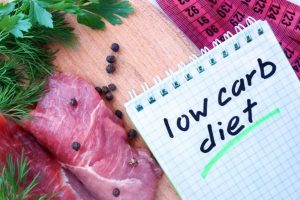
low carb dietThe low carb wars rage on. Low carb enthusiasts claim that low-carb diets are healthy. And they claim the lower you go, the healthier you will be. Let me start with some definitions:

  • The typical American diet is high carb. It gets about 55% of its calories from carbohydrates. [Note: The Mediterranean and DASH diets also get about 55% of their calories from carbohydrates. I’ll talk more about that later.]
  • Moderate carb diets get 26-46% of their calories from carbohydrates. Examples include the low carb Mediterranean diet and the Paleo, South Beach, and Zone diets.
  • Low carb diets get <26% of their calories from carbohydrates. The Atkins diet is the classic example of a low carb diet.
  • Very low carb diets get <10% of their calories from carbohydrates. Examples are the Keto and Carnivore diets.

And I don’t need to tell you that the Keto and Carnivore diets are receiving a lot of favorable press lately.

But some health experts warn that low carb and very low carb diets may be dangerous. For example, several studies have reported that low carb diets increase the risk of mortality (shorten lifespan).

As a consumer you are probably confused by the conflicting claims. Are low carb diets healthy, or is this another myth? In this issue of “Health Tips From the Professor” I am going to discuss two very large studies that came to opposite conclusions.

Both were what we call meta-analysis studies. Simply put, that means they combine the data from several smaller studies to obtain more statistically reliable data. But as Mark Twain said, “There are lies. There are damn lies. And then there are statistics.”

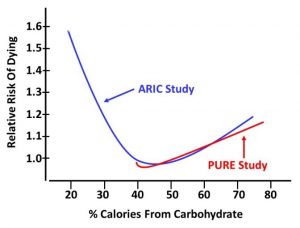
The first study, called the Prospective Urban Rural Epidemiology (PURE) study, was published a few years ago. It included data from 135,335 participants from 18 countries across 5 continents. That’s a very large study, and normally we expect very large studies to be accurate.

It showed a linear relationship between carbohydrate intake and mortality. Simply put, the more carbohydrate people consumed, the greater their risk of premature death. The results from the PURE study had low carb enthusiasts doing a victory lap and claiming it was time to rewrite nutritional guidelines to favor low carb diets.

SkepticWhenever controversies like this arise, reputable scientists are motivated to take another look at the question. They understand that all studies have their weaknesses and biases. So, they look at previous studies very carefully and try to design a study that eliminates the weaknesses and biases of those studies. Their goal is to design a stronger study that reconciles the differences between the previous studies.

And this study had two glaring weaknesses.

  • The percent carbohydrate intake ranged from 40% to 80%. It showed that a moderate carbohydrate intake might be healthier than a high carbohydrate intake, but it provided no information about low carb or very low carb diets.
  • The data was primarily from Asian countries. It was not clear whether it was relevant to the kind of diets consumed in North America and Europe.

A second study published a year later (SB Seidelmann et al, The Lancet, doi.org/10.1016/S2468-2667(18)30135-X) eliminated these weaknesses and resolved the conflicting data.

How Was The Second Study Done?

clinical studyThis study was performed in two parts. This first part drew on data from the Atherosclerosis Risk in Communities (ARIC) study. That study enrolled 15,428 men and women, aged 45-64, from four US communities between 1987 and 1989. This group was followed for an average of 25 years, during which time 6283 people died.

Carbohydrate intake was calculated based on food frequency questionnaires administered when participants enrolled in the study and again 6 years later. The study evaluated the association between carbohydrate intake and mortality.

The second part was a meta-analysis that combined the data from the ARIC study with all major clinical studies since 2007 that measured carbohydrate intake and mortality and lasted 5 years or more. The total number of participants included in this meta-analysis was 432,179, and it included data from previous studies that claimed low carbohydrate intake was associated with decreased mortality.

The Low Carb Myth

The results from the ARIC study were:

GravestoneThe relationship between mortality and carbohydrate intake was a U-shaped curve.

    • The lowest risk of death was observed with a moderate carbohydrate intake (50-55%). This is the intake recommended by current nutrition guidelines.
    • The highest risk of death was observed with a low carbohydrate intake (<20%).
    • The risk of death also increased with very high carbohydrate intake (>70%).
  • When the investigators used the mortality data to estimate life expectancy, they predicted a 50-year-old participant would have a projected life expectancy of:
    • 33.1 years if they had a moderate intake of carbohydrates.
    • 4 years less if they had a very low carbohydrate intake.
    • 1.1 year less if they had a very high carbohydrate intake.
  • And the risk associated with low carbohydrate intake was affected by what the carbohydrate was replaced with.
    • When carbohydrates were replaced with animal protein and animal fat there was an increased risk of mortality on a low-carb diet.

The animal-based low-carb diet contained more beef, pork, lamb, chicken, and fish. It was also higher in saturated fat.which low carb diets are healthy

    • When carbohydrates were replaced with plant protein and plant fats, there was a decreased risk of mortality on a low-carb diet. The plant-based low-carb diet contained more nuts, peanut butter, dark or whole grain breads, chocolate, and white bread. It was also higher in polyunsaturated fats.
  • The effect of carbohydrate intake on mortality was virtually the same for all-cause mortality, cardiovascular mortality, and non-cardiovascular mortality.
  • There was no significant effect of carbohydrate intake on long-term weight gain (another myth busted).

The results from the dueling meta-analyses were actually very similar in some respects. When the data from all studies were combined:

  • Very high carbohydrate diets were associated with increased mortality.
  • Meat-based low-carb diets increased mortality, and plant-based low-carb diets decreased mortality.
  • The results were the same for total mortality, cardiovascular mortality, and non-cardiovascular mortality.

The authors concluded: “Our findings suggest a negative long-term association between life-expectancy and both low carbohydrate and high carbohydrate diets…These data also provide further evidence that animal-based low carbohydrate diets should be discouraged.

Alternatively, when restricting carbohydrate intake, replacement of carbohydrates with predominantly plant-based fats and proteins could be considered as a long-term approach to healthy aging.”

Simply put, that means if a low carb diet works best for you, it is healthier to replace the carbs with plant-based fats and protein rather than animal-based fats and protein.

The “Goldilocks Effect”

Goldilocks EffectThis study also resolved the discrepancies between previous studies. The authors pointed out that the PURE study relied heavily on data from Asian and developing countries, and the average carbohydrate intake is very different in Europe and the US than in Asian and developing countries.

  • In the US and Europe mean carbohydrate intake is about 50% of calories and it ranges from 25% to 70% of calories. With that range of carbohydrate intake, it is possible to observe the increase in mortality associated with both very low and very high carbohydrate intakes.
  • The US and European countries are affluent, which means that low carb enthusiasts can also afford diets high in animal protein.
  • In contrast, white rice is a staple in Asian countries, and protein is a garnish rather than a main course. Consequently, overall carbohydrate intake is greater in Asian countries and very few Asians eat a truly low carbohydrate diet.
  • High protein foods tend to be more expensive than high carbohydrate foods. Thus, very few people in developing countries can afford to follow a very low carbohydrate diet, and overall carbohydrate intake also tends to be higher in those countries.

Therefore, in Asian and developing countries the average carbohydrate intake is greater (~61%) than in the US and Europe (~50%), and the range of carbohydrate intake is from 45% to 80% of calories instead of 25% to 70%. With this range of intake, it is only possible to see the increase in mortality associated with very high carbohydrate intake.ARIC Study

In fact, when the authors of the current study overlaid the data from the PURE study with their ARIC data, there was an almost perfect fit. The only difference was that their ARIC data covered both low and high carbohydrate intake while the PURE study touted by low carb enthusiasts only covered moderate to high carbohydrate intake.

[I have given you my rendition of the graph on the right. If you would like to see the data yourself, look at the paper.]

Basically, low carb advocates are telling you that diets with carbohydrate intakes of 26% or less are healthy based on studies that did not include carbohydrate intakes below 40%. That is misleading. The studies they quote are incapable of detecting the risks of low carbohydrate diets.

In short, the ARIC study finally answered the question, “How much carbohydrate should we be eating if we desire a long and healthy life?” The answer is “Enough”.

I call this “The Goldilocks Effect”. You may remember “Goldilocks And The Three Bears”. One bed was too hard. One bed was too soft. But one bed was “just right”. One bowl of porridge was too hot. One was two cold. But one was “just right”.

According to this study, the same is true for carbohydrate intake. High carbohydrate intake is unhealthy. Low carbohydrate intake is unhealthy. But moderate carbohydrate intake is “just right”.

What Does This Study Mean For You?

QuestionsThere are several important take-home lessons from this study:

1) All major studies agree that very high carbohydrate intake is unhealthy. In part, that reflects the fact that diets with high carbohydrate intake are likely to be high in sodas and sugary junk foods. It may also reflect the fact that diets which are high in carbohydrates are often low in plant protein or healthy fats or both.

2) All studies that cover the full range of carbohydrate intake agree that low and very low carbohydrate diets are also unhealthy. They shorten the life expectancy of a 50-year-old by about 4 years.

3) The studies quoted by low carb enthusiasts to support their claim that low-carb and very low carb diets are healthy don’t include carbohydrate intakes below 40%. That means their claims are misleading. The studies they quote are incapable of detecting the risks of low carbohydrate diets. Their claims are a myth.

4) Not all high carb diets are created equally. As I noted above, the Mediterranean and DASH diets are just as high in carbohydrates as the typical American diet, but their carbohydrates come from whole fruits and vegetables, whole grains, beans, nuts, and seeds. And multiple studies show that both diets are much healthier than the typical American diet.

5) Not all low carb diets are created equally. Meat-based low-carb diets decrease life expectancy compared to the typical American diets while plant-based low carb diets increase life expectancy.

6) The health risks of meat-based low-carb diets may be due to the saturated fat content or the heavy reliance on red meat. However, the risks are just as likely to be due to the foods these diets leave out – typically fruits, whole grains, legumes, and some vegetables.

7) Proponents of low-carb diets assume that you can make up for the missing nutrients by just taking multivitamins. However, each food group also provides a unique combination of phytonutrients and fibers. The fibers, in turn, influence your microbiome. Simply put, whenever you leave out whole food groups, you put your health at risk.

The Bottom Line

The low-carb wars are raging. Several studies have reported that low carb diets increase risk of mortality (shorten lifespan). However, a study published a few years ago came to the opposite conclusion. That study had low carb enthusiasts doing a victory lap and claiming it is time to rewrite nutritional guidelines to favor low-carb diets.

However, a study published a year later resolves the conflicting data and finally answers the question: “How much carbohydrate should we be eating if we desire a long and healthy life?” The answer is “Enough”.

I call this “The Goldilocks Effect”. According to this study, high carbohydrate intake is unhealthy. Low carbohydrate intake is unhealthy. But moderate carbohydrate intake is “just right”.

Specifically, this study reported:

  • Moderate carbohydrate intake (50-55%) is healthiest. This is the carbohydrate intake found in healthy diets like the Mediterranean and DASH diets, and is the intake recommended by current nutritional guidelines.
  • All major studies agree that very high carbohydrate intake (60-70%) is unhealthy. It shortens the life expectancy of a 50-year-old by about a year.
  • All studies that cover the full range of carbohydrate intake agree that low carbohydrate intake (<26%) is also unhealthy. It shortens the life expectancy of a 50-year-old by about 4 years.
  • The studies quoted by low carb enthusiasts to support their claim that low-carb diets are healthy don’t include carbohydrate intakes below 40%. That means their claims are misleading. The studies they quote are incapable of detecting the risks of low carbohydrate diets.
  • Meat-based low-carb diets decrease life expectancy while plant-based low carb diets increase life expectancy. This is consistent with the results of previous studies.

The authors concluded: “Our findings suggest a negative long-term association between life-expectancy and both low carbohydrate and high carbohydrate diets…These data also provide further evidence that animal-based low carbohydrate diets should be discouraged.”

Simply put, the latest study means that the supposed benefits of low carb diets are a myth.

For more details, read the article above.

These statements have not been evaluated by the Food and Drug Administration. This information is not intended to diagnose, treat, cure or prevent any disease.

___________________________________________________________________________

My posts and “Health Tips From the Professor” articles carefully avoid claims about any brand of supplement or manufacturer of supplements. However, I am often asked by representatives of supplement companies if they can share them with their customers.

My answer is, “Yes, as long as you share only the article without any additions or alterations. In particular, you should avoid adding any mention of your company or your company’s products. If you were to do that, you could be making what the FTC and FDA consider a “misleading health claim” that could result in legal action against you and the company you represent.

For more detail about FTC regulations for health claims, see this link.

https://www.ftc.gov/business-guidance/resources/health-products-compliance-guidance

 ______________________________________________________________________

About The Author 

Dr. Chaney has a BS in Chemistry from Duke University and a PhD in Biochemistry from UCLA. He is Professor Emeritus from the University of North Carolina where he taught biochemistry and nutrition to medical and dental students for 40 years.  Dr. Chaney won numerous teaching awards at UNC, including the Academy of Educators “Excellence in Teaching Lifetime Achievement Award”. Dr Chaney also ran an active cancer research program at UNC and published over 100 scientific articles and reviews in peer-reviewed scientific journals. In addition, he authored two chapters on nutrition in one of the leading biochemistry textbooks for medical students.

Since retiring from the University of North Carolina, he has been writing a weekly health blog called “Health Tips From the Professor”. He has also written two best-selling books, “Slaying the Food Myths” and “Slaying the Supplement Myths”. And most recently he has created an online lifestyle change course, “Create Your Personal Health Zone”. For more information visit https://chaneyhealth.com.

For the past 53 years Dr. Chaney and his wife Suzanne have been helping people improve their health holistically through a combination of good diet, exercise, weight control and appropriate supplementation.

Which Diets Are Heart Healthy?

What Does A Heart Healthy Diet Look Like?

Author: Dr. Stephen Chaney 

heart attacksHeart disease is a big deal. According to the CDC, “Heart disease is the leading cause of death for men, women, and people of most racial and ethnic groups in the United States. One person dies every 33 seconds in the United States from cardiovascular disease. About 695,000 people in the United States died from heart disease in 2021 – that’s 1 in every 5 deaths”.

This doesn’t have to happen. According to the Cleveland Clinic, “90 percent of heart disease is preventable through healthier diet, regular exercise, and not smoking”. For this issue of “Health Tips From the Professor”, I will focus on the role of diet on heart health.

The problem is many Americans are confused. They don’t know what a heart-healthy diet is. There is so much conflicting information on the internet.

Fortunately, the American Heart Association has stepped in to clear up the confusion.

In 2021 they reviewed hundreds of clinical studies and published “Evidence-Based Dietary Guidance to Promote Cardiovascular Health”.

And recently they have published a comprehensive review (CD Gardner et al, Circulation, 147: 1715-1730, 2023) of how well popular diets align with their 2021 dietary guidelines.

I will cover both publications below. But first I want to address why Americans are so confused about which diets reduce heart disease risk.

Why Are Americans Confused About Diet And Heart Disease Risk?

I should start by addressing the “elephant in the room”.

  • As I discussed in last week’s “Health Tips From the Professor” article, Big Food Inc has seduced us. They have developed an unending supply of highly processed foods that are cheap, convenient, easy to prepare, and fulfill all our cravings. These foods are not heart-healthy, but they make up 73% of our food supply.

The Institute of Medicine, the scientific body that sets dietary standards, states that a wide range of macronutrient intakes are consistent with healthy diets. Specifically, they recommend carbohydrate intake at 45% to 65%, fat intake at 20% to 35%, and protein intake at 10% to 35% of total calories. (Of course, they are referring to healthy carbohydrates, fats, and proteins.)

The authors of this article pointed to several reasons why Americans have been misled about heart-healthy diets.

  • Many of the most popular diets fall outside of the “Acceptable Macronutrient Range”.
  • Many popular diets exclude heart-healthy food groups.

And, the words of the authors,

  • “Further contributing to consumer misunderstanding is the proliferation of diet books, [and] blogs [by] clinicians with limited understanding of what the dietary patterns entail and the evidence base for promoting cardiometabolic health.” I call these the Dr. Strangeloves of our world.

What Does A Heart Healthy Diet Look Like?

Let me start by sharing the American Heart Association’s 10 “Evidence-Based Dietary Guidelines to Promote Cardiovascular Health.

#1: Adjust energy intake and expenditure to achieve and maintain a healthy body weight
#2: Eat plenty of vegetables and fruits; choose a wide variety
#3: Choose foods made mostly with whole grains rather than refined grains
#4: Choose healthy sources of protein
Mostly from plants (beans, other legumes, and nuts)
Fish and seafood
Low-fat or fat-free dairy products instead of full-fat dairy products
If meat or poultry are desired, choose lean cuts and avoid processed forms
#5. Use liquid plant oils (olive, safflower, corn) rather than animal fats (butter and lard) and tropical oils (coconut and palm kernel)
#6. Use minimally processed foods instead of highly processed foods
#7: Minimize intake of beverages and foods with added sugars
#8: Choose and prepare foods with little or no salt
#9: If you do not drink alcohol, do not start; if you choose to drink alcohol, limit intake
#10: Adhere to this guidance regardless of where food is prepared or consumed

Here are my comments on these guidelines:

  • If you have been reading my “Health Tips From the Professor” blog for a while, you probably realize that these aren’t just guidelines to promote heart health. These guidelines also reduce the risk of diabetes, cancer, inflammatory diseases, and much more.
  • If you have read my post on coconut oil, you will know that I have a minor disagreement with the AHA recommendation to avoid it. There is no long-term evidence that coconut oil is bad for the heart. But there is also no long-term evidence that it is good for the heart. My recommendation is to use it sparingly.
  • And you probably know there has been considerable discussion recently about whether full fat dairy is actually bad for the heart. In my most recent review of the topic, I concluded that if full fat dairy is heart healthy, it is only in the context of a primarily plant-based diet and may only be true for fermented dairy foods like unpasteurized yogurt and kefir.
  • Finally, guideline 10 may need some translation. Basically, this guideline is just asking how easy it is to follow the diet when you are away from home.

Which Diets Are Heart Healthy?

confusionIn evaluating how well diets adhered to the American Heart Association guidelines the authors ignored item 1 (energy intake) because most of the diets they evaluated did not provide any guidelines on how many calories should be consumed.

Each diet was given a score between 0 (Fail) and 1 (A+) for each of the other 9 guidelines by a panel of experts. The points for all 9 guidelines were added up, giving each diet a rating of 0 (worst) to 9 (best). Finally, a score of 9 was assigned 100%, so each diet could be given a percentage score for adherence to heart-healthy guidelines.

Here are the results:

Tier 1 diets (the most heart healthy diets) received scores of 86% to 100%. Going from highest (100%) to lowest (86%), these diets were:

  • DASH, Nordic, Mediterranean, Pescetarian (vegetarian diets that allow fish), and Ovo-Lacto Vegetarian (vegetarian diets that allow dairy, eggs, or both).
  • You will notice that these are all primarily plant-based diets.

Tier 2 diets were Vegan and other low-fat diets (TLC, Volumetrics). They both received scores of 78%.

  • The Vegan diet received 0 points for category 10 (ease of following the diet when eating out). It was also downgraded in category 7 for not having clear guidance for the use of salt when preparing foods.
  • The other low-fat diets were downgraded in categories 7, 10, and 5 (use of tropical oils).

Tier 3 diets received scores of 64% to 72%. They included very-low fat diets (<10% fat, very strict vegan diets) and low-carb diets (Zone, South Beach, Low-Glycemic Index).

  • They received 0 points for category 10 and were downgraded for eliminating heart-healthy food groups (liquid plant oils for the very low-fat diets, and fruits, vegetables, whole grains, and plant proteins for the low-carb diets).

Tier 4 diets (the least heart healthy diets) were the Paleo diet with a score of 53% and very low-carb diets (Atkins and Ketogenic) with a score of 31%.

  • The Paleo diet received 0 points for categories 10, 3 (choose whole grains), and 5 (using liquid plant oils rather than animal fats or tropical oils). It was also downgraded for lack of healthy plant-based protein sources.
  • The very low-carb diets were the least heart healthy. They received 0 points for categories 2 (eat plenty of fruits and vegetables), 3 (choose whole grains), 3 (healthy protein sources), 5 (use liquid plant oils instead of animal fats), 7 (minimize salt consumption), and 10 (ease of following the diet away from home).

The authors concluded, “Numerous [dietary] patterns [are] strongly aligned with 2021 American Heart Association Dietary Guidance (ie, Mediterranean, DASH, pescetarian, vegetarian) [and] can be adopted to reflect personal and cultural preferences and budgetary constraints.

Thus, optimal cardiovascular health would be best supported by developing a food environment that supports adherence to these patterns wherever food is prepared or consumed.”

Given our current food environment that last statement is wildly optimistic. But at least you have the information needed to make the best food choices for you and your family

The Bottom Line 

In 2021 the American Heart Association published 10 guidelines for evaluating heart-healthy diets. A recent study looked at how well popular diets adhered to those guidelines. The authors separated the diets into four categories (tiers) based on how heart-healthy they were. The results were not surprising:

  • Tier 1 diets (the most heart healthy diets) were DASH, Nordic, Mediterranean, Pescetarian (vegetarian diets that allow fish), and Ovo-Lacto Vegetarian (vegetarian diets that allow dairy, eggs, or both).
  • Tier 2 diets were Vegan and other low-fat diets (TLC, Volumetrics).
  • Tier 3 diets included very-low fat diets (<10% fat, very strict vegan diets) and low-carb diets (Zone, South Beach, Low-Glycemic Index).
  • Tier 4 diets (the least heart healthy diets) were the Paleo diet and very low-carb diets (Atkins and Ketogenic).

The authors concluded, “Numerous [dietary] patterns [are] strongly aligned with 2021 American Heart Association Dietary Guidance (ie, Mediterranean, DASH, pescetarian, vegetarian) [and] can be adopted to reflect personal and cultural preferences and budgetary constraints.

Thus, optimal cardiovascular health would be best supported by developing a food environment that supports adherence to these patterns wherever food is prepared or consumed.”

Given our current food environment that last statement is wildly optimistic. But at least you have the information needed to make the best food choices for you and your family.

For more information on this study, read the article above.

These statements have not been evaluated by the Food and Drug Administration. This information is not intended to diagnose, treat, cure, or prevent any disease.

____________________________________________________________________________

My posts and “Health Tips From the Professor” articles carefully avoid claims about any brand of supplement or manufacturer of supplements. However, I am often asked by representatives of supplement companies if they can share them with their customers.

My answer is, “Yes, as long as you share only the article without any additions or alterations. In particular, you should avoid adding any mention of your company or your company’s products. If you were to do that, you could be making what the FTC and FDA consider a “misleading health claim” that could result in legal action against you and the company you represent.

For more detail about FTC regulations for health claims, see this link.

https://www.ftc.gov/business-guidance/resources/health-products-compliance-guidance

Does The Mediterranean Diet Improve Pregnancy Outcomes?

Is The Mediterranean Diet Overrated?

Author: Dr. Stephen Chaney

healthy pregnancyYou may have noticed that certain celebrities are singled out for fame and acclaim, while others of equal talent and accomplishment are virtually ignored.

The same thing occurs in the scientific realm. At present, the Mediterranean diet is the darling of the diet world. Study after study is designed to test the benefits of the Mediterranean diet while other excellent diets are ignored. I will discuss this phenomenon and ask whether the Mediterranean diet is overrated at the end of this article. But let’s start at the beginning.

Multiple studies have shown that the Mediterranean diet is associated with lower risk of heart disease, diabetes, and high blood pressure. Some studies suggest it is associated with lower risk of kidney disease and Alzheimer’s disease.

Studies also suggest that the Mediterranean diet is associated with an increase in lifespan (how long you live) and healthspan (how long you enjoy good health). In other words, these studies suggest that following a Mediterranean diet adds years to your life and life to your years.

Most of these studies have been done with men. However, there are enough studies with women to be confident that the beneficial effects of the Mediterranean diet on disease risk and lifespan apply to women as well as to men.

But what about pregnancy? Does the Mediterranean diet support a healthy pregnancy? Here the data are less clear. Three studies have been published showing that pregnant women who follow the Mediterranean diet are less likely to experience gestational diabetes (diabetes during pregnancy).

But what about other adverse pregnancy outcomes that can affect the health of both the mother and her baby such as:

  • Gestational hypertension (high blood pressure during pregnancy).
  • Preeclampsia (high blood pressure and protein in the urine that occurs late in pregnancy. It may be associated with liver and/or kidney damage).
  • Eclampsia (a severe form of preeclampsia where the mother also has seizures).
  • Preterm birth (birth prior to 37 weeks).
  • Low birth weight infant.

This study (N Makarem et al, JAMA Network Open. 5(12): e2248165, 2022) was designed to look at the effect of the Mediterranean diet on all seven of these adverse pregnancy outcomes.

How Was This Study Done?

Clinical StudyThe data for this analysis came from a large clinical trial called the Nulliparous Pregnancy (first time pregnancy) Outcomes Study. The study enrolled 7798 women in their first trimester of pregnancy from 8 medical centers across the country. The women were racially, ethnically, and geographically diverse.

Diet around the time of conception was assessed with a food frequency questionnaire administered at the mother’s first visit to the clinic (usually around 6-13 weeks after conception). The participants were asked to indicate their usual intake of 120 foods and beverages during the past 3 months. In other words, the participants were asked to indicate their diet prior to conception through early pregnancy.

Adherence to the Mediterranean diet was assessed using something called the aMed or Alternative Mediterranean Diet Score (a version of the Mediterranean diet that considers US food preferences). Each participant was assigned one point for:

  • Above average intake of vegetables, fruits, nuts, whole grains, legumes, fish, and the ratio of monounsaturated fat to saturated fat.
  • Below average intake of red meat and processed meats.

Alcohol intake was a bit more complicated:

  • Participants were given 1 point for one 12-ounce can of beer, 5 ounces of wine, or 1.5 ounces of liquor and 0 points for consumption above or below that amount.

The points for all these dietary components were added up to give an aMed score of 0-9, with 9 representing the best adherence to the Americanized version of the Mediterranean diet.

Does The Mediterranean Diet Improve Pregnancy Outcomes?

Mediterranean Diet FoodsThe authors started out by dividing the pregnant moms into thirds according to adherence to an Americanized Mediterranean diet based their aMed score. When they compared those in the top third (aMed scores of 6-9) with those in the lowest third (aMed scores of 0-3) the risk of developing:

  • Any adverse pregnancy outcome was reduced by 21%.
  • Preeclampsia or eclampsia were reduced by 28%.
  • Gestational diabetes was reduced by 37%.
  • Other adverse pregnancy outcomes were not statistically different.

Next, they asked whether stricter adherence to the Mediterranean diet would be even more beneficial. To do this New Parentsthey divided the pregnant moms into fifths. When they compared those in the top fifth (aMed scores of 7-9) with those in the lowest fifth (aMed scores of 0-2) the risk of developing:

  • Any adverse pregnancy outcome was still reduced by 20%, but…
    • Preeclampsia and eclampsia were reduced by 35%.
    • Gestational diabetes was reduced by 54%.
    • Other adverse pregnancy outcomes were not statistically different.

When they broke the results down into participant subgroups:

  • The effect of the Mediterranean diet on any adverse pregnancy outcomes was not affected by prepregnancy BMI (a measure of obesity), race, or ethnicity.
  • However, it was significantly affected by age. Any adverse pregnancy outcome was reduced by:
    • 48% in women over 35.
    • 15% in women younger than 35.

The authors concluded, “We demonstrate that a Mediterranean diet pattern is associated with lower risk of developing any APO [adverse pregnancy outcome] and multiple individual APOs in US women…Our findings add to the growing body of evidence that the Mediterranean diet pattern may play an important role in preserving the health of women across the lifespan, including during pregnancy.”

Is The Mediterranean Diet Overrated?

At the beginning of this article, I posed the question, “Is the Mediterranean diet overrated?” When the authors broke the results down by food group, it suggested the answer may be, “Yes”.

The reduction in any adverse pregnancy outcome was associated with:

  • Above average consumption of vegetables, fruits, legumes, and fish.

The reduction in preeclampsia and eclampsia was associated with:

  • Above average consumption of vegetables, fruits, and fish.

The reduction in gestational diabetes was associated with:

  • Above average consumption of vegetables, and…
  • Below average consumption of red meat and processed meats.

If you are saying to yourself, “Wait a minute. Doesn’t this pattern of food consumption describe almost any whole food, primarily plant-based diet”, you would be correct. In theory, this pattern of food consumption is also consistent with the DASH diet, Mind diet, Scandinavian diet, flexitarian diet, pesco-vegetarian diet, and semi vegetarian diet, just to name a few.

In my opinion there is nothing about this study that restricts beneficial pregnancy outcomes to the Mediterranean diet. However, I do have a few caveats about that statement.

  • A good prenatal supplement is a good idea to make sure you are getting the vitamins and minerals required for a successful pregnancy. However, as I have described in a previous article finding a good prenatal supplement may not be as easy as it should be.
  • Choline is important for a healthy pregnancy, and it is missing in many prenatal supplements. While choline is found in many plant foods, the best sources of choline are fish, poultry, eggs, and dairy. You want to be sure to include some of these in your diet and/or look for a prenatal supplement containing at least 200 mg of choline.
  • The long chain omega-3s DHA and EPA are important for a healthy pregnancy and are also missing or present in inadequate amounts in many prenatal supplements.
  • The best dietary sources of DHA and EPA are cold water fish like salmon, tuna, sardines, and herring. That means:
    • If you are following the DASH diet or something similar, you will want to substitute fish for red meat.
    • A pesco-vegetarian diet is probably a better choice for you than a semi-vegetarian because it focuses on fish as the main protein source in place of poultry and red meat.
    • If you are not a big fish lover, you should consider an omega-3 supplement supplying at least 250 mg of long chain omega-3s with most of it as DHA.

What Does This Study Mean For You?

Questioning WomanLet me close by putting a few things into perspective.

1) When I said that the Mediterranean diet may be overrated, I did not mean it wasn’t an excellent diet. I simply mean it is probably not any better than other whole food, primarily plant-based diets (with the caveats I listed above).

2) The pregnancy benefits of the Mediterranean diet (and other healthy diets) are related to the overall health of the mother. A good prenatal supplement is still important to assure adequate amounts of all the nutrients essential for a healthy pregnancy.

  • For example, the authors pointed out that most women do not change their dietary habits when they become pregnant, and that their pregnancy is more likely to be successful if they are in good health at the time of conception.

3) Most diets of women of childbearing age do not provide adequate amounts of choline and omega-3s, so it is important to choose a prenatal supplement program that provides adequate amounts of choline and omega-3s.

4) Adequate calories and protein are also important for a healthy pregnancy.

  • Pregnancy is not the time to lose weight, even if you are overweight.
  • A vegan diet may not provide enough protein unless it has been designed by a dietitian.
  • You should discuss your current diet with your health care provider, and they may refer you to a dietitian if necessary.

The Bottom Line 

The Mediterranean Diet is currently the darling of the nutrition world. Yes, numerous studies have shown that people consuming the Mediterranean diet are healthier and live longer. But we find ourselves in a situation where study after study is being designed to look for other benefits of the Mediterranean diet while equally healthy diets are being ignored.

The study discussed in this article is a perfect example. It was designed to determine whether adherence to the Mediterranean diet prior to and during pregnancy reduced the risk of experiencing adverse outcomes during pregnancy – outcomes that could affect the health of the mother and her baby.

The answer to that question was, “Yes”. Adherence to the Mediterranean diet reduced the risk of:

  • Any adverse outcome during pregnancy by 20%.
  • Preeclampsia and eclampsia by 35%.
  • Gestational diabetes by 54%.

And the risk reduction was even greater for women over 35.

However, when the investigators looked at the foods responsible for the reduction in adverse pregnancy outcomes, it appears likely that any whole food, primarily plant-based diet would provide the same results.

In short, this study showed that adherence to the Mediterranean diet improves pregnancy outcomes. The authors chose to focus on the Mediterranean diet because of its popularity. But their data show it is likely that other whole food, primarily plant-based diets would be equally beneficial.

For more information on this study and what it means for you, read the article above.

These statements have not been evaluated by the Food and Drug Administration. This information is not intended to diagnose, treat, cure, or prevent any disease.

___________________________________________________________________________

My posts and “Health Tips From the Professor” articles carefully avoid claims about any brand of supplement or manufacturer of supplements. However, I am often asked by representatives of supplement companies if they can share them with their customers.

My answer is, “Yes, as long as you share only the article without any additions or alterations. In particular, you should avoid adding any mention of your company or your company’s products. If you were to do that, you could be making what the FTC and FDA consider a “misleading health claim” that could result in legal action against you and the company you represent.

For more detail about FTC regulations for health claims, see this link.

https://www.ftc.gov/business-guidance/resources/health-products-compliance-guidance

Which Diets Are Best In 2023?

Which Diet Should You Choose?

Author: Dr. Stephen Chaney

Emoticon-BadMany of you started 2023 with goals of losing weight and/or improving your health. In many cases, that involved choosing a new diet. That was only 6 weeks ago, but it probably feels like an eternity.

For many of you the “bloom” has gone off the new diet you started so enthusiastically in January.

  • Perhaps the diet isn’t working as well as advertised…
  • Perhaps the diet is too restrictive. You are finding it hard to stick with…
  • Perhaps you are always hungry or constantly fighting food cravings…
  • Perhaps you are starting to wonder whether there is a better diet than the one you chose in January…
  • Perhaps you are wondering whether the diet you chose is the wrong one for you…

If you are rethinking your diet, you might want to know which diets the experts recommend. Unfortunately, that’s not as easy as it sounds. The diet world has become just as divided as the political world.

Fortunately, you have an impartial resource. Each year US News & World Report invites a panel of experts with different points of view to evaluate popular diets. They then combine the input from all the experts into rankings of the diets in various categories.

If you are still searching for your ideal diet, I will summarize the US News & World Report’s “Best Diets In 2023”. For the full report, click on this link.

How Was This Report Created?

Expert PanelUS News & World Report recruited a panel of 30 nationally recognized experts in diet, nutrition, obesity, food psychology, diabetes, and heart disease to review the 24 most popular diets.

The diets evaluated are not the same each year. Last year they evaluated the top 40 most popular diets. This year they only reviewed the top 24.

That means some good diets were left off the list. For example, the vegan diet is very healthy, but it is also very restrictive. Very few people follow a pure vegan diet, so it didn’t make the top 24 most popular. However, this year’s list did include several primarily plant-based diets that are more popular with the general public.

The panel is also not the same each year. Some experts are rotated off the panel, and others are added. The experts rate each diet in seven categories:

  • How easy it is to follow.
  • Its ability to produce short-term weight loss.
  • Its ability to produce long-term weight loss.
  • its nutritional completeness.
  • Its safety.
  • Its potential for preventing and managing diabetes.
  • Its potential for preventing and managing heart disease.

They converted the experts’ ratings to scores 5 (highest) to 1 (lowest). They then used these scores to construct eleven sets of Best Diets rankings:

  • Best Diets Overall ranks diets on several different parameters, including whether all food groups are included in the diet, the availability of the foods needed to be on the diet and the use of additional vitamins or supplements. They considered if the diet was evidence-based and adaptable to meet cultural, religious, or other personal preferences. In addition, the criteria also included evaluation of the prep and planning time required for the diet and the effectiveness of the diet for someone who wants to get and stay healthy.
  • Best Plant-Based Diets used the same approach as Best Diets Overall to rank the eight plans emphasizing minimally processed foods from plants that were included in this year’s ratings.
  • Best Commercial Diet ratings used the same approach to rank 15 commercial diet programs that require a participation fee or promote the use of branded food or nutritional products.
  • Best Long-Term Weight-Loss Diet ratings were generated by combining the safety of the rate of weight loss promoted and the likelihood of the plan to result in successful long-term weight loss and maintenance of weight loss.
  • Best Fast Weight-Loss Diets were scored on their effectiveness for someone who wants to lose weight in three months or less.
  • Best Diabetes Diet ratings were calculated equally from the effectiveness of the diet for someone who wants to lower risk factors for diabetes, the nutritional quality of the diet, and research evidence-based support for the diet.
  • Best Heart-Healthy Diet ratings were calculated equally from the effectiveness of the diet for someone who wants to lower risk factors for hypertension and other forms of heart disease, the nutritional quality of the diet, and evidence-based support for the diet.
  • Best Diets for Bone and Joint Health were calculated equally on the effectiveness of the diet for someone who wants to lower their risk factors for inflammation and improve bone and joint health, as well as the nutritional quality and research evidence-based support for the diet.
  • Best Diets for Healthy Eating combines nutritional completeness and safety ratings, giving twice the weight to safety. A healthy diet should provide sufficient calories and not fall seriously short on important nutrients or entire food groups.
  • Easiest Diets to Follow represents panelists’ averaged scores for the relevant lifestyle questions, including whether all food groups are included and if the recommended foods are readily available at the average supermarket.
  • Best Family-Friendly Diets were calculated equally on their adaptability for the whole family, including cultural, religious, and personal preferences, the time required to plan and prep, nutritional value and access to food at any supermarket.

Which Diets Are Best In 2023?

Are you ready? If this were an awards program, I would be saying “Envelop please” and would open the envelop slowly to build suspense.

However, I am not going to do that. Here are the top 3 and bottom 3 diets in each category (If you would like to see where your favorite diet ranked, click on this link.

[Note: I excluded commercial diets from this review. (I have a brief discussion of commercial diets below). If you notice a number missing in my summaries, it is because I eliminated one or more commercial diet from my summary.]

Best Diets Overall 

The Top 3: 

#1: Mediterranean Diet. The Mediterranean diet has been ranked #1 for 6 consecutive years.

#2 (tie): DASH Diet (This diet was designed to keep blood pressure under control, but you can also think of it as an Americanized version of the Mediterranean diet.)

#2 (tie): Flexitarian Diet (A flexible semi-vegetarian diet).

The Bottom 3: 

#20: Keto Diet (A high protein, high fat, very low carb diet designed to achieve ketosis).

#21: Atkins Diet (The granddaddy of the high animal protein, low carb, high fat diets).

#24: Raw Food Diet (A diet based on eating foods that have not been cooked or processed).

Best Plant-Based Diets Overall 

The Top 3: 

#1: Mediterranean Diet.

#2: Flexitarian Diet.

#3: MIND Diet (This diet is a combination of Mediterranean and DASH but is specifically designed to reduce cognitive decline as we age.)

The Bottom 3: 

Since only 8 diets were included in this category, even the bottom 3 are pretty good diets, so I did not include a “list of shame” in this category.

Best Long-Term Weight-Loss DietsWeight Loss

The Top 3: 

#1: DASH Diet

#2 (tie): Volumetrics Diet (A diet based on the caloric density of foods).

#2 (tie): Mayo Clinic Diet (A diet designed to establish lifelong healthy eating habits).

The Bottom 3: 

#22 (tie): Keto Diet.

#22 (tie): Atkins Diet.

#24: Raw Food Diet.

Best Fast Weight-Loss Diets

The Top 3: 

#1: Keto Diet

#2: Atkins Diet

#7 (tie): Mayo Clinic Diet

#7 (tie): South Beach Diet

#7 (tie): Volumetrics Diet

The Bottom 3: 

The diets at the bottom of this list were designed for health and weight maintenance rather than rapid weight loss, so I did not include a “list of shame” in this category.

Best Diabetes Diets

The Top 3: 

#1: DASH Diet

#2: Mediterranean Diet

#3: Flexitarian Diet

The Bottom 3: 

#20: Atkins Diet

#21: Paleo Diet (A diet based on what our paleolithic ancestors presumably ate. It restricts grains and dairy and is heavily meat-based).

#22: Raw Food Diet.

Best Heart-Healthy Diets

Healthy HeartThe Top 3: 

#1: DASH Diet

#2: Mediterranean Diet

#3 (tie): Ornish Diet (A whole food, semi-vegetarian diet designed to promote heart health).

#3 (tie): Flexitarian Diet

The Bottom 3: 

#22 (tie): Raw Foods Diet

#22 (tie): Paleo Diet

#24: Keto Diet

Best Diets for Bone and Joint Health 

The Top 3: 

#1 (tie): DASH Diet

#1 (tie): Mediterranean Diet

#3: Flexitarian Diet

The Bottom 3: 

#21 (tie): Raw Foods Diet

#21 (tie): Paleo Diet

#22: Atkins Diet 

#23: Keto Diet 

Best Diets for Healthy Eating

The Top 3: 

#1: Mediterranean Diet

#2: DASH Diet

#3: Flexitarian Diet

The Bottom 3: 

#22: Keto Diet

#23: Atkins Diet

#24: Raw Foods Diet

Easiest Diets to FollowEasy

The Top 3: 

#1 (tie): Flexitarian Diet

#1 (tie): TLC Diet (This diet was designed by the NIH to reduce cholesterol levels and promote heart health.)

#3 (tie): Mediterranean Diet

#3 (tie): DASH Diet

The Bottom 3: 

#19: Atkins Diet

#20: Keto Diet

#22: Raw Foods Diet

Which Diets Are Best For Rapid Weight Loss?

Happy woman on scaleThere are 2 take-home lessons from the rapid weight loss category:

  1. If you are looking for rapid weight loss, any whole food restrictive diet will do.
    • Last year’s diet analysis included the vegan diet, and both vegan and keto diets ranked near the top of the rapid weight loss category. Keto and vegan diets are both very restrictive, but they are polar opposites in terms of the foods they allow and restrict.
      • The keto diet is a meat heavy, very low carb diet. It restricts fruits, some vegetables, grains, and most legumes.
      • The vegan diet is a very low-fat diet that eliminates meat, dairy, eggs, and animal fats.
    • The Atkins and keto diets toppled this year’s rapid weight loss list, but they were joined by the Mayo Clinic, South Beach, and volumetrics diets. Those diets are also restrictive, but, like the vegan diet, they are very different from the Atkins and keto diets.
    • I did not include commercial diets that rated high on this list, but they are all restrictive in one way or another.

2) Whole food, very low carb diets like Atkins and keto are good for rapid weight loss, but they rank near the bottom of the list for every healthy diet category.

    • If you choose to lose weight on the Atkins or keto diets, switch to a healthier diet once you reach your desired weight loss.

Which Diet Should You Choose?

Food ChoicesWith rapid weight loss out of the way, let’s get back to the question, “Which Diet Should You Choose?” My recommendations are:

1) Choose a diet that fits your needs. That is one of the things I like best about the US News & World Report ratings. The diets are categorized. If your main concern is diabetes, choose one of the top diets in that category. If your main concern is heart health… You get the point.

2) Choose diets that are healthy and associated with long term weight loss. If that is your goal, you will notice that primarily plant-based diets top these lists. Meat-based, low carb diets like Atkins and keto are near the bottom of the lists.

  • “Why is that?”, you might ask? The answer is simple. And it’s not that all 30 experts were prejudiced against low carb diets. It’s that the major primarily plant-based diets like Mediterranean, DASH, and flexitarian are backed by long-term clinical studies showing they are healthy and significantly reduce the risk of diabetes, heart disease, and other chronic diseases.
  • On the other hand, there are no long-term studies showing the Atkins and keto diets are healthy long term. And since the Atkins diet has been around for more than 50 years, the lack of clinical evidence that it is healthy long term is damming.

3) Choose diets that are easy to follow. The less-restrictive primarily plant-based diets top this list – diets like Mediterranean, DASH, MIND, and flexitarian. They are also at or near the top of almost every diet category.


4) Choose diets that fit your lifestyle and dietary preferences. For example, if you don’t like fish and olive oil, you will probably do much better with the DASH or flexitarian diet than with the Mediterranean diet.

5) Finally, focus on what you have to gain, rather than on foods you have to give up.

  • On the minus side, none of the diets include sodas, junk foods, and highly processed foods. These foods should go on your “No-No” list. Sweets should be occasional treats and only as part of a healthy meal. Meat, especially red meat, should become a garnish rather than a main course.
  • On the plus side, primarily plant-based diets offer a cornucopia of delicious plant foods you probably didn’t even know existed. Plus, for any of the top-rated plant-based diets, there are websites and books full of mouth-watering recipes. Be adventurous.

What About Commercial Diets?

I chose not to review commercial diets by name, but let me make a few observations.

  • If you look at the gaps in my lists, it should be apparent that several commercial diets rank near the top for fast weight loss, but near the bottom on most healthy diet lists.
  • I do not recommend commercial diets that rely on ready-to-eat, low-calorie, highly processed versions “of your favorite foods”.
    • These pre-packaged meals are expensive. Unless you are a millionaire, you won’t be able to afford these meals for the rest of your life.
    • These pre-packaged meals are not teaching you healthy eating habits that will allow you to keep the weight off.
  • If you wish to spend your hard-earned dollars on a commercial diet, choose a diet that:
    • Relies on whole foods from all 5 food groups.
    • Teaches and provides support for the type of lifestyle change that leads to permanent weight loss.
  • Meal replacement shakes can play a role in healthy weight loss if:
    • They are high quality and use natural ingredients as much as possible.
    • They are part of a holistic lifestyle change program.

The Bottom Line 

For many of you the “bloom” has gone off the new diet you started so enthusiastically in January. If you are rethinking your diet, you might want to know which diets the experts recommend. Unfortunately, that’s not as easy as it sounds. The diet world has become just as divided as the political world.

Fortunately, you have an impartial resource. Each year US News & World Report invites a panel of experts with different points of view to evaluate popular diets. They then combine the input from all the experts into rankings of the diets in various categories. In the article above I summarize the US News & World Report’s “Best Diets In 2023”.

There are probably two questions at the top of your list.

#1: Which diets are best for rapid weight loss? Here are 2 general principles:

  1. If you are looking for rapid weight loss, any whole food restrictive diet will do.

2) If you choose to lose weight on the Atkins or keto diets, switch to a healthier diet once you reach your desired weight loss. Atkins and keto diets are good for rapid weight loss, but they rank near the bottom of the list for every healthy diet category.

#2: Which diet should you choose? Here the principles are:

  1. Choose a diet that fits your needs.

2) Choose diets that are healthy and associated with long term weight loss.

3) Choose diets that are easy to follow.

4) Choose diets that fit your lifestyle and dietary preferences.

5) Finally, focus on what you have to gain, rather than on foods you have to give up.

For more details on the diet that is best for you and my thoughts on commercial diets, read the article above.

Tips For Successful Weight Loss

Which Diet Is Best?

Author: Dr. Stephen Chaney

It’s the beginning of January. Weight loss season has just launched again. Like millions of Americans, you have probably set a goal to eat healthier, lose weight, or both. But which diet is best? Vegan, Paleo, Keto, 360, Intermittent Fasting, low-carb, low fat – the list is endless.

And then there are the commercial diets: Meal replacements, low calorie processed foods, prepared meals delivered to your door – just to name a few of the categories.

You can choose to count calories, focus on portion sizes, or keep a food journal.

And, if you really want to live dangerously, you can try the latest diet pills that claim to curb your appetite and rev up your metabolism.

The advertisements for all these diets sound so convincing. They give you scientific-sounding mumbo jumbo to explain why they work. Then they talk about clinical studies they say prove their diet works.

If you are like most Americans, you have already tried several of these diets. They worked for a while, but the pounds came back – and brought their friends with them.

But, as the saying goes, “Hope springs eternal in the human breast”. Surely some diet you haven’t tried yet will work for you.

There are such diets. But they will require effort. They will require a change of mindset. There is no magic wand that will chase the extra pounds away forever.

If you are searching for the perfect diet to start the new year, let me be your guide. Here are:

  • 4 tips on mistakes to avoid and…
  • 6 tips on what to look for…
  • 7 tips for making weight loss permanent…

…when you are choosing the best diet for you.

Mistakes To Avoid When Choosing The Best Diet

Avoid1. Endorsements

Endorsements by your favorite athlete or public person are paid for. They don’t necessarily represent their opinion. Nor do they assure you that they follow that diet or use that diet supplement.

Endorsements by Dr. Strangelove and his buddies can be equally misleading. They usually tell you that the medical establishment has been lying to you, and they have discovered the “secret” to permanent weight loss and the “Fountain of Youth”.

Recommendations of the medical and scientific communities usually represent a consensus statement by the top experts in their field. I would choose their advice over Dr. Strangelove’s opinion any day.

2) Testimonials

Most of the testimonials you see online or in print are either paid for or are fake.

Testimonials by your friends can be equally misleading. We are all different. What works for your friend or for your trainer may not work for you.

For example, some of us do better on low-carb diets, and others do better on low fat diets.

[Note: Some DNA testing companies claim they can sequence your DNA and tell you which diet is best. However, as I reported in a recent article in “Health Tips From The Professor”, independent studies show that DNA testing is of no use in predicting whether low-carb or low-fat diets are better for you.]

3) Diets Based on “Magic” Or “Forbidden” Foods or Food Groups.

I have often said we have 5 food groups for a reason. Each food group provides a unique blend of nutrients and phytonutrients. And each plant food group provides a unique blend of fibers that support the growth of different types of friendly gut bacteria.

The bottom line is that each of us does better with some foods than others, but there are no “magic” or “forbidden” foods that apply to everyone.

Magic4) “Magic” Diets.

I have written perhaps the first diet book, “Slaying The Food Myths”, that doesn’t feature a “magic” diet that is going to make the pounds melt away and allow you to live to 100. Instead, I recommend a variety of healthy diets and suggest you choose the one that fits you best.

However, I understand the allure of “magic” diets. Dr. Strangelove claims the diet will be effortless. He gives you some scientific-sounding mumbo-jumbo to convince you the diet is scientifically sound. Then he cites some clinical studies showing the diet will cause you to lose weight and will improve your health parameters (things like cholesterol, triglycerides, blood sugar, and blood pressure). It sounds so convincing.

Before you fall for Dr. Strangelove’s latest “magic” diet, let me share two things that may blow your mind:

  • The studies are all short-term (usually 3 months or less).
  • When you rely on short-term studies, the very low-fat Vegan diet and very low-carb Keto diet give you virtually identical weight loss and improvement in health parameters!

Those two diets are as different as any two diets could be. That means we can forget all the scientific-sounding mumbo-jumbo as to why each of those diets work. Instead, we should ask what these two diets have in common.

The answer is simple:

#1: The clinical studies are comparing “magic” diets to the typical American diet. Anything is better than the typical American diet! It is high in sugar, refined carbohydrates, saturated fat, and highly processed foods. No wonder the “magic” diets look so good.

#2: The diets are whole food diets. Anytime you eliminate sodas, fast foods, and highly processed foods, you will lose weight.

#3: The diets eliminate one or more food groups. Whenever you eliminate some of your favorite foods from your diet, you tend to lose weight without thinking about it. I call this the cream cheese and bagel phenomenon.

  • If you are following a low-fat diet, it sounds great to say you can eat all the bagels you want. But without cream cheese to go with the bagels, you tend to eat fewer bagels.
  • If you are following a low-carb diet, it sounds great to say you can eat as much cream cheese as you want, but without bagels to go with your cream cheese, you tend to eat less cream cheese.

#4: Because they eliminate many of your favorite foods, “magic” diets make you focus on what you eat. Whenever you focus on what you eat, you tend to lose weight. That is why food journals and calorie counters are effective.

#5: Finally, whenever you lose weight, your health parameters (cholesterol, triglycerides, blood sugar, and blood pressure) improve.

Tips For Successful Weight Loss

SkepticWhat should you look for in choosing a healthy weight loss diet? Here are my top 6 tips.

1. Choose whole food diets. Avoid sodas, fast foods, and highly processed foods.

2) Choose primarily plant-based diets. These can range from Vegan through semi-vegetarian, Mediterranean, DASH, and Nordic. All are healthy diets. I have discussed the evidence for this recommendation in my book “Slaying The Food Myths”. Here is a brief summary.

When we look at long term (10-20 year) studies:

  • Vegetarians weigh less and are healthier than people consuming the typical American diet.
  • People consuming semi-vegetarian, Mediterranean, and DASH diets are healthier than people consuming the typical American diet.

When we look at low-carb diets:

  • People consuming plant-based low-carb diets weigh less and are healthier than people consuming the typical American diet.
  • People consuming meat-based low-carb diets are just as fat and unhealthy as people consuming the typical American diet.
  • The Atkins low-carb diet has been around for more than 50 years, and there is no evidence it is healthy long-term.

3) Choose diets that include a variety of foods from all 5 food groups. I have discussed the rationale for that recommendation above.

4) Choose diets that consider meat as a garnish, not a main course.

5) Choose diets that feature healthy carbs and healthy fats rather than low-carb or low-fat diets.

6) Think lifestyle, not diet. If you choose a restrictive diet so you can achieve quick weight loss, you will probably be just as fat and unhealthy next December 31st as you are this year. Instead, choose diets that teach healthy eating and lifestyle changes that you can make a permanent part of your life.

Tips For Keeping The Weight Off

You know the brutal truth. Around 95% of dieters regain everything they lost and then some within a few years. You have probably gone through one or more cycles of weight loss and regain yourself – something called “yo-yo dieting”. You may even be asking yourself if it is worth bothering to try to lose weight this year.

Rather focusing on the negative statistics of weight loss, let’s look at the good news. There are people who lose the weight and keep it off. What do they do?

There is an organization called the National Weight Control Registry that has enrolled more than 10,000 people who have lost weight and kept it off. The people in this group lost weight on almost every diet imaginable. However, here is the important statistic: On average people in this group have lost 66 pounds and kept it off for at least 5 years.

The National Weight Control Registry has kept track of what they have done to keep the weight off. Here is what they do that you may not be doing:

1. They consume a reduced calorie, whole food diet.

2) They get lots of exercise (around 1 hour/day).

3) They have internalized their eating patterns. In short, this is no longer a diet. It has become a permanent part of their lifestyle. This is the way they eat without even thinking about it.

4) They monitor their weight regularly. When they gain a few pounds, they modify their diet until they are back at their target weight.

5) They eat breakfast on a regular basis.

6) They watch less than 10 hours of TV/week.

7) They are consistent (no planned cheat days).

Which Diet Is Best?

Now it is time to get back to the question you are asking right now, “Which diet is best?” I have covered a lot of ground in this article. Let me summarize it for you.

If you are thinking about popular diets:

  • Primarily plant-based diets ranging from Vegan to Mediterranean and Dash are associated with a healthier weight and better health long term.
    • If want to lose weight quickly, you may want to start with the more restrictive plant-based diets, like Vegan, Ornish, Pritikin or semi-vegetarian.
    • If you do better with a low-carb diet, my recommendation is the lower-carb version of the Mediterranean diet called Med-Plus. It is a whole food version of the Mediterranean diet that minimizes added sugar and refined grains (I will be talking more about it in next week’s “Health Tips From the Professor”).
    • If your primary goal is rapid weight loss, you could also start with one of the healthier of the restrictive low-carb diets, like the Paleo or the 360 diet. I do not recommend the Keto diet.
  • No matter what diet you start with, plan to transition to the primarily plant-based diet that best fits your lifestyle and food preferences. This is the diet you will want to stick with to maintain your weight loss and achieve better health long term.
  • Plan on permanent lifestyle change rather than a short-term diet. Otherwise, you are just wasting your time.
  • Eat whole foods. Big Food keeps up with America’s favorite diets and is only too happy to sell you highly processed foods that match your favorite diet. Avoid those like the plague.

If you are thinking about commercial diets featuring meal replacement products:

  • Look for meal replacement products that:
    • Do not contain artificial sweeteners, flavors, or preservatives.
    • Use non-GMO protein. A non-GMO certification for the other ingredients is not necessary. For a more detailed explanation of when non-GMO certification is important and when it is unnecessary, see my article in “Health Tips From the Professor”.
    • Have stringent quality controls in place to assure purity. “Organic” and/or “non-GMO” on the label do not assure purity.
  • Look for programs that can provide clinical studies showing their diet plan is effective for weight loss and for keeping the weight off. Many programs have short-term clinical studies showing they are effective for weight loss, but very few have longer-term studies showing the weight stays off.
  • Finally, look for programs that teach permanent lifestyle change. This should include guidance on exercise and healthy eating.

I do not recommend most commercial diets that feature prepared low-calorie foods “shipped right to your door” as a major part of their program. The foods are highly processed. Plus, they include all your favorite unhealthy foods as part of the program. Even if they include lifestyle change as part of their program, they are undermining their message with the foods they are providing you.

I would be remiss if I didn’t mention that Weight Watchers is highly recommended by most experts in the field. Weight Watchers emphasizes journaling and counting calories, which is a plus because it makes you focus on what you are eating. They also have a good lifestyle program and support that can help you transition to permanent lifestyle change if you are willing to put in the effort. However, I don’t recommend their prepared low-calorie foods. They are no better than foods provided by the other commercial diet programs.

The Bottom Line 

Weight loss season is upon us. If you plan to lose weight and/or adopt a healthier diet this year, you are probably asking, “Which Diet Is Best?” In this issue of “Health Tips From The Professor” I give you:

  • 4 tips on mistakes to avoid when selecting the diet that is best for you.
  • 6 tips on how to choose the best diet.
  • 5 tips on what to look for when selecting a diet featuring meal replacement products.
  • 7 tips on how to keep the weight off.

Then I put all this information together to help you choose the best diet, the best meal replacement product, and/or the best commercial diet program.

For more details read the article above.

These statements have not been evaluated by the Food and Drug Administration. This information is not intended to diagnose, treat, cure or prevent any disease.

Can Diet Protect Your Mind?

Which Diet Is Best?

Author: Dr. Stephen Chaney 

can diet prevent alzheimer'sAlzheimer’s is a scary disease. There is so much to look forward to in our golden years. We want to enjoy the fruits of our years of hard work. We want to enjoy our grandkids and perhaps even our great grandkids. More importantly, we want to be able to pass on our accumulated experiences and wisdom to future generations.

Alzheimer’s and other forms of dementia have the potential to rob us of everything that makes life worth living. What is the use of having a healthy body, family, and fortune if we can’t even recognize the people around us?

Alzheimer’s and other forms of dementia don’t happen overnight. The first symptoms of cognitive decline are things like forgetting names, where you left things, what you did last week. For most people it just keeps getting worse.

Can diet protect your mind? Recent studies have given us a ray of hope. For example, several meta-analyses have shown that adherence to the Mediterranean diet was associated with a 25-48% lower risk of cognitive decline and dementia.

However, there were several limitations to the studies included in these meta-analyses. For example:

  • For most of the studies the diet was assessed only at the beginning of the study. We have no idea whether the participants followed the same diet throughout the study. This means, we cannot answer questions like:
    • What is the effect of long-term adherence to a healthy diet?
    • Can you reduce your risk of cognitive decline if you switch from an unhealthy diet to a healthy diet?
  • These studies focused primarily on the Mediterranean diet. This leaves the question:
    • What about other healthy diets? Is there something unique about the Mediterranean diet, or do other healthy diets also reduce the risk of cognitive decline?

This study (C Yuan et al, American Journal of Clinical Nutrition, 115: 232-243, 2022) was designed to answer those questions.

How Was The Study Done?

clinical studyThe investigators utilized data from The Nurse’s Health Study. They followed 49,493 female nurses for 30 years from 1984 to 2014. The average age of the nurses in 1984 was 48 years, and none of them had symptoms of cognitive decline at the beginning of the study.

The nurse’s diets were analyzed in 1984, 1986, and every 4 years afterwards until 2006. Diets were not analyzed during the last 8 years of the study to eliminate something called “reverse causation”. Simply put, the investigators were trying to eliminate the possibility that participants in the study might change their diet because they were starting to notice symptoms of cognitive decline.

The data from the dietary analyses were used to calculate adherence to 3 different healthy diets:

  • The Mediterranean diet.
  • The DASH diet. The DASH diet was designed to reduce the risk of high blood pressure. But you can think of it as an Americanized version of the Mediterranean diet.
  • The diet recommended by the USDA. Adherence to this diet is evaluated by something called the Alternative Healthy Eating Index or AHEI.

Adherence to each diet was calculated by giving a positive score to foods that were recommended for the diet and a negative score for foods that were not recommended for the diet. For more details, read the article.

In 2012 and 2014 the nurses were asked to fill out questionnaires self-assessing the early stages of cognitive decline. They were asked if they had more trouble than usual:

  • Remembering recent events or remembering a short list of items like a grocery list (measuring memory).
  • Understanding things, following spoken instructions, following a group conversation, or following a plot in a TV program (measuring executive function).
  • Remembering things from one second to the next (measuring attention).
  • Finding ways around familiar streets (measuring visuospatial skills).

The extent of cognitive decline was calculated based on the number of yes answers to these questions.

Can Diet Protect Your Mind?

Vegan FoodsHere is what the investigators found when they analyzed the data:

At the beginning of the study in 1984 there were 49,493 female nurses with an average age of 48. None of them had symptoms of cognitive decline.

  • By 2012-2014 (average age = 76-78) 46.9% of them had cognitive decline and 12.3% of them had severe cognitive decline.

Using the data on dietary intake and the rating systems specific to each of the diets studied, the investigators divided the participants into thirds based on their adherence to each diet. The investigators then used these data to answer two important questions that no previous study had answered:

#1: What is the effect of long-term adherence to a healthy diet? To answer this question the investigators averaged the dietary data obtained every 4 years between 1984 and 2006 to obtain cumulative average scores for adherence to each diet. When the investigators compared participants with the highest adherence to various healthy diets for 30 years to participants with the lowest adherence to those diets, the risk of developing severe cognitive decline was decreased by:

  • 40% for the Mediterranean diet.
  • 32% for the DASH diet.
  • 20% for the USDA-recommended healthy diet (as measured by the AHEI score).

#2: Can you reduce your risk of cognitive decline if you switch from an unhealthy diet to a healthy diet? To answer this question, the investigators looked at participants who started with the lowest adherence to each diet and improved to the highest adherence by the end of the study. This study showed that improving from an unhealthy diet to a healthy diet over 30 years decreased the risk of developing severe cognitive decline by:

  • 20% for the Mediterranean diet.
  • 25% for the DASH diet.

There were a few other significant observations from this study.

  • The inverse association between healthy diets and risk of cognitive decline was greater for nurses who had high blood pressure.
    • This is an important finding because high blood pressure increases the risk of cognitive decline.
  • The inverse association between healthy diets and risk of cognitive decline was also greater for nurses who did not have the APOE-ɛ4 gene.
    • This illustrates the interaction of diet and genetics. The APOE-ɛ4 gene increases the risk of cognitive decline. Healthy diets reduced the risk of cognitive decline in nurse with the APOE-ɛ4 gene but not to the same extent as for nurses without the gene.

This study did not investigate the mechanism by which healthy diets reduced the risk of cognitive decline, but the investigators speculated it might be because these diets:

  • Were anti-inflammatory.
  • Supported the growth of healthy gut bacteria.

The investigators concluded, “Our findings support the beneficial roles of long-term adherence to the [Mediterranean, DASH, and USDA] dietary patterns for maintaining cognition in women…Further, among those with initially relatively low-quality diets, improvement in diet quality was associated with a lower likelihood of developing severe cognitive decline. These findings indicate that improvements in diet quality in midlife and later may have a role in maintenance of cognitive function among women.”

Which Diet Is Best?

Mediterranean Diet FoodsIn a sense this is a trick question. That’s because this study did not put the participants on different diets. It simply analyzed the diets the women were eating in different ways. And while the algorithms they were using were diet-specific, there was tremendous overlap between them. For more specifics on the algorithms used to estimate adherence to each diet, read the article.

That is why the investigators concluded that all three diets they analyzed reduced the risk of cognitive decline rather than highlighting a specific diet. However, based on this and numerous previous studies the evidence is strongest for the Mediterranean and DASH diets.

And I would be remiss if I didn’t also mention the MIND diet. While it was not included in this study, the MIND diet:

  • Was specifically designed to reduce cognitive decline.
  • Can be thought of as a combination of the Mediterranean and DASH diets.
  • Includes data from studies on the mind-benefits of individual foods. For example, it recommends berries rather than all fruits.

The MIND diet has not been as extensively studied as the Mediterranean and DASH diets, but there is some evidence that it may be more effective at reducing cognitive decline than either the Mediterranean or DASH diets alone.

Which Foods Are Best?

AwardThe authors of this study felt it was more important to focus on foods rather than diets. This is a better approach because we eat foods rather than diets. With that in mind they analyzed their data to identify the foods that prevented cognitive decline and the foods increased cognitive decline. This is what they found:

  • Fruits, fruit juices, vegetables, fish, nuts, legumes, low-fat dairy, and omega-3 fatty acids (fish oil) reduced the risk of cognitive decline.
  • Red and processed meats, omega-6 fatty acids (most vegetable oils), and trans fats increased the risk of cognitive decline.

While this study did not specifically look at the effect of processed foods on cognitive decline, diets high in the mind-healthy foods listed above are generally low in sodas, sweets, and highly processed foods.

What Does This Study Mean For You?

Question MarkThe question, “Can diet protect your mind”, is not a new one. Several previous studies have suggested that healthy diets reduce the risk of cognitive decline, but this study breaks new ground. It shows for the first time that:

  • Long-term adherence to a healthy diet can reduce your risk of cognitive decline by up to 40%.
    • This was a 30-year study, so we aren’t talking about “diet” in the traditional sense. We aren’t talking about short-term diets to drop a few pounds. We are talking about a life-long change in the foods we eat.
  • If you currently have a lousy diet, it’s not too late to change. You can reduce your risk of cognitive decline by switching to a healthier diet.
    • This is perhaps the best news to come out of this study.

Based on current evidence, the best diets for protecting against cognitive decline appear to be the Mediterranean, DASH, and MIND diets.

And if you don’t like restrictive diets, my advice is to:

  • Eat more fruits, fruit juices, vegetables, fish, nuts, legumes, low-fat dairy, and omega-3 fatty acids (fish oil).
  • Eat less red and processed meats, omega-6 fatty acids (most vegetable oils), and trans fats.
  • Eat more plant foods and less animal foods.
  • Eat more whole foods and less sodas, sweets, and processed foods.

And, of course, a holistic approach is always best. Other lifestyle factors that help reduce your risk of cognitive decline include:

  • Regular exercise.
  • Weight control.
  • Socialization.
  • Memory training (mental exercises).

The Bottom Line 

Alzheimer’s is a scary disease. What is the use of having a healthy body, family, and fortune if we can’t even recognize the people around us?

A recent study looked at the effect of diet on cognitive decline in women. The study started with middle-aged women (average age = 48) and followed them for 30 years. The investigators then used these data to answer two important questions that no previous study had answered:

#1: What is the effect of long-term adherence to a healthy diet? When the investigators compared participants with the highest adherence to various healthy diets for 30 years to participants with the lowest adherence to those diets, the risk of developing severe cognitive decline was decreased by:

  • 40% for the Mediterranean diet.
  • 32% for the DASH diet.
  • 20% for the USDA recommendations for a healthy diet.

#2: Can you reduce your risk of cognitive decline if you switch from an unhealthy diet to a healthy diet? This study showed that improving from an unhealthy diet to a healthy diet over 30 years decreased the risk of developing severe cognitive decline by:

  • 20% for the Mediterranean diet.
  • 25% for the DASH diet.

The investigators concluded, “Our findings support the beneficial roles of long-term adherence to the [Mediterranean, DASH, and USDA] dietary patterns for maintaining cognition in women…Further, among those with initially relatively low-quality diets, improvement in diet quality was associated with a lower likelihood of developing severe cognitive decline. These findings indicate that improvements in diet quality in midlife and later may have a role in maintenance of cognitive function among women.”

For more details on the study, which diets, and which foods are best for protecting your mind, and what this study means for you, read the article above.

These statements have not been evaluated by the Food and Drug Administration. This information is not intended to diagnose, treat, cure, or prevent any disease.

Which Diets Are Best In 2022?

Which Diet Should You Choose?

Author: Dr. Stephen Chaney

Emoticon-BadMany of you started 2022 with goals of losing weight and/or improving your health. In many cases, that involved choosing a new diet. That was only a month ago, but it probably feels like an eternity.

For many of you the “bloom” has gone off the new diet you started so enthusiastically in January.

  • Perhaps the diet isn’t working as well as advertised…
  • Perhaps the diet is too restrictive. You are finding it hard to stick with…
  • Perhaps you are always hungry or constantly fighting food cravings…
  • Perhaps you are starting to wonder whether there is a better diet than the one you chose in January…
  • Perhaps you are wondering whether the diet you chose is the wrong one for you…

If you are rethinking your diet, you might want to know which diets the experts recommend. Unfortunately, that’s not as easy as it sounds. The diet world has become just as divided as the political world.

Fortunately, you have an impartial resource. Each year US News & World Report invites a panel of experts with different points of view to evaluate popular diets. They then combine the input from all the experts into rankings of the diets in various categories.

If you are still searching for your ideal diet, I will summarize the US News & World Report’s “Best Diets In 2022”. For the full report, click on this link.

How Was This Report Created?

Expert PanelUS News & World Report recruited panel of 27 nationally recognized experts in diet, nutrition, obesity, food psychology, diabetes, and heart disease to review the 40 most popular diets.  The panel is not the same each year. Some experts are rotated off the panel, and others are added. The experts rate each diet in seven categories:

  • How easy it is to follow.
  • Its ability to produce short-term weight loss.
  • Its ability to produce long-term weight loss.
  • its nutritional completeness.
  • Its safety.
  • Its potential for preventing and managing diabetes.


  • Its potential for preventing and managing heart disease.

They converted the experts’ ratings to scores 5 (highest) to 1 (lowest). They then used these scores to construct nine sets of Best Diets rankings:

  • Best Diets Overall combines panelists’ ratings in all seven categories. However, all categories were not equally weighted. Short-term and long-term weight loss were combined, with long-term ratings getting twice the weight. Why? A diet’s true test is whether it can be sustained for years. And safety was double counted because no diet should be dangerous.
  • Best Commercial Diets uses the same approach to rank 15 structured diet programs that require a participation fee or promote the use of branded food or nutritional products.
  • Best Weight-Loss Diets was generated by combining short-term and long-term weight-loss ratings, weighting both equally. Some dieters want to drop pounds fast, while others, looking years ahead, are aiming for slow and steady. Equal weighting accepts both goals as worthy.
  • Best Diabetes Diets is based on averaged diabetes ratings.
  • Best Heart-Healthy Diets uses averaged heart-health ratings.
  • Best Diets for Healthy Eating combines nutritional completeness and safety ratings, giving twice the weight to safety. A healthy diet should provide sufficient calories and not fall seriously short on important nutrients or entire food groups.
  • Easiest Diets to Follow represents panelists’ averaged judgments about each diet’s taste appeal, ease of initial adjustment, ability to keep dieters from feeling hungry and imposition of special requirements.
  • Best Plant-Based Diets uses the same approach as Best Diets Overall to rank 12 plans that emphasize minimally processed foods from plants.
  • Best Fast Weight-Loss Diets is based on short-term weight-loss ratings.

Which Diets Are Best In 2022?

Are you ready? If this were an awards program I would be saying “Envelop please” and would open the envelop slowly to build suspense.

However, I am not going to do that. Here are the top 5 and bottom 5 diets in each category (If you would like to see where your favorite diet ranked, click on this link). [Note: I excluded commercial diets from this review.]

Best Diets Overall 

The Top 5: 

#1: Mediterranean Diet. The Mediterranean diet has been ranked #1 for 5 consecutive years.

#2: DASH Diet (This diet was designed to keep blood pressure under control, but you can also think of it as an Americanized version of the Mediterranean diet.)

#3: Flexitarian Diet (A flexible semi-vegetarian diet).

#4: MIND Diet (This diet is a combination of Mediterranean and DASH but is specifically designed to reduce cognitive decline as we age.)

#5: The TLC Diet (This diet was designed by the NIH to promote heart health.)

The Bottom 5: 

#36: Whole 30 Diet (A whole food, restrictive diet, designed for a 30-day jump start to weight loss. It was not designed for long-term use).

#37: Modified Keto Diet (A slightly less restrictive version of the Keto Diet).

#38: Keto Diet (A high protein, high fat, very low carb diet designed to achieve ketosis).

#39: Dukan Diet (High protein, low carb, low fat diet).

#40: GAPS Diet (A diet designed to improve gut health).

Best Weight-Loss Diets

The Top 5: Weight Loss

#1: Flexitarian Diet

#2: Volumetrics Diet (A diet based on the caloric density of foods).

#3: Vegan Diet (A diet that only allows plant foods).

#4: Mayo Clinic Diet (A diet designed to establish lifelong healthy eating habits).

#5: Ornish Diet (A whole food, semi-vegetarian diet designed to promote heart health).

The Bottom 5: 

#36: Fertility Diet (A diet designed to improve fertility, but the experts were skeptical that it would increase your chances of becoming pregnant)

#37: Whole 30 Diet

#38: Alkaline Diet (A diet designed to make your blood more alkaline, but the experts were skeptical about that claim)

#39: AIP Diet (A diet designed for people with autoimmune diseases)

#40: GAPS Diet

Best Diabetes Diets

The Top 5: 

#1: Mediterranean Diet

#2: Flexitarian Diet

#3: Vegan Diet

#4: Mayo Clinic Diet

#5: DASH Diet

The Bottom 5: 

#36: Alkaline Diet

#37: Dukan Diet

#38: GAPS Diet

#39: Sirtfood Diet (a very low calorie, fad diet that emphasizes plant foods rich in sirtuins)

#40: Whole 30 Diet

Best Heart-Healthy Diets 

strong heartThe Top 5: 

#1: Mediterranean Diet

#2: Ornish Diet

#3: DASH Diet

#4: Flexitarian Diet

#5: TLC Diet

#6: Vegan Diet

The Bottom 5: 

#36: Keto Diet

#37: AIP Diet

#38: Whole 30 Diet

#39: Modified Keto Diet

#40: Dukan Diet

Best Diets for Healthy Eating

The Top 5: 

#1: Mediterranean Diet

#2: DASH Diet

#3: Flexitarian Diet

#4: MIND Diet

#5: TLC Diet

The Bottom 5: 

#36: Raw Food Diet

#37: Atkins Diet

#38: Dukan Diet

#39: Modified Keto Diet

#40: Keto Diet 

Easiest Diets to Follow

The Top 5: Easy

#1: Mediterranean Diet

#2: Flexitarian Diet

#3: Fertility Diet

#4: MIND Diet

#5: DASH Diet

The Bottom 5: 

#36: Modified Keto Diet

#37: Keto Diet

#38: Whole 30 Diet

#39: GAPS Diet

#40: Raw Foods Diet 

Best Fast Weight-Loss Diets

The Top 5 (Excluding Commercial Diets): 

#1: Atkins Diet

#2: Biggest Loser Diet

#3: Keto Diet

#4: Raw Food Diet

#5: Vegan Diet

The Bottom 5 

#36: Dr. Weil’s Anti-Inflammatory Diet

#37: The Fertility Diet

#38: AIP Diet

#39: Alkaline Diet

#40: Gaps Diet

Which Diets Are Best For Rapid Weight Loss?

Happy woman on scaleThere are 3 take-home lessons from the rapid weight loss category:

1) If you are looking for rapid weight loss, any whole food restrictive diet will do. The top 5 diets are very different. For example, the keto and vegan diets are polar opposites, yet they both are in the top 5 for rapid weight loss.

  • The Atkins and keto diets are meat heavy, low carb diets. They restrict fruits, some vegetables, grains, and most legumes.
  • The Biggest Loser diet relies on restrictive meal plan and exercise programs.
  • The restrictions of the raw food diet are obvious.
  • The vegan diet is a very low-fat diet that eliminates meat, dairy, eggs, and animal fats.
  • I did not include commercial diets that rated high on this list, but they are all restrictive in one way or another.

2) We should ask what happens when we get tired of restrictive diets and add back some of your favorite foods.

  • If you lose weight on a vegan diet and add back some of your favorite foods, you might end up with a semi-vegetarian diet. This is a healthy diet that can help you maintain your weight loss.
  • If you lose weight on the Atkins or keto diets and add back some of your favorite foods, you end up with the typical American diet – one that is high in both fat and carbs. This is not a recipe for long-term success.

3) Don’t pay too much attention to the bottom 5 diets. None of them were designed with weight loss in mind.

Which Diet Should You Choose?

Food ChoicesWith rapid weight loss out of the way, let’s get back to the question, “Which Diet Should You Choose?” My recommendations are:

1) Choose a diet that fits your needs. That is one of the things I like best about the US News & World Report ratings. The diets are categorized. If your main concern is diabetes, choose one of the top diets in that category. If your main concern is heart health… You get the point.

2) Choose diets that are healthy and associated with long term weight loss. If that is your goal, you will notice that primarily plant-based diets top these lists. Meat-based, low carb diets like Atkins and keto are near the bottom of the lists.

3) Choose diets that are easy to follow. The less-restrictive primarily plant-based diets top this list – diets like Mediterranean, DASH, MIND, and flexitarian.

4) Choose diets that fit your lifestyle and dietary preferences. For example, if you don’t like fish and olive oil, you will probably do much better with the DASH or flexitarian diet than with the Mediterranean diet.

5) In case you were wondering, intermittent fasting ranked 26-30 and the Paleo diet ranked 26-33 on most of the list – not the worst diets, but a long way from the best. If you have a favorite diet I didn’t mention, check the US News website to find where it is ranked.

6) Finally, focus on what you have to gain, rather than on foods you have to give up.

  • On the minus side, none of the diets include sodas, junk foods, and highly processed foods. These foods should go on your “No-No” list. Sweets should be occasional treats and only as part of a healthy meal. Meat, especially red meat, should become a garnish rather than a main course.
  • On the plus side, primarily plant-based diets offer a cornucopia of delicious plant foods you probably didn’t even know existed. Plus, for any of the top-rated plant-based diets, there are websites and books full of mouth-watering recipes. Be adventurous.

The Bottom Line 

For many of you the “bloom” has gone off the new diet you started so enthusiastically in January. If you are rethinking your diet, you might want to know which diets the experts recommend. Unfortunately, that’s not as easy as it sounds. The diet world has become just as divided as the political world.

Fortunately, you have an impartial resource. Each year US News & World Report invites a panel of experts with different points of view to evaluate popular diets. They then combine the input from all the experts into rankings of the diets in various categories. In the article above I summarize the US News & World Report’s “Best Diets In 2022”.

There are probably two questions at the top of your list.

#1: Which diets are best for rapid weight loss? Here are some general principles:

  • If you are looking for rapid weight loss, any whole food restrictive diet will do.
  • We should ask what happens when we get tired of restrictive diets and add back some of our favorite foods.
  • Long term weight loss is possible if you transition to a healthy diet after you have lost the weight.

#2: Which diet should you choose? Here the principles are:

  • Choose a diet that fits your needs.
  • Choose diets that are healthy and associated with long term weight loss.
  • Choose diets that are easy to follow.
  • Choose diets that fit your lifestyle and dietary preferences.
  • Finally, focus on what you have to gain, rather than on foods you have to give up.

For more details on the diet that is best for you, read the article above.

These statements have not been evaluated by the Food and Drug Administration. This information is not intended to diagnose, treat, cure, or prevent any disease.

Can Your Diet Cause You To Lose Your Mind?

What Is A Mind-Healthy Lifestyle? 

Author: Dr. Stephen Chaney

Cognitive-DeclineMost of us look forward to our golden years – that mystical time when we will be free from the workday pressures and have more time to spend with friends and family doing the things we love.

But cognitive decline can cast a dark cloud over those expectations.

  • By the age of 65, 11% of adults suffer from some degree of cognitive impairment.
  • And by the age of 80 the percentage of adults suffering from cognitive impairment has increased to 26-30%, depending on which study you cite.

The results of cognitive decline can be devastating.

  • First you start to lose the cherished memories of a lifetime.
  • Then comes confusion and an inability to perform basic tasks and participate in your favorite activities.
  • Eventually you may reach a stage where you no longer recognize the ones you love.

In short, cognitive decline can rob you of everything that makes you you.

The causes of cognitive decline are complex, but recent studies have pointed to the role of chronic inflammation in cognitive decline. If that is true, it is a good news – bad news situation.

  • The bad news is:
    • Some increase in chronic inflammation appears to be an inevitable consequence of aging.
    • Chronic inflammation can be caused by certain diseases that are beyond our control.
    • Chronic inflammation can be triggered by viral or bacterial infections.
  • The good news is that chronic inflammation is also controlled by your diet and lifestyle. For example, as I said above, chronic inflammation is often triggered by a viral infection, but whether the inflammation is mild or severe is strongly influenced by diet and lifestyle.

In this issue of “Health Tips From the Professor” I share a study (S Charisis et al, Neurology, In Press, November 10, 2021) showing that diets high in inflammatory foods increase the risk of dementia. Then, I answer 3 important questions.

  • Can your diet cause you to lose your mind?
  • What is a mind-healthy diet?
  • What is a mind-healthy lifestyle?

How Was This Study Done?

Clinical StudyThe data for this study were taken from the first three years of the Hellenic Longitudinal Investigation of Aging and Diet (HELIAD), a study designed to look at the effect of diet on dementia and other neuropsychiatric conditions in the Greek population.

There were 1059 participants (40% male, average age = 75 at the beginning of the study) in this study. At the beginning of the study the participants completed a food frequency questionnaire administered by a trained dietitian. The foods were broken down into individual nutrients using the USDA Food Composition tables adapted for foods in the Greek diet.

The diet of each participant was then rated on a 15-point scale ranging from pro-inflammatory to anti-inflammatory based on something called the Diet Inflammation Index (DII).

Simply put, the DII is a validated assessment tool based on the effect of food nutrients on 6 inflammatory biomarkers found in the blood (IL-1β, IL-4, IL-6, IL-10, TNF-α, and CRP). Nutrients that decrease these markers are considered anti-inflammatory. Nutrients that increase these inflammatory biomarkers are considered pro-inflammatory.

For example, anti-inflammatory nutrients include:

  • Carotenoids and flavonoids (found in fruits and vegetables).
  • Omega-3 polyunsaturated fatty acids (found in cold-water fish, walnuts, flaxseeds, and chia seeds).
  • Monounsaturated fatty acids (found in olive, avocado, and peanut oils).
  • Fiber (found in minimally processed plant foods).
  • Antioxidants, most B vitamins, and vitamin D.
  • Magnesium and zinc.
  • Garlic, onions, most herbs & spices.

Pro-inflammatory nutrients include:

  • Refined carbohydrates.
  • Cholesterol.
  • Total fat.
  • Saturated fats.
  • Trans fats.

The participants were followed for 3 years, and all new diagnoses of dementia were recorded. The diagnoses were confirmed by a panel of neurologists and neuropsychologists.

Can Your Diet Cause You To Lose Your Mind?

Forgetful Old ManAs described above, the diet of each participant in the study was rated on a 15-point DII (Diet Inflammatory Index) scale ranging from pro-inflammatory to anti-inflammatory. The association of the DII score of the participant’s diets with the onset of dementia was evaluated in two ways.

  • Each one-point increase from an anti-inflammatory diet to a pro-inflammatory diet was associated with a 21% increase in the risk for dementia.
  • In other words, even small changes in your diet can have a significant impact on your risk of developing dementia.

The investigators then divided the participants into three equal-sized groups based on the DII score of their diets.

  • The group with the highest DII scores were 3 times more likely to develop dementia than the group with the lowest DII scores.
  • In other words, a major change in your diet can have a major effect on your risk of developing dementia.

The authors concluded, “In the present study, higher DII scores (indicating greater pro-inflammatory diet potential) were associated with an increased risk for incident dementia [newly diagnosed dementia]. These findings may avail the development of primary dementia strategies through tailored and precise dietary interventions.”

What Is A Mind-Healthy Diet?

Vegan FoodsThis and other studies show that an anti-inflammatory diet is good for the mind. It helps protect us from cognitive decline and dementia. But what does an anti-inflammatory diet look like?

One hint comes from analyzing the diets of participants in this study:

  • Those with the lowest DII scores (most-anti-inflammatory diets) consumed 20 servings of fruit, 19 servings of vegetables, 4 servings of beans or other legumes, and 11 servings of coffee or tea each week. That’s almost 3 servings of fruit and 3 servings of vegetables every day!
  • Those with the highest DII scores (most pro-inflammatory diets) consumed only half as many fruits, vegetables, and legumes.
  • In short, a diet rich in fruits, vegetables, and legumes is a good start.

I have described anti-inflammatory diets in more detail in a previous issue of “Health Tips From the Professor.” Let me summarize that article briefly.

Anti-inflammatory foods include:

  • Colorful fruits and vegetables.
  • Whole grains.
  • Beans and other legumes.
  • Nuts, olive oil, avocados, and other sources of monounsaturated fats.
  • Fatty fish and other sources of omega-3 fatty acids.
  • Herbs and spices.

Pro-inflammatory foods include:

  • Refined carbohydrates, sodas, and sugary foods.
  • Foods high in saturated fats including fatty and processed meats, butter, and high fat dairy products.
  • Foods high in trans fats.
  • French fries, fried chicken, and other fried foods.
  • Foods you are allergic or sensitive food. For example, gluten containing foods are pro-inflammatory only if you are sensitive to gluten.

If your goal is to reduce chronic inflammation and keep your mind sharp as a tack as you age, you should eat more anti-inflammatory foods and less pro-inflammatory foods.

Of course, we don’t just eat random foods, we follow dietary patterns. It should be apparent from what I have Mediterranean Diet Foodscovered above that whole food, primarily plant-based diets are anti-inflammatory. This is true for diets ranging from vegan through semi-vegetarian, to the Mediterranean, DASH, and MIND diets.

All these diets are anti-inflammatory and likely protect the brain from cognitive decline. However, the best evidence for brain protection is for the Mediterranean, DASH, and MIND diets.

  • The Mediterranean and DASH diets have been shown to prevent cognitive decline in multiple studies.
  • The MIND diet is a combination the Mediterranean and DASH diets that was specifically designed to prevent cognitive decline. It has been shown to cut the risk of developing Alzheimer’s disease in half.

What Is A Mind-Healthy Lifestyle?

Diet is just one aspect of a holistic approach for reducing cognitive decline as we age. Other important factors include:

  • Reduce excess body weight.
  • Exercise regularly.
  • Get adequate sleep.
  • Reduce and/or manage stress.
  • Eliminate smoking and reduce alcohol consumption.
  • Socialize with friends and family who support you. Numerous studies have shown that a strong support network reduces dementia risk in the elderly.
  • Keep your brain active. Work crossword puzzles. Learn new things. An active brain is forced to lay down new neural pathways.

The Bottom Line 

Recent studies have suggested that chronic inflammation increases the risk of cognitive decline and dementia as we age. Some causes of chronic inflammation are beyond our control, but others, such as diet, we can control.

Recently, a precise scoring system called the Diet Inflammatory Index (DII) has been developed. This scoring system allows studies to look at the correlation between the inflammatory potential of the diet and cognitive decline.

A recent study enrolled 1,000 participants with an average age of 75 in a 3-year study to determine the impact of diet on cognitive decline. The association of the DII score of the participant’s diets with the onset of dementia was evaluated in two ways.

  • Each one-point increase from an anti-inflammatory diet to a pro-inflammatory diet was associated with a 21% increase in the risk for dementia.
  • In other words, even small changes in your diet can have a significant impact on your risk of developing dementia.

The investigators then divided the participants into three equal-sized groups based on the DII score of their diets.

  • The group with the highest DII scores were 3 times more likely to develop dementia than the group with the lowest DII scores.
  • In other words, a major change in your diet can have a major effect on your risk of developing dementia.

The authors concluded, “In the present study, higher DII scores (indicating greater pro-inflammatory diet potential) were associated with an increased risk for incident dementia [newly diagnosed dementia]. These findings may avail the development of primary dementia strategies through tailored and precise dietary interventions.”

For more details and a description of mind-healthy diets and a mind-healthy lifestyle read the article above.

These statements have not been evaluated by the Food and Drug Administration. This information is not intended to diagnose, treat, cure or prevent any disease.

Health Tips From The Professor