Tips For Choosing The Best Multivitamin

Don’t Fall For Misleading Marketing Claims 

Author: Dr. Stephen Chaney

ConfusionThere are lots of multivitamin-multimineral products in the marketplace. Every company must differentiate their product from the competition to win their market share. When that differentiation is based on quality, purity, and clinical proof the product works, I am all for it. May the best company win.

However, the pressure to win market share is intense. Quality controls and clinical studies are expensive. All too often companies try to differentiate their multivitamin-multimineral products based on marketing hype and/or worthless ingredients that subtract money from your wallet without adding anything of value to your health.

With so many claims and counter claims in the marketplace, it has become almost impossible for the average consumer to know which claims are true and which are false. Everyone wants to get the best multivitamin-multimineral for their health at the least possible cost. Perhaps that is why I am so frequently asked for guidance on how to choose the best multivitamin.

In this week’s article, I will give you 6 tips you can use to select the multivitamin-multimineral product that is best for you. I will tell you what to look for in a good multivitamin and which marketing claims you should just ignore.

But first, we need to look at how nutritional standards are set.

How Are Nutritional Standards Set?

The standards for nutritional supplements are set in a two-step process.

Step 1: In the first step, The Institute of Medicine (IOM) of the National Academies of Sciences selects a committee of experts called the Food and Nutrition Board to set standards for a specific set of nutrients. They set 3 kinds of standards:

  • Recommended Dietary Allowances or RDAs are the average daily dietary intake level sufficient to meet the nutrient requirements of nearly all (97-98 percent) healthy individuals in a group.
  • Adequate Intakes or AIs are established when evidence is insufficient to develop an RDA and are set at a level assumed to ensure nutritional adequacy.
  • Where toxicity is a potential concern, Tolerable Upper Limits or ULs represent the maximum daily intake unlikely to cause adverse health effects.
  • Just to confuse things, all three standards are part of what is called Dietary Reference Intakes or DRIs.

Step 2: The DRIs are specific for age, gender, pregnancy & lactation. It would be hopelessly complicated to use DRIs for nutrition labels on foods and supplements. Therefore, the FDA sets a Daily Value (DV) for the purposes of food and supplement labeling. Originally, DVs were set based on the highest DRI for a specific nutrient. However, currently the DV is an average of DRIs for adults and children 4 years and older. It is not identical to the RDA or DRI for any specific group, but it is a useful standard for supplement labels.

With this information in mind, let’s get back to the 6 tips for choosing the best multivitamin.

#1: Good Product Design Matters

nutritional supplementComparing nutrition labels on multivitamin-multimineral supplements can be tricky. Some supplements only provide 5-10% of the Daily Value (DV) for some nutrients. Are those nutrients unimportant? Some supplements provide hundreds or thousands % of the DV for other nutrients. Is more better?

Often companies will quote some random scientist or one or two clinical studies to support the mix of nutrients they include in their multivitamin-multimineral supplement. Don’t fall for their marketing hype.

The only valid nutritional standards for multivitamin-multimineral products in the United States are the DV standards set by the Food & Nutrition Board of the Institute of Medicine. They are the standards you should look for in evaluating nutrition labels.

That’s because the National Academies of Sciences is the real deal. The National Academies represents the top 1-2% of scientists in the country. To be selected to the National Academies you must be nominated by an Academy member and voted on by the entire Academy. Selection is based on your research contributions over decades. (No, I am not a member of the Academy, but thanks for thinking that question).

The Institute of Medicine of the National Academies of Sciences selects the best of the best to serve on the Food and Nutrition Board. They are world renowned experts who review all the pertinent literature (not just one or two studies) They decide on which nutrients are essential and how much of them we need.

It always amazes me that some companies pretend they know more than the Food and Nutrition Board. It amazes me even more that some people believe those companies.

With that in mind, this is what to look for when comparing nutrition labels:

  • The FDA has set Daily Value (DV) recommendations for 24 vitamins and minerals (23 if the supplement is for adult men or postmenopausal women and does not contain iron). Make sure your multivitamin-multimineral has all 24. Count them. If a company leaves out an essential nutrient, they are not required to list it on the label.
  • The Food and Nutrition Board has classified several other nutrients as essential but does not feel there have been enough studies to establish a DRI. Without a DRI, the FDA cannot set a DV. Those nutrients are represented with a “dagger” symbol on the label with the footnote “Daily Value not established”. These can be useful additions to a multivitamin-multimineral supplement, provided they are not present in excess.
  • Ignore anything companies list on their nutrition labels that does not have a %DV value or a “dagger” symbol. This is often just marketing hype. In some cases, the ingredients have no proven benefit. In many other cases, it’s just not possible to put enough of them in a multivitamin-multimineral tablet to provide any real benefit.

#2: Look For Balance

balance scaleThis is another area in which we need to be guided by the recommendations of the Food and Nutrition Board of the Institute of Medicine. One of the reasons many experts recommend that people get their vitamins and minerals from foods rather than from supplements is because many supplements are unbalanced. That’s a problem because there are many cases in which too much of one nutrient can interfere with the absorption or metabolism of related nutrients. For example,

  • Zinc and copper compete for absorption. For best absorption and maximal utilization by the body, the zinc to copper ratio should be close to 1:1 based on DV.
  • B vitamins should be in balance. Look for a multivitamin-multimineral supplement that provides 100-200% of the DV for all 8 essential B vitamins. (The levels can be higher in a B Complex supplement, but they should still be in balance.)

Some manufacturers will leave out the expensive B vitamins and load up on the cheap ones. This saves them money. It also allows them to use marketing terms like “mega” or “super”. A supplement that provides 50% or less of the DV for some B vitamins and 1,000% or more of the DV for others is ridiculous. There is absolutely no rationale for a ratio like that except to mislead consumers.

  • As for the other nutrients in multivitamin-multimineral supplements, they should not be significantly below 50% or significantly above 250% of the DV.
  • Calcium, magnesium, and phosphorous are a special case. They are bulky, so many manufacturers only provide 5-10% of them in their multivitamin-multimineral supplements. This is not ideal because many of the nutrients in a multivitamin-multimineral supplement are required for optimal utilization of calcium and magnesium in bone formation.

Many Americans get only 50% of the DV for calcium and magnesium in their diet. Thus, it makes good sense to provide 30-50% of the DV for calcium and magnesium in a multivitamin multimineral supplement. Most Americans get close to the DV for phosphorous from their diet, so the amount of phosphorous in a supplement is not particularly important.

#3: Don’t Fall For The Hype

companies that use deceptive food labelsIn their attempts to differentiate themselves, many companies claim that they use a more natural or a better utilized form of the vitamin or mineral than their competitors. Ignore those claims. They are just marketing hype. For example,

  • In previous issues of “Health Tips From the Professor” I have debunked the claims that folate and methyl folate are more natural, safer and more effective than folic acid. The claims that alternate chemical forms of other vitamins are more natural, safer, and more effective are equally bogus.
  • The claims by some manufacturers that they use a form of calcium that is more readily absorbed are not just misleading. That is the wrong question. Calcium in our bloodstream can do bad things (like calcification and hardening of the arteries) if it is not quickly utilized for bone formation.
    • Thus, the important question is how well the calcium is utilized for bone formation. Look for clinical studies showing that the calcium in their multivitamin-multimineral supplement is efficiently utilized for bone formation rather than hype about how quickly it gets into the bloodstream.
  • There is a good reason that many supplement companies continue to use ingredients like folic acid for B9, cyanocobalamin for B12, pyridoxine for B6, etc. All of them are supported by hundreds of clinical studies showing that they are safe and effective. I have no issue with companies choosing to use different forms of these vitamins. Just don’t fall for their hype that the forms they are using are somehow more natural, safer or more effective than the traditionally used forms of the same vitamin.

#4: Don’t Fall For Buzz Words

Pinochio

Some manufacturers attempt to differentiate their products by claiming they are natural, organic, non-GMO, or are made from food. The companies are attaching buzz words to their product that they know resonate with the American people. Don’t believe them. Those claims are all bogus. They are marketing hype. For example,

  • There is no standard for “natural” so companies are not required to provide any evidence to back up their claim. If they claim that their product is natural, ask for a detailed list of the source and processing method for all their ingredients. If they are unwilling or unable to provide you with that information, don’t believe their claim of natural.
  • “Organic” certification for a supplement simply means that ingredients come from crops raised using organic methods. It is no guarantee of purity. Organically grown crops can still be contaminated if the air, soil or water is contaminated from any nearby pollution source. For example, ground water pollution is the major source of heavy metal contamination often seen in rice-derived ingredients. It is far more important to select your supplement based on rigorous quality control standards that assure it is pure than to rely on “organic” on the label.
  • A “non-GMO” designation is useful for foods and for protein, but it is meaningless for the ingredients in a multivitamin-multimineral supplement. Those ingredients have been extensively purified. They contain no genetic information. They are chemically indistinguishable from purified ingredients obtained from GMO sources. If you would like more detailed information about the GMO controversy, I have provided a balanced perspective on GMO in a video.
  • Claims by some companies that their vitamins are derived from foods are completely bogus. That is a physical impossibility. For example, let’s look at what it would take to provide the DV for just 3 of the nutrients in a single multivitamin pill, assuming they started with the best food sources of those 3 nutrients:
    • It would take 1 cup of cooked lentils, 2 cups of cooked spinach, or 4 cups of cooked broccoli to provide the DV for folic acid.
    • It would take 1 cup of sunflower seeds, 1.5 cups of pistachio nuts, or 7 ounces of cooked tuna to provide the DV for vitamin B6.
    • It would take 5 ounces of cooked chicken breast, 1 cup of peanuts, or 6 cups of green peas to provide the DV for niacin.

That’s just 3 nutrients and one multivitamin tablet. You do the math. If they lie to you about their vitamins coming from food, they will probably lie about other things as well.

#5: Don’t Fall For Scare Tactics

Darth VaderSome companies try to scare you into buying their products by claiming their competitors are using unsafe ingredients. These claims are usually bogus, but it is useful to understand where this misinformation comes from.

There is a lot of unfounded hysteria on the internet about product ingredients. Much of this hysteria has been fueled by a few well-known bloggers. I believe their intentions were pure in the beginning. They started by warning the public about truly dangerous ingredients like artificial colors, flavors, preservatives and sweeteners.

However, blogging has a dark side. To capture a large audience, your blog posts need to be sensational every week. As the weeks go by it becomes harder and harder to find subject matter that is both sensational and accurate. That’s when some bloggers go over to “the dark side”.

They become more concerned about the size of their audience than the accuracy of the information they post. They start vilifying ingredients that are perfectly safe as long as the manufacturer purifies them correctly and tests them for purity. These are ingredients which might be of concern for products made by a company with poor quality controls but pose no concern for products made by a company with high quality control standards. In other words, they should not be spreading hysteria about the ingredient. They should focus on some of the real quality control issues in our industry.

To help you sort through all the hysteria about product ingredients, I have previously published a two-part series on ingredients in which I sorted through the claims and divided common ingredients into the good, the bad, and the ugly.

#6: Demand Proof
Clinically ProvenThis is the most important tip of all. Many companies make wild claims about their products but feel no need to back up their claims. Ignore their hype and demand they give proof to back up their claims.

  • If they claim their products are pure, ask how many quality control tests they run on their products.
  • If they claim their products work, ask for proof. Ask for clinical studies…
    • That have been done with people, not with animals, cell culture, or test tubes*
    • That have been published in peer-reviewed scientific journals.
    • That have been done with their product, not studies done with another product.

*Animal, cell culture and test tube studies are valid if they are used to identify a potential mechanism of action but should not be cited as proof the product works. For ethical reasons, I prefer companies that do not use animal studies.

The Bottom Line

Everyone would like to get the best multivitamin-multimineral for their health at the least possible cost. However, there are lots of multivitamin-multimineral products in the marketplace. The pressure to win market share is intense. Quality controls and clinical studies are expensive. All too often companies try to differentiate their multivitamin-multimineral products based on marketing hype.

With so many claims and counter claims in the marketplace, it has become almost impossible for the average consumer to know how to choose the best multivitamin-multimineral product. In this week’s article, I have given you 6 tips you can use to select the multivitamin-multimineral product that is best for you. I have told you what to look for in a good multivitamin and which marketing claims you should just ignore. In summary:

  • Start with the nutrition label. A good multivitamin-multimineral supplement should contain all 24 essential nutrients recommended by the Food and Nutrition Board of the Institute of Medicine (23 if the supplement is without iron). Anything else is probably marketing hype.
  • Make sure the nutrients are in the correct balance. Again, your evaluation should be guided by the Institute of Medicine.
  • Don’t fall for the hype. Many companies claim that they use a more natural, safer, or better utilized form of certain vitamins or minerals than their competitors. Ignore those claims. They are usually just marketing hype
  • Don’t fall for buzz words. Some companies attempt to differentiate their products by claiming they are natural, organic, non-GMO, or are made from food. The companies are attaching buzz words to their product that they know resonate with the American people. Don’t believe them. Those claims are all bogus. They do nothing to improve your health. They are marketing hype.
  • Don’t fall for scare tactics. Some companies try to scare you into buying their products by claiming their competitors are using unsafe ingredients. These claims are usually bogus.
  • Demand poof. This is the most important tip of all. Many companies make wild claims about their products but feel no need to back up their claims. Ignore their hype and demand they give proof to back up their claims.
  • If they claim their products are pure, ask how many quality control tests they run on their products.
  • If they claim their products work, ask for proof. Ask for clinical studies…
    • That have been done with people, not with animals, cell culture, or test tubes.
    • That have been published in peer-reviewed scientific journals.
    • That have been done with their product, not studies done with another product.

For more details about each of those tips, read the article above.

These statements have not been evaluated by the Food and Drug Administration. This information is not intended to diagnose, treat, cure or prevent any disease.

____________________________________________________________________________

My posts and “Health Tips From the Professor” articles carefully avoid claims about any brand of supplement or manufacturer of supplements. However, I am often asked by representatives of supplement companies if they can share them with their customers.

My answer is, “Yes, as long as you share only the article without any additions or alterations. In particular, you should avoid adding any mention of your company or your company’s products. If you were to do that, you could be making what the FTC and FDA consider a “misleading health claim” that could result in legal action against you and the company you represent.

For more detail about FTC regulations for health claims, see this link.

https://www.ftc.gov/business-guidance/resources/health-products-compliance-guidance

 ______________________________________________________________________

About The Author 

Dr. Chaney has a BS in Chemistry from Duke University and a PhD in Biochemistry from UCLA. He is Professor Emeritus from the University of North Carolina where he taught biochemistry and nutrition to medical and dental students for 40 years.  Dr. Chaney won numerous teaching awards at UNC, including the Academy of Educators “Excellence in Teaching Lifetime Achievement Award”.

Dr Chaney also ran an active cancer research program at UNC and published over 100 scientific articles and reviews in peer-reviewed scientific journals. In addition, he authored two chapters on nutrition in one of the leading biochemistry text books for medical students.

Since retiring from the University of North Carolina, he has been writing a weekly health blog called “Health Tips From the Professor”. He has also written two best-selling books, “Slaying the Food Myths” and “Slaying the Supplement Myths”. And most recently he has created an online lifestyle change course, “Create Your Personal Health Zone”. For more information visit https://chaneyhealth.com.

For the past 45 years Dr. Chaney and his wife Suzanne have been helping people improve their health holistically through a combination of good diet, exercise, weight control and appropriate supplementation.


 

The Low Carb Myth

The “Goldilocks Effect”

Author: Dr. Stephen Chaney

low carb dietThe low carb wars rage on. Low carb enthusiasts claim that low-carb diets are healthy. And they claim the lower you go, the healthier you will be. Let me start with some definitions:

  • The typical American diet is high carb. It gets about 55% of its calories from carbohydrates. [Note: The Mediterranean and DASH diets also get about 55% of their calories from carbohydrates. I’ll talk more about that later.]
  • Moderate carb diets get 26-46% of their calories from carbohydrates. Examples include the low carb Mediterranean diet and the Paleo, South Beach, and Zone diets.
  • Low carb diets get <26% of their calories from carbohydrates. The Atkins diet is the classic example of a low carb diet.
  • Very low carb diets get <10% of their calories from carbohydrates. Examples are the Keto and Carnivore diets.

And I don’t need to tell you that the Keto and Carnivore diets are receiving a lot of favorable press lately.

But some health experts warn that low carb and very low carb diets may be dangerous. For example, several studies have reported that low carb diets increase the risk of mortality (shorten lifespan).

As a consumer you are probably confused by the conflicting claims. Are low carb diets healthy, or is this another myth? In this issue of “Health Tips From the Professor” I am going to discuss two very large studies that came to opposite conclusions.

Both were what we call meta-analysis studies. Simply put, that means they combine the data from several smaller studies to obtain more statistically reliable data. But as Mark Twain said, “There are lies. There are damn lies. And then there are statistics.”

The first study, called the Prospective Urban Rural Epidemiology (PURE) study, was published a few years ago. It included data from 135,335 participants from 18 countries across 5 continents. That’s a very large study, and normally we expect very large studies to be accurate.

It showed a linear relationship between carbohydrate intake and mortality. Simply put, the more carbohydrate people consumed, the greater their risk of premature death. The results from the PURE study had low carb enthusiasts doing a victory lap and claiming it was time to rewrite nutritional guidelines to favor low carb diets.

SkepticWhenever controversies like this arise, reputable scientists are motivated to take another look at the question. They understand that all studies have their weaknesses and biases. So, they look at previous studies very carefully and try to design a study that eliminates the weaknesses and biases of those studies. Their goal is to design a stronger study that reconciles the differences between the previous studies.

And this study had two glaring weaknesses.

  • The percent carbohydrate intake ranged from 40% to 80%. It showed that a moderate carbohydrate intake might be healthier than a high carbohydrate intake, but it provided no information about low carb or very low carb diets.
  • The data was primarily from Asian countries. It was not clear whether it was relevant to the kind of diets consumed in North America and Europe.

A second study published a year later (SB Seidelmann et al, The Lancet, doi.org/10.1016/S2468-2667(18)30135-X) eliminated these weaknesses and resolved the conflicting data.

How Was The Second Study Done?

clinical studyThis study was performed in two parts. This first part drew on data from the Atherosclerosis Risk in Communities (ARIC) study. That study enrolled 15,428 men and women, aged 45-64, from four US communities between 1987 and 1989. This group was followed for an average of 25 years, during which time 6283 people died.

Carbohydrate intake was calculated based on food frequency questionnaires administered when participants enrolled in the study and again 6 years later. The study evaluated the association between carbohydrate intake and mortality.

The second part was a meta-analysis that combined the data from the ARIC study with all major clinical studies since 2007 that measured carbohydrate intake and mortality and lasted 5 years or more. The total number of participants included in this meta-analysis was 432,179, and it included data from previous studies that claimed low carbohydrate intake was associated with decreased mortality.

The Low Carb Myth

The results from the ARIC study were:

GravestoneThe relationship between mortality and carbohydrate intake was a U-shaped curve.

    • The lowest risk of death was observed with a moderate carbohydrate intake (50-55%). This is the intake recommended by current nutrition guidelines.
    • The highest risk of death was observed with a low carbohydrate intake (<20%).
    • The risk of death also increased with very high carbohydrate intake (>70%).
  • When the investigators used the mortality data to estimate life expectancy, they predicted a 50-year-old participant would have a projected life expectancy of:
    • 33.1 years if they had a moderate intake of carbohydrates.
    • 4 years less if they had a very low carbohydrate intake.
    • 1.1 year less if they had a very high carbohydrate intake.
  • And the risk associated with low carbohydrate intake was affected by what the carbohydrate was replaced with.
    • When carbohydrates were replaced with animal protein and animal fat there was an increased risk of mortality on a low-carb diet.

The animal-based low-carb diet contained more beef, pork, lamb, chicken, and fish. It was also higher in saturated fat.which low carb diets are healthy

    • When carbohydrates were replaced with plant protein and plant fats, there was a decreased risk of mortality on a low-carb diet. The plant-based low-carb diet contained more nuts, peanut butter, dark or whole grain breads, chocolate, and white bread. It was also higher in polyunsaturated fats.
  • The effect of carbohydrate intake on mortality was virtually the same for all-cause mortality, cardiovascular mortality, and non-cardiovascular mortality.
  • There was no significant effect of carbohydrate intake on long-term weight gain (another myth busted).

The results from the dueling meta-analyses were actually very similar in some respects. When the data from all studies were combined:

  • Very high carbohydrate diets were associated with increased mortality.
  • Meat-based low-carb diets increased mortality, and plant-based low-carb diets decreased mortality.
  • The results were the same for total mortality, cardiovascular mortality, and non-cardiovascular mortality.

The authors concluded: “Our findings suggest a negative long-term association between life-expectancy and both low carbohydrate and high carbohydrate diets…These data also provide further evidence that animal-based low carbohydrate diets should be discouraged.

Alternatively, when restricting carbohydrate intake, replacement of carbohydrates with predominantly plant-based fats and proteins could be considered as a long-term approach to healthy aging.”

Simply put, that means if a low carb diet works best for you, it is healthier to replace the carbs with plant-based fats and protein rather than animal-based fats and protein.

The “Goldilocks Effect”

Goldilocks EffectThis study also resolved the discrepancies between previous studies. The authors pointed out that the PURE study relied heavily on data from Asian and developing countries, and the average carbohydrate intake is very different in Europe and the US than in Asian and developing countries.

  • In the US and Europe mean carbohydrate intake is about 50% of calories and it ranges from 25% to 70% of calories. With that range of carbohydrate intake, it is possible to observe the increase in mortality associated with both very low and very high carbohydrate intakes.
  • The US and European countries are affluent, which means that low carb enthusiasts can also afford diets high in animal protein.
  • In contrast, white rice is a staple in Asian countries, and protein is a garnish rather than a main course. Consequently, overall carbohydrate intake is greater in Asian countries and very few Asians eat a truly low carbohydrate diet.
  • High protein foods tend to be more expensive than high carbohydrate foods. Thus, very few people in developing countries can afford to follow a very low carbohydrate diet, and overall carbohydrate intake also tends to be higher in those countries.

Therefore, in Asian and developing countries the average carbohydrate intake is greater (~61%) than in the US and Europe (~50%), and the range of carbohydrate intake is from 45% to 80% of calories instead of 25% to 70%. With this range of intake, it is only possible to see the increase in mortality associated with very high carbohydrate intake.ARIC Study

In fact, when the authors of the current study overlaid the data from the PURE study with their ARIC data, there was an almost perfect fit. The only difference was that their ARIC data covered both low and high carbohydrate intake while the PURE study touted by low carb enthusiasts only covered moderate to high carbohydrate intake.

[I have given you my rendition of the graph on the right. If you would like to see the data yourself, look at the paper.]

Basically, low carb advocates are telling you that diets with carbohydrate intakes of 26% or less are healthy based on studies that did not include carbohydrate intakes below 40%. That is misleading. The studies they quote are incapable of detecting the risks of low carbohydrate diets.

In short, the ARIC study finally answered the question, “How much carbohydrate should we be eating if we desire a long and healthy life?” The answer is “Enough”.

I call this “The Goldilocks Effect”. You may remember “Goldilocks And The Three Bears”. One bed was too hard. One bed was too soft. But one bed was “just right”. One bowl of porridge was too hot. One was two cold. But one was “just right”.

According to this study, the same is true for carbohydrate intake. High carbohydrate intake is unhealthy. Low carbohydrate intake is unhealthy. But moderate carbohydrate intake is “just right”.

What Does This Study Mean For You?

QuestionsThere are several important take-home lessons from this study:

1) All major studies agree that very high carbohydrate intake is unhealthy. In part, that reflects the fact that diets with high carbohydrate intake are likely to be high in sodas and sugary junk foods. It may also reflect the fact that diets which are high in carbohydrates are often low in plant protein or healthy fats or both.

2) All studies that cover the full range of carbohydrate intake agree that low and very low carbohydrate diets are also unhealthy. They shorten the life expectancy of a 50-year-old by about 4 years.

3) The studies quoted by low carb enthusiasts to support their claim that low-carb and very low carb diets are healthy don’t include carbohydrate intakes below 40%. That means their claims are misleading. The studies they quote are incapable of detecting the risks of low carbohydrate diets. Their claims are a myth.

4) Not all high carb diets are created equally. As I noted above, the Mediterranean and DASH diets are just as high in carbohydrates as the typical American diet, but their carbohydrates come from whole fruits and vegetables, whole grains, beans, nuts, and seeds. And multiple studies show that both diets are much healthier than the typical American diet.

5) Not all low carb diets are created equally. Meat-based low-carb diets decrease life expectancy compared to the typical American diets while plant-based low carb diets increase life expectancy.

6) The health risks of meat-based low-carb diets may be due to the saturated fat content or the heavy reliance on red meat. However, the risks are just as likely to be due to the foods these diets leave out – typically fruits, whole grains, legumes, and some vegetables.

7) Proponents of low-carb diets assume that you can make up for the missing nutrients by just taking multivitamins. However, each food group also provides a unique combination of phytonutrients and fibers. The fibers, in turn, influence your microbiome. Simply put, whenever you leave out whole food groups, you put your health at risk.

The Bottom Line

The low-carb wars are raging. Several studies have reported that low carb diets increase risk of mortality (shorten lifespan). However, a study published a few years ago came to the opposite conclusion. That study had low carb enthusiasts doing a victory lap and claiming it is time to rewrite nutritional guidelines to favor low-carb diets.

However, a study published a year later resolves the conflicting data and finally answers the question: “How much carbohydrate should we be eating if we desire a long and healthy life?” The answer is “Enough”.

I call this “The Goldilocks Effect”. According to this study, high carbohydrate intake is unhealthy. Low carbohydrate intake is unhealthy. But moderate carbohydrate intake is “just right”.

Specifically, this study reported:

  • Moderate carbohydrate intake (50-55%) is healthiest. This is the carbohydrate intake found in healthy diets like the Mediterranean and DASH diets, and is the intake recommended by current nutritional guidelines.
  • All major studies agree that very high carbohydrate intake (60-70%) is unhealthy. It shortens the life expectancy of a 50-year-old by about a year.
  • All studies that cover the full range of carbohydrate intake agree that low carbohydrate intake (<26%) is also unhealthy. It shortens the life expectancy of a 50-year-old by about 4 years.
  • The studies quoted by low carb enthusiasts to support their claim that low-carb diets are healthy don’t include carbohydrate intakes below 40%. That means their claims are misleading. The studies they quote are incapable of detecting the risks of low carbohydrate diets.
  • Meat-based low-carb diets decrease life expectancy while plant-based low carb diets increase life expectancy. This is consistent with the results of previous studies.

The authors concluded: “Our findings suggest a negative long-term association between life-expectancy and both low carbohydrate and high carbohydrate diets…These data also provide further evidence that animal-based low carbohydrate diets should be discouraged.”

Simply put, the latest study means that the supposed benefits of low carb diets are a myth.

For more details, read the article above.

These statements have not been evaluated by the Food and Drug Administration. This information is not intended to diagnose, treat, cure or prevent any disease.

___________________________________________________________________________

My posts and “Health Tips From the Professor” articles carefully avoid claims about any brand of supplement or manufacturer of supplements. However, I am often asked by representatives of supplement companies if they can share them with their customers.

My answer is, “Yes, as long as you share only the article without any additions or alterations. In particular, you should avoid adding any mention of your company or your company’s products. If you were to do that, you could be making what the FTC and FDA consider a “misleading health claim” that could result in legal action against you and the company you represent.

For more detail about FTC regulations for health claims, see this link.

https://www.ftc.gov/business-guidance/resources/health-products-compliance-guidance

 ______________________________________________________________________

About The Author 

Dr. Chaney has a BS in Chemistry from Duke University and a PhD in Biochemistry from UCLA. He is Professor Emeritus from the University of North Carolina where he taught biochemistry and nutrition to medical and dental students for 40 years.  Dr. Chaney won numerous teaching awards at UNC, including the Academy of Educators “Excellence in Teaching Lifetime Achievement Award”. Dr Chaney also ran an active cancer research program at UNC and published over 100 scientific articles and reviews in peer-reviewed scientific journals. In addition, he authored two chapters on nutrition in one of the leading biochemistry textbooks for medical students.

Since retiring from the University of North Carolina, he has been writing a weekly health blog called “Health Tips From the Professor”. He has also written two best-selling books, “Slaying the Food Myths” and “Slaying the Supplement Myths”. And most recently he has created an online lifestyle change course, “Create Your Personal Health Zone”. For more information visit https://chaneyhealth.com.

For the past 53 years Dr. Chaney and his wife Suzanne have been helping people improve their health holistically through a combination of good diet, exercise, weight control and appropriate supplementation.

Have You Winterized Your Immune System?

What Role Does Supplementation Play?

Author: Dr. Stephen Chaney

Winter WindWinter is just around the corner. Temperatures will plunge and winter winds will blow. And with the winter months come winter illnesses.

You probably have already winterized your car and have had your heating system checked to make sure it is winter-ready. But have you winterized your immune system?

We are being told to expect new strains of the flu and COVID this winter. RSV isn’t changing, but it is still hanging around. We are being told to get our shots now. But those shots don’t protect us from the common cold and other viral illnesses, so we are also being advised about which drugs to take if we do get sick.

But you may be wondering if there is a holistic approach for strengthening your immune system…

…A natural approach that might make improve the effectiveness of the shots or allow you to do without them.

…A natural approach that would improve your resistance to the illnesses that shots don’t touch.

My answer is yes! Here are my suggestions:

Have You Winterized Your Immune System?

.

There are charlatans that will sell you specialized pills and potions to strengthen your immune system. Ignore them. For the most part their claims are bogus.

There are the “Dr. Strangeloves” of the internet that will recommend highly specialized and/or restrictive dietary programs to strengthen your immune system. Ignore them. They are more interested in audience numbers than in science.

I recommend a simple, common-sense approach. We don’t need specialized recommendations to strengthen our immune systems. In fact, there is one healthy lifestyle that benefits us in multiple ways. The same recommendations that reduce our risk of health disease, cancer, and diabetes also strengthen our immune system. 

  • Start by eating a balanced diet composed of whole, unprocessed foods without a lot of fat and simple sugars. A great place to start designing a balanced diet that is perfect for your age, gender and activity level is https://choosemyplate.gov.
  • Get plenty of sleep. The experts recommend 8 hours of sleep a night, but most Americans get far less than that.
  • Exercise on a regular basis. Both too little and too much exercise can weaken the immune system (You might have guessed that the problem for most of us is the “too little”, not the “too much”). The experts recommend at least 30 minutes at least 5 days a week. Twice that amount is probably optimal unless you want to run marathons or become a “muscle man”.
  • Maintain ideal body weight. Those excess pounds really zap our immune system.
  • Minimize your reliance on medications. Many common medications weaken the immune system (Just listen to the disclaimers in the TV commercials for examples). But you must work with your physician on this. Once your physician knows that you are willing to take personal responsibility for your diet and lifestyle, they will generally be willing to minimize the number of medications that they prescribe.
  • Focus on the positive. Studies show that optimists are healthier and live longer than pessimists. And the good news is that anyone can cultivate an attitude of optimism. For most of us it is a lifestyle choice – not something that we were born with.
  • Add a supplement program to assure that your immune system is functioning optimally. In the ideal world supplements wouldn’t be necessary, but there are very few “saints” who do a great job in all 6 of the areas that I mentioned above.

What Role Does Supplementation Play?

Immune SupportA well-designed supplement program fills in the “gaps”. We want to make sure that we are getting adequate nutrition to keep our immune system healthy. Here are the nutrients you need:

  • B vitamins and protein because our immune cells need to divide very rapidly when we have immune challenges.
  • Antioxidants because our immune cells create lots of free radicals.
  • Trace minerals, especially iron and zinc, because they are required by important enzymes of the immune system.
  • Vitamin D because it is vitally important for a strong immune system and most of us are not getting enough.
  • Probiotics (healthy bacteria) because 70% of our immune system reside in the gut, and “bad” bacteria and yeast in our intestines can weaken the immune system.
  • Omega-3 fatty acids to modulate the immune system once it has taken care of the invading bacteria or viruses.

We don’t need mega-doses. We just need enough.

One final thought: Remember that a holistic approach to strengthening our immune system is not an “either – or” proposition. Experts tell us that the flu shot is 66% effective in preventing the flu for people with a strong immune system and only 33% effective in preventing the flu for people with a weak immune system.

Optimizing Your Immune Response

OptimizeA group of experts recently published an exhaustive review of the role nutrition plays in preventing upper respiratory viral infections (PC Calder et al, “Optimal Nutritional Status For A Well-Functioning Immune System Is An Important Factor To Protect Against Viral Infections”, Nutrients, 1181-1200, 2020).

Their conclusions were:

1) “Supplementation with some nutrients in addition to a well-balanced diet is a safe, effective, and low-cost strategy to help support optimal immune function.”

    • They recommended ~100% of the RDA for vitamins a, B6, B12, E, folic acid, and minerals zinc, iron, selenium, magnesium, and copper.
    • They recommended 250 mg/day of EPA and DHA.

2) “Supplementation with above the RDA for vitamins C and D is warranted.”

    • They recommended 200 mg/day of vitamin C for healthy individuals and 1-2 g/day for individuals who are sick.
    • They recommended 2,000 IU/day for vitamin D.

3) “Public Health individuals should include nutritional strategies in their recommendations.”

The Bottom Line

This week I shared tips on winterizing your immune system, so you can withstand the worst that winter brings.

These statements have not been evaluated by the Food and Drug Administration. This information is not intended to diagnose, treat, cure or prevent any disease.

 ____________________________________________________________________________

My posts and “Health Tips From the Professor” articles carefully avoid claims about any brand of supplement or manufacturer of supplements. However, I am often asked by representatives of supplement companies if they can share them with their customers.

My answer is, “Yes, as long as you share only the article without any additions or alterations. In particular, you should avoid adding any mention of your company or your company’s products. If you were to do that, you could be making what the FTC and FDA consider a “misleading health claim” that could result in legal action against you and the company you represent.

For more detail about FTC regulations for health claims, see this link.

https://www.ftc.gov/business-guidance/resources/health-products-compliance-guidance

_____________________________________________________________________

About The Author 

Dr. Chaney has a BS in Chemistry from Duke University and a PhD in Biochemistry from UCLA. He is Professor Emeritus from the University of North Carolina where he taught biochemistry and nutrition to medical and dental students for 40 years.  Dr. Chaney won numerous teaching awards at UNC, including the Academy of Educators “Excellence in Teaching Lifetime Achievement Award”. Dr Chaney also ran an active cancer research program at UNC and published over 100 scientific articles and reviews in peer-reviewed scientific journals. In addition, he authored two chapters on nutrition in one of the leading Biochemistry textbooks for medical students.

Since retiring from the University of North Carolina, he has been writing a weekly health blog called “Health Tips From the Professor”. He has also written two best-selling books, “Slaying the Food Myths” and “Slaying the Supplement Myths”. And most recently he has created an online lifestyle change course, “Create Your Personal Health Zone”. For more information visit https://chaneyhealth.com.

For the past 53 years Dr. Chaney and his wife Suzanne have been helping people improve their health holistically through a combination of good diet, exercise, weight control and appropriate supplementation.

The Good Cholesterol Myth

Is Everything You Knew About HDL Wrong?

Author: Dr. Stephen Chaney 

HDL CHolesterolOver the past couple of weeks” I have talked about one of the greatest strengths of the scientific method – namely that investigators constantly challenge, and occasionally disprove, existing paradigms. That allows us to discard old models of how things work and replace them with better ones.

Two weeks ago, I shared a study that disproved the myth that low to moderate alcohol consumption is healthier than total abstinence.

Last week I shared a study that disproved the myth about chocolate helping you lose weight weight.

This week I tackle the “good” cholesterol myth. I will share several studies that challenge the belief that HDL cholesterol is good for your heart.

The belief that HDL is good for your heart has all the hallmarks of a classic paradigm.

  • It is supported by multiple clinical studies.
  • Elaborate metabolic explanations have been proposed to support the paradigm.
  • It is the official position of most medical societies, scientific organizations, and health information sites on the web.
  • It is the recommendation of most health professionals.
  • It has been repeated so often by so many trusted sources that everyone assumes it must be true.

Once we accept the HDL/heart health paradigm as true, we can construct other hypotheses on that foundation. For example:

  • Raising your HDL levels naturally takes effort. Pharmaceutical companies have been pursuing the “magic pill” that raises HDL levels without any effort on your part.
  • Low carb diets like the Keto and Paleo diets are high in saturated fat. The low carb enthusiasts claim this is a good thing because saturated fat raises HDL levels, and HDL is good for your heart.

But what if the paradigm that HDL is good for your heart isn’t true? What if it is a myth? These hypotheses would be like the parable of a house built on a foundation of sand. They will be washed away as soon as the paradigm is critically tested.

So, let’s look at experiments that have challenged the HDL/heart health paradigm.

Do Drugs That Increase HDL Levels Work?

The first hint that the HDL/heart health paradigm might be faulty happened when a pharmaceutical company developed a drug that selectively increased HDL levels.

The drug company thought they had found the goose that laid golden eggs. Just imagine. People wouldn’t have to lose weight, exercise, or change their diet. They could simply take a pill and dramatically decrease their heart disease risk. A drug like that would be worth billions of dollars.

The problem was that when they tested their drug (torcetrapib) in clinical trials, it had absolutely no effect on heart disease outcomes (AR Tall et al, Atherosclerosis, Thrombosis, and Vascular Biology 27:257-260, 2007).

The pharmaceutical company couldn’t believe it. Raising HDL levels just had to reduce heart disease risk. They concluded they didn’t have the right drug, and they continued to work on developing new drugs.

That was 18 years ago, and no HDL-increasing drug has made it to market. Have they just not found the right drug, or does this mean the HDL/heart health paradigm is incorrect?

Does Saturated Fat Decrease Heart Disease Risk?

Now let’s turn to two claims of low carb enthusiasts.

#1: Saturated fats decrease your risk of heart disease in the context of a low carb diet. I have debunked that claim in several previous issues of “Health Tips From The Professor”. But let me refer you to two articles here – one on saturated fat and heart disease risk and one on low-carb diets.

#2: Saturated fats decrease heart disease risk because they raise HDL levels. This is the one I will address today.

The idea that saturated fats decrease heart disease risk because they raise HDL levels is based on a simplistic concept of HDL particles. The reality is more complex. Several clinical studies have shown:

  • The type of fat determines the property of the HDL particles.
    • When polyunsaturated fats predominate, the HDL particles have an anti-inflammatory effect. When saturated fats predominate, the HDL particles have a pro-inflammatory effect.
  • Anti-inflammatory HDL particles relax the endothelial cells lining our blood vessels. That makes the lining of our blood vessels more pliable, which improves blood flow and reduces blood pressure.
    • Anti-inflammatory HDL particles also help reduce inflammation of the endothelial lining. This is important because an inflamed endothelial lining is more likely to accumulate fatty plaques and to trigger blood clot formation that can lead to heart attacks and strokes.

So, the question becomes, “What good is it to raise HDL levels if you are producing an unhealthy, pro-inflammatory HDL particle that may increase the risk of high blood pressure, heart attacks, and strokes?”

In short, these studies suggest it isn’t enough to just focus on HDL levels. You need to ask what kind of HDL particles you are creating.

Is HDL Good For Your Heart?

Once the studies were published showing that…

  • Drug-induced increase of HDL levels without any change in health habits is not sufficient to decrease heart attack risk, and…
  • Not all HDL particles are healthy. There are anti-inflammatory and pro-inflammatory HDL particles, which are likely to have opposite effects on heart attack risk…

…some people started to question the HDL/heart health paradigm. And one group came up with the perfect study to test the paradigm.

But before I describe the study, I need to review the term “confounding variables”. Here is a brief synopsis:

  • The studies supporting the HDL/heart health paradigm are association studies. Association studies measure the association between a single variable (in this case, increase in HDL levels) and an outcome (in this case, heart disease events, heart disease deaths, and total deaths).
  • Associations need to be corrected for other variables known to affect the same outcome (things like age, gender, smoking, and diabetes would be examples in this case).
  • Confounding variables are variables that also affect the outcome but are unknown or ignored. Thus, they are not used to correct the associations, which can bias the results.

The Good Cholesterol Myth

strong heartThe authors of this study (M Briel et al, BMJ 2009:338.b92) observed that most interventions that increase HDL levels also lower LDL levels. Lowering LDL is known to decrease the risk of heart disease deaths. But this effect had been ignored in most studies looking at the association between HDL and heart disease deaths.

They hypothesized that the change in LDL levels was a confounding variable that had been ignored in previous studies and may have biased the results.

To test this hypothesis the authors searched the literature and identified 108 studies with 299,310 participants that:

  • Compared the effect of drugs, omega-3 fatty acids, or diet with either a placebo or usual care.
  • Measured both HDL and LDL levels.
  • Measured reduction in cardiovascular risk.
  • Had a randomized control design.
  • Lasted at least 6 months.

They found that every 10 mg/dl decrease in LDL levels in these studies was responsible for a:Heart Disease Study

  • 1% reduction in heart disease events (both heart disease deaths and non-fatal heart attacks).
  • 2% reduction in heart disease deaths.
  • 4% reduction in total deaths.

After correcting for the effect of decreased LDL levels on these heart disease outcomes, the increase in HDL levels had no statistically significant effect on any of the outcomes.

The authors concluded, “Available data suggest that simply increasing the amount of circulating HDL cholesterol does not reduce the risk of coronary heart disease events, coronary heart disease deaths, or total deaths. The results support reduction in LDL cholesterol as the primary goal for lipid modifying interventions.”

In other words, this study:

  • Supports the author’s hypothesis that LDL levels were a confounding variable that biased the studies supporting the HDL/heart health paradigm.
  • Concludes that increasing HDL levels has no effect on heart disease outcomes, thus invalidating the HDL/heart health paradigm.

In short, this study destroyed the “good” cholesterol myth.

Is Everything You Knew About HDL Wrong?

Peek Behind The CurtainDoes that mean that everything you knew about HDL is wrong? Not exactly. It just means that you may need to change your perspective.

Don’t focus on HDL levels. Peek behind the curtain and focus on what’s behind the HDL levels. For example:

  • Losing weight when overweight increases HDL levels. But the decrease in heart disease outcomes is more likely due to weight loss than to the increase in HDL levels.
  • Exercise increases HDL levels. But the decrease in heart disease outcomes is more likely due to exercise than to the increase in HDL levels.
  • Reversing pre-diabetes or type 2 diabetes increases HDL levels. But the decrease in heart disease outcomes is more likely due to the reversal of diabetes than to the increase in HDL levels.
  • High-dose omega-3 fatty acids increase HDL levels. But the decrease in heart disease outcomes is more likely due to the omega-3 fatty acids than to the increase in HDL levels.
  • The Mediterranean diet increases HDL levels. But the decrease in heart disease outcomes is more likely due to the diet than to the increase in HDL levels.

And if you want to go the drug route:

  • Statins and some other heart drugs increase HDL levels, but the reduction in heart disease outcomes is probably due to their effect on LDL levels rather than their effect on HDL levels.

On the other hand:

  • Saturated fats increase HDL levels. But saturated fats increase heart disease risk and create pro-inflammatory HDL particles. So, in this case the increase in HDL levels is not a good omen for your heart.
  • Drugs have been discovered that selectively increase HDL levels. However, there is nothing of value behind this increase in HDL levels, so the drugs have no effect on heart disease outcomes.

The Bottom Line 

In this article I discuss several studies that have challenged the good cholesterol myth – the belief that HDL is good for your heart.

For example, one group of investigators analyzed the studies underlying the HDL/heart health paradigm. They hypothesized that these studies were inaccurate because they failed to account for the effects of LDL levels on heart disease outcomes.

After correcting for the effect of decreased LDL levels on heart disease outcomes in the previous studies, the authors showed that increases in HDL levels had no significant effect on any heart disease outcome.

The authors concluded, “Available data suggest that simply increasing the amount of circulating HDL cholesterol does not reduce the risk of coronary heart disease events, coronary heart disease deaths, or total deaths. The results support reduction in LDL cholesterol as the primary goal for lipid modifying interventions.”

In other words, this study:

  • Supports the author’s hypothesis that LDL levels were a confounding variable that biased the studies supporting the HDL/heart health paradigm.
  • Concludes that increasing HDL levels has no effect on heart disease outcomes, thus invalidating the HDL/heart health paradigm.

Does that mean that everything you knew about HDL is wrong? Not exactly. It just means that you need to change your perspective. Don’t focus on HDL levels. Focus on what’s behind the HDL levels. For more information on that, read the article above.

For more information on this study, and what it means for you, read the article above.

These statements have not been evaluated by the Food and Drug Administration. This information is not intended to diagnose, treat, cure, or prevent any disease.

_____________________________________________________________________________

My posts and “Health Tips From the Professor” articles carefully avoid claims about any brand of supplement or manufacturer of supplements. However, I am often asked by representatives of supplement companies if they can share them with their customers.

My answer is, “Yes, as long as you share only the article without any additions or alterations. In particular, you should avoid adding any mention of your company or your company’s products. If you were to do that, you could be making what the FTC and FDA consider a “misleading health claim” that could result in legal action against you and the company you represent.

For more detail about FTC regulations for health claims, see this link.

https://www.ftc.gov/business-guidance/resources/health-products-compliance-guidance

 ______________________________________________________________________

About The Author 

Dr. Chaney has a BS in Chemistry from Duke University and a PhD in Biochemistry from UCLA. He is Professor Emeritus from the University of North Carolina where he taught biochemistry and nutrition to medical and dental students for 40 years.

Dr. Chaney won numerous teaching awards at UNC, including the Academy of Educators “Excellence in Teaching Lifetime Achievement Award”.

Dr Chaney also ran an active cancer research program at UNC and published over 100 scientific articles and reviews in peer-reviewed scientific journals. In addition, he authored two chapters on nutrition in one of the leading biochemistry text books for medical students.

Since retiring from the University of North Carolina, he has been writing a weekly health blog called “Health Tips From the Professor”. He has also written two best-selling books, “Slaying the Food Myths” and “Slaying the Supplement Myths”. And most recently he has created an online lifestyle change course, “Create Your Personal Health Zone”. For more information visit https://chaneyhealth.com.

For the past 53 years Dr. Chaney and his wife Suzanne have been helping people improve their health holistically through a combination of good diet, exercise, weight control and appropriate supplementation.

 

The Chocolate Myth

Can Chocolate Help You Lose Weight? 

Author: Dr. Stephen Chaney 

chocolateSometimes you come across news that just seems too good to be true. The claims that you can lose weight just by eating chocolate are a perfect example. Your first reaction when you heard that was probably “Sure, when pigs fly!”

But it’s such an enticing idea – one might even say a deliciously enticing idea. And, in today’s world enticing ideas like this quickly gain a life of their own. Two popular books have been written on the subject.

Chocolate diet plans are springing up right and left. A quick scan of the internet even revealed a web site saying that by investing a mere $1,250 in a training course you could become a “Certified Chocolate Weight Loss Coach” earning $50,000/year.

If you like chocolate as much as most people you are probably wondering, “Could it possibly be true, or is it just another myth?

Can Chocolate Help You Lose Weight?

Happy woman on scaleThe idea that chocolate could help you lose weight does have some support. There are three published clinical studies suggesting that chocolate consumption is associated with lower weight (European Journal of Clinical Nutrition, 62: 247-253, 2008; Nutrition Research, 31: 122-130, 2011; Archives of Internal Medicine, 172: 519-521, 2012).

While that sounds impressive, they were all cross-sectional studies. That means they looked at a cross section of the population and compared chocolate intake with BMI (a measure of obesity). Cross sectional studies have a couple of very important limitations:

  • Cross sectional studies merely measure associations. They don’t prove cause and effect. Was it chocolate that caused the lower weight, or was it something else that those populations were doing? We don’t really know.
  • Cross sectional studies don’t tell us why an association occurs. In many ways, this is the old chicken and egg conundrum. Which comes first? In this case the question is whether the people in the studies became obese because they ate less chocolate – or did they eat less chocolate because they were obese and were trying to control their calories? Again, we have no way of knowing.

The Chocolate Myth

Chocolate is relatively rich in fat and high in calories. It’s not your typical diet food. On the surface, it seems implausible that eating chocolate could help you lose weight. When you first saw those headlines you probably thought, “When pigs fly!” You weren’t the only one. Lot’s of scientists had similar thoughts.

And scientists love to poke holes in implausible hypotheses, so it is no surprise that a recent study (JA Greenberg and B Buijsse, PLOS ONE, 8(8) e70271) has poked some huge holes in the “chocolate causes weight loss” hypothesis.

This study analyzed data from over 12,000 participants in the Atherosclerosis Risk in Community (ARIC) Study. This was also a cross-sectional study, but it was a prospective, cross-sectional study (That’s just a fancy scientific term which means that the study followed a cross section of the population over time, rather than just asking what that population group looked like at a single time point).

The authors of the study assessed frequency of chocolate intake and weight for each individual in the study at two separate times 6 years apart. The results were very interesting:

  • When they looked at a cross section of the population at either time point, their results were the same as the previous three studies – namely those who consumed the most chocolate weighed less. So, the cross-sectional data were consistent. Overweight people consumed less chocolate. But that still doesn’t tell us why they consumed less chocolate.
  • However, when they followed the individuals in the study over 6 years, those who consumed the most chocolate gained the most weight. The chocolate eaters were skinnier than the non-chocolate eaters at the beginning of the study, but they gained more weight as the study progressed. And the more chocolate they consumed the more weight they gained over the next 6 years. [No surprise here. Calories still count.]
  • When they specifically looked at the population who had developed an obesity-related illness between the first and second time point, they found that by the end of the study those participants had:
  • Decreased chocolate intake by 37%
  • Decreased fat intake by 4.5%
  • Increased fruit intake by 20%
  • Increased vegetable intake by 17%
  • In short, this study is more consistent with the “obesity causes reduced chocolate intake” model than the “reduced chocolate intake causes obesity” model. Simply put, if you are trying to lose weight, sweets like chocolate are probably among the first things to go.

Of course, even prospective cross-sectional studies have their limitations. Double blind, placebo-controlled studies are clearly needed to resolve this question. The only published study of this type has reported a slight weight gain associated with 25 g/day of dark chocolate, but the study was too small and too short in duration to draw firm conclusions.

In summary, more studies are needed, but the current evidence does not support the “miracle diet food” claims for chocolate. This appears to be another food myth. Pigs are flying!

The Bottom Line: 

  • Pigs still haven’t learned how to fly. As enticing as it may sound, the weight of current evidence does not support the claims that chocolate is a miracle diet food or that eating chocolate every day is a sensible strategy for losing weight.
  • On the other hand, dark chocolate is probably one of the healthier dessert foods. There is no reason not to enjoy an occasional bite of chocolate as part of a healthy, calorie-controlled diet.

These statements have not been evaluated by the Food and Drug Administration. This information is not intended to diagnose, treat, cure or prevent any disease.

 ___________________________________________________________________________

My posts and “Health Tips From the Professor” articles carefully avoid claims about any brand of supplement or manufacturer of supplements. However, I am often asked by representatives of supplement companies if they can share them with their customers.

My answer is, “Yes, as long as you share only the article without any additions or alterations. In particular, you should avoid adding any mention of your company or your company’s products. If you were to do that, you could be making what the FTC and FDA consider a “misleading health claim” that could result in legal action against you and the company you represent.

For more detail about FTC regulations for health claims, see this link.

https://www.ftc.gov/business-guidance/resources/health-products-compliance-guidance 

____________________________________________________________________________

About The Author 

Dr. Chaney has a BS in Chemistry from Duke University and a PhD in Biochemistry from UCLA. He is Professor Emeritus from the University of North Carolina where he taught biochemistry and nutrition to medical and dental students for 40 years.  Dr. Chaney won numerous teaching awards at UNC, including the Academy of Educators “Excellence in Teaching Lifetime Achievement Award”. Dr Chaney also ran an active cancer research program at UNC and published over 100 scientific articles and reviews in peer-reviewed scientific journals. In addition, he authored two chapters on nutrition in one of the leading biochemistry text books for medical students.


Since retiring from the University of North Carolina, he has been writing a weekly health blog called “Health Tips From the Professor”. He has also written two best-selling books, “Slaying the Food Myths” and “Slaying the Supplement Myths”. And most recently he has created an online lifestyle change course, “Create Your Personal Health Zone”. For more information visit https://chaneyhealth.com.

For the past 53 years Dr. Chaney and his wife Suzanne have been helping people improve their health holistically through a combination of good diet, exercise, weight control and appropriate supplementation.

 

Are Omega-3s Needed For Strong Bones?

Why Are Omega-3s Needed For Strong Bones?

Author: Dr. Stephen Chaney

fish and fish oilOsteoporosis is one of the dreaded diseases associated with aging.

  • Over 50% of women and 25% of men will develop osteoporosis in their lifetime.

And the risk of osteoporosis is highest for Caucasians.

  • Over 40% of white women and 13% of white men will develop an osteoporotic fracture in their lifetime.

And osteoporotic fractures can be deadly. Bone fractures increase the risk of death 3-5-fold within the next few months. Moreover, the quality of life is diminished, and the risk of death is elevated for years after the fracture occurs.

So, if you are like many people, you are doing all you can to keep your bones strong so you will minimize your chances of developing osteoporosis. You probably even have a check list:

  • Resistance exercise (strengthens the bones you pull on)……Check
  • Walking (strengthens hip and leg bones)………………………Check
  • Adequate calcium & vitamin D (essential for strong bones)…Check
  • Magnesium & vitamin K (also important for strong bones)…..Check
  • Adequate protein (Muscle pulling on bone strengthens it)…..Check
  • Adequate omega-3s………………………………………………What!!!

You probably didn’t know about omega-3s. But recent research suggests they may also play a role in building strong bones and preventing osteoporosis. For example, studies show that omega-3s may influence bone metabolism by:

  • Enhancing absorption of calcium from the intestine.
  • Reducing the rate at which bone is broken down.
  • Increasing the rate at which new bone is built.

But large-scale population studies showing that omega-3 intake influences the risk of developing osteoporosis are lacking. The study ( Z Liu et al, Frontiers In Nutrition, 11: 1467559, 2023) I am discussing today was designed to fill that gap.

But before I describe the study, I should give you a quick review of bone metabolism.

Biochemistry 101: Bone Metabolism

bone metabolism osteoporosisTo truly understand osteoporosis and how to prevent it, you need to know a bit about bone metabolism. We tend to think of our bones as solid and unchanging, much like the steel girders supporting an office building. Nothing could be further from the truth. Our bones are dynamic organs that are in constant change throughout our lives.

Cells called osteoclasts constantly break down old bone (a process called resorption), and cells called osteoblasts replace it with new bone (a process called accretion). Without this constant renewal process our bones would quickly become old and brittle.

In short, our bones are not inert. They are in constant flux. If we exercise regularly and get enough calcium, vitamin D, magnesium, and vitamin K from our diet, bone metabolism looks like this as we age.

  • When we are young, osteoblast activity predominates, so accretion (the bone building process) exceeds bone resorption, and our bones grow in size and density.
  • When we are adults, osteoblast and osteoclast activity are in balance. Thus, bone accretion and resorption are in balance, and our bone density stays constant. The top portion of the picture above depicts what happens when osteoclast and osteoblast activity are in balance.
  • However, as we age osteoclast activity predominates, and we start to lose bone density. Eventually our bones look like Swiss cheese and break very easily. This is called osteoporosis. The bottom portion of the picture depicts this.

We should also think of our bones as calcium reservoirs.  We need calcium in our bloodstream 24 hours a day for our muscles, brain, and nerves to function properly, but we only get calcium in our diet at discrete intervals. Consequently:

  • When we eat our body tries to store as much calcium as possible in our bones.
  • Between meals, we break down bone material so that we can release the calcium into our bloodstream that our muscle, brain & nerves need to function.

If we lead a “bone healthy” lifestyle, all of this works perfectly. We build strong bones during our growing years, maintain healthy bones during our adult years, and only lose bone density slowly as we age – maybe never experiencing osteoporosis. We always accumulate enough calcium in our bones during meals to provide for the rest of our body between meals.

I should note that this is the current paradigm for bone metabolism. The study I am discussing today is asking whether omega-3 fatty acids should also be considered as part of a bone-healthy lifestyle.

How Was This Study Done?

clinical studyThe investigators used data from NHANES (National Health And Nutrition Examination Survey), an ongoing study to assess the health and nutritional status of adults and children in the United States. Specifically, this study combined data from participants from the 2005-2010, 2013-2014, and 2017-2018 NHANES surveys.

The participants included in the survey:

  • Were greater than 50 years old.
  • Had completed two 24-hour dietary recall surveys to determine the omega-3 content of their diet (The average omega-3 intake of the two surveys was used for this study).
  • Had a bone mineral density (BMD) test performed using dual-energy X-ray absorptiometry (DXA) scans.

Participants were excluded from the study if they had incomplete diet or bone mineral density data or if they had a disease that affects bone metabolism.

A total of 8,889 participants were included in the study. They were divided into 3 categories based on their bone density:

  • Normal bone density (4,421 participants)
  • Osteopenia (3,952 participants)
  • Osteoporosis (516 participants)

Finally, the participants were divided into quartiles based on their omega-3 intake, and omega-3 intake was correlated with bone density.

Are Omega-3s Needed For Strong Bones?

Healthy BoneThe study results were as follows:

  • Omega-3 intake was inversely related to bone density. Simply put, that means:
    • The highest intake of omega-3s was observed in the group with normal bone density, and…
    • The lowest omega-3 intake was observed in the osteoporosis group.

When the participants were divided into quartiles based on their omega-3 intake:

  • Participants with the highest omega-3 intake were 29% less likely to develop osteoporosis than participants with the lowest omega-3 intake.

When the investigators looked at subgroups, they found stronger effects of omega-3s on osteoporosis risk for women, people under 60, and non-smokers. Specifically:

  • Women with the highest omega-3 intake were 35% less likely to develop osteoporosis.
  • People under 60 were 49% less likely to develop osteoporosis.
  • Non-smokers were 36% less likely to develop osteoporosis.

The investigators concluded, “This study demonstrates a significant inverse relationship between dietary omega-3 fatty acid intake and osteoporosis risk, suggesting omega-3s play a crucial role in bone health. However, further longitudinal studies are needed to confirm these studies and refine dietary recommendations for osteoporosis prevention.”

Why Are Omega-3s Needed For Strong Bones?

QuestionsYou are probably thinking,

  • “Calcium and magnesium are part of bone structure. Vitamin D and vitamin K facilitate the incorporation of calcium into bone. So, it is logical that these nutrients would be important for strong bones.”
  • “But what role do omega-3s play? They aren’t incorporated into bone, and they don’t affect calcium metabolism.”

Here is what the authors said about that:

  • Omega-3s are anti-inflammatory. They decrease production of the pro-inflammatory cytokines that stimulate osteoclasts – the cells that break down bone.
  • EPA and DHA are also converted to prostaglandins that stimulate osteoblasts – the cells that build new bone.
  • Finally, the authors said, “Omega-3 fatty acids, especially EPA and DHA, have been shown to enhance calcium absorption in the gut – a process crucial for maintaining optimal bone mineral density…Omega-3s …do this by altering the lipid composition of cell membranes, thereby affecting calcium channels and enhancing calcium availability for bone tissue.”

Let me help you understand that statement.

  • While we might think of our cell membranes as rigid structures, they are quite fluid. The closest analogy I can think of is a large lake. You may not see any waves or ripples, but if a leaf drops on the surface it doesn’t stay in one place. It moves. We can think of calcium channels in our membrane like leaves on the water. They move across the cell membrane.
  • How fast they move depends on the fluidity of the cell membrane. This is determined by the lipids (fats) in the cell membrane, which in turn is determined by the fats in our diet. This is the one case where it is literally true that we are what we eat.
    • When we have lots of saturated fats in our cell membranes, fluidity is low, and calcium channels move slowly across the membrane.
    • When we have omega-3 fats in our cell membrane, fluidity is high, and calcium channels move quickly across the cell membrane.
  • Calcium channels work best when they cluster together, and this works best with highly fluid, omega-3-rich cell membranes.

What Does This Mean For You?

Question MarkThis study strongly suggests that omega-3s play a role in bone health, and they may be important for reducing our risk of osteoporosis. The authors concluded, “The findings suggest that omega-3 fatty acids play a critical role in bone health, supporting the need for dietary recommendations that encourage omega-3 consumption as a preventative measure against osteoporosis.”

However, this is the first study of its kind, which is why the authors said, “Further longitudinal studies are needed to confirm these findings.”

However, my biggest concern with the study is that it did not include information on the intake of the other nutrients essential for bone health (calcium, vitamin D, magnesium, and vitamin K). We don’t know at present the importance of omega-3s for preventing osteoporosis relative to dietary intake of other bone-healthy nutrients. For example:

  • Are omega-3s important for bone health when intake of calcium and/or the other bone-healthy nutrients are low?
  • Or are omega-3s equally important for bone health under all conditions?

However, the good news is that omega-3s have many proven health benefits such as heart health, controlling blood pressure, and reducing inflammation. If they are also important for bone health, we can consider it an unexpected benefit.

With that in mind, there are two important takeaways for you:

  • Omega-3s were most effective at preventing osteoporosis in people under 60. That is entirely consistent with what we know about preventing osteoporosis. The best prevention strategy is to build strong bones while you are young and maintain strong bones as long as possible in your adult years.
  • The optimal reduction of osteoporosis risk in this study was seen with an omega-3 intake of 1.86 g/d. While more studies are needed to define the optimal dose of omega-3s for reducing osteoporosis risk, this dose is within the “sweet spot” for the other omega-3 benefits I mentioned.

The Bottom Line 

A recent study asked whether omega-3 fatty acids reduce the risk of osteoporosis.

The study found:

  • Omega-3 intake was inversely related to bone density.
  • When the participants were divided into quartiles based on their omega-3 intake:
  • Participants with the highest omega-3 intake were 29% less likely to develop osteoporosis than participants with the lowest omega-3 intake.
  • When the investigators looked at subgroups, they found stronger effects of omega-3s on osteoporosis risk for women, people under 60, and non-smokers.

The investigators concluded, “This study demonstrates a significant inverse relationship between dietary omega-3 fatty acid intake and osteoporosis risk, suggesting omega-3s play a crucial role in bone health. This supports the need for dietary recommendations that encourage omega-3 consumption as a preventative measure against osteoporosis.”

For more information on this study, why omega-3s reduce osteoporosis risk, and what this study means for you, read the article above.

These statements have not been evaluated by the Food and Drug Administration. This information is not intended to diagnose, treat, cure, or prevent any disease.

 _____________________________________________________________________________

My posts and “Health Tips From the Professor” articles carefully avoid claims about any brand of supplement or manufacturer of supplements. However, I am often asked by representatives of supplement companies if they can share them with their customers.

My answer is, “Yes, as long as you share only the article without any additions or alterations. In particular, you should avoid adding any mention of your company or your company’s products. If you were to do that, you could be making what the FTC and FDA consider a “misleading health claim” that could result in legal action against you and the company you represent.

For more detail about FTC regulations for health claims, see this link.

https://www.ftc.gov/business-guidance/resources/health-products-compliance-guidance

______________________________________________________________________

About The Author 

Dr. Chaney has a BS in Chemistry from Duke University and a PhD in Biochemistry from UCLA. He is Professor Emeritus from the University of North Carolina where he taught biochemistry and nutrition to medical and dental students for 40 years.  Dr. Chaney won numerous teaching awards at UNC, including the Academy of Educators “Excellence in Teaching Lifetime Achievement Award”. Dr Chaney also ran an active cancer research program at UNC and published over 100 scientific articles and reviews in peer-reviewed scientific journals. In addition, he authored two chapters on nutrition in one of the leading Biochemistry textbooks for medical students.

Since retiring from the University of North Carolina, he has been writing a weekly health blog called “Health Tips From the Professor”. He has also written two best-selling books, “Slaying the Food Myths” and “Slaying the Supplement Myths”. And most recently he has created an online lifestyle change course, “Create Your Personal Health Zone”. For more information visit https://chaneyhealth.com.

For the past 53 years Dr. Chaney and his wife Suzanne have been helping people improve their health holistically through a combination of good diet, exercise, weight control and appropriate supplementation.
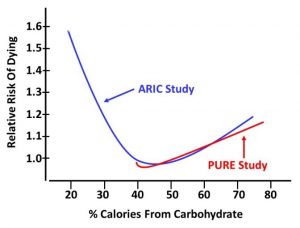
 

The Alcohol Myth

How Were We Led Astray?

Author: Dr. Stephen Chaney 

You have probably heard that moderate alcohol consumption is healthier than complete abstinence from alcohol. It is certainly a popular viewpoint.

It is also a scientific paradigm. By that I mean:

  • It is supported by multiple clinical studies.
  • Elaborate metabolic explanations have been proposed to support this paradigm.
  • It is the official position of most medical societies, scientific organizations, and health information sites on the web.
  • It is the recommendation of most health professionals.
  • It has been repeated so often from so many trusted sources that everyone assumes it must be true.

But is it a myth? You may have been surprised when you saw recent headlines saying, “Having an alcoholic drink or two per day is not healthier than abstaining.”

Today I will review the study (J Zhao et al, JAMA Network Open, 6(3): e236185, 2023) behind the headlines and tell you what it means for you.

But first, I want to explain to you how the scientific method works. That’s because this study is a perfect example of the scientific method in action.

How Were We Led Astray?

I have described the scientific method in detail in my books “Slaying The Food Myths” and “Slaying The Supplement Myths”, which you will find here.

Today, I will just give you a brief synopsis of the scientific method.

1) Most scientific studies are designed to disprove existing scientific paradigms. This is such a study.

  • In the scientific world, there is no glory in being the 10th person to prove that a scientific paradigm is correct. The glory comes from being the first person to disprove a scientific paradigm and create a new paradigm in the process.
  • This constant testing of existing paradigms is one of the most important strengths of the scientific method.

2) There is no perfect study. Every study has its flaws.

  • “Confounding variables” are flaws that can be the Achilles Heel of any association study.

Now let me explain the significance of these statements in the context of the current study:

  • All the studies supporting the current paradigm were association studies. Association studies measure the association between a selected variable and an outcome. For these studies, the selected variable was alcohol consumption, and the outcome was increased mortality.
    • Association studies try to statistically correct for other variables known to affect the outcome. For example, diseases like heart disease, diabetes, and cancer increase the risk of premature death. These are known variables that would be corrected for in any well-designed study of alcohol consumption and mortality.
    • “Confounding variables” are unknown variables that also affect the outcome of the study. But since they are unknown, they are not corrected for.

Let me give you a simplistic example of a confounding variable. Let’s say you were doing a study of dietary habits, and you found an association between ice cream consumption and mortality. You might conclude that ice cream consumption is bad for you. It increases your risk of dying.

But then you might remember that ice cream consumption increases during the summer. And then you might reason that people swim more during the summer, and there is a correlation between swimming and drowning deaths.

Swimming could be a confounding variable. To make sure that your initial conclusion that ice cream increases the risk of dying was correct, you would need to correct your data for swimming deaths during the summer and see if you still found a correlation between ice cream consumption and mortality.

Could The Current Paradigm Be Incorrect?

SkepticYou might be thinking, “What does this have to do with studies on the correlation between alcohol consumption and increased mortality?” Let me explain.

The baseline group for these comparisons was the abstainers – the group consuming no alcohol. Previous studies have compared the mortality risk associated with various amounts of alcohol consumption with the mortality risk of the abstainer group. This sounds like a reasonable approach.

But the investigators challenging the current paradigm noted that the “abstainer group” in previous studies included both lifetime abstainers and former drinkers who had become abstainers. They hypothesized that the “former drinkers” group may have become abstainers because of health issues related to excess alcohol consumption.

In short, they hypothesized that the “former drinkers” group was a confounding variable that biased the results of the previous studies. They hypothesized that the “lifetime abstainers” group was a more appropriate baseline group for this kind of study. They then set out to prove their hypothesis.

How Was This Study Done?

clinical studyThe investigators searched the literature and found 107 studies with 4.8 million participants published between 1980 and July 21, 2021, that:

  • Assessed the correlation between alcohol consumption and mortality.
  • Had data that allowed the investigators to separate lifetime abstainers from former drinkers who had become abstainers.

The investigators divided alcohol consumption into low, moderate, high, and very high categories based on the ounces of alcohol consumed per day. Since ounces of alcohol is not an easy measure for most of us, I have converted ounces/day to drinks/day based on the CDC definition of a drink (a 12-ounce beer, 5-ounce glass of wine, or 1.5 ounces of a distilled spirit like gin or vodka). And to make it even simpler, I have rounded to the nearest whole number. With that said, here are the classifications.

  • Low alcohol intake = 1-2 drinks/day.
  • Moderate alcohol intake = 2-3 drinks/day.
  • High alcohol intake = 3-4 drinks/day.
  • Very high alcohol intake = >4 drinks/day.

The risk of death associated with each of these intake levels was compared the risk of death of their preferred baseline group, the “lifetime abstainers”.

Finally, the data were corrected for other variables known to influence the correlation between alcohol consumption and mortality, namely age, sex, heart health, social status, race, diet, exercise, BMI, and smoking status. [These are known confounding variables and had been adjusted for in most previous studies.]

The Alcohol Myth

Red WineWhen the investigators compared the mortality risk of former drinkers who had become abstainers with lifetime abstainers:

  • The former drinkers were 31% more likely to die, and this difference was highly significant.
  • This is consistent with their hypothesis that the “former drinkers” group was a confounding variable that may have biased the conclusions of previous studies.

When they compared the mortality risk of various levels of alcohol consumption with lifetime abstainers instead of all abstainers, they found:

  • The risk of mortality associated with low (1-2 drinks/day) and moderate (2-3 drinks/day) alcohol intake was statistically identical to the risk of mortality for lifetime abstainers.
  • The high alcohol intake group (3-4 drinks/day) was 24% more likely to die than the lifetime abstainers.
  • The very high alcohol intake group (>4 drinks/day) was 39% more likely to die than the lifetime abstainers.

In short, when lifetime abstainers were used as the baseline group, low to moderate alcohol intake did not reduce the risk of dying, as previous studies had suggested. This study suggests the idea that low to moderate alcohol consumption is good for us may not be accurate. It may be a myth.

Finally, there was a significant gender difference in the effect of alcohol consumption on mortality.

For women:

  • Even moderate alcohol consumption was associated with an increased risk of mortality. Only low alcohol consumption posed no increase in mortality.
  • The increased risk of mortality for women was significantly higher than for men with every level of alcohol consumption.

The authors concluded, “In this…meta-analysis, daily low or moderate alcohol intake was not significantly associated with all-cause mortality risk, while increased risk was evident at higher consumption levels, starting at lower levels for women than for men.”

Of course, this isn’t the end of the story. The scientific method will continue. Old paradigms don’t die easily. Other investigators will challenge the conclusions of this study. Stay tuned. I will give you updates as future studies are published.

What Does This Study Mean For You?

QuestionsIf you like to imbibe, there are two important takeaways from this study.

The bad news is that you can no longer claim that a drink or two a day is healthier than total abstinence from alcohol.

The good news is that this and every study preceding it have found that a drink or two a day is no less healthy than total abstinence. The studies found no increase in mortality associated with low to moderate alcohol intake.

[However, low to moderate alcohol intake may increase your risk of specific diseases. For example, many studies suggest that even low alcohol intake is associated with an increased risk of breast cancer.]

This study also agrees with previous studies that high alcohol intake increases your risk of death, and women are more susceptible to adverse effects of alcohol intake than men.

So, while this study challenges the existing paradigm that low to moderate alcohol intake is beneficial, it does not change the current recommendations on alcohol intake by most health organizations.

For example, the current CDC guidelines are:

  • Adults of legal drinking age should limit alcohol intake to 2 drinks or less per day for men and one drink or less per day for women.
  • Adults who do not drink alcohol should not start. [The current study strengthens this recommendation because it takes away the excuse that low to moderate alcohol consumption is healthier than abstinence.]
  • Drinking less is better than drinking more.

The CDC guidelines also note that the risk of some cancers increases even at very low levels of alcohol consumption.

Finally, the CDC recommends that some people never consume alcohol, including:

  • Women who are pregnant or might become pregnant.
  • Anyone younger than 21.
  • Anyone with medical conditions or medications that interact with alcohol.
  • Anyone recovering from an alcohol use disorder or who has trouble controlling the amount they drink.

The Bottom Line 

A recent study is a perfect example of the scientific method in action. Scientists are constantly challenging the existing scientific paradigms, and this is an important strength of the scientific method.

A group of scientists recently published a study challenging the paradigm that low to moderate alcohol intake is healthier than total abstinence from alcohol.

They hypothesized that previous studies supporting this paradigm had a common methodological flaw, corrected for the flaw, and reanalyzed the data from 104 studies with a total of 4.8 million participants.

The revised data showed no health benefit of low to moderate alcohol consumption compared to total abstinence. When you look at the data more closely, the current paradigm may be a myth.

  • This is a major change to the existing paradigm because it removes the justification for low to moderate alcohol consumption.

However, the revised data did not differ from previous studies in the following ways:

  • There is no health risk associated with low to moderate alcohol intake compared to total abstinence.
  • High alcohol intake (>3 drinks/day) is associated with increased mortality.
  • Women are more sensitive to the adverse effects of alcohol than men.

So, this study does not change current guidelines for alcohol consumption.

For more information on this study, what it means for you, and the CDC guidelines on alcohol consumption read the article above.

These statements have not been evaluated by the Food and Drug Administration. This information is not intended to diagnose, treat, cure, or prevent any disease.

______________________________________________________________________________

My posts and “Health Tips From the Professor” articles carefully avoid claims about any brand of supplement or manufacturer of supplements. However, I am often asked by representatives of supplement companies if they can share them with their customers.

My answer is, “Yes, as long as you share only the article without any additions or alterations. In particular, you should avoid adding any mention of your company or your company’s products. If you were to do that, you could be making what the FTC and FDA consider a “misleading health claim” that could result in legal action against you and the company you represent.

For more detail about FTC regulations for health claims, see this link.

https://www.ftc.gov/business-guidance/resources/health-products-compliance-guidance

______________________________________________________________________

About The Author 

Dr. Chaney has a BS in Chemistry from Duke University and a PhD in Biochemistry from UCLA. He is Professor Emeritus from the University of North Carolina where he taught biochemistry and nutrition to medical and dental students for 40 years.  Dr. Chaney won numerous teaching awards at UNC, including the Academy of Educators “Excellence in Teaching Lifetime Achievement Award”. Dr Chaney also ran an active cancer research program at UNC and published over 100 scientific articles and reviews in peer-reviewed scientific journals. In addition, he authored two chapters on nutrition in one of the leading Biochemistry textbooks for medical students.

Since retiring from the University of North Carolina, he has been writing a weekly health blog called “Health Tips From the Professor”. He has also written two best-selling books, “Slaying the Food Myths” and “Slaying the Supplement Myths”. And most recently he has created an online lifestyle change course, “Create Your Personal Health Zone”. For more information visit https://chaneyhealth.com.

For the past 53 years Dr. Chaney and his wife Suzanne have been helping people improve their health holistically through a combination of good diet, exercise, weight control and appropriate supplementation.

The Methyl B12 Myths

How Is The Vitamin B12 For Supplements Produced?

Author: Dr. Stephen Chaney

Vitamin B12Vitamin B12 (also called cobalamin) is a complex molecule whose structure is shown on the left. It has a cobalt atom in its center which is essential for its functioning (more about that in a minute).

It was first discovered in 1947 and shown to be an essential nutrient for humans in 1948. It has been used in nutritional supplements since then.

The deficiency of vitamin B12 leads to a disease called pernicious anemia.

  • The initial symptoms are like other forms of anemia, namely:
    • Fatigue and weakness.
    • Pale skin.
    • Low red blood cell count.
  • If the deficiency persists long enough, neurological symptoms also appear including:
    • Numbness and tingling in hands and feet.
    • Lack of fine motor skills.
    • Difficulty maintaining balance and coordination.
    • Cognitive issues and mood changes.

Vitamin B12 is found naturally in animal foods such as meat (liver is a particularly good source), fish, poultry, eggs, and dairy.

Vitamin B12 deficiency is most frequently observed in vegetarians (Plant foods contain no vitamin B12) and the elderly (As we age, we tend to lose a protein called intrinsic factor in our intestine that is important for vitamin B12 absorption).

In our bodies, vitamin B12 occurs in two forms, methylcobalamin (popularly referred to as methyl B12) and adenosylcobalamin.

  • Adenosylcobalamin is important for energy production, especially the generation of energy from protein and fat.
  • Methylcobalamin is important for nerve function, DNA and RNA synthesis, and gene regulation among other things.
  • Both adenosylcobalamin and methylcobalamin are required to produce red blood cells.

How Is The Vitamin B12 For Supplements Produced? 

bacteriaWhile it is theoretically possible to extract enough vitamin B12 for a B12 supplement from B12-rich foods such as liver, the extraction process is complex and inefficient. If a supplement company claims their methyl B12 supplement comes from food, they are probably lying to you.

And the structure of vitamin B12 is so complex it is almost impossible to synthesize chemically.

For years most of the vitamin B12 (cobalamin) for supplements has been generated by growing certain B12-producing bacteria and related organisms in large vats and purifying the vitamin B12 they produce. However, these bacteria were inefficient at incorporating cobalt into the cobalamin they made resulting in an excess of cobalt in the growth medium. Since large amounts of cobalt can be toxic, the remaining liquid had to be treated as a hazardous material and disposed of properly.

Recently this problem has been solved by genetically engineering the bacteria, so they are more efficient at utilizing cobalt. This is fast becoming the method of choice for making vitamin B12 for supplements.

In either case, the cobalamin is usually precipitated out of the growth medium as cyanocobalamin crystals and the crystals washed to remove impurities. Cyanocobalamin has been the primary source of vitamin B12 in supplements for the past 77 years (since 1948).

The methylcobalamin in most methyl B12 supplements is produced by reducing cyanocobalamin with sodium borohydride followed by the addition of methyl iodide or by directly adding methyl iodide to the bacterial cultures and using an alternate purification process.

The Methyl B12 Myths

Myth Versus FactsSome supplement manufacturers are now claiming that methyl B12 (methylcobalamin) is more natural and more effective than the cyanocobalamin that has been used in supplements for the past 77 years. Let’s look at the myths propagated by methyl B12 supplement manufacturers and compare them to the facts.


Myth: Methyl B12 (methylcobalamin) is more natural than cyanocobalamin. We get the methyl B12 in our supplements from foods.

Fact: As I said above, it would be impossible to extract enough methylcobalamin from foods, so this claim is false.

Some of the methylcobalamin in supplements is chemically synthesized from cyanocobalamin. It can never be more natural than its starting ingredients.

However, in today’s world both cyanocobalamin and methylcobalamin are most likely to be made by chemically altering the cobalamin produced by genetically modified bacteria. In one case a cyano group is added. In the other case a methyl group is added.


Myth: Cyanocobalamin is toxic.

Fact: You get much more cyanide from common foods such as almonds, lima beans, any fruit with a pit such as peaches, and even some fruits with seeds, such as apples. For example, a single almond contains 200 times more cyanide than a supplement providing the RDA of cyanocobalamin.

Does that mean you need to avoid almonds and other cyanide-containing foods? The answer is no. God has designed our bodies to thrive on the natural foods He created for us. We have an enzyme called rhodanese in our mitochondria that can convert the small amounts of cyanide found naturally in foods to thiocyanate. And thiocyanate can be harmlessly excreted in the urine.

In short, we can eat almonds safely and we can take cyanocobalamin supplements safely. Our bodies are designed to handle them.


Myth: Because methylcobalamin is one of the active forms of B12 inside cells (adenosylcobalamin is the other), it is better utilized by cells than cyanocobalamin.

Fact: Cyanocobalamin and methylcobalamin are equally well absorbed by the intestine and equally well transported to our cells. At the cell membrane, the cyano and methyl groups are stripped off and cobalamin (B12) binds to a transport protein called transcobalamin II. Once inside the cell either a methyl group or adenosyl group is added back to cobalamin.

In short, methylcobalamin offers no advantage over cyanocobalamin because its methyl group is removed before it enters our cells. Once the methyl and cyano groups have been removed, the cell has no way of knowing whether B12 started out in the methyl or cyano form.


Myth: Methylcobalamin is better utilized than cyanocobalamin for people with methylation defects.

Fact: A methylation defect would only affect methylation of cobalamin once it is released from transcobalamin II inside the cell. Once again, because the methyl and cyano groups are removed before cobalamin binds to transcobalamin II, methylcobalamin offers no advantage over cyanocobalamin.

What Does This Mean For You?

questionsThe claims that everyone would benefit from methylcobalamin (methyl B12) instead of cyanocobalamin is outrageous. Anyone who takes the time to research how B12 enters our cells would realize that the claim is biochemically impossible.

In short, cyanocobalamin has been used for 77 years. There are hundreds of clinical studies showing it is safe and effective, even in individuals with a MTHFR deficiency. I can’t tell you whether the companies selling methyl B12 are ignorant of basic metabolism and the published studies refuting their claims or whether they are purposely trying to deceive the public—but neither is a good thing.

The Bottom Line

Some supplement manufacturers are now claiming that methyl B12 (methylcobalamin) is more natural and more effective than the cyanocobalamin that has been used in supplements for the past 77 years. In this issue of “Health Tips From the Professor” I debunk the methyl B12 myths used by the supplement manufacturers to sell their methyl B12 products.

I can’t tell you whether the companies selling methyl B12 are ignorant of basic metabolism and the published studies refuting their claims or whether they are purposely trying to deceive the public—but neither is a good thing.

For more specifics, read the article above.

These statements have not been evaluated by the Food and Drug Administration. This information is not intended to diagnose, treat, cure or prevent any disease.

______________________________________________________________________________

My posts and “Health Tips From the Professor” articles carefully avoid claims about any brand of supplement or manufacturer of supplements. However, I am often asked by representatives of supplement companies if they can share them with their customers.

My answer is, “Yes, as long as you share only the article without any additions or alterations. In particular, you should avoid adding any mention of your company or your company’s products. If you were to do that, you could be making what the FTC and FDA consider a “misleading health claim” that could result in legal action against you and the company you represent.

For more detail about FTC regulations for health claims, see this link.

https://www.ftc.gov/business-guidance/resources/health-products-compliance-guidance

 _______________________________________________________________________

About The Author 

Dr. Chaney has a BS in Chemistry from Duke University and a PhD in Biochemistry from UCLA. He is Professor Emeritus from the University of North Carolina where he taught biochemistry and nutrition to medical and dental students for 40 years.

Dr. Chaney won numerous teaching awards at UNC, including the Academy of Educators “Excellence in Teaching Lifetime Achievement Award”.

Dr Chaney also ran an active cancer research program at UNC and published over 100 scientific articles and reviews in peer-reviewed scientific journals. In addition, he authored two chapters on nutrition in one of the leading biochemistry text books for medical students.

Since retiring from the University of North Carolina, he has been writing a weekly health blog called “Health Tips From the Professor”. He has also written two best-selling books, “Slaying the Food Myths” and “Slaying the Supplement Myths”. And most recently he has created an online lifestyle change course, “Create Your Personal Health Zone”. For more information visit https://chaneyhealth.com.

For the past 53 years Dr. Chaney and his wife Suzanne have been helping people improve their health holistically through a combination of good diet, exercise, weight control and appropriate supplementation.

 

Do Artificial Food Colors Cause ADHD?

Is This Just The Tip Of The Iceberg?

Author: Dr. Stephen Chaney

Artificial colors are in the news again. And, unfortunately, what should solely be a health question has become political. Politics aside, most people fall into one of 3 camps:

  • Artificial colors are bad for us and should be removed from the food supply.
  • The fears about artificial colors are overblown.
  • What are artificial colors and why should I care?

Let me start with the third camp. Every nutrition expert worth their salt will tell you that whole, unprocessed foods are best for us. The problem is that they have a low profit margin.

The food industry makes most of their money from highly processed foods (50-60% profit from highly processed foods versus 8.5% for unprocessed foods).

And the market for highly processed foods is very competitive. Let me give you some metrics to help you understand just how competitive the market is:

  • In the average supermarket, unprocessed foods are located around the edge. The vast interior is mostly highly processed foods.
  • The most recent studies report that 60-70% of the foods Americans consume are highly processed.

With so much competition, the food industry needs to make their brand of processed foods stand out.

  • There are artificial preservatives to give processed foods long shelf life.
  • There are artificial flavors and flavor enhancers to make them taste yummy.
  • There are ingredients added to give them mouth appeal (how they feel in your mouth).
  • And finally, there are artificial colors (also known as synthetic food dyes) for eye appeal. Those are added to make them “pop” – to make them say “eat me”.

The seven most common food colors are Blue #1, Blue #2, Green #3, Red #3, Red #40, Yellow #5, and Yellow #6. They make processed foods look good.

But there are also health concerns associated with artificial food colors. The two most common are:

  • Cancer. Several studies have suggested that artificial food colors may increase the risk of cancer. However, because artificial food colors are added to foods of low nutritional value (candy, soft drinks, sugary cereals, etc.), it has been difficult to determine whether the increased cancer risk is due to the artificial colors or the foods they are found in.
  • ADHD. The studies are a bit stronger for this category. Because artificial colors can be hidden in chocolate cookies (when you mix all the colors together you get brown anyway), it has been possible to perform double-blind, placebo-controlled studies. And since both the food color and placebo groups are getting chocolate cookies, the only difference between the groups is whether the cookies contain artificial colors.

So, in today’s “Health Tips From the Professor” I will summarize what we know about artificial food colors and ADHD. But first, let’s start with a brief overview of ADHD.

A Brief Overview Of ADHD

adhd symptoms childrenWhat is ADHD? ADHD is a broad term that encompasses two types of behaviors.

  • The AD portion of ADHD stands for attention deficit.
    • Children with attention deficit have difficulty focusing and staying on task.
    • This can affect their learning in standard classroom settings. I underlined standard classroom settings for a reason, which I will come back to later.
  • The H portion of ADHD stands for hyperactivity.
    • Children with hyperactivity “bounce off walls” (I will define hyperactivity more precisely below.)
    • This can lead to problems at home, in the classroom, and in relationships.
  • Some children have both. If you are their parents, I can only say, “Lucky you”.
  • The final D stands for disorder, implying that these conditions are not normal.

The ADHD epidemic.

  • ADHD has increased by 89% in the United States in just 25 years (1997-2022).
  • In 2022 11.5% of US children aged 3-17 were diagnosed with ADHD. That’s 7.1 million children.

Some experts claim that’s because of better diagnosis. Let’s examine that claim.

How is ADHD diagnosed?

Child With ADHDThe American Psychiatric Society diagnoses attention deficit based on 3 or more of the following criteria:

  • Has problems staying focused.
  • Doesn’t pay attention to details.
  • Doesn’t seem to listen.
  • Doesn’t follow instructions.
  • Has problems organizing tasks.
  • Avoids sustained mental effort.
  • Is easily distracted.

For those of you who are parents or grandparents, I would simply ask, “Does any of this sound familiar? Doesn’t every child have some of these behaviors?”


The American Psychiatric Society diagnoses hyperactivity based on 3 or more of the following criteria:what causes adhd in kids

  • Fidgets, taps hands, squirms in seat.
  • Not able to stay seated.
  • Runs around where it is inappropriate.
  • Unable to play quietly.
  • Always “on the go”.
  • Talks too much.
  • Has difficulty waiting for their turn.
  • Interrupts or intrudes on others.

Again, for those of you who are parents or grandparents, I would simply ask, “Does any of this sound familiar?”

Even worse, the final diagnosis is based primarily on the subjective reporting of symptoms by teachers and parents. The psychiatric evaluation is done primarily to eliminate other mental or physical diseases as causes of the symptoms.

Is ADHD Overdiagnosed?

So. perhaps we should ask whether teachers and parents might be tempted to overestimate the severity of the symptoms.

For teachers,

  • Class sizes are large, and there aren’t enough teacher’s aides.
  • They don’t have the time to deal with a child that requires extra attention.
  • It is easier to request an ADHD assessment, so that child can be put on drugs.

But there are other options. There are schools in which children with ADHD thrive, and many public schools have programs set up for ADHD children.

For parents,

  • Parents don’t have the time they used to have to supervise their children.
    • In most cases, both parents are working.
    • Some are working from home. In theory that could give them flexibility to take care of their children. But remote work often involves online meetings and strict deadlines that leave little time for their children.
    • And then there is social media. In today’s world, many parents are glued to their phones 24/7.
  • It’s easier to request a hyperactivity assessment, so that child can be put on drugs.

Could the increase in ADHD diagnoses be real?

Most experts agree that the causes of ADHD are complex, with the top 4 causes being genetics, diet, family & social environment, and physical environment (environmental pollutants).

The simplest way to think about it is that genetics cocks the gun and one or more of the other causes pulls the trigger.

With that in mind, we need to ask ourselves, “Has diet, family and social environment, or our physical environment gotten worse over the past 25 years?” The answer is a clear yes for all three.

So, while part of the increase in ADHD could be due to overdiagnosis, part of it is likely to be real.

Why is the increase in ADHD diagnoses a concern?

drug side effectsThe answer is simple. The use of ADHD drugs has increased by 58% since 2012. Today over 50% of children diagnosed with ADHD are put on drugs. That’s a concern because:

  • Most of these drugs are stimulants.
  • Many are amphetamines.
  • They have serious side effects. For example:
    • Loss of appetite and weight loss.
    • Difficulty sleeping.
    • Upset stomach and nausea.
    • Feeling irritable, depressed, anxious, or tense.
  • Many children don’t like how the drugs make them feel.
  • They can be gateway drugs.
  • They lose effectiveness over time. So, unless you have figured out the cause of the problem, the symptoms will return.

Because of this many parents are searching for natural solutions. One approach is to change their child’s diet. In today’s “Health Tips From the Professor” I will discuss the effect of one dietary change – the removal of artificial food colors from the diet.

Do Artificial Food Colors Cause ADHD?

The idea that food additives – specifically artificial colors and preservatives – might be responsible for hyperactivity was first raised by Dr. Ben Feingold 50 years ago. He devised the Feingold Diet – a diet that was free of artificial food colors and preservatives.

Some small-scale clinical studies suggested that the diet might be successful, and millions of parents used the diet for their hyperactive children with great success.

But the medical authorities pooh-poohed the Feingold Diet. They pointed out that when parents are putting their child on a special diet, they are also giving that child more attention – and it might be the parent’s increased attention that decreased the child’s hyperactive behavior.

They also pointed out that when you eliminate food additives from the diet you are decreasing the “junk” food and increasing fresh fruits and vegetables – in short, the child’s diet is much healthier.

They did a double-blind, placebo-controlled study and reported only 5% of the children with an ADHD diagnosis benefited from removing artificial food colors and preservatives from the diet. They considered 5% to be an artifact – just random noise in the statistical analysis of the data. Headlines proclaimed, “The Feingold Diet doesn’t work.”

So eventually the Feingold Diet lost popularity – but the idea that artificial food colors & preservatives might trigger hyperactivity has refused to go away.

The first inkling that the Feingold hypothesis might hold some water came from studies looking at the 5% of children whose ADHD symptoms improved when artificial colors were removed. When these children were evaluated in a second double-blind, placebo-controlled study, over 85% of them showed improvement in symptoms when artificial food colors were removed from their diet.

In short, this told us that artificial food colors and preservatives do cause ADHD symptoms in some children. The percentage of children is small, but these children are true responders.

This has led to further studies designed to provide a better estimate of the percentage of children whose ADHD symptoms are triggered by artificial food colors.

In 2004 a meta-analysis of 15 double-blind, placebo-controlled studies (DW Schah et al, Journal of Developmental & Behavioral Pediatrics, 25: 423-434, 2004) estimated that 28% of children with ADHD benefited from removal of artificial colors from their diet.

A more recent meta-analysis (IT Nigg et al, Journal of the American Academy of Child and Adolescent Psychiatry, 51: 86-97, 2012) estimated that 8% of ADHD children benefited from removal of artificial food colors from their diet.

And a pilot study published three years ago (AE Kirkland et al, Nutritional Neuroscience, 25: 159-168, 2022) suggests the effect of artificial food colors on ADHD symptoms may not be limited to children. They found a similar effect of artificial food colors on college students with ADHD.

In summary, the current evidence suggests:

  • Artificial food colors (and other artificial ingredients) can trigger ADHD symptoms in both children and adults.
  • The percentage of children and adults with ADHD who will benefit from removing artificial food colors from their diet is small (5-28%) but reproducible.
  • If you or your child happen to be sensitive to artificial food colors, relief from ADHD symptoms could be as simple as eliminating artificial food colors from their diet.

Is This Just The Tip Of The Iceberg?

Earlier in this article I used the analogy that genetic predisposition to ADHD cocked the gun, but it was diet, family & social environment, and/or physical environment that pulled the trigger.

Then I summarized the evidence that artificial colors are one dietary component that “pulls the trigger” (causes ADHD) in sensitive individuals. But that leads to two questions:

  • Is that all there is, or is that just the “tip of the iceberg”?
  • Have there been other changes in our diet that might explain the rapid increase in ADHD cases?

Let’s examine the data:

  • In the 1970s when Dr. Feingold introduced his diet food additives were used sparingly.
    • Today over 50% of the foods in the American diet contain more than 3 food additives.
  • In the 1970s there were a few thousand food additives in the American food supply.
    • Today there are more than 10,000 additives, and less than 5% of them have been tested for their effects on brain development in children.
  • In the 1970s 10-15% of foods in the American diet were ultra-processed.
    • Today 60-70% of the foods Americans eat are ultra-processed.

In short, in 1975 Dr. Feingold showed that artificial food colors and a handful of other additives triggered ADHD symptoms in a small percentage of children. Today our children’s diets are far worse, and they are exposed to thousands of untested food additives that did not exist in the 1970s.

Is this a coincidence or is this deterioration in diet and explosion of food additives driving the ADHD epidemic. Nobody knows.

But Pediatrics Professor Dr. Herbert Needleman has been quoted as saying, “We are conducting a vast toxicologic experiment in our society, in which our children and our children’s children are the experimental subjects.”

What Does This Mean For You?

questionsIf you are the parent or grandparent of a child with ADHD, the simplest thing you can do is to remove foods with artificial colors and preservatives from their diet whenever possible. If the child is sensitive to food colors, that one simple change may reduce their symptoms dramatically.

But, as I said above, artificial food colors and preservatives may just be the tip of the iceberg. My recommendation is to switch to a whole, unprocessed food diet for the entire family. Everyone in the family will be healthier, and you will have an even better chance of reducing your child’s ADHD symptoms.

The Bottom Line 

ADHD cases are skyrocketing. Drugs work, but they have serious side effects. If you are the parent or grandparent of a child with ADHD, you may be searching for natural approaches to help that child control their ADHD symptoms. In this article, I discuss:

  • The causes of ADHD and how it is diagnosed.
  • Whether the rapid increase in ADHD cases is caused by overdiagnosis or the deterioration of our children’s diets.
  • The evidence that artificial food colors and preservatives trigger ADHD symptoms in sensitive children.
  • Other natural approaches that may reduce ADHD symptoms.

For more information on this topic and what it means for you, read the article above.

These statements have not been evaluated by the Food and Drug Administration. This information is not intended to diagnose, treat, cure, or prevent any disease.

 ____________________________________________________________________________

My posts and “Health Tips From the Professor” articles carefully avoid claims about any brand of supplement or manufacturer of supplements. However, I am often asked by representatives of supplement companies if they can share them with their customers.

My answer is, “Yes, as long as you share only the article without any additions or alterations. In particular, you should avoid adding any mention of your company or your company’s products. If you were to do that, you could be making what the FTC and FDA consider a “misleading health claim” that could result in legal action against you and the company you represent.

For more detail about FTC regulations for health claims, see this link.

https://www.ftc.gov/business-guidance/resources/health-products-compliance-guidance

 _______________________________________________________________________

About The Author 

Dr. Chaney has a BS in Chemistry from Duke University and a PhD in Biochemistry from UCLA. He is Professor Emeritus from the University of North Carolina where he taught biochemistry and nutrition to medical and dental students for 40 years.  Dr. Chaney won numerous teaching awards at UNC, including the Academy of Educators “Excellence in Teaching Lifetime Achievement Award”. Dr Chaney also ran an active cancer research program at UNC and published over 100 scientific articles and reviews in peer-reviewed scientific journals. In addition, he authored two chapters on nutrition in one of the leading Biochemistry textbooks for medical students.

Since retiring from the University of North Carolina, he has been writing a weekly health blog called “Health Tips From the Professor”. He has also written two best-selling books, “Slaying the Food Myths” and “Slaying the Supplement Myths”. And most recently he has created an online lifestyle change course, “Create Your Personal Health Zone”. For more information visit https://chaneyhealth.com.

For the past 53 years Dr. Chaney and his wife Suzanne have been helping people improve their health holistically through a combination of good diet, exercise, weight control and appropriate supplementation.



Increasing GLP-1 Levels Naturally

What Is GLP-1 And What Does It Do?

Author: Dr. Stephen Chaney

I don’t need to tell you that GLP-1 (glucagon-like peptide 1) drugs are all the rage. Total spending on GLP-1 drugs in the United States exceeded $71 billion in 2023, a 500% increase in just 5 years. There are 15 million Americans on GLP-1 drugs at any one time. And most of this increase has been driven by the weight-loss market.

Let me be clear. These drugs work. For people with poorly controlled type 2 diabetes or severe obesity-related health issues, they can be a godsend. But like any “quick fix” weight loss drug they are overprescribed.

And when you have millions of people taking a drug, you need to take a serious look at side effects. The most frequent side effects are:

  • Nausea
  • Vomiting
  • Diarrhea
  • Constipation
  • Increased heart rate.
  • Hypoglycemia
  • Allergic reactions

These are side effects that aren’t life threatening and are easily detected. When someone experiences these side effects, they usually give their doctor a call, and their doctor either takes them off the drug or modifies the dosage.

However, more recent studies have identified two additional side effects that are much more troubling.

  • The first is depression, anxiety, and suicidal thoughts.
    • These are symptoms that many patients may not associate with the drug, especially if they already have these tendencies.
    • And the consequences can be life threatening. There have already been reports of suicides of people on GLP-1 medications.
  • The second is loss of muscle mass.
    • This is a particular concern for seniors who struggle to maintain muscle mass as they age.
    • And this is a silent symptom. Most seniors don’t realize they are losing muscle mass until it significantly affects their quality of life.

And, of course, the biggest drawback of GLP-1 drugs is that they are only a temporary fix. Unless someone changes their lifestyle, the weight comes roaring back as soon as they quit using GLP-1.

So. It’s no wonder some people are asking whether it is possible to increase their GLP-1 levels naturally without the side effects associated with GLP-1 drugs. I will discuss this below, but first I should review what GLP-1 is and what it does.

What Is GLP-1 And What Does It Do? 

ProfessorLet me start by reviewing the hormones insulin and glucagon to create a proper perspective for understanding the role of GLP-1.

Insulin: Almost everyone has heard of insulin. It is released by the pancreas whenever we eat, and blood sugar levels start to rise. Its role is to lower blood sugar levels. It does this by:

  • Increasing glucose uptake by our cells. In the fed state almost all our cells use glucose as an energy source.
  • Converting any glucose in excess of immediate energy needs to storage forms.
    • In the muscle and liver, it is converted to a glucose polymer called glycogen. Our ability to create glycogen stores is limited.
    • In muscle it is also converted to amino acids, and it stimulates the use of those amino acids to make new protein. Our ability to increase muscle stores is also limited, but it can be increased by exercise.
    • In adipose tissue, it is converted to fat. As you may have noticed, our ability to create fat stores is unlimited. Even worse, when we become obese, fat starts accumulating in muscle and liver, which has severe health consequences.

Glucagon: Glucagon is less well known, but you can think of it as the Yin to insulin’s Yang. It is released by the pancreas when blood sugar levels fall and continues to be present until the next meal. Its role is to increase blood sugar levels and make sure that our cells get the food they need until the next meal.

Most tissues in our bodies switch to fat as an energy source in the fasting state. However, our red blood cells, kidney medulla, and brain continue to require glucose [Note: The brain can adapt to ketone bodies as an energy source after several days of glucose deprivation, but that’s another discussion for another time.] Glucagon supports our tissues by:

  • Signaling the liver to break down its glycogen stores and release glucose into the bloodstream. These stores are limited, but they can supply enough glucose to keep blood sugar levels constant for a few hours.
  • However, the brain uses lots of glucose, so the glycogen stores are rapidly depleted. When this happens, glucagon signals our muscles to break down muscle protein and convert the amino acids to glucose. We have enough muscle tissue to supply our brain with glucose for weeks. But we are using that muscle protein for other important things.
  • Finally, glucagon signals adipose tissue to break down its fat stores and release fat into the bloodstream to feed all our tissues that no longer depend on glucose.

GLP-1: GLP-1 stands for glucagon-like peptide 1. With a name like that, you might expect GLP-1 to have significant sequence homology with glucagon, bind to the same receptors, and have a similar effect on our metabolism. You would be wrong!

Both peptide hormones are derived from a much larger peptide called proglucagon. This is the only way that GLP-1 is “like” glucagon.

One portion of proglucagon is processed to give glucagon in pancreatic alpha cells. Another portion is processed to give GLP-1 in intestinal L cells. [L cells are endocrine (hormone producing cells) found in the intestinal mucosa.] There is very little sequence or structural homology between glucagon and GLP-1.

Their function is also very different. You can think of GLP-1 as a partner to insulin. It is released by intestinal L cells in response to the presence of nutrients (primarily protein, fat, and carbohydrate) in the intestine. It binds to GLP-1 receptors on the…

  • Pancreas to stimulate insulin release and inhibit glucagon release. This is why it helps type 2 diabetics control their blood sugar levels.
  • Stomach and reduces the rate of gastric emptying. This prolongs the feeling of fullness after each meal.
  • Small intestine and reduces gut motility, which increases transit time through the small intestine. This prolongs the feeling of fullness after a meal. But it can also lead to gastrointestinal side effects.
  • Brain and turns down your “appestat”. This reduces feelings of hunger between meals. But at high doses, it can affect the brain in negative ways (anxiety, depression, and suicidal thoughts).

Increasing GLP-1 Levels Naturally 

At the beginning of this article, I asked the question, “Is it possible to increase GLP-1 levels naturally without side effects?” The answer is clearly, “Yes”. Every time you eat a meal, your GLP-1 levels increase naturally.

GLP-1 levels rise within 10 minutes after consuming a meal and remain elevated for 1-2 hours. Then enzymes present in the bloodstream digest GLP-1 and it disappears. This is the way nature intended. There are no side effects to the natural rise and fall of GLP-1 after a meal.

“What makes the GLP-1 drugs different?”, you might ask.

  • In the first place significantly higher doses of GLP-1 are used.
  • More importantly, GLP-1 drugs have been genetically modified to make them resistant to enzymatic digestion. They can stay in the bloodstream for up to 24 hours.

This is what makes them so effective as weight loss drugs. But it’s not nice to fool with mother nature. This is also why they have side effects.

What Does This Mean For You?

Questioning WomanLet’s start by remembering that while GLP-1 drugs are effective, you will need to take them for the rest of your life unless you change your diet and lifestyle. And with long-term usage of the drugs, you are likely to experience one or more of their side effects at some point.

So, if you are willing to change your diet and lifestyle, it may be worthwhile looking at increasing your GLP-1 levels naturally. You have lots of options.

  • Every time you eat a meal your GLP-1 levels increase. And the bigger the meal, the bigger the increase. But the bigger the meal, the greater the calories. So, that’s not an optimal way to increase GLP-1 levels.
  • The macronutrients fat, carbohydrate, and protein all increase GLP-1 levels.
    • But if you are trying to lose weight, you want the greatest increase in GLP-1 with the fewest calories. That leaves out fatty foods.
    • You could try high carbohydrate meals, but there are lots of reasons why that’s not a good choice.
    • That leaves protein. And since you are trying to maximize GLP-1 levels with the minimum calories, I recommend a 20–40-gram protein supplement with a minimum of carbohydrate and fat. Just be sure the manufacturer has done a clinical study to demonstrate their protein supplement raises GLP-1 levels.

The Bottom Line

In this article I asked the question, “Is it possible to increase GLP-1 levels naturally without the side effects of GLP-1 drugs?” The answer is, “Yes”. In this article I tell you:

  • What GLP-1 is and what it does.
  • Why GLP-1 drugs have side effects.
  • How to raise your GLP-1 levels naturally without the side effects of GLP-1 drugs.

For more details read the article above.

These statements have not been evaluated by the Food and Drug Administration. This information is not intended to diagnose, treat, cure or prevent any disease.

_______________________________________________________________________________

My posts and “Health Tips From the Professor” articles carefully avoid claims about any brand of supplement or manufacturer of supplements. However, I am often asked by representatives of supplement companies if they can share them with their customers.

My answer is, “Yes, as long as you share only the article without any additions or alterations. In particular, you should avoid adding any mention of your company or your company’s products. If you were to do that, you could be making what the FTC and FDA consider a “misleading health claim” that could result in legal action against you and the company you represent.

For more detail about FTC regulations for health claims, see this link.

https://www.ftc.gov/business-guidance/resources/health-products-compliance-guidance

_______________________________________________________________________

About The Author 

Dr. Chaney has a BS in Chemistry from Duke University and a PhD in Biochemistry from UCLA. He is Professor Emeritus from the University of North Carolina where he taught biochemistry and nutrition to medical and dental students for 40 years.

Dr. Chaney won numerous teaching awards at UNC, including the Academy of Educators “Excellence in Teaching Lifetime Achievement Award”.

Dr Chaney also ran an active cancer research program at UNC and published over 100 scientific articles and reviews in peer-reviewed scientific journals. In addition, he authored two chapters on nutrition in one of the leading biochemistry text books for medical students.

Since retiring from the University of North Carolina, he has been writing a weekly health blog called “Health Tips From the Professor”. He has also written two best-selling books, “Slaying the Food Myths” and “Slaying the Supplement Myths”. And most recently he has created an online lifestyle change course, “Create Your Personal Health Zone”. For more information visit https://chaneyhealth.com.

For the past 53 years Dr. Chaney and his wife Suzanne have been helping people improve their health holistically through a combination of good diet, exercise, weight control and appropriate supplementation.



Health Tips From The Professor