Are We Killing Our Children With Kindness?

The Danger Of Ultraprocessed Foods 

Author: Dr. Stephen Chaney

fast foodIt breaks my heart when I see a mom and her children in the checkout line of a supermarket with a cart filled with sodas, sweets, and convenience foods and devoid of fresh fruits and vegetables – or when I see fast food restaurants packed with parents and their children.

I get it. Our kids love these foods. It seems like an act of kindness to give them the foods they crave. But are we killing our children with kindness?

Let me explain. The human brain is hardwired to crave sweets, salt, and fat. In prehistoric times each of these cravings had a survival benefit. For example:

  • Mother’s milk is naturally sweet. It only makes sense that babies should crave the nutrition source that is essential for their early growth and development.
  • Fruits provide a cornucopia of vitamins, minerals, and phytonutrients. But fruits were scarce and seasonal in prehistoric times. Their sweetness provided an incentive for early man to seek them out.
  • Some salt is essential for life. Yet in early history it was scare. It was worth its weight in gold.
  • In prehistoric times it was feast or famine. The human body has an unlimited capacity to store fat in times of plenty, and those fat stores carried early man through times of famine.

Today most Americans live in a time of food abundance. There are fast food restaurants on almost every street corner and in every shopping mall. We think of famine as the days we skipped lunch because we were busy.

Yet these cravings remain, and the food industry has weaponized them. They are churning out an endless supply highly processed foods and beverages. These foods are not being designed to improve their nutritional value. They are designed to satisfy our cravings and lure us and our children into consuming more of them every year.

Scientists have developed a classification system that assigns foods in the American diet to different groups based on the degree of processing of that food. As you might expect, the best classification is unprocessed foods. The worst classification is called “ultraprocessed foods”. [I will describe this classification system in more detail in the next section.]

It is time we asked how much ultraprocessed foods our children are eating and what it is doing to their health. That is the topic of the study (L Wang et al, JAMA, 326: 519-530, 2021) I will discuss today.

How Was This Study Done?

Clinical StudyThe data for this study were obtained from NHANES (National Health and Nutrition Examination Survey) dietary data collected from 33,795 American children (ages 2-19, average age = 10) between 1999 and 2018.

NHANES is a program conducted by the CDC to survey the health and nutritional status of adults and children in the United States. The survey has been conducted on a continuous, yearly basis since 1999.

The dietary data are collected via 24-hour dietary recalls conducted by trained interviewers, with a second recall administered over the phone 3-10 days later to improve the accuracy of the data.

  • Children aged 12-19 completed the dietary survey on their own.
  • For children aged 6-11, a parent or guardian assisted them in filling out the survey.
  • For children aged 2-5, a parent or guardian filled out the survey for them.

The foods and beverages consumed by the children were divided into 4 major groups based on the extent of processing using a well-established classification system called NOVA. The 4 groups are:

1) Unprocessed Or Minimally Processed Foods.

  • This includes whole foods and foods that are minimally processed without the addition of oils, fats, sugar, salt, or other ingredients to the food.
  • Examples of minimally processed foods include things like oatmeal, nut butters, dried fruit, frozen fruits or vegetables, and dried beans.

2) Processed Culinary Ingredients.

  • This includes recipes from restaurants or in-home cooking that add small amounts of oils, fats, sugar, salt, and seasonings to whole foods.

3) Processed Foods

  • This includes foods made in factories by the addition of salt, sugar, oil, or other substances added to whole or minimally processed foods.
  • Examples include tomato paste, canned fruits packed in sugar syrup, cheese, smoked or cured meat.

4) Ultraprocessed Foods

  • These are industrial formulations created in factories mostly or entirely from substances extracted from foods (oils, fats, sugar, starch, and proteins), derived from food constituents (hydrogenated fats and modified starch), or synthesized in laboratories (flavor enhancers, colors, and food additives).
  • Examples include sugar sweetened beverages; sweet or savory packaged snacks; chocolates and candies; burgers, hot dogs, and sausages; poultry and fish nuggets, pastries, cakes, and cake mixes.

Are We Killing Our Children With Kindness?

Obese ChildAs I said above, the important question is, “Are we killing our children with kindness when we give them the sugary drinks, sweets, convenience foods, and fast foods they crave?” After all, the foods we give them when they are young are the ones they are most likely to select when they get older.

Let’s start by looking at how pervasive these foods have become. That was the purpose of the study I am discussing today, and the results of this study are alarming. When they looked at the changes in food consumption by our children between 1999 and 2018:

  • The percentage of calories from ultraprocessed foods increased from 61.4% to 67%. That means:
    • Today, more than 2/3 of the calories our children consume daily come from ultraprocessed foods!
  • The percentage of calories from unprocessed and minimally processed foods decreased from 28.8% to 23.5%. That means:
    • In the span of just 19 years the diets of our children have gone from bad to worse!
  • Ultraprocessed foods were more likely to be consumed away from home and at fast food restaurants.

When the investigators looked at individual categories of ultraprocessed foods:

  • The percentage of calories coming from ready to heat and eat dishes like frozen pizzas and other frozen meals or snacks increased from 2.2% to 11.2%.
  • The percentage of calories coming from sweet snacks and desserts increased from 10.7% to 12.9%.
  • The percentage of calories coming from sugar sweetened beverages decreased from 10.8% to 5.3%.
    • This is potentially the only good news from this study.

The authors concluded. “Based on NHANES data from 1999 to 2018, the estimated energy intake from consumption of ultraprocessed foods has increased among youths in the US and has consistently comprised the majority of their total energy intake.”

“These results suggest that food processing may need to be considered as a food dimension in addition to nutrients and food groups in future dietary recommendations and food policies.”

The Danger Of Ultraprocessed Foods

Fast Food DangersThis study clearly shows that ultraprocessed foods have become the mainstay of our children’s diets. Forget a balanced diet! Forget “Eat your fruits and vegetables”! Our children’s diets have been fundamentally transformed by “Big Food, Inc”.

You might be saying to yourself, “So, they are eating their favorite processed foods. What’s the big deal? How bad can it be?” My answer is, “Pretty Bad”. I chose the title, “Are we killing our children with kindness”, for a reason.

When you look at what happens to children who eat a diet that is mostly ultraprocessed foods:

#1: Their nutrition suffers. When the investigators divided the children into 5 groups based on the percentage of calories coming from ultraprocessed foods, the children consuming the most ultraprocessed food had:

  • Significantly higher intakes of carbohydrates (mostly refined carbohydrates); total fats; polyunsaturated fats (mostly highly processed omega-6-rich vegetable oils); and added sugars.
  • Significantly lower intakes of fiber; protein; omega-3 polyunsaturated fatty acids; calcium; magnesium; potassium; zinc; vitamins A, C, D, and folate.
    • The low intake of fiber means our children will be less likely to have health-promoting friendly bacteria and more likely to have disease-promoting bad bacteria in their guts.
    • The low intake of calcium, magnesium, and vitamin D means they will be less likely to achieve maximum bone density as young adults and will be more likely to suffer from osteoporosis as they age.

#2: They are more likely to become obese. Remember, these are foods that are made in a factory, not grown on a farm.

  • They are high in fat, sugar, and refined carbohydrates. That means they have a high caloric density. Each bite has 2-3 times the calories found in a bite of fresh fruits and vegetables.
  • As I said earlier, the food industry has weaponized our natural cravings for sweet, salty, and fatty foods. They feed their prototypes to a series of consumer tasting panels until they find the perfect blend of sugar, salt, and fat to create maximum craving.
  • And if that weren’t enough, they add additives to create the perfect flavor and “mouth appeal”.
    • It is no wonder that clinical studies have found a strong correlation between high intake of ultraprocessed food and obesity in both children and adults.
    • It is also no wonder that the rate of childhood obesity has almost quadrupled (5% to 18.5%) in the last 40 years.

#3: They are more likely to become sick as adults and die prematurely.

  • Obesity; high intake of fat, sugar, and refined carbohydrates; and low intake of fiber, omega-3s, and essential nutrients all contribute to an increased risk of diabetes, heart disease, and some cancers.
    • It is no wonder that clinical studies have found a strong correlation between high intake of ultraprocessed food and increased risk of diabetes, heart disease, some cancers, and premature death in adults.
    • It is also no wonder a recent study found that type 2 diabetes in children has almost doubled between 2001 and 2017.

The data are clear. When we allow our children to subsist on a diet mostly made up of the ultraprocessed foods they crave, we may be giving them, not love, but a lifetime of obesity and declining health instead. And yes, we may be killing them with kindness.

Instead, my recommendations are:

  • expose your children to a variety of fresh fruits, vegetables, and minimally processed foods at an early age.
  • They will reject some of them, and that’s OK. Introduce others until you find whole, minimally processed foods they like. Reintroduce them to some of the foods they initially rejected as they get older.
  • Don’t keep tempting ultraprocessed foods in your house.
  • You may just succeed in putting your children on the path to a healthier diet and a healthier, longer life.

The Bottom Line

It breaks my heart when I see a mom and her children in the checkout line of a supermarket with a cart filled with sodas, sweets, and convenience foods and devoid of fresh fruits and vegetables – or when I see fast food restaurants packed with parents and their children.

I get it. Our kids love these foods. It seems like an act of kindness to give them the foods they crave. But are we killing our children with kindness?

It is time we asked how much ultraprocessed foods our children are eating and what it is doing to their health. A recent study did just that. When they looked at the changes in food consumption by our children between 1999 and 2018:

  • The percentage of calories from ultraprocessed foods increased from 61.4% to 67%. That means:
    • Today, more than 2/3 of the calories our children consume daily come from ultraprocessed foods!
  • The percentage of calories from unprocessed and minimally processed foods decreased from 28.8% to 23.5%. That means:
    • In the span of just 19 years the diets of our children have gone from bad to worse!

This study clearly shows that ultraprocessed foods have become the mainstay of our children’s diets. Forget a balanced diet! Forget “Eat your fruits and vegetables”! Our children’s diets have been fundamentally transformed by “Big Food, Inc”.

You might be saying to yourself, “So, they are eating their favorite processed foods. What’s the big deal? How bad can it be?” My answer is, “Pretty Bad”. I chose the title, “Are we killing our children with kindness”, for a reason.

When you look at what happens to children who eat a diet that is mostly ultraprocessed foods:

  • Their nutrition suffers.
  • They are more likely to become obese.
  • They are more likely to become sick as adults and die prematurely.

For more details about this study, read the article above.

These statements have not been evaluated by the Food and Drug Administration. This information is not intended to diagnose, treat, cure, or prevent any disease.


Is Low Omega-3 Intake As Bad For You As Smoking?

What Is The Omega-3 Index And Why Is It Important? 

Author: Dr. Stephen Chaney

deadWe already know that smoking is one of the worst things we can do to our bodies. It dramatically increases our risk of cancer, heart disease, diabetes, and lung diseases, including chronic obstructive pulmonary disease (COPD).

It also leads to premature death. People who smoke regularly die 5 years earlier than those who don’t.

That is the bad news. The good news is that smoking is what is called a “modifiable risk factor”. Simply put, that means it is a risk factor we are in control of. The message has been clear for years.

  • If you don’t smoke, keep it that way.
  • If you do smoke, stop. If you are a smoker, quitting isn’t easy, but it is worth it. The damage caused by smoking can largely be reversed if you stay off cigarettes long enough.

Obesity and diabetes are also modifiable risk factors that have a huge effect on the risk of both heart disease and premature death. People with diabetes die 4 years earlier than those without diabetes. But obesity and diabetes are harder for most people to reverse than smoking.

Diet is another modifiable risk factor, but, in general, its effect on the risk of heart disease and premature death is not as great as smoking and diabetes. But what if there were one component of diet that had huge effect on both heart disease and premature death?

The long chain omega-3 fatty acids (EPA & DHA) might just fill that bill. We already know they significantly reduce the risk of heart disease (see below), but could they also help us live longer? This study (MI McBurney et al, American Journal of Clinical Nutrition, published online June 16, 2021) was designed to answer that question.

Metabolism 101: What Is The Omega-3 Index And Why Is It Important?

professor owlClinical studies on the benefits of omega-3s have been plagued by the question of how to best measure the omega-3 status of the participants.

  • You can ask the participants to fill out a dietary survey and calculate how many omega-3-rich foods they are eating, but:
    • Dietary recall is notoriously inaccurate. People don’t remember everything they ate and have a hard time estimating portion sizes.
  • You can measure omega-3 fatty acids in the blood, but:
    • Blood levels are transient. Omega-3 fatty acids enter the bloodstream from the intestine and then disappear from blood as they are taken up by the cells.
    • Different forms of omega-3s (esters versus acetate, for example) are absorbed from the intestine and taken up by cells at different rates.
  • You can measure the omega-3 content of cellular membranes. This is the best assay for omega-3 status because:
    • The long chain omega-3 fatty acids (EPA and DHA) that have the biggest effect on heart disease risk accumulate in our cell membranes.
    • Omega-3 fatty acids are essential (our bodies can’t make them). That means the omega-3 content of our cell membranes reflect the omega-3 content of our diet. This is one of the cases where the saying, “We are what we eat”, is literally true.
    • The omega-3 content of our cell membranes is relatively stable. It reflects the omega-3 content of our diet over the last few months.
  • In theory, you could measure the omega-3 content of cell membranes from any tissues in the body, but red blood cells can easily be obtained by a simple blood draw, so they are the tissue of choice.

A group lead by Dr. William H Harris standardized this measurement by creating something called the Omega-3 Index. Simply put, the Omega-3 Index is the percentage of EPA and DHA in red blood cell membranes.

It turns out that the Omega-3 Index is an excellent indicator of heart disease risk.

  • An Omega-3 Index of less than 4% is associated with a high risk of heart disease.
  • An Omega-3 Index of more than 8% is associated with a low risk of heart disease.

But could a low Omega-3 Index also be associated with an increased risk of premature death? This is what the current study was designed to find out.

How Was This Study Done?

Clinical StudyThe data for this study were obtained from the ongoing Framingham Offspring Heart Study.

To put this statement into perspective, the original Framingham Heart Study began in 1948 in Framingham Massachusetts with the goal of identifying the factors that contributed to heart disease. It was one of the first major studies to identify the role of saturated fats, elevated blood cholesterol, and elevated blood triglycerides on heart disease risk.

The study is continuing today with the second and third generation descendants of the original study participants. It has also been broadened to include other diseases and additional risk factors, such as the Omega-3 Index.

This study selected 2240 participants from the Framingham Offspring study who had no heart disease and also had Omega-3 Index measurements at the beginning of the study. The study then followed them for 11 years. The goal of the study was to compare the Omega-3 Index with the two most potent risk factors for heart disease (smoking and diabetes) in predicting the risk of premature death.

The characteristics of the participants at the beginning of the 11-year study were:

  • 43% male, 57% female.
  • Average age = 65.
  • 3% were smokers.
  • 8% were diabetic.
  • Average Omega-3-Index = 5.8%. This is slightly higher than the American average of ~5%.

Is Low Omega-3-Intake As Bad For You As Smoking?

omega-3 supplements and heart healthThe participants in the study were divided into 5 quintiles based on their Omega-3 Index.

  • The 20% of the group in the lowest quintile had an Omega-3 Index of <4.2%.
  • The 20% of the group in the highest quintile had an Omega-3 Index of >6.8%.

First, the scientists running the study did a direct comparison of the top three risk factors on the risk of premature death. Here is what they found.

  • The group with the lowest average Omega-3 Index died 4.74 years earlier than the group with the highest average Omega-3 Index.
  • Smokers died 4.73 years earlier than non-smokers.
  • People with diabetes died 3.90 years earlier than people without diabetes.

That means low omega-3 intake was just as bad for the participants in this study as smoking. Even the authors of the study were surprised by this result. They had expected omega-3 fatty acids to be beneficial, but they had not expected them to be as beneficial as not smoking.

Because omega-3 fatty acid intake and smoking were the two most potent risk factors for premature death, the authors looked at the interaction between the two. They found that the predicted 11-year survival was:

  • 85% for non-smokers with high omega-3 intake.
  • 71% for either…
    • Smokers with high omega-3 intake, or…
    • Non-smokers with low omega-3 intake.
  • Only 47% for smokers with low omega-3 intake.

Simply put, this study predicts if you were a 65-year-old smoker with low omega-3 intake, you could almost double your chances of surviving another 11 years by giving up smoking and increasing your omega-3 intake.

In the words of the authors, “Smoking and omega-3 intake seem to be the most easily modified risk factors [for premature death]…Dietary choices that change the Omega-3 index may prolong life.”

The Bottom Line

We know that smoking is deadly, but could low intake of omega-3 fatty acids be just as deadly?

A recent study compared omega-3 intake with the two most potent risk factors (smoking and diabetes) in predicting the risk of premature death. Here is what it found.

  • The group with the lowest average omega-3 intake died 4.74 years earlier than the group with the highest average omega-3 intake.
  • Smokers died 4.73 years earlier than non-smokers.
  • People with diabetes died 3.90 years earlier than people without diabetes.

That means high omega-3 intake was just as beneficial for the participants in this study as not smoking. Even the authors of the study were surprised by this result. They had expected omega-3 fatty acids to be beneficial, but they had not expected them to be as beneficial as not smoking.

Because omega-3 fatty acid intake and smoking were the two most potent risk factors for premature death, the authors looked at the interaction between the two. They found that the predicted 11-year survival was:

  • 85% for non-smokers with high omega-3 intake.
  • 71% for either…
    • Smokers with high omega-3 intake, or…
    • Non-smokers with low omega-3 intake.
  • Only 47% for smokers with low omega-3 intake.

Simply put, this study predicts if you were a 65-year-old smoker with low omega-3 intake, you could almost double your chances of surviving another 11 years by giving up smoking and increasing your omega-3 intake.

In the words of the authors, “Smoking and omega-3 intake seem to be the most easily modified risk factors [for premature death]…Dietary choices that change the Omega-3 index may prolong life.”

For more details about this study, read the article above.

These statements have not been evaluated by the Food and Drug Administration. This information is not intended to diagnose, treat, cure, or prevent any disease.
How Much Omega-3 Should You Take During Pregnancy?

Which Omega-3s Are Beneficial? 

Author: Dr. Stephen Chaney

Premature BabyPreterm births (births occurring before 37 weeks) are increasing in this country. Just between 2018 and 2019, the percentage of preterm births increased by 2% to over 10% of all pregnancies. That is a concern because preterm births are associated with an increased risk of:

  • Visual impairment.
  • Developmental delays.
  • Learning difficulties.
  • Problems with normal development of lungs, eyes, and other organs.

Plus, it is expensive to keep premature babies alive. One recent study estimated that reducing the incidence of preterm births by around 50% could reduce health care costs by $6 billion in the United Stated alone.

Of the 10% preterm births, 2.75% of them are early preterm births (births occurring before 34 weeks). Obviously, the risk of health problems and the cost of keeping them alive is greatest for early preterm babies.

We don’t know why preterm births are increasing, but some experts feel it is because in this country:

  • More older women are having babies.
  • There is increased use of fertility drugs, resulting in multiple babies

Unfortunately, there is no medical standard for identifying pregnancies at risk for preterm birth. Nor is there any agreement around prevention measures for preterm births.

However, recent research has suggested that some premature births may be caused by inadequate omega-3 status in the mother and can be prevented by omega-3 supplementation.

What Do We Know About Omega-3s And Risk Of Preterm Births?

omega-3s during pregnancy is healthyThe role of omega-3s on a healthy pregnancy has been in the news for some time. Claims have been made that omega-3s reduce preterm births, postnatal depression, and improve cognition, IQ, vision, mental focus, language, and behavior in the newborn as they grow.

The problem is that almost all these claims have been called into question by other studies. If you are pregnant or thinking of becoming pregnant, you don’t know what to believe.

Fortunately, a group called the Cochrane Collaboration has recently reviewed these studies. The Cochrane Collaboration consists of 30,000 volunteer scientific experts from across the globe whose sole mission is to analyze the scientific literature and publish reviews of health claims so that health professionals, patients, and policy makers can make evidence-based choices about health interventions. Their reviews are considered the gold standard of evidence-based medicine.

This is because most published meta-analyses simply report “statistically significant” conclusions. However, statistics can be misleading. As Mark Twain said: “There are lies. There are damn lies. And then there are statistics”.

The problem is the authors of most meta-analyses group studies together without considering the quality of studies included in their analysis. This creates a “Garbage In – Garbage Out” effect. If the quality of individual studies is low, the quality of the meta-analysis will also be low.

The Cochrane Collaboration reviews are different. They also report statistically significant conclusions from their meta-analyses. However, they carefully consider the quality of each individual study in their analysis. They look at possible sources of bias. They look at the design and size of the studies. Finally, they ask whether the conclusions are consistent from one study to the next. They clearly define the quality of evidence that backs up each of their conclusions.

For omega-3s and pregnancy, the Cochrane Collaboration performed a meta-analysis and review of 70 randomized controlled trials that compared the effect of added omega-3s on pregnancy outcomes with the effect of either a placebo or no omega-3s. These trials included almost 19,927 pregnant women.

This Cochrane Collaboration Review looked at all the claims for omega-3s and pregnancy outcome, but they concluded that only two of the claims were supported by high-quality evidence:

  • Omega-3s reduce the risk of preterm births.
  • Omega-3s reduce the risk of low birth-weight infants.

The authors concluded: “Omega-3 supplementation during pregnancy is an effective strategy for reducing the riskclinically proven of preterm birth…More studies comparing [the effect of] omega-3s and placebo [on preterm births] are not needed at this point.”

In other words, they are saying this conclusion is definite. The Cochrane Collaboration has declared that omega-3 supplementation should become part of the standard of medical care for pregnant women.

However, the Cochrane Collaboration did say that further studies were needed “…to establish if, and how, outcomes vary by different types of omega-3s, timing [stage of pregnancy], doses [of omega-3s], or by characteristics of women.”

That’s because these variables were not analyzed in this study. The study included clinical trials:

  • Of women at low, moderate, and high risk of poor pregnancy outcomes.
  • With DHA alone, with EPA alone, and with a mixture of both.
  • Omega-3 doses that were low (˂ 500 mg/day), moderate (500-1,000 mg/day), and high (> 1,000 mg/day).

I have discussed these findings in more detail in a previous issue of “Health Tips From The Professor”

How Was This Study Done?

Clinical StudyThe current study (SE Carlson et al, EClinicalMedicine, 2021) is a first step towards answering those questions.

The authors of this study focused on how much DHA supplementation is optimal during pregnancy. This is an important question because there is currently great uncertainty about how much DHA is optimal:

  • The American College of Obstetrics and Gynecology recommends supplementation with 200 mg/day of DHA. However, that recommendation assumes that the increase will come from fish and was influenced by concerns that omega-3-rich fish are highly contaminated with heavy metals and PCBs.
  • Another group of experts was recently asked to develop guidelines for omega-3 supplementation during pregnancy. They recommended pregnant women consume at least 300 mg/day of DHA and 220 mg/day of EPA.
  • The WHO has recommended of minimum dose of 1,000 mg of DHA during pregnancy.
  • Many prenatal supplements now contain 200 mg of DHA, but very few provide more than 200 mg.

Accordingly, the authors took the highest and lowest recommendations for DHA supplementation and asked whether 1,000 mg of DHA per day was more effective than 200 mg of DHA at reducing the risk of early preterm births. Their hypothesis was that 1,000 mg of DHA would be more effective than 200 mg/day at preventing early preterm births.

This study was a multicenter, double-blind, randomized trial of 1032 women recruited at one of three large academic medical centers in the United States (University of Kansa, Ohio State University, and University of Cincinnati).

  • The women were ≥ 18 years old (average age = 30) and between 12 and 20 weeks of gestation when they entered the study.
  • The breakdown by ethnicity was 50% White, 22% Black or African American, 22% Hispanic, 6% Other.
  • 18% had a prior preterm birth (<37 weeks) and 7% had a prior early preterm birth (<34 weeks).
  • Prior to enrollment in the study 47% of the participants reported taking a DHA supplement and 19% of the participants took a DHA supplement with > 200 mg/day.

All the participants received 200 mg DHA capsules and were told to take one capsule daily. The participants were also randomly assigned to take 2 additional capsules that contained a mixture of corn and soybean oil (the 200 mg DHA/day group) or 2 capsules that contained 400 mg of DHA (the 1,000 mg DHA/day group). The capsules were orange flavored so the participants could not distinguish between the DHA capsules and the placebo capsules.

Blood samples were drawn upon entry to the study and either just prior to delivery or the day after delivery to determine maternal DHA status.

The study was designed to look at the effect of DHA dose (1,000 mg or 200 mg) on early preterm birth (<34 weeks), preterm birth (<37 weeks), low birth weight (< 3 pounds), and several other parameters related to maternal and neonatal health.

How Much Omega-3 Should You Take During Pregnancy?

pregnant women taking omega-3The primary findings from this study were:

  • The rate of early preterm births (<34 weeks) was less (1.7%) for pregnant women taking 1,000 mg of DHA/day compared to 200 mg/day (2.4%).
  • The rate of late preterm births (between 34 and 37 weeks) was also less for women taking 1,000 mg of DHA/day compared to 200 mg/day.
  • Finally, low birth weight and the frequency of several maternal and neonatal complications during pregnancy, delivery, and immediately after delivery were also lower with 1,000 mg/day of supplemental DHA than with 200 mg/day.

This confirms the authors’ hypothesis that supplementation with 1,000 mg/day of DHA is more effective than 200 mg/day at reducing the risk of early preterm births. In addition, this study showed that supplementation with 1,000 mg of DHA/day had additional benefits.

This study did not have a control group receiving no DHA. However:

  • The US average for early preterm births is 2.74%.
  • For the women in this study who had previous pregnancies, the rate of early preterm birth was 7%.

Of course, the important question for any study of this type is whether all the women benefited equally from supplementation. Fortunately, this study was designed to answer that question.

As noted above, each woman was asked whether they took any DHA supplements at the time they enrolled in the study, and 47% of the women in the study were taking DHA supplements when they enrolled. In addition, the DHA status of each participant was determined from blood samples taken at the time the women were enrolled in the study. When the authors split the women into groups based on their DHA status at the beginning of the study:

  • For women with low DHA status the rate of early preterm births was 2.0% at 1,000 mg of DHA/day versus 4.1% at 200 mg of DHA/day.
  • For women with high DHA status the rate of early preterm births was around 1% for both 1,000 mg of DHA/day and 200 mg of DHA/day.

In other words, DHA supplementation only appeared to help women with low DHA status. This is good news because:

  • DHA status is an easy to measure predictor of women who are at increased risk of early preterm birth.
  • This study shows that supplementation with 1,000 mg of DHA/day is effective at reducing the risk of early premature birth for women who are DHA deficient.

In the words of the authors, “Clinicians could consider prescribing 1,000 mg DHA daily during pregnancy to reduce early preterm birth in women with low DHA status if they are able to screen for DHA.”

Which Omega-3s Are Beneficial?

DHA is the most frequently recommended omega-3 supplement during pregnancy.

It is not difficult to understand why that is.

  • DHA is a major component of the myelin sheath that coats every neuron in the brain. [You can think of the myelin sheath as analogous to the plastic coating on a copper wire that allows it to transmit electricity from one end of the wire to the other.]
  • Unlike other components of the myelin sheath, the body cannot make DHA. It must be provided by the diet.
  • During the third trimester, DHA accumulates in the human brain faster than any other fatty acid.
  • Animal studies show that DHA deficiency during pregnancy interferes with normal brain and eye development.
  • Some, but not all, human clinical trials show that DHA supplementation during pregnancy improves developmental and cognitive outcomes in the newborn.
  • Recent studies have shown that most women in the United States only get 60-90 mg/day of DHA in their diet.

Clearly, DHA is important for fetal brain development during pregnancy, and most pregnant women are not getting enough DHA in their diet. This is why most experts recommend supplementation with DHA during pregnancy. And this study suggests supplementation with 1,000 mg/day is better than 200 mg/day. However, two important questions remain:Questioning Woman

#1: Is 1,000 mg of DHA/day optimal? The answer is, “We don’t know”. This study compared the highest recommended dose (1,000 mg/day) with the lowest recommended dose (200mg/day) and concluded that 1,000 mg/day was better than 200 mg/day.

But would 500 or 800 mg/day be just as good as 1,000 mg/day? We don’t know. More studies are needed.

#2: Can DHA do it all, or are other omega-3s also important for a healthy pregnancy? As noted above, the emphasis on supplementation with DHA was based on the evidence for a role of DHA in fetal brain development during pregnancy.

But is DHA or EPA more effective at preventing early preterm birth and maternal pregnancy complications? Again, we don’t know.

As noted above, the Cochrane Collaboration concluded that omega-3s were effective at reducing early preterm births but was unable to evaluate the relative effectiveness of EPA and DHA because their review included studies with DHA only, EPA only, and EPA + DHA.

This is an important question because the ability of the body to convert EPA to DHA and vice versa is limited (in the 10-20%) range. This means that if both EPA and DHA are important for a healthy pregnancy, it might not be optimal to supplement with a pure DHA or pure EPA supplement.

Based on currently available data if you are pregnant or thinking of becoming pregnant, my  recommendations are:

  • Chose a supplement that provides both EPA and DHA.
  • Because the evidence is strongest for DHA at this time, chose an algal source of omega-3s that has more DHA than EPA.
  • Aim for a dose of DHA in the 500 mg/day to 1,000 mg/day range. Remember, this study showed 1,000 mg/day was better than 200 mg/day but did not test whether 500 or 800 mg/day might have been just as good.

As more data become available, I will update my recommendations.

The Bottom Line

The Cochrane Collaboration recently released a report saying that the evidence was definitive that omega-3 supplementation during pregnancy reduced the risk of early preterm births. However, they were not able to reach a definitive conclusion on the optimal dose of omega-3s or the relative importance of EPA and DHA at preventing early preterm birth.

Most experts recommend that pregnant women supplement with between 200 mg/day and 1,000 mg/day of DHA.

A recent study asked whether 1,000 mg of DHA/day was better than 200 mg/day at reducing the risk of early preterm birth. The study found:

  • The rate of early preterm births (<34 weeks) was less (1.7%) for pregnant women taking 1,000 mg of DHA/day than pregnant women taking 200 mg/day (2.4%).
  • For women with low DHA status at the beginning of the study, the rate of early preterm births was 2.0% at 1,000 mg of DHA/day versus 4.1% at 200 mg of DHA/day.
  • For women with high DHA status at the beginning of the study, the rate of early preterm births was around 1% for both 1,000 mg of DHA/day and 200 mg of DHA/day.

The authors concluded, “Clinicians could consider prescribing 1,000 mg DHA daily during pregnancy to reduce early preterm birth in women with low DHA status…”

There are two important caveats:

  • This study did not establish the optimal dose of DHA. The study concluded that 1,000 mg/day was better than 200 mg/day. But would 500 or 800 mg/day be just as good as 1,000 mg/day? We don’t know. More studies are needed.
  • This study did not establish the relative importance of EPA and DHA for reducing the risk of early preterm births. DHA is recommended for pregnant women based on its importance for fetal brain development. But is DHA more important than EPA for reducing the risk of early preterm births? Again, we don’t know. More studies are needed.

For more details about this study and my recommendations, read the article above.

These statements have not been evaluated by the Food and Drug Administration. This information is not intended to diagnose, treat, cure, or prevent any disease.

Do Omega-3s Add Years To Your Life?

Why Are Omega-3s So Controversial? 

Author: Dr. Stephen Chaney

ArgumentI don’t need to tell you that omega-3s are controversial. Some experts confidently tell you that omega-3s significantly reduce your risk of heart disease and may reduce your risk of cancer and other diseases. Other experts confidently tell you that omega-3s have no effect on heart disease or any other disease. They claim that omega-3 supplements are no better than “snake oil”.

The problem is that each camp of experts can cite published clinical studies to support their claims. How can that be? How can clinical studies come to opposite conclusions on such an important topic? The problem is that it is really difficult to do high quality clinical studies on omega-3s. I will discuss that in the next section.

The question of whether omega-3s affect life span has also been controversial. Heart disease and cancer are the top two causes of death in this country. So, if omega-3s actually reduced the risk of heart disease and cancer, you might expect that they would also help us live longer. Once again, there are studies on both sides of this issue, but they are poor quality studies.

We need more high-quality studies to clear up the controversies surrounding the health benefits of omega-3s. I will report on one such study in this issue of “Health Tips From The Professor”. But first let me go into more depth about why it is so difficult to do high-quality studies with omega-3 fatty acids.

Clinical Studies 101: Why Are Omega-3s So Controversial?

professor owlI have covered this topic in previous issues of “Health Tips From the Professor”, but here is a quick summary.

  1. Randomized, placebo controlled clinical trials (RCTs) are considered the gold standard for evidence-based medicine, but they ill-suited to measure the effect of omega-3s on health outcomes.
    • Heart disease and cancer take decades to develop. Most RCTs are too small and too short to show a meaningful effect of omega-3s on these diseases.
    • To make up for this shortcoming, some recent RCTs have started with older, sicker patients. This way enough patients die during the study that it can measure statistically significant outcomes. However, these patients are already on multiple medications that mimic many of the beneficial effects of omega-3s on heart disease.

These studies are no longer asking whether omega-3s reduce the risk of heart disease. They are really asking if omega-3s have any additional benefits for patients who are already taking multiple medications – with all their side effects. I don’t know about you, but that is not the question I am interested in.

    • Until recently, most RCTs did not measure circulating omega-3 levels before and after supplementation, so the investigators had no idea whether omega-3 supplementation increased circulating omega-3 levels by a significant amount.

And for the few studies where omega-3 levels were measured before and after supplementation, it turns out that for many of the participants, their baseline omega-3 levels were too high for omega-3 supplementation to have a meaningful effect. Only participants with low omega-3 levels at the beginning of the study benefited from omega-3 supplementation.Supplementation Perspective

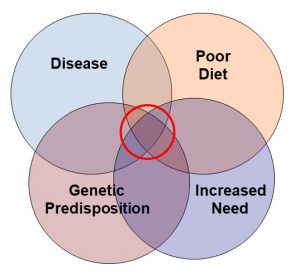
These studies are often quoted as showing omega-3 supplementation doesn’t work. However, they are actually showing the true value of supplementation. Omega-3 supplementation isn’t for everyone. It is for people with poor diet, increased need, genetic predisposition, and/or pre-existing disease not already treated with multiple medications.

2) Prospective cohort studies eliminate many of the shortcomings of RCTs. They can start with a large group of individuals (a cohort) and follow them for many years to see how many of them die or develop a disease during that time (this is the prospective part of a prospective cohort trial). This means they can start with a healthy population that is not on medications.

This also means that these studies can answer the question on most people’s minds, “Are omega-3s associated with reduced risk of dying or developing heart disease?” However, these studies have two limitations.

    • They are association studies. They cannot measure cause and effect.
    • Ideally, omega-3 levels would be measured at the beginning of the study and at several intervals during the study to see if the participant’s diet had changed during the study. Unfortunately, most prospective cohort studies only measure omega-3 levels at the beginning of the study.

3) Finally, a meta-analysis combines data from multiple clinical studies.

    • The strength of a meta-analysis is that the number of participants is quite large. This increases the statistical power and allows it to accurately assess small effects.
    • The greatest weakness of meta-analyses is that the design of the individual studies included in the meta-analysis is often quite different. This introduces variations that decrease the reliability of the meta-analysis. It becomes a situation of “Garbage in. Garbage out”

The study (WS Harris et al, Nature Communications, Volume 12, Article number: 2329, 2021) I am discussing today is a meta-analysis of prospective cohort studies. It was designed to determine the association between blood omega-3 fatty acids and the risk of:

  • Death from all causes.
  • Death from heart disease.
  • Death from cancer.
  • Death from causes other than heart disease or cancer.

More importantly, it eliminated the major weakness of previous meta-analyses by only including studies with a similar design.

How Was This Study Done?

Clinical StudyThis study was a meta-analysis of 17 prospective cohort studies with a total of 42,466 individuals looking at the association between omega-3 fatty acid levels in the blood and premature death due to all causes, heart disease, cancer, and causes other than heart disease and cancer.

Participants in the 17 studies were followed for an average of 16 years, during which time 15,720 deaths occurred. This was a large enough number of deaths so that a very precise statistical analysis of the data could be performed.

The average age of participants at entry into the studies was 65, and 55% of the participants were women. Whites constituted 87% of the participants, so the results may not be applicable to other ethnic groups. None of the participants had heart disease or cancer when they entered the study.

Finally, the associations were corrected for a long list of variables that could have influenced the outcome (Read the publication for more details).

A strength of this meta-analysis is that all 17 studies were conducted as part of the FORCE (Fatty Acids & Outcomes Research Consortium) collaboration. The FORCE collaboration was established with the goal of understanding the relationships between fatty acids (as measured by blood levels of the omega-3 fatty acids) on premature death and chronic disease outcomes (cardiovascular disease, cancer, and other conditions).

Each study was designed using a standardized protocol, so that the data could be easily pooled for a meta-analysis. In the words of the FORCE collaboration founders:

  1. The larger sample sizes of [meta-analyses] will substantially increase statistical power to investigate associations…enabling the [meta-analyses] to discover important relationships not discernible in any individual study.

2) Standardization of variable definitions and modeling of associations will reduce variation and potential bias in estimates across cohorts.

3) Results will be far less susceptible to publication bias.

Do Omega-3s Add Years To Your Life?

Omega-3sThe meta-analysis divided participants into quintiles based on blood omega-3 levels. When comparing participants with the highest omega-3 levels with participants with the lowest omega-3 levels:

  • Premature death from all causes was decreased by 16%.
    • When looking at the effect of individual omega-3s, EPA > EPA+DHA > DHA.
  • Premature death from heart disease was decreased by 19%.
    • When looking at the effect of individual omega-3s, DHA > EPA+DHA > EPA.
  • Premature death from cancer was decreased by 15%.
    • When looking at the effect of individual omega-3s, EPA > DHA > EPA+DHA.
  • Premature death from causes other than heart disease and cancer was decreased by 18%.
    • When looking at the effect of individual omega-3s, EPA > EPA+DHA > DHA.
  • The differences between the effects of EPA, DHA, and EPA+DHA were small.
  • ALA, a short chain omega-3 found in plant foods, had no effect on any of these parameters.

In the words of the authors: “These findings suggest that higher circulating levels of long chain omega-3 fatty acids are associated with a lower risk of premature death. Similar relationships were seen for death from heart disease, cancer, and causes other than heart disease and cancer. No associations were seen with the short chain omega-3, ALA [which is found in plant foods]”.

What Does This Study Mean For You?

confusionIf you are thinking that 15-19% decreases in premature death from various causes don’t sound like much, let me do some simple calculations for you. The average lifespan in this country is 78 years.

  • A 16% decrease in death from all causes amounts to an extra 12.5 years. What would you do with an extra 12.5 years?
  • A 19% decrease in death from heart disease might not only allow you to live longer, but it has the potential to improve your quality of life by living an extra 15 years free of heart disease.
  • Similarly, a 15% decrease in death from cancer might help you live an extra 12 years cancer-free.
  • In other words, you may live longer, and you may also live healthier longer, sometimes referred to as “healthspan”.

Don’t misunderstand me. Omega-3s are not a magic wand. They aren’t the fictional “Fountain of Youth”.

  • There are many other factors that go into a healthy lifestyle. If you sit on your couch all day eating Big Macs and drinking beer, you may be adding the +12.5 years to a baseline of -30 years.
  • Clinical studies report average values and none of us are average. Omega-3s will help some people more than others.

I will understand if you are skeptical. It seems like every time one study comes along and tells you that omega-3s are beneficial, another study comes along and tells you they are worthless.

This was an extraordinarily well-designed study, but it is unlikely to be the final word in the omega-3 controversy. There are too many poor-quality studies published each year. Until everyone in the field agrees to some common standards like those in the FORCE collaboration, the omega-3 controversy will continue.

The Bottom Line 

A recent meta-analysis looked at the association between omega-3 fatty acid levels in the blood and premature death due to all causes, heart disease, cancer, and causes other than heart disease and cancer.

The meta-analysis divided participants into quintiles based on blood omega-3 levels. When comparing participants with the highest omega-3 levels with participants with the lowest omega-3 levels:

  • Premature death from all causes was decreased by 16%.
  • Premature death from heart disease was decreased by 19%.
  • Premature death from cancer was decreased by 15%.
  • Premature death from causes other than heart disease and cancer was decreased by 18%.

In the words of the authors: “These findings suggest that higher circulating levels of long chain omega-3 fatty acids are associated with a lower risk of premature death. Similar relationships were seen for death from heart disease, cancer, and causes other than heart disease and cancer.”

For more details about study and what this study means for you read the article above.

These statements have not been evaluated by the Food and Drug Administration. This information is not intended to diagnose, treat, cure, or prevent any disease.



What Is An Anti-Inflammatory Diet?

Can Diet Douse The Flames?

Author: Dr. Stephen Chaney

InflammationIf you have arthritis, colitis, bursitis, or any of the other “itis” diseases, you already know that inflammation is the enemy. Chronic, low level inflammation is also a contributing factor to heart disease, cancer, and many other diseases. Clearly, inflammation is a bad actor. It is something we want to avoid.

Obesity and diabetes are two of the biggest contributors to inflammation, but does diet also play a role? With all the anti-inflammation diets circulating on the internet, you would certainly think so. How good is the evidence that certain foods influence inflammation, and what does an anti-inflammatory diet look like?

The Science Behind Anti-Inflammatory Diets

ScientistLet me start by saying that the science behind anti-inflammatory diets is nowhere near as strong as it is for the effect of primarily plant-based diets on heart disease and diabetes. The studies on anti-inflammatory diets are mostly small, short duration studies. However, the biggest problem is that there is no standard way of measuring inflammation.

There are multiple markers of inflammation, and they do not change together. That means that in every study some markers of inflammation are altered, while others are not. There is no consistent pattern from one study to another.

In spite of these methodological difficulties, the studies generally point in the same direction. Let’s start with the strongest evidence and work our way down to the weakest evidence. 

Omega-3 fats are anti-inflammatory (I. Reinders et al, European Journal of Clinical Nutrition, 66: 736-741, 2011). The evidence is strongest for the long chain omega-3s found in fish and fish oil, but the shorter chain omega-3s found in foods like walnuts, flaxseeds, chia seeds and flaxseed oil, soybean oil, and canola oil also appear to be anti-inflammatory. 

Inflammation is directly correlated with glycemic index (L. Qi and F.B. Lu, Current Opinion in Lipidology, 18: 3-8, 2007). This has a couple of important implications.

The most straightforward is that refined carbohydrates and sugars (sodas, pastries, and desserts), which have a high glycemic index, increase inflammation. In contrast, complex carbohydrates (whole grains, most fruits and vegetables) decrease inflammation. No surprise there. The second implication is that it is the glycemic index, not the sugar, that is driving the inflammatory response.

That means we need to look more closely at foods than at sugars. Sodas, pastries and desserts are likely to cause inflammation, but sugar-containing foods with a low glycemic index are unlikely to be inflammatory. 

Fruits and vegetables are anti-inflammatory. This has been shown in multiple studies. At this point most of the research is centered on identifying the nutrients and phytonutrients from fruits and vegetables that are responsible for the reduction in inflammation. I suspect the investigators are hoping to design an anti-inflammatory supplement and make lots of money. I will stick with the fresh fruits and vegetables. 

Saturated fats are inflammatory. At face value, the data on saturated fats appear to be contradictory. Some Fatty Foodsstudies say that saturated fats increase inflammation, while others say they do not. However, similar to my earlier discussion on saturated fats and heart disease), the outcome of the study depends on what the saturated fats are replaced with.

When saturated fats are replaced with refined carbohydrates, sugar and highly processed foods (the standard American low-fat diet), inflammation doesn’t change. This doesn’t mean that a diet high in saturated fat is healthy. It just means that both diets are bad for you. Both are inflammatory.

However, when saturated fat is replaced with omega-3 polyunsaturated fats (J.A. Paniagua et al, Atherosclerosis, 218: 443-450, 2011) or monounsaturated fats (B. Vessby et al, Diabetologia, 44: 312-319, 2001), markers of inflammation decrease. Clearly, saturated fats are not the best fat choice if you wish to keep inflammation in check.

I would be remiss if I did not address the claims by the low-carb diet proponents that saturated fats do not increase inflammation in the context of a low-carb diet. I want to remind you of two things we have discussed previously:

  • The comparisons in those studies are generally with people consuming a diet high in simple carbohydrates and sugars.
  • These studies have mostly been done in the short-term when the participants are losing weight on the low-carb diets. Weight loss decreases inflammation, so the reduction in inflammation on the low-carb diet could be coming from the weight loss.

The one study (M. Miller et al, Journal of the American Dietetic Association, 109: 713-717, 2009) I have found that compares a low-carb diet (the Atkins diet) with a good diet (the Ornish diet, which is a low-fat, lacto-ovo vegetarian diet) during weight maintenance found that the meat based, low-carb Atkins diet caused greater inflammation than the healthy low-fat Ornish diet.

Red meat is probably pro-inflammatory. Most, but not all, studies suggest that red meat consumption is associated with increased inflammation. If it is pro-inflammatory, the inflammation is most likely associated with its saturated fat, its heme iron content, or the advanced glycation end products formed during cooking.

What Is An Anti-Inflammatory Diet?

Colorful fruits and vegetablesAnti-inflammatory diets have become so mainstream that they now appear on many reputable health organization websites such as Harvard Health, WebMD, the Mayo Clinic, and the Cleveland Clinic. Each have slightly different features, but there is a tremendous amount of agreement. 

Foods an anti-inflammatory diet includes: In a nutshell, an anti-inflammatory diet includes fruits and vegetables, whole grains, plant-based proteins (like beans and nuts), fatty fish, and fresh herbs and spices. Specifically, your diet should emphasize:

  • Colorful fruits and vegetables. Not only do they help fight inflammation, but they are a great source of antioxidants and other nutrients important for your health.
  • Whole grains. They have a low glycemic index. They are also a good source of fiber, and fiber helps flush inflammatory toxins out of the body.
  • Beans and other legumes. They should be your primary source of protein. They are high in fiber and contain antioxidants and other anti-inflammatory nutrients.
  • Nuts, olive oil, and avocados. They are good sources of healthy monounsaturated fats, which fight inflammation.
  • Fatty fish. Salmon, tuna, and sardines are all great sources of long chain omega-3 fatty acids, which are fish and fish oilincorporated into our cell membranes. Those long chain omega-3s in cell membranes are, in turn, used to create compounds that are powerful inflammation fighters.

Walnuts, flaxseeds, and chia seeds are good sources of short chain omega-3s. The efficiency of their conversion to long chain omega-3s that can be incorporated into cell membranes is only around 2-5%. If they fight inflammation, it is probably because they replace some of the saturated fats and omega-6 fats you might otherwise be eating.

  • Herbs and spices. They add antioxidants and other phytonutrients that fight inflammation.

Foods an anti-inflammatory diet excludes: In a nutshell, an anti-inflammatory diet should exclude highly processed, overly greasy, or super sweet foods, especially sodas and other sweet drinks. Specifically, your diet should exclude:

  • Refined carbohydrates, sodas and sugary foods. They have a high glycemic index, which is associated with inflammation. They can also lead to weight gain and high blood sugar, both of which cause inflammation.
  • Foods high in saturated fats. This includes fatty and processed meats, butter, and high fat dairy products.
  • Foods high in trans fats. This includes margarine, coffee creamers, and any processed food containing partly hydrogenated vegetable oils. Trans fats are very pro-inflammatory.
  • French fries, fried chicken, and other fried foods. They used to be fried in saturated fat and/or trans fat. Nowadays, they are generally fried in omega-6 vegetable oils. A little omega-6 in the diet is OK, but Americans get too much omega-6 fatty acids in their diet. Most studies show that a high ratio of omega-6 to omega-3 fatty acids is pro-inflammatory.
  • Foods you are allergic or sensitive to. Eating any food that you are sensitive to can cause inflammation. This comes up most often with respect to gluten and dairy because so many people are sensitive to one or both. However, if you are not sensitive to them, there is no reason to exclude whole grain gluten-containing foods or low-fat dairy foods from your diet.

Can Diet Douse The Flames?

FlamesIn case you didn’t notice, the recommendations for an anti-inflammatory diet closely match the other healthy diets I have discussed previously. It should come as no surprise then that both the Mediterranean (L. Gallard, Nutrition in Clinical Practice, 25: 634-640, 2010; L. Schwingshackl and G. Hoffmann, Nutrition Metabolism and Cardiovascular Diseases, 24: 929-939, 2014) and DASH (D.E. King et al, Archives of Internal Medicine, 167: 502-506, 2007) diets are anti-inflammatory.

Vegan and vegetarian diets also appear to be anti-inflammatory as well. The anti-inflammatory nature of these diets undoubtedly contributes to their association with a lower risk of heart disease, diabetes, and cancer.

As for the low-carb diets, the jury is out. There are no long-term studies to support the claims of low-carb proponents that their diets reduce inflammation. The few long-term studies that are available suggest that low-carb diets are only likely to be anti-inflammatory if vegetable proteins and oils replace the animal proteins and fats that are currently recommended.

What does this mean for you if you have severe arthritis or other inflammatory diseases? An anti-inflammatory diet is unlikely to “cure” your symptoms by itself. However, it should definitely be a companion to everything else you are doing to reduce inflammation.

The Bottom Line 

If you have arthritis, colitis, bursitis, or any of the other “itis” diseases, you already know that inflammation is the enemy. Chronic, low level inflammation is also a contributing factor to heart disease, cancer, and many other diseases. Clearly, inflammation is a bad actor. It’s something we want to avoid.

Obesity and diabetes are two of the biggest contributors to inflammation, but does diet also play a role? With all the anti-inflammation diets circulating on the internet, you would certainly think so. In this article I review the evidence that certain foods influence inflammation and describe what an anti-inflammatory diet looks like.

For more details read the article above.

These statements have not been evaluated by the Food and Drug Administration. This information is not intended to diagnose, treat, cure, or prevent any disease.

Do Omega-3s Oil Your Joints?

Fish Oil And Osteoarthritis

Author: Dr. Stephen Chaney

Osteoarthritis is not just painful. It is one of the leading causes of disability in this country. And because the joint pain associated with osteoarthritis limits activity levels, it is linked to:

  • Obesity
  • The diseases associated with obesity (diabetes and heart disease).
    • Osteoarthritis increases the risk of heart disease by 50%.
  • Premature death associated with the increased prevalence of obesity, diabetes, and heart disease.
    • Osteoarthritis increases the risk of all-cause mortality by 55%.

If osteoarthritis were rare, these statistics would just be an interesting side note. But osteoarthritis is the most common form of arthritis. It affects more than 32 million Americans. And it is costly. It costs the American economy:

  • $65 billion in health care costs.
  • $17 billion in lost wages.
  • $136 billion in total costs.

Conventional therapy for osteoarthritis is treatment with anti-inflammatory drugs, but they have side effects. They may even increase the risk of premature death in some individuals.

What about natural anti-inflammatory nutrients and phytonutrients? Two that have received a lot of press in recent years are omega-3s (fish oil) and curcumin.

A recent meta-analysis (NK Senftleber et al, Nutrients, 9: 42, 2017) of 42 clinical studies on the effects of omega-3s on various types of arthritis found that:

  • There is moderate quality evidence that omega-3s reduce the pain associated with rheumatoid arthritis. Basically, this means that there is strong, but not definitive, evidence that omega-3s reduce the pain of rheumatoid arthritis. Other general conclusions with respect to rheumatoid arthritis were:
    • The best results were obtained from fish oil preparations with an EPA/DHA ratio of >1.5, suggesting that EPA is more beneficial than DHA.
    • Early studies suggested that the optimal dose of omega-3s was ≥2.6 g/day for ≥12 weeks.
  • There was low quality evidence for an effect of omega-3s on osteoarthritis. Only 5 clinical trials have been published on the topic and the results of those studies are conflicting.

The data for an effect of curcumin on osteoarthritis pain are even more limited. There is some evidence it might be beneficial, but the studies are small and are conflicting.

In this week’s issue of “Health Tips From the Professor” I discuss an exploratory study (JC Kuszewski et al, Rheumatology Advances In Practice 4: 1-9, 2020) on the effect of omega-3s and curcumin on osteoarthritis pain.

How Was The Study Done?

Clinical StudyYou are probably wondering, “What is an “exploratory study?” Let me start by providing you with a little perspective from my years of heading a cancer research laboratory at the University of North Carolina:

Clinical studies are expensive. And if you are trying to study an approach that has not already proven to be successful, the money needed to fund the study can be hard to come by. It is a “Catch 22” situation. You need to conduct an “exploratory study” to show your project is likely to succeed before the funding agency will give you money to fund your project.

But where do you get the money to fund your exploratory project? One way that investigators overcome that barrier is to use data from a previous study that was originally designed for a different purpose. The study I will describe today is an example of that approach.

The study utilized data collected from a clinical trial designed to measure the effect of omega-3s and curcumin on brain function in older adults. The study recruited 152 older adults (average age = 65) who were overweight to obese (average BMI = 31) and sedentary (˂55 min/week of physical activity) from New South Wales, New Australia.

The participants were randomly divided into 4 groups:

  • Placebo group. [Note: The fish oil placebo contained 20 mg of fish oil so it would match the odor of the fish oil supplement, and the curcumin placebo contained yellow food dye so it would match the color of the curcumin supplement.]
  • Fish oil group (2,000 mg DHA & 400 mg EPA per day).
  • Curcumin group (160 mg/day curcumin).
  • Fish oil + curcumin group.

Participants were followed for 16 weeks. At the beginning and end of the study participants filled out questionnaires assessing (among other things):

  • The severity of their chronic osteoarthritis pain.
  • Disabilities caused by osteoarthritis in the participant’s daily life (physical distress, sleep disturbances, psychological distress, loss of productivity, physical limitations, physical deconditioning due to reduction in physical activity, and financial hardship).
  • Their physical and mental wellbeing during the past 4 weeks.
  • Their mood during the past 7 days.

Do Omega-3s Oil Your Joints?

fish and fish oilThe results were as follows:

  • Omega-3 supplementation reduced chronic osteoarthritis pain by 42%.
  • Omega-3 supplementation reduced disability associated with osteoarthritis by 40%.
    • The reduction in pain and disability in participants supplemented with fish oil was greatest in those who reported the highest pain/disability at the beginning of the study.
    • The reduction in pain was associated with an improved perception of physical and mental wellbeing.
    • The reduction in pain was also associated with a decrease in depression and other mood disturbances.
  • Curcumin did not affect pain or osteoarthritis burden either alone or paired with omega-3s.

The authors concluded, “Our findings indicate potential for fish oil supplementation to reduce mild osteoarthritis pain and burden in sedentary overweight/obese older adults…,which was associated with improved wellbeing.”

What Are The Pros And Cons Of This Study?

pros and consPros:

The results for the effects of omega-3s on osteoarthritis were highly significant. In addition, the questionnaires used were well designed to capture the intensity and location of pain, mood, and feelings of wellbeing.

Cons:

This was an exploratory study using data collected from a study designed to measure the effect of omega-3s and curcumin on brain health in older adults. It was not ideally designed to measure the effect of omega-3s and curcumin on osteoarthritis.

If the original study had been intended for investigating the effect of these supplements on osteoarthritis, it would have been designed differently:

  • Participants would have been recruited into the study based on the presence and intensity of osteoarthritis pain.
  • The diagnosis of osteoarthritis would have been confirmed by X-rays.
  • Participants would have been admitted into the study only if they had moderate to severe osteoarthritis pain. Most of the participants in this study had only mild osteoarthritis pain. That may have limited the ability of this study to find an effect of curcumin on osteoarthritis pain.
  • The design of the omega-3 supplement would have been different.
    • Because the original study was designed to determine the effect of omega-3s on brain health, the omega-3 supplement chosen had more DHA than EPA.
    • Had the study been designed to determine the effect on omega-3s on an inflammatory disease like osteoarthritis, the omega-3 supplement would have had more EPA than DHA.
  • The curcumin supplement was also not ideally designed for this study. The curcumin supplement used in this study contained only 160 mg of curcumin and contained no other ingredients. Well-designed curcumin supplements usually contain around 500 mg curcumin standardized to 95% curcuminoids plus piperine to enhance the absorption of the curcumin.

In the words of the authors, “Further studies are warranted to evaluate the benefits of fish oil, alone or as an adjunct to pharmacotherapy, in patients diagnosed with osteoarthritis who suffer moderate-to-severe pain…” In other words, they now intend to use the data from this exploratory study to apply for funds to conduct a larger study specifically designed to measure the effects of omega-3s on osteoarthritis pain.

The study limitations described above, severely restricted the ability of the study to detect any beneficial effect of curcumin on osteoarthritis pain. The effect of curcumin on osteoarthritis pain is probably less than the effect of omega-3s, but it would be premature to conclude that it has no benefit. However, they obtained no data from their “exploratory study” to justify a follow-up study on the effect of curcumin on osteoarthritis pain.

Fish Oil And Osteoarthritis

omega-3 fish oil supplementThis study suggests that 2.4 grams/day of omega-3s may be equally effective at reducing osteoarthritis pain and the effects that osteoarthritis pain has on both physical health and psychological health. However, because this study has several limitations, the evidence cannot be considered definite.

If you have either rheumatoid or osteoarthritis, I recommend trying omega-3 supplementation. Based on the studies described above, you might want to aim for 2-3 g/day of omega-3s with an EPA/DHA ration of 1.5 or greater.

As with any natural approach, this will work better for some people that for others. However, don’t forget that omega-3s are also important for heart health, healthy blood pressure, brain health, and a healthy pregnancy (https://www.chaneyhealth.com/healthtips/omega-3s-during-pregnancy-are-healthy/). If they also happen to reduce your arthritis pain, that is an extra benefit.

As usual, I recommend a holistic approach. You should also:

  • Keep active.
  • Aim for a healthy weight.
  • Add antioxidant and polyphenol supplements.

These lifestyle changes should allow you to reduce or eliminate any pain medication you may be taking.

Finally, if you are on blood thinners, consult with your physician before adding omega-3 supplements to your diet. My preference is to incorporate omega-3s and reduce other medications, but that is a discussion you need to have with your doctor.

The Bottom Line

A recent meta-analysis has concluded there is moderate quality evidence that omega-3s reduce the pain associated with rheumatoid arthritis. Basically, this means that there is strong, but not definitive, evidence that omega-3s reduce the pain of rheumatoid arthritis. Other general conclusions with respect to rheumatoid arthritis were:

  • The best results were obtained from fish oil preparations with an EPA/DHA ratio of >1.5, suggesting that EPA is more beneficial than DHA.
  • Earlier studies suggested that the optimal dose of omega-3s was ≥2.6 g/day for ≥12 weeks.

However, there have been few studies on the effect of omega-3s on osteoarthritis. A new exploratory study looked at the effect of 2.4 g/day of omega-3s for 16 weeks on the pain and disability associated with osteoarthritis. It found:

  • Omega-3 supplementation reduced chronic osteoarthritis pain by 42%.
  • Omega-3 supplementation reduced disability associated with osteoarthritis by 40%.
    • The reduction in pain and disability in participants supplemented with fish oil was greatest in those who reported the highest pain/disability at the beginning of the study.
    • The reduction in pain was associated with an improved perception of physical and mental wellbeing.
    • The reduction in pain was also associated with a decrease in depression and other mood disturbances.

The authors concluded, “Our findings indicate potential for fish oil supplementation to reduce mild osteoarthritis pain and burden in sedentary overweight/obese older adults. Further studies are warranted to evaluate the benefits of fish oil, alone or as an adjunct to pharmacotherapy, in patients diagnosed with osteoarthritis who suffer moderate-to-severe pain…”

If you have either rheumatoid or osteoarthritis, I recommend trying omega-3 supplementation. Based on the studies described above, you might want to aim for 2-3 g/day of omega-3s with an EPA/DHA ration of 1.5 or greater.

As with any natural approach, this will work better for some people that for others. However, don’t forget that omega-3s are also important for heart health, healthy blood pressure, brain health, and a healthy pregnancy. If they also happen to reduce your arthritis pain, that is an extra benefit.

As usual, I recommend a holistic approach. You should also:

  • Follow an anti-inflammatory diet.
  • Keep active.
  • Aim for a healthy weight.
  • Add antioxidant and polyphenol supplements.

These lifestyle changes should allow you to reduce or eliminate any pain medication you may be taking.

Finally, if you are on blood thinners, consult with your physician before adding omega-3 supplements to your diet. My preference is to incorporate omega-3s and reduce other medications, but that is a discussion you need to have with your doctor.

For more details read the article above.

These statements have not been evaluated by the Food and Drug Administration. This information is not intended to diagnose, treat, cure, or prevent any disease.

How Much DHA Is Needed To Prevent Alzheimer’s

What Are We Missing?

Cognitive-DeclineWe are an aging population. As such, issues like cognitive decline, dementia, and Alzheimer’s Disease are of increasing concern. After all, what is the good of reaching your “Golden Years” with a healthy body if you lose your mind?

The ability of the omega-3 fatty acids DHA and EPA to reduce the risk of cognitive decline, dementia, and Alzheimer’s Disease is controversial. Some studies say yes. Others say no.

When studies are conflicting most experts simply conclude the treatment is unproven. I am sympathetic to that viewpoint, but I first like to ask the questions: “Why are the studies conflicting? What are we missing?”

I start by evaluating the strengths and weaknesses of the individual studies.

  • If the studies claiming the treatment works are weak, I am content to “join the chorus” and consider the treatment unproven.
  • If the studies claiming the treatment doesn’t work are weak, I am a strong advocate for more well-designed studies before we conclude that the treatment doesn’t work.
  • If both the “pro” and “con” studies are strong, I want to ask, “What are we missing?”

This is the situation with studies asking whether DHA reduces the risk of Alzheimer’s Disease and other forms of cognitive decline as we age.

  • Association studies show that greater intake and higher blood levels of the omega-3 fatty acids EPA and DHA are associated with lower risk of Alzheimer’s Disease.
  • However, most placebo-controlled clinical trials with either DHA alone or DHA + EPA have come up negative. Of course, one can always argue that most of the placebo-controlled clinical trials were too short or too small to show a statistically significant effect. But, my question remains, “What else are we missing?”

One recent study has provided an interesting clue. The authors of the study postulated that B vitamins were required to deliver omega-3 fatty acids to the brain, and their study showed that omega-3 fatty acids were only effective at decreasing the risk of cognitive decline in subjects who also had optimal B vitamin status.

In other words, this study suggested that studies on the effect of omega-3 supplementation and risk of developing Alzheimer’s are doomed to failure if a significant percentage of the subjects have sub-optimal B vitamin status.

The authors of the current study ( IC Arellanes et al, EBioMedicine, doi.org/10.1016/j.ebiom.2020.102883) proposed two additional hypotheses for the negative results of previous clinical trials and designed an experiment to test their hypotheses. Their hypotheses were:

  • Uptake of DHA and EPA by the brain is very inefficient, and previous studies have not used sufficient doses of DHA or DHA plus EPA to see a significant effect on cognitive impairment.
  • The APOE4 gene further decreases the uptake of DHA and EPA by the brain.

Before I describe how the study was done, I should probably provide some context by describing how DHA and EPA reach the brain and the role of the apoE protein in the process. It’s time for my favorite topic: “Biochemistry 101”.

Biochemistry 101: What Does The ApoE Protein Do?

ProfessorIf you have ever tried to mix oil and water, it should come as no surprise to you that fats, including DHA and EPA, and cholesterol are not water soluble. That leaves our bodies with a dilemma. How do they get the fat and cholesterol we eat to pass through our bloodstream and get to our cells, where they are needed?

Our body’s solution is to incorporate the fat and cholesterol into particles called lipoproteins. Lipoprotein particles sequester the fat and cholesterol in their interior and surround them with water soluble phospholipids and proteins. Lipoproteins allow our bodies to transport fat and cholesterol through our bloodstream to the tissues that need them.

The next question, of course, is how the lipoproteins know which cells need the fat and cholesterol. This is where apoproteins like apoE come into play. We can think of the apoE protein as a zip code that directs lipoproteins to cells with an apoE receptor.

Our nervous system contains lots of apoE receptors, and binding of the apoE protein to its receptor is instrumental in the delivery of DHA, EPA, and cholesterol to our nervous system.

DHA and cholesterol are both important for brain health. That is because they are major components of the myelin sheath that wraps around our neurons and protects them. EPA may also be important for brain health because its anti-inflammatory effects are thought to prevent the accumulation of the amyloid plaques that are the hallmark of late-onset Alzheimer’s Disease.

There are three major versions of the APOE gene, APOE2, APOE3, and APOE4. Each of them plays slightly different roles in our body. However, it is the APOE4 version that is of interest to us. About 25% of us have the APOE4 version of the APOE gene and it increases our risk of developing Alzheimer’s Disease by a factor of two.

We do not know why this is, but one hypothesis is that lipoproteins with the apoE4 protein have more difficultly delivering much needed DHA, EPA, and cholesterol to the brain. This is one of the hypotheses that the authors set out to study.

How Was The Study Done?

Clinical StudyThere are two things you should know about this study.

  • This was a pilot study designed to test the author’s hypotheses and allow them to choose the correct dose of DHA to use for a subsequent study designed to test whether high-dose DHA can reduce the risk of developing Alzheimer’s Disease.
  • This was a very small study. That’s because the only way to determine how much DHA and EPA reaches the nervous tissue is to perform a lumbar puncture and obtain cerebrospinal fluid at baseline and again at the end of the study. Lumbar punctures are both painful and a bit risky. They were lucky to find 26 individuals who consented to the lumbar punctures.

This was a double-blind, placebo controlled clinical study.

  • Half the subjects were given 2,152 mg/day of DHA for 6 months, and half were given a daily placebo consisting of corn and soybean oil for 6 months.
  • Because previous studies have suggested that B vitamins were important for DHA and EPA uptake by nervous tissue, all subjects received a B vitamin supplement.
  • Levels of DHA and EPA were measured in both plasma and cerebrospinal fluid at baseline and again at the end of 6 months. Note: The subjects were only supplemented with DHA. The investigators were relying on the body’s ability to convert DHA into EPA.
  • All subjects were screened for APOE4

Other important characteristics of the study subjects were:

  • Average age was 69. They were 80% female.
  • All of them had a close family member who had previously been diagnosed with dementia, but none of them had been diagnosed with cognitive impairment at the time of entry into the study.
  • Around 45% of them had the APOE4 version of the APOE.

In other words, none of them currently had dementia, but most were at high risk of developing dementia.

How Much DHA Is Needed To Prevent Alzheimer’s?

fish and fish oilAfter 6 months of supplementing with over 2,000 mg/day of DHA:

  • DHA levels in the blood had increased by 200%.
  • However, DHA levels in cerebrospinal fluid had increased by only 28%.
  • Moreover, DHA levels in cerebrospinal fluid were 40% lower in subjects who had the APOE4 gene compared to subjects with the APOE2 and APOE3

EPA levels in cerebrospinal fluid averaged about 15-fold lower than DHA levels. When they looked at the effect of DHA supplementation on EPA levels.

  • EPA levels in plasma had increased by 50%.
  • EPA levels in cerebrospinal fluid had increased by 43%.
  • EPA levels in cerebrospinal fluid were 3-fold lower in subjects who had the APOE4 gene compared to subjects with the APOE2 and APOE3

The authors concluded:

“We observed only a modest (28%) increase in cerebrospinal fluid DHA levels with 2152 mg per day of DHA supplementation. This finding has implications for past clinical trials that have used lower doses (e.g. 1 g daily of DHA supplements or less) and were overwhelmingly negative. Using lower doses of omega-3 supplements may have resulted in limited omega-3 brain delivery.”

“Another aspect affecting the response to DHA supplementation is APOE4 status. Subjects with the APOE4 gene showed lower DHA levels and significantly lower EPA levels than subjects with other APOE genes”.

“In summary, our study suggests that higher doses of omega-3 fatty acids (2 or more g of DHA) are needed to ensure adequate brain delivery, particularly in APOE4 carriers…Past low dose (1 g per day or less) omega-3 supplementation trials in dementia prevention may not have provided adequate brain levels to fully evaluate the efficacy of omega-3 supplementation on cognitive outcomes.”

Based on the results from this study the authors are currently testing the effect of B vitamins and high dose DHA supplementation on cerebrospinal fluid fatty acid levels, brain imaging, and cognitive outcomes in a larger ongoing clinical trial.

What Does This Study Mean For You?

Questioning ManThe ability of the omega-3 fatty acids DHA and EPA to reduce the risk of cognitive decline, dementia, and Alzheimer’s Disease is confusing. Studies disagree.

In situations like this, most experts dismiss the hypothesis as “unproven”. However, I like to ask, “What are we missing?”

One recent study provided a clue. It suggested that omega-3s and B vitamins were interdependent. We need both to reduce cognitive decline. However, that might not be the complete answer.

This study gave both DHA and B vitamins to subjects and discovered another interesting clue. The study suggests we may not have been giving subjects enough omega-3s to see a significant effect on cognitive decline.

Let me start by saying this study did not test whether or not DHA supplementation prevents cognitive decline, dementia, and Alzheimer’s Disease. Nor does it tell us how much DHA is needed to prevent Alzheimer’s Disease, other than to show that anything less than 2 g per day is likely to be inadequate. 

However, the study did make two important advances:

#1: It showed just how difficult it is to deliver adequate amounts of DHA and EPA to the brain. This is important because it shows:

  • Most previous studies have not used high enough doses of DHA or DHA plus EPA to evaluate the effect of omega-3 fatty acids on cognitive decline. Those studies were not simply negative. They were doomed to failure. The studies were worthless.
  • That means we should stop saying that the ability of omega-3s to prevent cognitive decline and diseases like Alzheimer’s is unproven. Instead, we should say that hypothesis has not adequately been tested.
  • That also means future studies of the ability of DHA to reduce the risk of cognitive decline, dementia, and/or Alzheimer’s will need to use much higher doses or a better delivery system to get adequate amounts of DHA and EPA into the brain.

#2: It showed that the APOE4 gene significantly decreases the ability of the brain to accumulate DHA and EPA. This has several important implications.

  • Because both DHA and EPA are vital for brain health, this may explain why the APOE4 gene increases the risk of Alzheimer’s Disease.
  • It also means those at highest risk for Alzheimer’s Disease are the ones who are most likely to have difficulties accumulating DHA and EPA in their brain.
  • Once again, it means future studies of the ability of supplemental DHA to reduce the risk of Alzheimer’s Disease will need to use much higher doses of DHA.

The Bottom Line

We are an aging population. As such, issues like cognitive decline, dementia, and Alzheimer’s Disease are of increasing concern. After all, what is the good of reaching your “Golden Years” with a healthy body if you lose your mind?

The ability of the omega-3 fatty acids DHA and EPA to reduce the risk of cognitive decline, dementia, and Alzheimer’s Disease is controversial.

  • Association studies show that greater intake and higher blood levels of the omega-3 fatty acids EPA and DHA are associated with lower risk of Alzheimer’s Disease.
  • However, most placebo-controlled clinical trials with either DHA alone or DHA + EPA have come up negative.

In situations like this, most experts dismiss the hypothesis as “unproven”. However, I like to ask, “What are we missing?”

One recent study provided a clue. It suggested that omega-3s and B vitamins were interdependent. We need optimal amounts of both to reduce dementia. However, that might not be the complete answer.

This study gave both DHA and B vitamins to participants and discovered another interesting clue. The study suggests we may not have been giving subjects enough omega-3s to see a significant effect on cognitive decline.

The authors of the study hypothesized:

  • Uptake of DHA and EPA by the brain is very inefficient, and previous studies have not used sufficient doses of DHA or DHA plus EPA to see a significant effect on cognitive impairment.
  • The APOE4 gene, which is known to increase the risk of Alzheimer’s Disease, further decreases the uptake of DHA and EPA by the brain.

Their study confirmed their hypotheses and made two important advancements:

#1: It showed just how difficult it is to deliver adequate amounts of DHA and EPA to the brain. This is important because it shows:

  • Most previous studies have not used high enough doses of DHA or DHA plus EPA to evaluate the effect of omega-3 fatty acids on cognitive decline. Those studies were not simply negative. They were doomed to failure. The studies were worthless.
  • That means we should stop saying that the ability of omega-3s to prevent cognitive decline and diseases like Alzheimer’s is unproven. Instead, we should say that hypothesis has not adequately been tested.
  • That also means future studies of the ability of DHA to reduce the risk of cognitive decline, dementia, and/or Alzheimer’s will need to use much higher doses or a better delivery system to get adequate amounts of DHA and EPA into the brain.

#2: It showed that the APOE4 gene significantly decreases the ability of the brain to accumulate DHA and EPA. This has several important implications.

  • Because both DHA and EPA are vital for brain health, this may explain why the APOE4 gene increases the risk of Alzheimer’s Disease.
  • It also means those at highest risk for Alzheimer’s Disease are the ones who are most likely to have difficulties accumulating DHA and EPA in their brain.
  • Once again, it means future studies of the ability of supplemental DHA to reduce the risk of Alzheimer’s Disease will need to use much higher doses of DHA.

Based on the results from this study the authors are currently testing the effect of B vitamins and high dose DHA supplementation on DHA and EPA levels in the brain, brain imaging, and cognitive outcomes in a larger ongoing clinical trial.

For more details, read the article above. For a better understanding of the roles of DHA, EPA, and the APOE gene in brain health, you may want to read my “Biochemistry 101” section above.

These statements have not been evaluated by the Food and Drug Administration. This information is not intended to diagnose, treat, cure, or prevent any disease.

 

Preparing For The New Normal

Can Supplements Strengthen My Immune System?

COVID-19The United States and the rest of the world are facing the biggest challenge of our lifetimes. COVID-19 has killed hundreds of thousands of people and decimated economies around the world.

As of the publication date of this article we have no vaccine and only one treatment option that appears to be about 30% effective in a preliminary clinical trial. People are scared.

The question I get asked most often is: “Can supplements protect me from COVID-19”. That’s not a question I can answer with confidence. The few studies we have are small and preliminary. Plus, there is too much we still do not know about COVID-19.

However, there are studies about how diet and supplements affect the immune system. I can answer the question, “Can Supplements Strengthen My Immune System”, with confidence. That will be the focus of this article.

However, before covering that, let me take an objective look at what our “New Normal” will be like and how we can prepare for it.

Preparing For The New Normal

ProfessorAs a scientist I am appalled by the divisive and hyper-partisan arguments about how we should be handling the COVID-19 pandemic. This is a time when our country should be united against a common enemy. Instead I see myths and lies propagated on both sides of this important issue.

The press only magnifies the problem by repeating the myths without fact checking. Whether they are on the left or the right, the media only repeats myths that fit their narrative. As a result, people like you are confused and scared.

Let me try to give you a more objective and scientific view of what the “New Normal” will look like, and how we can prepare for it.

Let’s start with one of the biggest arguments over the past few weeks – when should we reopen our country. This argument is based on the myth that if we wait long enough, the virus will be gone, and life can return to normal.

Nothing could be further from the truth. In reality viruses don’t work that way. They continue to circulate through the population at low levels. Whenever we emerge from our homes and resume our daily lives, the virus will be lurking. There will be flare-ups. There will be hot spots. There will be deaths. And the press will report every one.

So, the question should not be when we emerge. It should be how we emerge. We should emerge cautiously. We should continue to take appropriate precautions. These precautions will become our “New Normal” until we have an effective vaccine. By now, you probably have the CDC precautions memorized, but let me repeat them here:

  • If you are sick, stay home until you recover. If your symptoms worsen, contact your doctor right away.
  • If you are exposed, get tested right away and self-quarantine for 14 days if you test positive.
  • When you go out, wear a face mask and practice social distancing. When you get home, wash your hands in soap and water for 20”.
  • For now, we will need to avoid the customary handshake (and if you are from the South like me, the customary hug).
  • If you are very old or very sick, you should stay home as much as possible. If you have a loved one in this category, you should do everything in your power to protect them from exposure.
  • The guideline that is hardest to project into the future is the one on crowd size. It is hard to predict what the CDC will recommend about crowd size as part of our “New Normal” a few months from now. However, because this virus is extremely contagious, it may be risky to attend any gatherings where there are large, tightly packed crowds for the foreseeable future. This could include some of our favorite things – like movies, live theater, night clubs, and sporting events.Myth Versus Facts

Finally, there is another big myth, namely that the virus will simply disappear once we have a vaccine. Vaccines reduce your risk of exposure because fewer people are carriers of the virus. However, coronaviruses never disappear. They continue to circulate in the population for decades.

Even after we have a vaccine, people will still get sick from COVID-19. People will still die from COVID-19. The difference is that we will no longer hear about COVID-19 cases and deaths on the nightly news. Those cases and deaths will just become part of the statistics that the CDC collects on flu-like illnesses each year – and everyone ignores.

Now that I have discussed what the “New Normal” will look like and summarized the CDC guidelines for reducing your exposure to COVID-19 as the lockdown eases, let me add another guideline of my own:

  • Keep your immune system as strong as possible.

Why Is Keeping Your Immune System Strong Important?

strong immune systemIt is no secret that the media likes to focus on bad news. It is the bad news that draws people in and keeps them coming back for more.

Pandemics are no different. It doesn’t matter whether we are talking about the Spanish flu, SARS, MERS, or COVID-19. We focus on cases and deaths – the bad news. We ignore the good news – there are millions of people who were infected and had no symptoms.

However, if you have been listening closely to what the experts have been saying rather than relying on the media for your information, the good news is obvious.

  • 80-85% of people who have tested positive for COVID-19 have mild or moderate symptoms. Their symptoms are no worse than they experience with the seasonal flu.
  • Preliminary antibody tests suggest that the number of people infected with COVID-19 who experience no symptoms may be 10 to 40 times higher than reported cases.
  • The experts say that the difference is a strong immune system. They tell us that it is people with weakened immune systems that suffer and die from COVID-19.

So, how do you keep your immune system strong? Let’s start by looking at the role of supplementation.

Can Supplements Strengthen My Immune System?

MultivitaminsThose of you who follow me know that I consider supplementation as just one aspect of a holistic approach to health. However, I am starting with supplements because the question I am often asked these days is: “Can supplements protect me from COVID-19”.

As I said at the beginning of this article, that is not a question I can answer with confidence. Instead, the question you should be asking is, “Can Supplements Strengthen My Immune System?”

As I mentioned above, the experts are telling us that it is people with weakened immune systems who suffer and die from COVID-19. That means it is important to keep our immune system as strong as possible.

How do we do that? Here is what an international group of experts said in a recent review (PC Calder et al, Nutrients, 12, 1181-1200, 2020).

1) “A wealth of mechanistic and clinical data show that vitamins A, B6, B12, C, D, E, and folate; trace elements zinc, iron, selenium, magnesium, and copper; and omega-3 fatty acids EPA and DHA play important and complementary roles in supporting the immune system.”

2) “Inadequate intake and status of these nutrients are widespread, leading to a decrease in resistance to infections, and an increase in disease burden.”

They then made the following recommendations:

1) Supplementation with the above micronutrients and omega-3 fatty acids is a safe, effective, and low-cost strategy to help support optimal immune function.

    • They recommended 100% of the RDA for vitamins A, B6, B12, C, D, E, and folate and minerals zinc, iron, selenium, magnesium, and copper in addition to the consumption of a well-balanced diet.
    • They recommended 250 mg/day of EPA + DHA.

2) Supplementation above the RDA for vitamins C and D is warranted.

    • They recommend 200 mg/day of vitamin C for healthy individuals and 1-2 g/day for individuals who are sick.
    • They recommend 2000 IU/day (50 ug/day) for vitamin D.

3) Public health officials are encouraged to include nutritional strategies in their recommendations to improve public health.

Their recommendations could be met by a multivitamin that provides all the micronutrients they recommend, an omega-3 supplement, and extra vitamins C and D.

What Else Should I Do To Strengthen My Immune System?

healthy foodsAs I said above, supplementation is only one part of a holistic approach to a strong immune system. Here are the other components of a holistic approach:

1) It starts with a healthy diet.

    • Eat foods from all 5 food groups.
    • Eat plenty of fruits and vegetables. They provide antioxidants and phytonutrients that are important for our immune system.
    • Eat plenty of high fiber foods. Include whole grains and beans in addition to fruits and vegetables. That’s because the friendly gut bacteria that strengthen our immune system need a variety of fibers from different food sources to feed on.
    • Eat oily fish on a regular basis.
    • Avoid sodas, sugary foods, and highly processed foods.
    • Avoid high fat diets

2) Get adequate sleep. For most of us, that means 7-8 hours of sleep a night.

3) Maintain a healthy weight.

4) Get adequate exercise. Aim for a minimum of 150 minutes of moderate intensity exercise each week.

5) Manage stress and anxiety in healthy ways. Yes, that means if you let the news about COVID-19 cause anxiety, you are weakening your immune system. You may want to turn off the news and try prayer, meditation, yoga, or whatever relieves stress for you.

The Bottom Line

In this article, I summarized the “New Normal” we face as we emerge from lockdown and how to navigate the new normal as safely as possible. If I were to summarize this article in a few short sentences, this is what I would say:

Until we have an effective vaccine the “New Normal” is a world in which a dangerous virus is lurking in the community, waiting to strike the unprepared.

Forget all the angry rhetoric about when we should emerge from lockdown. The important question is not when we emerge. It is how we emerge.

We don’t need to stay huddled in our homes, fearful to leave, unless we are very old or very sick.

We do need to take appropriate precautions when we leave home based on the recommendations of the CDC. None of us are invincible as far as this virus is concerned. More importantly, if we bring the virus home, we may kill the very people we love the most. We need to follow the guidelines.

We should also make sure that our immune system is as strong as possible through a holistic combination of diet, supplementation, adequate sleep, exercise, weight management, and stress reduction.

For more information on CDC COVID-19 Guidelines, click here.

For more details about preparing for the new normal and diet & supplementation recommendations, read the article above.

These statements have not been evaluated by the Food and Drug Administration. This information is not intended to diagnose, treat, cure, or prevent any disease.

Omega 3 Supplementation And Heart Disease Risk

How Can You Reduce Your Risk Of Heart Disease?

fish and fish oilI understand your confusion. One month the headlines say that omega 3 supplementation reduces the risk of heart disease. The next month headlines claim that omega 3 supplements are worthless. What is the truth about omega 3 supplementation and heart disease risk?

Let me start by sharing the two of the most recent studies on the topic. They are both very large, well designed studies. However, the reason I selected these two studies is that they approached the relationship between omega 3 supplementation and heart disease risk in very different ways but came to the same conclusion.

The first study (Y Hu et al, Journal of the American Heart Association, Volume 8, Issue 19, 1 October 2019) was a meta-analysis of 13 randomized controlled clinical studies looking at the relationship between omega 3 supplementation and heart disease risk.

The second study (Z-H Li et al, British Medical Journal, BMJ2020;368:m456) looked at the association between habitual omega 3 supplementation and heart disease risk.

Each of these studies had strengths and weaknesses, but they complemented each other. The weaknesses of one study were the strengths of the other study.

How Were The Studies Done?

Clinical StudyStudy #1: The 13 studies included in the meta-analysis had a total of 127,477 participants (mean age 64, 60% male, mostly overweight) who were given either an omega-3 supplement or a placebo.

  • 40% of the participants had diabetes.
  • 72% of the participants were on cholesterol lowering drugs and a variety of other medications.
  • Participants were followed for between 3 and 7.4 years (average follow-up period was 5 years).
  • The dose of omega 3s ranged between 376 and 4,000 mg/day.

The major strengths of this study were:

  • All 13 studies included in the meta-analysis were randomized, placebo controlled clinical trials.
  • The meta-analysis had a very large number of participants (nearly 130,000), so it was possible to accurately measure even small effects of omega 3 supplementation on heart disease risk.

The major weaknesses of this study were:

  • Most of the participants were already on multiple drugs that provided many of the same benefits as omega 3s, so it was impossible to assess the full effect of omega 3 supplementation on heart disease risk.
  • The duration of the clinical trials included in this meta-analysis was short compared to the decades required for heart disease to develop.
  • Most of the participants already had heart disease or were at high risk of developing heart disease. The people in these studies were not representative of the general population.

Study #2: The data for this study were obtained from the UK Biobank study which enrolled 427,678 participants (mean age 56, 45% male) from 22 medical centers across England, Scotland, and Wales. None of the participants had been diagnosed with heart disease or cancer at the time of enrollment.

At enrollment the participants filled out a detailed online questionnaire concerning their lifestyle, diet, diseases, medications, and supplement use. Among the questions was whether they habitually used fish oil supplements (Yes or No).

  • The participants were enrolled between 2006 and 2010 and followed for an average of 9 years.
  • 31% of the participants were already taking omega 3 supplements on a regular basis at the time they enrolled in the study. This was the omega 3 supplementation group. The remaining 69% was the control group.
  • Only 10% of the participants were taking statin drugs or aspirin, probably because none of them had been diagnosed with heart disease.
  • Around 10% of the participants had high blood pressure and were taking blood pressure medications.
  • Most of the participants were slightly overweight but only 4% had diabetes.

The main strengths of this study were:

  • Very few of the participants were on medications. That means that medications did not interfere with the effect of omega 3 supplementation.
  • The participants were already using omega 3 supplements at the time of enrollment and were followed for an additional 9 years. That means that the duration of omega 3 supplement use was much longer than in the first study.
  • The participants were healthy and free of heart disease at the beginning of the study. That means that the results of this study focused more on prevention than on treatment. It also means the results are more applicable to the general population.

The main weakness of this study was:

  • It was an association study, which cannot prove cause and effect. In contrast, the first study was based on randomized, placebo controlled clinical trials, which can prove cause and effect.

In short, the weaknesses of the first study were strengths of the second study and vice-versa.

Omega 3 Supplementation And Heart Disease Risk

strong heartStudy #1: The results from the meta-analysis of randomized, placebo-controlled clinical trials were that omega 3 supplementation:

  • Reduced heart attacks by 12%.
  • Reduced overall heart disease risk by 7%.
  • Reduced deaths from heart disease by 8%.
  • Because of the large number of participants included in the meta-analysis, all these reductions were highly significant.
  • The risk reduction was linearly related to the dose of omega-3s, but the study did not allow estimation of an optimal omega-3 dose.

The authors concluded: “Marine [fish oil] omega-3 supplementation lowers risk for heart attack, overall heart disease risk, and heart disease death…Risk reductions appear to be linearly related to marine omega-3 dose.”

Study #2: This study showed that regular use of omega-3 supplements:

  • Reduced deaths from all causes by 13%.
  • Reduced deaths from heart attacks by 20%.
  • Reduced deaths from all types of heart disease by 16%.
  • Because of the large number of participants, all these reductions were highly significant.
  • This study did not collect data on omega-3 dose, so the study did not allow estimation of an optimal omega-3 dose.

The authors concluded: “Habitual use of fish oil seems to be associated with a lower risk of all cause mortality and heart disease mortality…,supporting their use for the prevention of mortality from all causes and heart disease. Future studies are needed to examine the extent to which the dose of fish oil supplements influences the ability to achieve a clinically meaningful effect.”

While these studies did not provide information on the optimal omega 3 dose, a previous study concluded that an omega-3 intake of 835 mg/day or higher is needed to achieve clinically meaningful reductions in heart disease risk.

How Can You Reduce Your Risk Of Heart Disease?

Heart Healthy DietThese two studies support the value of omega 3 supplementation for reducing heart disease risk. However, while risk reductions were highly significant, the magnitude of risk reduction was relatively small. That means we should think of omega-3 supplementation as part of a holistic approach to reducing our health disease risk. It is just one piece of the puzzle.

With that in mind, here is what the American Heart Association recommends for reducing your risk of heart disease:

  • If you smoke, stop.
  • Choose good nutrition.
    • Choose a diet that emphasizes vegetables, fruits, whole grains, low-fat dairy products, poultry, fish, legumes, nontropical vegetable oils, and nuts.
    • Choose a diet that limits sweets, sugar-sweetened beverages, and red meats.
  • Reduce high blood cholesterol and triglycerides.
    • Reduce your intake of saturated fat, trans fat and cholesterol and get moving.
    • If diet and physical activity don’t get those numbers under control, then medication may be the next step.
  • Lower High Blood Pressure.
  • Be physically active every day.Heart Healthy Exercise
    • Aim for at least 150 minutes per week of moderate-intensity physical activity per week.
  • Aim for a healthy weight.
  • Manage diabetes.
  • Reduce stress.
  • Limit alcohol.

Add in omega-3 supplementation to these recommendations and you have a winning combination.

The Bottom Line

Two major studies have recently been published on the relationship between omega 3 supplementation and heart disease. I felt it was important to evaluate these studies together because:

  • They are both very large, well designed studies.
  • They approached the relationship between omega 3 supplementation and heart disease risk in very different ways but came to the same conclusion.
  • They complemented each other. The weaknesses of one study were the strengths of the other study.

These studies showed that omega 3 supplementation:

  • Reduced heart attacks by 12-20%.
  • Reduced overall heart disease risk by 7%.
  • Reduced deaths from heart disease by 8-16%.
  • Reduced deaths from all causes by 13%

While these studies did not provide information on the optimal omega 3 dose, a previous study concluded that an omega-3 intake of 835 mg/day or higher is needed to achieve clinically meaningful reductions in heart disease risk.

For more details and the American Heart Association recommendations on what else you can do to reduce your risk of heart disease, read the article above.

These statements have not been evaluated by the Food and Drug Administration. This information is not intended to diagnose, treat, cure or prevent any disease.

What Supplements Help Mental Health?

Do Omega-3s Reduce Depression?

Author: Dr. Stephen Chaney

depressionWe are in the midst of a mental health crisis. According to the latest statistics:

·       19% of adults in the United States have some form of mental illness.

·       16.5% of youth ages 6-17 have some form of mental illness.

·       The 5 most commonly diagnosed forms of mental illness are anxiety, depression, post-traumatic stress disorder, bipolar disease, and ADHD.

Even worse, mental illness appears to be increasing at an alarming rate among young people. For example:

·       Between 2005 and 2017 depression increased 52% among adolescents.

·       Between 2002 and 2017 depression increased 63% in young adults.

·       Between 1999 and 2014 suicides have increased 24% in young adults. In the past few years suicides have been increasing by 2% a year in this group.

Much has been written about the cause of this alarming increase in mental illness. The short answer is that we don’t really know. But the most pressing question is what do we do about it?

The medical profession relies on powerful drugs to treat the symptoms of mental illness. These drugs don’t cure drug side effectsthe illness. They simply keep the symptoms under control. Plus, if you have ever listened closely to the advertisements for these drugs on TV, you realize that they all have serious side effects that adversely affect your quality of life.

My “favorite” example is drugs for anxiety and depression. You are told that one of the side effects is “suicidal thoughts”. That means that the very drug someone could be prescribed to prevent suicides might actually increase their risk of suicide. Why would anyone take such a drug?

If drugs are so dangerous, what about supplements? Do they provide a safe, natural alternative for reducing the symptoms of mental illness? Some supplement companies claim their products cure mental illness. Are their claims true or are they just trying to empty your wallet?

How is a consumer to know which of these supplement claims are true and which are bogus? Fortunately, an international team of scientists has scoured the literature to find out which supplements have been proven to reduce mental health symptoms.

How Was The Study Done?

clinical-studyThis was a massive study (J. Firth et al, World Psychiatry, 18: 308-324, 2019.  It was a meta-review of 33 meta-analyses of randomized, placebo-controlled trials with a total of 10,951 subjects. The clinical trials included in this analysis analyzed the effect of 12 nutrients, either alone or in combination with standard drug treatment, on symptoms associated with 10 common mental disorders.

To help you understand the power of this meta-review, let me start by defining the term “meta-analysis”. A meta-analysis combines the data from multiple clinical studies to increase the statistical power of the data. Meta-analyses are considered to be the gold standard of evidence-based evidence.

However, not all meta-analyses are equally strong. They suffer from the “Garbage-In, Garbage-Out” phenomenon. Simply put, they are only as strong as the weakest clinical studies included in their analysis.

That is the strength of this meta-review. It did not simply combine the data from all 33 meta-analyses. It used stringent criteria to evaluate the quality of each meta-analysis and weighted the data appropriately.

What Supplements Help Mental Health?

omega-3 fish oil supplementThe strongest evidence was for omega-3 supplements. In the worlds of the authors:

·       “Across 13 independent randomized control clinical trials in 1,233 people with major depression, omega-3 supplements reduced depressive symptoms significantly.”

o   The average dose of omega-3s in these studies was 1,422 mg/day of EPA.

o   The effect was strongest for omega-3 supplements containing more EPA than DHA and for studies lasting longer than 12 weeks.

o   There was no evidence of publication bias in these studies. This is a very important consideration. Publication bias means that only studies with a positive effect were published while studies showing no effect were withheld from publication. That makes the effect look much more positive than it really is. The fact there was no evidence of publication bias strengthens this conclusion.

o   Omega-3 supplements were more effective when used in combination with antidepressant drugs, but there was some evidence of publication bias in those studies.

·       “Across 16 randomized control clinical trials reporting on ADHD symptom domains, significant benefits were observed for both hyperactivity/impulsivity and inattention.”

·       Omega-3s had no significant effect on schizophrenia or bipolar disorder other than a mild reduction in depressive symptoms.

There was strong, but not definitive, evidence for folic acid and methylfolate supplements for depression.

·       When used in conjunction with antidepressants both folic acid and methylfolate supplements “…were associated with significantly greater reductions in depressive symptoms compared to placebo, although there was large heterogeneity between trials.”

·       The largest effects were observed with high dose methylfolate. In the words of the authors: “Two randomized control clinical trials examining a high dose (15 mg/day) of methylfolate administered in combination with antidepressants found moderate-to-large benefits for depressive symptoms.” However, to put this into perspective:

o   15 mg/day is 3,750% of the RDA. This is a pharmacological dose and should only be administered under the care of a physician.

o   A smaller dose of 7.5 mg/day is ineffective.

o   No comparison was made with folic acid at this dose, so we do not know whether folic acid would be equally effective.

·       The authors concluded that there is emerging evidence for positive effects of vitamin D (>1,500 vitamin d supplementationIU/day) for major depressive disorders and N-acetylcysteine (2-3 gm/day) in combination with drugs for mood disorders and schizophrenia. The term “emerging evidence” means there have been several recent studies reporting positive results, but more research is needed.

·       The authors did not find evidence supporting the use of other vitamin and mineral supplements (E, C, zinc, magnesium, and inositol) for treating mental health disorders.

·       The authors did not find enough high-quality studies to support claims about the effects of prebiotics or probiotics on mental health disorders.

Do Omega-3s Reduce Depression?

Happy WomanThe evidence supporting the effectiveness of omega-3s in reducing symptoms of depression is strong. In the words of the authors: “The nutritional intervention with the strongest evidentiary support is omega-3, in particular EPA. Multiple meta-analyses have demonstrated that it has significant effects in people with depression, including high-quality meta-analyses with good confidence in findings…”

However, before you throw away your antidepressants and replace them with an omega-3 supplement, let me put this study into perspective for you.

·       Depression can be a serious disease. If you just feel a little blue from time to time, try increasing your omega-3 intake. However, if you have major depression, don’t make changes to your treatment plan without consulting your physician.

·       The best results were obtained when omega-3s were used in combination with antidepressants. This should be your starting point.

·       Ideally, adding omega-3s to your treatment plan will allow your doctor to reduce or eliminate the drugs you are taking. That would have the benefit of reducing side effects associated with the drugs. However, I would like to re-emphasize this is a decision to take in consultation with your doctor. [My only caveat is if your doctor is unwilling to even consider natural approaches like omega-3 supplementation, it might be time to find a new doctor.]

·       Finally, omega-3 supplementation is only one aspect of a holistic approach to good mental health. A healthy diet, exercise, supplementation, and stress reduction techniques all work together to keep your mind in tip-top shape.

The Bottom Line

There are lots of supplements on the market promising to cure depression and other serious mental health issues. Are they effective or are the claims bogus? Fortunately, a recent meta-review of 33 meta-analyses of high-quality clinical trials has answered that question. Here is their conclusion:

·       The evidence is strongest for omega-3s and depression.

o   The average dose of omega-3s in these studies was 1,422 mg/day of EPA.

o   The effect was strongest for omega-3 supplements containing more EPA than DHA and for studies lasting longer than 12 weeks.

·       There is fairly strong evidence for folate/folic acid supplements and depression, although there was large heterogeneity between trials.

·       There is emerging evidence for vitamin D (>1,500 IU/day) and depression and N-acetylcysteine (2-3 gm/day) for depression and schizophrenia.

·       Evidence for other supplements is currently inconclusive.

However, before you throw away your antidepressants and replace them with an omega-3 supplement, let me put this study into perspective for you.

·       Depression can be a serious disease. If you just feel a little blue from time to time, try increasing your omega-3 intake. However, if you have major depression, don’t make changes to your treatment plan without consulting your physician.

·       The best results were obtained when omega-3s were used in combination with antidepressants. That should be your starting point.

·       Ideally, adding omega-3s to your treatment plan will allow your doctor to reduce or eliminate the drugs you are taking. That would have the benefit of reducing side effects associated with the drugs.

·       Finally, omega-3 supplementation is only one aspect of a holistic approach to good mental health. A healthy diet, exercise, supplementation, and stress reduction techniques all work together to keep your mind in tip-top shape.

For more details, read the article above.

These statements have not been evaluated by the Food and Drug Administration. This information is not intended to diagnose, treat, cure or prevent any disease.
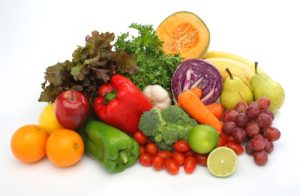
 

Health Tips From The Professor