The Secrets To A Long And Healthy Life
Author: Dr. Stephen Chaney
 Today’s “Health Tip” is a bit unusual. It’s not based on a clinical study with thousands of participants. It’s not even a clinical study based on dozens of people. It’s a case study of one individual.
The study was published in Cell Reports Medicine, but I learned about it in our local newspaper (Yes, the professor still reads the newspaper in addition to published clinical studies. I don’t rely on the internet for all my information.)
I chose this case study because it was so interesting. It is based on the life of a woman, Maria Branyas Morera, who lived in good health to the age of 117. In her later years she asked her physician, Dr. Manel Estellar – chair of genetics at University of Barcelona’s School of Medicine, to study her and see if he could find out why she lived so long.
The results were fascinating. And while it could be argued that the data from a single individual may be misleading, the conclusions from her doctor’s investigation were consistent with the results of the much larger “Blue Zone” study of centenarians living in regions where a high percentage of people lived to 100 and beyond. I will talk about that study below.
How To Live To 117
 Maria Branyas was born in San Francisco in 1907 of Spanish immigrant parents. Her father died when she was 8 and her mother moved back to Spain to be with her family. She married and had a son who died at age 52 and two daughters who are now 92 and 94.
Part of the reason for her longevity was that she took good care of herself:
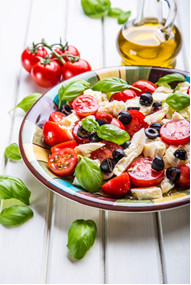
- She followed a Mediterranean diet.
- She did not smoke or drink.
- She walked an hour every day until her 90s. Eventually she had to cut back because of physical limitations but remained as active as possible. When walking became difficult she entered a nursing home.
- She kept mentally active. For example, she played the piano every day until she was 112.
Part of the reason was socioeconomic.
- She and her family lived in the same town.
- She had a close circle of friends and family for emotional support.
- And as her friends died, she made new ones.
-
- This is something that is often not discussed in the aging literature. As you age and your friends die off, it is easy to become isolated, which increases the likelihood of depression and death. The decision to make new friends in your latter years is a choice.
And part of the reason was genetic.
- In the words of her doctor, “She won the genetic lottery with respect to genetic variants that protect against risk factors like high cholesterol, dementia, heart disease, and cancer.”
-
- However, we need to remember that genetics is not everything. Other members of her immediate family shared the same genetic traits, yet died prematurely from Alzheimer’s, cancer, tuberculosis, and heart disease.
-
- I like to say, “Genetics loads the gun. Lifestyle pulls the trigger”. In short, both contribute to longevity.
The final part of the puzzle goes beyond genetics.
- She had an immune system that was unusually strong for someone her age and inflammation that was unusually low for someone her age. Those were probably due to:
-
- Epigenetic modifications to her DNA that are associated with younger individuals.
-
-
- Quick review: Epigenetic modifications affect gene activity and are controlled by diet, lifestyle, and the environment.
-
-
-
- We can never know exactly what caused her youthful epigenetics, but she did have a very healthy diet and lifestyle.
-
-
- She had a microbiome associated with low inflammation.
-
-
- Quick Review: The term microbiome refers to all the microorganisms in our gut and elsewhere on our body. Our microbiome is strongly affected by what we eat and other lifestyle factors such as body weight.
-
-
-
- In her case, one example of her anti-inflammatory microbiome was a high abundance of Bifidobacteria, probably a direct result of the three yogurts she ate each day.
-
The Secrets To A Long And Healthy Life
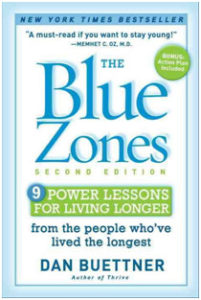 This brings me to the “Blue Zone” study. I have talked about it in a previous issue of “Health Tips From The Professor”. Let me give you the short version here.
Dan Buettner is a journalist who was fascinated by the topic of longevity. He identified five regions from around the world where an unusually high percentage of people lived into their 100s. He then put together a team of top scientists in the fields of demographics, social anthropology and statistics to study the characteristics of centenarians in each of these regions and got National Geographic to fund the study.
You can see his book on the left, and I will summarize the main conclusions of his study below. Of course, the most important question is how the information garnered from Maria Branyas compares with the conclusions of the “Blue Zone” study. I will indicate that below.
#1: They engage in moderate intensity exercise every day. The answer for Maria is a clear, “Yes”.
#2: They stop eating before they are full. We don’t know this for sure, but she did appear to be at ideal weight towards the end of her life.
#3: They eat a mostly plant-based diet. She ate a Mediterranean diet which qualifies.
#4: They have a libation with their meals. For Maria, this is a “No”.
#5: They have a purpose in their life. We have no information on this aspect of Maria’s life.
#6: They set aside time for relaxation with friends and family. Clearly, this was important for Maria. As old friends died off, she searched for new ones.
#7: They participate in a spiritual community. We have no information on this aspect of Maria’s life.
#8: They put family first. Clearly, family was very important to Maria.
#9: They surround themselves with communities that share their values. It also appears that this was important to Maria.
In short, in his study of Maria’s secrets to longevity Dr. Esteller approached the question of longevity from a different perspective than Dan Buettner. It is regrettable that he didn’t use the data accrued by the “Blue Zone” study as a starting point for his study. But it is clear that Maria epitomized many of the longevity characteristics identified in the “Blue Zone” study.
And, of course, Dr. Esteller’s expertise is human genetics, and he added important information about the importance of genetics, epigenetics, and our microbiome in influencing longevity.
The Bottom Line
The world’s oldest human recently died at age 117. Before she died, gave her doctor permission to study her and determine how she was able to live so long. In short, she asked her doctor to use her life to understand how to help other people live a long and healthy life.
That study has recently been published. The results showed:
- Her lifestyle mirrored many of the lifestyle characteristics that were associated with longevity in the previous “Blue Zone” study of centenarians (people living to 100 and beyond).
- This study also identified genetic, epigenetic, and microbiome factors associated with longevity
For more details about the study, read the article above.
These statements have not been evaluated by the Food and Drug Administration. This information is not intended to diagnose, treat, cure or prevent any disease.
_____________________________________________________________________________
My posts and “Health Tips From the Professor” articles carefully avoid claims about any brand of supplement or manufacturer of supplements. However, I am often asked by representatives of supplement companies if they can share them with their customers.
My answer is, “Yes, as long as you share only the article without any additions or alterations. In particular, you should avoid adding any mention of your company or your company’s products. If you were to do that, you could be making what the FTC and FDA consider a “misleading health claim” that could result in legal action against you and the company you represent.
For more detail about FTC regulations for health claims, see this link.
https://www.ftc.gov/business-guidance/resources/health-products-compliance-guidance
________________________________________________________________________
About The Author
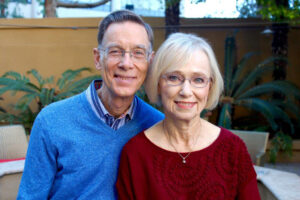 Dr. Chaney has a BS in Chemistry from Duke University and a PhD in Biochemistry from UCLA. He is Professor Emeritus from the University of North Carolina where he taught biochemistry and nutrition to medical and dental students for 40 years.
Dr. Chaney won numerous teaching awards at UNC, including the Academy of Educators “Excellence in Teaching Lifetime Achievement Award”.
Dr Chaney also ran an active cancer research program at UNC and published over 100 scientific articles and reviews in peer-reviewed scientific journals. In addition, he authored two chapters on nutrition in one of the leading biochemistry text books for medical students.
Since retiring from the University of North Carolina, he has been writing a weekly health blog called “Health Tips From the Professor”. He has also written two best-selling books, “Slaying the Food Myths” and “Slaying the Supplement Myths”. And most recently he has created an online lifestyle change course, “Create Your Personal Health Zone”. For more information visit https://chaneyhealth.com.
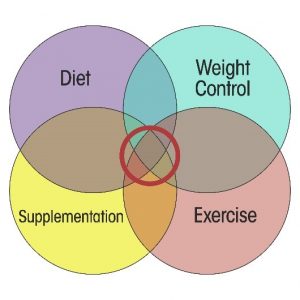
For the past 53 years Dr. Chaney and his wife Suzanne have been helping people improve their health holistically through a combination of good diet, exercise, weight control and appropriate supplementation.