What Does This Study Mean For You?
Author: Dr. Stephen Chaney
 It’s almost the New Year. And with the New Year comes New Year’s resolutions. Weight loss is the second most popular New Year’s resolution, trailing only exercising more.
But if you are middle-aged and have been overweight most of your adult life, is it too late to lose weight? Has the damage to your health already been done? Has that ship already sailed?
There is good evidence that people who maintain an ideal weight throughout their adult years are healthier and live slightly longer than people who are overweight.
There is also good evidence that weight loss at any age provides short-term improvements to biomarkers of good health such as:
- lower blood pressure.
- lower cholesterol levels.
- better blood sugar control.
- reduction in chronic inflammation.
But surprisingly there are very few studies to show that weight loss results in long-term health benefits, especially for people who have been overweight through their 40s and 50s. To date there is only a single Chinese study of midlife weight loss, and that study suggested that health benefits were only apparent if the weight loss was maintained for 30 years or more.
The study (TE Strandberg et al, JAMA Network Open, 2025, 8(5); e2511825) I will describe today was designed to fill that gap.
How Was This Study Done?
 The investigators used data from three large studies that followed healthy individuals in midlife for 10 years or more. None of these studies were designed as weight loss studies, but they measured weight, chronic disease incidence or mortality at multiple points during the study.
The first study was the Whitehall II Study (WHII). This study enrolled 10,308 British civil servants (Whitehall is the district where the British Civil Service is located) between 1985 and 1988 and is still ongoing. The data for this investigation was taken from clinical examinations that occurred around 1991 and 2013.
- These exams provided information on weight and height, BMI, and risk factors like smoking, high blood pressure, high cholesterol, and insulin resistance and/or high blood sugar (indicative of prediabetes or diabetes).
- The data set was linked to National Health Service records for diagnosed chronic diseases (type 2 diabetes, heart attack, stroke, cancer, asthma, and chronic obstructive pulmonary disease).
The study I am describing today included 4118 men and women aged 37-42 years (average = 39 years) from the WHII dara set who were free of chronic disease at the time of the 1991 clinical evaluation.
The second study was the Helsinki Businessmen Study (HBS). In this study 3490 White men, mostly businessmen and executives aged 38-45 years (average 42 years) underwent voluntary health checkups starting in 1964. Cardiovascular risk factors were assessed and the men received health education on diet, exercise, and weight control. Between 1974 and 1975 these men were offered a voluntary follow-up health checkup, and 2335 men completed both checkups.
- In this study, BMI was measured at both health checkups and all-cause mortality data were obtained from the National Health Registry.
The third study was the Finnish Public Sector Study (FPS). In this study 77,111 men and women in public service were enrolled in 2,000. BMI was measured in 4-year intervals and health data were collected from the European Health Records. The data for this investigation used data from 16,696 men and women who were 34-43 (average age = 39) at the first assessment, had data from at least 3 consecutive assessments, and had no diagnosed chronic disease at the first assessment.
- As with the WHII study, BMI and chronic disease were measured in at least 2 consecutive assessments.
The average follow-up for the three studies was 22.8 years between the first and last assessment.
In all three cases the study participants were divided into 4 groups:
- Those who remain overweight (defined as a persistent BMI>25).
- Those who gained weight – they went from a healthy weight to being overweight (defined as BMI<25 to BMI>25).
- Those who lost weight – they went from overweight to a healthy weight (defined as BMI>25 to BMI<25).
-
- The average weight loss was 11.5 pounds or 6.5% of body weight and was remarkably consistent in all 3 studies.
- Those who remained at a healthy weight (defined as a persistent BMI<25).
In the WHII and FPS studies, weight differences were correlated with the diagnosis of a chronic disease between the first and last assessment.
In the HBS study, weight differences were correlated with all-cause mortality between the first and last assessment.
In all three cases, the data were corrected for major risk factors like smoking, high blood pressure, high cholesterol, and insulin resistance and/or high blood sugar.
In terms of the risk of developing a chronic disease (WHII and FPS studies) or risk of dying (HBS study) the always overweight group was assigned a risk of 1.0 and the other groups were compared to it.
The authors noted that all three studies were performed before surgical and pharmacological interventions were available. And people with pre-existing conditions were excluded from these studies, so disease-related weight loss was unlikely. Thus, the authors felt that the group who lost weight probably did so because of a conscious effort to change their diet and lifestyle, although this was not specifically measured in these studies.
Is It Too Late For A Weight Loss Goal?
 If you remember the introduction, this question did not refer to short-term biomarkers of health. Multiple studies have shown that weight loss at any age will improve blood sugar control and lower blood pressure, cholesterol, and inflammation.
This study asked whether weight loss can be shown to have long-term health benefits – namely reduction in the risk of chronic diseases and increase in longevity.
And more specifically, it asked whether weight loss in middle age (the age of participants in these studies ranged from 39 to 42) can be shown to have long-term health benefits – even if they had been overweight for most of their adult life up to that point.
Or as the title of this segment suggested, “Is it too late to set a weight loss goal if you are middle aged.”
The answer from these studies was clear cut:
- In the WHII study the risk of developing a chronic disease decreased by 48% compared to the always overweight group.
-
- And when diabetes was excluded from the analysis the decreased risk was still significant (42%). This is important because diabetes is the most prevalent obesity related disease. The means that weight loss also significantly reduced the risk of the other chronic diseases measured in this study – such as cardiovascular disease and cancer.
- In the FPS study the risk of developing a chronic disease decreased by 57% compared to the always overweight group.
- Again, when diabetes was excluded from the analysis the decreased risk was still significant (45%).
- Finally, in the HBS study, the risk of premature death decreased by 19% compared to the always overweight group.
In each of these studies:
- The group that gained weight in their middle years did almost as poorly as the always overweight group.
The authors concluded, “Findings from 3 prospective cohort studies support maintaining a healthy weight (BMI<25) throughout life as the best option for overall health. [However] sustained midlife weight loss compared with persistent overweight was associated with a decreased risk of [diabetes and other chronic diseases] and decreased all-cause mortality.”
Simply put, this analysis of three long-term studies shows that weight loss can help you be healthier and live longer in your golden years – even if you waited until you were middle-aged to lose the weight.
What Does This Study Mean For You?
 At the beginning of this article I posed the questions: If you are middle-aged and have been overweight most of your adult life, is it too late to set a weight loss goal this January? Has the damage to your health already been done? Has that ship already sailed?
This study shows that the answer to this question is clearly, “No. It’s not too late.” Sustained weight loss can still provide significant long-term benefits.
Three major studies show that sustained weight loss initiated by adults in their forties can reduce the risk of chronic disease by around 50% and reduce the risk of mortality by about 20% twenty years later. The authors of this study said that evidence from one of those studies suggests that the long-term health benefits are still apparent 30 years later.
Of course, these studies represent a single time point – weight loss initiated at age 40.
- The benefits of sustained weight loss may wane if you delay longer, but we don’t know because those studies have not been done. However, it is likely that sustained weight loss at any age will have significant long-term health benefits.
- The benefits of sustained weight loss may be even greater if you lose weight at a younger age. Again, we can’t predict how much greater the benefit will be because those studies also haven’t been done yet.
- However, as the authors of this study said, “Maintaining a healthy weight throughout life is the best option for overall health.” That conclusion is supported by multiple studies.
There are a couple of other important points.
- These benefits (a 50% reduction in chronic diseases and a 20% increase in longevity) do not require massive weight loss. The subjects in these studies only lost around 11-12 pounds (6.5% of their weight). You have previously heard that as little as 5% weight loss has significant short-term benefits. This study confirms that statement and indicates if the weight loss is sustained, it will significantly improve long-term health outcomes.
- Weight loss has a bigger effect on quality of life (absence from chronic diseases) than it does on longevity. That is true of every healthy lifestyle improvement that has been studied. I’m sorry to say that losing weight will not help you live as long as Methuselah. But it will help you live your last years in good health.
Of course, losing weight is easy. There are many fad diets that can help you do that. But keeping the weight off is hard. This is where every diet eventually fails. Maintaining weight loss requires lifestyle change. It also requires a change in mindset. It requires that you change how you think about food and how you think about your ability to control what you eat.
This is why I created my online lifestyle change course, “Create Your Personal Health Zone”. If this is the year you have resolved to lose weight and keep it off, check out my course.
What About Weight Loss Surgery and GLP-1 Drugs?
 Weight loss surgery and GLP-1 drugs result in faster and greater weight loss than diet and lifestyle changes alone. For example, clinical trials show that GLP-1 drugs can result in 15-20% body weight loss within the first year. [Subsequent studies suggest that real-life weight loss is often much smaller because of drug discontinuation due to side effects or cost.]
But assuming the 15-20% number, the question becomes whether these interventions have the same or greater benefits than the 6.5% body weight loss due to diet and lifestyle change seen in these studies.
The short answer is that we don’t know because we don’t have any long-term studies of these interventions. However, the authors of this study were skeptical. They said, “It remains uncertain whether the long-term benefits observed in our study extend to these interventions, where greater weight loss may be accompanied by a concurrent and potentially significant loss of lean body mass, which could pose challenges over time.”
I have discussed the importance of muscle mass for health and longevity in a previous issue of “Health Tips From the Professor”. This article shows why the accelerated loss of muscle mass seen with GLP-1 drugs is so concerning.
The Bottom Line
The time to set your New Year’s goals is just a few weeks away. If you are middle-aged and have been overweight most of your adult life, is it too late to set a weight loss goal this January? Has the damage to your health already been done? Has that ship already sailed?
A recent study examined that question. The study used data from three earlier studies on the long-term effects of sustained weight loss (20 years or more). These studies show that sustained weight loss initiated by adults in their 40s reduces the risk of:
- Chronic disease by around 50%.
- Mortality by about 20%.
- Data from one of those studies suggests that the long-term health benefits were still apparent 30 years later.
For more information on this study, what it means for you, and where weight loss surgery and GLP-1 drugs fit into the picture, read the article above.
These statements have not been evaluated by the Food and Drug Administration. This information is not intended to diagnose, treat, cure, or prevent any disease.
______________________________________________________________________________
My posts and “Health Tips From the Professor” articles carefully avoid claims about any brand of supplement or manufacturer of supplements. However, I am often asked by representatives of supplement companies if they can share them with their customers.
My answer is, “Yes, as long as you share only the article without any additions or alterations. In particular, you should avoid adding any mention of your company or your company’s products. If you were to do that, you could be making what the FTC and FDA consider a “misleading health claim” that could result in legal action against you and the company you represent.
For more detail about FTC regulations for health claims, see this link.
https://www.ftc.gov/business-guidance/resources/health-products-compliance-guidance
______________________________________________________________________
About The Author
 Dr. Chaney has a BS in Chemistry from Duke University and a PhD in Biochemistry from UCLA. He is Professor Emeritus from the University of North Carolina where he taught biochemistry and nutrition to medical and dental students for 40 years. Dr. Chaney won numerous teaching awards at UNC, including the Academy of Educators “Excellence in Teaching Lifetime Achievement Award”. Dr Chaney also ran an active cancer research program at UNC and published over 100 scientific articles and reviews in peer-reviewed scientific journals. In addition, he authored two chapters on nutrition in one of the leading Biochemistry textbooks for medical students.
Since retiring from the University of North Carolina, he has been writing a weekly health blog called “Health Tips From the Professor”. He has also written two best-selling books, “Slaying the Food Myths” and “Slaying the Supplement Myths”. And most recently he has created an online lifestyle change course, “Create Your Personal Health Zone”. For more information visit https://chaneyhealth.com.
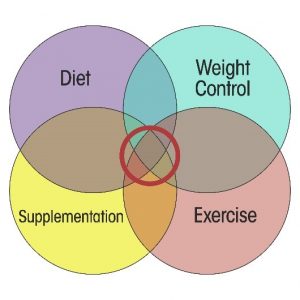
For the past 53 years Dr. Chaney and his wife Suzanne have been helping people improve their health holistically through a combination of good diet, exercise, weight control and appropriate supplementation.