The Good News About Omega-3s And Stroke

How Do Omega-3s Affect The Two Types Of Stroke?

Author: Dr. Stephen Chaney 

strokeI am continuing my series on recent omega-3 breakthroughs. Last week I reviewed a study showing that the omega-3s EPA and DHA lowered blood pressure. Since high blood pressure is a major contributing factor to stroke risk, it only makes sense that EPA and DHA would also decrease the risk of strokes.

In last week’s article I mentioned that high blood pressure is called a silent killer. That is because the symptoms of high blood pressure are easy to ignore and often confused with other illnesses.

For many people the first indication they have a problem is when they have a stroke, which either kills them or forever impacts their quality of life. Let me share some statistics with you.

  • Every 40 seconds someone in the United States has a stroke. One in four adults over the age of 25 will have a stroke in their lifetime.
  • Every 4 minutes someone in the United States dies from a stroke. For many of them sudden death is the first indication they had a health problem.
  • The overall incidence of strokes has increased 60% in the last 20 years with most of that increase (65%) coming from younger adults (ages 20 to 45)
  • The cost of treatment, rehabilitation, and lost wages from stroke was $891 billion in 2020 and is projected to increase to $2.3 trillion in 2050.

Any way you look at it, the personal and financial costs of strokes are immense.

How Do Omega-3s Affect The Two Types Of Stroke?
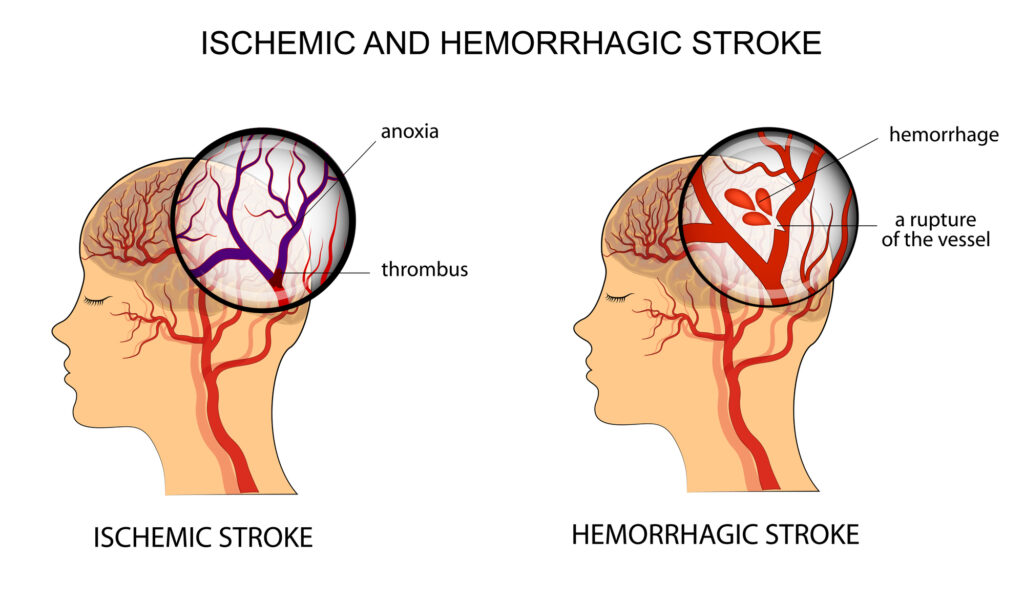
There are two major kinds of stroke – ischemic stroke, which is caused by a thrombus (blood clot) in the carotid arteries leading to the brain, and hemorrhagic stroke, which is caused by bleeding from small blood vessels in the brain. Ischemic stroke accounts for around 85% of all strokes.

Ischemic strokes are caused by atherosclerosis, the buildup of fatty plaques in the walls of the carotid arteries, followed by the formation of a blood clot which lodges in the narrowed arteries. As you might expect, the prevention and treatment of ischemic strokes are similar to the prevention and treatment of heart attacks.

EPA and DHA have been shown to:

  • Reduce inflammation, which is associated with increased risk of heart disease and stroke.
  • Reduce blood pressure. High blood pressure damages the endothelial lining of blood vessels, which can lead to either build up of atherosclerotic plaque or rupturing of the blood vessels.
  • Reduce platelet aggregation and blood viscosity, which reduces the potential for inappropriate blood clots forming in the carotid arteries.

[When you cut yourself, you want a blood clot to form to stop the bleeding. That is an example of appropriate blood clot formation. However, when a blood clot forms within your arteries, it can prevent blood from reaching surrounding tissues. This is an example of inappropriate blood clot formation.]

  • Reduce the risk of atherosclerotic plaques rupturing. Rupturing of atherosclerotic plaques triggers blood clot formation, so this also decreases the risk of inappropriate blood clots forming in the carotid arteries.

Based on the known effects of EPA and DHA, it is not surprising that they would decrease the risk of ischemic strokes. But what about hemorrhagic strokes? Here the answer is not as clear cut.

  • In a previous clinical study 4 gm/day of purified EPA without DHA was associated with a slightly increased risk of bleeding events but did not increase the risk of hemorrhagic stroke.
  • High doses of pharmaceutical grade EPA have also been associated with a slightly increased risk of atrial fibrillation (Afib). In contrast, previous studies have shown that higher dietary intake of EPA + DHA are associated with a lower risk of Afib.

At present, we don’t know whether the increased risk of bleeding events and Afib are only seen at very high doses of omega-3s or are due to the use of pharmaceutical grade EPA without DHA and any of the other naturally occurring omega-3s.

However, this uncertainty has led some experts to warn that omega-3s may be a two-edge sword. They might increase the risk of hemorrhagic stroke while decreasing the risk of ischemic stroke. This uncertainty was part of the rationale for the study (JH O’Keefe et al, Stroke, 55: 50-58, 2024) I am describing today.

How Was This Study Done?

clinical studyThis study was a meta-analysis of 29 clinical studies looking at the effect of omega-3 fatty acids on the risk of both ischemic and hemorrhagic stroke. These studies were performed in 15 countries from around the world and included a total of 183,291 participants.

One major drawback of many meta-analyses is that each study in the meta-analysis is independently designed. Sometimes the studies are so different that it is difficult to fit them together in a coherent pattern.

A major strength of this meta-analysis is that all the studies were conducted within the “Fatty Acid and Outcome Research Consortium” which specifies a general protocol for the design of each study within that consortium.

For example, estimates of dietary omega-3 intake can be inaccurate and the uptake and utilization of both dietary and supplemental omega-3s vary from person to person. Because of that the Fatty Acid and Outcomes Research Consortium guideline specifies that studies rely on biomarkers of omega-3 levels in the body rather than the amount of omega-3s consumed.

The most frequently used biomarker was the percentage of omega-3s incorporated into the fatty portion of red blood cell membranes. Some studies used other biomarkers, such as the percentage of omega-3s incorporated into the fatty portion of plasma phospholipids or cholesterol-containing phospholipid particles (LDL and HDL for example).

In each case, the percentage of omega-3s is used to calculate something called an “Omega-3 Index”. Previous studies have shown that an Omega-3 Index of 4% or less correlates with a high risk of heart disease, and an Omega-3 Index of 8% or more correlates with a low risk of heart disease. In essence, this study correlated Omega-3 Index with the risk of stroke.

The Fatty Acids and Outcomes Research Consortium harmonized the studies included in this meta-analysis in several other ways, but the use of Omega-3 Index rather than omega-3 consumption was the most important.

Other key characteristics of the studies included in this meta-anaysis were:

  • The average age of participants was 65 years.
  • 82% of the participants were white and 53% were women.
  • The average length of follow-up was 14 years (range = 5-30 years).
  • 10,561 participants (5.8%) suffered a stroke during follow-up (78% ischemic, 11% hemorrhagic, and 11% unspecified).

The Good News About Omega-3s and Stroke 

good newsThe participants in these studies were divided into quintiles based on their Omega-3 Index. When those in the highest quintile (≥ 8%) were compared with those in the lowest quintile (≤ 4%):

  • Risk was reduced by 17% for total stroke and 18% for ischemic stroke. There was no effect on hemorrhagic stroke.

When the effect of individual components of the Omega-3 Index were analyzed:

  • For EPA + DHA risk was reduced by 17% for total stroke and 18% for ischemic stroke. There was no effect on hemorrhagic stroke.
  • For EPA risk was reduced by 17% for total stroke and 18% for ischemic stroke. There was no effect on hemorrhagic stroke. (You are probably starting to detect a pattern).
  • For DHA the results were only slightly different. Risk reduction was 12% for total stroke and 16% for ischemic stroke. There was no effect on hemorrhagic stroke.
  • For DPA, a minor component of the Omega-3 Index, there was no significant effect on total, ischemic, or hemorrhagic stroke.
  • There was a linear dose-response for the effect of EPA, DHA, and the two combined on the reduction in risk for both total and ischemic stroke.

When they looked at subgroups within the analysis, the results were the same for:

  • Age (<65 compared to >65).
  • Gender.
  • Studies that lasted less than 10 years and studies that lasted more than 10 years.
  • The presence of preexisting Afib.
  • The presence of preexisting cardiovascular disease.

The authors concluded, “In summary, this harmonized and pooled analysis of prospective studies showed that long-chain omega-3 levels were inversely associated with risk of total and ischemic stroke but were unrelated to risk of hemorrhagic stroke. Thus, higher dietary intake of DHA and EPA would be expected to lower risk of stroke.”

What Does This Study Mean For You?

Key Takeaways From This Study: The most important takeaway from this study is that reasonable amounts of EPA and DHA from either diet or supplementation are unlikely to increase your risk of hemorrhagic stroke (I will define reasonable below).

That is important to know because this and several other studies show that EPA and DHA decrease the risk of ischemic stroke, which accounts for around 85% of total strokes. This study shows you can reduce your risk of ischemic stroke without fearing that you will increase your risk of hemorrhagic stroke.

This study also reaffirms the importance of relying on Omega-3 Index rather than the dosage of omega-3s in a supplementation. Previous studies have shown there is significant individual variability in the uptake and utilization of dietary omega-3s.

Finally, this study shows you don’t need huge amounts of EPA and DHA to significantly decrease your risk of stroke and cardiovascular disease in general. An Omega-3 Index of ≥ 8% is sufficient to accomplish both.

How Much Omega-3s Do You Need? The authors of this manuscript are experts on the Omega-3 Index, and they estimated that:

  • To raise your Omega-3 Index from 5.4% (the median Omega-3 Index in these studies) to 8% would require about 1,000 mg/d of EPA + DHA.
  • To raise your Omega-3 Index from 3.5% (the lowest Omega-3 Index quintile in these studies) to 8% would require about 1,600 mg/d of EPA + DHA.

These intakes are well within the American Heart Association recommendations for reducing the risk of stroke and cardiovascular disease and are easily achievable from diet and supplementation.

But these estimates are based on averages, and, as I noted above, none of us are average. We differ in our ability to absorb and utilize omega-3s. So, I recommend relying on your Omega-3 Index rather than a dose of omega-3s that’s right for the average person but may not be right for you.

My recommendation would be to start with an Omega-3 test. If you are below 8%, start with the dosage of EPA + DHA the authors of today’s study recommended. Then retest in 6 months and adjust your dose based on the results of that test.

Question MarkHow Much Is Too Much? As I mentioned above, the dose response was linear for Omega-3 Index versus reduction in risk of total and ischemic strokes. So, the question becomes whether you might wish to increase your Omega-3 Index above 8% to achieve an even better reduction in stroke risk.

That is a very personal decision that only you can make but let me share some facts to help you make that decision.

  • As I mentioned above, a previous clinical trial showed an increased risk of bleeding events and Afib at a dosage of 4 gm/day of pure EPA. We don’t know whether that was because of the dose or the use of a formulation that contained only EPA without DHA and other naturally occurring long-chain omega-3s.
  • In that study the increase in bleeding events and Afib was observed in <5% of participants, which suggests that those side effects may be limited to certain high-risk individuals.
    • In this context, high risk might include individuals with preexisting Afib, individuals with a tendency towards excess bleeding, and patients on blood thinning medications.
    • However, only your physician knows all your risk factors. If you have health issues or are on medications, it is always a good idea to check with your physician before changing your omega-3 intake. And if you are considering high-dose omega-3 supplementation or exceeding an 8% Omega-3 Index, I strongly recommend that you consult with your physician first.

The Bottom Line

A recent study looked at the effect of omega-3 levels in red blood cells and other tissues (something called Omega-3 Index) on the risk of various types of stroke.

When individuals with an Omega-3 Index ≥ 8% were compared with those with an Omega-3 Index of ≤ 4%:

  • Risk was reduced by 17% for total stroke and 18% for ischemic stroke (stroke caused by blood clots in the carotid arteries). There was no effect on hemorrhagic stroke (stroke caused by bleeding from small blood vessels in the brain).

The authors concluded, “In summary, this harmonized and pooled analysis of prospective studies showed that long-chain omega-3 levels were inversely associated with risk of total and ischemic stroke but were unrelated to risk of hemorrhagic stroke. Thus, higher dietary intake of DHA and EPA would be expected to lower risk of stroke.”

This study represents an important breakthrough. There is good evidence that increased EPA + DHA from food and/or supplements reduces the risk of ischemic stroke. But some experts have cautioned it might also increase the risk of hemorrhagic stroke. This study puts that fear to rest.

For more details about the study and what it means for you, read the article above.

These statements have not been evaluated by the Food and Drug Administration. This information is not intended to diagnose, treat, cure, or prevent any disease.

_______________________________________________________________________________

My posts and “Health Tips From the Professor” articles carefully avoid claims about any brand of supplement or manufacturer of supplements. However, I am often asked by representatives of supplement companies if they can share them with their customers.

My answer is, “Yes, as long as you share only the article without any additions or alterations. In particular, you should avoid adding any mention of your company or your company’s products. If you were to do that, you could be making what the FTC and FDA consider a “misleading health claim” that could result in legal action against you and the company you represent.

For more detail about FTC regulations for health claims, see this link.

https://www.ftc.gov/business-guidance/resources/health-products-compliance-guidance 

About The Author 

Dr. Chaney has a BS in Chemistry from Duke University and a PhD in Biochemistry from UCLA. He is Professor Emeritus from the University of North Carolina where he taught biochemistry and nutrition to medical and dental students for 40 years.  Dr. Chaney won numerous teaching awards at UNC, including the Academy of Educators “Excellence in Teaching Lifetime Achievement Award”. Dr Chaney also ran an active cancer research program at UNC and published over 100 scientific articles and reviews in peer-reviewed scientific journals. In addition, he authored two chapters on nutrition in one of the leading biochemistry text books for medical students.

Since retiring from the University of North Carolina, he has been writing a weekly health blog called “Health Tips From the Professor”. He has also written two best-selling books, “Slaying the Food Myths” and “Slaying the Supplement Myths”. And most recently he has created an online lifestyle change course, “Create Your Personal Health Zone”. For more information visit https://chaneyhealth.com.

For the past 45 years Dr. Chaney and his wife Suzanne have been helping people improve their health holistically through a combination of good diet, exercise, weight control and appropriate supplementation.


 

Do Omega-3s Improve Recovery From A Heart Attack?

Where Do We Go From Here? 

Author: Dr. Stephen Chaney 

Omega-3s And Heart DiseaseDespite years of controversy, the benefits of omega-3s remain an active area of research. Over the next few weeks, I will review several groundbreaking omega-3 studies. This week I will focus on omega-3s and heart health.

I don’t need to tell you that the effect of omega-3s on heart health is controversial. One month a new study is published showing an amazing health benefit from omega-3 supplementation. A month or two later another study comes up empty. It finds no benefit from omega-3 supplementation.

That leads to confusion. On one hand you have websites and blogs claiming that omega-3s are a magic elixir that will cure all your ills. On the other hand, there are the naysayers, including many health professionals, claiming that omega-3 supplements are worthless.

I have discussed the reasons for the conflicting results from omega-3 clinical studies in previous issues of “Health Tips From the Professor”. You can go to https://www.chaneyhealth.com/healthtips/ and put omega-3s in the search box to read some of these articles.

Or if you prefer, I have also put together a digital download I call “The Omega-3 Pendulum” which briefly summarizes all my previous articles. It’s available on my Chaney Health School Teachable website.

Today I will discuss a study (B Bernhard et al, International Journal of Cardiology, 399; 131698, 2024) that asks whether 6 months of high dose omega-3 supplementation following a heart attack reduced the risk of major cardiovascular events over the next 6.6 years.

You might be wondering why the study didn’t just look at the effect of continuous omega-3 supplementation for 6 years following a heart attack. There are two very good reasons for the design of the current study.

1) The investigators wanted to do a double blind, placebo controlled clinical trial, the gold standard for clinical studies. However, that kind of study is impractical for a multi-year clinical trial. It would be prohibitively expensive, and patient compliance would be a big problem for a study that long.

2) The months immediately after a heart attack are critical in determining the long-term recovery of that patient. There is often a period of massive inflammation following a heart attack. And that can lead to further damage to the heart and reclosing of the arteries leading to the heart, both of which increase the risk of future adverse cardiac events.

Previous studies have shown that high dose omega-3s immediately following a heart attack can reduce inflammation and damage to the heart. However, those studies did not determine whether the cardioprotective effect of omega-3 supplementation immediately after a heart attack lead to improved long-term outcomes, something this study was designed to determine.

How Was The Study Done?

clinical studyThe investigators enrolled 358 patients who had suffered a heart attack from three Boston area medical centers between June 2008 and August 2012.

The patient demographics were:

  • Gender = 70% female.
  • Average age = 59
  • Average BMI = 29 (borderline obese).
  • Patients with high blood pressure = 64%
  • Patients with diabetes = 25%.

The patients were divided into two groups. The first group received capsules providing 4 gm/day of EPA, DHA, and other naturally occurring omega-3 fatty acids. The other group received a placebo containing corn oil. This was a double-blind study. Neither the patients nor the investigators knew which patients received the omega-3 fatty acids and which ones received the placebo.

The patients were instructed to take their assigned capsules daily for 6 months. At the beginning of the study, blood samples were withdrawn to determine the percentage of omega-3s in the fatty acid content of their red cell membranes (something called omega-3 index). Patients were also tested for insulin resistance and given a complete cardiovascular workup. This was repeated at the end of the 6-month study.

[Note: Previous studies have shown that an omega-3 index of 4% or lower is associated with high risk of heart disease, and an omega-3 index of 8% or above is associated with a low risk of heart disease.]

At 2-month intervals the patients were contacted by staff using a scripted interview to determine compliance with the protocol and their cardiovascular health. Once the 6 months of omega-3 supplementation was completed, the patients were followed for an additional 6.6 years. They were contacted every 6 months for the first 3 years and yearly between 3 years and 6 years.

The investigators quantified the number of major cardiac events (defined as recurrent heart attacks, the necessity for recurrent coronary artery bypass grafts, hospitalizations for heart failure, and all-cause deaths) for each patient during the 6.6-year follow-up period.

Patients in both groups were treated according to current “standard of care” protocols which consisted of diet and exercise advice and 5-6 drugs to reduce future cardiovascular events.

Do Omega-3s Improve Recovery From A Heart Attack?

heart attacksWhen the investigators looked at the incidence of adverse cardiac events during the 6.6-year follow-up period, there were three significant findings from this study.

1) There were no adverse effects during the 6-month supplementation period with 4 gm/day of omega-3s. This is significant because a previous study with 4 gm/day of high purity EPA had reported some adverse effects which had led some critics to warn that omega-3 supplementation was dangerous. More study is needed, but my hypothesis is that this study did not have side effects because it used a mixture of all naturally occurring omega-3s rather than high purity EPA only. 

However, this could also have been because of the way patients were screened before entering this study. I will discuss this in more detail below.

2) When the investigators simply compared the omega-3 group with the placebo group there was no difference in cardiovascular outcomes between the two groups. This may have been because this study faced significant “headwinds” that made it difficult show any benefit from supplementation. I call them “headwinds” rather than design flaws because they were unavoidable. 

    • It would be unethical to deny the standard of care to any patient who has just had a heart attack. That means that every patient in a study like this will be on multiple drugs that duplicate the beneficial effects of omega-3 fatty acids – including lowering blood pressure, lowering triglycerides, reducing inflammation, and reducing plaque buildup and blood clot formation in the coronary arteries.

That means that this study, and studies like it, cannot determine whether omega-3 fatty acids improve recovery from a heart attack. They can only ask whether omega-3 fatty acids have any additional benefit for patients on multiple drugs that duplicate many of the effects of omega-3 fatty acids. That significantly reduces the risk of a positive outcome.

    • As I mentioned above, it would have been impractical to continue providing omega-3 supplements and placebos during the 6.6-year follow-up.

And the study was blinded, meaning that the investigators did not know which patients got the omega-3s and which patients got the placebo. That meant the investigators could not advise the omega-3 supplement users to continue omega-3 supplementation during the follow-up period.

Consequently, the study could only ask if 6 months of high-dose omega-3 supplementation had a measurable benefit 6.6 years later. I, for one, would be more interested in knowing whether lower dose omega-3 supplementation continued for the duration of this study reduced the risk of major coronary events.good news

3) When the investigators compared patients who achieved a significant increase in their omega-3 index during the 6-month supplementation period with those who didn’t, they found a significant benefit of omega-3 supplementation.

This was perhaps the most significant finding from this study.  

If the investigators had stopped by simply comparing omega-3 users to the placebo, this would have been just another negative study. We would be wondering why it did not show any benefit of omega-3 fatty acid supplementation.

However, these investigators were experts on the omega-3 index. They knew that there was considerable individual variability in the efficiency of omega-3 uptake and incorporation into cell membranes. In short, they knew that not everyone taking a particular dose of omega-3s will achieve the same omega-3 index.

And that is exactly what they saw in this study. All the patients in the 6-month omega-3 group experienced an increase in omega-3 index, but there was considerable variability in how much the omega-3 index increased over 6 months.

So, the investigators divided the omega-3 group into two subgroups – ones whose omega-3 index increased by ≥ 5 percentage points (sufficient to move those patients from high risk of heart disease to low risk) and ones whose omega-3 index increased by less than 5 percentage points.

When the investigators compared patients with ≥ 5% increase in omega-3 index to those with <5% increase in omega-3 index:

  • Those with an increase in omega-3 index of ≥ 5% had a 2.9% annual risk of suffering major adverse cardiac events compared to a 7.1% annual risk for those with an increase of <5%.
  • That’s a risk reduction of almost 60%, and it was highly significant.

The authors concluded, “In a long-term follow-up study, treatment with [high dose] omega-3s for 6 months following a heart attack did not reduce adverse cardiac events compared to placebo. However, those patients who were treated with omega-3s and achieved ≥ 5% rise in omega-3 index experienced a significant reduction of adverse cardiac events after a median follow-up period of 6.6 years…Additional studies are needed to confirm this association and may help identify who may benefit from omega-3 fatty acid treatment following a heart attack.”

What Does This Study Mean For You? 

Questioning WomanI should start by saying that I do not recommend 4 gm/day of omega-3 fatty acids following a heart attack without checking with your doctor first.

  • If you are on a blood thinning medication, the dose of either the medication or the omega-3 supplement may need to be reduced to prevent complications due to excess bleeding.
  • In addition, the investigators excluded patients from this study who might suffer adverse effects from omega-3 supplementation. This is a judgement only your doctor can make.

With that advice out of the way, the most important takeaway from this study is that uptake and utilization of omega-3 fatty acids varies from individual to individual.

The omega-3 index is a measure of how well any individual absorbs and utilizes dietary omega-3s. And this study shows that the omega-3 index is a much better predictor of heart health outcomes than the amount of omega-3 fatty acids a person consumes.

This is not surprising because multiple studies have shown that the omega-3 index correlates with heart health outcomes. It may also explain why many studies based on omega-3 intake only have failed to show a benefit of omega-3 supplementation.

Vitamin D supplementation is a similar story. There is also considerable variability in the uptake of vitamin D and conversion to its active form in the body. 25-hydroxy vitamin D levels in the blood are a marker for active vitamin D. For that reason, I have long recommended that you get your 25-hydroxy vitamin D level tested with your annual physical and, with your doctor’s help, base the dose of the vitamin D supplement you use on that test.

This study suggests that we may also want to request an omega-3 index test and use it to determine the amount of supplemental omega-3s we add to our diet.

Where Do We Go From Here?

Where Do We Go From HereThe idea that we need to use the omega-3 index to determine the effectiveness of the omega-3 supplement we use is novel. As the authors suggest, we need more studies to confirm this effect. There are already many studies showing a correlation of omega-3 index with heart health outcomes. But we need more double blind, placebo-controlled studies like this one.

More importantly, we need to understand what determines the efficiency of supplemental fatty acid utilization so we can predict and possibly improve omega-3 utilization. The authors suggested that certain genetic variants might affect the efficiency of omega-3 utilization. But the variability of omega-3 utilization could also be affected by:

  • Diet, especially the presence of other fats in the diet.
  • Metabolic differences due to obesity and diseases like diabetes.
  • Gender, ethnicity, and age.
  • Design of the omega-3 supplement.

We need much more research in these areas, so we can personalize and optimize omega-3 supplementation on an individual basis.

The Bottom Line 

A recent study asked whether high dose omega-3 supplementation for 6 months following a heart attack reduced major cardiac events during the next 6.6 years.

  • When they simply compared omega-3 supplementation with the placebo there was no effect of omega-3 supplementation on cardiac outcomes.
  • However, when they based their comparison on the omega-3 index (a measure of how efficiently the omega-3s were absorbed and incorporated into cell membranes), the group with the highest omega-3 index experienced a 60% reduction in adverse cardiac events over the next 6.6 years.

This is consistent with multiple studies showing that the omega-3 index correlates with heart health outcomes.

More importantly, this study shows there is significant individual variation in the efficiency of omega-3 absorption and utilization. It also suggests that recommendations for omega-3 supplementation should be based on the omega-3 index achieved rather than the dose or form of the omega-3 supplement.

For more information on this study and what it means for you read the article above.

These statements have not been evaluated by the Food and Drug Administration. This information is not intended to diagnose, treat, cure or prevent any disease.

 ______________________________________________________________________________

My posts and “Health Tips From the Professor” articles carefully avoid claims about any brand of supplement or manufacturer of supplements. However, I am often asked by representatives of supplement companies if they can share them with their customers.

My answer is, “Yes, as long as you share only the article without any additions or alterations. In particular, you should avoid adding any mention of your company or your company’s products. If you were to do that, you could be making what the FTC and FDA consider a “misleading health claim” that could result in legal action against you and the company you represent.

For more detail about FTC regulations for health claims, see this link.

https://www.ftc.gov/business-guidance/resources/health-products-compliance-guidance

_______________________________________________________________________

About The Author 

Dr. Chaney has a BS in Chemistry from Duke University and a PhD in Biochemistry from UCLA. He is Professor Emeritus from the University of North Carolina where he taught biochemistry and nutrition to medical and dental students for 40 years.  Dr. Chaney won numerous teaching awards at UNC, including the Academy of Educators “Excellence in Teaching Lifetime Achievement Award”.

Dr Chaney also ran an active cancer research program at UNC and published over 100 scientific articles and reviews in peer-reviewed scientific journals. In addition, he authored two chapters on nutrition in one of the leading biochemistry text books for medical students.

Since retiring from the University of North Carolina, he has been writing a weekly health blog called “Health Tips From the Professor”. He has also written two best-selling books, “Slaying the Food Myths” and “Slaying the Supplement Myths”. And most recently he has created an online lifestyle change course, “Create Your Personal Health Zone”. For more information visit https://chaneyhealth.com.

For the past 45 years Dr. Chaney and his wife Suzanne have been helping people improve their health holistically through a combination of good diet, exercise, weight control and appropriate supplementation.

Do Omega-3s Reduce Cognitive Decline?

Should You Supplement With Omega-3s?

Author: Dr. Stephen Chaney 

Cognitive-DeclineDo omega-3s reduce cognitive decline, or is this another nutrition myth?

There is certainly good reason to believe that the long chain omega-3s EPA and DHA are good for brain health.

  • DHA is an essential part of the membrane that coats our neurons. As such, it is a major component of our brains and plays an important role in its structural integrity.
  • While EPA is not found in the brain it reduces inflammation and improves blood flow to the brain, both of which are important for brain health.

But the role of DHA and EPA in reducing cognitive decline remains controversial. Some studies strongly support their role in slowing cognitive decline while other studies find no effect.

So, the question remains, “Do omega-3s reduce cognitive decline or not?”

The study (B-Z Wei et al, American Journal of Clinical Nutrition, 117: 1096-1109, 2023) I will review today was designed to answer that question.

This study supports the hypothesis that omega-3s, especially DHA and EPA, reduce cognitive decline and Alzheimer’s disease. But it also raises several questions that need to be resolved by future studies.

Why Is The Effect Of Omega-3s On Cognitive Decline Controversial?

ArgumentWhy is it so difficult to come up with definitive answers about whether omega-3s reduce cognitive decline? It is probably because the relationship between omega-3s and brain health is complex. For example:

  • Because omega-3’s beneficial effects are widely publicized, many people are already consuming adequate amounts of omega-3s. A supplement study that does not measure the omega-3 status of participants at the beginning of the study and does not focus on participants with inadequate omega-3 status is doomed to failure.
  • Omega-3s may benefit older people more than younger people. A study that is not large enough to measure the effect of omega-3s on both groups is doomed to failure.
  • The APOE ɛ4 genotype is associated with an increased risk of cognitive decline and Alzheimer’s. Some studies suggest omega-3s are more beneficial for people with the APOE ɛ4 genotype, while other studies come to the opposite conclusion. This is a critical variable that needs to be resolved.
  • The ability of DHA to cross the blood-brain barrier and accumulate in our brain may be influenced by our genetics, especially our APOE ɛ4 status, and adequate levels of other nutrients, especially B vitamins. Unless studies are large enough to separate out these variables, they are doomed to failure. This study suggests accumulation of DHA in the brain is a critical variable that needs to be resolved.
  • Multiple studies suggest that higher doses of omega-3s are more effective at reducing cognitive decline than low doses of omega-3s. This study confirms that effect and identifies a threshold dose that is needed to provide measurable benefits. Studies providing supplemental omega-3s at doses below that threshold are likely to fail. And meta-analyses that combine low dose studies with high dose studies are also likely to come up empty.
  • Finally, people who take omega-3s for years are likely to benefit more than those who take omega-3s for just a few months. Again, this study confirms that effect, which means that studies involving short-term supplementation with omega-3s are likely to fail. And meta-analyses that combine short-term and long-term studies are likely to come up empty.

With so many potential pitfalls, it is easy to understand why many studies come up empty, and the effect of omega-3s on cognitive decline remains controversial.

How Was This Study Done?

clinical studyThis study consisted of two parts:

Part 1 used data from the Alzheimer’s Disease Neuroimaging Initiative (ADNI). The ADNI study is a multicenter study designed to develop clinical, imaging, genetic, and biochemical markers for early detection and tracking of Alzheimer’s Disease.

Participants undergo standardized neuroimaging, psychological assessments, in-person interviews for medical history, and cognitive evaluations on entry into the study and at the end of the study.

This study followed a cohort of 1135 participants (average age = 73, 46% females) without dementia at entry into the study for 6 years.

Omega-3 supplement use was determined based on a questionnaire at the beginning of the study. Participants who used omega-3 supplements for over a year were considered omega-3 users. They were further divided into medium-term users (1-9 years) and long-term users (>10 years).

Alzheimer’s Disease was diagnosed by neurologists based on brain scans, cognitive scores, and the ability to live independently.

Part 2 was a meta-analysis of 31 studies with 103,651 participants. The studies included in the meta-analysis all:

  • Measured the relationship of omega-3 intake with the risk of Alzheimer’s Disease, all-cause dementia, or cognitive decline.
  • Were cohort studies (studies that follow a group of people over time) or case control studies (studies that compare people who develop a disease with those who do not).
  • Provided risk estimates or data that could be used to calculate risk.
  • Were original publications, not reviews or meta-analyses.

Do Omega-3s Reduce Cognitive Decline?

omega 3 supplementsThe results from Part 1 (data from the ADNI study) were as follows:

  • Omega-3 supplement users had a 37% lower risk of developing Alzheimer’s Disease than non-users.
  • Long-term (>10 years) omega-3 supplement users fared even better. They had a 64% lower risk of developing Alzheimer’s Disease than non-users.
  • When they broke the results for long-term omega-3 supplement users into subgroups:
    • Males (67% risk reduction) benefitted more than females (50% risk reduction).
    • People over 65 (65% risk reduction) benefited more than those under 65 (22% risk reduction).
    • People with the APOE ɛ4 genotype (71% risk reduction) benefitted more than those who were APOE ɛ4 negative (55% risk reduction).

The results from Part 2 (data from the meta-analysis) were as follows:

  • Dietary omega-3 intake lowered the risk of cognitive decline by 9%.
    • People with the APOE ɛ4 genotype fared better (17% risk reduction).
    • Their data suggested that a threshold of 1 gm/day omega-3s was needed before significant risk reduction was seen.
  • Dietary DHA intake lowered the risk of dementia by 27% and Alzheimer’s Disease by 24%.
  • Each 100 mg/day increase in DHA and EPA was associated with a significant reduction in the risk of cognitive decline (8% for DHA and 9.9% for EPA).

The authors concluded that,

1) “Long-term omega-3 supplementation may reduce risk of Alzheimer’s Disease; and

2) Dietary omega-3 fatty acid intake, especially DHA, may lower risk of dementia or cognitive decline…

3) However, further investigation is needed to understand the gene environment interactions involved in…[these effects of omega-3 fatty acids].”

Should You Supplement With Omega-3s?

QuestionsThis study provides strong support for the hypothesis that omega-3 supplementation reduces the risk of cognitive decline, dementia, and Alzheimer’s Disease as we age. It also suggests that a dose of 1 gram/day may be needed to obtain a significant benefit.

However, it also highlights the difficulty in designing definitive experiments to test this hypothesis. This study shows that gender, age, genetics (especially the APOE ɛ4 genotype), type of omega-3s, dosage, and duration of supplementation all exert a significant influence on the effect of omega-3s on cognitive decline.

It is extremely difficult to design a study that optimizes all these variables, which almost guarantees that the effect of omega-3s on cognitive decline will remain controversial for the foreseeable future.

However, omega-3s lower blood pressure, lower triglycerides, reduce inflammation and are heart-healthy. And the threshold for all these effects is around 1 gram/day or more. If omega-3s also reduce cognitive decline, you can consider that a side-benefit.

The Bottom Line 

The role of omega-3s in reducing cognitive decline remains controversial. Some studies strongly support their role in slowing cognitive decline while other studies find no effect.

So, the question remains, “Do omega-3s reduce cognitive decline or not?”

A recent study was designed to answer that question. Among other things the study showed:

  • Omega-3 supplement users had a 37% lower risk of developing Alzheimer’s Disease than non-users.
  • Long-term (>10 years) omega-3 supplement users fared even better. They had a 64% lower risk of developing Alzheimer’s Disease than non-users.
  • Dietary DHA intake lowered the risk of dementia by 27% and Alzheimer’s Disease by 24%.
  • Each 100 mg/day increase in DHA and EPA was associated with a significant reduction in the risk of cognitive decline (8% for DHA and 9.9% for EPA).
  • The threshold for observing a significant effect of omega-3s on cognitive decline was around 1 gram/day.

This study provides strong support for the hypothesis that omega-3 supplementation reduces the risk of cognitive decline, dementia, and Alzheimer’s Disease as we age. It also suggests that a dose of 1 gram/day may be needed to obtain a significant benefit.

However, it also highlights the difficulty in designing definitive experiments to test this hypothesis. This study shows that gender, age, genetics (especially the APOE ɛ4 genotype), type of omega-3s, dosage, and duration of supplementation all exert a significant influence on the effect of omega-3s on cognitive decline.

It is extremely difficult to design a study that optimizes all these variables, which almost guarantees that the effect of omega-3s on cognitive decline will remain controversial for the foreseeable future.

However, omega-3s lower blood pressure, lower triglycerides, reduce inflammation and are heart-healthy. And the threshold for all these effects is around 1 gram/day or more. If omega-3s also reduce cognitive decline, you can consider that a side-benefit.

For more information on this study read the article above.

These statements have not been evaluated by the Food and Drug Administration. This information is not intended to diagnose, treat, cure, or prevent any disease.

 ___________________________________________________________________________

My posts and “Health Tips From the Professor” articles carefully avoid claims about any brand of supplement or manufacturer of supplements. However, I am often asked by representatives of supplement companies if they can share them with their customers.

My answer is, “Yes, as long as you share only the article without any additions or alterations. In particular, you should avoid adding any mention of your company or your company’s products. If you were to do that, you could be making what the FTC and FDA consider a “misleading health claim” that could result in legal action against you and the company you represent.

For more detail about FTC regulations for health claims, see this link.

https://www.ftc.gov/business-guidance/resources/health-products-compliance-guidance


Should Athletes Be Taking Omega-3s?

Can Omega-3s Protect Your Brain?

Author: Dr. Stephen Chaney 

Contact sports like football and soccer can be an athlete’s ticket to fame and fortune. That is a powerful motivator. But many elite athletes in contact sports pay a terrible price after their playing days are over.

Repeated head trauma can lead to a condition called Chronic Trauma Encephalopathy or CTE. In CTE, a protein called Tau forms clumps that spread through the brain, killing brain cells. Eventually, this can lead to irrational behavior and/or early-onset Alzheimer’s, which is, indeed, a terrible price to pay for their brief moment in the spotlight.

The NCAA is aware of the damaging effects of repeated head trauma and are experimenting with rule changes and improvements to protective head gear to reduce it. But, given the pressures of college teams to win at all costs, it will be impossible to completely eliminate head trauma from contact sports.

So, it is important to ask, “What else we can do?” Several studies have suggested that omega-3s may mitigate the damaging effect of repeated head trauma. For example:

  • The omega-3s DHA and EPA are metabolized to molecules called resolvins and protectins, which protect brain tissue from oxidative stress and help restore damaged brain tissue.
  • DHA and EPA also reduce the inflammation associated with brain injury, so the brain can heal faster.
  • DHA and EPA boost the level of a protein called BDNF in the brain. It helps trigger the production of new brain cells, which also aids in the recovery from brain injury.
  • Finally, some medical clinics have reported that high dose omega-3s help speed the recovery from severe head trauma.
  • This is concerning because omega-3s are largely missing from the diet of college athletes.

This raises the question, “Should athletes be taking omega-3s?”omega 3 supplements

The kinds of studies mentioned above suggest that DHA and EPA might help protect athletes from the damaging effects of repeated head trauma, but it is difficult to prove:

  • If a patient comes into a clinic with severe brain trauma, the symptoms are obvious. And if omega-3s speed recovery it will become apparent in weeks or months. This effect is easy to measure.
  • On the other hand, the effects of repeated, minor head trauma on a highly trained athlete are often not apparent until decades later. Therefore, any protective effects of omega-3s would also not become apparent for decades. Clinical studies don’t last that long.

Because of this, current research focuses on markers of brain damage such as neurofilament light chain or Nf-L. Nf-L is a neuronal protein that is released into the bloodstream by dying neurons. It is widely considered to be an early marker for neurodegenerative diseases such as those seen in former college football players. Previous studies have shown:

  • Nf-L blood levels increase during the season for NCAA-level college football players.
  • College football players have a very low omega-3 index, a measure of omega-3 status.
  • DHA supplementation reduces Nf-L levels in college football players.

With this in mind, the authors of this study (JL Heileson et al, Journal of the International Society of Sports Nutrition 18:65, 2021) looked at the effect of a high-dose, comprehensive omega-3 supplement on Nf-L levels in the blood of NCAA football players during the playing season.

How Was This Study Done?

clinical studyVolunteers from two geographically distinct NCAA football teams were recruited for this study. One team (n=31) was given a daily high-dose omega-3 supplement providing 2,000 mg of DHA, 560 mg of EPA, and 320 mg of DPA starting during pre-season (fall) practices and continuing through the entire season. Compliance with the supplement regimen was 93%.

Volunteers from the other team (n=35) received no supplements and served as a control.

Participants from both teams were advised which foods were high in omega-3s and were asked to limit servings to no more than 2 per week for the duration of the study.

Players were excluded from the study if they:

  • Were on long-term (>20 days) anti-inflammatory therapy.
  • Were using fish oil supplements.
  • Ate more than two servings of fish per week.
  • Were on medications to control blood pressure or blood lipid levels.

Blood samples were drawn 7 days before pre-season practice, at the end of pre-season practice, 3 times during the season, and at the end of the season (a total of 6 blood draws).

The blood samples were analyzed for Nf-L, a marker of brain injury, and Omega-3 Index, a measure of omega-3 status.

Should Athletes Be Taking Omega-3s?

As I stated above, compliance with the supplementation regimen was excellent (93%) and this was reflected in the blood levels of long-chain omega-3s. Between the first and last blood sample drawn:

  • DHA and EPA levels increased 2-fold.
  • DPA levels, on the other hand, decreased slightly.
    • This suggests that the beneficial effects of omega-3 supplementation were primarily due to DHA and EPA. I will discuss the implications of this below.
  • The omega-3 index increased from 4.3%, which is considered poor, to 7.4%, which is considered near optimal.

The effect of omega-3 supplementation on Nf-L levels was striking:

  • In the control team (no supplementation) Nf-L levels increased 1.5-fold during the pre-season practices and remained elevated throughout the regular season.
  • In the team receiving omega-3 supplementation there was no significant increase in Nf-L levels.

The authors of the study concluded, “These findings suggest a…neuroprotective effect of combined EPA+DPA+DHA omega-3 fatty acid supplementation in American-style football athletes.”

The authors went on to say, “Similar elevations of Nf-L have been reported with RHI [repeated head injuries] in other contact sport athletes. These data suggest that those other contact sports athletes may also benefit from omega-3 supplementation…”

So, let’s return to the original question, “Should athletes be taking omega-3s?” Here is my take on the study:

  • The conclusions of the authors are appropriately cautious. This study shows that omega-3 supplementation reduces an indicator of possible brain damage (Nf-L), but the actual symptoms of brain damage don’t appear for decades.
    • Therefore, this study suggests, but doesn’t prove, that omega-3 supplementation may reduce Chronic Trauma Encephalopathy (CTE) for athletes who competed in contact sports during their college years.
  • This study used an omega-3 supplement containing EPA, DHA, and DPA. It resulted in an increase in EPA and DHA levels, but not DPA levels. Thus, there is no evidence that the DPA portion of the supplement was needed. I recommend a supplement with a 4:1 ratio of DHA to EPA for brain health.
  • This study did not establish an optimal dose of omega-3s. Until more information is available, I would recommend around 2,000 mg of DHA and 500 mg of EPA for athletes in contact sports, but the optimal dose may be lower or higher.

Can Omega-3s Protect Your Brain?

If you are not a college athlete competing in contact sports (which would include most of us), you are probably wondering what this means for you. Here are my thoughts.

As Benjamin Franklin said, “An ounce of prevention is worth a pound of cure.”

  • You never know when you may suffer unexpected head trauma. It could be a car accident. It could be a fall. You might be playing a friendly game of softball and get hit in the head by a foul ball. You get the point.
  • And the best time to make sure you have enough omega-3s (specifically DHA + EPA) in your brain is before the trauma occurs.

But how much DHA + EPA is enough? This is where it gets confusing.

  • Recommendations range from 500 mg/day to 3,000 mg/day depending on whether the goal is to reduce death from heart disease, lower blood pressure, or lower triglycerides.
  • This study used 2,500 mg/day to reduce a marker of brain damage in college athletes, but we don’t know whether that is optimal.
  • Finally, these numbers are averages, and none of us are average. We all utilize omega-3s from supplements with different efficiencies.

My recommendation is to use the Omega-3 Index as a gauge. It tells us how much DHA + EPA we have actually accumulated in our tissues.

  • An Omega-3 Index of 8% is considered optimal for heart health, and this study suggests it might be optimal for brain health as well.
  • So, my recommendation is to get your Omega-3 Index measured at 6-month intervals until you have determined the amount of supplemental DHA + EPA you need to attain and maintain an 8% Omega-3 Index.
  • Based on this study, I would recommend a high-purity supplement with an ~4:1 ratio of DHA to EPA if your primary goal is brain health. But other studies suggest that an EPA to DHA ratio of 3:2 may be optimal for heart health.

In short:

  • While the evidence is not definitive, this study suggests that it might be prudent to have accumulated enough DHA and EPA in your neural tissue to help reduce the complications of unexpected brain trauma.
  • This study also suggests that you may wish to aim for an Omega-3 Index of 8%.
    • An Omega-3 Index of 8% likely has side benefits. There is also evidence that it may reduce the rate of cognitive decline as you age, help protect your heart, and reduce inflammation.
  • The ratio of DHA to EPA in the supplement you choose may be different for brain health and heart health. If you are equally interested in brain and heart health, just be sure your supplement provides both DHA and EPA.

The Bottom Line 

Repeated head injuries are a major concern for NCAA football players and college athletes in other contact sports. That’s because repeated head injuries during their playing years are associated with a degenerative brain condition called Chronic Trauma Encephalopathy or CTE, which can lead to irrational behavior and/or early-onset Alzheimer’s.

A recent study looked at the effect of a high-dose, comprehensive omega-3 supplement on Nf-L, a marker of brain injury, in NCAA football players during the playing season. Two teams were selected.

  • In the team receiving no omega-3s, Nf-L increased 1.5-fold during preseason practice and remained elevated throughout the playing season.
  • In the team receiving omega-3 supplementation there was no significant increase in Nf-L levels.

The authors of the study concluded, “These findings suggest a…neuroprotective effect of… omega-3 fatty acid supplementation in American-style football athletes.”

The authors went on to say, “Similar elevations of Nf-L have been reported with RHI [repeated head injuries] in other contact sport athletes. These data suggest that those other contact sports athletes may also benefit from omega-3 supplementation…”

For more information on this study and what it means for all of us who are not college athletes, read the article above.

These statements have not been evaluated by the Food and Drug Administration. This information is not intended to diagnose, treat, cure, or prevent any disease.

 ____________________________________________________________________________

My posts and “Health Tips From the Professor” articles carefully avoid claims about any brand of supplement or manufacturer of supplements. However, I am often asked by representatives of supplement companies if they can share them with their customers.

My answer is, “Yes, as long as you share only the article without any additions or alterations. In particular, you should avoid adding any mention of your company or your company’s products. If you were to do that, you could be making what the FTC and FDA consider a “misleading health claim” that could result in legal action against you and the company you represent.

For more detail about FTC regulations for health claims, see this link.

https://www.ftc.gov/business-guidance/resources/health-products-compliance-guidance


Can You Slow The Aging Process?

A Holistic Approach To Living Healthy Longer

Author: Dr. Stephen Chaney 

Fountain Of YouthEver since Ponce de Leon’s famed 1513 expedition, people have been searching for the proverbial “Fountain of Youth”.

There have been hucksters selling pills and potions to reverse the aging process. Most of them didn’t work. They were no better than snake oil.

There have been legitimate scientists investigating the effect of supplements, diets, and lifestyle on the aging process. Most of these studies have come up empty.

In this study (M Gagesch et al, Journal of Frailty And Aging, 12: 71-77, 2023) the authors hypothesized that a holistic approach might be better than individual interventions. They asked whether a combination of vitamin D3 supplementation, omega-3 supplementation, and exercise might be more effective at slowing the aging process than any one of them alone.

There was good reason for choosing each of these interventions:

  • Low 25-hydroxyvitamin D levels have been associated with frailty in several studies. But association studies do not prove cause and effect, and no randomized, placebo control studies have measured the effect of vitamin D supplementation on frailty.
  • Omega-3 fatty acids have been linked to skeletal muscle health, and some studies have suggested omega-3 supplementation may improve muscle function in older adults.
  • A recent study has reported that a supervised exercise program reduced frailty in older adults. The authors wanted to see if the same was true for unsupervised, at-home exercise program.

How Was This Study Done?

clinical studyThe data from this study were collected as part of the DO-HEALTH study, a 3-year, double-blind, randomized, placebo-controlled clinical trial designed to identify interventions that support healthy aging in European adults aged 70 and older.

Initially, 2,157 healthy, community-dwelling adults were enrolled from five countries (Switzerland, Germany, Austria, France, and Portugal). They were examined in clinical centers at the beginning of the study and years 1, 2, and 3, with phone follow-up at 3-month intervals.

Aging was measured by something called the frailty index. At each clinic visit the participants were evaluated in five areas:

  1. Weakness was measured as grip strength. Weakness was defined as being in the lowest quintile of grip strength for someone their age and gender.

2) Fatigue was defined as a positive answer to the question, “In the last month have you had too little energy to do the things you wanted to do?”

3) Involuntary weight loss was defined as >5% weight loss within a year.

4) Low gait speed was defined as <2 ft/sec walking speed.

5) Low activity level was defined as a response of, “Less than once a week” to the question, “How often do you engage in activities that require a low or moderate level of energy such as gardening, cleaning the car, or going on a walk?”

    • Participants with 0 positive items were classified as robust.
    • Those with 1 or 2 positive items were classified as pre-frail.
    • Those with 3 or more positive items were classified as frail.

Only those participants from the DO-HEALTH study classified as robust at the first clinical visit (1,137 participants) were included in this study. The study measured how many of them became pre-frail or frail during the average follow-up of 2.9 years.

The interventions were:

  • Capsules containing a total of 2,000 IU/day of vitamin D3 with sunflower oil capsules as a placebo.
  • Capsules containing a total of 1,000 mg of EPA and DHA in a 1:2 ratio with a sunflower oil capsule as a placebo.
  • Exercise consisting of an unsupervised strength-training routine for 30 minutes, 3 times per week.
  • In this case the control was an unsupervised joint-flexibility routine for 30 minutes, 3 times per week.

The interventions were done individually, two together (vitamin D + omega-3, vitamin D + exercise, omega-3 + exercise), and all three together (vitamin D + omega-3 + exercise).

The results were corrected for age, sex, and low-trauma falls in the preceding 12 months.

Finally, the study measured blood 25-hydroxyvitamin D levels and omega-3 levels at each office visit. They found:

  • 28% of the participants were deficient in vitamin D at the beginning of the study.
  • The interventions gave the expected increase in vitamin D and omega-3 status.

Can You Slow The Aging Process?

Older Couple Running Along BeachAt the end of 3 years:

  • 61.2% of the participants had declined from robust health to the pre-frail category.
  • 2.6% of the participants had declined from robust health to the frail category.

[Note: The terms “pre-frail” and “frail” are measures of aging which I have described above.]

The number of participants in the frail category were too small to obtain a statistically significant measure of the effects of vitamin D, omega-3s, and exercise on frailty, so I will only discuss the results measuring their effect on pre-frailty in this review. These results are:

  • None of these interventions had a statistically significant effect on aging by themselves, as measured by the transition from robust health to pre-frailty.
  • None of these interventions had a statistically significant effect on aging when combined in pairs, although the vitamin D3-omega-3 pair came close to significance (31% reduction in pre-frailty with a probability of 94% (probabilities of 95% and above are considered significant.))
  • However, the combination of vitamin D3, omega-3s, and exercise reduced the risk of aging by 39%, which was statistically significant (96% probability).

The authors concluded, “Robust, generally healthy and active older adults without major comorbidities [diseases], may benefit from a combination of high-dose, supplemental vitamin D3, marine omega-3s, and SHEP [unsupervised strength training] with regard to the risk of becoming pre-frail over 3 years.”

A Holistic Approach To Living Healthy Longer

holistic approachThis study was a double-blind, placebo-controlled study, which is the gold standard for clinical studies. It was also unusually large (1,137 participants) and long (3 years) for this kind of study.

It was also much better than most double-blind, placebo-controlled studies in that it included three interventions (vitamin D3 supplementation, omega-3 supplementation, and exercise) and looked at their effect on aging individually, in pairs, and all three together.

One take-home lesson from this study was that a holistic approach that included all 3 interventions was superior to any one of these interventions alone or in pairs.

But the most important take-home lesson is this:

If you asked your doctor what you should do to slow the aging process, he or she would probably tell you, “Exercise may help, but forget supplementing with extra vitamin D or omega-3s. They have no proven benefits.”

They would be correct based on studies of each of these interventions individually. And the studies they might quote would be double-blind, placebo-controlled studies, the gold standard of clinical studies.

But would that be the best advice. Clearly not. The best advice would be to follow a holistic approach and use all 3 interventions together.

Unfortunately, this is true for most studies of supplementation. Supplements are tested individually, as if they were “magic bullets”. And most of these studies come up short. They fail to find a significant benefit of supplementation.


Supplements are almost never tested holistically in combination with each other and other interventions, but that’s where the “magic” really happens.

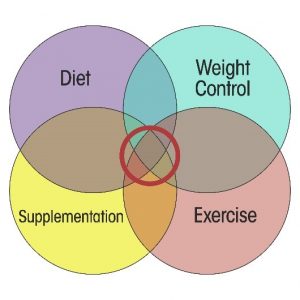
If you are a regular reader of “Health Tips From The Professor”, this should come as no surprise to you. I have often shared the Venn diagram on the upper left and said that the sweet spot is when two or more of these interventions overlap.

Of course, this is the first study of its kind. More studies are needed. More importantly, we need studies to fill in the other parts of the Venn diagram. We need to ask about the effect of diet and obesity on aging. For example:

  • If we add a healthy diet to vitamin D, omega-3s, and exercise, can we reduce aging even more dramatically?
  • Is the effort it takes to lose excess weight worth it? Does adding it to diet, supplementation, and exercise reduce the aging process even more?

Of course, I think the answer to those questions is an unequivocal, “Yes”. Multiple studies have shown that both a healthy weight and a healthy diet help you live healthier longer.

But I am a scientist. Neither diet nor weight loss have been tested in combination with supplementation and exercise. I would like to see studies combining all these modalities in a single double-blind, placebo-controlled experiment.

So, what does this mean for you? If you want to slow the aging process, if you are in search of your personal “Fountain of Youth…

  • This study suggests that vitamin D3 supplementation (2,000 IU/day), omega-3 supplementation (1,000 mg of EPA + DHA), and an exercise program that emphasizes strength training can help you slow the aging process.

But that is only the beginning. I also recommend…

  • Including a healthy diet and a healthy weight in your anti-aging regimen.
  • Making sure your diet has enough protein and leucine, since older adults need more of both to maximize the benefits of strength training.
  • Including other supplements as evidence for their benefit in slowing the aging process becomes available.

The Bottom Line 

A recent double-blind, placebo-controlled study looked at the effect of vitamin D3 supplementation (2,000 IU/day), omega-3 supplementation (1,000 mg/day EPA + DHA in a 1:2 ratio), and an unsupervised strength training program on the aging process.

It differed from most other double-blind, placebo-controlled studies in that:

  • It was larger (1,137 participants) and longer (3 years) than most.
  • More importantly, each intervention was tested individually, in pairs, and all 3 together.

The study found that:

  • None of these interventions had a statistically significant effect on aging by themselves.
  • None of these interventions had a statistically significant effect on aging when combined in pairs, although the vitamin D3-omega-3 pair came close to significance.
  • However, the combination of vitamin D3, omega-3s, and exercise reduced the risk of aging by a statistically significant 39%.

One take-home lesson from this study was that a holistic approach that included all 3 interventions was superior to any one of these interventions alone or in pairs.

But the most important take-home lesson is this:

If you asked your doctor what you should do to slow the aging process, he or she would probably tell you, “Exercise may help, but forget supplementing with extra vitamin D or omega-3s. They have no proven benefits.”

They would be correct based on studies of each of these interventions individually. And the studies they might quote would be double-blind, placebo-controlled studies, the gold standard of clinical studies.

But would that be the best advice? Clearly not. The best advice would be to follow a holistic approach and use all 3 interventions together.

Unfortunately, this is true for most studies of supplementation. Supplements are tested individually, as if they were “magic bullets”. And most of these studies come up short. They fail to find a significant benefit of supplementation.


Supplements are almost never tested holistically in combination with each other and other interventions, but that’s where the “magic” really happens.

For more information on this study and my recommendations on how to slow the aging process read the article above.

These statements have not been evaluated by the Food and Drug Administration. This information is not intended to diagnose, treat, cure, or prevent any disease.

 ___________________________________________________________________________

My posts and “Health Tips From the Professor” articles carefully avoid claims about any brand of supplement or manufacturer of supplements. However, I am often asked by representatives of supplement companies if they can share them with their customers.

My answer is, “Yes, as long as you share only the article without any additions or alterations. In particular, you should avoid adding any mention of your company or your company’s products. If you were to do that, you could be making what the FTC and FDA consider a “misleading health claim” that could result in legal action against you and the company you represent.

For more detail about FTC regulations for health claims, see this link.

https://www.ftc.gov/business-guidance/resources/health-products-compliance-guidance

Can Healthy Eating Help You Lose Weight?

Who Benefits Most From A Healthy Diet?

Author: Dr. Stephen Chaney 

fad dietsFad diets abound. High protein, low carb, low fat, vegan, keto, paleo – the list is endless. They all claim to be backed by scientific studies showing that you lose weight, lower your cholesterol and triglycerides, lower your blood pressure, and smooth out your blood sugar swings.

They all claim to be the best. But any reasonable person knows they can’t all be the best. Someone must be lying.

My take on this is that fad diet proponents are relying on “smoke and mirrors” to make their diet look like the best. I have written about this before, but here is a brief synopsis:

  • They compare their diet with the typical American diet.
    • Anything looks good compared to the typical American diet.
    • Instead, they should be comparing their diet with other weight loss diets. That is the only way we can learn which diet is best.
  • They are all restrictive diets.
    • Any restrictive diet will cause you to eat fewer calories and to lose weight.
    • As little as 5% weight loss results in lower cholesterol & triglycerides, lower blood pressure, and better control of blood sugar levels.

Simply put, any restrictive diet will give you short-term weight loss and improvement in blood parameters linked to heart disease, stroke, and diabetes. But are these diets healthy long term? For some of them, the answer is a clear no. Others are unlikely to be healthy but have not been studied long term. So, we don’t know whether they are healthy or not.

What if you started from the opposite perspective? Instead of asking, “Is a diet that helps you lose weight healthy long term?”, what if you asked, “Can healthy eating help you lose weight?” The study (S Schutte et al, American Journal of Clinical Nutrition, 115: 1-18, 2022) I will review this week asked that question.

More importantly, it was an excellent study. It compared a healthy diet to an unhealthy diet with exactly the same degree of caloric restriction. And it compared both diets to the habitual diet of people in that area. This study was performed in the Netherlands, so both weight loss diets were compared to the habitual Dutch diet.

How Was The Study Done?

clinical studyThis was a randomized controlled trial, the gold standard of clinical studies. The investigators recruited 100 healthy, abdominally obese men and women aged 40-70. At the time of entry into the study none of the participants:

  • Had diabetes.
  • Smoked
  • Had a diagnosed medical condition.
  • Were on a medication that interfered with blood sugar control.
  • Were on a vegetarian diet.

The participants were randomly assigned to:

  • A high-nutrient quality diet that restricted calories by 25%.
  • A low-nutrient-quality diet that restricted calories by 25%.
  • Continue with their habitual diet.

The study lasted 12 weeks. The participants met with a dietitian on a weekly basis. The dietitian gave them the foods for the next week and monitored their adherence to their assigned diet. They were advised not to change their exercise regimen during the study.

At the beginning and end of the study the participants were weighed, and cholesterol, triglycerides, and blood pressure were measured.

Can Healthy Eating Help You Lose Weight?

Vegetarian DietTo put this study into context, these were not healthy and unhealthy diets in the traditional sense.

  • Both were whole food diets.
  • Both included fruits, vegetables, low-fat dairy, and lean meats.
  • Both restricted calories by 25%.

The diets were designed so that the “high-nutrient quality” diet had significantly more plant protein (in the form of soy protein), fiber, healthy fats (monounsaturated and omega-3 fats), and significantly less fructose and other simple sugars than the “low-nutrient-quality” diet.

At the end of 12 weeks:

  • Participants lost significant weight on both calorie-restricted diets compared to the group that continued to eat their habitual diet.
    • That is not surprising. Any diet that successfully restricts calories will result in weight loss.
  • Participants on the high-nutrient quality diet lost 33% more weight than participants on the low-nutrient-quality diet (18.5 pounds compared to 13.9 pounds).
  • Participants on the high-nutrient quality diet lost 50% more inches in waist circumference than participants on the low-nutrient-quality diet (1.8 inches compared to 1.2 inches).
    • This is a direct measure of abdominal obesity.

When the investigators measured blood pressure, fasting total cholesterol levels, and triglyceride levels:Heart Healthy Diet

  • These cardiovascular risk factors were significantly improved on both diets.
    • Again, this would be expected. Any diet that causes weight loss results in an improvement in these parameters.
  • The reduction in total serum cholesterol was 2.5-fold greater and the reduction in triglycerides was 2-fold greater in the high-nutrient quality diet group than in the low-nutrient-quality diet group.
  • The reduction in systolic blood pressure was 2-fold greater and the reduction in diastolic blood pressure was 1.67-fold greater in the high-nutrient quality diet group than in the low-nutrient-quality diet group.

The authors concluded, “Our results demonstrate that the nutrient composition of an energy-restricted diet is of great importance for improvements of metabolic health in an overweight, middle-aged population. A high-nutrient quality energy-restricted diet enriched with soy protein, fiber, monounsaturated fats, omega-3 fats, and reduced in fructose provided additional health benefits over a low-nutrient quality energy-restricted diet, resulting in greater weight loss…and promoting an antiatherogenic blood lipid profile.”

In short, participants in this study lost more weight and had a better improvement in risk factors for heart disease on a high-nutrient-quality diet than on a low-nutrient-quality diet. Put another way, healthy eating helped them lose weight and improved their health.

Who Benefits Most From A Healthy Diet?

None of the participants in this study had been diagnosed with diabetes when the study began. However, all of them were middle-aged, overweight, and had abdominal obesity. That means many of them likely had some degree of insulin resistance.

Because of some complex metabolic studies that I did not describe, the investigators suspected that insulin resistance might influence the relative effectiveness of the two energy-restricted diets.

To test this hypothesis, they used an assay called HOMA-IR (homeostatic model assessment of insulin resistance). Simply put, this assay measures how much insulin is required to keep your blood sugar under control.

They used a HOMA-IR score of 2.5 to categorize insulin resistance among the participants.

  • Participants with a HOMA-IR score >2.5 were categorized as insulin-resistant. This was 55% of the participants.
  • Participants with a HOMA-IR score ≤2.5 were categorized as insulin-sensitive. This was 45% of the participants.

When they used this method to categorize participants they found:

  • Insulin-resistant individual lost about the same amount of weight on both diets.
  • Insulin-sensitive individuals lost 66% more weight on the high-nutrient-quality diet than the low-nutrient-quality diet (21.6 pounds compared to 13.0 pounds).

The investigators concluded, “Overweight, insulin-sensitive subjects may benefit more from a high- than a low-nutrient-quality energy-restricted diet with respect to weight loss…”

What Does This Study Mean For You?

Questioning WomanSimply put this study confirms that:

  • Caloric restriction leads to weight loss, and…
  • Weight loss leads to improvement in cardiovascular risk factors like total cholesterol, triglycerides, and blood pressure.
    • This is not new.
    • This is true for any diet that results in caloric restriction.

This study breaks new ground in that a high-nutrient quality diet results in significantly better:

  • Weight loss and…
  • Reduction in cardiovascular risk factors…

…than a low-nutrient quality diet. As I said above, the distinction between a “high-nutrient-quality” diet and a “low-nutrient-quality” diet may not be what you might have expected.

  • Both diets were whole food diets. Neither diet allowed sodas, sweets, and highly processed foods.
  • Both included fruits, vegetables, grains, and lean meats.
  • Both reduced caloric intake by 25%.
    • If you want to get the most out of your weight loss diet, this is a good place to start.

In this study the investigators designed their “high-nutrient-quality” diet so that it contained:

  • More plant protein in the form of soy protein.
    • In this study they did not reduce the amount of animal protein in the “high-nutrient-quality” diet. They simply added soy protein foods to the diet. I would recommend substituting soy protein for some of the animal protein in the diet.
  • More fiber.
    • The additional fiber came from substituting whole grain breads and brown rice for refined grain breads and white rice, adding soy protein foods, and adding an additional serving of fruit.
  • More healthy fats (monounsaturated and omega-3 fats).
    • The additional omega-3s came from adding a fish oil capsule providing 700mg of EPA and DHA.
  • Less simple sugars. While this study focused on fructose, their high-nutrient-quality diet was lower in all simple sugars.

ProfessorAll these changes make great sense if you are trying to lose weight. I would distill them into these 7 recommendations.

  • Follow a whole food diet. Avoid sodas, sweets, and highly processed foods.
  • Include all 5 food groups in your weight loss diet. Fruits, vegetables, whole grains, dairy, and lean proteins all play an important role in your long-term health.
  • Eat a primarily plant-based diet. My recommendation is to substitute plant proteins for at least half of your high-fat animal proteins. And this study reminds us that soy protein foods are a convenient and effective way to achieve this goal.
  • Eat a diet high in natural fibers. Including fruits, vegetables, whole grains, beans, nuts, seeds, and soy foods in your diet is the best way to achieve this goal.
  • Substitute healthy fats (monounsaturated and omega-3 fats) for unhealthy fats (saturated and trans fats) in your diet. And this study reminds us that it is hard to get enough omega-3s in your diet without an omega-3 supplement.
  • Reduce the amount of added sugar, especially fructose, from your diet. That is best achieved by eliminating sodas, sweets, and highly processed foods from the diet. I should add that fructose in fruits and some healthy foods is not a problem. For more information on that topic, I refer you to a previous “Health Tips” article .
  • Finally, I would like to remind you of the obvious. No diet, no matter how healthy, will help you lose weight unless you cut back on calories. Fad diets achieve that by restricting the foods you can eat. In the case of a healthy diet, the best way to do it is to cut back on portion sizes and choose foods with low caloric density.

I should touch briefly on the third major conclusion of this study, namely that the “high-nutrient quality diet” was not more effective than the “low-nutrient-quality” diet for people who were insulin resistant. In one sense, this was not news. Previous studies have suggested that insulin-resistant individuals have more difficulty losing weight. That’s the bad news.

However, there was a silver lining to this finding as well:

  • Only around half of the overweight, abdominally obese adults in this study were highly insulin resistant.
    • That means there is a ~50% chance that you will lose more weight on a healthy diet.
  • Because both diets restricted calories by 25%, insulin-resistant individuals lost weight on both diets.
    • That means you can lose weight on any diet that successfully reduces your caloric intake. That’s the good news.
    • However, my recommendation would still be to choose a high-nutrient quality diet that is designed to reduce caloric intake, because that diet is more likely to be healthy long term.

The Bottom Line 

A recent study asked, “Can healthy eating help you lose weight?” This study was a randomized controlled study, the gold standard of clinical studies. The participants were randomly assigned to:

  • A high-nutrient quality diet that restricted calories by 25%.
  • A low-nutrient-quality diet that restricted calories by 25%.
  • Continue with their habitual diet.

These were not healthy and unhealthy diets in the traditional sense.

  • Both were whole food diets.
  • Both included fruits, vegetables, low-fat dairy, and lean meats.
  • Both restricted calories by 25%.

The diets were designed so that the “high-nutrient quality” diet had significantly more plant protein (in the form of soy protein), fiber, healthy fats (monounsaturated and omega-3 fats), and significantly less fructose and other simple sugars than the “low-nutrient-quality” diet.

At the end of 12 weeks:

  • Participants on the high-nutrient quality diet lost 33% more weight than participants on the low-nutrient-quality diet (18.5 pounds compared to 13.9 pounds).

When the investigators measured cardiovascular risk factors at the end of 12 weeks:

  • The reduction in total serum cholesterol was 2.5-fold greater and the reduction in triglycerides was 2-fold greater in the high-nutrient quality diet group than in the low-nutrient-quality diet group.
  • The reduction in systolic blood pressure was 2-fold greater and the reduction in diastolic blood pressure was 1.67-fold greater in the high-nutrient quality diet group than in the low-nutrient-quality diet group.

The authors concluded, “Our results demonstrate that the nutrient composition of an energy-restricted diet is of great importance for improvements of metabolic health in an overweight, middle-aged population. A high-nutrient quality energy-restricted diet enriched with soy protein, fiber, monounsaturated fats, omega-3 fats, and reduced in fructose provided additional health benefits over a low-nutrient quality energy-restricted diet, resulting in greater weight loss…and promoting an antiatherogenic blood lipid profile.”

In short, participants in this study lost more weight and had a better improvement in risk factors for heart disease on a high-nutrient-quality diet than on a low-nutrient-quality diet. Put another way, healthy eating helped them lose weight and improved their health.

For more details on this study, what this study means for you, and my 7 recommendations for a healthy weight loss diet, read the article above.

These statements have not been evaluated by the Food and Drug Administration. This information is not intended to diagnose, treat, cure, or prevent any disease.

How Much Omega-3s Do Children Need?

What Does This Study Mean For Your Children?

Author: Dr. Stephen Chaney 

It is back to school time again. If you have children, you are probably rushing around to make sure they are ready.

  • Backpack…Check.
  • Books…Check
  • School supplies…Check
  • Omega-3s…???

Every parent wants their child to do their best in school. But do they need omega-3s to do their best? I don’t need to tell you that question is controversial.

Some experts claim that omega-3 supplementation in children improves their cognition. [Note: Cognition is defined as the mental action or process of acquiring knowledge and understanding through thought, experience, and the senses. In layman’s terms that means your child’s ability to learn.]

Other experts point out that studies in this area disagree. Some studies support these claims. Others don’t. Because the studies disagree these experts conclude there is no good evidence to support omega-3 supplementation in children.

The authors of this study (ISM van der Wurff et al, Nutrients, 12: 3115, 2020) took a different approach. They asked why these studies disagreed. They hypothesized that previous studies disagreed because there is a minimal dose of omega-3s needed to achieve cognitive benefits in children. In short, they were asking how much omega-3s do children need.

They based their hypothesis on recent studies showing that a minimum dose of omega-3s is required to show heart health benefits in adults.

What Have We Learned From Studies on Omega-3s And Heart Health?

Omega-3s And Heart DiseaseThe breakthrough in omega-3/heart health studies came with the development of something called the omega-3 index. Simply put, omega-3s accumulate in our cell membranes. The omega-3 index is the percent omega-3s in red blood cell membranes and is a good measure of our omega-3 status.

Once investigators began measuring the omega-3 index in their studies and correlating it with heart health, it became clear that:

  • An omega-3 index of ≤4% correlated with a high risk of heart disease.
  • An omega-3 index of ≥8% correlated with a low risk of heart disease.
  • Most Americans have an omega-3 index in the 4-6% range.
  • Clinical studies in which participants’ omega-3 index started in the low range and increased to ~8% through supplementation generally showed a positive effect of omega-3s on reducing heart disease risk. [I say generally because there are other factors in study design that can obscure the effect of omega-3s.]

This is the model that the authors adopted for their study. They asked how much omega-3s do children need to show a positive effect of omega-3s on their cognition (ability to learn).

How Was The Study Done?

Clinical StudyThe authors included 21 studies in their analysis that met the following criteria:

  • All studies were placebo controlled randomized clinical trials.
  • The participants were 4-25 years old and had not been diagnosed with ADHD.
  • Supplementation was with the long-chain omega-3s DHA and/or EPA.
  • The trial assessed the effect of omega-3 supplementation on cognition.

I do not want to underestimate the difficulties the authors faced in their quest. The individual studies differed in:

  • The dose of omega-3s.
    • The relative amount of DHA and EPA.
    • Whether omega-3 index was measured. Only some of the studies measured fatty acid levels in the blood. The authors were able to calculate the omega-3 index in these studies.
  • How cognition (ability to learn) was measured.
  • The age of the children.
    • 20 of the studies were done with children (4-12 years old) or late adolescents (20-25 years old).
    • Only one study was done on early to middle adolescents (12-20 years old).
  • All these variables influence the outcome and could obscure the effect of omega-3s on cognition.

In short, determining the omega-3 dose-response for an effect on cognition was a monumental task. It was like searching for a needle in a haystack. These authors did a remarkable job.

How Much Omega-3s Do Children Need?

Child Raising HandHere is what the scientists found when they analyzed the data:

  • 60% of the studies in which an omega-3 index of ≥6% was achieved showed a beneficial effect of omega-3 supplementation on cognition (ability to learn) compared to 20% of the studies that did not achieve an omega-3 index of 6%.
    • That is a 3-fold difference in effectiveness once a threshold of 6% omega-3 index was reached.
  • 50% of the studies in which a dose of ≥ 450 mg/day of DHA + EPA was used showed a beneficial effect of omega-3 supplementation on cognition (ability to learn) compared to 25% of the studies that used <450 mg/day DHA + EPA.
    • That is a 2-fold difference in effectiveness once a threshold of 450 mg/day DHA + EPA was given.

The authors concluded, “Daily supplementation of ≥450 mg/day DHA and/or EPA and an increase in the omega-3 index to >6% makes it more likely to show efficacy [of omega-3s] on cognition (ability to learn) in children and adolescents.”

What Does This Study Tell Us?

Question MarkIt is important to understand what this study does and does not tell us.

This study does not:

  • Prove that omega-3 supplementation can improve cognition (ability to learn) in children and adolescents.
  • Define optimal levels of DHA + EPA.
  • Tell us whether DHA, EPA, or a mixture is better.

It was not designed to do any of these things. It was designed to give us a roadmap for future studies. It tells us how to design studies that can provide definitive answers to these questions.

This study does:

  • Define a threshold dose of DHA + EPA for future studies (450 mg/day).
  • Tells us how to best use the omega-3 index in future studies. To obtain meaningful results:
    • Participants should start with an omega-3 index of 4% or less.
    • Participants should end with an omega-3 index of 6% or greater.
  • In my opinion, future studies would also be much more effective if scientists in this area of research could agree on a single set of cognitive measures to be used in all subsequent studies.

In short, this study provides critical information that can be used to design future studies that will be able to provide definitive conclusions about omega-3s and cognition in children.

What Does This Study Mean For Your Children?

child geniusAs a parent or grandparent, you probably aren’t interested in optimizing the design of future clinical studies. You want answers now.

Blood tests for omega-3 index are available, but they are not widely used. And your insurance may not cover them.

So, for you the most important finding from this study is that 450 mg/day DHA + EPA appears to be the threshold for improving a child’s cognition (their ability to learn).

  • 450 mg/day is not an excessive amount. The NIH defines adequate intakes for omega-3s as follows:
  • 4-8 years: 800 mg/day
  • 9-13 years: 1 gm/day for females, 1.2 gm/day for males
  • 14-18 years: 1.1 gm/day for females and 1.6 gm/day for males.
  • With at least 10% of that coming from DHA + EPA

Other organizations around the world recommend between 100 mg/day and 500 mg/day DHA + EPA depending on the age and weight of the child and the organization.

  • Most children need supplementation to reach adequate omega-3 intake. The NIH estimates the average child only gets around 40 mg/day omega-3s from their diet. No matter which recommendation you follow, it is clear that most children are not getting the recommended amount of DHA + EPA in their diet.
  • Genetics.
  • Diet.
  • Environment.
  • The value placed on learning by parents and peers.

Supplementation is just one factor in your child’s ability to learn. But it is one you can easily control. . And if your child is like most, he or she is probably not getting enough omega-3s in their diet.

The Bottom Line 

It is back to school time again. Every parent wants their child to do their best in school. But do they need omega-3s to do their best? I don’t need to tell you that question is controversial.

Some studies support these claims, but others don’t. Because the studies disagree some experts conclude there is no good evidence to support omega-3 supplementation in children.

The authors of a recent study took a different approach. They asked why these studies disagreed. They hypothesized that previous studies disagreed because there was a minimal dose of omega-3s needed to achieve cognitive benefits in children. They asked how much omega-3s children need.

They analyzed the data from 21 previous studies looking at the effect of omega-3 supplementation on cognition (ability to learn) in children and adolescents. Their analysis showed:

  • 60% of the studies in which an omega-3 index of ≥6% was achieved showed a beneficial effect of omega-3 supplementation on cognition (ability to learn) compared to 20% of the studies that did not achieve an omega-3 index of 6%.
    • That is a 3-fold difference in effectiveness once a threshold of 6% omega-3 index was reached.
  • 50% of the studies in which a dose of ≥ 450 mg/day of DHA + EPA was used showed a beneficial effect of omega-3 supplementation on cognition (ability to learn) compared to 25% of the studies that used <450 mg/day DHA + EPA.
    • That is a 2-fold difference in effectiveness once a threshold dose of 450 mg/day DHA + EPA was given.

The authors concluded, “Daily supplementation of ≥450 mg/day DHA + EPA and an increase in the omega-3 index to >6% makes it more likely to show efficacy [of omega-3s] on cognition (ability to learn) in children and adolescents.”

For more details on the study and what it means for your children and grandchildren, read the article above.

These statements have not been evaluated by the Food and Drug Administration. This information is not intended to diagnose, treat, cure, or prevent any disease.

Omega-3s Reduce Preterm Births

Do Omega-3s Make For A Healthy Pregnancy?

Author: Dr. Stephen Chaney 

omega-3s during pregnancy is healthyThe role of omega-3s on a healthy pregnancy has been in the news for some time. Claims have been made that omega-3s reduce preterm births, postnatal depression, and improve cognition, IQ, vision, mental focus, language, and behavior in the newborn as they grow.

The problem is that almost all these claims have been called into question by other studies. If you are pregnant or thinking of becoming pregnant, you don’t know what to believe.

  • Should you eat more fish?
  • Should you take omega-3 supplements?
  • Or should you just ignore the claims about omega-3s and a healthy pregnancy?

These are not trivial questions. Let’s consider preterm births as an example. The medical profession has made enormous advances in keeping premature babies alive. However, premature babies are still at higher risk of several health conditions including:

  • Visual impairment.
  • Developmental Delay.
  • Learning difficulties.

Plus, it is expensive to keep premature babies alive. One recent study estimated that increasing omega-3 intake during pregnancy could reduce health care costs by around $6 billion in the United Stated alone.

Unfortunately, it’s not just omega-3s and pregnancy. The same is true for almost all nutritional health claims. One day a study comes out claiming that nutrient “X” cures some disease or has some miraculous benefit. The bloggers and news media hype that study. Suddenly you see that health claim everywhere. It becomes so omnipresent that you are tempted to believe it must be true.

But wait. A few months later another study comes to opposite conclusion. Now the media is telling you that health claim is false. The months come and go, and new studies keep coming out. Some support the health claim. Others refute it.

Pretty soon the nutrition headlines just become “noise”. You don’t know what to believe. If you want the truth, “Who ya gonna call?”

Who Ya Gonna Call?

ghost bustersIt’s not Ghostbusters. It not Dr. Strangelove’s health blog. It’s a group called the Cochrane Collaboration.

The Cochrane Collaboration consists of 30,000 volunteer scientific experts from across the globe whose sole mission is to analyze the scientific literature and publish reviews of health claims so that health professionals, patients, and policy makers can make evidence-based choices about health interventions.

The Cochrane Collaboration reviews all the relevant studies on a topic, exclude those that are biased or weak, and make their recommendations based on only the strongest studies. Their reviews are considered the gold standard of evidence-based medicine.

If you are of a certain age, you may remember that TV commercial “When EF Hutton talks, people listen.” It is the same with the Cochrane Collaboration. When they talk, health professionals listen.

This week we will examine the Cochrane Collaboration’s review titled “Omega-3 Fatty Acid Addition During Pregnancy”.

How Was The Study Done?

Clinical StudyFor this analysis the Cochrane Collaboration reviewed 70 randomized controlled trials which compared the effect of added omega-3s on pregnancy outcomes with either a placebo or a diet no added omega-3s. These trials included almost 19,927 pregnant women.

In one sense, Cochrane reviews are what is called a “meta-analysis”, in which data from numerous studies are grouped together so that a statistically significant conclusion can be reached. However, Cochrane Collaboration reviews differ from most meta-analyses found in the scientific literature in a very significant way.

Many published meta-analyses simply report “statistically significant” conclusions. However, statistics can be misleading. As Mark Twain said: “There are lies. There are damn lies. And then there are statistics”.

The problem is that the authors of most meta-analyses group studies together without considering the quality of studies included in their analysis. This creates a “Garbage In – Garbage Out” effect. If the quality of individual studies is low, the quality of the meta-analysis will also be low. Simply put, the conclusions from some published meta-analyses are not worth the paper they are written on.

The Cochrane Collaboration also reports statistically significant conclusions from their meta-analyses. However, they also carefully consider the quality of each individual study in their analysis. They look at possible sources of bias. They look at the design and size of the studies. Finally, they ask whether the conclusions are consistent from one study to the next. They clearly define the quality of evidence that backs up each of their conclusions as follows:

  • High-quality evidence. Further research is unlikely to change their conclusion. This is generally reserved for conclusions backed by multiple high-quality studies that have all come to the same conclusion. These are the recommendations that are most often adopted into medical practice.
  • Moderate-quality evidence. This conclusion is likely to be true, but further research could have an impact on it.
  • Low-quality evidence. Further research is needed and could alter the conclusion. They are not judging whether the conclusion is true or false. They are simply saying more research is needed to reach a definite conclusion.

Omega-3s Reduce Preterm Births

clinically provenHere are the conclusions that the Cochrane Collaboration said were supported by high-quality evidence:

  • Omega-3s reduce the risk of preterm births.
  • Omega-3s reduce the risk of low-birth-weight infants.

The authors concluded: “Omega-3 supplementation during pregnancy is an effective strategy for reducing the risk of preterm birth…More studies comparing omega-3s and placebo are not needed at this point.”

In other words, they are saying this conclusion is definite. Omega-3 supplementation should become part of the standard of medical care for pregnant women.

However, they did say that further studies were needed “…to establish if, and how, outcomes vary by different types of omega-3s, timing [stage of pregnancy], doses [of omega-3s], or by characteristics of women.”

That’s because these variables were not analyzed in the Cochrane study. Their review and meta-analysis included clinical trials:

  • Of women at low, moderate, and high risk of poor pregnancy outcomes.
  • With DHA alone, with EPA alone, and with a mixture of both.
  • Omega-3 doses that were low (˂ 500 mg/day), moderate (500-1,000 mg/day), and high (> 1,000 mg/day).

Do Omega-3s Make For A Healthy Pregnancy?

What about the effect of omega-3s on other pregnancy outcomes?

The conclusions the Cochrane Collaboration said were supported by moderate quality evidence included reductions in:

  • Perinatal death.
  • Admissions to the neonatal intensive care unit.

There was not enough high or moderate quality data to determine the effect of omega-3s on other pregnancy outcomes such as postnatal depression. More research is still needed in those areas. However, if you do receive any of these benefits from omega-3 supplementation, you can just consider them as side benefits.

What Does This Report Mean For You?

pregnant women taking omega-31) The proven effect of omega-3 supplementation on preterm births is significant because preterm births increase the risk of:

  • Visual impairment.
  • Developmental Delay.
  • Learning difficulties.

2) The likely effect of omega-3s on admission to neonatal intensive care units is significant because those units are very expensive.

3) The Cochrane study did not determine whether omega-3 supplementation was equally important for women at low, moderate, and high likelihood of poor pregnancy outcomes.

  • Therefore, omega-3 supplementation should be considered for all pregnant women.

4) The Cochrane study did not determine whether omega-3 supplementation was equally important during the first, second, or third trimester.

  • Therefore, omega-3 supplementation should be considered by all women of childbearing age who might become pregnant and throughout pregnancy.

5) The Cochrane study did not determine whether DHA, EPA, or a mixture of the two was most effective.

  • Therefore, your omega-3 supplement should probably contain both DHA and EPA. A group of experts recently recommended  that adults consume at least 650 mg/day of omega-3s with ≥ 220 mg of that coming from DHA and ≥ 220 mg/day coming from EPA.
  • Since most pregnant women in this country consume around 89 mg/day of DHA + EPA, omega-3 supplementation is warranted.

The Bottom Line 

The effect of omega-3s on pregnancy outcomes have been confusing. Some studies conclude that omega-3s are important for a healthy pregnancy. Other studies suggest they are ineffective. What are you to believe?

Fortunately, a group called the Cochrane Collaboration recently conducted a comprehensive review of this topic. This is significant because Cochrane Reviews are internationally recognized as the highest standard in evidence-based health care. They influence the treatment protocols recommended by the medical community.

This Cochrane Review concluded that omega-3 supplementation during pregnancy:

  • Reduces preterm births and low birth weight infants.
  • Likely reduces perinatal death and admissions to the neonatal intensive care unit.

The authors of the review said: “Omega-3 supplementation during pregnancy is an effective strategy for reducing the risk of preterm birth…More studies comparing omega-3s and placebo are not needed at this point.”

In other words, they are saying this conclusion is definite. Omega-3 supplementation should become part of the standard of medical care for pregnant women.

For more details on the study and what it means for you, read the article above.

These statements have not been evaluated by the Food and Drug Administration. This information is not intended to diagnose, treat, cure or prevent any disease.

Omega-3s And Congestive Heart Failure

We Have Been Asking The Wrong Questions 

Author: Dr. Stephen Chaney

Confusion Clinical StudiesToday’s Health Tip is a follow-up to the article I published last month on omega-3s and heart disease risk. In that article I pointed out the reasons why studies of the effect of omega-3s and heart disease risk have been so confusing.

One of the reasons is that many of the studies have been asking the wrong questions.

  • They were asking whether omega-3s reduced the risk of heart disease for everyone. Instead, they should have been asking who benefited from omega-3 supplementation.

  • They were asking whether omega-3s reduced the risk of all forms of heart disease combined. Instead, they should have been asking whether omega-3s reduced the risk of specific kinds of heart disease.

I also discussed a large clinical trial, the VITAL study, that was designed to answer those two questions.

The study I will describe today (L Djoussé et al, JACC Heart Failure, 10: 227-234, 2022) mined the data from the VITAL study to evaluate the effect of omega-3 supplementation on congestive heart failure, a form of heart disease that was not discussed in the VITAL study.

Everything You Need To Know About Congestive Heart Failure

Congestive Heart FailureCongestive heart failure is a killer. The term congestive heart failure simply means that your heart no longer pumps blood well. The initial symptoms are relatively non-specific and include things like.

  • Shortness of breath.
  • Fatigue and weakness.
  • Reduced ability to exercise.
  • Rapid or irregular heartbeat.
  • Persistent cough or wheezing.

However, as it progresses, the symptoms get much worse. Fluid builds up in your tissues.

  • Fluid buildup in your legs, ankles, and feet can make it difficult to walk.
  • Fluid buildup in your lungs makes it difficult to breathe. In advanced stages it can feel like you are drowning in a room full of air.

According to the CDC:

  • 4 million Americans have congestive heart failure (CHF).
    • It leads to ~380,000 deaths/year.
  • 83% of patients diagnosed with CHF will be hospitalized at least once.
    • 67% will be hospitalized two or more times.
  • CHF costs >$30 billion per year in health care costs and lost wages.

The risk of congestive heart failure is not spread evenly across the American population. Black Americans and Americans with type 2 diabetes are at increased risk.

According to the Framingham Heart Study:

  • Type 2 diabetes increases the risk of CHF 2-fold in men and 5-fold in women. The reasons are not entirely clear. However:
    • High blood sugar is thought to either damage cells in heart muscle, weakening it, or damage small blood vessels within the heart, making it more difficult for the heart to pump blood.
    • Some diabetes drugs that lower blood sugar also appear to increase the risk of congestive heart failure.

According to the CDC:

  • Black Americans are 2-fold more likely to develop CHF than White Americans. Again, the reasons are not clear. However:
    • Some experts feel it could be due to the higher incidence of untreated high blood pressure in Black Americans.

In summary:

  • Congestive heart failure is a serious disease. Its symptoms affect your quality of life, and it can lead to hospitalizations and death.
  • Black Americans and Americans with type 2 diabetes are at higher risk of developing congestive heart failure.

How Was The Study Done?

The VITAL study, from which these data were extracted, was a placebo-controlled clinical trial designed to measure the effects of 1,000 mg omega-3 supplementation on the risk of developing heart disease. It enrolled 25,871 Americans aged 55 years or older and followed them for an average of 5.3 years.

The participants enrolled in the VITAL study represented a cross-section of the American population. Most were at low risk of heart disease, but there were subsets of the study group who were at higher risk of heart disease. A strength of the VITAL study was that it was designed so the high-risk subgroups could be evaluated separately.

The current study utilized data from the VITAL study to look at the effect of omega-3 supplementation on hospitalizations due to congestive heart failure. It also evaluated the effect of type 2 diabetes and race on the risk of hospitalizations.

Omega-3s And Congestive Heart Failure

Omega-3s And Heart DiseaseWhen the investigators looked at the whole population, most of whom were at low-risk of congestive heart failure, they did not see any effect of omega-3 supplementation on the risk of hospitalizations due to congestive heart failure.

However, when they looked at high risk groups, the story was much different.

In patients with type-2 diabetes:

  • Omega-3 supplementation reduced the risk of the initial hospitalization for congestive heart failure by 31%
  • Omega-3 supplementation reduced the risk of multiple hospitalizations due to congestive heart failure by 47%.

The effect of omega-3 supplementation on hospitalizations was greatest for the Black participants in the study.

In the words of the authors, “Our data show beneficial effects of omega-3 fatty acid supplements on the incidence of heart failure hospitalizations in participants with type 2 diabetes but not in those without type 2 diabetes, and such benefit appeared to be stronger in Black participants with type 2 diabetes.”

We Are Asking The Wrong Questions

ScientistAs I said above, there is so much confusion about the effect of omega-3s on heart disease because we scientists have been asking the wrong questions:

  • We have been asking whether omega-3s reduce the risk of heart disease for everyone. Instead, we should have been asking who benefits from omega-3 supplementation.

  • We have been asking whether omega-3s reduced the risk of all forms of heart disease combined. Instead, we should have been asking whether omega-3s reduced the risk of specific kinds of heart disease.

In my “Health Tip” last month I discussed a large clinical study, the VITAL study, that was specifically designed to answer the right questions. Like so many other studies it found that omega-3 supplementation did not significantly reduce the risk of all kinds of heart disease for everyone.

However, what it did find was more important than what it did not find:

  • When they looked at the effect of omega-3s on heart disease risk in high-risk groups, they found that major cardiovascular events were reduced by:
    • 26% in African Americans.
    • 26% in patients with type 2 diabetes.
    • 17% in patients with a family history of heart disease.
    • 19% in patients with two or more risk factors of heart disease.
  • When they looked at the effect of omega-3s on heart disease risk in people with low omega-3 intake, they found that omega-3 supplementation reduced major cardiovascular events by:
    • 19% in patients with low fish intake.
  • When they looked at the effect of omega-3s on the risk of different forms of heart disease, they found that omega-3 supplementation reduced:
    • Heart attacks by 28% in the general population and by 70% for African Americans.
    • Deaths from heart attacks by 50%.
    • Deaths from coronary heart disease (primarily heart attacks and ischemic strokes (strokes caused by blood clots)) by 24%.

In other words, when they asked the wrong questions, they got the wrong answer. If they had just looked at the effect of omega-3 supplementation on all forms of heart disease for everyone (like most other omega-3 studies), they would have concluded that omega-3s are worthless.

However, when they asked the right questions, they found that omega-3s were very beneficial for high-risk populations and for certain types of heart disease.

The current study utilized the same data to analyze the effect of omega-3 supplementation on hospitalizations due to congestive heart failure. And the results were similar.

If they had asked the wrong question, “Does omega-3 supplementation reduce congestive heart failure hospitalizations for everyone?”, they would have concluded that omega-3 supplementation was worthless.

However, instead they asked, “Does omega-3 supplementation reduce congestive heart failure hospitalizations for certain high-risk groups” and were able to show that omega-3 supplementation significantly reduced congestive heart failure hospitalizations for people with type 2 diabetes and for Blacks.

We need to change the paradigm for clinical studies of supplements. The old paradigm asks the wrong questions. If we really want to know the role of supplementation for our health, we need to start asking the right questions.

The Bottom Line

There is perhaps nothing more confusing to the average person than the “truth” about omega-3 supplementation and heart disease risk. Much of the confusion is because we have been asking the wrong questions:

  • We have been asking whether omega-3 supplementation reduces the risk of heart disease for everyone. Instead, we should have been asking who benefits from omega-3 supplementation.

  • We have been asking whether omega-3 supplementation reduces the risk of all forms of heart disease combined. Instead, we should have been asking whether omega-3 supplementation reduces the risk of specific kinds of heart disease.

A recent study on the effect of omega-3 supplementation on hospitalizations due to heart disease is a perfect example.

If they had asked the wrong question, “Does omega-3 supplementation reduce congestive heart failure hospitalizations for everyone?”, they would have concluded that omega-3 supplementation was worthless.

However, instead they asked, “Does omega-3 supplementation reduce congestive heart failure hospitalizations for certain high-risk groups” and were able to show that omega-3 supplementation significantly reduced congestive heart failure hospitalizations for people with type 2 diabetes and for Blacks.

We need to change the paradigm for clinical studies of supplements. The old paradigm asks the wrong questions. If we really want to know the role of supplementation for our health, we need to start asking the right questions.

For more details read the article above.

These statements have not been evaluated by the Food and Drug Administration. This information is not intended to diagnose, treat, cure or prevent any disease.

The Omega-3 Pendulum

Who Benefits Most From Omega-3s? 

Author: Dr. Stephen Chaney

Pendulum
Pendulum

If you were around in the 60’s, you might remember the song “England Swings Like a Pendulum Do”. It was a cute song, but it had nothing to do with pendulums. This week I am talking about something that really does resemble a pendulum – the question of whether omega-3s reduce heart disease risk.

There is perhaps nothing more confusing to the average person than the “truth” about omega-3s and heart disease risk. The headlines and expert opinion on the topic swing wildly between “omega-3s reduce heart disease risk” to “omega-3s have no effect on heart disease risk” and back again. To me these swings resemble the swings of a pendulum – hence the title of this article.

Part of the reason for the wild swings is that journalists and most “experts” tend to rely on the latest study and ignore previous studies. Another contributing factor is that most journalists and experts read only the main conclusions in the article abstract. They don’t read and analyze the whole study.

So, in today’s “Health Tips From the Professor” I plan to:

  • Analyze 3 major studies that have influenced our understanding of the relationship between omega-3 intake and heart disease risk. I will tell you what the experts missed about these studies and why they missed it.
  • Summarize what you should know about omega-3 intake and your risk of heart disease.

Why Is The Role Of Omega-3s In Preventing Heart Disease So Confusing?

SecretsIn answering that question, let me start with what I call “Secrets Only Scientists Know”.

#1: Each study is designed to disprove previous studies. That is a strength of the scientific method. But it guarantees there will be studies on both sides of every issue.

Responsible scientists look at all high-quality studies and base their opinions on the weight of evidence. Journalists and less-responsible “experts” tend to “cherry pick” the studies that match their opinions.

#2: Every study has its flaws. Even high-quality studies have unintended flaws. And I have some expertise in identifying unintended flaws.

I published over 100 papers that went through the peer review process. And I was involved in the peer review of manuscripts submitted by other scientists. In the discussion below I will use my experience in reviewing scientific studies to identify unintended flaws in 3 major studies on omega-3s and heart disease risk.

Next, let me share the questions I ask when reviewing studies on omega-3s and heart disease. I am just sharing the questions here. Later I will share examples of how these questions allowed me to identify unintended flaws in the studies I review below.

#1: How did they define heart disease? The headlines you read usually refer to the effect of omega-3s on “heart disease”. However, heart disease is a generic term. In layman’s terms, it encompasses angina, heart attacks, stroke due to blood clots, stroke due brain bleeds, congestive heart failure, impaired circulation, and much more.

Omega-3s have vastly different effects on different forms of heart disease, so it is important to know which form(s) of heart disease the study examined. And if the study included all forms of heart disease, it is important to know whether they also looked at the forms of heart disease where omega-3s have been shown to have the largest impact.

#2: What was the risk level of the patients in the study? If the patients in the study are at imminent risk of a heart attack or major cardiovascular event, it is much easier to show an effect than if they are at low risk.

For example, it is easy to show that statins reduce the risk of a second heart attack in someone who has just suffered a heart attack. These are high-risk patients. However, if you look at patients with high cholesterol but no other risk factors for heart disease, it is almost impossible to show a benefit of statins. These are low-risk patients.

If it is difficult to show that statins benefit low-risk patients, why should we expect to be able to show that omega-3s benefit low-risk patients?

[Note: I am not saying that statins do not benefit low-risk patients. I am just saying it is very difficult to prove they do in clinical studies.]

#3: How much omega-3s are the patients getting in their diet? The public reads the headlines. When the headlines say that omega-3s are good for their hearts, they tend to take omega-3 supplements. When the headlines say omega-3s are worthless, they cut back on omega-3 supplements. So, there is also a pendulum effect for omega-3 intake.

Omega-3s are fats. So, omega-3s accumulate in our cell membranes. The technical term for the amount of omega-3s in our cellular membranes is something called “Omega-3 Index”. Previous studies have shown that:

    • An omega-3 index of 4% or less is associated with high risk of heart disease, and…
    • An omega-3 index of 8% or more is associated with a low risk of heart disease.

When the omega-3 index approaches 8%, adding more omega-3 is unlikely to provide much additional benefit. Yet many studies either don’t measure or ignore the omega-3 index of patients they are enrolling in the study.

#4: How many and what drugs were the patients taking? Many heart disease patients are taking drugs that lower blood pressure, lower triglycerides, reduce inflammation, and reduce the risk of blood clot formation. These drugs do the same things that omega-3s do. This decreases the likelihood that you can see any benefit from increasing omega-3s intake.

The Omega-3 Pendulum

With all this in mind let’s examine three major double-blind, placebo-controlled studies that looked at the effect of omega-3s on heart disease risk and came to different conclusions. Here is a summary of the studies.

GISSI Study ASCEND Study VITAL Study
11,000 participants 15,480 participants 25,871 participants
Followed for 3.5 years Followed for 7.4 years Followed for 5.3 years
Europe USA USA
Published in 1999 Published in 2018 Published in 2019
Dose = 1 gm/day Dose = 1 gm/day Dose = 1 gm/day
20% ↓ in heart disease deaths No effect on fatal or non-fatal heart attack or stroke Significant ↓ in some forms of heart disease
45% ↓ in fatal heart attack or stroke – as effective as statins Significant ↓ in heart disease risk for some patients

heart attacksAt first glance the study designs look similar, so why did these studies give such different results. This is where the unintended flaws come into play. Let’s look at each study in more detail.

The GISSI Study:

  • The patients enrolled in this study all had suffered a heart attack in the previous 3 months. They were at very high risk of suffering a second heart attack within the next couple of years.
  • Omega-3 intake was not measured in this study. But it was uncommon for Europeans to supplement with omega-3s in the 90’s. And European studies on omega-3 intake during that period generally found that omega-3 intake was low.
  • Patients enrolled in this study were generally taking only 2 heart disease drugs, a beta-blocker and a blood pressure drug.

The ASCEND Study:

  • The patients enrolled in this study had diabetes without any evidence of heart disease. Only 17% of the flawspatients enrolled in the study were at high risk of heart disease. 83% were at low risk. Remember, it is difficult to show a benefit of any intervention in low-risk patients.
  • The average omega-3 index of patients enrolled in this study was 7.1%. That means omega-3 levels were near optimal at the beginning of the study. Adding additional omega-3s was unlikely to show much benefit.
  • Most of the patients in this study were on 3-5 heart drugs and 1-2 diabetes drugs which duplicated the effects of omega-3s.

That means this study was asking a very different question. It was asking whether omega-3s provided any additional benefit for patients who were already taking multiple drugs that duplicated the effects of omega-3s.

However, you would have never known that from the headlines. The headlines simply said this study showed omega-3s were ineffective at preventing heart disease.

Simply put, this study was doomed to fail. However, despite its many flaws the authors reported that omega-3s did reduce one form of heart disease, namely vascular deaths (primarily due to heart attack and stroke). Somehow this observation never made it into the headlines.

The VITAL Study:

  • This study enrolled a cross-section of the American population aged 55 or older (average age = 67). As you might suspect for a cross-section of the American population, most of the participants in this study were at low risk for heart disease. This limited the ability of the study to show a benefit of omega-3 supplementation in the whole population.

However, there were subsets of the group who were at high risk of heart disease (more about that below).

  • This study excluded omega-3 supplement users The average omega-3 index of patients enrolled in this study was 2.7% at the beginning of the study and increased substantially during the study. This enhanced the ability of the study to show a benefit of omega-3 supplementation.

  • Participants in this study were only using statins and blood pressure medications. People using more medications were excluded from the study. This also enhanced the ability of the study to show a benefit of omega-3 supplementation.

The authors reported that “Supplementation with omega-3 fatty acids did not result in a lower incidence of major cardiovascular events…” This is what lazy journalists and many experts reported about the study.

good newsHowever, the authors designed the study so they could also:

  • Look at the effect of omega-3s on heart disease risk in high-risk groups. They found that major cardiovascular events were reduced by:
    • 26% in African Americans.
    • 26% in patients with diabetes.
    • 17% in patients with a family history of heart disease.
    • 19% in patients with two or more risk factors of heart disease.
  • Look at the effect of omega-3s on heart disease risk in people with low omega-3 intake. They found that omega-3 supplementation reduced major cardiovascular events by:
    • 19% in patients with low fish intake.
  • Look at the effect of omega-3s on the risk of different forms of heart disease. They found that omega-3 supplementation reduced:
    • Heart attacks by 28% in the general population and by 70% for African Americans.
    • Deaths from heart attacks by 50%.
    • Deaths from coronary heart disease (primarily heart attacks and ischemic strokes (strokes caused by blood clots)) by 24%.

In summary, if you take every study at face value it seems like the pendulum is constantly swinging from “omega-3s reduce heart disease risk” to “omega-3s are worthless” and back again. There appears to be no explanation for the difference in results from one study to the next.

However, if you remember that even good studies have unintended flaws and ask the four questions I proposed Question Markabove, it all makes sense.

  • How is heart disease defined? Studies looking at heart attack and/or ischemic stroke are much more likely to show a benefit of omega-3s than studies that include all forms of heart disease.
  • Are the patients at low-risk or high-risk for heart disease? Studies in high-risk populations are much more likely to show a benefit than studies in low-risk populations.
  • What is the omega-3 intake of participants in the study? Studies in populations with low omega-3 intake are more likely to show a benefit of omega-3 supplementation than studies in populations with high omega-3 intake.
  • How many heart drugs are the patients taking? Studies in people taking no more than one or two heart drugs are more likely to show a benefit of omega-3 supplementation than studies in people taking 3-5 heart drugs.

When you view omega-3 clinical studies through the lens of these 4 questions, the noise disappears. It is easy to see why these studies came to different conclusions.

Who Benefits Most From Omega-3s?

omega 3s and heart diseaseThe answers to this question are clear:

  • People at high risk of heart disease are most likely to benefit from omega-3 supplementation.

  • People with low omega-3 intake are most likely to benefit from omega-3 supplementation.

  • Omega-3 supplementation appears to have the biggest effect on heart attack and ischemic stroke (stroke due to blood clots). Its effect on other forms of heart disease is less clear.
  • Omega-3 supplementation appears to be most effective at preventing heart disease if you are taking no more than 1 or 2 heart drugs. It may provide little additional benefit if you are taking multiple heart drugs. However, you might want to have a conversation with your doctor about whether omega-3 supplementation might allow you to reduce or eliminate some of those drugs.

What about the general population? Is omega-3 supplementation useful for patients who are at low to moderate risk of heart disease?

  • If we compare omega-3 studies with statin studies, the answer would be yes. Remember that statins cannot be shown to reduce heart attacks in low-risk populations. However, because they are clearly effective in high-risk patients, the medical community assumes they should be beneficial in low-risk populations. The same argument could be made for omega-3s.
  • We also need to recognize that our ability to recognize those who are at high risk of heart disease is imperfect. For too many Americans, the first indication that they have heart disease is sudden death!

When I was still teaching, I invited a cardiologist to speak to my class of first year medical students. He told the students, only partly in jest, that he felt statins were so beneficial they “should be added to the drinking water”.

I feel the same way about omega-3s:

  • Most Americans do not get enough omega-3s in our diet.
  • Our omega-3 index is usually much closer to 4% (high risk of heart disease) than 8% (low risk of heart disease).
  • Many of us may not realize that we are at high risk of heart disease until it is too late.
  • And omega-3s have other health benefits.

For all these reasons, omega-3 supplementation only makes sense.

The Bottom Line

There is perhaps nothing more confusing to the average person than the “truth” about omega-3s and heart disease risk. The headlines and expert opinion on the topic swing wildly between “omega-3s reduce heart disease risk” to “omega-3s have no effect on heart disease risk” and back again. To me these swings resemble the swings of a pendulum – hence the title of this article.

If you take every study at face value, there appears to be no explanation for the difference in results from one study to the next. However, if you recognize that even good studies have unintended flaws and ask four simple questions to expose these flaws, it all makes sense.

For the four questions you should ask when reviewing any omega-3 study and my recommendations for who benefits the most from omega-3 supplementation, read the article above.

These statements have not been evaluated by the Food and Drug Administration. This information is not intended to diagnose, treat, cure, or prevent any disease.

Health Tips From The Professor