Which Diets Were Best In 2025?

Which Diet Should You Choose For Good Health?

Author: Dr. Stephen Chaney

Question MarkMany of you started 2026 with goals of losing weight and/or improving your health. In many cases, that involved choosing a new diet.

And for many of you the “bloom” has already gone off the new diet you started so enthusiastically January 1st.

  • Perhaps the diet isn’t working as well as advertised…
  • Perhaps the diet is too restrictive. You are finding it hard to stick with…
  • Perhaps you are always hungry or constantly fighting food cravings…
  • Perhaps you are starting to wonder whether there is a better diet than the one you chose January 1st
  • Perhaps you are wondering whether the diet you chose is the wrong one for you…

If you are rethinking your diet, you might want to know which diets the experts recommend. Unfortunately, that’s not as easy as it sounds. The diet world has become just as divided as the political world.

Fortunately, you have an impartial resource. For 15 consecutive years US News & World Report has invited a panel of experts with different points of view to evaluate popular diets. They then combined the input from all the experts into rankings of the diets in various categories.

They did not rank diets this year but said that little has changed since their last rankings in 2025.

If you are still searching for your ideal diet, I will summarize the US News & World Report’s “Best Diets In 2026”. For the full report, click on this link.

How Was This Report Created?

Scientists-ConversingUS News & World Report recruited panel of 69 nationally recognized experts in diet, nutrition, obesity, food psychology, diabetes, and heart disease to review the most popular diets. This year they reviewed 38 diets in 21 different categories based on the most common reasons for choosing a specific diet.

Of course, fad diets come and go. Each year they drop diets that are no longer popular and add ones that are either new or have recently surged in popularity.

The panel rated diets based on:

  • Nutritional Completeness: The best diets include a variety of nutrient-dense foods that provide essential carbohydrates, protein, healthy fats, vitamins, and minerals.
  • Health Benefits and Risks: These diets are evidenced-based, promote health benefits, reduce disease risks, and focus on high-fiber, nutrient-rich, and antioxidant-packed foods.
  • Proven and Sustainable: These diets are supported by a large body of evidence that they protect against chronic disease and promote a long, healthy life. These diets also provide clear guidelines on what to eat more of and what to eat less of while allowing flexibility to suit personal preferences, including flavors, cultural cuisines and budget. Because these diets are adaptable, they are more sustainable in the long run and less likely to promote a rigid eating approach.

US News & World Report converted the experts’ ratings to scores 5 (highest) to 1 (lowest). They then used these scores to construct 21 categories of Best Diets rankings. I have included the following 8 categories in this Health Tips Blog.

  • Best Diets Overall ranks diets on several different parameters, including whether all food groups are included in the diet, the availability of the foods needed to be on the diet and the use of additional vitamins or supplements.

They considered if the diet was evidence-based and adaptable to meet cultural, religious, or other personal preferences.

In addition, the criteria also included evaluation of the prep and planning time required for the diet and the effectiveness of the diet for someone who wants to get and stay healthy.

  • Best Plant-Based Diets used the same approach as Best Diets Overall to rank the plans emphasizing minimally processed foods from plants that were included in this year’s ratings.
  • Best Healthy Weight-Loss Diet ratings were generated by combining the safety of the weight loss program and the likelihood of the plan to result in successful long-term weight loss and maintenance of weight loss.
  • Best Fast Weight-Loss Diets were scored on their effectiveness for someone who wants to lose weight in three months or less.
  • Best Diabetes Diet ratings were calculated equally from the effectiveness of the diet for someone who wants to lower risk factors for diabetes, the nutritional quality of the diet, and research evidence-based support for the diet.
  • Best Heart-Healthy Diet ratings were calculated equally from the effectiveness of the diet for someone who wants to lower risk factors for hypertension and other forms of heart disease, the nutritional quality of the diet, and evidence-based support for the diet.
  • Best Diets for Inflammation were diets of whole, minimally processed foods like vegetables, fruits, whole grains, healthy fats, nuts, seeds, beans, fatty fish and lean proteins that have been shown to decrease inflammation. 
  • Easiest Diets to Follow represents panelists’ averaged scores for the relevant lifestyle questions, including whether all food groups are included and if the recommended foods are readily available at the average supermarket.

Which Diets Were Worst In 2025?

Emoticon-BadI did not include the worst diets in each category I listed below, but the US News & World Report article gave clear guidelines on what to avoid when choosing a healthy diet. In their words:

  • Avoid processed foods and sugary snacks: Sure, they taste great, but these can leave you with energy crashes and cravings that lead to overeating.
  • Watch out for “diet” foods: Just because something says “low-fat” or “diet” doesn’t mean it’s healthy. These foods often have added sugars or artificial ingredients. It is worth checking the label.
  • Skip extreme restrictions: Cutting out entire food groups or drastically slashing calories might work short term, but it’s hard to stick with and usually leads to burnout or regaining weight.
  • Focus on progress, not perfection: The best weight-loss strategies are about balance and flexibility, not rigid rules. Life happens, so it’s better to aim for consistency over time than to stick to an overly strict plan you can’t keep up with.
  • Focus on lifestyle change, not a quick fix: Healthy weight loss isn’t about quick fixes. It’s about building a lifestyle you enjoy and change sustain. Small changes, like adding more veggies to your meals or choosing water rather than sodas, may not seem like much, but they add up to lasting results over time.
  • Consistency over time beats perfection: An occasional slice of cake or pizza with friends won’t ruin your progress.

Which Diets Were Best In 2025?

Are you ready? If this were an awards program, I would be saying “Envelop please” and would open the envelop slowly to build suspense.

However, I am not going to do that. Below I have listed the top 5 diets in each of the 8 categories I have chosen (If your favorite diet is not on the list and you would like to see where it is ranked, you will need to subscribe to US News & World Report).

Finally, I have excluded commercial diets from this review. I have focused on whole food diets based on foods you can easily find in your local grocery store or farmer’s market.

Best Diets Overall

The best overall diets were:

#1: Mediterranean Diet. The Mediterranean diet has been ranked #1 for 10 consecutive years.

#2: DASH Diet (This diet was designed to keep blood pressure under control, but you can also think of it as an Americanized version of the Mediterranean diet.)

#3: Flexitarian Diet (A flexible semi-vegetarian diet).

#4: MIND Diet (A combination of the Mediterranean and DASH diets with foods selected that support brain health).

#5: The Mayo Clinic Diet (A 12-week program based on evidence-based behavioral science to establish life-long healthy eating habits).

Best Plant-Based Diets 

plant-based diets vegetablesThe top diets in this category were:

#1: Flexitarian Diet.

#2: Mediterranean Diet.

#3: Vegan Diet (a plant-based diet that eliminates all animal products).

#4: MIND Diet

#5: Ornish Diet (A low-fat, plant-based diet designed by Dr. Dean Ornish as part of a heart-healthy lifestyle program that has successfully reversed atherosclerotic buildup in some patients).

Best Healthy Weight-Loss Diets

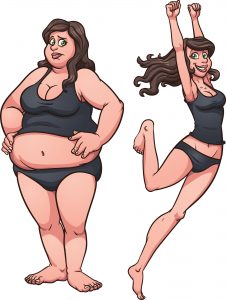
The top diets in this category are proven. They are associated with lower weight and a reduced risk of chronic Weight Lossdiseases in long-term clinical studies. The top diets are:
#1: Mediterranean Diet

#2: Volumetrics Diet (A diet based on the caloric density (calories per serving) of foods).

#3: Mayo Clinic Diet (A diet designed to establish lifelong healthy eating habits).

#4: Flexitarian Diet.

#5: DASH Diet.

Best Fast Weight-Loss Diets

weight lossOnce again, the report emphasized the dangers of quick weight loss diets. If you choose one of these diets to achieve a quick weight loss goal, the authors recommend you use these diets as a stepping stone toward a healthier lifestyle rather than a final solution.

Here are the rapid weight loss ratings:

#1: Keto Diet (A very low carb, high fat diet designed to produce ketosis in your body).

#2: South Beach Diet (A low carb, high protein approach to weight loss).

#3 Atkins Diet (The grandfather of the keto diet).

#4: Volumetrics Diet.

#5: Keyto Diet (A low-carb version of the Mediterranean diet).

Best Diabetes Diets

The key criteria for the best diabetes diets were that they were well-balanced, healthy diets that were designed to Diabetes and healthy diekeep glucose levels within the normal range throughout the day.

They are whole food diets that cut back on added sugars and refined carbs. The top diets in this category are: 

#1: Mediterranean Diet

#2: Flexitarian Diet

#3: MIND Diet

#4: DASH Diet.

#5: Mayo Clinic Diet.

#7: Vegan Diet.

Best Heart-Healthy Diets

strong heartThe top diets in this category were:

#1: DASH Diet

#2: Mediterranean Diet

#3: MIND Diet.

#4: Vegan Diet.

#5: Flexitarian Diet.

#6: TLC Diet. (The TLC (Therapeutic Lifestyle Change) diet was designed by the NIH to lower LDL cholesterol levels naturally.

Best Diets for Inflammation

The top diets in this category are:Flames

#1: Mediterranean Diet.

#2: Dr. Weil’s Anti-Inflammatory Diet.

#3: Flexitarian Diet.

#4: DASH Diet.

#5: MIND Diet.

#7: Vegan Diet.

Easiest Diets to Follow

EasyThe authors of this report considered easy diets to be ones that:

  • Fit into your lifestyle, letting you enjoy indulgences while still being wholesome and nutritious – whether you’re eating out or at home. They focus on building long-term habits, not quick fixes, making them easier to stick with daily.
  • Focus on filling, tasty meals instead of strict restrictions.

They only listed four diets that were healthy, based on whole foods that were readily available, offered easy to follow recipes, and fit the criteria listed above.

#1: Mediterranean Diet (For those who enjoy Mediterranean foods).

#2: Flexitarian Diet (For those who enjoy flexible, semi-vegetarian meals).

#3: DASH Diet (For those who prefer American foods).

#4: MIND Diet (For those who could go either Mediterranean or American and are concerned with brain health).

Which Diet Should You Choose For Weight Loss?
1) If you are looking for rapid weight loss, any whole food restrictive diet will do.

  • In previous year’s evaluations both vegan and keto diets ranked near the top of the rapid weight loss category. Keto and vegan diets are both very restrictive, but they are polar opposites in terms of the foods they allow and restrict.
    • The keto diet is a meat heavy, very low carb diet. It restricts fruits, some vegetables, grains, and most legumes.
    • The vegan diet is a very low-fat diet that eliminates meat, dairy, eggs, and animal fats.
  • Whole food, very low carb diets like Atkins and keto are good for rapid weight loss, but they rank near the bottom of the list for every healthy diet category.
    • If you choose to lose weight on the Atkins or keto diets, switch to a healthier diet once you reach your desired weight loss.

2) If you are looking for healthy weight loss or just a healthy diet, the Mediterranean diet tops the list year after year, followed closely by the DASH, MIND, and flexitarian diets.

  • They are all whole food, primarily plant-based diets, that are backed by dozens of clinical studies showing that they are associated with a healthy weight and low risk of chronic disease long term.

Of course, GLP-1 drugs are the “elephant in the room” when we talk about weight loss. GLP-1 drugs work, but:

  • They are associated with concerning side effects such as:
    • Anxiety, depression, and suicidal thoughts. This is particularly concerning for anyone who has a tendency for anxiety or depression.
    • Muscle loss. This is particularly concerning for seniors who are already prone to age-related muscle loss.
    • Rarer side effects include increased risk of pancreatitis, kidney problems, and some cancers.
  • Unless they are coupled with dietary and lifestyle changes, their effects are temporary. The weight comes roaring back as soon as they are discontinued.
    • This is a concern because of their expense and side effects. Long-term use of these drugs:
      • Increases the cost of healthcare which increases health insurance costs for all of us (a topic which is in the news lately).
      • Increase the risk of side effects.

Which Diet Should You Choose For Good Health?
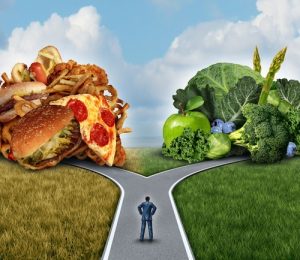
Food ChoicesWith rapid weight loss out of the way, let’s get back to the question, “Which Diet Should You Choose For Good Health?”

The Mediterranean diet tops the list year after year, followed closely by the DASH, MIND, and Flexitarian diets. But how do you choose between them? My recommendations are:

1) Choose a diet that fits your needs. That is one of the things I like best about the US News & World Report ratings. The diets are categorized. If your main concern is diabetes, choose one of the top diets in that category. If your main concern is heart health… You get the point.

2) Choose diets that are healthy and associated with long term weight loss. If that is your goal, you will notice that primarily plant-based diets top these lists. Meat-based, low carb diets like Atkins and keto are near the bottom of the lists.

3) Choose diets that are easy to follow. The less-restrictive primarily plant-based diets top this list – diets like Mediterranean, DASH, MIND, and flexitarian. They are also at or near the top of almost every diet category.

4) Choose diets that fit your lifestyle and dietary preferences. For example, if you don’t like fish and olive oil, you will probably do much better with the DASH or Flexitarian diet than with the Mediterranean diet.

4) Finally, focus on what you have to gain, rather than on foods you have to give up.

  • On the minus side, none of the diets include America’s favorite foods such as sodas, junk foods, and highly processed foods. These foods should go on your “No-No” list. Sweets should be occasional treats and only as part of a healthy meal. Meat, especially red meat, should become a garnish rather than a main course.
  • On the plus side, primarily plant-based diets offer a cornucopia of delicious plant foods you probably didn’t even know existed. Plus, for any of the top-rated plant-based diets, there are websites and books full of mouth-watering recipes. Be adventurous.

The Bottom Line

For many of you the “bloom” has gone off the new diet you started so enthusiastically in January. If you are rethinking your diet, you might want to know which diets the experts recommend. Unfortunately, that’s not as easy as it sounds. The diet world has become just as divided as the political world.

Fortunately, you have an impartial resource. Each year US News & World Report invites a panel of experts with different points of view to evaluate popular diets. They then combine the input from all the experts into rankings of the diets in various categories according to individual health goals. In the article above I summarize the US News & World Report’s “Best Diets In 2025”.

There are probably two questions at the top of your list.

#1: Which diets are best for weight loss? Here are 2 general principles:

  • If you are looking for rapid weight loss, any whole food restrictive diet will do. The Keto diet tops this list but ranks near the bottom of the healthy diet categories.
  • If you are looking for healthy, long-term weight loss the Mediterranean diets tops the list followed by the Volumetrics, Mayo Clinic, Flexitarian, and DASH diets.

#2: Which diet should you choose for good health? Once again, the Mediterranean diet tops the list followed by the DASH, Flexitarian, MIND, and Mayo Clinic diets. The Vegan diet is the top 10 of most healthy diet lists, while the keto diet is near the bottom.

For more details on 2026 US News & World Report on Best Diets and my advice on how to choose a healthy diet that is best for you, read the article above.

These statements have not been evaluated by the Food and Drug Administration. This information is not intended to diagnose, treat, cure or prevent any disease.

_______________________________________________________________________________

My posts and “Health Tips From the Professor” articles carefully avoid claims about any brand of supplement or manufacturer of supplements. However, I am often asked by representatives of supplement companies if they can share them with their customers.

My answer is, “Yes, as long as you share only the article without any additions or alterations. In particular, you should avoid adding any mention of your company or your company’s products. If you were to do that, you could be making what the FTC and FDA consider a “misleading health claim” that could result in legal action against you and the company you represent.

For more detail about FTC regulations for health claims, see this link.

https://www.ftc.gov/business-guidance/resources/health-products-compliance-guidance

 _______________________________________________________________________

About The Author 

Dr. Chaney has a BS in Chemistry from Duke University and a PhD in Biochemistry from UCLA. He is Professor Emeritus from the University of North Carolina where he taught biochemistry and nutrition to medical and dental students for 40 years.

Dr. Chaney won numerous teaching awards at UNC, including the Academy of Educators “Excellence in Teaching Lifetime Achievement Award”.

Dr Chaney also ran an active cancer research program at UNC and published over 100 scientific articles and reviews in peer-reviewed scientific journals. In addition, he authored two chapters on nutrition in one of the leading biochemistry text books for medical students.

Since retiring from the University of North Carolina, he has been writing a weekly health blog called “Health Tips From the Professor”. He has also written two best-selling books, “Slaying the Food Myths” and “Slaying the Supplement Myths”. And most recently he has created an online lifestyle change course, “Create Your Personal Health Zone”. For more information visit https://chaneyhealth.com.

For the past 54 years Dr. Chaney and his wife Suzanne have been helping people improve their health holistically through a combination of good diet, exercise, weight control and appropriate supplementation.
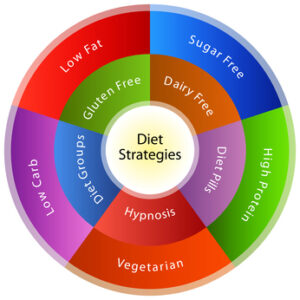



Which Diet Is Best?

Tips For Loosing Weight And Keeping It Off

Author: Dr. Stephen Chaney

Diet season starts in just a few days! Like millions of Americans, you will probably be setting a goal to eat healthier, lose weight, or both. But which diet is best? Vegan, Paleo, Keto, 360, Intermittent Fasting, low-carb, low fat – the list is endless.

And then there are the commercial diets: Meal replacements, low calorie processed foods, prepared meals delivered to your door – just to name a few of the categories.

You can choose to count calories, focus on portion sizes, or keep a food journal.

And, if you really want to live dangerously, you can try the latest diet pills that claim to curb your appetite and rev up your metabolism.

The advertisements for all these diets sound so convincing. They give you scientific-sounding mumbo-jumbo to explain why they work. Then they talk about clinical studies they say prove their diet works.

If you are like most Americans, you have already tried several of these diets. They worked for a while, but the pounds came back – and brought their friends with them.

But, as the saying goes, “Hope springs eternal in the human breast. Surely some diet you haven’t tried yet will work for you.

There are such diets. But they will require effort. They will require a change of mindset. There is no magic wand that will chase the extra pounds away forever.

If you are searching for the perfect diet to start the new year, let me be your guide. Here are:

  • 4 tips on what to avoid and…
  • 6 tips on what to look for…

…when you are choosing the best diet for you.

What Should You Avoid When Choosing The Best Diet?

AvoidEndorsements.

Endorsements by your favorite athlete or public person are paid for. They don’t necessarily represent their opinion. Nor do they assure you that they follow that diet or use that diet supplement.

Endorsements by Dr. Strangelove and his buddies can be equally misleading. They usually tell you that the medical establishment has been lying to you, and they have discovered the “secret” to permanent weight loss and the “Fountain of Youth”.

Recommendations of the medical and scientific communities usually represent a consensus statement by the top experts in their field. I would choose their advice over Dr. Strangelove’s opinion any day.

2) Testimonials

Most of the testimonials you see online or in print are either paid for or are fake.

Testimonials by your friends can be equally misleading. We are all different. What works for your friend or your trainer may not work for you.

For example, some of us do better on low-carb diets, and others do better on low fat diets.

[Note: Some DNA testing companies claim they can sequence your DNA and tell you which diet is best. However, as I reported in a recent article in “Health Tips From The Professor”, independent studies show that DNA testing is of no use in predicting whether low-carb or low-fat diets are better for you.]

3) Diets Based on “Magic” Or “Forbidden” Foods or Food Groups.

I have often said we have 5 food groups for a reason. Each food group provides a unique blend of nutrients and phytonutrients. And each plant food group provides a unique blend of fibers that support the growth of different types of friendly gut bacteria.

The bottom line is that each of us does better with some foods than others, but there are no “magic” or “forbidden” foods that apply to everyone.

4) “Magic” Diets.

MagicI have written perhaps the first diet book, “Slaying The Food Myths”, that doesn’t feature a “magic” diet that is going to make the pounds melt away and allow you to live to 100. Instead, I recommend a variety of healthy diets and suggest you choose the one that fits you best.

However, I understand the allure of “magic” diets. Dr. Strangelove claims the diet will be effortless. He gives you some scientific-sounding mumbo-jumbo to convince you the diet is scientifically sound. Then he cites some clinical studies showing the diet will cause you to lose weight and will improve your health parameters (things like cholesterol, triglycerides, blood sugar, and blood pressure). It sounds so convincing.

Before you fall for Dr. Strangelove’s latest “magic” diet, let me share two things that may blow your mind:

    • The studies are all short-term (usually 3 months or less).
    • When you rely on short-term studies, the very low-fat Vegan diet and very low-carb Keto diet give you virtually identical weight loss and improvement in health parameters!

Those two diets are as different as any two diets could be. That means we can forget all the scientific-sounding mumbo-jumbo as to why each of those diets work. Instead, we should ask what these two diets have in common.

The answer is simple:

#1: The clinical studies are comparing “magic” diets to the typical American diet. Anything is better than the typical American diet! It is high in sugar, refined carbohydrates, saturated fat, and highly processed foods. No wonder the “magic” diets look so good.

#2: The diets are whole food diets. Anytime you eliminate sodas, fast foods, and highly processed foods, you will lose weight.

#3: The diets eliminate one or more food groups. Whenever you eliminate some of your favorite foods from your diet, you tend to lose weight without thinking about it. I call this the cream cheese and bagel phenomenon.

    • If you are following a low-fat diet, it sounds great to say you can eat all the bagels you want. But without cream cheese to go with the bagels, you tend to eat fewer bagels.
    • If you are following a low-carb diet, it sounds great to say you can eat as much cream cheese as you want, but without bagels to go with your cream cheese, you tend to eat less cream cheese.

#4: Because they eliminate many of your favorite foods, “magic” diets make you focus on what you eat. Whenever you focus on what you eat, you tend to lose weight. That is why food journals and calorie counters are effective.

#5: Finally, whenever you lose weight, your health parameters (cholesterol, triglycerides, blood sugar, and blood pressure) improve.

What Should You Look For In Choosing The Best Diet?

Skeptic1) Choose whole food diets. Avoid sodas, fast foods, and highly processed foods.

2) Choose primarily plant-based diets. These can range from Vegan through semi-vegetarian, Mediterranean, DASH, and Nordic. All are healthy diets. I have discussed the evidence for this recommendation in my book “Slaying The Food Myths”. Here is a brief summary.

When we look at long term (10-20 year) studies:

    • Vegetarians weigh less and are healthier than people consuming the typical American diet.
    • People consuming semi-vegetarian, Mediterranean, and DASH diets are healthier than people consuming the typical American diet.

If you look at low-carb diets:

    • People consuming plant-based low-carb diets weigh less and are healthier than people consuming the typical American diet.
    • People consuming meat-based low-carb diets are just as fat and unhealthy as people consuming the typical American diet.
    • The Atkins low-carb diet has been around for more than 50 years, and there is no evidence it is healthy long-term.

3) Choose diets that include a variety of foods from all 5 food groups. I have discussed the rationale for that recommendation above.

4) Choose diets that consider meat as a garnish, not a main course.

5) Choose diets that feature healthy carbs and healthy fats rather than low-carb or low-fat diets.

6) Think lifestyle, not diet. If you choose a restrictive diet so you can achieve quick weight loss, you will probably be just as fat and unhealthy next December 31st as you are this year. Instead, choose diets that teach healthy eating and lifestyle changes that you can make a permanent part of your life.

Tips For Losing Weight And Keeping It Off

You know the brutal truth. Around 95% of dieters regain everything they lost and then some within a few years. You have probably gone through one or more cycles of weight loss and regain yourself – something called “yo-yo dieting”. You may even be asking yourself if it is worth bothering to try to lose weight this year.

Rather focusing on the negative statistics of weight loss, let’s look at the good news. There are people who lose the weight and keep it off. What do they do?

There is an organization called the National Weight Control Registry that has enrolled more than 10,000 people who have lost weight and kept it off. The people in this group lost weight on almost every diet imaginable. However, here is the important statistic: On average people in this group have lost 66 pounds and kept it off for 5 years.

The National Weight Control Registry has kept track of what they have done to keep the weight off. Here is what they do that you may not be doing:

  1. They consume a reduced calorie, low fat diet.

2) They get lots of exercise (around 1 hour/day).

3) They have internalized their eating patterns. In short, this is no longer a diet. It has become a permanent part of their lifestyle. This is the way they eat without even thinking about it.

4) They monitor their weight regularly. When they gain a few pounds, they modify their diet until they are back at their target weight.

5) They eat breakfast on a regular basis.

6) They watch less than 10 hours of TV/week.

7) They are consistent (no planned cheat days).

Which Diet Is Best?

Now it is time to get back to the question you are asking right now, “Which diet is best?” I have covered a lot of ground in this article. Let me summarize it for you.

If you are thinking about popular diets:

  • Primarily plant-based diets ranging from Vegan to Mediterranean and Dash are associated with a healthier weight and better health long term.
    • If want to lose weight quickly, you may want to start with the more restrictive plant-based diets, like Vegan, Ornish, Pritikin or semi-vegetarian.
    • If you do better with a low-carb diet, my recommendation is the low-carb version of the Mediterranean diet.
    • If your primary goal is rapid weight loss, you could also start with one of the healthier of the restrictive low-carb diets, like the Paleo or the 360 diet. I do not recommend the Keto diet.
  • No matter what diet you start with, plan to transition to the primarily plant-based diet that best fits your lifestyle and food preferences. This is the diet you will want to stick with to maintain your weight loss and achieve better health long term.
  • Plan on permanent lifestyle change rather than a short-term diet. Otherwise, you are just wasting your time.
  • Eat whole foods. Big Food keeps up with America’s favorite diets and is only too happy to sell you highly processed foods that match your favorite diet. Avoid those like the plague.

If you are thinking about commercial diets featuring meal replacement products:

  • Look for meal replacement products that:
    • Do not contain artificial sweeteners, flavors, or preservatives.
    • Use non-GMO protein. A non-GMO certification for the other ingredients is not necessary. For a more detailed explanation of when non-GMO certification is important and when it is unnecessary, see my article) in “Health Tips From the Professor”.
    • Have stringent quality controls in place to assure purity. “Organic” and/or “non-GMO” on the label do not assure purity.
  • Look for programs that can provide clinical studies showing their diet plan is effective for weight loss and for keeping the weight off. Many programs have short-term clinical studies showing they are effective for weight loss, but very few have longer-term studies showing the weight stays off.
  • Finally, look for programs that teach permanent lifestyle change. This should include guidance on exercise and healthy eating.

I do not recommend most commercial diets that feature prepared low-calorie foods “shipped right to your door” as a major part of their program. The foods are highly processed. Plus, they include all your favorite unhealthy foods as part of the program. Even if they include lifestyle change as part of their program, they are undermining their message with the foods they are providing you.

I would be remiss if I didn’t mention that Weight Watchers is highly recommended by most experts in the field. Weight Watchers emphasizes journaling and counting calories, which is a plus because it makes you focus on what you are eating. They also have a good lifestyle program and support that can help you transition to permanent lifestyle change if you are willing to put in the effort. However, I don’t recommend their prepared low-calorie foods. They are no better than foods provided by the other commercial diet programs.

The Bottom Line 

Weight loss season is upon us. If you plan to lose weight and/or adopt a healthier diet in the coming year, you are probably asking, “Which Diet Is Best?” In this issue of “Health Tips From The Professor” I give you:

  • 4 tips on what to avoid when selecting the diet that is best for you.
  • 6 tips on how to choose the best diet.
  • 5 tips on what to look for when selecting a diet featuring meal replacement products.
  • 7 tips on how to keep the weight off.

Then I put all this information together to help you choose the best diet, the best meal replacement product, and/or the best commercial diet program.

For more details read the article above.

These statements have not been evaluated by the Food and Drug Administration. This information is not intended to diagnose, treat, cure or prevent any disease.


Which Diets Are Best In 2021?

Which Diet Should You Choose?

Emoticon-BadMany of you started 2021 with goals of losing weight and/or improving your health. In many cases, that involved choosing a new diet. That was only 2 months ago, but it probably feels like an eternity.

For many of you the “bloom” has gone off the new diet you started so enthusiastically in January.

  • Perhaps the diet isn’t working as well as advertised…
  • Perhaps the diet is too restrictive. You are finding it hard to stick with…
  • Perhaps you are always hungry or constantly fighting food cravings…
  • Perhaps you are starting to wonder whether there is a better diet than the one you chose in January…
  • Perhaps you are wondering whether the diet you chose is the wrong one for you…

If you are rethinking your diet, you might want to know which diets the experts recommend. Unfortunately, that’s not as easy as it sounds. The diet world has become just as divided as the political world.

Fortunately, you have an impartial resource. Each year US News & World Report invites a panel of experts with different points of view to evaluate popular diets. They then combine the input from all the experts into rankings of the diets in various categories.

If you are still searching for your ideal diet, I will summarize the US News & World Report’s “Best Diets In 2021”. For the full report, click on this link.

How Was This Report Created?

Expert PanelUS News & World Report recruited panel of 25 nationally recognized experts in diet, nutrition, obesity, food psychology, diabetes, and heart disease to review the 39 most popular diets.  They rated each diet in seven categories:

  • How easy it is to follow.
  • Its ability to produce short-term weight loss.
  • Its ability to produce long-term weight loss.
  • its nutritional completeness.
  • Its safety.
  • Its potential for preventing and managing diabetes.
  • Its potential for preventing and managing heart disease.

They converted the experts’ ratings to scores 5 (highest) to 1 (lowest). They then used these scores to construct nine sets of Best Diets rankings:

  • Best Diets Overall combines panelists’ ratings in all seven categories. However, all categories were not equally weighted. Short-term and long-term weight loss were combined, with long-term ratings getting twice the weight. Why? A diet’s true test is whether it can be sustained for years. And safety was double counted because no diet should be dangerous.
  • Best Commercial Diets uses the same approach to rank 15 structured diet programs that require a participation fee or promote the use of branded food or nutritional products.
  • Best Weight-Loss Diets was generated by combining short-term and long-term weight-loss ratings, weighting both equally. Some dieters want to drop pounds fast, while others, looking years ahead, are aiming for slow and steady. Equal weighting accepts both goals as worthy.
  • Best Diabetes Diets is based on averaged diabetes ratings.
  • Best Heart-Healthy Diets uses averaged heart-health ratings.
  • Best Diets for Healthy Eating combines nutritional completeness and safety ratings, giving twice the weight to safety. A healthy diet should provide sufficient calories and not fall seriously short on important nutrients or entire food groups.
  • Easiest Diets to Follow represents panelists’ averaged judgments about each diet’s taste appeal, ease of initial adjustment, ability to keep dieters from feeling hungry and imposition of special requirements.
  • Best Plant-Based Diets uses the same approach as Best Diets Overall to rank 12 plans that emphasize minimally processed foods from plants.
  • Best Fast Weight-Loss Diets is based on short-term weight-loss ratings.

Which Diets Are Best In 2021?

The word WInner in white letters surrounded by a burst of colorful stars in 3d

Are you ready? If this were an awards program I would be saying “Envelop please” and would open the envelop slowly to build suspense.

However, I am not going to do that. Here are the top 5 and bottom 5 diets in each category (If you would like to see where your favorite diet ranked, click on this link). [Note: I excluded commercial diets from this review.]

Best Diets Overall 

The Top 5: 

#1: Mediterranean Diet

#2: DASH Diet (This diet was designed to keep blood pressure under control, but you can also think of it as an Americanized version of the Mediterranean diet.)

#3: Flexitarian Diet (A flexible semi-vegetarian diet).

#4: Mayo Clinic Diet

#5: MIND Diet (This diet is a combination of Mediterranean and DASH but is specifically designed to reduce cognitive decline as we age.)

The Bottom 5: 

#35: Modified Keto Diet

#36: Whole 30 Diet

#37: GAPS Diet (A diet designed to improve gut health).

#38: Keto Diet

#39: Dukan Diet

Best Weight-Loss DietsWeight Loss

The Top 5: 

#1: Flexitarian Diet

#2: Vegan Diet

#3: Volumetrics Diet (A diet based on the caloric density of foods).

#4: Mayo Clinic Diet

#5: Ornish Diet

The Bottom 5: 

#35: Fertility Diet

#36: Whole 30 Diet

#37: Alkaline Diet

#38: AIP Diet (A diet designed for people with autoimmune diseases)

#39: GAPS Diet

Best Diabetes Diets

The Top 5: 

#1: Flexitarian Diet

#2: Mediterranean Diet

#3: DASH Diet

#4: Mayo Clinic Diet

#5: Vegan Diet

The Bottom 5: 

#35: The Fast Diet

#36: AIP Diet

#37: GAPS Diet

#38: Whole 30 Diet (A diet designed for people with autoimmune diseases)

#39: Dukan Diet

strong heartBest Heart-Healthy Diets 

The Top 5: 

#1: DASH Diet

#2: Mediterranean Diet

#3: Ornish Diet (A diet based on the caloric density of foods).

#4: Flexitarian Diet

#5: Vegan Diet

The Bottom 5: 

#35: Keto Diet

#36: AIP Diet

#37: Whole 30 Diet

#38: Modified Keto Diet

#39: GAPS Diet

Best Diets for Healthy Eating

The Top 5: 

#1: DASH Diet

#2: Mediterranean Diet

#3: Flexitarian Diet

#4: TLC Diet (A diet designed to promote heart health)

#5: MIND Diet

The Bottom 5: 

#35: Atkins Diet

#36: Raw Food Diet

#37: Modified Keto Diet

#38: Dukan Diet

#39: Keto Diet 

Easiest Diets to FollowEasy

The Top 5: 

#1: Mediterranean Diet

#2: Flexitarian Diet

#3: MIND Diet

#4: DASH Diet

#5: Fertility Diet

The Bottom 5: 

#35: Keto Diet and Modified Keto Diet (tie)

#36: Whole 30 Diet

#37: Dukan Diet

#38: GAPS Diet

#39: Raw Foods Diet 

Best Fast Weight-Loss Diets

The Top 5 (Excluding Commercial Diets): 

#1: Atkins Diet

#2: Biggest Loser Diet

#3: Keto Diet

#4: Raw Food Diet

#5: Volumetrics Diet

Which Diets Are Best For Rapid Weight Loss?

Happy woman on scaleLet me start with some general principles:

#1: If you are looking for rapid weight loss, any whole food restrictive diet will do.

  • The Atkins and keto diets are meat heavy, low carb diets. They restrict fruits, some vegetables, grains, and most legumes.
  • The Biggest Loser diet relies on restrictive meal plan and exercise programs.
  • The restrictions of the raw food diet are obvious.
  • The volumetrics diet restricts foods with high caloric density.
  • The vegan diet, which ranks #7 on this list, is a very low fat diet that eliminates meat, dairy, eggs, and animal fats.
  • I did not include commercial diets that rated high on this list, but they are all restrictive in one way or another.

#2: Restrictive diets ultimately fail.

  • The truth is 90-95% of people who lose weight quickly on a restrictive diet regain most of that weight in the next two years. The pounds come back and often bring their friends along as well. Many people regain more weight than they lost. This is the famous “Yo-Yo Effect”.
  • If dieters paid for one of the commercial diets, they may as well have burned their money.
  • When I talk with people about weight loss, many of them tell me the Atkins diet is the only one they can lose weight on. That would be impressive if they were at a healthy weight, but most are not. They are overweight. I am starting to see the same thing from overweight people who have used the keto diet to lose weight and have regained their weight.

#3: We should ask what happens when we get tired of restrictive diets and add back some of your favorite foods.

  • If you lose weight on a vegan diet and add back some of your favorite foods, you might end up with a semi-vegetarian diet. This is a healthy diet that can help you maintain your weight loss.
  • If you lose weight on the Atkins or keto diets and add back some of your favorite foods, you end up with the typical American diet – one that is high in both fat and carbs. This is not a recipe for long-term success.
  • Long term weight loss is possible if you transition to a healthy diet after you have lost the weight. In a recent article in “Health Tips From The Professor” I wrote about an organization called the National Weight Control Registry. These are people who have been successful at keeping the weight off. For purposes of this discussion, two points are important.
  • They lost weight on every possible diet.
  • They kept the weight off by following a healthy reduced calorie, low fat diet. (For what else they did, click here).

Which Diet Should You Choose?

Which Diet Is BestWith rapid weight loss out of the way, let’s get back to the question, “Which Diet Should You Choose?” My recommendations are:

  • Choose a diet that fits your needs. That is one of the things I like best about the US News & World Report ratings. The diets are categorized. If your main concern is diabetes, choose one of the top diets in that category. If your main concern is heart health… You get the point.
  • Choose diets that are healthy and associated with long term weight loss. If that is your goal, you will notice that primarily plant-based diets top these lists. Meat-based, low carb diets like Atkins and keto are near the bottom of the lists.
  • Choose diets that are easy to follow. The less-restrictive primarily plant-based diets top this list – diets like Mediterranean, DASH, MIND, and flexitarian.
  • Choose diets that fit your lifestyle and dietary preferences. For example, if you don’t like fish and olive oil, you will probably do much better with the DASH or flexitarian diet than with the Mediterranean diet.
  • Finally, focus on what you have to gain, rather than on foods you have to give up.
    • On the minus side, none of the diets include sodas, junk foods, and highly processed foods. Teose foods should go on your “No-No” list. Sweets should be occasional treats and only as part of a healthy meal. Meat, especially red meat, should become a garnish rather than a main course.
    • On the plus side, primarily plant-based diets offer a cornucopia of delicious plant foods you probably didn’t even know existed. Plus, for any of the top-rated plant-based diets, there are websites and books full of mouth-watering recipes. Be adventurous.

The Bottom Line 

For many of you the “bloom” has gone off the new diet you started so enthusiastically in January. If you are rethinking your diet, you might want to know which diets the experts recommend. Unfortunately, that’s not as easy as it sounds. The diet world has become just as divided as the political world.

Fortunately, you have an impartial resource. Each year US News & World Report invites a panel of experts with different points of view to evaluate popular diets. They then combine the input from all the experts into rankings of the diets in various categories. In the article above I summarize the US News & World Report’s “Best Diets In 2021”.

There are probably two questions at the top of your list.

#1: Which diets are best for rapid weight loss? Here are some general principles:

  • If you are looking for rapid weight loss, any whole food restrictive diet will do.
  • Restrictive diets ultimately fail.
  • We should ask what happens when we get tired of restrictive diets and add back some of our favorite foods.
  • Long term weight loss is possible if you transition to a healthy diet after you have lost the weight.

#2: Which diet should you choose? Here the principles are:

  • Choose a diet that fits your needs.
  • Choose diets that are healthy and associated with long term weight loss.
  • Choose diets that are easy to follow.
  • Choose diets that fit your lifestyle and dietary preferences.
  • Finally, focus on what you have to gain, rather than on foods you have to give up.

For more details on the diet that is best for you, read the article above.

These statements have not been evaluated by the Food and Drug Administration. This information is not intended to diagnose, treat, cure, or prevent any disease.

Is The Whole 30 Diet Right For You?

Rules For Selecting A Healthy Diet

Author: Dr. Stephen Chaney


the whole 30 dietRecently, someone asked my opinion of the Whole 30 Diet. When you look at their web site, the claims are impressive:

  • Blood sugar swings disappear, energy levels improve, digestive issues and inflammation disappear.
  • Lose weight without counting calories.
  • Eliminate a long list of lifestyle-related diseases.

You probably want to know whether these claims are true. I do not have time to evaluate every diet, so let me evaluate the Whole 30 Diet in terms of principles you can use to evaluate any of the diets you will encounter in the new year.

What Is The Whole 30 Diet?

Basically, the Whole 30 Diet is a 30-day elimination diet designed to help you lose weight rapidly and change the way you eat.

the whole 30 diet an elimination dietThe diet allows you to eat “moderate portions of meat, seafood, and eggs; lots of vegetables; some fruit; plenty of natural fats; and herbs, spices, and seasonings.” [You are instructed to] “eat foods with very few ingredients, all pronounceable ingredients, or better yet, no ingredients listed at all because they’re whole and unprocessed.”

  • Recommended meats are grass-fed beef, organic poultry, and wild-caught fish.
  • Recommended fats are coconut oil, olive oil, and ghee (clarified butter).

The diet forbids:

  • Added sugar, real or artificial, in any form.
  • Alcohol
  • Grains
  • Legumes
  • Dairy
  • The additives carrageenan, MSG, and sulfite.
  • Baked foods, junk foods, and treats (sweets).

Although, not explicitly stated, because this diet eliminates sugar, grains, legumes, and baked goods, it is essentially a low carb diet.

This diet prescription is absolute. According to the authors of the diet: “Just a small amount of any of these [forbidden] inflammatory foods could break the healing cycle; promoting cravings, messing with blood sugar, disrupting the integrity of your digestive tract, and (most important) firing up the immune system. One bite of pizza, one spoonful of ice cream, one lick of the spoon mixing the batter within the 30-day period and you’ve broken the “reset” button, requiring you to start over again on Day 1.”

My comment: This statement is not accurate, but I understand why they say it. They are simply trying to get you to adhere strictly to the diet. After all, it is the little “modifications” we make that doom most diets to failure. It’s when we say: “Surely, one ice cream sundae can’t hurt” or “I don’t have time to fix dinner. I’ll just pick up some fried chicken on the way home.”

Finally, the Whole 30 Diet:

  • Tells you not to count calories and not to step on the scale for 30 days. I consider this a plus. Successful diets should emphasize lifestyle change, not counting calories.
  • Says nothing about exercise. This is a glaring omission.

Does The Whole 30 Diet Uphold The Rules For Selecting A Healthy Diet


Here are my rules for evaluating healthy diets:

First, let’s look at the initial (short-term) weight loss:

  • the whole 30 diet short term weight lossAny diet that eliminates sodas, junk foods, fast foods, and sweets will make you healthier and will help you lose weight. This is a big plus for the Whole 30 Diet.
  • Any diet that emphasizes whole foods over processed foods is likely to help you lose weight. This is also a plus for the Whole 30 Diet.
  • Both low carb and low-fat diets can help you lose weight. Let me be clear. I am talking about plant-based low-fat diets, not low-fat diets with a lot of sugars and simple carbohydrates. Low carb diets also result in water loss. This is also a plus for the Whole 30 Diet.
  • Diets that eliminate whole food groups tend to result in short-term weight loss. That’s because they eliminate some of your favorite foods, and it generally takes you a while to adjust. Since the Whole 30 Diet is focusing on the first 30 days, this is also likely to be a plus for the Whole 30 Diet.
  • Exercise is an essential component of healthy weight loss diets. The lack of a defined exercise component is a minus for the Whole 30 Diet.
  • On balance, the Whole 30 Diet is likely to be effective for short-term weight loss. However, this is true for most popular diets because they also eliminate sodas, junk foods, fast foods, and sweets. I have heard of the “Meat Lovers Diet” (which I don’t recommend), but I have never heard of a “Junk Food Lovers Diet.”  Many of the popular diets also favor whole foods and eliminate multiple food groups.
  • The main difference between the Whole 30 Diet and other popular diets is their absolute prohibition of any deviation from their diet plan. This makes the diet harder to follow, but it increases the probability of weight loss for those who do follow the plan.
  • Weight loss improves blood sugar control, energy levels, and inflammation. Thus, those claims are likely to be true, but not entirely for the reasons the diet proponents claim. The diet’s effect on digestive issues are likely to vary from one individual to another. However, if you have digestive issues to begin with, you probably have a problem with one or more of the foods you are currently eating. The elimination of multiple foods from your diet may help.
  • Weight loss can also reduce the severity of diabetes and other lifestyle diseases. This claim may also be true, but not for the reasons the diet proponents claim.

Next let’s look at long term weight loss. Here the Whole 30 Diet doesn’t look as promising. The Whole 30 Diet has only been around since 2009, so we have no long-term data comparing weight maintenance with other diets. However, here is what we do know.

Finally, let’s look at long term health. The information on the Whole 30 Diet’s web site does not make it clear what kind of diet they are recommending once you have completed your 30 days. However, if they are recommending a similar diet long-term, there are no long-term data showing it is healthy. The data we do have on that type of diet is mixed.

  • the whole 30 diet long term healthConsumption of sodas, junk foods, and fast foods is associated with an increased risk of diabetes and heart disease. Thus, elimination of these foods is a plus for the Whole 30 Diet, as is the reliance on whole, unprocessed foods.
  • However, multiple studies have shown that primarily plant-based diets are associated with significantly lower long-term risk of heart disease, diabetes, and other lifestyle diseases than meat-based diets. I have covered these studies in several recent issues of “Health Tips From the Professor.”  This is a minus for the Whole 30 Diet.
  • Diets that eliminate whole food groups are likely to result in nutritional deficiencies. For example, the Whole 30 Diet is similar to the paleo diet, and a recent study showed the paleo diet results in multiple nutritional deficiencies. This is also likely to be a minus for the Whole 30 Diet.

Other Comments:

  • All added sugar is not bad for you. I agree that added sugar in sodas, junk foods, fast foods, and sweets should be avoided. However, for other foods the glycemic index is more important than whether the food contains added sugar. I covered this topic in detail in a recent article called “Is It The Sugar, Or Is It the Food?
  • Red meat is considered a probable carcinogen. There is no evidence that grass-fed beef is any healthier with respect to cancer risk than conventionally raised meat. I covered this in detail in my recent article on the paleo diet.
  • Olive oil has been shown to be healthy in multiple studies. However, both coconut oil and ghee contain ~50% long-chain saturated fats and are problematic. I have covered this in detail in a previous article on coconut oil.
  • Whole grains and legumes are included in most anti-inflammation diets. Their exclusion from the Whole 30 Diet cannot be justified on the basis of inflammation.
  • I would be far more concerned about additives like artificial colors, flavors and preservatives than I would be about carrageenan, MSG, and sulfite. I have covered carrageenan in one recent article and MSG in a second article.


Is The Whole 30 Diet Right For You?


In summary, there is a lot to like about the Whole 30 Diet:

  • It eliminates sodas, junk foods, fast foods, and sweets.
  • It focuses on whole foods rather than processed foods.
  • If followed exactly as described for 30 days, it is likely to result in successful short-term weight loss.
  • The weight loss is likely to be associated with health benefits.
  • However, these statements are equally true for most popular diets.

The web site for the Whole 30 Diet does not indicate what diet is recommended at the end of the 30-day period. However, if the Whole 30 Diet is continued, it is not clear whether it would be ideal for weight maintenance and health long-term.

  • The elimination of sodas, junk foods, fast foods, and the reliance on whole foods is a positive.
  • It’s reliance on meat rather than legumes and other plant protein sources is a negative.
  • It’s elimination of multiple food groups is likely to lead to nutritional deficiencies.


The Bottom Line


If you are primarily interested in an evaluation of the Whole 30 Diet, here is a summary:

There is a lot to like about the Whole 30 Diet:

  • It eliminates sodas, junk foods, fast foods, and sweets.
  • It focuses on whole foods rather than processed foods.
  • If followed exactly as described for 30 days, it is likely to result in successful short-term weight loss.
  • The weight loss is likely to be associated with health benefits.
  • However, these statements are equally true for most popular diets.

The web site for the Whole 30 Diet does not indicate what diet is recommended at the end of the 30-day period. However, if the Whole 30 Diet is continued, it is not at all clear whether it is ideal for weight maintenance and health long-term.

  • The elimination of sodas, junk foods, fast foods, and the reliance on whole foods is a positive.
  • It’s reliance on meat rather than legumes and other plant protein sources is a negative.
  • It’s elimination of multiple food groups is likely to lead to nutritional deficiencies.

If you would like to know the principles used to reach these conclusions (principles you can use to evaluate any diet), read the article above.


These statements have not been evaluated by the Food and Drug Administration. This information is not intended to diagnose, treat, cure or prevent any disease.

Health Tips From The Professor