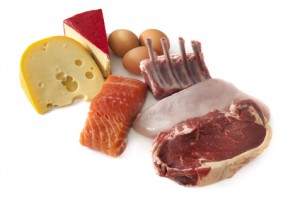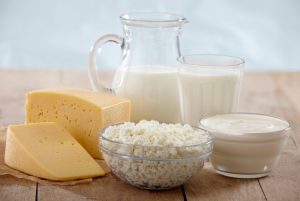
Protein – The Longevity Nutrient

How Much Protein Do You Need?

Author: Dr. Stephen Chaney 

breaking newsIn 2016 the New York Times ran an article with the title, “Can You Get Too Much Protein?” The article asserted that most Americans were getting too much protein in their diet and that protein supplements were useless and perhaps dangerous.

At the time I wrote a “Health Tips From the Professor” article summarizing recent research showing that many people needed more than the RDA for protein and that those people were often consuming too little, rather than too much, protein.

In the 9 years since then the evidence that many Americans may not be getting enough protein has only gotten stronger.

  • The standard for protein intake used to be a “one size fits all” recommendation of 46g gm/day for women and 56 gm/day for men with slight increases recommended for pregnant and lactating women. Today we know:
    • That standard was based on outdated methodology from the 1930’s. Recent studies suggest protein intake should be at least 50% higher.
    • That standard was based on studies with healthy, sedentary adults (the adult “couch potato” crowd). Protein requirements are significantly higher for anyone who doesn’t fit that description.
  • We used to think in terms of total daily protein intake. Today we know that:
    • Protein intake should be divided equally between the 3 primary meals.
    • Protein quality is important. Protein requirements should be increased if low-quality proteins are consumed.
  • We used to worry that high protein intake might damage your kidneys. Today we know that:
    • Protein intake does not cause kidney disease. It is not a concern as long as hydration is adequate and excess alcohol is avoided.
    • Protein intake is only a concern if someone has kidney disease.

Protein – Your Longevity Nutrient
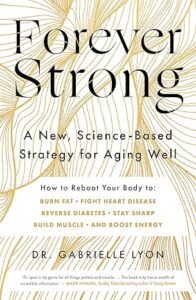
If you want to delve into the latest protein research and what it means for you, I highly recommend the book, “Forever Strong: A New, Science-Based Strategy For Aging Well” by Dr. Gabrielle Lyon.

Her book is focused on helping each of us create adequate healthy muscle mass. She says, “Adequate muscle mass is essential for health and longevity. And muscle is the only organ over which we have voluntary and complete control.”

Of course, adequate muscle mass requires both exercise and adequate protein. Dr. Lyon covers both in her book, but exercise is not my expertise, so I will only cover adequate protein intake in this “Health Tips From the Professor” article.

In her book, Dr. Lyons details recent research on the amount of protein needed to optimize muscle mass. Dr. Lyon was the one who alerted me to the fact that the current protein RDA is based on outdated methodology from the 1930’s and that actual protein needs are much higher.

Dr. Lyon concludes that most Americans are not consuming enough protein to optimize their muscle mass and that adequate protein intake is essential for longevity, metabolic function, and quality of life. Specifically, she says that optimal muscle mass:

  • Improves strength and mobility.
  • Improves blood sugar control.
  • Decreases blood triglyceride levels.
  • Strengthens the immune system.
  • Improves bone mineral density and strength.
  • Reduces all-cause mortality (risk of dying) and morbidity (risk of disease).

I will use the latest science on protein needs described in her book and in recently published clinical studies to answer the important question, “How much protein do you need?” But first I want to help you understand the dynamics of protein metabolism.

The Dynamics Of Protein Metabolism 

ProfessorMost people associate muscle mass with strength and endurance. Many understand the important role muscle mass plays in burning off excess calories and keeping us slim. But few people understand the important role that muscle protein plays in our everyday energy metabolism.

Whenever we eat a meal containing protein, we store some of the protein we eat as increased muscle mass, especially when protein intake is coupled with exercise. But muscle protein plays other very important functions. It is a precious resource.

The synthesis of new muscle in the fed state is driven by:

  • Insulin, which is released into the blood stream whenever we eat a meal.
  • Exercise because it makes muscle more sensitive to the effects of insulin.
  • The amino acid leucine, which is most abundant in high quality protein sources.

In the fed state most of our energy is derived from blood glucose. This is primarily controlled by insulin.  As blood glucose levels fall, we move to the fasting state and start to call on our stored energy sources to keep our body functioning. This process is primarily controlled by a hormone called glucagon.

  • In the fasting state most tissues easily switch to using fat as their main energy source, but…
    • Red blood cells and a few other tissues in the body are totally dependent on glucose as an energy source.
    • Our brain is normally dependent on glucose as an energy source, and our brains use a lot of energy. [Note: Our brain can switch to ketones as an energy source with prolonged starvation or prolonged carbohydrate restriction, but that’s another story for another day.]
  • Because our brain and other tissues need glucose in the fasting state, it is important to maintain a constant blood glucose level between meals.
    • Initially, blood glucose levels are maintained by calling on carbohydrate reserves in the liver.
    • But because those reserves are limited, our body starts to break down muscle protein and convert it to glucose as well – even in the normal dinner/sleep/breakfast cycle.

Simply put, in addition to its other important roles in the body, muscle protein is also an energy store. You can think of it like a bank.

When we eat, we make a deposit to that energy store. Between meals we make a withdrawal from that energy store. When we are young the system works perfectly. Unless we fast for prolonged periods of time, we are always adding enough muscle protein in the fed state to balance out the withdrawals between meals.

But there are many physiological situations where protein metabolism becomes unbalanced, either because protein breakdown is accelerated or because protein synthesis is diminished. In each of those situations, our protein needs are increased.

I will describe each of these situations and how they affect our protein needs in the section below.

How Much Protein Do You Need? 

couch potatoThe Coach Potato Group: If this is you, I won’t be judgmental. But I highly recommend you read Dr. Lyon’s book. It may just inspire you to increase your fitness level and your protein intake.

As I said before the standard RDA recommendation for the coach potato group is 46 gm/day for women and 56 gm/day for men. That’s based on 0.36 grams of protein per pound of body weight and assumes that women weigh around 127 pounds and men weigh around 155 pounds.

There are two major problems with the standard protein RDAs:

1) The protein RDA should not be a “one-size-fits-all” recommendation. The standard used to calculate the RDA is based on weight. If you are a woman weighing 127 pounds or a man weighing 155 pounds, you are to be congratulated. But in today’s world the average woman weighs 170 pounds, and the average man weighs 201 pounds.

  • That means the average protein requirement should be 61 gm/day for women and 72 gm/day for men.
  • And that’s just the average. Your protein requirement is based on your weight.

2) As I mentioned earlier, the 0.36 gm/pound standard is based on outdated methodology from the 1930’s. Based on current technology, Dr. Lyon says the standard should be closer to 0.54 gm/pound.

  • If you use that standard and use the current average weight for men and women, the average protein requirement for the couch potato group is closer to 91.5 gm/day for women and 108 gm/day for men.
  • And since protein intake should be divided equally between meals, that amounts to 30 gm/meal for women and 36 gm/meal for men. If you weigh significantly more or less than the average American, you should adjust your intake accordingly.

The Over 50 Group: When we are young muscle protein deposits in the fed state and muscle protein withdrawals during the fasting state are in balance. And if we add exercise and increase our protein intake, it’s pretty easy to increase our muscle mass.

But once we reach our Golden Years things start to change. Muscle protein synthesis becomes less efficient. We need to increase the intensity of our workouts and increase our protein intake just to maintain our muscle mass.

If we fail to do that, we gradually lose muscle mass as we age, a process referred to as sarcopenia. Between 50 and 60 we lose 5-8% of our muscle mass, and the rate that we lose muscle accelerates with each subsequent decade. And that loss of muscle mass has severe consequences. For example:

  • It interferes with daily activities like playing with our grandchildren and engaging in activities we love.
  • It decreases our metabolic rate which increases our risk of obesity and obesity-related diseases.
  • It increases our risk of falls.

In short, our quality of life is diminished, and we become unhealthy and frail.

Dr. Lyon describes the training program needed to prevent sarcopenia as we age in her book Forever Strong. But we also need more protein.

On average older adults need around 35 – 45 gm of protein per meal to prevent sarcopenia. There are not enough published studies for me to provide more specific recommendations. But here are some guidelines:

  • If you are at ideal weight and in your 50’s or 60’s, you can probably do well at the lower end of the range.
  • If you are overweight or in your 70’s or 80’s, you should probably aim for the upper end of the range.
  • I recommend getting a body composition test on an annual basis and adjusting your exercise and protein intake based on your change in muscle mass. My doctor has a simple device for measuring my body composition as part of my annual physical. If your doctor doesn’t have a device like that, find out who does in your community.

Happy woman on scaleThe Weight Loss Group: If you are actively trying to lose excess weight, I congratulate you. But the sad fact is that up to 35% of weight loss on most diets comes from muscle, not fat.

That’s because your body interprets caloric restriction as starvation and increases the rate of protein breakdown.

But you can prevent that by adding resistance training to your diet plan and increasing your protein intake. By increasing your protein intake from 15% of calories (which is what most Americans get) to 30% of calories, you can rebalance muscle metabolism by increasing muscle protein synthesis. When you do this, you can reduce muscle loss to less than 10% of weight loss.

You may be wondering, “Why set the recommendation as a percentage of calories rather than gm/pound or gm/meal”. The answer is simple. Your caloric intake changes significantly you are on a diet, so expressing protein as a percentage of calories makes more sense.

For example, 30% of calories on a 1,000-calorie diet translates into 25-30 gm/meal. You might look at that recommendation and say, “That’s less than you recommended for the couch potato who is not trying to lose weight.” My answer would be, “Yes, but the couch potato is eating 2-3-times more calories.

So, the recommendation that’s easiest to understand if you are trying to lose weight is to aim for 25-30 gm of protein/meal/1,000 calories per day.  

  • Adjust your protein intake per meal based on the daily calories allowed on your diet. 
  • And if you are on a diet that restricts the kinds of food that you can eat or the amount of time you can eat, track your actual caloric intake for a few days. The “hidden secret” behind those diets is that most people eat fewer calories because of the restrictions.

Final thought: The latest data suggest that GLP-1 drugs accelerate the muscle loss associated with dieting. This is a significant concern, especially for people over 50. Some experts are recommending as much as 35-50 gm of protein/meal if you are using a GLP-1 drug to aid your weight loss.

Weight TrainingThe Fitness Group: The question I get most often from the fitness group is, “How much protein do I need after my workout to maximize recovery and muscle gain?” This has been well researched, and the answer is age dependent.

  • If you are in your 30’s, most experts recommend 15-20 grams of protein after your workout.
  • If you are in your 60s, most experts recommend 30-35 grams of protein after your workout.
  • While precise recommendations are not available for every age, you can extrapolate from these numbers.

Does Protein Quality Matter? 

I’m often asked whether all proteins are equally effective at building muscle mass or does protein quality matter? The answer is, “Yes. Protein quality matters, but not in the way that we have thought about it in the past.”

We used to think that protein quality was measured by the balance of all the essential amino acids. While balance is important, the increase in muscle mass is driven primarily by the amino acid leucine. That’s because leucine is the only amino acid that directly stimulates muscle protein synthesis.

Simply put, proteins that are high in leucine are used more efficiently by our bodies to increase muscle mass. In fact, Dr. Lyon measures protein quality solely based on its leucine content.

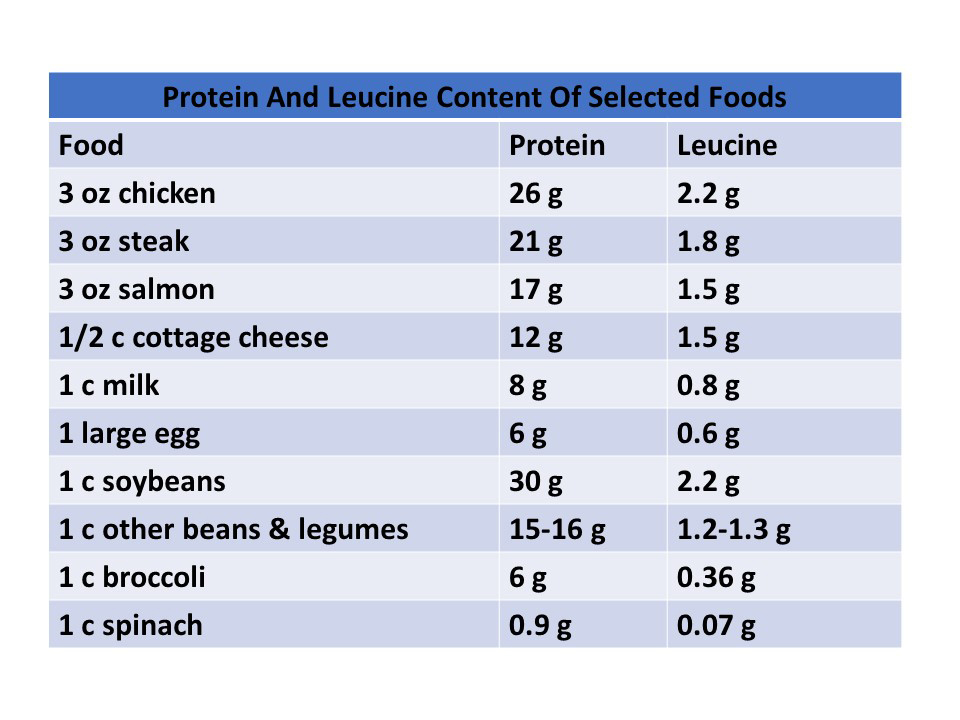
Many studies have looked at the optimal amount of leucine content in protein. The numbers vary somewhat from study to study, but they average around 1 gram of leucine for every 10 grams of protein.

If you look at the leucine contents of various proteins, it is clear that a 1:10 ratio is primarily found in animal proteins. Soybeans are the only vegetable protein source that comes close.However, there are many health reasons for consuming a primarily plant-based diet. Dr. Lyon doesn’t tell her patients to avoid plant proteins. But if they are consuming primarily plant proteins, she recommends that they increase their protein intake by 35-45%, so they will be getting enough leucine to maximize muscle protein synthesis.
What Role Do Protein Supplements Play? 
Protein SupplementRemember that New York Times article that said protein supplements were useless and perhaps dangerous? That’s outdated advice. In fact, you should view protein supplements as essential for reaching your protein goals.

That’s because our protein intake needs to be divided equally between our 3 major meals, but that’s not how we eat. Most of us have no trouble getting 30-40 grams of protein at dinner, but…

  • We only get around 15 grams of protein at breakfast, and…
  • 15-20 grams of protein at lunch.

But that’s assuming we eat a typical breakfast or lunch. If we eat…

  • An unhealthy breakfast of croissants and coffee or a healthy breakfast of cornflakes, skim milk, and fruit slices, we only get around 6 grams of protein.
  • A healthy green salad for lunch, we may get as little as 2 grams of protein.

A recent study has shown that adding a protein supplement to your low protein meals can help you increase your muscle mass in as little as 24 weeks.

What Does This Mean For You? 

how much protein do athletes needProtein is your longevity nutrient. My advice is:

  • Use the information in this article to set your protein goals (Talk with your doctor first if you have any health issues that may limit your protein intake).
  • Use a simple protein tracker to identify your low-protein meals.
  • Add additional protein foods or supplements to your low-protein meals to bring your protein up to recommended levels.
  • Focus on high-leucine protein foods and supplements. (If you eat more plant protein than animal protein, as I do, increase your recommended protein intake by 35-45% to make sure you are getting the leucine you need to maximize your muscle mass.)

As for what kind of protein supplement, I recommend a plant protein supplement with added leucine.

The Bottom Line 

In her book, “Forever Strong”, Dr. Gabrielle Lyon says, “Adequate muscle mass is essential for health and longevity. And muscle is the only organ over which we have voluntary and complete control.” She goes on to state that the current RDAs for protein intake are outdated. And if we look at protein needs based on the latest research, most Americans aren’t getting enough protein in their diet to achieve adequate muscle mass.

In this article, I summarize her findings. And based on the latest research, I provide protein intake recommendations for:

  • Adult couch potatoes.
  • Fitness enthusiasts.
  • People over 50.
  • People who are trying to lose weight.

I also discuss protein quality and protein supplements.

For more information on these topics and what they mean for you, read the article above.

These statements have not been evaluated by the Food and Drug Administration. This information is not intended to diagnose, treat, cure or prevent any disease.

 _____________________________________________________________________________

My posts and “Health Tips From the Professor” articles carefully avoid claims about any brand of supplement or manufacturer of supplements. However, I am often asked by representatives of supplement companies if they can share them with their customers.

My answer is, “Yes, as long as you share only the article without any additions or alterations. In particular, you should avoid adding any mention of your company or your company’s products. If you were to do that, you could be making what the FTC and FDA consider a “misleading health claim” that could result in legal action against you and the company you represent.

For more detail about FTC regulations for health claims, see this link.

https://www.ftc.gov/business-guidance/resources/health-products-compliance-guidance

______________________________________________________________________

About The Author 

Dr. Chaney has a BS in Chemistry from Duke University and a PhD in Biochemistry from UCLA. He is Professor Emeritus from the University of North Carolina where he taught biochemistry and nutrition to medical and dental students for 40 years.

Dr. Chaney won numerous teaching awards at UNC, including the Academy of Educators “Excellence in Teaching Lifetime Achievement Award”.

Dr Chaney also ran an active cancer research program at UNC and published over 100 scientific articles and reviews in peer-reviewed scientific journals. In addition, he authored two chapters on nutrition in one of the leading biochemistry text books for medical students.

Since retiring from the University of North Carolina, he has been writing a weekly health blog called “Health Tips From the Professor”. He has also written two best-selling books, “Slaying the Food Myths” and “Slaying the Supplement Myths”. And most recently he has created an online lifestyle change course, “Create Your Personal Health Zone”. For more information visit https://chaneyhealth.com.

For the past 53 years Dr. Chaney and his wife Suzanne have been helping people improve their health holistically through a combination of good diet, exercise, weight control and appropriate supplementation.



Will Plant Proteins Help You Live Longer?

Is A Vegan Diet Healthiest?

Author: Dr. Stephen Chaney

Fountain Of YouthUnless you are Rip Van Winkle and have been asleep for the past 40 years, you have probably heard that whole food, primarily plant-based diets are good for you.

  • They help you control your weight.
  • They reduce inflammation.
  • They reduce your risk of diabetes and heart disease.
  • They even reduce your risk of some cancers.

But do they help you live longer? If we take that question literally, the answer appears to be no. There is no “Fountain Of Youth”. There are no diets that extend our lives significantly.

However, what if you could reduce your risk of premature death? It would be tragic to have your life cut short by a heart attack or some other major disease. What if you could prevent that?

And what if you could live healthier longer? It would be equally tragic to spend your golden years debilitated by chronic diseases like heart disease, diabetes, or dementia. What if you could delay these diseases and live healthier longer?

The study I discuss this week (Y Sun, Journal of the American Heart Association, 10:e015553, 2021) looks at the effect of different dietary protein sources on premature death.

This study, like many others, suggests that primarily plant-based diets are healthier than meat-based diets. But what does this mean for you? Should you go completely meatless? Is a vegan diet healthier than other plant-based diets? I discuss what we know and what we do not know about the vegan diet compared to other plant-based diets.

How Was This Study Done?

Clinical StudyThe data for this study were drawn from the Women’s Health Initiative (WHI). The Women’s Health Initiative was designed to help identify strategies for preventing heart disease and other diseases in postmenopausal women. It enrolled 161,000 postmenopausal women from 40 sites across the US between 1993 and 1998 and followed them through 2017.

This study excluded women who had heart disease or cancer when they entered the WHI study and women who had incomplete data on either their diet or their use of postmenopausal hormone therapy. They were left with 102,521 women, age 50-79 at time of entry, who were followed for 18 years.

Each woman filed out an extensive dietary survey at the beginning of the study. There were 25,976 deaths during the study. The cause of death was determined by reviewing death certificates, medical records, autopsy reports or by linkage to the National Death Index.

The investigators asked whether women who ate more plant proteins were healthier than those who ate primarily meat protein. To answer this question, they correlated protein sources in the diet with all-cause mortality and deaths from various diseases.

The greatest difficulty with this type of study is that people who eat more plant protein tend to have a healthier diet and a healthier lifestyle. That makes it hard to separate out the benefits of eating plant proteins from benefits associated with other aspects of their diet and lifestyle. So, the authors corrected their data for every factor known to influence the risk of heart disease, diabetes, dementia, and premature death.

Specifically, the data were statistically corrected for age, race/ethnicity, socioeconomic status, hormone use, lifestyle (smoking status, physical activity, and alcohol intake), baseline health status (diabetes and/or high blood cholesterol), family history of heart attack/stroke, dietary factors (calorie intake, dietary fiber intake, whole grain consumption, fruit and vegetable consumption, sugar-sweetened beverage consumption, glycemic load (effect of foods in the diet on blood sugar), and percentage of saturated fats, polyunsaturated fats, monounsaturated fats, and trans fats), and weight (BMI).

In short, the authors corrected for every other factor that could influence disease risk and/or premature death. By doing so, they were able to focus on the effect of protein sources on disease risk and/or premature death.

Will Plant Proteins Help You Live Longer?

Plant ProteinsThe investigators divided the study participants into quintiles with respect the kind and amount of protein they consumed.

  • For animal protein, the intake ranged from 4 ounces/day in the lowest quintile to 9 ounces a day in the highest quintile (For comparison, 3 ounces is roughly equivalent to the size of a deck of cards).
  • For plant protein, the intake ranged from 2 ounces/day in the lowest quintile to 3.5 ounces/day in the highest quintile.
  • When you combine plant and animal protein in these women’s diet, plant protein ranged from 18% of total protein intake in the lowest quintile to 48% of total protein intake in the highest quintile.

When women who had the highest intake for plant protein were compared with women who had the lowest intake of plant protein, the women with the highest plant protein intake had:

  • 12% lower risk of premature death from heart disease.
  • 21% lower risk of premature death from dementia.
  • 9% lower risk of premature death from all causes.

There was an inverse relationship between the amount of plant protein in the diet and premature death. Specifically, every 3 ounces of animal protein that was replaced with 3 ounces of plant protein resulted in:

  • 22% lower risk of premature death from heart disease.
  • 19% lower risk of premature death from dementia.
  • 14% lower risk of premature death from all causes.

The Effect Of Individual Animal Proteins On Mortality

Fatty SteakThe authors also looked at the effect of various animal proteins on premature death. For example:

Red Meat: Women with the highest consumption of red meat had:

  • 14% higher risk of premature death from heart disease.
  • 20% higher risk of premature death from dementia.
  • 10% higher risk of premature death from all causes.

Eggs: Women with the highest consumption of eggs had:

  • 24% higher risk of premature death from heart disease.
  • 14% lower risk of premature death from dementia.
  • 14% higher risk of premature death from all causes.

Dairy: Women with the highest consumption of dairy had:

  • 11% higher risk of premature death from heart disease.

The authors concluded, “In this large prospective cohort study, we found that higher plant protein intake and substitution of animal protein with plant protein were associated with lower risk of all-cause mortality, cardiovascular mortality, and dementia mortality…Our findings support the need for consideration of protein sources, in addition to the amount of protein intake, in future dietary guidelines.”

Is A Vegan Diet Healthiest?

Vegetarian DietYears ago, as my brother-in-law was coming out of anesthesia at the end of quadruple bypass surgery, the first question he asked was, “Does this mean I need to eat tofu?” Obviously, nothing terrified him more than the thought of eating tofu the rest of his life. In the same vein, some of you are probably asking, “Does this mean I need to go vegan?”

The good news is that none of the women in this study were consuming a vegan diet. They were consuming a typical American diet with varying amounts of plant and animal protein. The group with the highest plant protein consumption were still getting 52% of their protein from animal sources.

This study shows that even people consuming a typical American diet can become healthier by simply swapping out some of the animal protein in their diet with plant protein.

However, you are probably thinking, “Plant protein is good for us, and a vegan diet is 100% plant protein. Does that mean a vegan diet is healthier than other plant-based diets?

The answer is………”Maybe”

If the linear relationship between plant protein consumption and risk of premature death could be extrapolated all the way to 100% plant protein, the answer would be obvious. Vegan diets would be healthier than other plant-based diets. But that extrapolation is an assumption. It might not be true.

For example, some recent studies suggest that completely eliminating meat, eggs, and dairy from your diet may slightly increase your risk of heart disease and stroke:

  • One recent study found that adding 1.4 ounces of fish/day to a primarily vegetarian diet decreases the risk of stroke by 20%.
  • Another study reported that adding one egg/day to a primarily vegetarian diet decreases the risk of heart disease by 12% and stroke by 10-26%.

These studies need to be confirmed, but they do suggest we need to be cautious about assuming that vegan diets are healthier than other primarily plant-based diets. This is why, when I recommend primarily plant-based diets, I include everything from vegan through semi-vegetarian, Mediterranean, and DASH.

They are all healthy diets. My advice is to choose the one that best fits your lifestyle and food preferences. And focus on whole foods, not processed foods.

The Bottom Line 

A recent study asked whether women who ate more plant proteins were healthier than those who ate primarily meat protein. To answer this question, the investigators correlated protein sources in the diet with all-cause mortality and deaths from various diseases.

When women who had the highest intake for plant protein were compared with women who had the lowest intake of plant protein, the women with the highest plant protein intake had:

  • 12% lower risk of premature death from heart disease.
  • 21% lower risk of premature death from dementia.
  • 9% lower risk of premature death from all causes.

There was an inverse relationship between the amount of plant protein in the diet and premature death. Specifically, every 3 ounces of animal protein that was replaced with 3 ounces of plant protein resulted in:

  • 22% lower risk of premature death from heart disease.
  • 19% lower risk of premature death from dementia.
  • 14% lower risk of premature death from all causes.

[Note: A 3-ounce serving is roughly equivalent to a deck of cards.]

The authors concluded, “In this large prospective cohort study, we found that higher plant protein intake and substitution of animal protein with plant protein were associated with lower risk of all-cause mortality, cardiovascular mortality, and dementia mortality…Our findings support the need for consideration of protein sources, in addition to the amount of protein intake, in future dietary guidelines.”

Years ago, as my brother-in-law was coming out of anesthesia at the end of quadruple bypass surgery, the first question he asked was, “Does this mean I need to eat tofu?” Obviously, nothing terrified him more than the thought of eating tofu the rest of his life. In the same vein, some of you are probably asking, “Does this mean I need to go vegan?”

I discuss the answer to that question in the article above.

For more details and a discussion about the vegan diet versus other primarily plant-based diets read the article above.

These statements have not been evaluated by the Food and Drug Administration. This information is not intended to diagnose, treat, cure, or prevent any disease.

Does Eating Plant Protein Help You Live Longer?

Are Whole Grains Heart Healthy?

protein and heart disease nuts and seedsThe diet wars continue. Dr. Strangelove and his colleagues are still trying to convince you that you can eat all the red meat you want. It is those deadly whole grains, beans, and fruits you need to avoid.

However, as the benefits of primarily plant-based diets continue to accumulate, it is becoming harder for them to maintain these preposterous claims.

For example, several recent studies have shown that replacing animal protein with plant protein in your diet results in better health.

  • The Iowa Women’s Health Study found that plant protein substitution for animal protein is associated with reduced risk of dying from heart disease.
  • The Nurse’s Health Study and Health Professionals Follow-up Study found that greater plant protein intake was associated with reduced risk of dying from heart disease and reduced risk of dying from all causes.
  • The Japan Public Health Center-Based Prospective Cohort Study found a reduced risk of dying from heart disease, cancer, and all causes with substitution of plant protein for red meat protein.

These were all very large studies in which populations were followed for long periods of time. You might be thinking that with such overwhelming evidence no further studies are needed.

However, these studies did not examine which plant protein sources were most beneficial and which animal protein sources were most detrimental. The study (J. Huang et al, JAMA Internal Medicine, published online July 13, 2020) I describe in today’s “Health Tips From The Professor” was designed to answer that question.

How Was The Study Done?

Clinical Study416,104 participants from the NIH-AARP Diet and Health Study were enrolled in this study in 1995 and 1996 and were followed for 16 years. At the time of enrollment, the participants filled out a comprehensive Diet History Questionnaire. The participants also completed questionnaires about their health, lifestyle, and socio-economic status.

Deaths were obtained from the Social Security Death Master File. Causes of death were obtained from the National Death Index Plus.

The basic characteristics of the study population were:

  • Gender: 57% men, 43% women.
  • Racial identification: 90% non-Hispanic white.
  • Average age 61 (range 50-71).
  • Average BMI = 27 (in the overweight range).
  • Participants were excluded from the study if they had pre-existing cancer, heart disease, stroke, or end-stage kidney disease.

In terms of protein intake:

  • Average protein intake was 15.3% of calories.
  • Plant protein contributed 40% (range 27% – 57%) to the total protein intake.
  • Animal protein contributed 60% (range = 43% to 63%) of the total protein intake.

The major sources of animal protein in the diet were:

  • Dairy products = 31.6%
  • White meat (poultry, fish, and processed white meat) = 31.3%
  • Red meat (both fresh and processed) = 30.6%
  • Eggs = 4.0%

The major sources of plant protein in the diet were:

  • Grains (bread, cereal, and pasta) = 45.8%
  • Beans and legumes = 8.0%
  • Nuts and seeds = 4.5%
  • Other plant protein (including plant protein from supplements) = 41.7%

All these protein intake figures are normal for the American diet.

I should note that beans, nuts, and seeds are among the best sources of plant protein. However, they are only a minor part of the typical American diet, so they contribute relatively little to our plant protein intake.

Does Eating Plant Protein Help You Live Longer?

In terms of overall protein intake, this study mirrored previous studies.

  • There was an inverse association between plant protein intake and premature death from heart disease, stroke, and all causes. Put another way, the more plant protein people in this study ate, the lower was their risk of premature death.

To quantify the effect, the investigators asked what happened when 3% of calories came from plant protein instead of animal protein. I recognize, however, that 3% of calories is a rather abstract concept, so let me break it down for you so you can apply it to your lives.

  • For participants in this study, protein was 15% of their total calories. That means when the investigators were talking about shifting 3% of total calories from animal protein to plant protein, they were talking about 20% of the protein in the diet coming from plant protein rather animal protein.
  • Based on the average caloric intake of participants in this study, that corresponds to 15 grams of protein for men and 12 grams of protein for women.

With that in mind, let’s look at the results:

  • Changing just 3% of calories from animal protein to plant protein:
  • Lowered the risk of premature death from all causes by 10% for both men and women.
  • Lowered the risk of premature death from cardiovascular disease by 11% for men and 12% for women.
  • Lowered the risk of premature death from stroke by 22% for men and 19% for women.

These findings are consistent with previous studies. By now, it should be apparent that primarily plant-based diets are best for your overall health. Primarily plant-based diets also appear to reduce your risk of dying prematurely from heart disease and from all other diseases combined.

The authors concluded: “This large cohort investigation showed small but significant associations between higher intake of plant protein and lower overall and cardiovascular mortality…Findings from this and previous studies provide evidence that dietary modifications in choice of protein sources may promote health and longevity.”

However, this part of the study merely confirms what other studies have shown. What makes this study unique is that it identifies which animal proteins are worst for us and which plant proteins are best for us.

Which Animal Proteins Are Least Heart Healthy?

Animal Protein FoodsLet’s start with the animal proteins (Note: To simplify a complex set of data, I am going to average the results for men and women).

  • Changing 3% of calories from egg protein to plant protein:
    • Lowered the risk of premature death from all causes by 23%.
    • Lowered the risk of premature death from cardiovascular disease by 27%.
    • To put this into perspective, 3% of calories from egg protein corresponds to around 2.5 eggs/day. So, talking about replacing 3% of calories of egg protein creates a false narrative. The average egg consumption in this study was 0.5 eggs/day and very few participants consumed even 2 eggs every day. If we make a more reasonable comparison, replacing one egg/day with an equivalent amount of plant protein:
      • Lowers the risk of premature death from all causes by 9%.
      • Lowers the risk of premature death from cardiovascular disease by 11%.
  • Changing 3% of calories from red meat protein to plant protein:
    • Lowered the risk of premature death from all causes by 14%.
    • Lowered the risk of premature death from cardiovascular disease by 12%.
    • Lowered the risk of premature death from stroke by 21%.
    • To put this into perspective, 3% of calories from red meat protein corresponds to around 2 ounces/day.
  • Changing 3% of calories from dairy protein to plant protein:
    • Lowered the risk of premature death from all causes by 8%.
    • Lowered the risk of premature death from cardiovascular disease by 11%.
    • Lowered the risk of premature death from stroke by 21%.
    • To put this into perspective, 3% of calories from dairy protein corresponds to around 1.7 8-ounce glasses of milk, 2 ounces of cheese, or 1 cup of yogurt (most yogurt “cups” sold commercially are less than an 8-ounce cup).
  • Changing 3% of calories from white meat protein to plant protein had no effect on premature death from any disease in this study. I will discuss the reasons for that below.

Are Whole Grains Heart Healthy?

Whole GrainsNow, let’s look at the flip side. What happens when you replace 3% of calories from red meat protein with various kinds of plant protein?

  • Changing 3% of calories from red meat protein to plant protein from whole grains:
    • Lowered the risk of premature death from all causes by 28%.
    • Lowered the risk of premature death from cardiovascular disease by 32%.
    • Lowered the risk of premature death from stroke by 32%.
    • To put this into perspective, 3% of calories from whole grain protein corresponds to around 2.5 slices of whole grain bread, 2 cups of oatmeal, or 2.5 cups of brown rice or whole grain pasta – or any combination of them during the day.
  • The results were similar for replacing egg protein with whole grain protein.
  • Changing 3% of calories from red meat protein or egg protein to other types of plant protein had no effect on premature death from any disease. The reasons for that will be discussed below.

The authors concluded “…this investigation showed prominent inverse associations between overall and cardiovascular mortality and the replacement of egg protein and red meat protein with plant protein, particularly for plant protein derived from bread, cereal, and pasta…”

Why Do Animal Proteins Increase Your Risk Of Premature Death?

Let me take a deep dive into the data. If you like, you can skip to “What Does This Study Mean For You?”

To help you gain a better understanding of these results, I will answer two questions for you:

  • Mechanism: What is/are the metabolic explanation(s) for these results?
  • Perspective: How can you apply this information to your own life?

Reminder: This section is for those of you who want the details. I will give the Cliff Notes summary in the section “What Does This Study Mean For You”.

EggsEggs

Mechanism:

  • The bad effect of eggs on cardiovascular mortality and all-cause mortality is thought to be almost exclusively due to their high cholesterol content.
  • On the flip side, eggs are an excellent source of low-fat animal protein and provide nutrients like choline and carotenoids that are often insufficient in the American diet.

Perspective:

  • Our bodies have a beautifully designed system for regulating blood cholesterol levels. This means under ideal conditions dietary cholesterol has very little effect on blood cholesterol levels. However, as I have pointed out in a previous issue of “Health Tips From the Professor”, conditions are often far from ideal.
  • Diet context matters. Obesity, saturated fat, and sugar all interfere with our ability to regulate blood cholesterol levels. People consuming the typical American diet, like the ones in this study, have more difficulty regulating their blood cholesterol levels and are more likely to be adversely affected by dietary cholesterol from eggs and other high-cholesterol foods.
    • Previous studies suggest that adding eggs to the typical American diet may increase risk of cardiovascular disease and premature death.
    • In contrast, adding eggs to a primarily plant-based diet, such as found in China and Japan, appears to decrease risk of heart disease and premature death.

Red Meatfatty steak

Mechanisms: The mechanism(s) associated with the bad effects of red meat are less clear. Here are the potential mechanisms discussed by the authors of this study.

  • Red meat is high in cholesterol. While many experts have downplayed the importance of dietary cholesterol in recent years, it still may be of concern in the context of the typical American diet because of our body’s inability to regulate cholesterol metabolism normally.
  • Red meat is high in saturated fat. While some experts have downplayed the importance of reducing saturated fat intake, I pointed out in a previous issue of “Health Tips From the Professor” that it depends on what the saturated fat is replaced with.
    • When saturated fats are replaced with sugar and refined carbohydrates in the typical American diet, reducing saturated fat is of no benefit.
    • When saturated fats are replaced with polyunsaturated fats in the context of a primarily plant-based diet, such as the Mediterranean diet, reducing saturated fats leads to a substantial reduction in the risk of heart disease and premature death.
  • Red meat also contains heme iron which is associated with 57% increased risk of cardiovascular disease.
  • Diets high in red meat result in populations of gut bacteria that are associated with increased risk of cardiovascular disease. This is most likely because red meat is displacing plant foods that support the growth of healthy bacteria.
  • As discussed in a recent issue of “Health Tips From the Professor”, the gut bacteria associated with red meat consumption convert the L-carnitine in red meat to a metabolite called trimethylamine N-oxide (TMAO) which appears to significantly increase the risk of cardiovascular disease.
  • Finally, a recent study suggests that foods high in sulfur-containing amino acids significantly increase risk of cardiovascular disease. However, this mechanism is not specific for red meat. White meat, beans, and legumes are also high in sulfur-containing amino acids.

Perspective:

  • While the exact mechanism(s) is/are uncertain, there is substantial evidence from multiple studies that red meat consumption increases the risk of premature death from cardiovascular disease and from all causes.
  • Grass fed beef is not a “get out of jail free card”. Grass fed beef is modestly lower in cholesterol and saturated fat. However, those are only two of six potential mechanisms for the link between red meat consumption and cardiovascular disease.
  • However, those of you who, like me, enjoy red meat should not consider this to be an absolute “red meat should never touch your lips” edict. As I have discussed in a previous issue of “Health Tips From the Professor”, the health effects of red meat are a matter of quantity and diet context.
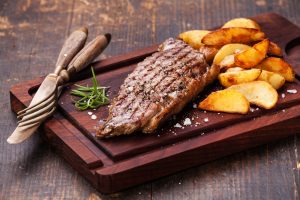
    • If you are thinking in terms of a juicy 8-ounce steak with a baked potato and sour cream, red meat is probably not a healthy choice.
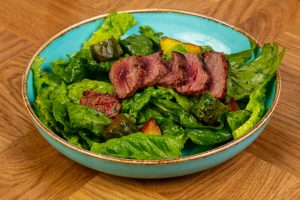
    • However, if you are thinking of 2-3 ounces of lean steak in a vegetable stir fry or a green salad, red meat may be a healthier choice.

dairy products and heart diseaseDairy: I have reported on the health risks and benefits of dairy foods in a previous issue of “Health Tips From the Professor”, so I will just give you a brief summary here.

Perspective:

  • Eating dairy foods, even high-fat dairy foods, has relatively little effect on cardiovascular disease risk in the context of the typical high-fat, high-sugar American diet.
  • Eating dairy foods, even high-fat dairy foods, in the context of a healthy plant-based diet appears to lower cardiovascular disease risk.
  • As this study suggests, moving towards a more plant-based diet by substituting some plant protein for dairy protein in the diet will also decrease your risk of cardiovascular disease

White Meat: This and previous studies suggest that white meat is less likely than red meat to increase the risk of cardiovascular disease and premature death. I have discussed the differences between red and white meat in a previous issue of “Health Tips From the Professor”. However, I can summarize the differences best here by going back to the mechanisms associated with the link between red meat and cardiovascular diseases and highlight those that do not apply to white meat.

Mechanisms:

  • Saturated fat. Many fish are much lower in saturated fat and are excellent sources of heart-healthy omega-3 fats. Chicken and turkey breast with the skin removed are also much lower in saturated fat than red meat.
  • Heme iron. Chicken breast is lower in heme iron than red meats.
  • TMAO. White meats contain 10-50 times less L-carnitine than red meats. Since L-carnitine is the precursor of TMAO, they are much less likely to cause TMAO production.

Why Do Plant Proteins Decrease Your Risk Of Premature Death?

Whole Grains: Whole grains have been much maligned in recent years. They have been lumped in with sugar and refined grains and have been added to everyone’s “naughty list”.

  • If you are following a low-carb diet, you are told to avoid all grains.
  • If you are following a Paleo diet, you are told our paleo ancestors ate no grains.
  • If you are trying to avoid lectins…you get the point.

That’s unfortunate, because whole grains are very healthy. In a recent issue of “Health Tips From the Professor” I shared a study showing that whole grain consumption reduced the risk of premature death from heart disease, cancer, and all causes. The current study shows essentially the same thing.

The only question is why whole grains are uniquely effective at decreasing premature death from cardiovascular disease and all causes in this study. Why aren’t all plant proteins equally effective? I will share both a suggested mechanism and perspective.

Mechanism:

  • In a recent issue of “Health Tips From The Professor” I reported a study showing that grains and a few other foods contain a unique type of fiber called resistant starch that suppress growth of the gut bacteria which convert L-carnitine to TMAO. This may be why whole grains are uniquely effective at reducing the risk of cardiovascular disease and premature death.
  • Some refined grains are also good sources of resistant starch. However, I don’t recommend them because they lack the antioxidants, vitamins, phytonutrients, and insoluble fiber found in whole grains.

Perspective:  

The fact no other plant protein source significantly reduced heart disease risk in this study is most likely an artifact of the study.

  • The study asked what happens when you change 15 grams of the protein in your diet from red meat protein to different kinds of plant protein. That question was easy to answer for grains because they are a major source of protein in the American diet. However, Americans don’t get enough protein from other high protein plant foods like beans and legumes or nuts and seeds to provide a statistically valid answer to that question.
  • However, all plant foods have their own health benefits. They are excellent sources of antioxidants and phytonutrients that provide heart health benefits.
  • In addition, each plant food provides a different blend of fibers and supports different populations of gut bacteria with different health benefits. For example, fiber from fruits and vegetables is associated with a lower risk of cancer.

What Does This Study Mean For You?

dairy products and heart disease questionsA recent study has shown that changing as little as 20% of the protein in our diet from animal protein to plant protein significantly reduces our risk of premature death from cardiovascular disease, stroke, and from all causes.

The effect of replacing 2 ounces of red meat, 1 egg, or 2 servings of dairy with an equivalent amount of plant protein was equally beneficial.

Previous studies show that diet context is important. A small amounts of animal protein in the context of a whole food, primarily plant-based diet is much less likely to cause harm and may provide benefit. For example:

  • Eggs are high in cholesterol but are also excellent sources of low-fat protein and nutrients that may be missing in a plant-based diet.
    • Previous studies suggest that adding eggs to the typical American diet may increase risk of cardiovascular disease and premature death.
    • In contrast, adding eggs to a primarily plant-based diet, such as found in China and Japan, appears to decrease risk of cardiovascular disease and premature death.
  • Dairy foods are high in saturated fat but are excellent sources of calcium, vitamin D, and other nutrients that may be missing in a plant-based diet.
    • Eating dairy foods, even high-fat dairy foods, has relatively little effect on cardiovascular disease risk in the context of the typical high-fat, high-sugar American diet.
    • Eating dairy foods, even high-fat dairy foods, in the context of a healthy plant-based diet appears to lower cardiovascular disease risk.
  • Red meat has multiple suggested mechanisms for it increasing the risk of death from cardiovascular disease. However, diet context still matters.
    • If you are thinking in terms of a juicy 8-ounce steak with a baked potato and sour cream, red meat is probably not a healthy choice.
    • However, if you are thinking of 2-3 ounces of lean steak in a vegetable stir fry or a green salad, red meat may be a healthier choice.
    • Grass fed beef should not be considered a “get out of jail free card”. Grass fed beef is modestly lower in cholesterol and saturated fat. However, those are only two of six potential mechanisms for the link between red meat consumption and cardiovascular disease.
  • White meat does not appear to affect your risk of developing cardiovascular disease.
  • Whole grains significantly decreased the risk of premature death from cardiovascular disease and death from all causes. This may be because whole grains contain a unique type of fiber called resistant starch that suppresses the growth of the gut bacteria which convert L-carnitine to a heart-damaging compound called TMAO.
    • Notice that I specified “whole grain”. While some refined grains are also a good source of resistant starch, they lack the other heart healthy nutrients and phytonutrients found in whole grains.
      • Wonder Bread, Frosted Flakes, Honey Bunches of Oats, and white-flour pasta are not on my approved list. I agree with low-carb enthusiasts about eliminating them from our diets.
      • You should also be aware that “whole grain” on the label means nothing. You want to choose foods that say “100% whole grain”.
    • Finally, this study only focused on plant protein sources. It is important to remember that other plant foods are an excellent source of antioxidants, phytonutrients, and fiber. Each plant food provides unique heart health benefits.

The Bottom Line

A recent study has shown that changing as little as 20% of the protein in our diet from animal protein to plant protein significantly reduces our risk of premature death from cardiovascular disease, stroke, and from all causes.

The effect of replacing 2 ounces of red meat, 1 egg, or 2 servings of dairy with an equivalent amount of plant protein was equally beneficial. White meat did not affect the risk of cardiovascular disease or premature death.

  • Grass fed beef should not be considered a “get out of jail free card”. Grass fed beef is modestly lower in cholesterol and saturated fat. However, those are only two of six potential mechanisms for the link between red meat consumption and cardiovascular disease.
  • Diet context is important. Small amounts of animal protein in the context of a whole food, primarily plant-based diet appear to be much healthier for us than large amounts of animal protein in the context of the high-fat, high-sugar American diet.

On the flip side of the equation, whole grains significantly decreased the risk of premature death from cardiovascular disease and death from all causes. This has also been seen in other recent studies.

  • Notice that I specified “whole grain”. Wonder Bread, Frosted Flakes, Honey Bunches of Oats, and white-flour pasta are not on the list.
  • You should also be aware that “whole grain” on the label means nothing. You want to choose foods that say “100% whole grain”.
  • Finally, this study only focused on plant protein sources. It is important to remember that other plant foods are an excellent source of antioxidants, phytonutrients, and fiber. Each plant food provides unique heart health benefits.

For more details, read the article above, especially the “What Does This Study Mean For You?” section.

These statements have not been evaluated by the Food and Drug Administration. This information is not intended to diagnose, treat, cure, or prevent any disease.

Is Red Meat Healthy For You?

Why Is Red Meat So Controversial?

fatty steakThe American Heart Association, the American Cancer Society, the World Health Organization and other organizations have been telling us for years that diets high in red meat are likely to increase our risk of chronic diseases. If you are like most Americans, you have been trying to cut back on red meat.

However, the latest headlines are saying things like: “Red meat is actually good for you” and “Most adults don’t need to cut back on red meat for their health”. Where did those headlines come from?

A group calling itself the Nutritional Recommendations Consortium (NutriRECS) has reviewed the scientific literature and said: “The evidence is too weak to justify telling individuals to eat less beef and pork.” They have issued guidelines (BC Johnston et al, Annals of Internal Medicine, 171: 756-764, 2019) saying that adults really don’t need to change the amounts of red meat they are eating.

As you can imagine, that has proven to be a controversial recommendation. Many of the top experts in the field have questioned the validity of the study and have condemned the guidelines as misleading.

However, most of you don’t care about arguments between the experts. Your questions are: “What does this study mean to me?” Is everything I have been told about red meat wrong?” “Is red meat healthy after all? Can I really eat as much as I want?”

Why Is Red Meat So Controversial?

ArgumentIf you are confused by the latest headlines, it’s not your fault. Over the past few decades you have been bombarded by conflicting headlines about red meat. One month it is bad for you. The next month it is good for you. It is fair to ask: “Why is red meat so controversial? Why is it so confusing?”

Perhaps the best way to answer those questions is to review the scientific critique of the latest guidelines saying we can eat as much red meat as we want and then look at the authors’ rebuttal.

The best summary of the scientific critique of these guidelines is a WebMD Health News report. Let me cover a few of the most important criticisms:

#1: The NutriRECS group was not backed by any major health, government, or scientific organizations. The members of this group self-nominated themselves as gurus of nutritional recommendations. In an earlier publication they concluded that the evidence was too weak to justify telling individuals to eat less sugar. But in that review they stopped short of recommending that adults could eat as much sugar as they wanted.

#2: The review left out 15 important studies showing that diets high in red meat are associated with increased disease risk. If those studies had been included in the analysis, the link between meat consumption and disease would have been much stronger. Even worse, the omitted studies met the author’s stated criteria for inclusion in their analysis. No reason was given for omitting those studies. This suggests author bias.

#3: The authors used an assessment method that prioritizes evidence from randomized controlled trials and downgrades evidence from association studies. As a result, multiple association studies showing red and processed meat consumption increases disease risk were discounted, and a few randomized controlled clinical trials giving inconsistent results dominated their analysis.

Let me state for the record that my research career was devoted to cancer drug development. I am a big proponent of the value of randomized controlled trials when they are appropriate.

·       Randomized controlled trial are perfect for determining the effectiveness of new drugs. In this context it is appropriate. In a drug trial it is easy to design a randomized, placebo-controlled clinical trial. In addition, every participant already has the disease. If a drug has a benefit, it is apparent in a very short time.

·       However, randomized controlled trials are not optimal for dietary studies. In the first place, it is impossible to design a placebo or have a “blinded study”. People know what they are eating. In addition, diseases like heart disease, cancer, and diabetes take decades to develop. You can’t keep people on specific diets for decades.

·       In addition, because randomized controlled trials are short, they can only measure the effect of diet on disease markers like LDL cholesterol. These disease markers are imperfect predictors of disease outcomes. I will discuss this in more detail next week.

·       Consequently, most of the major studies in nutrition research are “association studies” where the investigators ask people what they customarily eat and look at the association of those dietary practices with disease outcomes. These studies aren’t perfect, but they represent the best tool we have for determining the influence of diet on disease outcomes.

confusion#4: The authors included people’s attitudes about eating meat in their analysis. Because many meat eaters stated they would be unwilling to give up meat, the authors downgraded the association between meat consumption and disease risk.

·       That really had the outside experts scratching their heads. They agreed that people’s attitudes should be considered in discussions about how to implement health guidelines. However, they were unanimously opposed to the idea that people’s opinions should be a factor in crafting health guidelines.

#5: The authors ignored the environmental impact of meat consumption. As I indicated in a previous issue of “Health Tips From the Professor”, this should be a major consideration when choosing your diet.

#6: The authors may have been influenced by the beef industry. The NutriRECS group stated that the Agriculture and Life Sciences (AgriLife) program at Texas A&M provided generous support for their study. While that sound innocuous, the AgriLife program receives financial support from the “Texas Beef Checkoff Program”, which is a meat industry marketing program paid for by cattle ranchers.

#7: The beef industry influenced the studies the authors relied on in their review. The beef industry supports randomized controlled clinical trials on red meat and influences the outcome of those studies in ways that minimize the health effects of red meat consumption. I will give some examples of this next week. Unfortunately, these are the studies the NutriRECS group relied on for their recommendations.

What Did The Authors Say About Their Guidelines?

balance scaleBecause I like to provide a balanced evaluation of nutrition controversies, it is only fair that I summarize the authors argument for their recommendations. However, I will add my commentary. Here is a summary of their arguments.

#1: Nutritional recommendations should be based on sound science. In principle, this is something that everyone agrees on. However, as I noted above randomized controlled trials are not always the best scientific approach for studying the health effects of diet.

My comment: In matters of public health it is better to be safe than sorry. Simply put, it is better to warn people about probable dangers to their health rather than waiting decades for certainty. Smoking is a perfect example. The Surgeon General warned the US public about the dangers of smoking long before the evidence was conclusive.

Smoking is also an example of how industry tries to influence scientific opinion. The tobacco industry supported and influenced research on smoking. Industry funded research tended to minimize the dangers of smoking. Next week I will show how the meat industry is doing the same concerning the dangers of red meat.

#2: It is difficult to get good dietary information in association studies. That is because most association studies ask people what they have eaten over the past few decades. There are two problems with that.

1)    Most people have enough trouble remembering what they ate yesterday. Remembering what they ate 10 or 20 years ago is problematic.

2)    People listen to the news and often change their diets based on what they hear. What they are eating today may not resemble what they ate 10 years ago.

My comment: That is a legitimate point. However, in recent years the best association studies have started collection dietary information at the start, the mid-point, and the end of the study. I agree we need more of those studies.

#3: The authors claim they found no statistically significant link between meat consumption and risk of heart disease, diabetes, or cancer in a dozen randomized controlled trials that had enrolled about 54 000 participants.

label deceptionMy comment: That statement is highly misleading. One of those studies had 48,835 participants. That study wasn’t even designed to measure the effect of red meat consumption. It was designed to measure the health effects of low fat versus high fat diets. The difference in red meat consumption between the two groups was only 1.4 servings per day, a 20% difference. Even with that small difference in red meat consumption, there was about a 2% reduction in some heart disease outcomes, which the authors considered insignificant.

That leaves 11 studies with only 5,165 participants, which averages out to 470 participants per study. Those studies had too few participants to provide any meaningful estimate of the effect of red meat on health outcomes.

In addition, the meat industry influenced the design of some of those studies to further minimize the effect of red meat on health outcomes, something I will discuss next week.

#4: The authors found a slight effect of red meat consumption on heart disease and cancer deaths in association studies, but said the decrease was too small to recommend that people change their diet.

My comment: This represents the folly of looking at any single food or single nutrient rather than the whole diet. We need to take a holistic approach and ask questions like: “What are they replacing red meat with? What does their overall diet look like?

For example, let’s look at what happens when you reduce saturated fats, something I discussed in a previous issue (https://www.chaneyhealth.com/healthtips/are-saturated-fats-bad-for-you/) of “Health Tips From the Professor”. When you replace saturated fats with:

·       Trans fats, your heart disease risk increases by 5%.

·       Refined carbohydrates and sugars (the kind of carbohydrates in the typical American diet), your heart disease risk increases slightly.

·       Complex carbohydrates (whole grains, fruits and vegetables), your heart disease risk decreases by 9%.

·       Monounsaturated fats (olive oil & peanut oil), your heart disease risk decreases by 15%.

·       Polyunsaturated fats (vegetable oil & fish oil), your heart disease risk decreases by 25%.

·       Unsaturated fats in the context of a primarily plant-based diet like the Mediterranean diet, your heart disease risk decreases by 47%.

While we don’t have such precise numbers for red meat, we do have enough evidence to know that the situation with red meat is similar.

·       Replacing high-fat red meat with low-fat red meat or white meat in the context of a typical American diet will probably have only a modest effect on disease risk.

·       Replacing red meat with plant protein in the context of a typical American diet (think Impossible Burgers or the equivalent at your local Fast Food restaurant) will also probably have only a modest effect on disease risk.

·       Replacing red meat with white meat or plant protein in the context of a primarily plant-based diet is likely to significantly reduce disease risk.

Is Red Meat Healthy For You?

Steak and PotatoesLet’s return to the question I posed at the beginning of this article: “Is red meat healthy for you?” In the context of headlines saying: “Red meat is actually good for you”, the answer is a clear No!

·       The saturated fat in red meat is associated with increased heart disease risk.

·       However, it’s not just saturated fat. Other components of red meat are associated with increased risk of heart disease and cancer. I will discuss those next week.

There are simply too many studies that show an association between red meat consumption and disease risk to give red meat a clean bill of health. We can’t say red meat is healthy with any confidence.

However, that doesn’t mean we need to eliminate red meat from our diet. The health risks of red meat are determined by the type of red meat consumed, the amount of red meat consumed, and the overall composition of our diet. So:Steak Salad

·       If you are thinking in terms of a juicy 8-ounce steak with a baked potato and sour cream, red meat is probably not healthy.

·       However, if you are thinking of 2-3 ounces of lean steak in a vegetable stir fry or a green salad, red meat may be healthy.

Of course, one question I am frequently asked is “What about grass fed beef? Is it healthier than conventionally raised beef?” I will answer that question next week.

The Bottom Line

A group calling itself the Nutritional Recommendations Consortium (NutriRECS) recently reviewed the scientific literature and said: “The evidence is too weak to justify telling individuals to eat less beef and pork.” They then issued guidelines saying that adults really don’t need to change the amounts of red meat they are eating.

As you can imagine, that has proven to be a controversial recommendation. Many of the top experts in the field have questioned the validity of the study and have condemned the guidelines as misleading.

When you examine the pros and cons carefully, it becomes clear that the NutriRECS group:

1)    Put too little emphasis on association studies with hundreds of thousands of participants showing a link between red meat consumption and increased risk of heart disease and cancer.

2)    Put too much emphasis on very small randomized controlled trials that had no possibility of evaluating the effect of red meat consumption on disease risk. In part, that is because many of the randomized controlled trials were funded and influenced by the meat industry, something I will discuss next week.

3)    Did not ask what the red meat was replaced with or look at red meat consumption in the context of the overall diet.

Based on what we currently know:

1)    Replacing high-fat red meat with low-fat red meat or white meat in the context of a typical American diet will probably have only a modest effect on disease risk.

2)    Replacing red meat with plant protein in the context of a typical American diet (think Impossible Burgers or the equivalent at your local Fast Food restaurant) will also probably have only a minor effect on disease risk.

3)    Replacing red meat with white meat or plant protein in the context of a primarily plant-based diet is likely to significantly reduce disease risk.

That means:

1)    If you are thinking in terms of a juicy 8-ounce steak with a baked potato and sour cream, red meat is probably not healthy.

2)   However, if you are thinking of 2-3 ounces of lean steak in a vegetable stir fry or a green salad, red meat may be healthy.

Of course, one question I am frequently asked is “What about grass fed beef? Is it healthier than conventionally raised beef?” I will answer that question next week. Stay tuned.

For more details, read the article above.

These statements have not been evaluated by the Food and Drug Administration. This information is not intended to diagnose, treat, cure or prevent any disease.

Protein and Heart Disease: Meat vs Plant-Based

Does Meat Protein Increase Heart Disease Risk?

Author: Dr. Stephen Chaney


Is a plant-based diet better than eating meat when it comes to protein and heart disease?

protein and heart disease plant-basedThere are a multitude of studies showing the long-term health benefits of plant-based diets. Among the best of these studies are the Seventh-Day Adventist Studies. That’s because the Adventist church advocates a vegan diet but allows personal choice. This means Seventh-Day Adventists eat a more plant-based diet than most Americans. However, there is also significant variation in the diet of Adventists.


Not all Adventists are vegans. Significant numbers of Adventists choose lacto-ovo-vegetarian (dairy, eggs & vegetarian), pesco-vegetarian (fish & vegetarian), and semi-vegetarian (meat & vegetarian).

Because of this variation, Adventists provide a rich database for clinical studies. You can compare health outcomes of a vegetarian diet to the standard American diet by comparing Adventists to the non-Adventist population living in the same area. You can also use the Adventist population to compare the health outcomes of the various types of vegetarian diets.

I have described the Adventist Health Studies in detail in my new book, Slaying The Food Myths. Let me briefly summarize the results with an emphasis on heart disease risk:

  • Compared to the standard American Diet, vegetarian diets decrease cardiovascular deaths by 41% in men and 51% in women.
  • The reduction in cardiovascular death is greater for vegans than for lacto-ovo-vegetarians.
  • If we look at the average of multiple studies, the risk of heart disease, diabetes, and cancer is less for vegans than for lacto-ovo-vegetarians, which is less than the risk for pesco-vegetarians, which is less than the risk for semi-vegetarians, which is much less than the risk for people consuming the standard American diet.

There are multiple reasons why vegetarian diets decrease the risk of heart disease compared to the standard American diet. These will be discussed below. The current study was designed to look at the proteins found in vegetarian and non-vegetarian diets and ask what effect these proteins had on heart disease.  This was a good study of protein and heart disease.

How Was The Study Done?

protein and heart disease heart healthThis study (M. Tharrey et al, International Journal of Epidemiology, 2018, 1-10 doi: 10.1093/ije/dyy030 ) utilized a database of 81,337 men and women over age 25 who were enrolled in the Adventist Health Study-2 between 2002 and 2007.

At the time of enrollment, a very detailed food frequency questionnaire was administered. The participants were divided into groups based on the most prevalent protein source in their diet as follows:

  • Grains: This group averaged 44% of their protein intake from grains.
  • Processed foods: This category included protein from cheese, eggs, and milk. However, it also included processed plant proteins and protein from cold breakfast cereals.
  • Meats: The largest protein contributors to this category were red meat, processed meat, and poultry. Fish made only a minor contribution.
  • LFV (Legumes, fruits & vegetables): Legumes were the biggest protein contributors in this category.
  • Nuts and seeds: This included peanuts, tree nuts and seeds.

The participants in the study were followed for an average of 9.4 years during which there were 2276 cardiovascular deaths. The study then asked what effect protein intake from each of these food groups had on cardiovascular risk.


Meat Protein and Heart Disease?


protein and heart disease meatsSome of the findings from this study were expected, but some were surprising. When studying protein and heart disease for example:

  • When they compared people getting the most protein from meat with those getting the least (24% versus 1% of their protein intake from meat), the risk of cardiovascular death was increased by 61%. This is consistent with several previous studies suggesting that meat, particularly red meat, increases the risk of heart disease.
  • When they compared people getting the most protein from nuts and seeds with those getting the least (18% versus 2%), the risk of cardiovascular death was decreased by 40%. Again, this is consistent with previous studies suggesting that nuts and seeds reduce the risk of heart disease.
  • They found no significant effect of protein intake from grains on cardiovascular death. This could be considered as surprising because whole grains are an excellent source of fiber, which reduces the risk of heart disease. However, the difference in protein intake between the groups getting the most protein from grains versus the least was relatively small (34% versus 19%). In addition, the study did not differentiate between whole grains and refined grains.
  • There was a slight, but non-significant, increased risk of cardiovascular death for people getting the highest amount of protein from processed foods. This is also a bit surprising. It may be because the survey included both meat-based and vegetarian processed foods in the processed foods classification, and there are many processed foods that are marketed specifically to vegetarians.
  • There was also no significant effect of protein from legumes, fruits and vegetables on cardiovascular death. This is also surprising and will be discussed below.

The authors concluded “Our results suggest that healthy choices can be advocated based on protein sources, specifically preferring diets low in meat intake and with a higher intake of plant proteins from nuts and seeds.”

What Does This Mean For You?

protein and heart disease nuts and seedsThis study does not fundamentally alter what we know about diet and heart disease risk. That is because this study focused solely on the protein and heart disease not on the foods and heart disease. The data were statistically corrected for every other beneficial and detrimental effect of those foods. For example:

  • The people in this study with the highest intake of processed foods were more likely to be overweight and physically inactive. They were also more likely to be smokers. These factors increase the risk of cardiovascular disease. However, the data were statistically adjusted to remove these considerations from the analysis.
  • The people in this study with the highest intake of whole grains, legumes, fruits and vegetables also had the highest intake of fiber, antioxidants, and B vitamins. These factors decrease the risk of heart disease. However, the data were statistically adjusted to remove these considerations from the analysis.

In short, processed foods are still probably bad for the heart, but that is not due to the protein component of processed foods. Similarly, whole grains, legumes, fruits, and vegetables are still good for the heart, but it is not the protein component of these foods that conveys the heart-healthy benefits.

Where the study breaks new ground and leaves some unanswered questions is with the effect of meat, nuts, and seeds on heart disease risk. For example:

  • The American Heart Association has recently released a Presidential Advisory statement warning that the saturated fat in meats increases heart disease risk. However, the data in the present study were statistically adjusted to remove the effect of saturated fat from the analysis. Thus, this study suggests that the protein in red meat also contributes to heart disease risk. If this is confirmed by subsequent studies, it is an important advance. It might mean, for example, that grass-fed beef is no healthier than conventionally raised beef.

However, it is unclear why meat protein increases heart disease risk. One recent study has suggested that meat-based diets favor a population of gut bacteria that metabolize a compound called carnitine, also found in meat, into a metabolite that increases heart disease risk. However, this mechanism has not yet been confirmed.

[Note: The effects of saturated fats and carnitine on heart disease risk are covered in detail in my new book “Slaying the Food Myths.” In my book I carefully analyze the arguments of saturated fat proponents as well as saturated fat opponents.]

  • Conventional wisdom has attributed the heart health benefits of nuts and seeds to their omega-3 fatty acids. However, the data in this study were statistically adjusted to remove the effect of omega-3 fatty acids from the analysis. Thus, this study suggests that the protein in nuts and seeds decreases heart disease risk.

Once again, the mechanism of this effect is unclear. The authors suggest it might be due to higher levels of the amino acids glutamate and arginine in seed and nut protein. However, these two amino acids are abundant in a variety of plant-based proteins. Their presence in nut and seed proteins would not appear to be sufficient to confer a special heart health benefit.

In short, this is the first study of this kind and the mechanisms of the effects described are unclear. Thus, one cannot yet definitively claim that meat protein is bad for the heart and nut and seed proteins are good for the heart.

Whether it is the protein component of these foods that affects heart health is relatively unimportant. It does not change what we know about diet and heart health. As discussed in “Slaying The Food Myths,” multiple studies show that meat-based diets increase heart disease risk and primarily plant-based diets decrease heart disease risk. Multiple studies also show that nuts and seeds decrease heart disease risk.


The Bottom Line:


A recent study looked at the effect of the protein content of various foods on heart disease risk. The study reported:

  • Meat protein increased the risk of cardiovascular deaths by 61%.
  • Proteins from nuts and seeds decreased the risk of heart disease deaths by 40%.
  • Proteins from processed foods, grains, legumes, fruits, and vegetables had no effect on cardiovascular deaths.

This study does not fundamentally alter what we know about diet and heart disease risk. That is because this study focused solely on the protein component of various foods rather than the foods themselves. The data were statistically corrected for every other beneficial and detrimental effect of those foods. Because of that:

  • Processed foods are still probably bad for the heart
  • Whole grains, legumes, fruits and vegetables are still good for the heart.
  • Meat, especially red meat, is probably bad for the heart, while nuts and seeds are good for the heart.

The major new information provided by this study is that:

  • The increased risk of heart disease associated with meats is not just due to their saturated fat content. Meat protein may also increase heart disease risk. If confirmed by subsequent studies, this is an important finding because it suggests that lean cuts of meat and grass-fed beef may not eliminate heart disease risk.
  • The decreased risk of heart disease associated with nuts and seeds is not just due to their omega-3 content. Nut and seed proteins may also decrease heart disease risk.

For more details, read the article above:


These statements have not been evaluated by the Food and Drug Administration. This information is not intended to diagnose, treat, cure or prevent any disease.

Health Tips From The Professor