Do Eggs Prevent Cognitive Decline?

Are Eggs Brain Food?

Author: Dr. Stephen Chaney 

VillainFor much of the past 10 or 20 years, eggs have villainized. We were told that their high cholesterol levels would clog our arteries and increase our risk of heart attack and stroke.

We were told to eat egg whites, egg substitutes (even though egg substitutes were a witch’s brew of chemicals), or avoid eggs altogether.

But in recent years, the ground has shifted.

  • Cholesterol is no longer viewed as the demon it once was. It is now thought of as more of a bit player in a cast of dozens of factors contributing to increased risk of heart disease and stroke.

And when it comes to increased risk of heart disease, the AHA (American Heart Association) position on egg consumption and heart disease risk has shifted dramatically. They now recommend:

  • “Healthy adults can eat up to one whole egg per day as part of a heart-healthy diet.”
  • Diet context is very important. The AHA recommends:
    • “Eggs should not be paired with high-saturated fat foods like bacon, sausage, or butter. Instead, they should be poached, soft-boiled, or cooked in healthy fats like olive oil.”
    • I would add that recent studies have shown that if you are consuming a whole-food, primarily plant-based diet, consuming one or two eggs per day actually decreases your risk of heart disease.
  • Your body’s ability to regulate cholesterol levels is also important. For that reason, the AHA recommends:
    • “Individuals with diabetes, high blood cholesterol, or existing heart disease should be more cautious…limiting yolk consumption to 4 per week…[I would add obesity to this list].”

For more information on the studies behind these recommendations, go to https://www.chaneyhealth.com/healthtips/ and put eggs in the search box.

Are Eggs Brain Food?
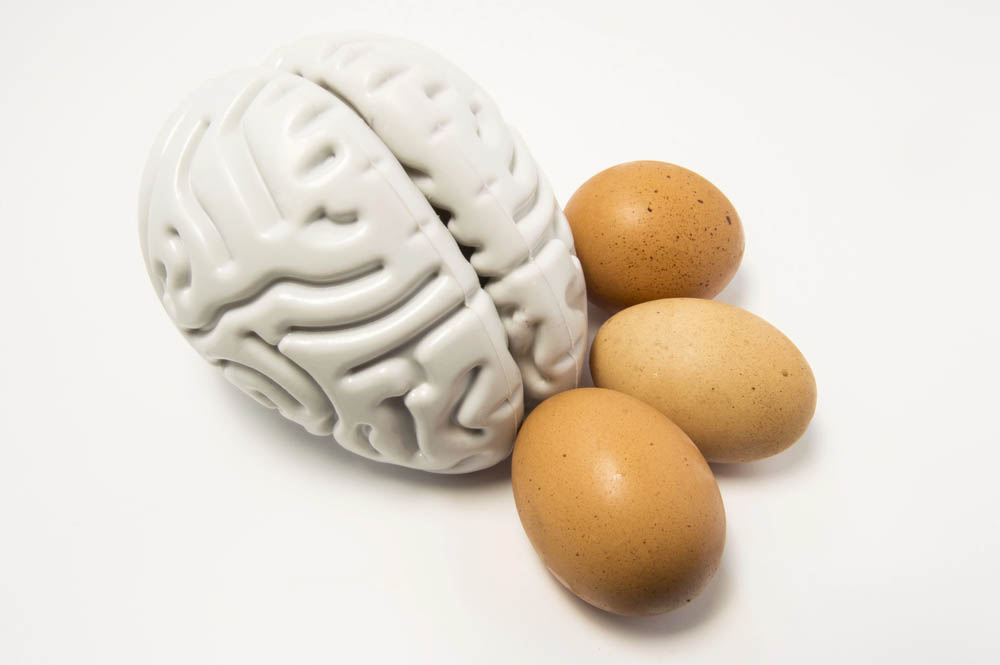
There are lots of reasons to think of eggs as brain food. The authors of the study I am about to share observed:

  • “Eggs are a good source of protein (6.29 gram/medium egg), which has been linked to improved memory and reaction time in healthy young adults and reduced risk of cognitive impairment in older adults.”
  • “Egg protein is a good source of the essential amino acid tryptophan (77 mg per egg), which is converted to the neurotransmitter serotonin, involved in decision-making and memory.”
  • “Egg yolks are a good source of choline (150 mg per egg), which is a precursor to acetylcholine, a neurotransmitter involved in memory and learning. The authors went on to say, “Choline intake between 187 mg and 399 mg per day has consistently been associated with improved cognitive performance for both healthy younger and older adults.
  • “Egg yolks are also a good source of phospholipids (3.3 gm per egg), which are an important part of nerve membranes. Phospholipids modulate neurotransmitter receptors and have been linked to enhanced reaction time in healthy middle-aged men.”
  • “Egg yolks are a good source of DHA (between 25 to 50 mg DHA for commercially produced eggs and 100-150 mg of DHA for pasture-raised eggs) which has been associated with a lower risk of dementia.”

In short, there are lots of reasons to think that eggs might be good for the brain and might reduce the risk of age-related cognitive decline.

So, the authors of this study (N Sultan et al, Journal of Nutrition, Health, and Aging, 29, 100696, 2025) decided to conduct a systematic review of existing studies to evaluate the association between whole egg consumption and cognitive decline in healthy adults.

How Was The Study Done?

clinical studyThe authors set out to create a systematic review of studies looking at the effect of egg consumption on cognitive decline in older adults. This was not an easy undertaking because:

  • Most published studies in this area have looked at the effect of diets (e.g. MIND or Mediterranean diets) on cognitive decline rather than the effect of individual foods.
  • There are many ways to measure cognitive function, and no two studies used the same measures of cognitive function.

The authors utilized the top 5 databases of clinical studies and identified 10 studies with a total of >38,000 participants that investigated the effect of whole egg consumption on cognitive outcomes in healthy, older adults (average age = 68, 50% female).

Because the studies used different measures of cognitive function, the outcomes were divided into the following cognitive domains:

  • Global cognitive functioning.
  • Language functioning.
  • Verbal learning.
  • Memory.
  • Processing speed.
  • Decision-making.
  • Attention.
  • Executive function.
  • Risk-taking.
  • Reaction time.
  • Visuospacial ability.
  • Orientation.
  • Cognitive flexibility.
  • Interoception.

From these individual domains an overall cognitive function score was derived.

Do Eggs Prevent Cognitive Decline?

Memory loss due to Dementia and Alzheimer’s disease with the medical icon of a tree in the shape of a human head and brain losing leaves.

This is what the authors reported:

  • Two studies reported a reduced risk of dementia or cognitive impairment associated with moderate egg consumption (0.5-1 egg per day).
  • One study reported increased risk at high intake levels (> 1 egg per day).
  • Several studies showed improvements in memory, verbal fluency, and/or processing speed with moderate, but not high, egg intake.

The authors concluded, “This systematic review identified preliminary observational evidence that moderate habitual egg consumption may be associated with better cognitive performance, particularly in memory and verbal fluency domains, and reduced risk of cognitive impairment in adults without chronic disease…Further rigorous studies are required to determine whether egg consumption contributes to cognitive resilience and to clarify dose-response relationships. These efforts will help determine whether eggs can be recommended as part of evidence-based dietary strategies to support cognitive function in aging populations.”

As the authors said, this is not a definitive study. It is a preliminary study that lays the groundwork for future definitive studies. As someone who had dozens of publicly funded grants during my research career, I can tell you that publications like this are important, because they can be used to support requests for public funding of future research projects on that topic.

What kind of future research projects would be definitive? The authors said:

  • “Further rigorous studies are required to determine whether egg consumption contributes to cognitive resilience [as we age] and to clarify dose-response relationships.” Ideally these studies would:
    • Be designed to test the dose-response relationship.
    • Use similar measurement of cognitive function, so the study results would be easy to compare.
    • Look at diet context. For example, do eggs have the same cognitive benefits in whole food, primarily plant-based diets and diets that are high in saturated fats and processed foods?
    • Look at the effect of health status. Cholesterol build up can block arteries leading to the brain. Studies on heart health have shown eggs may not be beneficial for people who already have elevated cholesterol, diabetes, and arterial disease.

What Does This Study Mean For You? 

questionsHere are my thoughts:

  • As I outlined above, there are lots of reasons to think of eggs as brain food.
  • Moderate egg consumption may help protect against cognitive decline as we age. The current data are suggestive, but not definitive.
  • The American Heart Association now says that moderate egg consumption can be part of a heart-healthy diet. So, the major reason for avoiding eggs has been removed.
  • Egg consumption is likely to be most beneficial as part of a whole food, primarily plant-based diet. When I grew up Alabama a normal breakfast was eggs cooked in butter, sausage, grits and “red-eye gravy” (gravy made from ham fat). To say that it was probably not a brain-healthy way to eat eggs would be an understatement.
  • If you are already struggling with high cholesterol, diabetes and arterial disease, you should probably consult your doctor before increasing your egg consumption.

What Does A Brain-Healthy Diet Look Like? 
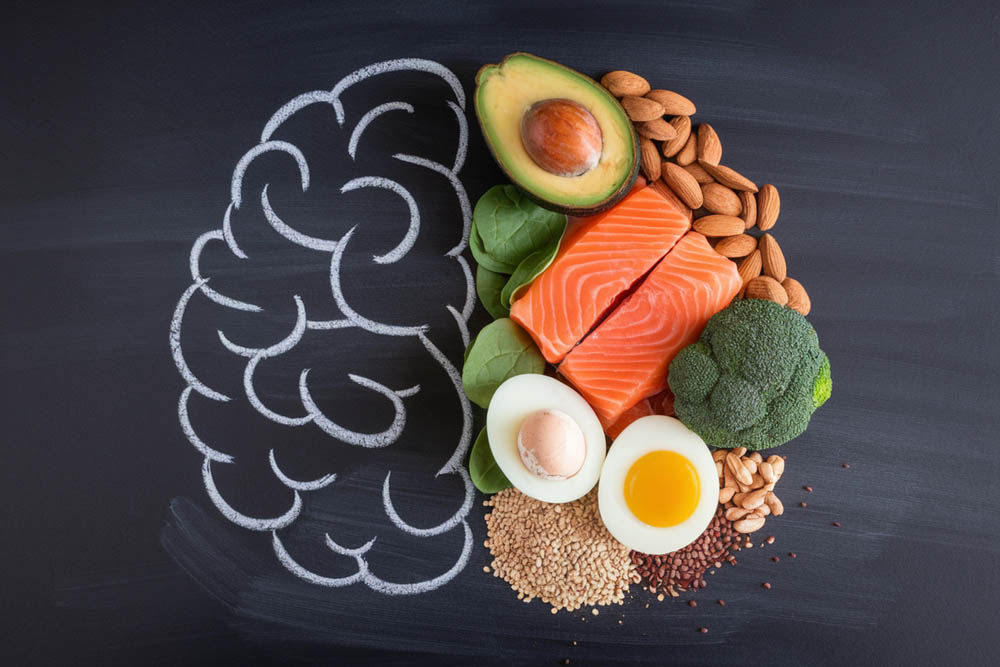
According to the most recent US News & World Health ratings of the best diets in various categories, the top 4 diets for brain health are:

  • MIND diet (The MIND diet combines the best of the Mediterranean and DASH diets with an emphasis on brain healthy foods such as berries.)
  • Mediterranean diet.
  • Flexitarian diet (a flexible version of a semi-vegetarian diet).
  • DASH diet.

My Comments:

  • All four diets are whole food, primarily plant-based diets.
  • Although the MIND diet was specifically designed for brain health, it does not perform significantly better than the Mediterranean and DASH diets in slowing cognitive decline.

Of course, most people prefer to think in terms of foods rather than diets. In terms of brain-healthy foods, a recent Harvard Health Review suggests these are the foods we should emphasize for brain health:

  • Green Leafy Vegetables: Kale, spinach, broccoli, and collards are rich in brain-healthy nutrients like vitamin K, lutein, folate, and beta-carotene.
  • Fatty Fish: Salmon, trout, sardines, and mackerel provide omega-3 fatty acids, which are crucial for brain function and for reducing dementia risk.
  • Berries: Blueberries, strawberries, and blackberries contain antioxidants that have been shown to delay cognitive decline.
  • Nuts and Seeds: Walnuts are high in omega-3 fatty acids (ALA), while others provide vitamin E.
  • Healthy Fats: Olive oil is recommended as the primary cooking fat.
  • Whole Grains and Legumes: Oats, quinoa, beans, and lentils provide a steady, slow release of glucose for brain energy. Plus, their fiber supports the growth of friendly bacteria that produce brain-healthy nutrients (This is sometimes referred to as the gut-brain axis).
  • Other Foods: Avocados (monounsaturated fats), beets (nitrates for blood flow), and cocoa (flavonoids) are beneficial.

My Comment:

  • Based on their nutrient content and studies like this one, I would add eggs (consumed in moderation) to the list.

The Bottom Line 

There are lots of reasons to think of eggs as brain food. A recent study suggests that moderate egg consumption may help slow cognitive decline as we age.

For more information on this study and what a brain-healthy diet looks like, read the article above.

These statements have not been evaluated by the Food and Drug Administration. This information is not intended to diagnose, treat, cure or prevent any disease.

_____________________________________________________________________________

My posts and “Health Tips From the Professor” articles carefully avoid claims about any brand of supplement or manufacturer of supplements. However, I am often asked by representatives of supplement companies if they can share them with their customers.

My answer is, “Yes, as long as you share only the article without any additions or alterations. In particular, you should avoid adding any mention of your company or your company’s products. If you were to do that, you could be making what the FTC and FDA consider a “misleading health claim” that could result in legal action against you and the company you represent.

For more detail about FTC regulations for health claims, see this link.

https://www.ftc.gov/business-guidance/resources/health-products-compliance-guidance 

___________________________________________________________________________

About The Author 

Dr. Chaney has a BS in Chemistry from Duke University and a PhD in Biochemistry from UCLA. He is Professor Emeritus from the University of North Carolina where he taught biochemistry and nutrition to medical and dental students for 40 years.

Dr. Chaney won numerous teaching awards at UNC, including the Academy of Educators “Excellence in Teaching Lifetime Achievement Award”.

Dr Chaney also ran an active cancer research program at UNC and published over 100 scientific articles and reviews in peer-reviewed scientific journals. In addition, he authored two chapters on nutrition in one of the leading biochemistry text books for medical students.

Since retiring from the University of North Carolina, he has been writing a weekly health blog called “Health Tips From the Professor”. He has also written two best-selling books, “Slaying the Food Myths” and “Slaying the Supplement Myths”. And most recently he has created an online lifestyle change course, “Create Your Personal Health Zone”. For more information visit https://chaneyhealth.com.

For the past 54 years Dr. Chaney and his wife Suzanne have been helping people improve their health holistically through a combination of good diet, exercise, weight control and appropriate supplementation.



Is Creatine Good For The Brain?

Creatine And Energy Metabolism

Author: Dr. Stephen Chaney

Creatine has developed a reputation as the “go to” supplement for athletes.

  • In a recent survey of NCAA Division I athletes, 48% of male athletes use creatine on a regular basis.
  • Over 80% of professional athletes in power sports like football use it.

But you may have seen recent reports that creatine is also good for the brain. You may be wondering:

  • Are those reports true?
  • If you are not an athlete, should you be taking creatine for a healthy brain?
  • If so, how much should you be taking?
  • Is regular creatine use safe?

I will review a couple of recent studies and answer these questions below. But first, it is time for my favorite topic: Metabolism 101. This week’s Metabolism 101 topic is, “Creatine And Energy Metabolism”.

Metabolism 101: Creatine And Energy Metabolism

Energy Metabolism: Before discussing the role of creatine in the body, I should start at the beginning by describing the basics of energy metabolism in our body. As you have probably heard, ATP is the energy currency of the cell.

Our cells generate energy in two ways:

  • Anaerobic (without oxygen) metabolism can generate ATP quickly but can only sustain high-intensity work for a few minutes.
  • Aerobic (with oxygen) metabolism requires oxygen and organelles called mitochondria to generate ATP. Aerobic metabolism can provide enough ATP to sustain moderate to low intensity work for hours.

Our cells don’t store ATP. They use it as fast as it is produced to:

  • Synthesize protein and many other components of the cell.
  • Synthesize DNA and fuel cell division.
  • Repair and regenerate cell membranes and cellular organelles.
  • Pump nutrients in and out of the cells and transport them to where they are needed within the cell.

And this is just the tip of the iceberg. Thousands of cellular reactions require ATP.

The Role Of Creatine In Cellular Energy Metabolism: Let’s start with the basics:

We can think of creatine as an energy bank.

  • When the cell has plenty of ATP, it makes a deposit into its energy bank by converting creatine into creatine-phosphate.
  • When the cell needs energy quickly it makes a withdrawal from its energy by converting creatine phosphate to creatine and generating ATP.

Creatine is found primarily in high energy tissues (muscle, brain, and testes) – No, I’m not going to talk about creatine and fertility today.

Every time the creatine-creatine-phosphate cycle occurs in high energy tissues, a small amount of creatine is converted to creatinine and filtered through the kidneys. There are two important consequences of this fact:

#1: The faster the phosphocreatine/creatine cycle turns, the more rapidly creatine will be converted to creatinine and drained from the body.

#2: Our body needs to constantly replenish its creatine stores. It does this in two ways:

  • Creatine is synthesized by the liver, kidneys, and pancreas. But it is not stored there. It is released into the bloodstream for use by high energy tissues. It is also synthesized by the brain. But creatine synthesized in the brain can only be used by the brain. It is not released into the bloodstream.
  • Creatine can come from muscle-containing foods – primarily red meat, chicken, and fish. Plant foods provide no creatine.
  • Creatine can also come from supplements – the topic of this article.
  • High-energy tissues have transporters that allow them to take up creatine from the bloodstream.

Creatine plays slightly different roles in muscle and brain.

Creatine Supplementation For Optimizing Muscle Function

Creatine in the muscle is primarily used for high-intensity short duration exercise. In muscle you can think of creatine as being used to “jump-start” high intensity exercise.

  • It takes a few seconds for anaerobic metabolism to go into overdrive. Creatine-phosphate stores fill that gap.
  • Muscle creatine-phosphate stores can fuel high-intensity exercise for 8-15 seconds (average = 10 seconds).

Creatine supplementation is well accepted for sports requiring short, intense bursts of power, speed, and strength, such as football, basketball, hockey, soccer, wrestling, bodybuilding, and sprinting. It is supported by dozens of published clinical studies.

The rationale is not hard to understand.

  • Muscle normally contains enough creatine-phosphate to support around 10 seconds of high-intensity exercise.
  • Creatine-phosphate supplementation increases muscle creatine stores by 20-40%. That supports another 2-4 seconds of exercise.
  • That may not sound like much. But anaerobic metabolism does not kick in until creatine-phosphate stores are exhausted, so the total amount of high-intensity power attained during each rep of a workout is increased by 2-4 seconds.
  • Over a period of weeks or months that extra 2-4 seconds of high intensity exercise during each rep of training translates into real gains in lean muscle mass, muscle strength, and exercise performance.
  • Of course, creatine supplementation provides little benefit for athletes involved in endurance sports.

Here are some other notable points about creatine supplementation for athletes:

  • Creatine supplementation benefits most athletes involved in high-intensity sports, but it appears to be particularly useful for vegans and vegetarians who may not be getting creatine from their diet.
  • Clinical studies and real-life experience have shown that creatine is safe when used properly. (I will discuss mild side effects and cautions below).
  • The doses used most frequently are:
    • Around 20 grams/day for quick results. For optimal absorption, it is best to divide it into 4 daily servings of 5 grams.
    • Around 5 grams/day for maintenance and for general use.
    • The eventual amount of muscle creatine is the same with 20- and 5-gram doses. The only difference is the speed at which optimal creatine levels are attained.
  • Creatine is best utilized when taken with food or smoothies containing both carbohydrate and protein.
  • Adequate hydration is important (more about that below).

Creatine Supplementation And Brain Health

Brain HealthBrain is different from muscle in that it depends on aerobic metabolism and is always using ATP at a high rate. Brain accounts for 20% of our body’s energy demand. In brain we can think of creatine as a buffer or reserve.

  • Brain creatine-phosphate stores are used in situations where the brain needs to increase its energy use over baseline (more about that below).

The initial excitement about creatine supplementation optimizing brain health came from mouse studies. However, we need to remember that mice aren’t humans. In this case the difference is clear.

  • Creatine supplementation increases brain creatine levels by 50% in mice, but only around 5-10% on average in humans.

So, it is not clear whether the results obtained with mice also apply to humans. The results of clinical trials with humans are mixed. They are promising, but not definitive.

Is Creatine Good For The Brain?

To answer that question I will share two recent reports with you as examples of where the creatine and brain health hypothesis stands at present.

Study #1: Creatine Supplementation And Alzheimer’s Disease.

Memory loss due to Dementia and Alzheimer’s disease with the medical icon of a tree in the shape of a human head and brain losing leaves.

This study (AN Smith et al, Alzheimer’s & Dementia, 11270101, 2025) was designed to test the hypothesis that creatine supplementation might be beneficial for Alzheimer’s patients. It was a pilot study – designed to determine whether there was enough evidence to justify a larger clinical trial.

How Was This Study Done? Twenty participants, 60-90 years old (average = 73), were enrolled in this study. They had been previously diagnosed with Alzheimer’s disease and had been taking Alzheimer’s medication for at least 30 days. Each participant had a partner (spouse, family member, or friend) to support them and aid in accurate participation and reporting.

  • Participants consumed 20 grams of creatine, split into two 10-gram doses for 8 weeks.
    • Participants and their partners were given compliance trackers with two boxes to be checked each day to measure adherence to the supplementation protocol. Adherence was 90%.
  • Blood creatine levels were measured at baseline, 4 weeks, and 8 weeks as another measure of adherence.
  • Two measures of cognitive health were administered at baseline and at 8 weeks.
    • MMSE (a 30-item cognitive test).
    • The NIH Toolbox Cognitive Battery, which measures attention, category switching, episodic memory, working memory, speed of processing, written language, and auditory language.
  • Brain creatine levels were measured using nuclear magnetic resonance (NMR) spectroscopic imaging.

What Did The Study Show?Question Mark

  • Participants and their partners reported 13 incidences of mild side effects, which included cramping/muscle pain, diarrhea, constipation, nausea, facial flushing, and sleep disturbances.
  • Blood creatine levels increased 23-fold in 4 weeks and remained elevated at 8 weeks.
  • Brain creatine levels increased by 11% at 8 weeks.
  • When assessed with the NIH Toolbox Cognitive Battery, creatine supplementation (20 grams/day) improved:
    • Total cognition by 4%.
    • Fluid cognition by 7%.
    • List sorting working memory by 11%.
    • Oral reading recognition by 5%.
    • Attention by 7%.
  • There were no significant changes in the 5 other cognition categories in the NIH Toolbox Cognitive Battery.

The authors concluded, “Our study provides the first evidence in humans that creatine supplementation is feasible and may increase brain creatine and offer cognitive benefits to patients with Alzheimer’s Disease.”

These results are preliminary and suggest that future efficacy trials comparing creatine to placebo are needed to generate evidence that can be compared to other Alzheimer’s Disease clinical trials.”

“Should creatine provide benefit, the public health implications may be substantial given Alzheimer’s Disease cases are anticipated to rise and creatine is cost-effective with a good safety profile.”

Why Did I Include This Study? You may be wondering why I included such a preliminary study in my review. The answer is simple: It provides a graphical view of individual variability.

Every study mentions individual variability, but because this study has only 20 participants, the authors were able to graphically show the response of every individual in the study. And the results were informative.

  • In terms of brain creatine levels:
    • Some individuals had increases in the 25-30% range.
    • Others had increases of around 2-5%.
  • Similar variability was seen with each individual measure of cognition.

However, the most interesting result was that several measures of cognition were highly correlated with the changes in brain creatine levels. This suggests that the limiting factor in the brain health benefits of creatine may be the ability of creatine supplementation to influence brain creatine levels.

Study #2: Creatine Supplementation And Brain Health.

This study (H Roschel et al, Nutrients, 13, 586, 2021) is a review of 16 studies looking at the effect of creatine supplementation on various aspects of brain health.

  • All the studies were small.
  • They used different measures of cognitive health.
  • Most of the studies were short (2-15 days).
  • They used different measures of brain creatine levels (Creatine levels vary according to the region of the brain that is scanned).

While emphasizing the weaknesses and inconsistencies of published studies, the authors said:

  • “Creatine supplementation may positively influence some aspects of cognition under stressful conditions such as:
    • Hypoxia (reduced oxygen flow to the brain caused by chronic conditions like atherosclerotic narrowing of the carotid arteries, asthma, and COPD.
    • Sleep deprivation, especially when combined with exercise.”
  • They also discussed the theory that creatine supplementation may be beneficial for conditions associated with reduced brain creatinine levels such as:
    • Alzheimer’s disease, cognitive decline in general, mild traumatic brain injury, and depression.

They put particular emphasis on the potential benefits of creatine supplementation for mild traumatic brain injury, saying:

“Collectively, despite limited data, creatine supplementation seems potentially beneficial in reducing severity of or enhancing recovery from mild traumatic brain injury (mTBI), warranting further studies on its role not only as a post-injury therapy but also as a neuroprotective agent in populations at high risk of mTBI”

“Encouraging supplementation to reduce damage from or enhance recovery from mTBI…would ordinarily be considered premature. However, in this instance, given the devastating effects of mTBI, combined with the large body of safety and efficacy creatine supplementation data, encouraging supplementation for populations who are at high risk for mTBI might be considered more prudent.”

Finally, the authors concluded,

“There is a potential for creatine supplementation to improve cognitive processing, especially in conditions characterized by brain creatine deficits, which could be induced by acute stressors (e.g., exercise, sleep deprivation) or chronic, pathologic conditions (e.g., mTBI, cognitive decline, Alzheimer’s disease, depression).”

What Does This Study Mean For You?

Questioning WomanIf you are interested in creatine to support any kind of high intensity, short duration activity, the data are clear. Creatine supplementation in the 5-20 gm/day range with adequate hydration is both safe and effective.

Creatine offers little benefit for endurance events. But if you engage in any kind of high intensity training to build muscle mass in preparation for endurance events, creatine is likely to be of benefit.

However, we are at the early stages of understanding the effects of creatine supplementation on brain health and cognitive function. Most of the results are promising, but preliminary.

Here is a brief summary:

  • The effectiveness of creatine supplementation at increasing brain creatine levels and improving brain function is highly variable.
    • For some individuals, creatine supplementation results in a 25-30% increase in brain creatine levels. Those individuals are likely to experience brain health benefits.
    • For other individuals, creatine supplementation results in 2-5% increase in brain creatine levels. These individuals may not experience noticeable brain health benefits.
  • These reason for this variability in the effect of creatine supplementation is unknown at present.

This reminds me of my last decade (2002-2012) of cancer research at the University of North Carolina. At the beginning of the decade, here were certain cancer drugs that were considered unproven because their effectiveness was variable. They appeared to help some cancer patients, but were ineffective for others.

The we started to look at the genetic mutations that caused individual cancers. By the end of the decade we had discovered those drugs were amazingly effective for cancers with certain genetic backgrounds. Those drugs went from being “duds” to being “stars”.

Creatine supplementation for brain health is where those cancer drugs were in 2002. Until we can predict which individuals will experience a significant increase in brain creatine levels with supplementation, clinical studies will continue to be inconsistent, and the scientific community will continue to consider creatine supplementation for brain health to be “unproven”.

  • But the good news is that, with adequate hydration, creatine supplementation is safe. So, you can take it for its muscle benefits. And, if you also experience brain health benefits, consider it an added benefit.

And there are certain situations where even the medical profession often recommends creatine supplementation for brain health. For example:

  • Studies suggest that creatine supplementation may improve brain function for people with sleep deprivation, mild traumatic brain injury, cognitive decline, conditions that restrict blood flow to the brain, Alzheimer’s disease, and depression.
    • For example, it is often recommended for mild traumatic brain injury because the health consequences of untreated traumatic brain injury are severe and the risks of creatine supplementation are low.

Finally, the optimal dosage and duration of creatine supplementation for brain health benefits is unknown.

  • Most studies use 20 grams/day divided into two or three smaller doses.
  • But the effect of body weight on dosage recommendations has not been studied. People in the sports medicine field tell me that female gymnasts use significantly less creatine than male football players. If your body weight is low, you might want to aim for 10-15 grams/day.

Creatine Supplementation Cautions 

While the safety of creatine supplementation is well established, there are some cautions you should be aware of:

  • Creatinine, the breakdown product of creatine metabolism, puts some stress on the kidneys.
    • While this is not a problem if your kidneys are healthy, you should consult with your health professional about taking creatine if you have any indications of impaired kidney function.
    • Even if your kidneys are perfectly healthy, creatine supplementation may increase blood creatinine levels. If your health professional is using creatinine levels to measure kidney health, you should let them know that you are supplementing with creatine.
  • Adequate hydration (preferably with water) is important because creatine pulls water with it as it enters your muscle cells.
    • This plumps up your muscles, which is great if you are a body builder.
    • This dehydrates you, which can cause side effects like muscle cramps, headaches, nausea, stomach cramps, and diarrhea.
    • These side effects are usually transitory and can be avoided or reduced by adequate hydration. If symptoms continue despite adequate hydration, you should lower the dose or discontinue creatine supplementation.

The Bottom Line 

If you are interested in creatine to support any kind of high intensity, short duration activity, the data are clear. Creatine supplementation in the 5-20 gm/day range with adequate hydration is both safe and effective.

However, we are at the early stages of understanding the effects of creatine supplementation on brain health and cognitive function. Most of the results are promising, but preliminary.

I discussed two studies on creatine supplementation and brain health in this article. Here is a brief summary of their findings:

  • Creatine supplementation may improve brain function for people with sleep deprivation, mild traumatic brain injury, cognitive decline, conditions that restrict blood flow to the brain, Alzheimer’s disease, and depression).
    • Although the effectiveness of creatine supplementation on brain function is uncertain at present, many experts recommend it if you fall into one of the categories listed above because creatine supplementation has been shown to be safe by decades of sports medicine studies.
  • The effectiveness of creatine supplementation at increasing brain creatine levels and improving brain function is highly variable.
    • For some individuals, creatine supplementation results in a 25-30% increase in brain creatine levels. Those individuals are likely to experience brain health benefits.
    • For other individuals, creatine supplementation results in 2-5% increase in brain creatine levels. These individuals may not experience noticeable brain health benefits.
  • But the good news is that, with adequate hydration, creatine supplementation is safe. So, you can take it for its muscle benefits. And, if you also experience brain health benefits, consider it an added benefit.

For more information on this study, what it means for you, and cautions about using creatine supplements, read the article above.

These statements have not been evaluated by the Food and Drug Administration. This information is not intended to diagnose, treat, cure, or prevent any disease.

 _____________________________________________________________________________

My posts and “Health Tips From the Professor” articles carefully avoid claims about any brand of supplement or manufacturer of supplements. However, I am often asked by representatives of supplement companies if they can share them with their customers.

My answer is, “Yes, as long as you share only the article without any additions or alterations. In particular, you should avoid adding any mention of your company or your company’s products. If you were to do that, you could be making what the FTC and FDA consider a “misleading health claim” that could result in legal action against you and the company you represent.

For more detail about FTC regulations for health claims, see this link.

https://www.ftc.gov/business-guidance/resources/health-products-compliance-guidance 

_____________________________________________________________________________

About The Author 

Dr. Chaney has a BS in Chemistry from Duke University and a PhD in Biochemistry from UCLA. He is Professor Emeritus from the University of North Carolina where he taught biochemistry and nutrition to medical and dental students for 40 years.  Dr. Chaney won numerous teaching awards at UNC, including the Academy of Educators “Excellence in Teaching Lifetime Achievement Award”. Dr Chaney also ran an active cancer research program at UNC and published over 100 scientific articles and reviews in peer-reviewed scientific journals. In addition, he authored two chapters on nutrition in one of the leading Biochemistry textbooks for medical students.

Since retiring from the University of North Carolina, he has been writing a weekly health blog called “Health Tips From the Professor”. He has also written two best-selling books, “Slaying the Food Myths” and “Slaying the Supplement Myths”. And most recently he has created an online lifestyle change course, “Create Your Personal Health Zone”. For more information visit https://chaneyhealth.com.

For the past 53 years Dr. Chaney and his wife Suzanne have been helping people improve their health holistically through a combination of good diet, exercise, weight control and appropriate supplementation.



Could Omega-3s Improve Reading Skills?

Can DHA  Help Johnny Read?

Author: Dr. Stephen Chaney

Child-Reading-BookIf you are like most parents, you want to do everything you can to assure that your kids have the skills they need to succeed in school, and reading probably tops the list of necessary skills. If your child is reading below their age level, could something as simple as better nutrition improve their reading ability?

Recent studies have shown that the omega-3 fatty acids, especially DHA, play a very important role in normal brain function – especially memory, focus, concentration, and attention span.

I have shared with you previous studies which have shown that optimal DHA intake in pregnant women plays an important role in the early mental development of their children. On the other end of the age spectrum, studies have shown that optimal omega-3 fatty acid intake in older adults can delay cognitive decline.

I have also shared with you studies showing that omega-3 fatty acid supplementation in children with ADD and ADHD significantly reduce their symptoms. What about children without hyperactivity? Could omega-3 fatty acids affect their ability to learn?

Many Children Are Deficient in Omega-3 Fatty Acids

The Food and Nutrition Board has not yet set US standards for DHA intake, but the international standard is 200 mg for children 7 years old and older. Unfortunately, cod liver oil is a thing of the past, and foods rich in DHA are not particularly popular with children. Consequently, most children in this country are only getting around 20-40 mg of DHA per day.

And that shows up in their blood levels of omega-3 fatty acids. A recent study in England looked at blood levels of omega-3 fatty acids in 493 seven to nine year olds with below average reading performance who were enrolled in Oxfordshire primary schools (P. Montgomery et al, PLoS ONE, doi: 10.1371/journal.pone.0066697).

All of them had low blood levels of omega-3 fatty acids (both DHA and EPA), and the blood levels of omega-3 fatty acids were directly related to their reading ability. In non-scientific language that simply means that those with the poorest reading abilities had the lowest blood levels of omega-3 fatty acids.

This study is particularly significant because another study by the same group showing that DHA supplementation improved reading skills in underperforming children.

Could Omega-3s Improve Reading Skills?

This study (Richardson et al., PLoS ONE 7: e43909.doi:10.1371/journal.pone.0043909) looked at 362 normal 7-9 year old children enrolled in mainstream primary schools in Oxfordshire, England.

These children were all reading at significantly below the average for their grade levels. The study excluded children with specific medical difficulties that might affect their ability to read, children who were already taking medications expected to affect behavior or learning, children for whom English was not their first language, and children who were already eating fish more than twice a week or taking omega-3 supplements.

The children were given either supplements containing 600 mg of DHA per day or a placebo containing corn and soybean oil. At the end of 16 weeks the children were rescored on a standardized reading test.

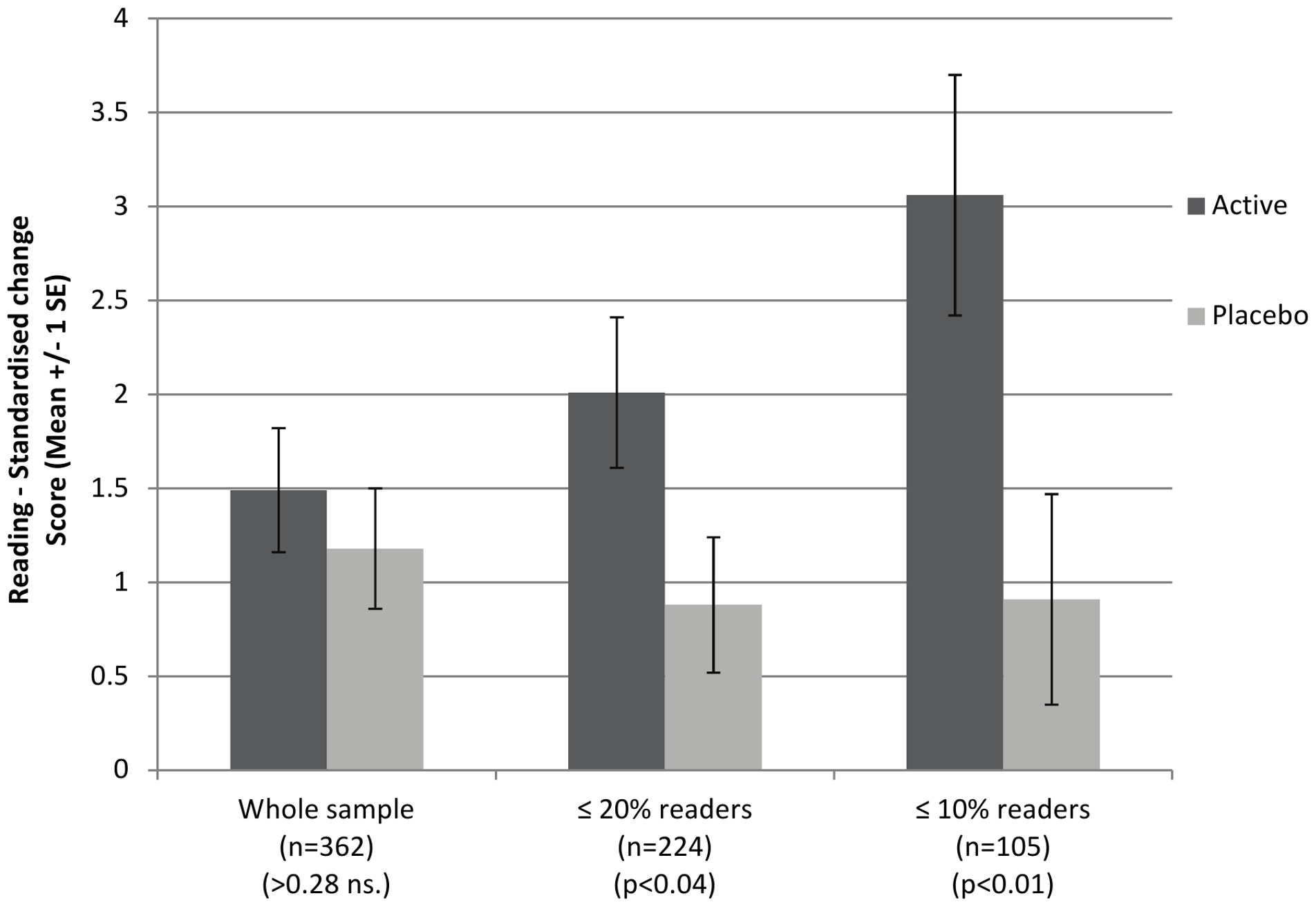
Reading-ScoresThe results were quite interesting. When the scientists looked at children reading in the lower third of their class, the affect of DHA on their ability to read was non-significant. However, when they looked at the children who were performing in the bottom 20% of their class with respect to reading, DHA supplementation resulted in a 20% improvement in their reading score. And when they looked at children in the bottom 10% of their class with respect to reading, DHA supplementation resulted in a 50% increase in reading scores. These changes were highly significant.

To put this in perspective, the children performing in the bottom 20% of their class improved their reading efficiency by around 0.8 months with respect to their normal reading age, and the children in the bottom 10% of their class improved their reading efficiency by around 1.9 months with respect to their normal reading age.

Strengths and Weaknesses of The Studies


On The Minus Side:

  • First and foremost we must remember that nutrition is only one of many factors that can affect reading performance in children. You shouldn’t think of DHA as a magic bullet that will cure your child’s reading problems by itself.
  • This is a single pair of studies that need to be replicated.
  • This study does not establish the optimal dose of DHA needed to improve reading in underperforming children. Until dose response studies have been done we don’t know whether 600 mg is needed or whether simply making sure that the children reach the recommended 200 mg per day of DHA would be sufficient.

On The Plus Side:

  • Both of these were very well controlled studies, and they complemented each other perfectly.  One study showed that students with the poorest reading ability had the lowest blood levels of DHA. The other study showed that children with the poorest reading ability experienced the greatest improvement with DHA supplementation.
  • These studies were not done with third world children. They were studies with normal, healthy children in a prosperous European country.
  • These studies are fully consistent with previous studies looking at the effects of DHA on cognition in children.

The Bottom Line

What does this study mean for parents whose children may be struggling with their reading in school?

  • The lead author concluded: “We have shown that in the mainstream, general population, something as simple as DHA can benefit reading abilities in underperforming children.”
  • It’s perhaps not that ironclad yet. But if your kid or grandkid is reading below their grade level, DHA supplementation is both safe and inexpensive. It’s worth giving it a try.

These statements have not been evaluated by the Food and Drug Administration. This information is not intended to diagnose, treat, cure or prevent any disease.

Omega-3 Fatty Acids And Brain Health

Is it How Much You Eat, or How Much You Keep?

Author: Dr. Stephen Chaney


Brain HealthWhy do some studies conclude that omega-3 fatty acids are essential for a strong mind, a strong heart and will wipe out inflammation – while other studies suggest that they are ineffective? The simple answer is that nobody really knows.

However, in the process of reviewing two recent studies on omega-3 fatty acids and brain health I made an interesting observation that offers a possible explanation for the discrepancies between studies. And if my hypothesis is correct, it suggests that the design of many of the previous studies with omega-3 fatty acids is faulty.

Omega-3 Fatty Acids And Brain Health

The first study (J.K. Virtanen et al, J Am Heart Assoc, 2013, 2:e000305 doi: 10.1161/JAHA.113.000305) looked at the effect of omega-3 fatty acids on brain function in older adults (>65 years old). It concluded that high omega-3 levels were associated with better white matter grade and a 40% reduction in subclinical infarcts (Sorry for the technical jargon – but both of those are good things in terms of brain function for those of us who are getting a bit older).

The second study (C. M. Milte et al, J of Attention Disorders, 2013, doi: 10.1177/1087054713510562) looked at the effect of omega-3 fatty acids on children (ages 6-13) with ADHD. It concluded that high omega-3 levels were associated with improved spelling and attention and reduced oppositional behavior, hyperactivity, cognitive problems and inattention.

What Is The Common Thread In These Studies?

Why, you might ask, am I comparing a study in the elderly, where the concern is retention of cognitive skills, with a study on ADHD in children?

That’s because there is a very important common thread in those two studies. It wasn’t the amount of omega-3 fatty acids in their diet that counted. It was the levels of omega-3 fatty acids in their blood that made the difference.

The first study included a detailed dietary history to estimate the habitual intake of omega-3 fatty acids in the participants.

  • There was no correlation between estimated dietary intake of omega-3 fatty acids and any measure of brain function in those older adults.
  • However, there was a strong correlation between blood levels of omega-3s and brain health in that population group.

The second study was actually a placebo controlled intervention study in which the children were given 1 gm/day of either omega-3 fatty acids or omega-6 fatty acids.

  • Once again, there was no correlation between dietary intake of omega-3 or omega-6 fatty acids and any outcome related to ADHD.
  • However, there was a strong correlation between blood levels of omega-3 fatty acids or omega-3/omega-6 ratio and improvement in multiple measures of ADHD.

How Could The Effect of Dietary Intake And Blood Levels Of Omega-3s Be So Different?

Fish OilBoth studies were relatively small and suffered from some technical limitations, but the most likely explanations are:

  • Inaccurate recall of the participants as to what they eat on a habitual basis. (study 1)
  • Individual differences in the ability of participants to convert short chain omega-3 fatty acids (found in foods such as canola oil, flaxseed oil and walnuts) to the beneficial long chain fatty acids (found in cold water fish). (study 1)
  • Poor compliance in taking the supplements. (study 2)

Why Are These Studies Important?

The most important insight to come out of both of these studies is that it is essential to actually measure blood levels of omega-3 fatty acids and not just rely on dietary intake or supplementation for a valid clinical trial.

That’s a concern because blood measurements of omega-3 fatty acids are expensive and have not been a part of many of the clinical studies that have been performed to date. Even the largest, best designed clinical study is worthless if the dietary recalls aren’t accurate or people don’t take their capsules.

We need to go back and reevaluate many of the clinical studies that have been published.

We need to ask:

  • Are their conclusions valid?
  • Did some studies fail to show that omega-3s were effective simply because they only measured dietary intake and not how much of the omega-3s actually accumulated in the blood?

The Bottom Line

  • High blood levels of omega-3s in the blood correlated with improved brain health in the elderly and reduced ADHD symptoms in children
  • These studies were small, but they are consistent with a number of other studies that have come to similar conclusions.
  • Blood levels of omega-3s are better predictors than dietary intake for evaluating the health benefits of omega-3 fatty acids.
  • Many previous studies that failed to find an effect of omega-3 fatty acids on brain health, heart health or inflammation did not actually measure blood levels of the omega-3 fatty acids. These studies should be reevaluated.

These statements have not been evaluated by the Food and Drug Administration. This information is not intended to diagnose, treat, cure or prevent any disease.

Health Tips From The Professor