What Can You Do To Reduce Your Risk Of Cancer?
 It seems like everyone has a magic pill, essential oil, food, or diet that prevents cancer. It doesn’t take a genius to figure out that all the claims can’t be true. No wonder you are confused. You want to know:
- Which of these claims are true?
- What can you do to reduce your risk of cancer?
These aren’t trivial questions.
- Cancer is the second leading cause of death in this country, and some experts predict it will surpass heart disease as the leading cause of death in the near future.
- While cancer treatments have become much more effective in the past few decades, these treatment successes are often associated with severe side-effects, enormous expense, or both.
That is why I was intrigued by a recent study (FF Zhang et al, JNCI Cancer Spectrum (2019) 3(2): pkz034) on diet and cancer that came from the prestigious Friedman School of Nutrition and Public Policy at Tufts University. This study asked two important questions:
- How many newly diagnosed cancer cases could have been prevented by changes in the American diet? This is something the authors referred to as the “preventable cancer burden associated with poor diet”.
- Which foods increased or decreased the risk of cancer? This, of course, is the most useful information for you and me.
Diet And Cancer Risk
 This study estimated that 80,110 new cancer cases among US adults 20 and older could be primarily attributed to poor diet. While poor diet contributes to many more cancers, the authors of this study felt 80,110 represented the number of cancer cases that were clearly preventable by some simple dietary changes.
While all cancers were affected by diet to some degree, the cancers most affected by poor diet were:
- Colon cancer (65% of cases)
- Mouth and throat cancer (18% of cases)
- Endometrial cancer (4.0% of cases)
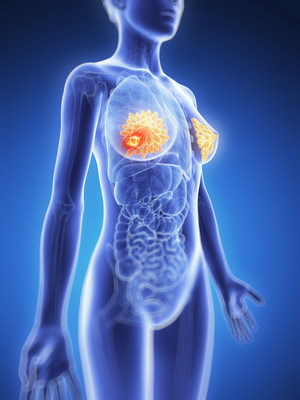
- Breast cancer (3.8% of cases)
When the diet was broken down into individual food groups:
- Low intake of whole grains was associated with the largest number of preventable cancer cases (35% of cases). This was followed by.
- Low intake of dairy foods (22% of cases).
- High intake of processed meats (18% of cases).
- Low intake of vegetables (16% of cases).
- Low intake of fruits (10% of cases).
- High intake of red meat (7.1% of cases).
- High intake of sugar sweetened beverages (4.0% of cases).
Of the diet-associated cancer cases, the scientists who lead the study estimated that 84% of them represented a direct effect of diet on cancer risk. The dietary factors most likely to directly increase the risk of cancer were:
- Low intake of whole grains.
- Low intake of dairy foods.
- High intake of processed meats.
The scientists estimated that 16% of diet-associated cancer cases were “mediated by obesity”. In layman’s terms, this means that diet increased the risk of obesity and obesity increased the risk of cancer. The dietary factors most likely to increase the risk of obesity-mediated cancers were:
- High intake of sugar sweetened beverages.
- Low intake of fruits.
The authors concluded: “More than 80,000 new cancer cases [per year] are estimated to be associated with suboptimal diet among US adults…Our findings underscore the need for reducing cancer burden in the United States by improving the intake of key food groups and nutrients of Americans.”
What Does This Mean For You?
 These findings aren’t novel. Many previous studies have come to the same conclusions. However, many people find these recommendations to be confusing. Should they increase their intake of certain foods? Should they follow some sort of magic diet?
Perhaps we need to get away from the magic food concept. We need to understand that every time we increase one food in our diet, we exclude other foods. We need to step back and look at the overall diet.
Let me break down the recommendations from this study into three categories: foods we should eliminate from our diet, foods we should include in our diet, and foods we should balance in our diet.
Foods we should eliminate from our diet:
- Sugar Sweetened Beverages. They provide no nutritional benefit, and the sugar in most beverages rushes into our bloodstream and overwhelms our body’s ability to utilize it in a healthy way. This leads to obesity, diabetes, and a host of other health issues.
-
- Public enemy number one is sodas. However, this category also includes fruit juices, sweetened teas and energy drinks, and sugary processed foods.
-
- This category also includes diet sodas. For reasons we don’t completely understand, diet sodas appear to be just as likely to lead to obesity, diabetes, and heart disease as sugar sweetened sodas. I have discussed the proposed explanations of this phenomenon in a recent issue of “Health Tips From the Professor”.
-
- Sugar, however, is not the enemy. Sugar found naturally in fruits and other whole foods enters the bloodstream slowly and is metabolized in healthy ways by the body. I have discussed this in another issue of “Health Tips From the Professor”. This is what I mean by restoring balance in our diet. Decreasing the sugar intake from sugar sweetened beverages and increasing sugar intake from fruits is associated with a decreased risk of obesity and obesity-related cancers.
- Processed Meats. The evidence is overwhelming at this point that processed meats directly increase the risk of cancer.
-
- If you have trouble completely eliminating processed meats from your diet, my advice is to minimize them and consume them only in the context of an overall healthy diet. Personally, I still consume bacon occasionally as flavoring for a healthy green salad.
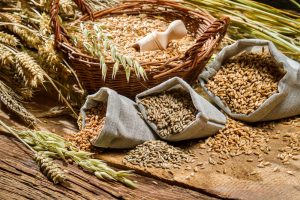 Foods we should include in our diet. I put these in a separate category because Dr. Strangelove and his colleagues have been telling us to eliminate them from our diet, and many Americans are following those recommendations:
- Whole grains. We can think of whole grains as the underserving victim of the low-carb craze. The low-carb craze is on the mark when it comes to eliminating added sugars and refined grains from the diet. However, eliminating whole grains from the diet may be doing more harm than good. In fact, this and other studies suggest that whole grains are the most effective foods for reducing cancer risk. Why is that?
-
- If we assume whole grains are just a good source of fiber and a few vitamins and minerals, it is hard to grasp their importance. We could easily get those nutrients elsewhere.
-
- However, we are beginning to realize that whole grains play a unique role in supporting certain species of gut bacteria that are very beneficial to our health. In short, whole grains may be essential for a healthy gut.
- Dairy Foods. This is another food that has been treated as a villain by Dr. Strangelove and his many colleagues. However, for reasons we don’t completely understand, dairy foods appear to decrease the risk of heart disease and cancer.
Foods we should balance in our diet.
- Red Meat. Diets high in red meat are consistently associated with a slight increase in cancer risk. The World Health Organization lists red meat as a probable carcinogen, but that has proven to be controversial.
-
- Much of the research has centered on why red meat causes cancer. Several mechanisms have been proposed, but none of them have been proven.
-
- In contrast, very little consideration has been given to what red meat is displacing from the diet. Diets high in red meat are often low in whole grains, fruits and/or vegetables.
-
- Perhaps instead of eliminating red meat from our diets we should be talking about balancing red meat in our diets by consuming less red meat and more whole grains, fruits, and vegetables.
What Can You Do To Reduce Cancer Risk?
 You may have been thinking that 80,110 cases/year represents a small percentage of new cancer cases. That’s because diet is only one component of a holistic cancer prevention strategy. Here is what the American Cancer Society recommends for reducing cancer risk:
- Avoid tobacco.
- Limit sun exposure.
- Achieve and maintain a healthy weight.
- Eat a healthy diet, with an emphasis on plant foods (Their recommendations are in line with this study).
- Be physically active.
- Limit alcohol use.
- Get vaccinated against HPV.
- Get regular medical checkups.
Doing any of these things will reduce your cancer risk. But the more of these you can incorporate into your lifestyle, the lower your risk.
The Bottom Line
A recent study looked at diet and cancer risk. The authors reported that 80,110 new cancer cases among US adults 20 and older could be primarily attributed to poor diet.
When the diet was broken down into individual food groups:
- Low intake of whole grains was associated with the largest number of preventable cancer cases. This was followed in descending order by.
- Low intake of dairy foods.
- High intake of processed meats.
- Low intake of vegetables.
- Low intake of fruits.
- High intake of red meat.
- High intake of sugar sweetened beverages.
The authors concluded: “More than 80,000 new cancer cases [per year] are estimated to be associated with suboptimal diet among US adults…Our findings underscore the need for reducing cancer burden in the United States by improving the intake of key food groups and nutrients of Americans.”
For more details, read the article above. For example, I discuss which foods we should eliminate, which foods we should eat more of, and which foods we should balance in our diet. To add a more holistic perspective, I also discuss the American Cancer Society’s recommendations for reducing cancer risk.
These statements have not been evaluated by the Food and Drug Administration. This information is not intended to diagnose, treat, cure or prevent any disease.