Will Plant Proteins Help You Live Longer?

Is A Vegan Diet Healthiest?

Author: Dr. Stephen Chaney

Fountain Of YouthUnless you are Rip Van Winkle and have been asleep for the past 40 years, you have probably heard that whole food, primarily plant-based diets are good for you.

  • They help you control your weight.
  • They reduce inflammation.
  • They reduce your risk of diabetes and heart disease.
  • They even reduce your risk of some cancers.

But do they help you live longer? If we take that question literally, the answer appears to be no. There is no “Fountain Of Youth”. There are no diets that extend our lives significantly.

However, what if you could reduce your risk of premature death? It would be tragic to have your life cut short by a heart attack or some other major disease. What if you could prevent that?

And what if you could live healthier longer? It would be equally tragic to spend your golden years debilitated by chronic diseases like heart disease, diabetes, or dementia. What if you could delay these diseases and live healthier longer?

The study I discuss this week (Y Sun, Journal of the American Heart Association, 10:e015553, 2021) looks at the effect of different dietary protein sources on premature death.

This study, like many others, suggests that primarily plant-based diets are healthier than meat-based diets. But what does this mean for you? Should you go completely meatless? Is a vegan diet healthier than other plant-based diets? I discuss what we know and what we do not know about the vegan diet compared to other plant-based diets.

How Was This Study Done?

Clinical StudyThe data for this study were drawn from the Women’s Health Initiative (WHI). The Women’s Health Initiative was designed to help identify strategies for preventing heart disease and other diseases in postmenopausal women. It enrolled 161,000 postmenopausal women from 40 sites across the US between 1993 and 1998 and followed them through 2017.

This study excluded women who had heart disease or cancer when they entered the WHI study and women who had incomplete data on either their diet or their use of postmenopausal hormone therapy. They were left with 102,521 women, age 50-79 at time of entry, who were followed for 18 years.

Each woman filed out an extensive dietary survey at the beginning of the study. There were 25,976 deaths during the study. The cause of death was determined by reviewing death certificates, medical records, autopsy reports or by linkage to the National Death Index.

The investigators asked whether women who ate more plant proteins were healthier than those who ate primarily meat protein. To answer this question, they correlated protein sources in the diet with all-cause mortality and deaths from various diseases.

The greatest difficulty with this type of study is that people who eat more plant protein tend to have a healthier diet and a healthier lifestyle. That makes it hard to separate out the benefits of eating plant proteins from benefits associated with other aspects of their diet and lifestyle. So, the authors corrected their data for every factor known to influence the risk of heart disease, diabetes, dementia, and premature death.

Specifically, the data were statistically corrected for age, race/ethnicity, socioeconomic status, hormone use, lifestyle (smoking status, physical activity, and alcohol intake), baseline health status (diabetes and/or high blood cholesterol), family history of heart attack/stroke, dietary factors (calorie intake, dietary fiber intake, whole grain consumption, fruit and vegetable consumption, sugar-sweetened beverage consumption, glycemic load (effect of foods in the diet on blood sugar), and percentage of saturated fats, polyunsaturated fats, monounsaturated fats, and trans fats), and weight (BMI).

In short, the authors corrected for every other factor that could influence disease risk and/or premature death. By doing so, they were able to focus on the effect of protein sources on disease risk and/or premature death.

Will Plant Proteins Help You Live Longer?
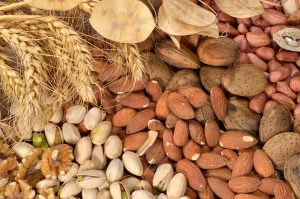
Plant ProteinsThe investigators divided the study participants into quintiles with respect the kind and amount of protein they consumed.

  • For animal protein, the intake ranged from 4 ounces/day in the lowest quintile to 9 ounces a day in the highest quintile (For comparison, 3 ounces is roughly equivalent to the size of a deck of cards).
  • For plant protein, the intake ranged from 2 ounces/day in the lowest quintile to 3.5 ounces/day in the highest quintile.
  • When you combine plant and animal protein in these women’s diet, plant protein ranged from 18% of total protein intake in the lowest quintile to 48% of total protein intake in the highest quintile.

When women who had the highest intake for plant protein were compared with women who had the lowest intake of plant protein, the women with the highest plant protein intake had:

  • 12% lower risk of premature death from heart disease.
  • 21% lower risk of premature death from dementia.
  • 9% lower risk of premature death from all causes.

There was an inverse relationship between the amount of plant protein in the diet and premature death. Specifically, every 3 ounces of animal protein that was replaced with 3 ounces of plant protein resulted in:

  • 22% lower risk of premature death from heart disease.
  • 19% lower risk of premature death from dementia.
  • 14% lower risk of premature death from all causes.

The Effect Of Individual Animal Proteins On Mortality
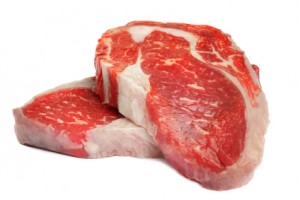
Fatty SteakThe authors also looked at the effect of various animal proteins on premature death. For example:

Red Meat: Women with the highest consumption of red meat had:

  • 14% higher risk of premature death from heart disease.
  • 20% higher risk of premature death from dementia.
  • 10% higher risk of premature death from all causes.

Eggs: Women with the highest consumption of eggs had:

  • 24% higher risk of premature death from heart disease.
  • 14% lower risk of premature death from dementia.
  • 14% higher risk of premature death from all causes.

Dairy: Women with the highest consumption of dairy had:

  • 11% higher risk of premature death from heart disease.

The authors concluded, “In this large prospective cohort study, we found that higher plant protein intake and substitution of animal protein with plant protein were associated with lower risk of all-cause mortality, cardiovascular mortality, and dementia mortality…Our findings support the need for consideration of protein sources, in addition to the amount of protein intake, in future dietary guidelines.”

Is A Vegan Diet Healthiest?

Vegetarian DietYears ago, as my brother-in-law was coming out of anesthesia at the end of quadruple bypass surgery, the first question he asked was, “Does this mean I need to eat tofu?” Obviously, nothing terrified him more than the thought of eating tofu the rest of his life. In the same vein, some of you are probably asking, “Does this mean I need to go vegan?”

The good news is that none of the women in this study were consuming a vegan diet. They were consuming a typical American diet with varying amounts of plant and animal protein. The group with the highest plant protein consumption were still getting 52% of their protein from animal sources.

This study shows that even people consuming a typical American diet can become healthier by simply swapping out some of the animal protein in their diet with plant protein.

However, you are probably thinking, “Plant protein is good for us, and a vegan diet is 100% plant protein. Does that mean a vegan diet is healthier than other plant-based diets?

The answer is………”Maybe”

If the linear relationship between plant protein consumption and risk of premature death could be extrapolated all the way to 100% plant protein, the answer would be obvious. Vegan diets would be healthier than other plant-based diets. But that extrapolation is an assumption. It might not be true.

For example, some recent studies suggest that completely eliminating meat, eggs, and dairy from your diet may slightly increase your risk of heart disease and stroke:

  • One recent study found that adding 1.4 ounces of fish/day to a primarily vegetarian diet decreases the risk of stroke by 20%.
  • Another study reported that adding one egg/day to a primarily vegetarian diet decreases the risk of heart disease by 12% and stroke by 10-26%.

These studies need to be confirmed, but they do suggest we need to be cautious about assuming that vegan diets are healthier than other primarily plant-based diets. This is why, when I recommend primarily plant-based diets, I include everything from vegan through semi-vegetarian, Mediterranean, and DASH.

They are all healthy diets. My advice is to choose the one that best fits your lifestyle and food preferences. And focus on whole foods, not processed foods.

The Bottom Line 

A recent study asked whether women who ate more plant proteins were healthier than those who ate primarily meat protein. To answer this question, the investigators correlated protein sources in the diet with all-cause mortality and deaths from various diseases.

When women who had the highest intake for plant protein were compared with women who had the lowest intake of plant protein, the women with the highest plant protein intake had:

  • 12% lower risk of premature death from heart disease.
  • 21% lower risk of premature death from dementia.
  • 9% lower risk of premature death from all causes.

There was an inverse relationship between the amount of plant protein in the diet and premature death. Specifically, every 3 ounces of animal protein that was replaced with 3 ounces of plant protein resulted in:

  • 22% lower risk of premature death from heart disease.
  • 19% lower risk of premature death from dementia.
  • 14% lower risk of premature death from all causes.

[Note: A 3-ounce serving is roughly equivalent to a deck of cards.]

The authors concluded, “In this large prospective cohort study, we found that higher plant protein intake and substitution of animal protein with plant protein were associated with lower risk of all-cause mortality, cardiovascular mortality, and dementia mortality…Our findings support the need for consideration of protein sources, in addition to the amount of protein intake, in future dietary guidelines.”

Years ago, as my brother-in-law was coming out of anesthesia at the end of quadruple bypass surgery, the first question he asked was, “Does this mean I need to eat tofu?” Obviously, nothing terrified him more than the thought of eating tofu the rest of his life. In the same vein, some of you are probably asking, “Does this mean I need to go vegan?”

I discuss the answer to that question in the article above.

For more details and a discussion about the vegan diet versus other primarily plant-based diets read the article above.

These statements have not been evaluated by the Food and Drug Administration. This information is not intended to diagnose, treat, cure, or prevent any disease.

Are The Benefits Of Resveratrol A Myth?

Is Resveratrol Dead?

Author: Dr. Stephen Chaney

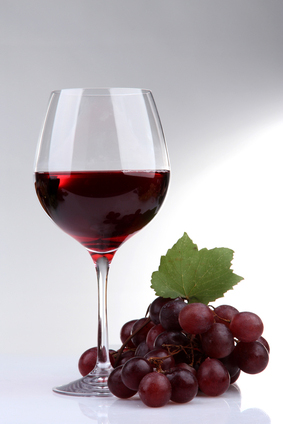
Red WineIt seems like just a few years ago that the headlines were proclaiming that resveratrol, a polyphenol found in red wines, grapes and chocolate, was the latest “super nutrient”. It was going to make you younger, smarter and healthier. You probably knew that all of the claims being made at the time could not be true.

But the latest headlines are claiming that resveratrol health benefits are all a myth. Has the resveratrol bubble burst? Was it all just hype?

Before you decide that resveratrol supplements are just a waste of money, let me take you behind the scenes and evaluate the latest study objectively. Let’s talk about what it showed, and didn’t show. But, before we look at the study, let’s review the history of resveratrol.

How Did The Resveratrol Story Get Started?

The resveratrol story started in the 1990’s when Dr. Serge Renaud at Bordeaux University coined the term “French Paradox” to describe the fact that cardiovascular disease incidence was relatively low in the French population despite the fact that they consumed diets high in saturated fat and cholesterol.

People immediately started asking what could possibly explain this discrepancy between the US and French populations? In other words, what could be protecting the French population from their high fat diet? One obviously difference between the French and Americans is that the French consume a lot more red wine – or at least they did before the “French Paradox” publicity turned red wine into a health food. Based on that difference, Dr. Renaud proposed that the French Paradox was due to the high red wine consumption in France.

But, red wine is an alcoholic beverage and overconsumption of alcoholic beverages is a major health problem for many people. And, while alcohol does have some cardiovascular benefits, alcohol consumption was pretty constant across countries.

So the next logical question was what other ingredients in red wine might explain their supposed health benefits. Polyphenols appear to have numerous health benefits, and resveratrol is the major polyphenol in red wine. So resveratrol became the “poster child” for the health benefits of red wine.

Even so, for years resveratrol was a “niche” supplement. It had a loyal following, but it wasn’t a big player in the nutritional supplement market. All that changed in 2009. Dr. David Sinclair at Harvard University had been studying genes that slow the aging process. He had screened thousands of naturally occurring small molecules in hopes of finding some that could turn on those anti-aging genes.

He announced that resveratrol and a few related polyphenols were the most potent activators of those anti-aging genes, and he went on to publish studies showing that resveratrol could help obese mice live longer and lean mice be healthier. All of a sudden resveratrol became a superstar.

But, does resveratrol also work in humans? There are many clinical studies that suggest it does. That’s why I was surprised by the recent headlines proclaiming that the supposed health benefits of resveratrol were myths. So once again, let’s look at the study behind the headlines.

Are The Benefits Of Resveratrol a Myth?

The study behind the headlines (Semba et al, JAMA Internal Medicine, doi: 10.1001/jamainternalmed.2014.1582) followed 783 men and women aged 65 years or older from the Chianti region of Italy for 9 years. None of the participants were taking resveratrol supplements. The investigators estimated resveratrol intake by measuring the concentrations of resveratrol metabolites in the urine.

The investigators measured all cause mortality and the prevalence of heart disease and cancer over the 9 year period and found no correlation between those outcomes and urinary resveratrol metabolites. From those data the authors concluded that “Resveratrol levels achieved with a Western diet did not have a substantial influence on health status or mortality risk of the population in this study.”

The Strengths And Weaknesses of The Study

There are really two important questions – what are the strengths and weaknesses of the study and what does the study actually show?

What are the strengths and weaknesses of the study?

  • A major strength of the study was the measurement of urinary resveratrol metabolites rather than relying on the less accurate dietary recall – although it should be noted that the assays used are relatively new and could benefit from further validation.
  • The main weakness is that it was a relatively small study in a relatively homogeneous population. Most of the resveratrol consumed by this population came from red wine and even the group with the lowest resveratrol intake was drinking 2-3 glasses of red wine per week (You don’t find many teetotalers in the wine growing regions of Italy).

What does the study actually show?

  • The level of resveratrol metabolites in this population directly correlated with alcohol consumption. And, the authors of the study concluded that since the study was done in the Chianti region of Italy, most of the resveratrol came from red wine. So the study actually suggests that red wine consumption has no effect on heart disease, cancer or longevity – in direct contradiction to Renaud’s French Hypothesis.
  • The conclusion that the amount of resveratrol one can obtain from diet alone is unlikely to provide health benefits needs to be replicated in a much larger population group with a wider range of resveratrol intakes from a wider variety of foods before it can be considered definitive.
  • Even if the amount of resveratrol in food does offer no significant health benefits, that information provides little or no guidance when we consider resveratrol supplements, which generally provide much higher levels of resveratrol.

The Bottom Line:

1)    Don’t pay too much attention to the headlines saying that the health benefits of resveratrol are a myth. The study behind the headlines was a small study in a relatively homogeneous population. If anything, it debunked the hypothesis that red wine consumption is responsible for the French Paradox.

2)    The study did suggest that the amount of resveratrol one can obtain from diet alone is unlikely to provide significant health benefits. While that may be true, it is irrelevant when considering resveratrol supplements because they provide much higher amounts of resveratrol.

3)    The clinical studies on resveratrol supplements are very encouraging, but not yet definitive (see, for example, my “Health Tips From the Professor” article on resveratrol and blood sugar control. That’s to be expected at this stage. It generally takes decades of studies before the scientific community reaches consensus on anything. In the meantime you will continue to see alternating headlines proclaiming the miracles and the myths of resveratrol.

These statements have not been evaluated by the Food and Drug Administration. This information is not intended to diagnose, treat, cure or prevent any disease.

Are Dietary Polyphenols Associated With Longevity?

Are Polyphenols The Fountain of Youth?

Author: Dr. Stephen Chaney

Merlot Grapes HDRYou’ve probably heard that resveratrol and other polyphenols in red wine can help mice live longer. But what about us? Are dietary polyphenols associated with longevity in humans?

Until recently nobody knew the answer to that question. However, a recent study (Zamora-Ros et al, J. Nutr. 143: 1445-1450, 2013) suggests that polyphenols may just help us live a bit longer.

Of course, the news headlines make it sound like a sure thing, and many of the manufacturers of polyphenol-containing supplements are already citing the study as “proof” that their products will make you live forever.

Polyphenols Are Everywhere:

So, let me give you some background information before I start diving into the study.

  • The term polyphenols includes some names you may recognize, such as flavonoids, isoflavones, anthrocyanidins and resveratrol, and many more that might look like the kind of names you might expect to find on a processed food label.
  • Polyphenols don’t just come from red wine. There are several hundred polyphenols in edible foods. Many fruits, vegetables (including beans like soybeans) and whole grains – the kinds of foods that every expert recommends for a healthy diet – are also great sources of polyphenols.
  • Most polyphenols are excellent antioxidants. Studies suggest that they may also exert antiinflammatory effects and may reduce the risk of heart disease, neurodegenerative disease and cancer. So it is not unreasonable to assume that they might enhance longevity.

An In-Depth Analysis Of The Study:

The study enrolled 807 men and women over the age of 65 (average age = 74, range = 67-81) from the Chianti region of Italy and followed them for 12 years. At the beginning of the study polyphenol intake of the participants was analyzed from a dietary recall form (polyphenol intake based on what they remembered eating) and from a 24 hour urine specimen (actual polyphenol intake).

During the 12 year follow-up, 34% of the participants died. Based on the dietary recall, there was no association between dietary polyphenol intake and mortality. However, based on urinary polyphenol content there was a 30% decrease in mortality for those with the highest dietary polyphenol intake (>650 mg/day) compared to those with the lowest polyphenol intake (<500 mg/day).

Strengths of the Study:

  • This is the very first study to actually investigate the relationship between dietary polyphenols and longevity in a meaningful way. The study was well designed and well executed.
  • The measurement of urinary polyphenol content is a strength of this study. Dietary recalls are often inaccurate. In fact, this study suggests that dietary recalls should probably not be used to estimate dietary polyphenol intake in future studies.

Weaknesses of the Study:

  • This was a first study of its kind, and like any other first study it needs to be confirmed by additional studies.
  • The study only measured associations, not cause and effect. Of course, it would be almost impossible to conduct a double blind, placebo controlled study of this duration – especially if one is using urinary excretion as a measure of polyphenol intake.
  • The study did not report the dietary sources of the polyphenols, although this information was presumably available from the dietary recalls. Because the study was conducted in the Chianti region of Italy it is probably pretty safe to assume that red wine contributed to the polyphenol intake. However, people in that region of Italy also tend to consume diets rich in fruits and vegetables. Hopefully, future studies will help determine whether some polyphenols are more important for longevity than others.

The Bottom Line:

1)     Eat lots of fresh fruits and vegetables. They’ll make you healthier, and you just may live longer.

2)     If you like red wine, drink it in moderation. Just don’t assume that it can substitute for a healthy diet. This study measured total polyphenols, not just red wine polyphenols.

These statements have not been evaluated by the Food and Drug Administration. This information is not intended to diagnose, treat, cure or prevent any disease.

Can Exercise Help You Live Longer?

Run Long And Prosper

Author: Dr. Stephen Chaney

Man running Can Exercise Help You Live Longer? In my past “Tips” I have talked about how hard it is to prove the value of individual lifestyle changes for improving our longevity – whether we are talking about more exercise, lower fat diets or individual nutritional supplements. Most studies have too few subjects and last too short a time to show any significant effect.

That’s why the study I’m featuring this week is so remarkable. The study was designed to answer the question of whether exercise can actually help people live longer. Many studies have tried to answer that question. But what was remarkable about the study was the number of people enrolled in the study and how long the study lasted.

Let’s look at the study (Byberg et al, British Journal of Sports Medicine, 43: 482-489, 2009) in detail. The study enrolled 2,204 men aged 50 from the city of Uppsala Sweden in 1970-1973 and followed the men for 35 years! At the beginning of the study the participants completed a survey on leisure time physical activity and were categorized into low, medium or high activity groups.

Participants were re-examined at ages 55, 60, 70, 77, and 82 years and changes in physical activity were recorded. Other information, such as body mass index, blood pressure, cholesterol levels, smoking status and alcohol use, was also collected at each survey. And, of course, the researches recorded how many of the initial participants were still living at each of those ages.

After adjusting for other risk factors (obesity, smoking, excess alcohol consumption, elevated cholesterol or blood pressure), the researchers found that men who reported high levels of physical activity from age 50 lived 2.3 years longer than sedentary men and 1.1 years longer than men who reported medium levels of physical activity.

They also looked at what happened to men who started at low or medium levels of activity and increased their exercise level during the study. After 5 years of increased activity there was no apparent benefit. But after 10 years of increased activity the risk of dying had been reduced just as much as if they had always been exercising at that level!

I find that last finding particularly significant because most studies of this type last 5 years or less. If this study had been concluded at the end of 5 years, you might be tempted to say “Why bother. If I haven’t exercised before, there’s no point in starting now.” But, this study did last more than five years – so the conclusion was completely different.

The Bottom Line:

So, what are the take-home lessons from this study?

1) We’ve known for years that exercise reduces the risks of several types of diseases and improves the quality of life. This study clearly shows that exercise also helps us live longer.

2) And, if you haven’t exercised before, it’s never too late to start. Just don’t expect instantaneous results.

These statements have not been evaluated by the Food and Drug Administration. This information is not intended to diagnose, treat, cure or prevent any disease.

Health Tips From The Professor