What Are Polyphenols And Why Do We Care?
Author: Dr. Stephen Chaney
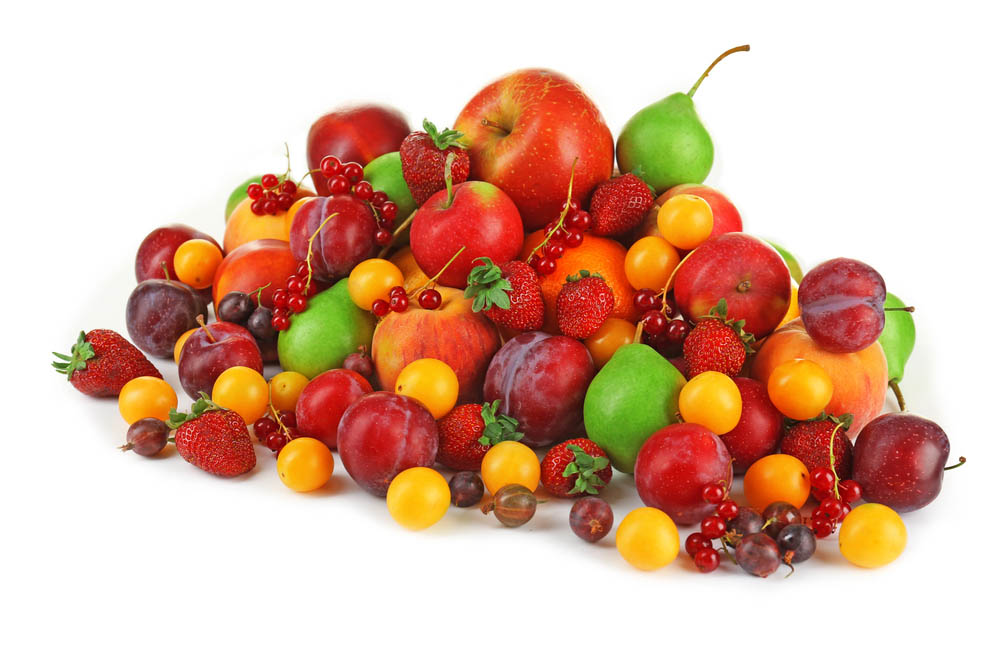 Polyphenol-rich foods have taken on a hero status. If we believe the headlines, they:
- Reduce the risk of cancer, diabetes, and heart disease.
- Enhance gut health.
- Reduce inflammation and blood sugar levels.
- Fight oxidative stress, which may slow the aging process.
One could write a book on the accuracy of these claims. However, in this article I am just going to focus on the correlation between polyphenol intake and heart disease.
Several recent reviews have suggested that consumption of polyphenol-rich foods is associated with a reduced risk of heart disease.
However, each of those studies has limitations because:
- Most of the diet recalls used in these studies relied on food databases that included only a few polyphenols in their database.
- Most of the studies did not measure polyphenol levels in blood or urine. That’s important because absorption of polyphenols from the digestive track is often poor.
The study (Y Li et al, BMC Medicine, 23:645, 2025) I will review in today’s issue of “Health Tips From the Professor” is a significant improvement over previous studies because it relies on a database with over 500 polyphenols for its diet analysis and it measures polyphenol metabolites in the urine to confirm the data obtained from the dietary recalls.
But first let’s discuss what polyphenols are and why they are important.
What Are Polyphenols And Why Do We Care?
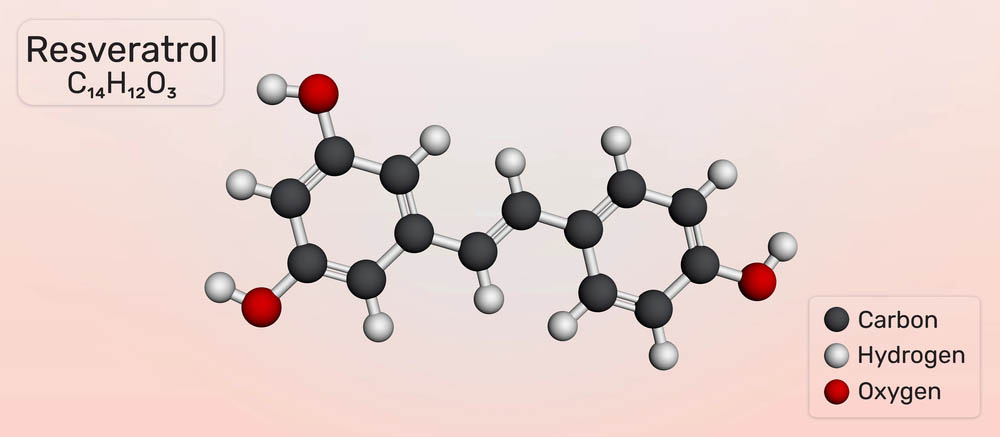 Simply put, a phenol is a ring of carbon atoms with at least one OH group attached. Polyphenols consist of multiple ring structures. Resveratrol, shown on the left, is an example of a polyphenol structure.
However, that downplays the complexity of polyphenols. There are over 8,000 polyphenols structures found in plants and over 500 in common foods. And each of these structures has unique chemical and biological properties.
However, there are also some commonalities.
In fruits and vegetables, polyphenols are most commonly found in the skins or peels and protect them from UV light, pests, and disease pathogens.
In our bodies polyphenols:
- Improve blood flow and reduce blood pressure.
- Lower LDL (bad) cholesterol.
- Improve insulin sensitivity.
- Are antioxidants that neutralize free radicals and reduce inflammation.
Finally, most polyphenols are colored, which is why we are told to eat a variety of colorful fruits and vegetables.
How Was This Study Done?
 The study included 3110 participants from the TwinsUK registry who completed the EPIC-Norfolk Food Frequency Questionnaire. The participants were predominantly female (96.7%) and white (99%), with an average age of 52 years and an average BMI of 25.4%.
- The TwinsUK registry aspect of the study was not important. Twin information was not utilized in the data analysis.
- However, the EPIC-Norfolk Food Frequency Question was important. The EPIC Food Frequency database is particularly robust, and it is designed to be country specific. The EPIC-Norfolk version was designed to include 130 commonly eaten foods in the Norfolk area of England where the study was centered.
The polyphenol content of the foods in the EPIC-Norfolk Food Frequency Questionnaire was calculated using the most recent version of the Phenol-Explorer database which measures the amounts of 500 different polyphenols in 400 foods.
The investigators then developed a polyphenol-rich dietary score, PPS, based on the relative intake of the top 20 polyphenol-rich foods in the English diet.
- To be clear, in the dietary portion of the study, the investigators measured:
-
- The amount of 500 individual polyphenols in each participant’s diet.
-
- And the overall polyphenol dietary score (PPS) of each participant.
The investigators also measured cardiovascular risk factors (blood pressure, total cholesterol, HDL cholesterol, and LDL cholesterol) for each participant.
- These data were used to calculate an ASCVD risk score and a HeartScore for each participant. These are two of the leading risk estimators for heart disease.
Finally, the investigators measured the content of polyphenol metabolites in the urine of a subset of 200 participants chosen at random.
- These data were meant to correct for absorption of polyphenols from the intestine and confirm associations seen from the dietary data.
Are Polyphenols Good For The Heart?
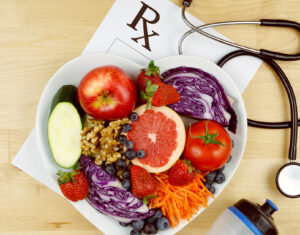
Here is what the study showed:
- Participants with higher PPS scores (a diet rich in polyphenol-containing foods) had significantly lower risk of heart disease by both the ASCVD risk score and the HeartScore.
- When the investigators looked at individual classes of polyphenols, high intake of flavonoids and phenolic acids appeared to be particularly beneficial, as did a high intake of the stilbenoid, resveratrol.
- Measurement of polyphenol metabolites in the urine confirmed this association.
- Consuming a diverse array of polyphenol-rich foods (a high PPS score) was a better predictor of heart health than eating any individual food or class of polyphenols alone.
The authors concluded, “Longitudinal data indicate that higher adherence to polyphenol-rich diets is associated with lower long-term cardiovascular risk in predominately middle-aged women.
The PPS dietary score, reflecting adherence to polyphenol-rich diets, showed the strongest association with CVD risk compared to individual polyphenol intakes or specific polyphenol-rich food sources.
The cardioprotective effects of flavonoids and phenolic acids, estimated from the EPIC-Norfolk FFQ, were further confirmed through urinary metabolite analysis within the same polyphenol classes.”
What Does This Study Mean For You?
 This study is consistent with several previous studies showing that high intact of polyphenol-rich foods correlates with a reduced risk of heart disease. However, this study is important because it is the strongest study to date because:
- It uses a very robust database for estimating both the total polyphenol content of foods and the amount of 500 different polyphenols in each food.
- It includes an analysis of polyphenol metabolites in the urine to account for differences in absorption of polyphenols from the gut and to confirm the asssociations between polyphenol intake and heart disease risk based on dietary data.
But you are probably wondering, “How do I use this information I don’t know the polyphenol content of the foods I eat.”
There are two ways you could think about the data.
 #1: You could ask, “What should I eat to get plenty of flavonoids, phenolic acids, and resveratrol in my diet?” That’s a fairly easy question to answer.
- The top food sources of favonoids are berries (blueberries, strawberries), tea (green and black), dark chocolate/cocoa, red wine, citrus fruits (oranges, lemons), leafy greens, onions, and soybeans.
- The top food sources of phenolic acids are coffee, berries (especially chokeberries and blueberries), herbs/spices (cloves, peppermint), cocoa, and whole grains.
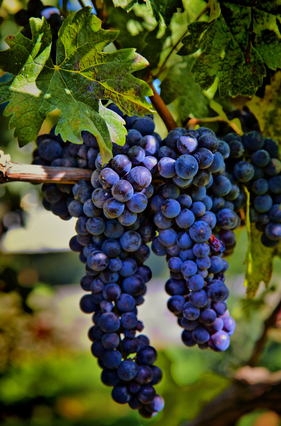
- The top food sources of resveratrol are red grapes (especially the skin), blueberries, raspberries, mulberries, peanuts, dark chocolate, and red wine.
#2: You could ask, “What would a polyphenol-rich diet look like for me?”
- You should start with the oft-repeated recommendation to eat a variety of highly colored fruits and vegetables.
- Then add foods like tea, coffee, dark chocolate, and others from the list above.
My final two recommendations are:
- Don’t focus on just one or two polyphenol-rich foods. Remember that the study showed that eating a wide variety of polyphenol-rich foods was more beneficial than individual foods or polyphenols.
- This applies to whole foods only. The dyes used to add color to processed foods don’t count.
The Bottom Line
Several previous studies have shown that high intact of polyphenol-rich foods correlates with a reduced risk of heart disease. However, those studies all had limitations. In this issue of Health Tips From the Professor I discuss the strongest study on this subject to date. The study showed:
- Participants with higher PPS scores (a diet rich in polyphenol-containing foods) had significantly lower risk of heart disease by both the ASCVD risk score and the HeartScore.
- When the investigators looked at individual classes of polyphenols, high intake of flavonoids and phenolic acids appeared to be particularly beneficial, as did a high intake of the stilbenoid, resveratrol.
- Measurement of polyphenol metabolites in the urine confirmed this association.
- Consuming a diverse array of polyphenol-rich foods (a high PPS score) was a better predictor of heart health than eating any individual food or class of polyphenols alone.
For more information on this study and what it means for you, read the article above.
These statements have not been evaluated by the Food and Drug Administration. This information is not intended to diagnose, treat, cure, or prevent any disease.
___________________________________________________________________________
My posts and “Health Tips From the Professor” articles carefully avoid claims about any brand of supplement or manufacturer of supplements. However, I am often asked by representatives of supplement companies if they can share them with their customers.
My answer is, “Yes, as long as you share only the article without any additions or alterations. In particular, you should avoid adding any mention of your company or your company’s products. If you were to do that, you could be making what the FTC and FDA consider a “misleading health claim” that could result in legal action against you and the company you represent.
For more detail about FTC regulations for health claims, see this link.
https://www.ftc.gov/business-guidance/resources/health-products-compliance-guidance
______________________________________________________________________
About The Author
 Dr. Chaney has a BS in Chemistry from Duke University and a PhD in Biochemistry from UCLA. He is Professor Emeritus from the University of North Carolina where he taught biochemistry and nutrition to medical and dental students for 40 years. Dr. Chaney won numerous teaching awards at UNC, including the Academy of Educators “Excellence in Teaching Lifetime Achievement Award”. Dr Chaney also ran an active cancer research program at UNC and published over 100 scientific articles and reviews in peer-reviewed scientific journals. In addition, he authored two chapters on nutrition in one of the leading Biochemistry textbooks for medical students.
Since retiring from the University of North Carolina, he has been writing a weekly health blog called “Health Tips From the Professor”. He has also written two best-selling books, “Slaying the Food Myths” and “Slaying the Supplement Myths”. And most recently he has created an online lifestyle change course, “Create Your Personal Health Zone”. For more information visit https://chaneyhealth.com.
For the past 53 years Dr. Chaney and his wife Suzanne have been helping people improve their health holistically through a combination of good diet, exercise, weight control and appropriate supplementation.