Is Extra Protein Important For Seniors?

The Role Of Muscle Protein In Energy Metabolism 

Author: Dr. Stephen Chaney 

We’ve been told, “It’s all downhill after 30.” That may or may not be true depending on the lifestyle choices we make.

But for muscle mass, “It’s all downhill after 50!” Simply put, we start to lose muscle mass at an accelerating pace after 50, a process scientists call sarcopenia.

Sarcopenia should be a major concern for everyone over 50. Loss of muscle mass:

  • Causes unsteadiness which can lead to falls, bone fractures, and death.
  • Increases the risk of obesity because muscle burns more calories than fat. That increases our risk of obesity-related diseases such as heart disease, diabetes, some cancers, osteoarthritis, and other inflammatory diseases.
  • Robs us of the fun activities we would like to enjoy in our golden years.

But sarcopenia is not inevitable. As I have discussed in previous issues of “Health Tips From the Professor”, there are three things we can do to minimize sarcopenia as we age.

  • Get adequate weight-bearing exercise. In other words, pump iron or use your body weight for exercise on a regular basis.
  • Get adequate protein.
  • Get adequate amounts of the branched-chain amino acid leucine.

In this article I will focus on the last two, especially the fact that we need more protein and leucine to prevent loss of muscle mass as we age. To help you understand why that is, I am going to share my favorite topic – Metabolism 101 (Once a biochemistry professor, always a biochemistry professor).

Metabolism 101: The Role Of Muscle Protein In Energy Metabolism 

ProfessorMost people associate muscle mass with strength and endurance. Many understand the important role muscle mass plays in burning off excess calories and keeping us slim. But few people understand the important role that muscle protein plays in our everyday energy metabolism.

Let’s start with an overview of metabolism [Note: If you are not interested the details, you can just skip over the bullets and read the take-home message at the bottom of this section.]

  • We get energy from the carbohydrate, fat, and protein we consume. Excess carbohydrate, fat, and protein in our meals are stored to provide the energy our body needs between meals and during prolonged fasting.
    • We have a virtually unlimited ability to store fat, as some of you may have noticed.
    • We have a very limited ability to store carbohydrates in the form of glycogen in our liver.
    • Muscles are our largest organ system, and we can store some of the protein we eat as increased muscle mass, especially when protein intake is coupled with exercise. But muscle protein plays other very important functions. It is a precious resource.
  • In the fed state most of our energy is derived from blood glucose. This is primarily controlled by insulin. As blood glucose levels fall, we move to the fasting state and start to call on our stored energy sources to keep our body functioning. This process is primarily controlled by a hormone called glucagon.
    • In the fasting state most tissues easily switch to using fat as their main energy source, but…
      • Red blood cells and a few other tissues in the body are totally dependent on glucose as an energy source.
      • Initially our brain is totally dependent on glucose as an energy source, and our brains use a lot of energy. [Note: Our brain can switch to ketones as an energy source with prolonged starvation or prolonged carbohydrate restriction, but that’s another story for another day.]
  • Because our brain and other tissues need glucose in the fasting state, it is important to maintain a constant blood glucose level between meals.
    • Initially, blood glucose levels are maintained by calling on the glycogen reserves in the liver.
    • But because these reserves are limited, our body starts to break down muscle protein and convert it to glucose as well – even in the normal dinner/sleep/breakfast cycle.

You may have found the explanation above was excessive, but I couldn’t think of a simpler way of helping you understand that in addition to its other important role in the body, muscle protein is also an energy store.

When we eat, we make a deposit to that energy store. Between meals we withdraw from that energy store. When we are young the system works perfectly. Unless we fast for prolonged periods of time, we are always adding enough muscle protein in the fed state to balance out the withdrawals between meals.

But as we age, our ability to build muscle in the fed state becomes less efficient. Withdrawals exceed deposits, and we experience age-related muscle loss (sarcopenia).

What We Know About Preventing Age-Related Muscle Loss

As I said above, there are three things needed to prevent age-related muscle loss:

  • Adequate resistance exercise.
  • Adequate amounts of protein.
  • Adequate amounts of the essential, branched-chain amino acid called leucine.

And, as I said above, I am going to focus on the last two.

In previous issues of “Health Tips From the Professor” I have shared articles showing that the amount of both protein and leucine needed to maximize the gain in muscle mass following a meal or a workout increase as we age. For example.

  • For someone in their 30s, 15-25 grams of protein with 1.7 grams of leucine per meal is optimal.
  • But someone in their 60’s and 70s needs 25-30 grams of protein and 2.5-2.7 grams of leucine per meal to achieve the same effect.
  • Most of these studies have been done with men, but a recent study showed the results are identical with post-menopausal women.

However, previous studies have not addressed whether we need protein supplementation to achieve adequate protein intake or what kind of protein supplements were best. The studies I will discuss today were designed to answer these questions.

How Were These Studies Done? 

clinical studyStudy #1: As I said above, previous studies have suggested that 25-30 grams of protein per meal is optimal for preventing age-related loss of muscle mass in seniors. However, many seniors get most of their protein in their evening meal. On average, seniors consume

8-15 grams of protein at breakfast, 15-20 grams of protein at lunch, and 30-40 grams of protein at dinner.

This study (C Norton et al, The Journal of Nutrition, 146: 65-67, 2016) was designed to ask whether optimizing protein intake at each meal by adding a protein supplement at breakfast and lunch would increase lean muscle mass in seniors over a 24 week period.

The investigators recruited 60 adults, aged 50-70 (average age = 61) from the city of Limerick, Ireland. The participants were 73% women and had an average BMI of 25.8 (slightly overweight).

The participants were randomly assigned to receive either a milk-based supplement or an isocaloric, non-protein-containing, maltodextrin control. The protein supplement provided 20 grams of protein. The participants were instructed not to change any other aspect of their diet or activity level.

The protein supplement and placebo were provided in identical sachets, and the participants were told to mix them with water and consume them with breakfast and lunch. The protein supplement and placebo looked and tasted identical, so the subjects did not know which group they were in. Compliance was assessed by collecting the used sachets at the end of the study.

The participants completed 4-day diet recalls under the supervision of a dietitian before and during the study. Lean muscle mass was determined prior to and at the end of the 24-week study.

protein shakesStudy #2: This study (J McKendry et al, The American Journal Of Clinical Nutrition, doi: 10.1016/j.ajcnut.2024.05.009) was designed to determine whether the ability to stimulate muscle protein synthesis depended on the type of supplemental protein.

This study was built on the results of the first study. Specifically, the investigators compared the effect on muscle protein synthesis of adding 25 grams of whey, pea, or collagen protein to breakfast and lunch meals.

The investigators enrolled 31 healthy, older (average age = 72) subjects from the Hamilton, Ontario area. Subjects were excluded from the study if:

  • They had a medical condition or were taking any medication that might influence the results.
  • They used tobacco or tobacco related products.
  • They consumed a vegan or vegetarian diet
  • They used a walking device or were inactive for any reason.

The participants were placed on a standardized diet consisting of prepackaged meals (breakfast, lunch, and dinner) and a mix of fruits, vegetables, snacks, and drinks. They were instructed to only eat the foods provided to them and to maintain their normal activity levels.

The diet was designed to provide the RDA for protein (0.8 gram of protein/kilogram of body weight) and to mimic the habitual dietary patterns of seniors in the United States and Canada.

  • Around 55% carbohydrate, 30% fat, and 15% protein.
  • Uneven distribution of protein throughout the day (19% at breakfast, 26% at lunch, and 55% at dinner).

After one week on the control diet, participants were randomly assigned to receive 25-gram protein supplements of either whey, pea, or collagen protein and instructed to add them to their standardized diet for breakfast and lunch (total daily protein intake was increased by 50 grams/day). They followed this regimen for 7 days.

On day one and 7 of the control phase and day 7 of the intervention phase (when the participants were consuming additional protein) muscle biopsies were obtained 90 minutes after breakfast for determination of the effect of the meal on muscle protein synthesis.

[Note: The participants were consuming a protein supplement containing an additional 25 grams of protein at both breakfast and lunch. But the effect of this additional protein on muscle protein synthesis was only determined after the breakfast meal.]

Is Extra Protein Important For Seniors? 
OptimizeEach of the studies provided important insights for anyone wanting to minimize age-related muscle loss.

Study #1: The effect of the 20-gram whey protein supplement for breakfast and lunch as follows:

  • Protein supplementation at breakfast and lunch resulted in a 1.3-pound gain in lean body mass over 24 weeks compared to the control group using an isocaloric, non-protein containing maltodextrin supplement.

The authors concluded, “Protein supplementation at breakfast and lunch for 24 weeks in healthy older adults resulted in a positive (1.3 pound) difference in lean muscle mass compared with an isoenergetic, non-nitrogenous maltodextrin control. These observations suggest that an optimized and balanced distribution of [supplemental] protein intakes could be beneficial in the preservation of lean tissue mass in the elderly.”

Note:

  • This study did not show that these protein levels were optimal. It only showed that using a protein supplement to increase protein intake at breakfast and lunch was beneficial for seniors consuming most of their protein at dinner.

Study #2: The effect of the three 25-gram protein supplements at breakfast and lunch on protein intake was as follows:

  • Adding 25 grams of either whey or pea protein to a relatively low-protein (15 grams) breakfast increased muscle protein synthesis by ~9%.
  • Adding 25 grams of collagen to the same low-protein breakfast had no effect on muscle protein synthesis.

Note: This study did not measure the effect of adding supplemental protein to lunch meal, but the results were probably similar.

The authors concluded, “We discovered that the RDA [for protein] was insufficient to support higher rates of MPS [muscle protein synthesis] in older adults. Manipulating dietary protein to increase daily consumption of higher quality – whey and pea but not collagen – proteins by targeting the lowest protein-containing meals offers a viable strategy to enhance…MPS [muscle protein synthesis] in older adults.”

“Consuming protein much closer to expert group consensus recommendations [1.2 gm/kg instead of the current 0.8 gm/kg for adults over 50] may help to increase…MPS [muscle protein synthesis] with advancing age and extend health-span – compressing the years of disease and disability commonly experienced by older individuals closer to the end of life.”

My comments are:

  • You may recall from the previous discussion that age-related muscle loss occurs because muscle protein synthesis (MPS) becomes less efficient as we age.
    • Therefore, an increase in muscle protein synthesis following each meal will lead to an increase in muscle mass over time, as was seen in the first study.
  • In our 60’s and beyond we require higher amounts of both protein and leucine to maximize muscle protein synthesis.
    • The collagen supplement used in this study provided enough supplemental protein. But it probably was ineffective because it only provided 0.86 grams of leucine.
      • The amount of leucine in the control diet was not specified, but with only 15 grams of protein for breakfast there was probably enough leucine to make up for the lack of leucine in the collagen supplement.
    • In contrast the whey and pea supplements provided 2.7 and 2.1 grams of leucine, respectively. When added to the leucine in the control diet, this would be more than enough to drive muscle protein synthesis.
  • Not every pea protein supplement may be as effective as the one used in this study. When I looked it up, it was described as an “enriched pea protein designed as a soy and milk alternative.” The manufacturer did not say how it was “enriched”, but I suspect it was enriched by adding extra leucine.

What Do These Studies Mean For You? 

Don’t Leave Out Resistant Exercise. These studies were focused on the timing and quality of protein. But don’t forget that adequate protein and leucine are only two of the requirements for preventing age-related muscle loss. The third, and arguably the most important, is resistance exercise.

Aim for at least three 30-minute resistance exercise sessions per week. If you have physical limitations consult with your health professional about the type, duration, and intensity of resistance exercise that is right for you.

Forget What You Have Been Told About Protein. You have been told that American consume too much protein. That’s probably true for the average couch potato. But it is not true for seniors. The average American does consume too much of the wrong kind of protein, but that’s another story for another day.

You have been told that the average woman only needs 46 grams of protein per day, and the average man needs only 56 grams of protein per day. That’s based on the RDA of 0.8 gm/kg (0.36 gm/pound) and an average weight of 127 pounds for women and 155 pounds for men.

We haven’t weighed that since the 50’s. Today the average woman weighs 170 pounds, and the average man weighs 201 pounds. That means protein intake should be at least 61 gm/day for women and 72 gm/day for men.

But that’s only if you are in your twenties or thirties. The consensus among those who study protein needs in seniors is that the RDA should be 1.2 gm/kg (0.54 gm/pound) for adults over 50. That’s 91 gram/day and 108 grams/day, respectively, for average weight women and men.

With that perspective, it is easy to understand the recommendation that seniors get 25-30 grams of protein and 2.5-2.7 grams of leucine per meal.

These studies did not address leucine intake, but they suggest that optimal protein intake may be closer to 30-40 grams of protein per meal. That’s 90-120 grams of protein day. But that is probably not what you are hearing from your doctor.

Why Is Supplemental Protein Important? It’s easy to say that seniors should get 30-40 grams of protein per meal, but that’s not the way most seniors eat.

When I was a child growing up in Alabama the standard breakfast was eggs, ham, grits with ham gravy and biscuits. I’m not saying that it was a healthy breakfast, but it was the standard breakfast where I lived at the time. And it provided plenty of protein.

In today’s world most seniors have been told to avoid eggs and red meat. Breakfasts are more likely to be some type of cereal with a fruit garnish and perhaps some toast. That’s a much healthier breakfast, but it’s a low-protein breakfast. That’s why most seniors only get 8-15 grams of protein at breakfast time.

I won’t go into lunches, but similar transformations have taken place at lunch time, which is why most seniors only get 15-20 grams of protein at lunch.

CerealAnd many seniors get even less protein at breakfast and lunch. For example:A cup of coffee and a croissant or a “healthier” bowl of cornflakes and skim milk at breakfast only provides 6 grams of protein.

  • A healthy green salad at lunch only provides 2 grams of protein.

In cases like this, the protein supplements may need to provide 30-40 grams of protein rather than the 20-25 grams of protein used in these studies.

So, if you want to avoid age-related muscle loss you have two choices:

  • Completely change your diet and incorporate more healthy protein foods into your breakfast and lunch menus or…
  • Add a protein supplement to your low-protein meals. The studies I have described above suggest that 20-25 grams of supplemental protein may be sufficient to transform a low-protein meal into one that will support muscle protein synthesis and minimize age-related muscle loss.
  • And if your breakfast and lunches are very low in protein, 30-40 grams of supplemental protein may be necessary to optimize protein intake.

Why Is Protein Quality Important? The second study shows that having enough protein is not sufficient to stimulate muscle protein synthesis. It must be high quality protein.

The authors of the study suggested that collagen did not stimulate muscle protein synthesis due to its low leucine content.

And, as I mentioned earlier, the pea protein used in the study was “enriched” so it could be used as a “whey or soy alternate”, and the “enrichment” probably included adding extra leucine.

So, if you are planning to use a plant protein supplement with your low-protein meal(s), I would recommend choosing one with added leucine.

How Much Protein Is Too Much? That depends on your age. If you are in your 20s or 30s, the ability of a protein meal and/or supplement to stimulate muscle protein synthesis begins to plateau at around 30 grams of protein, so there is little advantage to protein intakes above 30 grams at one time.

But if you are a senior, you use protein less efficiently. These and other studies with seniors suggest that 30-40 grams of protein per meal may be optimal.

However, high protein intake can be risky for some. The risk is smaller than you have been told, but it is not zero. Here are my recommendations:

  • If your physician has told you to limit protein intake, follow their advice.
  • If you are unsure about the health of your kidneys, consult with your physician before increasing your protein intake.
  • Keep adequately hydrated. Byproducts of protein metabolism can stress your kidneys if you are dehydrated.

What About An After-Workout Supplement? Previous studies have shown that the numbers are about the same for after-workout supplements.

  • For someone in their 30s, 15-25 grams of protein with 1.7 grams of leucine per meal is enough to maximize muscle gain after a workout.
  • But someone in their 60s or 70s needs at least 25-30 grams of protein and 2.5-2.7 grams of leucine per meal to maximize muscle gain.

One Final Pearl
At the very beginning of this article, I told you that the breakdown of muscle protein to keep blood sugar levels constant during fasting and starvation was driven by a hormone called glucagon.

And the active ingredient in the latest weight loss drugs like Wegovy, Ozempic, and Trulicity is GLP-1, which stands for glucagon-like peptide 1.

So, it should be no surprise that those drugs cause loss of muscle mass. That’s a side effect you probably haven’t been told about.

But the good news is that properly designed protein supplements can help you maintain and (with resistance training) increase muscle mass and also boost GLP-1 levels naturally. When choosing your protein supplement, ask for clinical studies showing that they increase GLP-1 levels.

The Bottom Line 

It’s all downhill after age 50! That’s when we start to experience age-related muscle loss, something called sarcopenia.

Age-related muscle loss can be prevented with resistance exercise, adequate protein, and adequate leucine. And the amount of both protein and leucine we need to prevent muscle loss increases as we age.

Previous studies have defined the amount of protein and leucine we need to prevent muscle loss in our 60s and 70s. The studies described in today’s “Health Tip” show the benefit of adding a protein supplement to our low-protein meals and the importance of a high-quality protein supplement for minimizing age-related muscle loss.

The authors of one of these studies concluded, “Consuming protein much closer to the expert group consensus recommendations [1.2 gm/kg instead of the current 0.8 gm/kg for adults over 50] may help to increase…MPS [muscle protein synthesis] with advancing age and extend health-span – compressing the years of disease and disability commonly experienced by older individuals closer to the end of life.”

For more information on these studies, how much protein you need, and what they mean for you, read the article above.

These statements have not been evaluated by the Food and Drug Administration. This information is not intended to diagnose, treat, cure or prevent any disease.

_____________________________________________________________________________

My posts and “Health Tips From the Professor” articles carefully avoid claims about any brand of supplement or manufacturer of supplements. However, I am often asked by representatives of supplement companies if they can share them with their customers.

My answer is, “Yes, as long as you share only the article without any additions or alterations. In particular, you should avoid adding any mention of your company or your company’s products. If you were to do that, you could be making what the FTC and FDA consider a “misleading health claim” that could result in legal action against you and the company you represent.

For more detail about FTC regulations for health claims, see this link.

https://www.ftc.gov/business-guidance/resources/health-products-compliance-guidance

 _____________________________________________________________________

About The Author 

Dr. Chaney has a BS in Chemistry from Duke University and a PhD in Biochemistry from UCLA. He is Professor Emeritus from the University of North Carolina where he taught biochemistry and nutrition to medical and dental students for 40 years.  Dr. Chaney won numerous teaching awards at UNC, including the Academy of Educators “Excellence in Teaching Lifetime Achievement Award”.

Dr Chaney also ran an active cancer research program at UNC and published over 100 scientific articles and reviews in peer-reviewed scientific journals. In addition, he authored two chapters on nutrition in one of the leading biochemistry text books for medical students.

Since retiring from the University of North Carolina, he has been writing a weekly health blog called “Health Tips From the Professor”. He has also written two best-selling books, “Slaying the Food Myths” and “Slaying the Supplement Myths”. And most recently he has created an online lifestyle change course, “Create Your Personal Health Zone”. For more information visit https://chaneyhealth.com.


For the past 45 years Dr. Chaney and his wife Suzanne have been helping people improve their health holistically through a combination of good diet, exercise, weight control and appropriate supplementation.




Can You Build Muscle in Your 80s?

What Does It Take to Build Muscle in Your 80s?

Author: Dr. Stephen Chaney

As we age it becomes harder to build muscle, so we start to lose muscle mass and strength, a physiological process called sarcopenia. In last week’s issue of “Health Tips From the Professor” I shared studies showing it was possible to slow, and even reverse, age-related loss of muscle mass in our 60’s and 70’s with the correct combination of resistance exercise, protein, and leucine.

But what about those of us in our 80s? Here recent studies have not been as reassuring. The results have been mixed, with some studies suggesting it is impossible to maintain muscle mass in our 80s.

But we know that it is possible for some people to maintain their muscle mass and accomplish incredible physical feats in their 80s. For example, those of you who are my age or older may remember Jack LaLanne, the so-called “Father of the Fitness Movement” who had a popular fitness show on TV from 1953 to 1985. He celebrated his 80th birthday by swimming one and a half miles in the Long Beach harbor towing 80 rowboats with 80 people in them.

Was Jack LaLanne a “freak of nature” or was it his incredible dedication and focus that allowed him to perform incredible physical feats in his 80’s? After all:

  • He ate only whole, unprocessed foods. He did not allow processed foods, fast foods, or convenience foods to cross his lips.
  • He did two hours of high-intensity workouts every day until the day before he died at age 96 in 2011.

More important is the question of what his physical feats mean for us. Does his example hold out hopes for all of us who wish to maintain our strength and vigor until the Lord calls us home? Or did he set a standard too high for mere mortals like us to achieve?

That is essentially the question that today’s study (GN Marzuca-Nassr et al, International Journal of Sports Nutrition and Exercise Metabolism, 34: 11-19, 2024) set out to answer.

The authors postulated that previous studies with subjects in their 80s came up short because they included infirm subjects in their studies and/or the intensity of exercise was too low. This study was designed to overcome those shortcomings.

How Was This Study Done?

clinical studyThe investigators recruited 29 healthy, elderly adults (9 men and 20 women) who were either 65-75 (average age = 68) or over 85 (average age = 87) who were still living in the community rather than being institutionalized for health reasons. The average BMI was 26.4 (moderately overweight) for both groups.

The participants selected for the study had not engaged in any kind of regular resistance training in the previous 6 months. The study excluded individuals with any kind of heart disease, health conditions, or physical limitations that would prevent them from participating in the resistance exercise training program associated with this study.

Participants were asked to fill in a three-day dietary recall at the beginning and end of the study. They were asked not to change their habitual dietary intake or physical activity during the study The diet recall at the end of the study showed compliance with this request. Their dietary intake was calculated based on the average of the two diet recalls.

No significant difference in macronutrient content of the diet was found between groups. For example, the 65-75 group consumed 1.1 g of protein/kg of body weight/day, and the over 85 group consumed 1.2 g of protein/kg of body weight/day.

Both groups were enrolled in a 3-times/week resistance exercise program for 12 weeks. The exercise training program was designed as follows:

  • Warm up consisted of 5-minutes on a cycle ergometer followed by full range of motion upper limb movements and one warm up set on both leg press and leg extension machines.
  • This was followed by 4 sets on the leg press and leg extension machines and 2 sets of upper body exercises (chest press, lat pulldown, and horizontal row).
  • Cool-down consisted of 5 minutes of stretching exercises.

Just prior to the study, the maximum strength on each exercise machine was determined for each participant. The intensity of their workouts was increased from 60% to 80% of that maximum over the 12 weeks of exercise training.

The outcomes of the study were as follows:

  • Quadriceps (the muscles on the front of the thigh) cross-sectional area was measured at the beginning and end of the study.
  • Whole body lean mass and appendicular lean mass (The lean mass in legs and arms) were measured at the beginning and end of the study.
  • The maximum strength for one repetition on each exercise machine was measured at the beginning and end of the study.

The increase in quadriceps cross-sectional area, lean mass, and strength was compared for the 65-75 group and the over 85 group.

Can You Build Muscle In Your 80s? 

Frail ElderlyAt the beginning of the study, the over 85 age group scored lower in every category measured in this study. For example:

  • Quadriceps cross-sectional area was 7% less in the over 85 age group than in the 65-75 age group.
  • Leg extension strength was 10% less in the over 85 age group than in the 65-75 age group.

This loss of muscle mass and strength is to be expected. Although the over 85 age group was consuming enough protein, they were not exercising on a regular basis. Consequently, they were experiencing sarcopenia, age-related loss of muscle mass.

The results of this 12-week resistance exercise intervention were impressive.

  • Quadriceps cross-sectional area increased by 10% in the 65-75 age group and by 11% in the over 85 age group. These increases were not statistically different.
    • Quadriceps cross sectional area increased for everyone in the study, but the increase varied widely from individual to individual.
    • The increase varied from 1% to 18% in the 65-75 age group and from 6% to 21% in the over 85 age group.
  • Whole body lean muscle mass increased by 2% in both the 65-75 and over 85 age groups.
  • Appendicular lean muscle mass (lean muscle mass in the arms and legs) also increased by 2% in both groups.
  • Leg extension strength increased by 38% in the 65-75 age group and by 46% in the over 85 age group.
    • Once again, the increase in leg extension strength varied considerably from individual to individual. The increase varied from 5% to 76% in the 65-75 age group and from 26% to 70% in the over 85 age group.
  • Similar results were seen for leg press, lat pull down, chest press, horizontal row, and grip strength.

The authors concluded, “Prolonged [12 week] resistance exercise training increases muscle mass, strength, and physical performance in the aging population, with no differences between 65-75 and 85+ adults. The skeletal muscle adaptive response to resistance exercise training is preserved even in male and female adults older than 85 years.”

What Does It Take To Build Muscle In Your 80s?

Why did this study show a benefit of resistance exercise for building muscle mass in octogenarians when previous studies have come up short? The authors postulated this was due to differences in the subjects included in the study and the intensity, frequency, and duration of resistance exercise.

  • This study included only healthy, community dwelling seniors who could engage in a rigorous training program. Some previous studies included institutionalized seniors who may have been less healthy and more frail.
  • The resistance exercise training used in this study involved multiple sets on exercise machines three times a week at 60-80% of maximum intensity for a total of 12 weeks. Previous studies included 1-2 sets, once or twice a week, at lower intensity, and for a shorter duration.

Much more research needs to be done, but the take-home lessons appear to be:

1) It is possible to increase muscle mass in your 80s with sufficient protein and a sufficiently intense resistance exercise program.

2) Not every 80-year-old adult will be able to increase their muscle mass. At the very least, this and previous studies suggest that frail, institutionalized men and women in their 80s may not be able to increase their muscle mass.

    • Whether this is because their health conditions interfere with their muscle’s ability to build muscle, or they are simply unable to perform the high intensity exercises required to build muscle mass in their 80’s is unclear. More research is needed. While everyone in this study increased muscle mass and strength, the increase varied widely from individual to individual (see above).

My guess is that some of the people in the study did not get enough protein in their diet to support an increase in muscle mass at 85 and older. The over 85 group averaged 1.2 gm of protein/kg body weight/day, but their intake ranged from 0.8gm/kg/day to 1.6 gm/kg/day.

However, the difference in gain of muscle mass and strength could have been due to almost anything. Unfortunately, this study was too small to reliably determine what caused the differences in response to the resistance training.

3) It may require a high intensity resistance exercise program to increase muscle mass in your 80s. Unfortunately, there are very few studies like this for people in their 80s. All we know is that this was a high intensity, high frequency, and long duration resistance exercise program, and it worked. Studies with lower intensity exercise programs have not worked. But nobody has done a study comparing the effectiveness of different intensity exercise programs for people in their 80s.

4) There are too few studies on what it takes for people in their 80s and beyond to stay fit and healthy. The authors of this report argued that this information is vital for guiding government programs designed to support an aging population. It is equally important for all of us who want to remain fit and healthy in our 80s and beyond.

What Does This Study Mean For You?

good news bad newsIn my previous “Health Tips From the Professor” I have discussed multiple studies looking at sarcopenia or age-related muscle loss.

The bad news is that we start losing muscle mass and strength around age 50, and the rate of decline starts to accelerate in our 60s and beyond. This is a normal part of aging. It affects all of us. And if left unchecked, it can have devastating effects on our quality of life in our golden years.

The good news is that we can slow and even reverse the age-related loss of muscle mass by a combination of adequate intake of protein, adequate intake of the essential amino acid leucine, and resistance exercise. Leucine intake is usually adequate when we rely on animal proteins as our main protein source but may be a concern if we rely primarily on plant proteins. So, let’s take a deeper look at protein and exercise requirements.

  1. We need more protein to build muscle in our golden years than we did in our 30s. If you want more information on the studies supporting that statement, go to https://chaneyhealth.com/healthtips/ and type sarcopenia in the search box. Most experts in this field of study recommend around 1.2 gm of protein/kg of body weight/day rather than the RDA of 0.8 gm of protein/kg of body weight/day for people 65 or older who wish to maintain or increase muscle mass. This study suggests that 1.2 gm/kg/day is also sufficient for people who are 85 and older.

Previous studies have shown that the protein is best utilized to preserve muscle mass when it is spread evenly through the day. That is a concern because many seniors get most of their protein in the evening meal. The article I shared last week showed that adding 20 grams of supplemental protein to the low-protein meals (typically breakfast and/or lunch) was sufficient to balance protein intake and minimize age-related muscle loss.

[Note: To help you with the calculations, 1.2 gm of protein/kg of body weight/day is equal to 0.54 gm of protein/pound of body weight/day. Some quick calculations show that amounts to 78 grams if you weigh 140, 95 grams if you weigh 170, and 112 grams if you weigh 200. Or to simplify, that amounts to 25-30 grams of protein/meal for most people – more if you weigh above 170 pounds.]

2) We need a higher intensity of resistance exercise to build muscle in our golden years than we did in our 30s. Several previous studies have hinted at that possibility. This study shows that a high intensity resistance exercise program is effective at building muscle mass for people 85 and above. Previous studies suggest that lower intensity exercise programs are not effective in this age group. 

This is an important finding because it is opposite to the usual recommendations for this age group. In the words of the authors, “At an advanced age, people are generally recommended to partake in low-intensive physical activities. We strongly advocate that resistance exercise should be promoted without restriction to support more active, healthy aging.”

Of course, the caveat is that this study excluded frail, institutionalized adults and people with health or physical limitations that would prevent them from participating in a high-intensity resistance exercise program.

So, here are my recommendations:

  • Discuss your desire to implement a high intensity resistance exercise program with your health professional. Ask them about any health issues or physical limitations that would affect the exercises you choose.
  • Ask your health professional to refer you to a physical therapist to design a high-intensity exercise program you can do at home that is appropriate to your health and physical condition. If the referral comes from your health professional, these sessions may be covered by insurance.
  • If you want to utilize the exercise equipment in a gym, start by having a personal trainer knowledgeable about working with people like you design a workout program for you. My personal preference is to continue working with a personal trainer who challenges me to maximize the intensity of my training while taking into account any temporary physical limitations I may be experiencing.

Finally, I recognize that the exercise program described in this study may be too intense for many of my readers. But I also suspect that none of you want to become so frail you can’t enjoy your golden years. So, do what you can. But do something.

The Bottom Line

Most Americans lose lean muscle mass as they age, a physiological process called sarcopenia. This loss of muscle mass leads to reduced mobility, a tendency to fall (which often leads to debilitating bone fractures) and a lower metabolic rate – which leads to obesity and all the illnesses that go along with obesity.

Fortunately, sarcopenia is not an inevitable consequence of aging. There are 3 things we can do to prevent it.

  • Optimize resistance exercise training.
  • Optimize protein intake.
  • Optimize leucine intake.

Last week I talked about optimizing protein and leucine intake. This week I review an article that compared the effectiveness of a 12-week high intensity resistance exercise program for increasing muscle mass and strength with people in the 65-75 age group with those who were age 85 and above.

The results of this 12-week resistance exercise intervention were impressive.

  • Quadriceps cross-sectional area increased by 10% in the 65-75 age group and by 11% in the over 85 age group. These increases were not statistically different.
  • Whole body lean muscle mass increased by 2% in both the 65-75 and over 85 age groups.
  • Leg extension strength increased by 38% in the 65-75 age group and by 46% in the over 85 age group.
  • Similar results were seen for leg press, lat pull down, chest press, horizontal row, and grip strength.

The authors concluded, “Prolonged [12 week] resistance exercise training increases muscle mass, strength, and physical performance in the aging population, with no differences between 65-75 and 85+ adults. The skeletal muscle adaptive response to resistance exercise training is preserved even in male and female adults older than 65 years.”

“At an advanced age, people are generally recommended to partake in low-intensive physical activities. We strongly advocate that resistance exercise should be promoted without restriction to support more active, healthy aging.”

For more details about the study and what it means for you, read the article above.

These statements have not been evaluated by the Food and Drug Administration. This information is not intended to diagnose, treat, cure, or prevent any disease.

______________________________________________________________________________

My posts and “Health Tips From the Professor” articles carefully avoid claims about any brand of supplement or manufacturer of supplements. However, I am often asked by representatives of supplement companies if they can share them with their customers.

My answer is, “Yes, as long as you share only the article without any additions or alterations. In particular, you should avoid adding any mention of your company or your company’s products. If you were to do that, you could be making what the FTC and FDA consider a “misleading health claim” that could result in legal action against you and the company you represent.

For more detail about FTC regulations for health claims, see this link.

https://www.ftc.gov/business-guidance/resources/health-products-compliance-guidance

 ______________________________________________________________________

About The Author 

Dr. Chaney has a BS in Chemistry from Duke University and a PhD in Biochemistry from UCLA. He is Professor Emeritus from the University of North Carolina where he taught biochemistry and nutrition to medical and dental students for 40 years.  Dr. Chaney won numerous teaching awards at UNC, including the Academy of Educators “Excellence in Teaching Lifetime Achievement Award”. Dr Chaney also ran an active cancer research program at UNC and published over 100 scientific articles and reviews in peer-reviewed scientific journals. In addition, he authored two chapters on nutrition in one of the leading biochemistry text books for medical students.

Since retiring from the University of North Carolina, he has been writing a weekly health blog called “Health Tips From the Professor”. He has also written two best-selling books, “Slaying the Food Myths” and “Slaying the Supplement Myths”. And most recently he has created an online lifestyle change course, “Create Your Personal Health Zone”. For more information visit https://chaneyhealth.com.

For the past 45 years Dr. Chaney and his wife Suzanne have been helping people improve their health holistically through a combination of good diet, exercise, weight control and appropriate supplementation.

Does Low Vitamin D Make You Weak?

Why Is Vitamin D Research So Controversial?

Author: Dr. Stephen Chaney

vitamin dMillions of Americans lose muscle strength as they age, something called sarcopenia. This is not a trivial matter. Loss of muscle mass:

  • Leads to loss of mobility. It can also make it difficult to do simple things like lifting your grandchild or carrying a bag of groceries.
  • Increases your risk of falling. This often leads to serious fracture which increases your of dying prematurely. In fact, bone fractures increase your risk of dying by 3-fold or more. Even in those who recover their mobility and quality of life may never be the same.
  • Lowers your metabolic rate. This increases your risk of obesity and all the diseases that are associated with obesity.

Loss of muscle strength as we age is preventable. There are several things we can do to preserve muscle strength as we age, but in today’s article I will focus on the effect of vitamin D on muscle strength.

What if something as simple as preventing vitamin D deficiency could improve muscle strength as we age? That idea has been around for a decade or more. But, for reasons I will detail below, it has proven controversial. Let me start by sharing a recent study on vitamin D and muscle strength (N Aspell et al, Clinical Investigations in Ageing, volume 2019:14, pages 1751-1761).

How Was The Study Done?

Clinical StudyThe data for this study came from 4157 adults who were enrolled in the English Longitudinal Study On Aging. Participants in this study were all over the age of 60 and were still living in their own homes. The general characteristics of the study population were:

  • Their average age was 69.8 with 45% male and 55% female.
  • While 76% of the participants rated their health as “good” or above
    • 73% were overweight or obese.
    • 54% had a longstanding disease that limited mobility.
    • 29% were taking multiple medications.

Serum 25-hydroxy vitamin D levels were determined as a measure of vitamin D status.

  • 22% of the participants were vitamin D deficient (<30 nmol/L 25-hydroxy vitamin D).
  • 34% of the participants were vitamin D insufficient (between 30 and 50 nmol/L 25-hydroxy vitamin D).
  • 46% of the participants had adequate vitamin D status (>50 nmol/L 25-hydroxy vitamin D).

Muscle strength was assessed by a handgrip strength test with the dominant hand. Muscle performance was assessed with something called the short physical performance battery (SPPB), consisting of a walking speed test, a repeated chair raise test, and a balance test.

Does Low Vitamin D Make You Weak?

When the data on handgrip strength were analyzed:

  • Only 22% of the participants who had adequate vitamin D status had low handgrip strength.
  • 40% of participants who were vitamin D deficient had low handgrip strength. That’s almost a 2-fold difference.
  • Handgrip strength increased linearly with vitamin D status.
    • The relationship between vitamin D status and handgrip strength was highly significant (p<001).
    • The beneficial effect of vitamin D status on handgrip strength plateaued at around 55-69 nmol/L 25-hydroxy vitamin D. In other words, you need adequate vitamin D status to support muscle strength, but higher levels provide no additional benefit.

When the data on muscle performance (the SPPB test) were analyzed:

  • Only 8% of the participants who had adequate vitamin D status scored low on this test.
  • 25% of participants who were vitamin D deficient scored low on this test. That’s a 3-fold difference.
  • Muscle performance also increased linearly with vitamin D status.
    • The relationship between vitamin D status and muscle performance was also highly significant (p<001).
    • The beneficial effect of vitamin D status on muscle performance also plateaued at around 55-69 nmol/L 25-hydroxy vitamin D.

The authors concluded: “Vitamin D deficiency was associated with impaired muscle strength and performance in a large study of community-dwelling older people. It is generally accepted that vitamin D deficiency should be reversed to prevent bone disease. This strategy may also protect skeletal muscle function in aging.”

Why Is Vitamin D Research So Controversial?

ArgumentYou can be forgiven if you are saying to yourself: “I’ve heard this sort of thing before. I see a blog or headline claiming that vitamin D has a certain benefit, but it’s usually followed by later headlines saying those claims are false. Why can’t the experts agree? Is all vitamin D research bogus?”

The relationship between vitamin D status and muscle strength is no different.

  • Many, but not all, studies looking at the association between vitamin D status and muscle strength find that vitamin D status affects muscle strength.
  • However, many randomized, placebo-controlled clinical trials looking at the effect of vitamin D supplementation on muscle strength have come up empty.

A meta-analysis (L Rejnmark, Therapeutic Advances in Chronic Disease, 2: 25-37, 2011) of randomized, placebo-controlled clinical trials of vitamin D supplementation and muscle strength provides insight as to why so many of them come up empty.

The meta-analysis combined data from 16 clinical trials. The conclusions were similar to what other meta-analyses have found:

  • Seven of the studies showed a benefit of vitamin D supplementation on muscle strength. Nine did not.
  • When the data from all 16 studies were combined, there was only a slight beneficial effect of vitamin D supplementation on muscle strength.

However, it was in the discussion that the reason for these discrepancies became apparent. There were three major deficiencies in study design that were responsible for the discrepancies.

1) There was a huge difference in study design.

  • The subjects were of different ages, genders, and ethnicity.
  • The dose of vitamin D supplementation varied.
  • Different measures of muscle strength and performance were used.

Until the scientific and medical community agree on a standardized study design it will be difficult to obtain consistent results.Garbage In Garbage Out

While this deficiency explains the variation in outcomes from study to study, there are two other deficiencies in study design that explain why many of the studies failed to find an effect of vitamin D on muscle strength. I call this “Garbage In, Garbage Out”. Simply put, if the study has design flaws, it may be incapable of detecting a positive effect of vitamin D on muscle strength.

2) Many of the studies did not measure vitamin D status of the participants at the beginning of the study.

  • The results of the study described above show that additional vitamin D will be of little benefit for anyone who starts the study with an adequate vitamin D status.
  • In the study above 46% of the participants had adequate vitamin D status. This is typical for the elderly community. When almost 50% of the participants in a study have adequate vitamin D status at the beginning of a study it becomes almost impossible to demonstrate a beneficial effect of vitamin D supplementation on any outcome.

It is essential that future studies of vitamin D supplementation focus on participants who have low vitamin D status. Otherwise, you are almost guaranteeing a negative outcome.

3) Most of the studies ignored the fact that vitamin D status is only one of three factors that are essential for muscle strength.

  • In the case of muscle strength, especially in the elderly, the three essentials are vitamin D, protein, and exercise. All three are needed to maintain or increase muscle strength. Simply put, if one is missing, the other two will have little or no effect on muscle strength. Unfortunately, you cannot assume that exercise and protein intake are adequate in older Americans:
  • Many older adults don’t get enough exercise because of physical limitations.

Unfortunately, many clinical studies on the effect of vitamin D supplementation and muscle strength fail to include exercise and adequate protein intake in the study. Such clinical trials are doomed to failure.

Now you know why vitamin D research is so controversial. Until the scientific and medical community get their act together and perform better designed experiments, vitamin D research will continue to be controversial and confusing.

What Does This Mean For You?

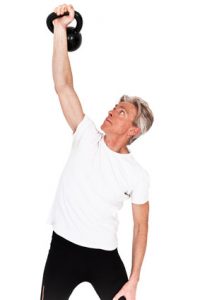
Old Man Lifting WeightsLoss of muscle mass as we age is not a trivial matter. As described above, it:

  • Leads to loss of mobility.
  • Increases your risk of falling. This often leads to serious fractures which increase your risk of disability and death.
  • Lowers your metabolic rate, which increases your risk of obesity and obesity-related diseases.

So, what can you do prevent loss of muscle mass as you age? The answer is simple:

  • Aim for 25-30 grams of high-quality protein in each meal.
    • That protein can come from meat, fish, eggs, or vegetable sources such as beans, nuts, and seeds.
    • That doesn’t mean you need to consume an 8-ounce steak or a half chicken. 3-4 ounces is plenty.
    • However, it does mean you can’t subsist on green salads and leafy greens alone. They are healthy, but you need to include a good protein source if you are going to meet your protein needs.
  • Aim for 150 minutes of moderate intensity exercise per week.
    • At least half of that exercise should be resistance exercise (lifting weights, for example).
    • If you have physical limitations, consult your doctor and work with a physical therapist or personal trainer to design resistance exercises you can do.
    • Aim for a variety of resistance exercises. You will only strengthen the muscles you exercise.
  • Aim for an adequate vitamin D status.
    • Start with a multivitamin containing at least 800 IU of vitamin D3.
    • Because there is large variation in the efficiency with which we convert vitamin D to 25-hydroxy vitamin D, you should get your serum 25-hydroxyvitamin D tested on a yearly basis. Your health professional can tell you if you need to take larger amounts of vitamin D3.
    • This study suggests that a serum 25-hydroxy vitamin D level of 55-69 nmol/L is optimal, and higher levels provide no additional benefit. That means there is no need to take mega-doses of vitamin D3 unless directed by your health professional.

The Bottom Line 

A recent study looked at the effect of vitamin D status on muscle strength and performance in a healthy population with an average age of 69.

When they looked at handgrip strength:

  • Only 22% of the participants with an adequate vitamin D status had low handgrip strength.
  • 40% of participants who were vitamin D deficient had low handgrip strength. That’s almost a 2-fold difference.
  • Handgrip strength increased linearly with vitamin D status.

When they looked at muscle performance:

  • Only 8% of the participants with an adequate vitamin D status scored low on this test.
  • 25% of participants who were vitamin D deficient scored low on this test. That’s a 3-fold difference.
  • Muscle performance also increased linearly with vitamin D status.

The authors concluded: “Vitamin D deficiency was associated with impaired muscle strength and performance in a large study of community-dwelling older people. It is generally accepted that vitamin D deficiency should be reversed to prevent bone disease. This strategy may also protect skeletal muscle function in aging.”

If we look at the research more broadly, there are three factors that are essential for maintaining muscle mass as we age: exercise, protein, and vitamin D. Therefore, my recommendations are to:

1)  Aim for 25-30 grams of high-quality protein in each meal.

2) Aim for 150 minutes of moderate intensity exercise per week. At least half of that exercise should be resistance exercise.

3) Aim for an adequate vitamin D status (>50 nmol/L of serum 25-hydroxy vitamin D). A good place to start is with a multivitamin providing at least 800 IU of vitamin D3.

For more details on my recommendations and a discussion of why studies on vitamin D supplementation are often confusing, read the article above.

These statements have not been evaluated by the Food and Drug Administration. This information is not intended to diagnose, treat, cure or prevent any disease


Does Vitamin D Affect Muscle Strength?

Why Is Vitamin D Research So Controversial?

vitamin dMost people lose muscle strength as they age, something called sarcopenia. This is not a trivial matter. Loss of muscle mass:

  • Leads to loss of mobility. It can also make it difficult to do simple things like lifting your grandchild or carrying a bag of groceries.
  • Increases your risk of falling. This often leads to serious fracture which increases your of dying prematurely. In fact, bone fractures increase your risk of dying by 3-fold or more. Even in those who recover their mobility and quality of life may never be the same.
  • Lowers your metabolic rate. This increases your risk of obesity and all the diseases that are associated with obesity.

Loss of muscle strength as we age is preventable. There are several things we can do to preserve muscle strength as we age, but in today’s article I will focus on the effect of vitamin D on muscle strength.

What if something as simple as preventing vitamin D deficiency could improve muscle strength as we age? That idea has been around for a decade or more. But, for reasons I will detail below, it has proven controversial. Let me start by sharing the latest study on vitamin D and muscle strength (N Aspell et al, Clinical Investigations in Ageing, volume 2019:14, pages 1751-1761).

How Was The Study Done?

Clinical StudyThe data for this study came from 4157 adults who were enrolled in the English Longitudinal Study On Aging. Participants in this study were all over the age of 60 and were still living in their own homes. The general characteristics of the study population were:

  • Their average age was 69.8 with 45% male and 55% female.
  • While 76% of the participants rated their health as “good” or above
    • 73% were overweight or obese.
    • 54% had a longstanding disease that limited mobility.
    • 29% were taking multiple medications.

Serum 25-hydroxy vitamin D levels were determined as a measure of vitamin D status.

  • 22% of the participants were vitamin D deficient (<30 nmol/L 25-hydroxy vitamin D).
  • 34% of the participants were vitamin D insufficient (between 30 and 50 nmol/L 25-hydroxy vitamin D).
  • 46% of the participants had adequate vitamin D status (>50 nmol/L 25-hydroxy vitamin D).

Muscle strength was assessed by a handgrip strength test with the dominant hand. Muscle performance was assessed with something called the short physical performance battery (SPPB), consisting of a walking speed test, a repeated chair raise test, and a balance test.

Does Vitamin D Affect Muscle Strength?

When the data on handgrip strength were analyzed:

  • Only 22% of the participants who had adequate vitamin D status had low handgrip strength.
  • 40% of participants who were vitamin D deficient had low handgrip strength. That’s almost a 2-fold difference.
  • Handgrip strength increased linearly with vitamin D status.
    • The relationship between vitamin D status and handgrip strength was highly significant (p<001).
    • The beneficial effect of vitamin D status on handgrip strength plateaued at around 55-69 nmol/L 25-hydroxy vitamin D. In other words, you need adequate vitamin D status to support muscle strength, but higher levels provide no additional benefit.

When the data on muscle performance (the SPPB test) were analyzed:

  • Only 8% of the participants who had adequate vitamin D status scored low on this test.
  • 25% of participants who were vitamin D deficient scored low on this test. That’s a 3-fold difference.
  • Muscle performance also increased linearly with vitamin D status.
    • The relationship between vitamin D status and muscle performance was also highly significant (p<001).
    • The beneficial effect of vitamin D status on muscle performance also plateaued at around 55-69 nmol/L 25-hydroxy vitamin D.

The authors concluded: “Vitamin D deficiency was associated with impaired muscle strength and performance in a large study of community-dwelling older people. It is generally accepted that vitamin D deficiency should be reversed to prevent bone disease. This strategy may also protect skeletal muscle function in aging.”

Why Is Vitamin D Research So Controversial?

ArgumentYou can be forgiven if you are saying to yourself: “I’ve heard this sort of thing before. I see a blog or headline claiming that vitamin D has a certain benefit, but it’s usually followed by later headlines saying those claims are false. Why can’t the experts agree? Is all vitamin D research bogus?”

The relationship between vitamin D status and muscle strength is no different.

  • Most, but not all, studies looking at the association between vitamin D status and muscle strength find that vitamin D status affects muscle strength.
  • However, many randomized, placebo-controlled clinical trials looking at the effect of vitamin D supplementation on muscle strength have come up empty.

A meta-analysis (L Rejnmark, Therapeutic Advances in Chronic Disease, 2: 25-37, 2011) of randomized, placebo-controlled clinical trials of vitamin D supplementation and muscle strength provides insight as to why so many of them come up empty.

The meta-analysis combined data from 16 clinical trials. The conclusions were similar to what other meta-analyses have found:

  • Seven of the studies showed a benefit of vitamin D supplementation on muscle strength. Nine did not.
  • When the data from all 16 studies were combined, there was only a slight beneficial effect of vitamin D supplementation on muscle strength.

However, it was in the discussion that the reason for these discrepancies became apparent. There were three major deficiencies in study design that were responsible for the discrepancies.

1) There was a huge difference in study design.

    • The subjects were of different ages, genders, and ethnicities.
    • The dose of vitamin D supplementation varied.
    • Different measures of muscle strength and performance were used.

Until the scientific and medical community agree on a standardized study design it will be difficult to obtain consistent results.

While this deficiency explains the variation in outcomes from study to study, there are two other deficiencies in Garbage In Garbage Outstudy design that explain why many of the studies failed to find an effect of vitamin D on muscle strength. I call this “Garbage In, Garbage Out”. Simply put, if the study has design flaws, it may be incapable of detecting a positive effect of vitamin D on muscle strength.

2) Many of the studies did not measure vitamin D status of the participants at the beginning of the study.

    • The results of the study described above show that additional vitamin D will be of little benefit for anyone who starts the study with an adequate vitamin D status.
    • In the study above 46% of the participants had adequate vitamin D status. This is typical for the elderly community. When almost 50% of the participants in a study have adequate vitamin D status at the beginning of a study it becomes almost impossible to demonstrate a beneficial effect of vitamin D supplementation on any outcome.

It is essential that future studies of vitamin D supplementation start with participants who have low vitamin D status. Otherwise, you are almost guaranteeing a negative outcome.

3) Most of the studies ignored the fact that vitamin D status is only one of three factors that are essential for muscle strength.

    • In the case of muscle strength, especially in the elderly, the three essentials are vitamin D, protein, and exercise. All three are needed to maintain or increase muscle strength. Simply put, if one is missing, the other two will have little or no effect on muscle strength. Unfortunately, you cannot assume that exercise and protein intake are adequate in older Americans:
      • Many older adults don’t get enough exercise because of physical limitations.

Unfortunately, many clinical studies on the effect of vitamin D supplementation and muscle strength fail to include exercise and adequate protein intake in the study. Such clinical trials are doomed to failure.

Now you know why vitamin D research is so controversial. Until the scientific and medical community get their act together and perform better designed experiments, vitamin D research will continue to be controversial and confusing.

What Does This Mean For You?

Old Man Lifting WeightsLoss of muscle mass as we age is not a trivial matter. As described above, it:

  • Leads to loss of mobility.
  • Increases your risk of falling. This often leads to serious fracture which increase your risk of disability and death.
  • Lowers your metabolic rate, which increases your risk of obesity and obesity-related diseases.

So, what can you do prevent loss of muscle mass as you age? The answer is simple:

1) Aim for 25-30 grams of high-quality protein in each meal.

    • That protein can come from meat, fish, eggs, or legumes.
    • That doesn’t mean you need to consume an 8-ounce steak or a half chicken. 3-4 ounces is plenty.
    • However, it does mean you can’t subsist on green salads and leafy greens alone. They are healthy, but you need to include a good protein source if you are going to meet your protein needs.

2) Aim for 150 minutes of moderate intensity exercise per week.

    • At least half of that exercise should be resistance exercise (lifting weights, for example).
    • If you have physical limitations, consult your doctor and a physical therapist or personal trainer to design resistance exercises you can do.
    • Aim for a variety of resistance exercises. You will only strengthen the muscles you exercise.

3) Aim for an adequate vitamin D status.

    • Start with a multivitamin containing at least 800 IU of vitamin D3.
    • Because there is large variation in the efficiency with which we convert vitamin D to 25-hydroxy vitamin D, you should get your serum 25-hydroxyvitamin D tested on a yearly basis. Your health professional can tell you if you need to take larger amounts of vitamin D3.
    • This study suggests that a serum 25-hydroxy vitamin D level of 55-69 nmol/L is optimal, and higher levels provide no additional benefit. That means there is no need to take mega-doses of vitamin D3 unless directed by your health professional.

The Bottom Line

A recent study looked at the effect of vitamin D status on muscle strength and performance in a healthy population with an average age of 69.

When they looked at handgrip strength:

  • Only 22% of the participants with an adequate vitamin D status had low handgrip strength.
  • 40% of participants who were vitamin D deficient had low handgrip strength. That’s almost a 2-fold difference.
  • Handgrip strength increased linearly with vitamin D status.

When they looked at muscle performance:

  • Only 8% of the participants with an adequate vitamin D status scored low on this test.
  • 25% of participants who were vitamin D deficient scored low on this test. That’s a 3-fold difference.
  • Muscle performance also increased linearly with vitamin D status.

The authors concluded: “Vitamin D deficiency was associated with impaired muscle strength and performance in a large study of community-dwelling older people. It is generally accepted that vitamin D deficiency should be reversed to prevent bone disease. This strategy may also protect skeletal muscle function in aging.”

If we look at the research more broadly, there are three factors that are essential for maintaining muscle mass as we age: exercise, protein, and vitamin D. Therefore, my recommendations are to:

1)  Aim for 25-30 grams of high-quality protein in each meal.

2) Aim for 150 minutes of moderate intensity exercise per week. At least half of that exercise should be resistance exercise.

3) Aim for an adequate vitamin D status (>50 nmol/L of serum 25-hydroxy vitamin D). A good place to start is with a multivitamin providing at least 800 IU of vitamin D3.

For more details on my recommendations and a discussion of why studies on vitamin D supplementation are often confusing, read the article above.

These statements have not been evaluated by the Food and Drug Administration. This information is not intended to diagnose, treat, cure or prevent any disease.


Health Tips From The Professor