
The Methyl B12 Myths

How Is The Vitamin B12 For Supplements Produced?

Author: Dr. Stephen Chaney
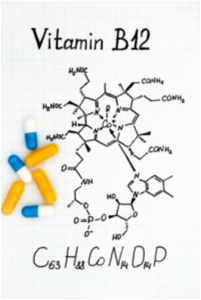
Vitamin B12Vitamin B12 (also called cobalamin) is a complex molecule whose structure is shown on the left. It has a cobalt atom in its center which is essential for its functioning (more about that in a minute).

It was first discovered in 1947 and shown to be an essential nutrient for humans in 1948. It has been used in nutritional supplements since then.

The deficiency of vitamin B12 leads to a disease called pernicious anemia.

  • The initial symptoms are like other forms of anemia, namely:
    • Fatigue and weakness.
    • Pale skin.
    • Low red blood cell count.
  • If the deficiency persists long enough, neurological symptoms also appear including:
    • Numbness and tingling in hands and feet.
    • Lack of fine motor skills.
    • Difficulty maintaining balance and coordination.
    • Cognitive issues and mood changes.

Vitamin B12 is found naturally in animal foods such as meat (liver is a particularly good source), fish, poultry, eggs, and dairy.

Vitamin B12 deficiency is most frequently observed in vegetarians (Plant foods contain no vitamin B12) and the elderly (As we age, we tend to lose a protein called intrinsic factor in our intestine that is important for vitamin B12 absorption).

In our bodies, vitamin B12 occurs in two forms, methylcobalamin (popularly referred to as methyl B12) and adenosylcobalamin.

  • Adenosylcobalamin is important for energy production, especially the generation of energy from protein and fat.
  • Methylcobalamin is important for nerve function, DNA and RNA synthesis, and gene regulation among other things.
  • Both adenosylcobalamin and methylcobalamin are required to produce red blood cells.

How Is The Vitamin B12 For Supplements Produced? 

bacteriaWhile it is theoretically possible to extract enough vitamin B12 for a B12 supplement from B12-rich foods such as liver, the extraction process is complex and inefficient. If a supplement company claims their methyl B12 supplement comes from food, they are probably lying to you.

And the structure of vitamin B12 is so complex it is almost impossible to synthesize chemically.

For years most of the vitamin B12 (cobalamin) for supplements has been generated by growing certain B12-producing bacteria and related organisms in large vats and purifying the vitamin B12 they produce. However, these bacteria were inefficient at incorporating cobalt into the cobalamin they made resulting in an excess of cobalt in the growth medium. Since large amounts of cobalt can be toxic, the remaining liquid had to be treated as a hazardous material and disposed of properly.

Recently this problem has been solved by genetically engineering the bacteria, so they are more efficient at utilizing cobalt. This is fast becoming the method of choice for making vitamin B12 for supplements.

In either case, the cobalamin is usually precipitated out of the growth medium as cyanocobalamin crystals and the crystals washed to remove impurities. Cyanocobalamin has been the primary source of vitamin B12 in supplements for the past 77 years (since 1948).

The methylcobalamin in most methyl B12 supplements is produced by reducing cyanocobalamin with sodium borohydride followed by the addition of methyl iodide or by directly adding methyl iodide to the bacterial cultures and using an alternate purification process.

The Methyl B12 Myths

Myth Versus FactsSome supplement manufacturers are now claiming that methyl B12 (methylcobalamin) is more natural and more effective than the cyanocobalamin that has been used in supplements for the past 77 years. Let’s look at the myths propagated by methyl B12 supplement manufacturers and compare them to the facts.


Myth: Methyl B12 (methylcobalamin) is more natural than cyanocobalamin. We get the methyl B12 in our supplements from foods.

Fact: As I said above, it would be impossible to extract enough methylcobalamin from foods, so this claim is false.

Some of the methylcobalamin in supplements is chemically synthesized from cyanocobalamin. It can never be more natural than its starting ingredients.

However, in today’s world both cyanocobalamin and methylcobalamin are most likely to be made by chemically altering the cobalamin produced by genetically modified bacteria. In one case a cyano group is added. In the other case a methyl group is added.


Myth: Cyanocobalamin is toxic.

Fact: You get much more cyanide from common foods such as almonds, lima beans, any fruit with a pit such as peaches, and even some fruits with seeds, such as apples. For example, a single almond contains 200 times more cyanide than a supplement providing the RDA of cyanocobalamin.

Does that mean you need to avoid almonds and other cyanide-containing foods? The answer is no. God has designed our bodies to thrive on the natural foods He created for us. We have an enzyme called rhodanese in our mitochondria that can convert the small amounts of cyanide found naturally in foods to thiocyanate. And thiocyanate can be harmlessly excreted in the urine.

In short, we can eat almonds safely and we can take cyanocobalamin supplements safely. Our bodies are designed to handle them.


Myth: Because methylcobalamin is one of the active forms of B12 inside cells (adenosylcobalamin is the other), it is better utilized by cells than cyanocobalamin.

Fact: Cyanocobalamin and methylcobalamin are equally well absorbed by the intestine and equally well transported to our cells. At the cell membrane, the cyano and methyl groups are stripped off and cobalamin (B12) binds to a transport protein called transcobalamin II. Once inside the cell either a methyl group or adenosyl group is added back to cobalamin.

In short, methylcobalamin offers no advantage over cyanocobalamin because its methyl group is removed before it enters our cells. Once the methyl and cyano groups have been removed, the cell has no way of knowing whether B12 started out in the methyl or cyano form.


Myth: Methylcobalamin is better utilized than cyanocobalamin for people with methylation defects.

Fact: A methylation defect would only affect methylation of cobalamin once it is released from transcobalamin II inside the cell. Once again, because the methyl and cyano groups are removed before cobalamin binds to transcobalamin II, methylcobalamin offers no advantage over cyanocobalamin.

What Does This Mean For You?

questionsThe claims that everyone would benefit from methylcobalamin (methyl B12) instead of cyanocobalamin is outrageous. Anyone who takes the time to research how B12 enters our cells would realize that the claim is biochemically impossible.

In short, cyanocobalamin has been used for 77 years. There are hundreds of clinical studies showing it is safe and effective, even in individuals with a MTHFR deficiency. I can’t tell you whether the companies selling methyl B12 are ignorant of basic metabolism and the published studies refuting their claims or whether they are purposely trying to deceive the public—but neither is a good thing.

The Bottom Line

Some supplement manufacturers are now claiming that methyl B12 (methylcobalamin) is more natural and more effective than the cyanocobalamin that has been used in supplements for the past 77 years. In this issue of “Health Tips From the Professor” I debunk the methyl B12 myths used by the supplement manufacturers to sell their methyl B12 products.

I can’t tell you whether the companies selling methyl B12 are ignorant of basic metabolism and the published studies refuting their claims or whether they are purposely trying to deceive the public—but neither is a good thing.

For more specifics, read the article above.

These statements have not been evaluated by the Food and Drug Administration. This information is not intended to diagnose, treat, cure or prevent any disease.

______________________________________________________________________________

My posts and “Health Tips From the Professor” articles carefully avoid claims about any brand of supplement or manufacturer of supplements. However, I am often asked by representatives of supplement companies if they can share them with their customers.

My answer is, “Yes, as long as you share only the article without any additions or alterations. In particular, you should avoid adding any mention of your company or your company’s products. If you were to do that, you could be making what the FTC and FDA consider a “misleading health claim” that could result in legal action against you and the company you represent.

For more detail about FTC regulations for health claims, see this link.

https://www.ftc.gov/business-guidance/resources/health-products-compliance-guidance

 _______________________________________________________________________

About The Author 

Dr. Chaney has a BS in Chemistry from Duke University and a PhD in Biochemistry from UCLA. He is Professor Emeritus from the University of North Carolina where he taught biochemistry and nutrition to medical and dental students for 40 years.

Dr. Chaney won numerous teaching awards at UNC, including the Academy of Educators “Excellence in Teaching Lifetime Achievement Award”.

Dr Chaney also ran an active cancer research program at UNC and published over 100 scientific articles and reviews in peer-reviewed scientific journals. In addition, he authored two chapters on nutrition in one of the leading biochemistry text books for medical students.

Since retiring from the University of North Carolina, he has been writing a weekly health blog called “Health Tips From the Professor”. He has also written two best-selling books, “Slaying the Food Myths” and “Slaying the Supplement Myths”. And most recently he has created an online lifestyle change course, “Create Your Personal Health Zone”. For more information visit https://chaneyhealth.com.

For the past 53 years Dr. Chaney and his wife Suzanne have been helping people improve their health holistically through a combination of good diet, exercise, weight control and appropriate supplementation.


 

What Nutrients Are Missing In Prenatal Supplements?

Do These Deficiencies Matter?

Author: Dr. Stephen Chaney

healthy pregnancyIf you are a pregnant mom, nothing is more important than the health of your baby. And if you are pregnant or thinking of becoming pregnant, your doctor has probably recommended a prenatal supplement. But does the prenatal supplement he or she recommended provide you with all the nutrients you need?

In a previous issue of “Health Tips From the Professor” I shared two studies that suggested the answer is, “No”. Those studies concluded that most prenatal supplements had little or no vitamin K, choline, DHA, and iodine – all of which are essential for the health of your newborn baby. And while most prenatal supplements contained calcium, the amount they provided was far below recommended levels.

The authors of the first study also made the point that most women going on a prenatal supplement will probably discontinue taking their multivitamin supplement, so a good prenatal supplement should provide all the essential nutrients.

But they don’t. Folic acid, iron, calcium, and vitamin D have long been recognized as essential for a healthy pregnancy. So, virtually every prenatal supplement contained these four nutrients, although calcium is often present in suboptimal amounts. Beyond those four nutrients, the design of prenatal supplements is haphazard. Some contain vitamin K, choline, iodine, or DHA (often in suboptimal amounts). But almost none contain all four nutrients.

And when you consider the other essential nutrients you find in most multivitamins, prenatal supplements often come up empty. Is that a problem? That’s what this study (KM Godfrey et al, PLOS Medicine, 1-27, December 5, 2023) was designed to find out.

How Was This Study Done?

clinical studyThis was a double-blind, placebo-controlled clinical trial, the gold standard for clinical studies. The investigators recruited 1,729 women who were planning to get pregnant from England, Singapore, and New Zealand between 2015 and 2017.

The women were randomly split into two groups:

  • The control group received a supplement containing nutrients that were most frequently included in prenatal supplements in those countries (folic acid, iron, calcium, iodine, and beta-carotene).
  • The intervention group received a supplement containing those nutrients plus riboflavin, vitamin B6, vitamin B12, vitamin D, zinc, inositol, and probiotics).
  • Riboflavin, vitamin B6, vitamin B12, vitamin D, and zinc were included because they are included in most multivitamins but are often missing in prenatal supplements.
  • Inositol was included because some studies have suggested that inositol may reduce the risk of maternal hyperglycemia and gestational diabetes.

Blood samples to assess nutritional status were obtained from all women in the study before the trial started (baseline) and after 1 month of supplementation with either the control or intervention formulation.

Of the women entering the study, 512 went on to have a singleton (one child) pregnancy. For these women supplementation was continued until childbirth. Additional blood samples were obtained in early and late pregnancy and at 6 months postdelivery. [Note: no supplementation was provided to either group postdelivery. And this is also a period of time when most women would be breastfeeding.]

The blood samples were tested for:

  • Blood levels of folic acid, riboflavin, vitamin B6, vitamin B12, and vitamin D.
  • Functional biomarkers of deficiencies of each of these vitamins.

What Nutrients Are Missing In Prenatal Supplements?

Question MarkThere was no difference in maternal hyperglycemia or gestational diabetes between the control group and the intervention group supplemented with inositol, so I will focus on the other nutrients present in the intervention group.

At baseline when subjects were first entered into the study.

  • 29.2% of the subjects had low or marginal status for folic acid.
  • 82.0% of the subjects had low or marginal status for riboflavin.
  • 1.3% of the subjects had low or marginal status for vitamin B6.
  • 9.1% of the subjects had low or marginal status for vitamin B12.
  • 48.7% of the subjects had low or marginal status for vitamin D.
  • 91.0% of the subjects had low or marginal status for one or more of these vitamins.

In the control group receiving folic acid but no riboflavin, vitaminB6, vitamin B12, and vitamin D:

  • Folic acid deficiency fell to 4.1% after 1 month of supplementation (the supplement used by the control group contained folic acid), 1% in early pregnancy, 6.1% in late pregnancy, and rose to 31.8% 6 months after supplementation was discontinued. The intervention group got the same amount of folic acid, and their results were similar.
  • Riboflavin deficiency ranged from 82-92% during pregnancy and returned to 82% 6 months postdelivery.
  • Vitamin B6 deficiency increased to 54% in late pregnancy and returned to 1.2% 6 months postdelivery.
  • Vitamin B12 deficiency increased to 55% in late pregnancy and returned to 12.4% 6 months postdelivery.
  • Vitamin D deficiency ranged from 35-43% during pregnancy and returned to 31% 6 months postdelivery.
  • Functional markers of vitamin B6 deficiency were evident by late pregnancy.

In short, data from the control group fell into 3 categories:

  • The data with folic acid confirm previous studies showing that folic acid in the amount present in most prenatal supplements is effective at preventing folic acid deficiency before and during pregnancy. It also strengthens the argument for continuing folic acid supplementation during breastfeeding.
  • Deficiencies of riboflavin and vitamin D are prevalent in women of childbearing age, but pregnancy does not appear to significantly impact the percentage of women who are deficient in these nutrients.
  • Deficiencies of vitamins B6 and B12 are rare in women of childbearing age, but pregnancy significantly depletes both nutrients.
    • This was particularly evident for vitamin B6. Blood levels of vitamin B6 markers decreased to a level that could impact the functioning of vitamin B6-depended metabolic pathways.

pregnant women taking vitaminsFor the intervention group receiving additional riboflavin, vitamin B6, vitamin B12, and vitamin D:

  • Deficiencies of these vitamins were eliminated by one month of supplementation.
  • Vitamin levels remained adequate during pregnancy.
  • Except for vitamin B12, deficiencies of these vitamins reappeared when supplementation was discontinued for 6 months. The maintenance of adequate B12 levels 6 months after supplementation stopped was expected because the body holds on to its B12 stores very tightly.

In short deficiencies of these nutrients before and during pregnancy could be eliminated by supplementation with levels of these nutrients found in many multivitamins.

The authors concluded, “Over 90% of the trial participants had low concentrations of one or more of folate, riboflavin, vitamin B12, or vitamin D during preconception, and many developed markers of vitamin B6 deficiency in late pregnancy. Preconception/pregnancy supplementation in amounts available in over-the-counter supplements substantially reduces the prevalence of vitamin deficiency and depletion markers before and during pregnancy, with higher maternal plasma vitamin B12 maintained during the recommended lactation period.”

Do These Deficiencies Matter?

New ParentsIt is well established that deficiencies of folic acid and vitamin D cause health risks for the mother and developmental risks for the fetus, so I won’t discuss these nutrients here.

However, the effect of riboflavin, vitamin B6, and vitamin B12 deficiencies on pregnancy is less well known, which is probably why these nutrients are often not added to prenatal supplements.

The authors of the study said small studies have suggested that:

  • Low or deficient riboflavin status may be associated with a higher risk of anemia during pregnancy.
  • Low vitamin B6 status may be associated with an increased risk of preterm birth and development of metabolic health risks in the child.
  • Low vitamin B12 status may be associated with increased risk of gestational diabetes and pre-eclampsia in the mother, and increased risk of neural tube defects, preterm birth, low birth weight, and neurocognitive delays in the baby – with the strongest evidence being an effect on neurocognitive development.

While none of these risks have been definitively proven, the authors point out that deficiencies of these nutrients can easily be eliminated with inexpensive, over-the-counter multivitamin supplements.

What Does This Study Mean For You?

Questioning WomanPerhaps I should start this section by asking why these deficiencies are so common in women of child-bearing age.

The authors speculate that part of the reason is that many women are giving up meat (B12 and iron) and dairy (calcium and riboflavin) for health or environmental reasons.

However, they also point out that a more likely cause is that more than 60% of calories consumed in countries like England, New Zealand, and the United States comes from ultra-processed foods – otherwise known as “empty calories”.

Whatever the cause, the authors conclude, “…the findings suggest a need to reappraise dietary recommendations for preconception and pregnancy to consider further the role of multiple micronutrient supplements for women living in higher-income countries.” I agree.

In a previous “Health Tips From the Professor” article, I reported a recent study showing that most prenatal supplements have either no or inadequate amounts of vitamin K, choline, DHA, iodine, and calcium, nutrients that are absolutely essential for a healthy pregnancy. And I gave recommendations for choosing the best prenatal supplement for you and your child.

That study also noted that many women discontinue their multivitamin supplement when they start taking a prenatal supplement. The current study indicates that practice may be unwise. It shows that:

  • Many women of childbearing age are deficient in one or more of these essential nutrients, and…
  • Essential nutrients not found in most prenatal supplements may also be important for a healthy pregnancy.

So, if you are pregnant or thinking of becoming pregnant, follow this article’s recommendation to start with a well-designed prenatal supplement that provides adequate amounts of folate, iron, calcium, vitamin D, vitamin K, choline, DHA, and iodine and add a multivitamin supplement that provides the other essential nutrients. Alternatively, a simpler approach would be to choose a well-designed prenatal supplement that includes all the essential nutrients. That would be my recommendation.

I would also note this study showed that deficiencies of most of these nutrients reappeared as soon as supplementation was discontinued. Although the authors of this study did not mention it, this reinforces the importance of continuing supplementation during breastfeeding.

The Bottom Line

I have previously reported on a study that concluded many prenatal supplements lack one or more nutrients shown to be important for a healthy pregnancy. But let’s say you have found a prenatal supplement that provides all those nutrients. Is that enough?

Studies show that most women stop taking their multivitamin supplement when they start on a prenatal supplement. But is that a good idea? Are there essential nutrients found in multivitamins, but not in many prenatal supplements that are also important for a healthy pregnancy?

A recent study asked that question in women who were trying to become pregnant. The study found that:

  • Many women of childbearing age are deficient in one or more essential nutrients found in multivitamin supplements but often missing in prenatal supplements, and…
  • Essential nutrients not found in most prenatal supplements may also be important for a healthy pregnancy.

For more details about this study and what it means for you read the article above.

These statements have not been evaluated by the Food and Drug Administration. This information is not intended to diagnose, treat, cure, or prevent any disease.

 ______________________________________________________________________________

My posts and “Health Tips From the Professor” articles carefully avoid claims about any brand of supplement or manufacturer of supplements. However, I am often asked by representatives of supplement companies if they can share them with their customers.

My answer is, “Yes, as long as you share only the article without any additions or alterations. In particular, you should avoid adding any mention of your company or your company’s products. If you were to do that, you could be making what the FTC and FDA consider a “misleading health claim” that could result in legal action against you and the company you represent.

For more detail about FTC regulations for health claims, see this link.

https://www.ftc.gov/business-guidance/resources/health-products-compliance-guidance

 ______________________________________________________________________

About The Author 

Dr. Chaney has a BS in Chemistry from Duke University and a PhD in Biochemistry from UCLA. He is Professor Emeritus from the University of North Carolina where he taught biochemistry and nutrition to medical and dental students for 40 years.  Dr. Chaney won numerous teaching awards at UNC, including the Academy of Educators “Excellence in Teaching Lifetime Achievement Award”. Dr Chaney also ran an active cancer research program at UNC and published over 100 scientific articles and reviews in peer-reviewed scientific journals. In addition, he authored two chapters on nutrition in one of the leading biochemistry text books for medical students.

Since retiring from the University of North Carolina, he has been writing a weekly health blog called “Health Tips From the Professor”. He has also written two best-selling books, “Slaying the Food Myths” and “Slaying the Supplement Myths”. And most recently he has created an online lifestyle change course, “Create Your Personal Health Zone”. For more information visit https://chaneyhealth.com.

For the past 45 years Dr. Chaney and his wife Suzanne have been helping people improve their health holistically through a combination of good diet, exercise, weight control and appropriate supplementation.

Health Tips From The Professor