What Does The CDC Recommend?
Author: Dr. Stephen Chaney
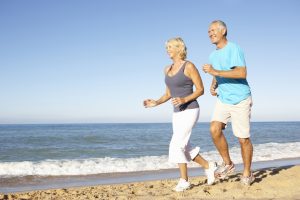 Everyone agrees that exercise is an important part of healthy aging. Many studies have shown that physical fitness in middle-aged adults is a strong predictor of physical performance in the elderly. Simply put, if you are physically fit in your middle years there is a high probability that you will be able to enjoy an active lifestyle in your “golden years”.
But which kind of exercise is best, aerobic exercise or resistance exercise? Here the science gets a little murkier. There are lots of studies on the benefits of aerobic exercise and resistance exercise, and the advocates of each type of exercise claim theirs is the best.
Unfortunately, relatively few studies have compared their effectiveness. And most of those studies were small, so the differences were often not statistically significant.
To address this question, the authors of the current study (J An et al., Archives of Gerontology and Geriatrics, volume 126, 105530, 2024) conducted a meta-analysis of 38 small randomized controlled trials (RCTs) that directly compared aerobic exercise with resistance exercise. Together, the trials included 1,184 participants—enough to detect statistically significant differences between the two types of exercise.
How Was The Study Done?
 The meta-analysis selected 38 studies with 1,184 participants based on the following criteria:
- Only Randomized Controlled Trials (RCTs) directly comparing the effects of aerobic exercise versus resistance exercise were included.
- Participants were middle-aged to older adults (typically aged 50–85 years).
- The studies were required to report data on cardiorespiratory fitness (such as VO₂max or 6-minute walk test) and/or body composition (such as body mass or lean body mass).
The study also analyzed the benefits of each type of exercise according to age and health status.
- For purposes of age comparisons, the participants were divided into those who were ≤65 and >65.
- For purposes of health comparisons, the healthy group had no diagnosed chronic conditions, and the unhealthy group had been diagnosed with chronic conditions such as overweight or obesity, type 2 diabetes, or cardiovascular disease.
Is Aerobic Or Resistance Exercise Best?
 The results of the study were:
- Both types of exercise were beneficial in each category tested. However, there were some clear differences in the magnitude of benefit.
-
- Aerobic exercise led to statistically significant gains in measures of fitness like VO₂max and the 6-minute walk test compared to resistance exercise. It also gave slightly better results for weight loss.
-
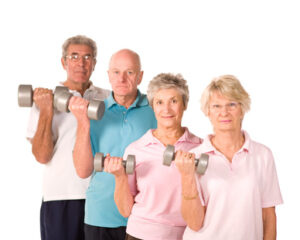
- Resistance exercise gave significantly better results in terms of increased lean muscle mass and decreased fat mass.
- There was no difference between the two for blood pressure, triglyceride, cholesterol, HbA1c (a measure of blood sugar control) and resting heart rate improvements.
- These findings were consistent regardless of participants age, gender, and health status.
The authors concluded that while aerobic exercise is superior for enhancing cardiorespiratory fitness and reducing bodyweight, resistance exercise remains essential for improving lean body mass [and decreasing fat mass], which indicates that exercise prescriptions for older adults should be customized or combined based on individual health objectives.
What Does This Study Mean For You?
 If you are thinking that the conclusions from this study seem familiar, you wouldn’t be wrong. This is essentially what fitness and medical organizations have been saying for years. However, the data behind their recommendations has been weak.
This study provides a much stronger foundation for their recommendations. This is the first study to combine all the smaller studies that have directly compared aerobic and resistance exercise into a single meta-analysis, so that statistically sound comparisons can be made.
In the discussion of their results, the authors of this study said:
- Clinicians and trainers should prescribe aerobic exercise when the primary goal is improving cardiovascular health or reducing overall body mass.
- They should prioritize resistance exercise when the clinical goal is preventing sarcopenia, maintaining muscle strength, or increasing lean tissue.
- Because neither modality covers all aspects of physical decline equally, combining both aerobic and resistance exercise offers the most balanced approach for healthy aging.
I agree with this assessment, but I would also make the following points:
- The improvements in VO₂max and walking ability with aerobic exercise are associated with improved fitness as you age. Specifically, you will be less likely to suffer from heart or respiratory disease and will be better able to perform physical tasks as you age.
- The increase in lean muscle mass (and associated decrease in fat mass) associated with resistance exercise will improve your muscle strength and decrease the likelihood of falling as you age.
-
- The increase in lean muscle mass also improves insulin sensitivity and decreases the risk of developing type-2 diabetes.
-
- The decrease in fat mass also helps reduce inflammation as we age.
- Combining aerobic and resistance exercise doesn’t just provide additive benefits. Some of the benefits are synergistic. For example:
-
- Aerobic exercise improves cardiovascular fitness, and resistance exercise reduces inflammation. Both are important for reducing the risk of cardiovascular disease as we age.
-
- VO₂max and lean muscle mass are two of the most influential predictors of longevity. Aerobic exercise improves VO₂max and resistance exercise improves lean muscle mass.
With that in mind let’s look at what the experts say. Here are the CDC recommendations for exercise as we age.
What Does The CDC Recommend?
 Here are the latest CDC recommendations for exercise as we age.
- If you are 65 or older, you need aerobic exercise, muscle-strengthening [resistance exercise], and balance activities each week.
- You can add regular physical activity into your life in a variety of ways.
- People benefit from physical activity throughout life, including as they age.
Every week, adults 65 and older need:
- Aerobic exercise that includes:
-
- At least 150 minutes at moderate intensity. This could be 30 minutes a day, 5 days a week.
-
- Or 75 minutes at vigorous intensity.
-
- Or an equivalent combination at moderate and vigorous intensity.
- At least 2 days of activities that strengthen muscles (resistance exercise).
If you have trouble meeting these recommendations, be as physically active as your abilities and conditions allow. [If in doubt, consult with your healthcare provider before beginning any exercise regimen.]
Remember that some physical activity is better than none at all. Your health benefits will increase with the more physical activity that you do.
The Bottom Line
A recent meta-analysis combined data from 38 small studies that directly compared aerobic and resistance exercise to clarify the benefits of each.
- Both types of exercise were beneficial in each category tested. However, there were some clear differences in the magnitude of some benefits.
-
- Aerobic exercise led to statistically significant gains in measures of fitness like VO₂max and the 6-minute walk test compared to resistance exercise. It also gave slightly better results for weight loss.
-
- Resistance exercise gave significantly better results in terms of increased lean muscle mass and decreased fat mass.
- There was no difference between the two for blood pressure, triglyceride, cholesterol, HbA1c (a measure of blood sugar control) and resting heart rate improvements.
- These findings were consistent regardless of participants age, gender, and health status.
For more details about the study, what it means for you, and the CDC recommendations for exercise, read the article above
These statements have not been evaluated by the Food and Drug Administration. This information is not intended to diagnose, treat, cure or prevent any disease.
__________________________________________________________________________________________
My posts and “Health Tips From the Professor” articles carefully avoid claims about any brand of supplement or manufacturer of supplements. However, I am often asked by representatives of supplement companies if they can share them with their customers.
My answer is, “Yes, as long as you share only the article without any additions or alterations. In particular, you should avoid adding any mention of your company or your company’s products. If you were to do that, you could be making what the FTC and FDA consider a “misleading health claim” that could result in legal action against you and the company you represent.
For more detail about FTC regulations for health claims, see this link.
https://www.ftc.gov/business-guidance/resources/health-products-compliance-guidance
__________________________________________________________________________________
About The Author
 Dr. Chaney has a BS in Chemistry from Duke University and a PhD in Biochemistry from UCLA. He is Professor Emeritus from the University of North Carolina where he taught biochemistry and nutrition to medical and dental students for 40 years. Dr. Chaney won numerous teaching awards at UNC, including the Academy of Educators “Excellence in Teaching Lifetime Achievement Award”.
Dr Chaney also ran an active cancer research program at UNC and published over 100 scientific articles and reviews in peer-reviewed scientific journals. In addition, he authored two chapters on nutrition in one of the leading biochemistry text books for medical students.
Since retiring from the University of North Carolina, he has been writing a weekly health blog called “Health Tips From the Professor”. He has also written two best-selling books, “Slaying the Food Myths” and “Slaying the Supplement Myths”. And most recently he has created an online lifestyle change course, “Create Your Personal Health Zone”. For more information visit https://chaneyhealth.com.
For the past 54 years Dr. Chaney and his wife Suzanne have been helping people improve their health holistically through a combination of good diet, exercise, weight control and appropriate supplementation.